Running Shoes
Saucony Endorphin Elite 2 Review: A Softer Take on a Favorite Racer
The Endorphin Elite 2 swaps its original foam for the new IncrediRun midsole. Softer and more comfortable, but does it give up too much top-end pop at $275?
Introduction
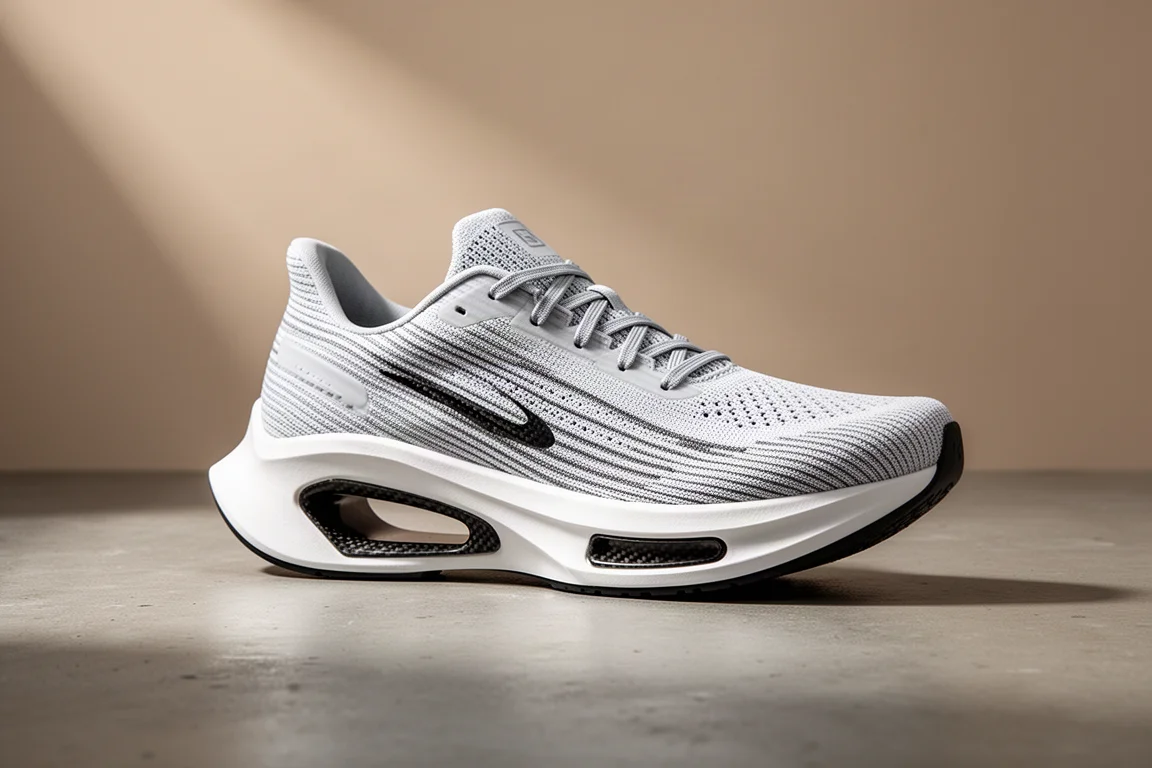
The original Endorphin Elite was one of our favorite racing shoes of its release year, so expectations for the sequel were high. For the Endorphin Elite 2, Saucony made a bold move: it completely replaced the midsole foam. The new IncrediRun foam is softer and squishier than anything else the brand currently uses, and it changes the personality of this shoe in ways that some runners will love and others will question, especially at a $275 retail price.
After extensive testing across easy runs, marathon-pace work, threshold efforts, and VO2 max repeats, the picture is nuanced. This is a genuinely fun and comfortable shoe, but it may have traded a little of its racing edge for that comfort.
Saucony Endorphin Elite 2: Specs and Construction
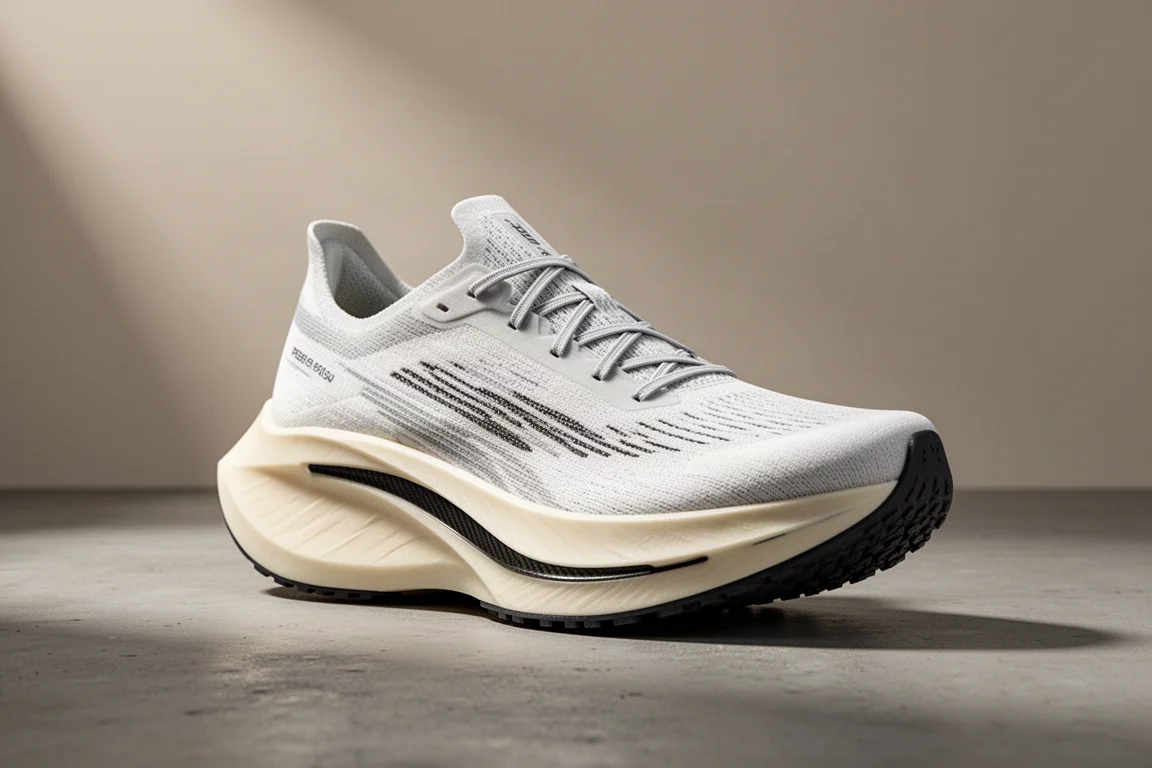
On paper, the Endorphin Elite 2 is a 39.5 mm stack shoe with an 8 mm drop, putting 31.5 mm of foam under the forefoot. The stated weight is 7.0 oz (199 g), which is very competitive for a shoe that looks this big. The midsole uses one foam only: Saucony’s new IncrediRun, a departure from the PWRRUN HG foam in the original and a notable split from the wider PWRRUN family used in the Speed and Pro lines.
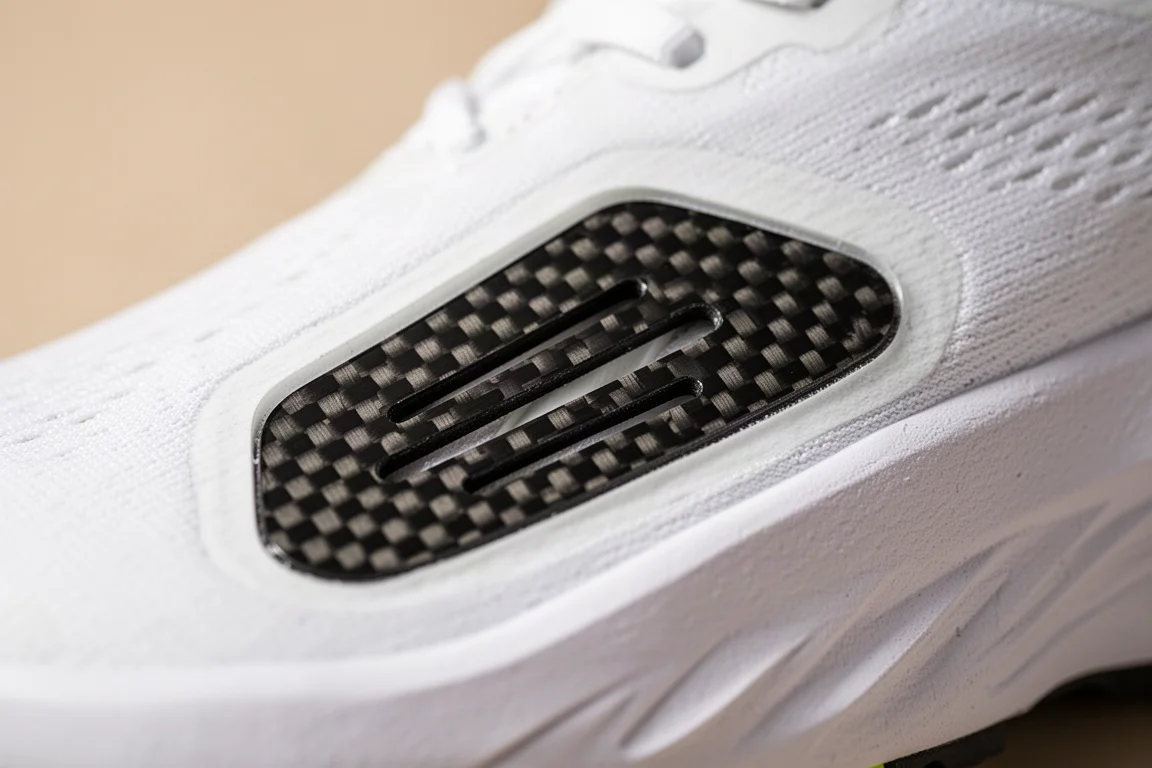
IncrediRun is lightweight but extremely soft. It deforms noticeably just from being squeezed by hand, and under foot it compresses a lot during ground contact. To keep all that squish in check, Saucony pairs it with a carbon fiber plate in a slotted fork design. The idea is that each arm of the forked plate can bend independently when the foot lands off balance, helping the foot roll to the correct position before decompressing and releasing energy in the right direction. In practice, slotted fork plates tend to act more as a stabilizing element for soft foam than as a source of carbon springiness.
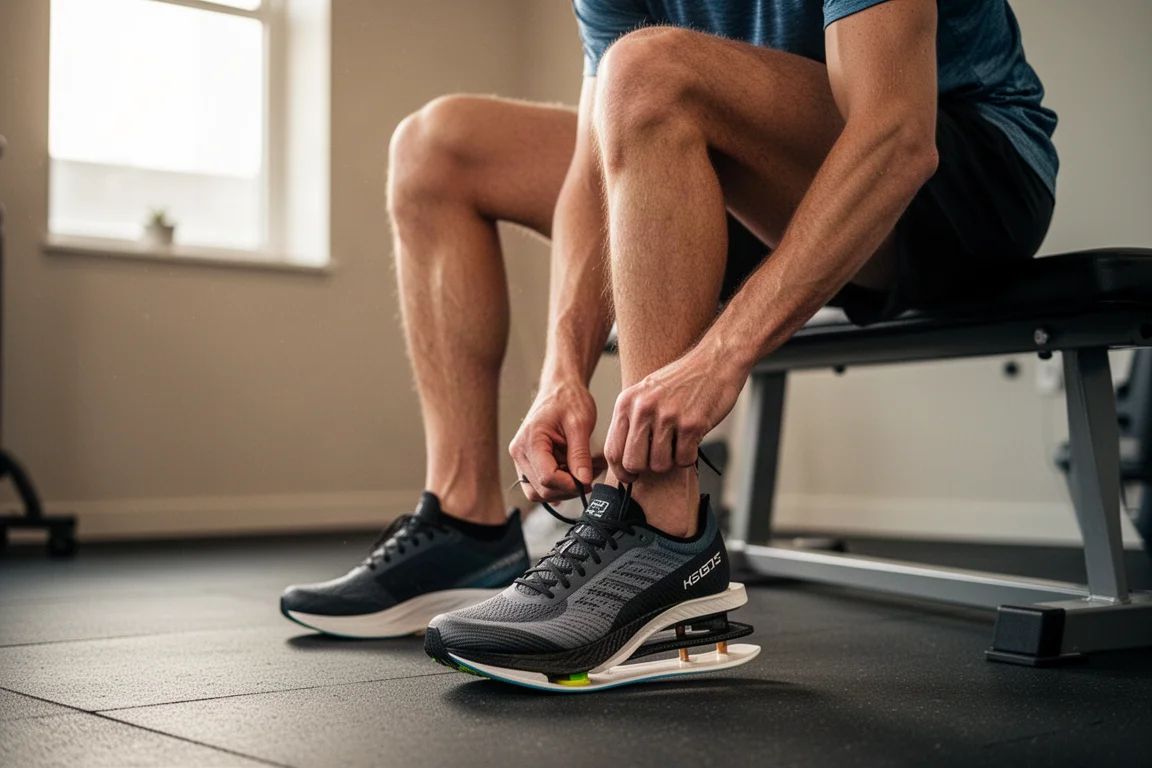
The outsole offers a decent amount of rubber coverage with plenty of exposed foam, but the highest-wear areas get rubber that appears reasonably thick. The upper is brand new: a striated, frayed-muscle style design that provides strength and coverage while leaving room for airflow. The tongue is a curveball, using a knit material topped with the same flap style seen on the Endorphin Pro 4, with a logo on each side so you can choose which one to show off on race day. At the heel there is a molded, pre-shaped design reminiscent of the New Balance 1080v10, though here it is very floppy rather than rigid, which leaves a roomier heel than most racing shoes.
On the Road: Softness, Snappiness, and Speed
Here is where the review gets complicated. IncrediRun is incredibly soft, and for a fan of big, tall, squishy shoes, admitting this shoe may be a little too soft is painful. The compression itself is not the problem; dynamic foams that move under load can be great. The issue is decompression: a race shoe needs to snap back quickly so it never feels mushy during ground contact. At faster efforts, that is exactly the sensation the Endorphin Elite 2 starts to produce.
This shoe required far more testing than most racers to get a clean read, because there is genuinely nothing else like IncrediRun in the race category. The shoe sits on the bubble between tier one and tier two, and where it lands for you will depend heavily on your foot strike and gait. The wide footprint, one of the widest in the racing category, with a large round forefoot landing pad helps offset some instability, but the shoe still feels unstable, especially in the heel.
Heel strikers should genuinely stay away: despite a wide flared heel, it is simply too soft and squishy back there. Runners with overpronation or oversupination will likely find those tendencies exaggerated by the foam. But if you have a clean, neutral foot strike, this shoe can be a lot of fun.
Pace matters enormously. At marathon effort and slightly below, it feels like a wonderful set-it-and-forget-it shoe: soft, comfortable, and easy to settle into for long efforts. At threshold, the foam still moves quickly enough to feel snappy. Beyond threshold, the decompression starts lagging, and at VO2 max efforts the foam responds well but not race-well. Strangely, in mixed-pace workouts where fatigue is low, the shoe handles all of those paces without penalty. It is only in bigger workouts, when form starts slipping late in the session, that the mushiness becomes a real detriment. The net verdict: a lot of fun, very comfortable, but missing a bit of top-end pop and raw edge at red-line pace, which is why the Endorphin Elite 1 may still be the better shoe for some runners.
Fit and Comfort: An Improved Upper With Familiar Quirks
The upper materials are noticeably less harsh than the previous version, which was abrasive enough to draw blood on a long run once. The new materials are not soft or stretchy, but they are easier to live with for a shoe that will see a lot of workouts and racing, making this upper a genuine improvement.

The toe box appears to use the same last as version one, and it still cuts in a little too early over the toes, creating pressure on the pinky toe. If you were familiar with the original’s fit, expect something similar up front. The heel has a bit more play than before thanks to that floppy, pre-shaped heel design. It was not a problem in testing, but runners who are sensitive to heel lockdown should be aware that this roomier heel could be an issue.
One final wish: more involvement from the carbon plate. The slotted fork is clearly working as a stabilizer for the foam, but it needs to do more because the foam is simply too squishy, and there is little carbon pop to inject the aggressiveness you want from race product. A non-slotted or conventional plate design would be an interesting experiment for future versions.
Where It Fits in the Saucony Lineup
Within Saucony’s range, the Ride handles daily training with durable PWRRUN Plus foam, the Triumph 22 delivers max cushion with PWRRUN PB in a plush upper, and the Endorphin Speed 4 serves as the do-everything workout shoe with PWRRUN PB and a nylon shank. The Endorphin Pro 4 is the aggressive carbon race shoe, mixing PWRRUN PB with some PWRRUN HG and a carbon plate.
The Endorphin Elite 2 is best thought of not as a fifth gear above the Pro, but as an either/or substitute for it. A rough back-of-the-napkin guide: the Endorphin Pro 4 leans toward midfoot strikers, while the Endorphin Elite 2 leans toward forefoot strikers. Trying both on is really the only reliable way to choose. For fans of the classic Kinvara 15, that lightweight low-to-the-ground shoe remains an alternative to the Speed for fartleks and pace-change sessions.
Alternatives Worth Considering
The closest comparison is last year’s Endorphin Elite 1. Its PWRRUN HG foam is not as soft and offers a bit more poppiness, hitting what felt like just the right balance of comfort, speed, and performance. The Elite 1 is preferred here over the Elite 2. Saucony’s own website has very limited sizing, but it can be found at a substantial discount of $220, so if you wear a very small or very large size, last year’s version may be both the better and cheaper pick.
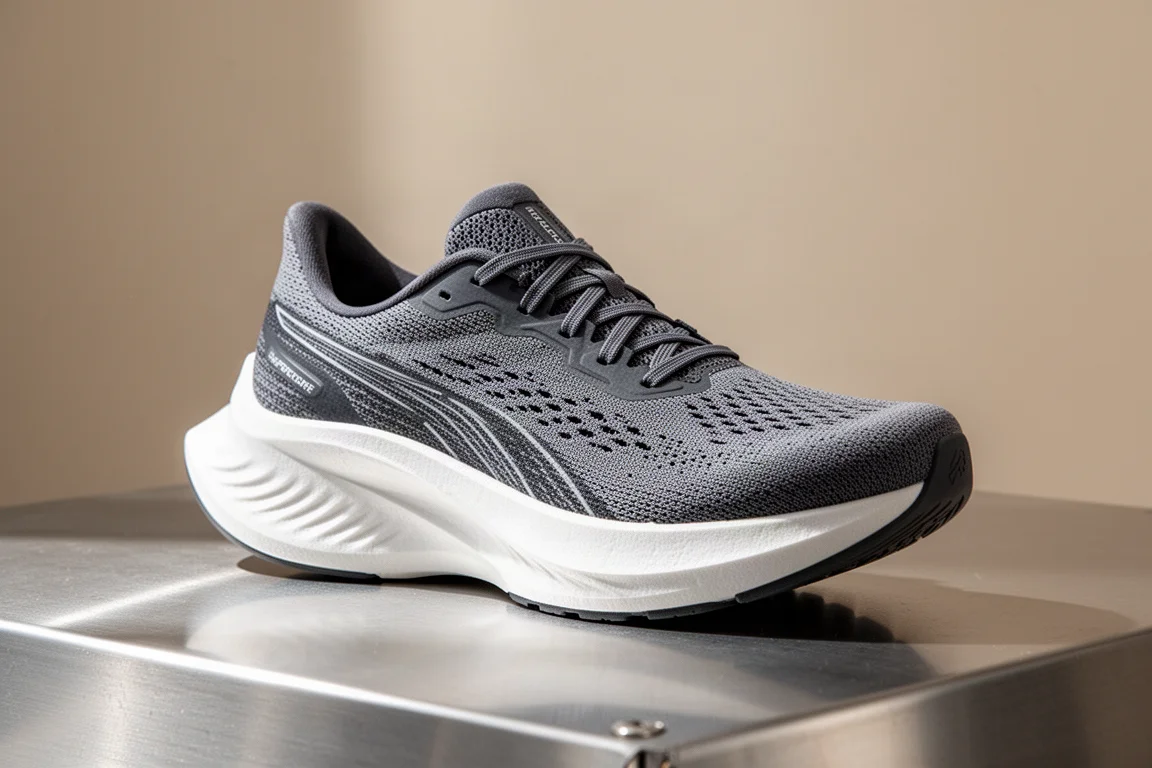
The New Balance SC Elite v4 is a close comparison, though the two shoes are set up differently. The SC Elite v4 leans toward midfoot strikers, while the Endorphin Elite 2 favors forefoot strikers. New Balance made a shoe that is enjoyable but arguably a bit too squishy, which costs it some race readiness; it landed in the second tier as more of a great aggressive long run shoe than a sharp racer. It retails for $250, $25 cheaper than the Endorphin Elite 2.
The ASICS Metaspeed Sky Paris tells a similar story: an update that added softness and comfort at the cost of some aggression. Compared to the Metaspeed Sky Plus, the Paris foam is softer and less aggressive, making it perhaps a slightly less good shoe. Still, the Metaspeed Sky Paris suits a neutral, snappier running style better than the Endorphin Elite 2, and it is a lighter shoe at the same $250 price.
Buying Advice
At $275 retail, the Endorphin Elite 2 leaves no margin for error, even very slight ones. The softness that makes it comfortable also makes it less exciting and, arguably, less race ready. If you want a plush set-it-and-forget-it marathon shoe and you land with a clean neutral forefoot strike, it can be a rewarding choice. If you want sharp top-end pop, a heel striker’s stable platform, or better value, the discounted Endorphin Elite 1, the SC Elite v4, or the Metaspeed Sky Paris are all worth a hard look first.
Conclusion
The Endorphin Elite 2 is an interesting update that will divide opinion. IncrediRun brings outstanding comfort and a unique, squishy ride that shines at marathon and sub-marathon paces, but the trade-off in decompression speed, stability, and red-line edge is real. For runners who match its forefoot-striker, neutral-gait profile, it remains a genuinely fun racer. Everyone else should weigh the softer alternatives carefully before spending $275.
Further reading
Related Reviews

Running Shoes
Best Road-to-Trail Running Shoes: Three Versatile Options for Mixed Terrain
A practical guide to three road-to-trail running shoes that handle both pavement and mild trails, with clear strengths and trade-offs for different runner types.

Running Shoes
Best Running Shoes for Achilles Tendonitis: Three Options Explained
Three running shoes with different heel drops and support features designed to help reduce Achilles tendon pain during walking and running.

Running Shoes
Best Running Shoes for Women: Five Top Choices Ranked
A ranked guide to five women's running shoes, from versatile daily trainers to high-performance racing options, with real strengths and trade-offs for each.