Running Shoes
Saucony Endorphin Elite 2 Long-Term Review: Ultra-Soft Speed With Real Staying Power
After roughly 90 miles, the Endorphin Elite 2's ultra-soft foam and thin outsole have held up surprisingly well. Here's who this squishy super shoe suits, and who should skip it.
Introduction
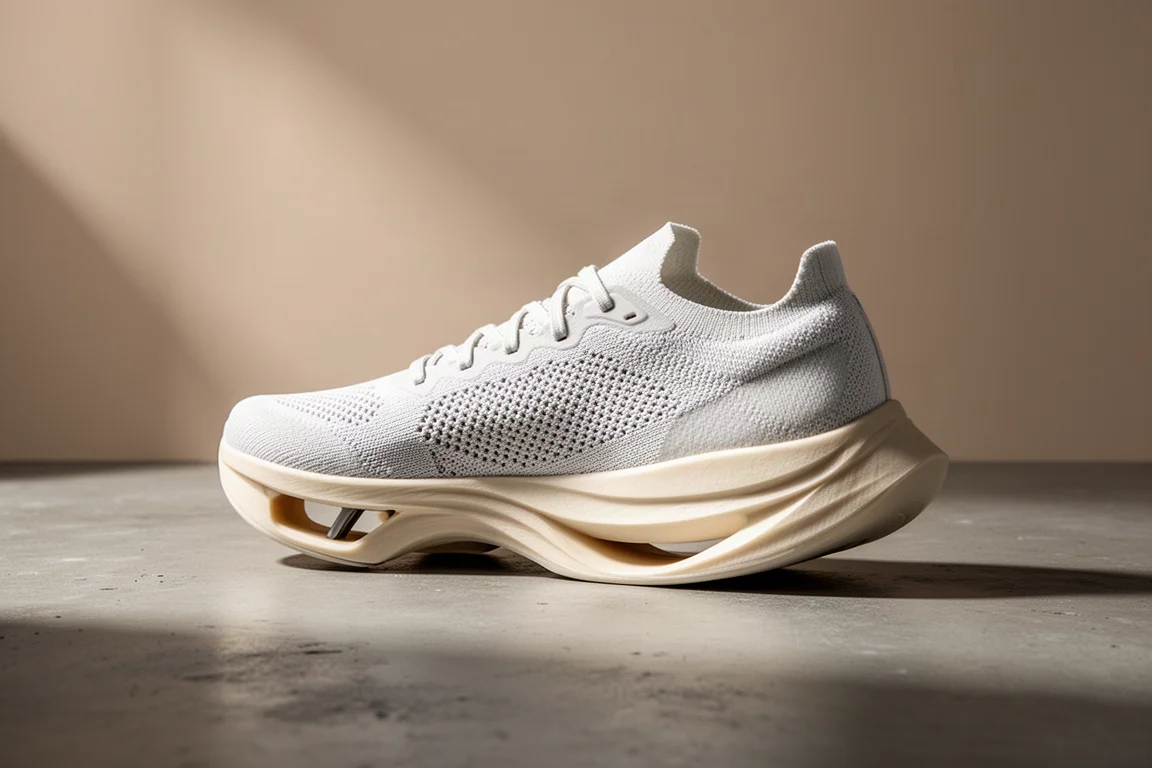
Some racing shoes follow a familiar recipe. The Saucony Endorphin Elite 2 does not. Built around an extremely soft and compressive IncrediRun foam, it sits at 233 grams (about 8.2 ounces) and delivers one of the squishiest rides you will find in a serious race-day shoe. That softness is either going to feel fantastic or present a genuine problem, depending on your foot strike and preferences.
This long-term look covers around 90 miles, just shy of 150 km, and asks two questions: how well does the shoe hold up, and should you race or even train in it? The short answer is that it has aged remarkably well, and with meaningful discounts now floating around, it has become easier to recommend than it was at launch.
Who This Shoe Is For
The Endorphin Elite 2 rewards runners who land midfoot or on the forefoot. The ultra-soft foam quickly gets you onto the front of the foot, and the light weight makes it easy to hold a high cadence. If your form is neutral and reasonably efficient, it can feel like running on a cushion, and the forgiving nature of the midsole is genuinely noticeable the day after hard efforts.

It is also an interesting option for heavier runners who want maximum impact protection without the heavy weight that usually comes with max-cushion shoes. If you like testing new and slightly unusual gear, this one has character in spades. If you are a heel striker, or you get ankle or knee trouble and need stability at the back of the shoe, this is simply too soft. The foam gives away a lot under load, and there is very little structure back there to catch you.
Main Strengths
The midsole is the whole story here. On measured softness it sits at the very soft end of the scale, and nothing else in a typical shoe collection comes close to the squash of this IncrediRun foam. The closest comparison in feel is something like a Nike Fuel Cell foam, but even that is firmer. In practice, this softness translated into a heart rate roughly five to six beats per minute lower at steady paces around 8-minute-mile effort, which is a meaningful saving over a long run.
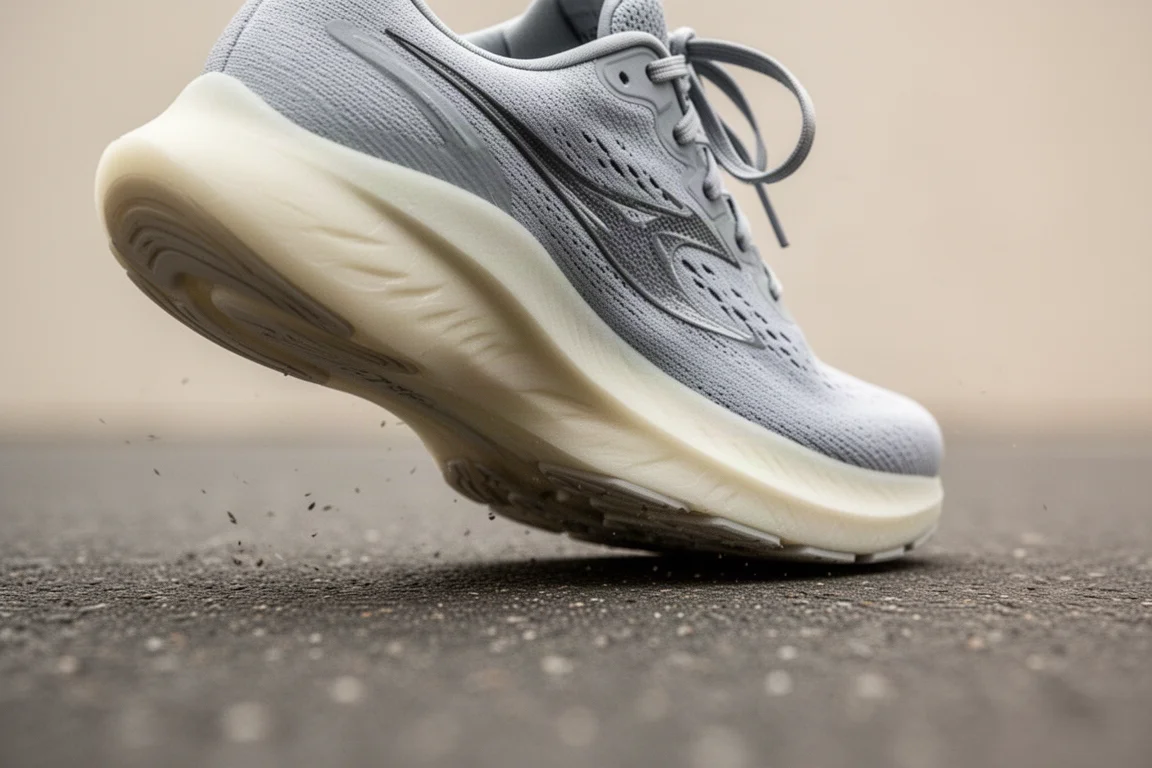
Durability was the biggest worry early on, and it has proven unfounded. The thin outsole has done a great job of protecting the foam: no peeling, no tearing, no bits falling off, just minor cosmetic discoloration you would expect at this mileage. The rubber itself is sticky with a decent coarse texture, and the coverage is good. The upper is another highlight: a very light, breathable knit with an elasticated panel where the tongue would be, which lets it adapt to a wide range of foot shapes. The heel flare that kicks away from the Achilles looks unusual but functions very well.
Things to Consider Before Buying
Fit is the first checkpoint. There is decent toe box room, but the shoe has a fairly pronounced lateral curve and a fairly extreme taper. Runners with narrow feet will likely get on fine; wider-footed runners may find that curve intrusive. Volume and height in the upper are accommodating, but the stock stretchy laces are too flexible and inconsistent. Swapping them for stiffer, serrated laces dramatically improves lock-down, which matters because the soft midsole demands a secure fit.
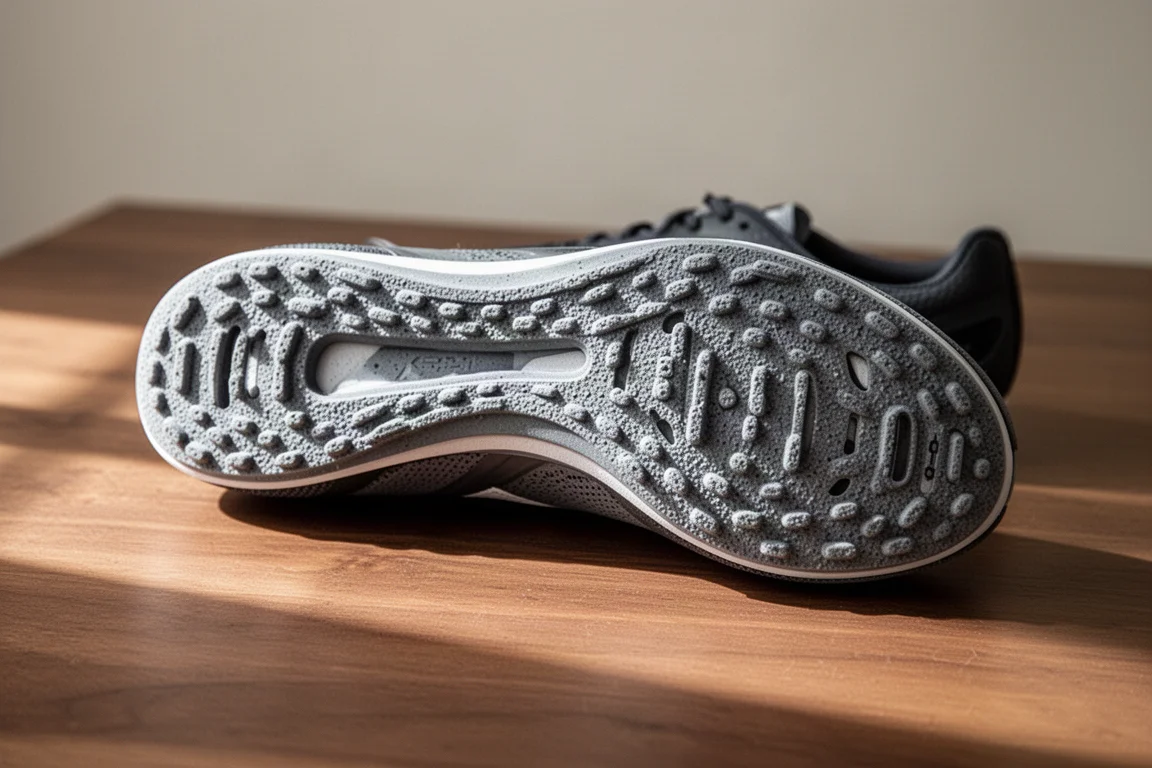
The forked plate deserves a mention as well. With foam this soft, a standard plate would make the front of the shoe feel wobbly. The forked design lets the foam flex and shift to accommodate the foot, adding just enough controlled movement up front. Finally, note the price: this is an expensive shoe at retail, though heavy discounts have brought it down to around £189 in the UK. Still costly, but considerably easier to stomach, and the construction is lasting well enough to justify it.
Buying Advice
Think about the race distances you actually target. For a half or full marathon, this is an excellent pick, and it is worth putting training miles into it beforehand. It has the legs for something like a 6:50-per-mile half marathon attempt, and the forgiving foam genuinely helps you go the distance in a full marathon. However, it needs decent form to shine as fatigue sets in: if you start falling back onto your heel late in a race, the compressive foam can work against you.
For 5k and 10k races, look elsewhere. There is simply too much squash for short, fast efforts; you will want something firmer and more propulsive, such as the Takumi Sen 11 or even the Vaporfly 4. For everything at half marathon distance and beyond, especially if maximum impact protection is the priority, the Endorphin Elite 2 earns its place easily. In fact, taking durability, longevity, and just how fun it is to wear into account, it comfortably sits in a top five for the year.
Conclusion
The Saucony Endorphin Elite 2 is a strange, wonderful shoe: ultra-light, wildly soft, and genuinely unique in a market full of near-identical carbon racers. It is not for heel strikers or short-distance specialists, but for neutral midfoot and forefoot runners chasing a cushioned race-day ride over longer distances, it is easy to recommend wholeheartedly, especially at a discount.
Product link
View more details for Saucony Endorphin Elite
This product is mentioned in the review. Check the specifications, options, and compatibility before buying.
View more details for Saucony Endorphin EliteFurther reading
Related Reviews

Running Shoes
Best Road-to-Trail Running Shoes: Three Versatile Options for Mixed Terrain
A practical guide to three road-to-trail running shoes that handle both pavement and mild trails, with clear strengths and trade-offs for different runner types.

Running Shoes
Best Running Shoes for Achilles Tendonitis: Three Options Explained
Three running shoes with different heel drops and support features designed to help reduce Achilles tendon pain during walking and running.

Running Shoes
Best Running Shoes for Women: Five Top Choices Ranked
A ranked guide to five women's running shoes, from versatile daily trainers to high-performance racing options, with real strengths and trade-offs for each.