Trail Running Shoes
Saucony Endorphin Edge vs Hoka Tecton X3 vs Nike Zegama: Three Trail Shoes, Three Very Different Personalities
A muddy, hilly trail test of the Saucony Endorphin Edge, plus time on foot with the Hoka Tecton X3 and Nike Zegama, to find which trail shoe fits which kind of runner.
Introduction
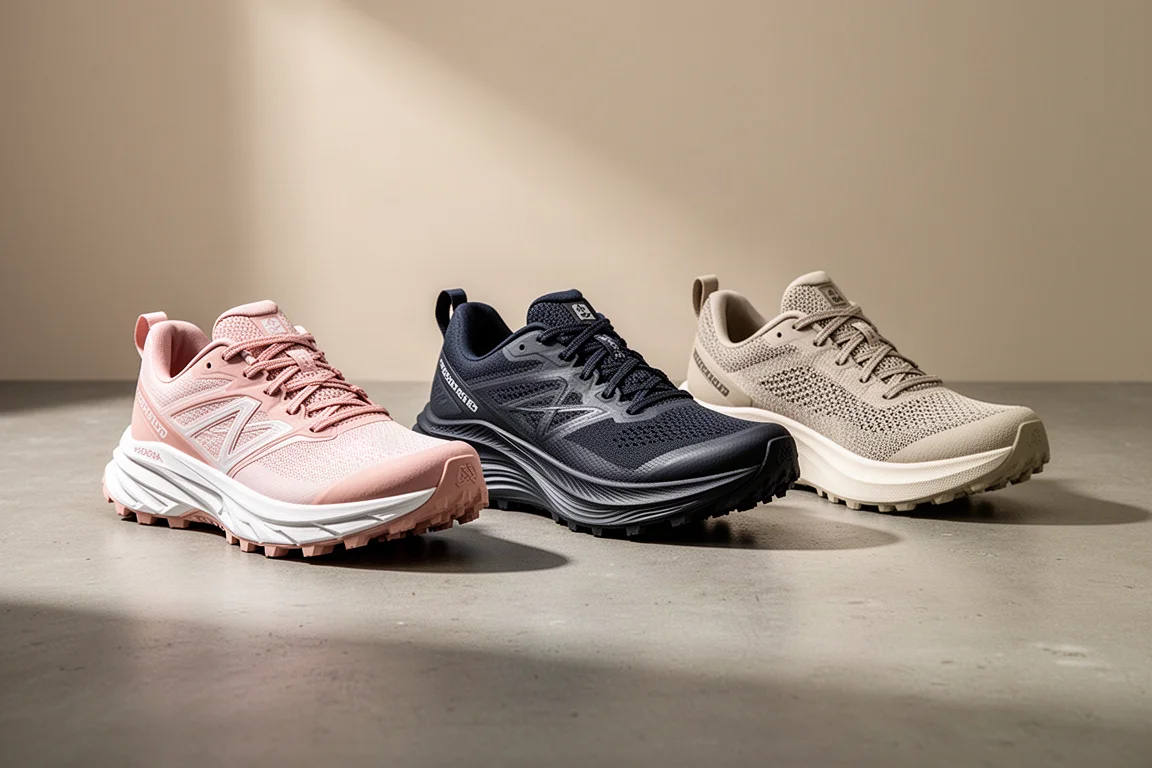
Trail shoes tend to fall into familiar archetypes: the fast, plated race shoe, the do-everything workhorse, and the comfortable cruiser. Testing the Saucony Endorphin Edge on a muddy, hilly 10-mile trail run, alongside time in the Hoka Tecton X3 and walking miles in the Nike Zegama, made the differences between those personalities very clear.
The setting was unforgiving: a private, roughly 4-mile loop with about 900 feet of elevation gain per lap, run mostly in the dark before dawn, in wet and muddy conditions. That is a proper stress test for any trail shoe, and especially for a plated shoe with a reputation for instability.
How We Tested
The main test was a two-hour, 10-mile trail effort with close to 2,000 feet of climbing, much of it on steep, vertical mud walls. Grip, stability, comfort over long climbs, and how the shoe felt when fatigue set in all mattered. Weight was also checked on a scale, and each shoe was compared directly with the others for cushioning and ride character.

Saucony Endorphin Edge: Race Foam on a Budget
The Endorphin Edge stands out on paper for one big reason: it uses a full PWRRUN PB (PEBA) midsole with a carbon fiber plate, the same recipe Saucony uses in its fast road racing shoes. It launched in 2022 as one of the first plated trail shoes and has not been updated since, which is why it now sells at a steep discount. The original MSRP was $200, but it can regularly be found under $100, and for around $84-$85 in some places.
On the scale it weighed in at 272g, which is genuinely light for a trail shoe, lighter than the Tecton X3 at 295g and well under the 318g Norda 001 used for comparison. The outsole uses Saucony’s PowerTrack rubber with 4.5mm lugs, not Vibram, which raised questions in wet conditions.
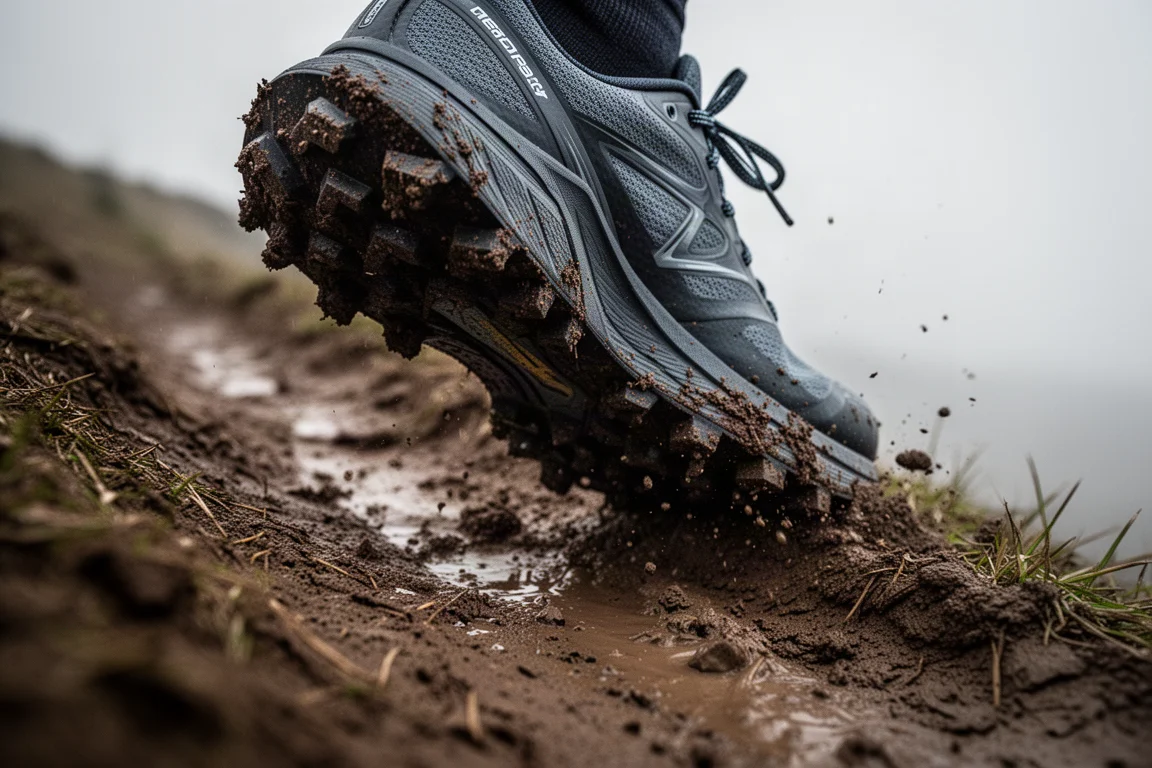
In practice, those doubts mostly faded. The grip on wet mud proved better than expected, and the shoe felt planted rather than wobbly, with a stable heel and a streamlined, lower-to-the-ground feel. The disappointments were the ride and the fit: the foam felt firmer and less bouncy than expected, the carbon plate was essentially unnoticeable, and there was some twisting inside the shoe, suggesting the fit is not dialed in for every foot. The upper also uses an older Saucony design language with side tie-downs, and the thin tongue does not feel as refined as newer trail shoes.
View more details for Saucony Endorphin Edge
Hoka Tecton X3: The Trail Benchmark
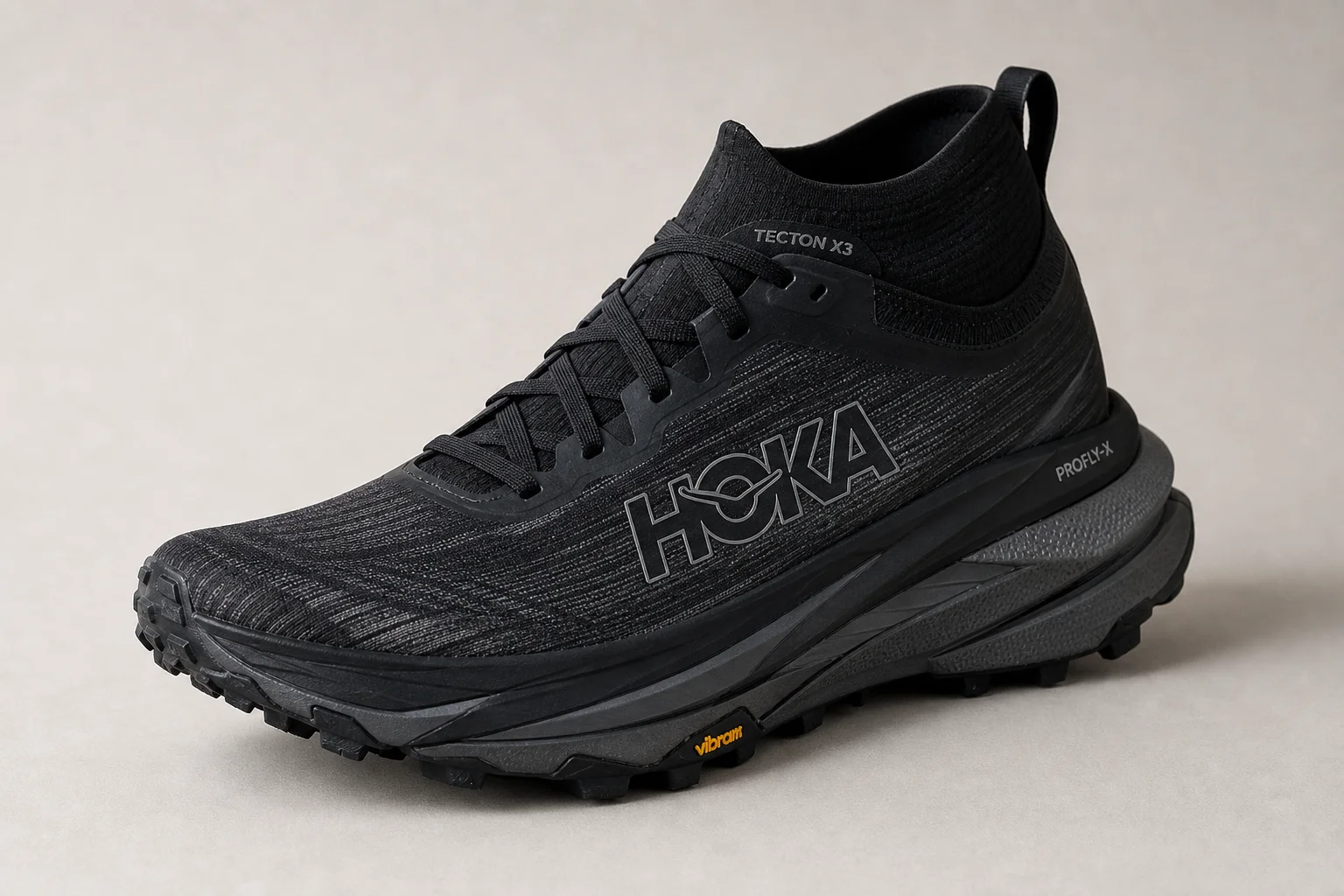
The Hoka Tecton X3 is the shoe that reset expectations here. On its first run it felt exceptionally cushioned, comfortable, and fast, like a true racing shoe for the trails, and it has quickly become a favorite in this category. At 295g it is about 20g heavier than the Endorphin Edge, with a slightly wider base, and its grip held up impressively even on wet terrain. It has a lighter, peppier character than the Endorphin Edge, especially at faster paces on runnable terrain.
The catch is price. At $275 it sits at the top of the trail market, roughly three times what the Endorphin Edge costs on discount. Whether that premium is worth it depends on how much you value that livelier, softer ride, because based on the first impression, nothing tested here matched it.

Nike Zegama: The Comfortable Workhorse
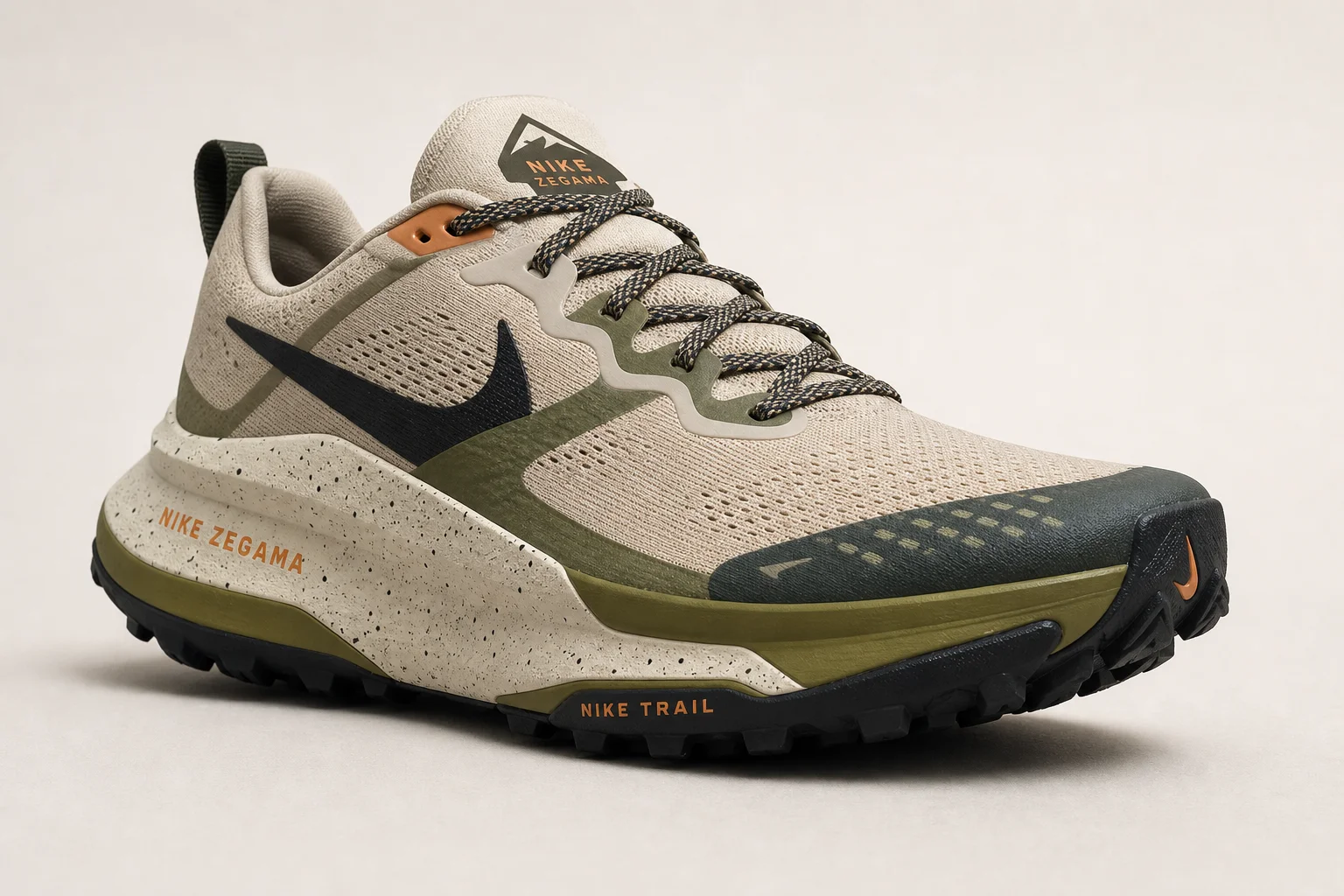
The Nike Zegama played a supporting role here, mostly as a walking shoe after the trail run, and in that role it excelled. It is noticeably more comfortable than the Endorphin Edge, with soft cushioning that feels like it just keeps improving as the midsole carrier foam breaks in and the ZoomX underneath gets room to shine. On the trail it was not the most exciting performer, but as a reliable workhorse it feels like a monster truck compared to the more streamlined Endorphin Edge.

The Zegama also uses Vibram rubber, which continues to dominate the trail scene, and its lugs are similar in depth to the Endorphin Edge. At around $130, and reportedly even less at some outlets, pairing it with a discounted Endorphin Edge gives you a two-shoe trail rotation for roughly $200 total: one for comfortable everyday miles and hikes, one for faster days.
Which One Should You Buy?
If you want the best overall trail experience and the budget allows it, the Tecton X3 is the standout and the easiest recommendation. If you want a light, plated race-feel trail shoe without paying race-shoe prices, the Endorphin Edge is a legitimate bargain, just temper expectations about the plate and the bounce, and expect a fit that may need some trial. If comfort is the priority and your trail miles lean toward easy efforts, hikes, and long days on your feet, the Zegama is the most dependable pick of the three.
Conclusion
Three shoes, three answers. The Endorphin Edge is better than its unstable reputation suggests, with impressive grip and very light weight, but a ride that feels merely average. The Tecton X3 justifies its premium with the most fun, cushioned ride of the group. The Zegama quietly wins on comfort and value as an everyday trail companion. Choosing between them mostly comes down to how fast you want to go and how much you want to spend getting there.
Further reading
Related Reviews
Trail Running Shoes
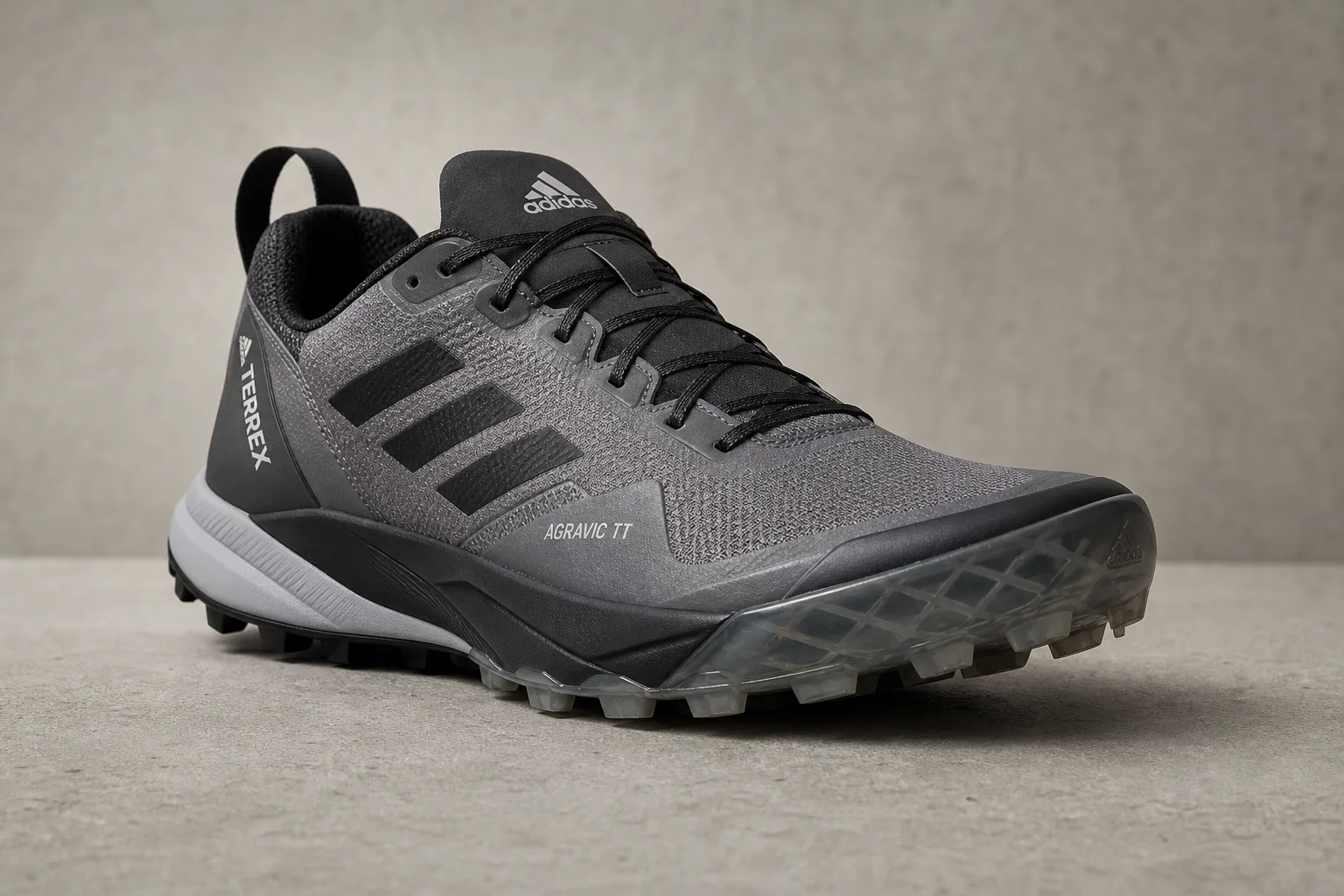
Adidas Terrex Agravic TT Review: A Technical Trail Shoe Built for Rocky Terrain
The Adidas Terrex Agravic TT combines a full-coverage rock plate with a firmer midsole to deliver protection and stability on technical, rocky trails. A capable choice for runners who prioritize underfoot defense over lightweight cushioning.
Trail Running Shoes
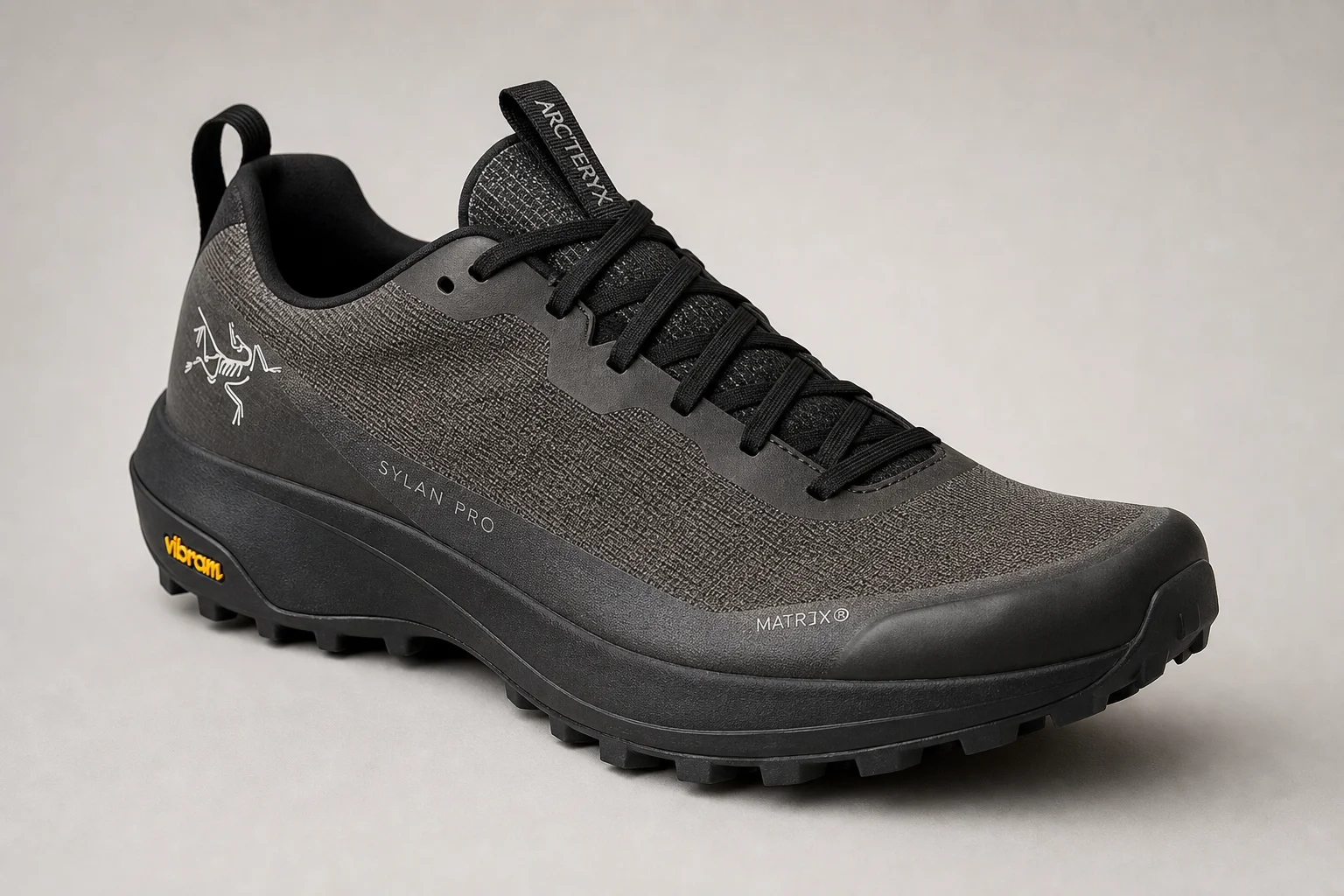
Arc'teryx Sylan Pro Review: A Rocker-Focused Mountain Running Shoe Tested on 20 Miles
The Arc'teryx Sylan Pro brings a pronounced rocker geometry and secure fit to mountain terrain. We tested it on a 20-mile Sawtooth loop to evaluate its climbing efficiency, protection, and handling of technical descents.
Trail Running Shoes
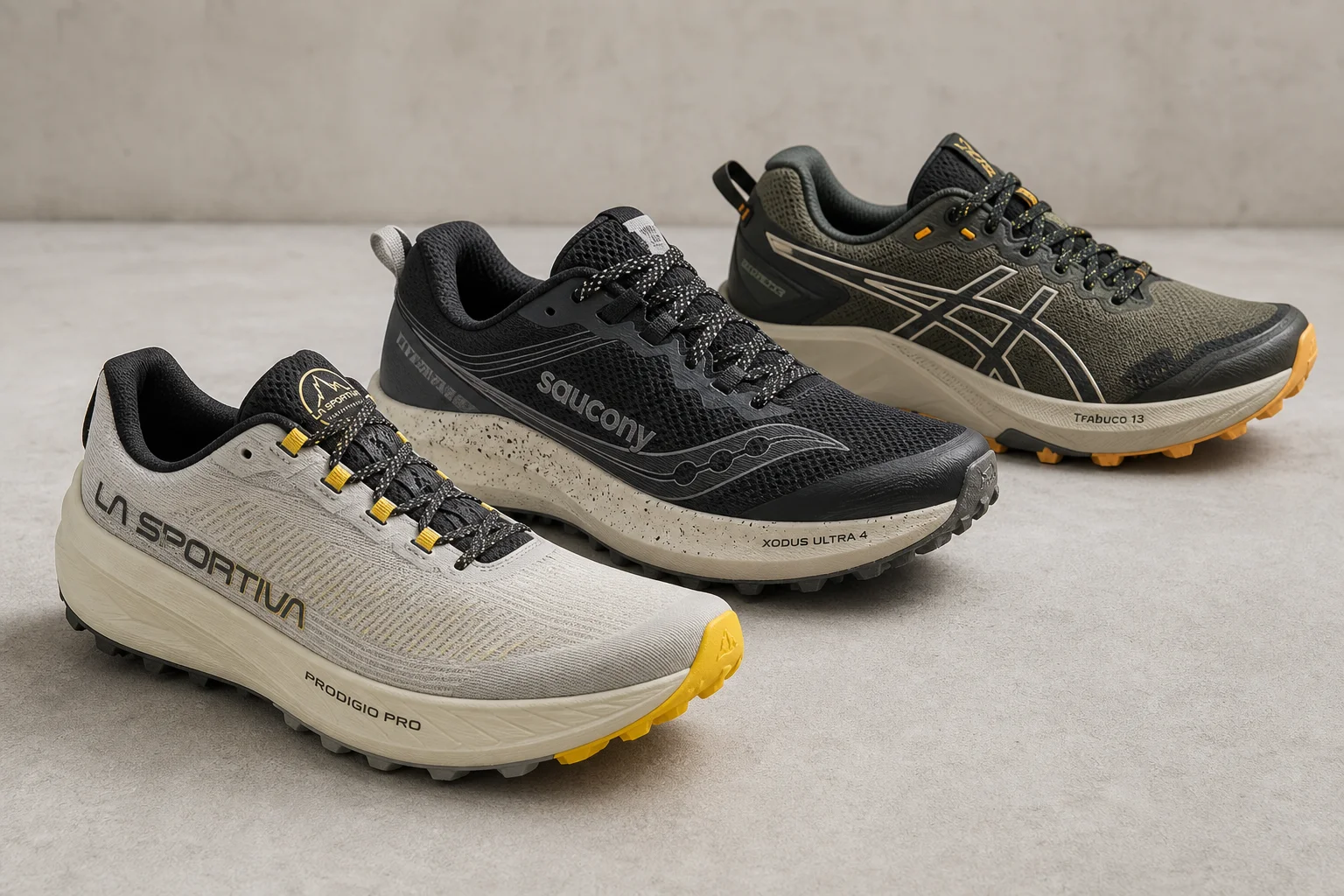
Best All-Mountain Trail Running Shoes: Three Versatile Options for Any Trail
A focused roundup of three all-mountain trail running shoes that handle technical terrain, long distances, and variable conditions with real strengths and practical trade-offs.