Trail Running Shoes
Saucony Endorphin Edge Review: A Carbon-Plated Trail Shoe That Gets It Mostly Right
Saucony's first carbon-plated trail shoe delivers impressive propulsion and adaptability, but midsole durability and a premium price hold it back.
Introduction
Saucony’s Endorphin Edge is the brand’s first carbon-plated trail running shoe, and it arrives with genuinely bold claims: a carbon fiber plate designed specifically for trail running, built to adapt to whatever terrain you’re on. After a challenging 12-mile first run with a thousand meters of elevation, followed by good mileage including a demanding mountain run around Chamonix, the shoe has had a proper test. The verdict is a mixed one, because while the plate and midsole deliver on speed, durability has let the package down.
First Impressions
On the very first run, the Endorphin Edge was one of the first carbon-plated trail shoes that actually felt good underfoot. It coped comfortably with a 12-mile outing packing a thousand meters of climbing, and it has since handled everything from Cornwall’s north coast to the steep, rocky trails of the French Alps.

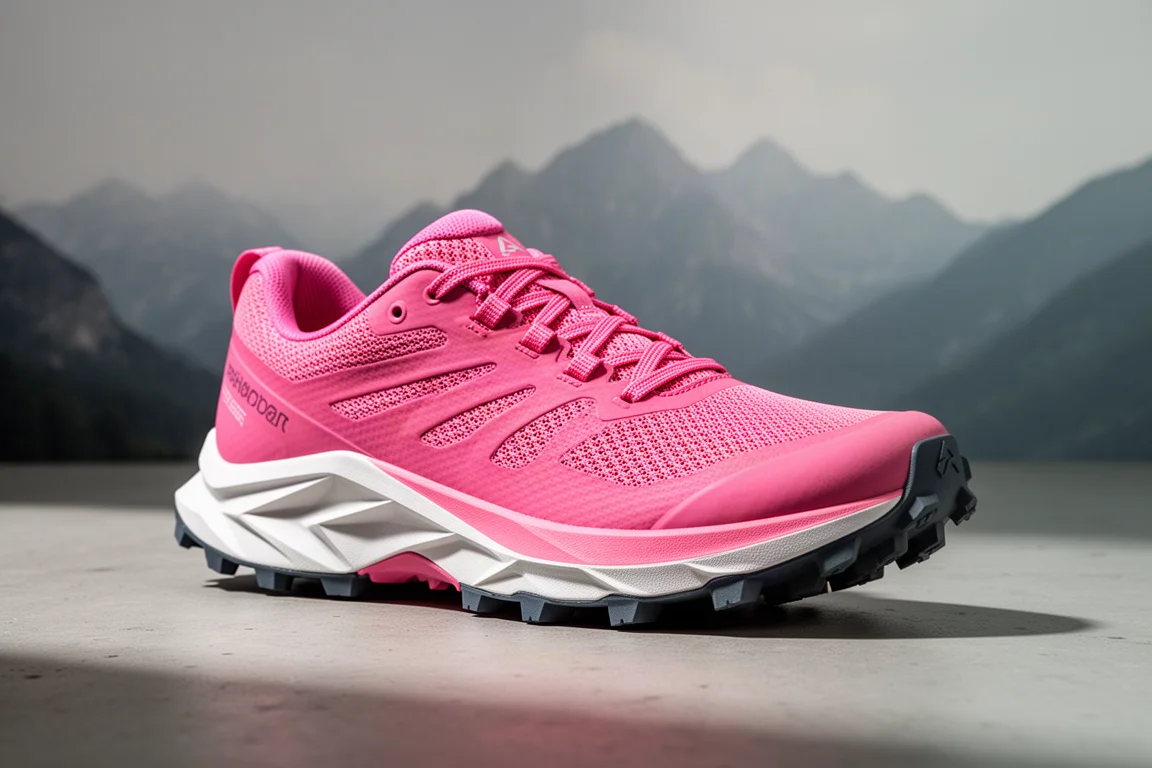
Before getting into performance, here are the key facts. In the UK it retails at a hefty £200, putting it firmly in premium trail shoe territory. Weight comes in at 260 grams in a men’s UK 9.5, with a 6mm heel-to-toe offset (35mm at the heel, 29mm at the forefoot). It is available in three colorways if bright pink is not your thing, and sizing runs true to size with an average-width toe box.
Midsole and Carbon Plate Performance
The headline feature is Saucony’s Carbonatex carbon fiber plate, designed specifically for trail use. Saucony claims it adapts to the conditions: stiffer for propulsion and forward momentum on climbs, then more flexible on descents for better ground feel and stability. In testing, that claim largely held up. On uphill driving it delivered real propulsion, and on the way down it felt nimble and connected. This is a carbon-plated trail shoe that is genuinely enjoyable to run in, even for a tester skeptical of carbon plates on trails.
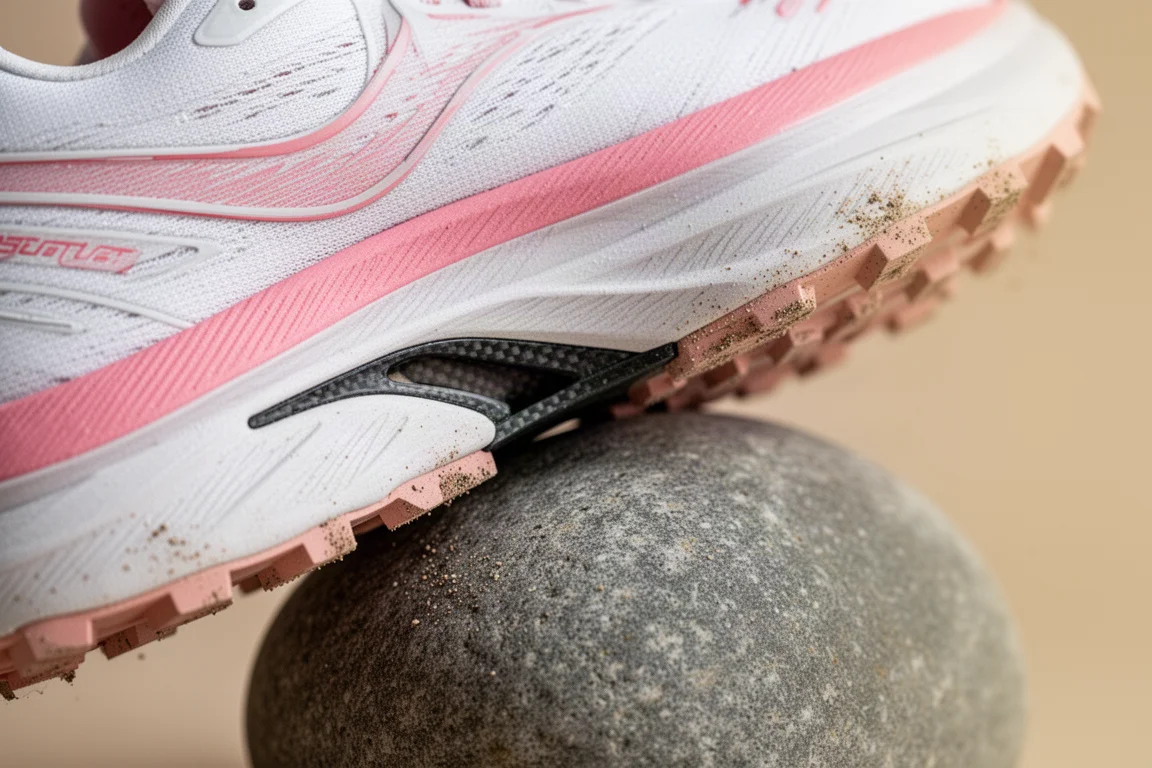
Inside the midsole sits PWRRUN PB, the same high-energy-return compound used in Saucony’s Endorphin Pro and Endorphin Speed road shoes. On firmer, flatter trail and tarmac it feels very fast and efficient, and with Speedroll technology in the mix it is easy to hold a tempo and keep pushing. The one caveat: there were occasional stability moments when loading more weight through the heel, particularly on a steep technical descent on tired legs. Strong forefoot runners should have no issues, but heavy heel strikers may experience a few sketchy moments.
Grip and Outsole
The PWRTRAC rubber outsole is one of the most reassuring parts of this shoe. It offered consistently good grip on both wet and dry rock, and the multi-directional 4mm lugs coped well with dusty, loose, slippery trails. The only scenario where it might fall short is deep boggy mud in the depths of a British winter, where a 4mm lug is not ideal. A flexible rock plate under the outsole adds underfoot protection and helps the midsole compound last longer.
Upper, Fit and Comfort
The upper uses a lightweight, highly breathable engineered mesh designed to pull moisture away and keep feet cool. On a 28-degree day there were no issues with hot or sweaty feet. The fit is stripped back for racing: a very thin gusseted tongue, minimal padding around the ankle collar and heel, plus structural overlays at the heel, toe box, and eyelets, and a soft rubber toe bumper.
It took a few rounds of lace adjustment to dial in the fit, but once sorted the shoe held well around the heel and felt locked in and comfortable. One gripe: the pull tab on the tongue serves no obvious purpose beyond getting in the way when lacing down.
Durability Concerns
This is where the Endorphin Edge stumbles. After only 12 miles on steep descents covered in sharp rocks, the PWRRUN PB midsole took a proper hammering, with big holes opening up across the compound. For a trail shoe designed to handle long runs over mixed terrain and priced at £200, that is hard to forgive. It is a real shame, because the upper shows no early wear, the flex point looks strong, and the PWRTRAC outsole shows no signs of premature wear either. If you spend most of your time on rocky trails, this may not be the shoe for you.
How It Scores
Using a three-part scoring system, the Endorphin Edge lands at 15 out of 30. Price scores 3/10: at £200 it is a lot of money for a trail shoe, however clever the plate. Comfort and performance scores 7/10: the best carbon plate tried in a trail shoe, adaptable to terrain, with only minor heel-strike stability issues and that pointless tongue tab as complaints. Durability scores a disappointing 5/10, dragged down entirely by the midsole compound while the upper and outsole hold up well.
Buying Advice
If you want a performance trail shoe with strong propulsion and energy return, a comfortable lightweight breathable upper, and you mostly run less technical, less rocky trails, the Endorphin Edge performs brilliantly in those conditions. The carbon plate is genuinely impressive in how it adapts to terrain.
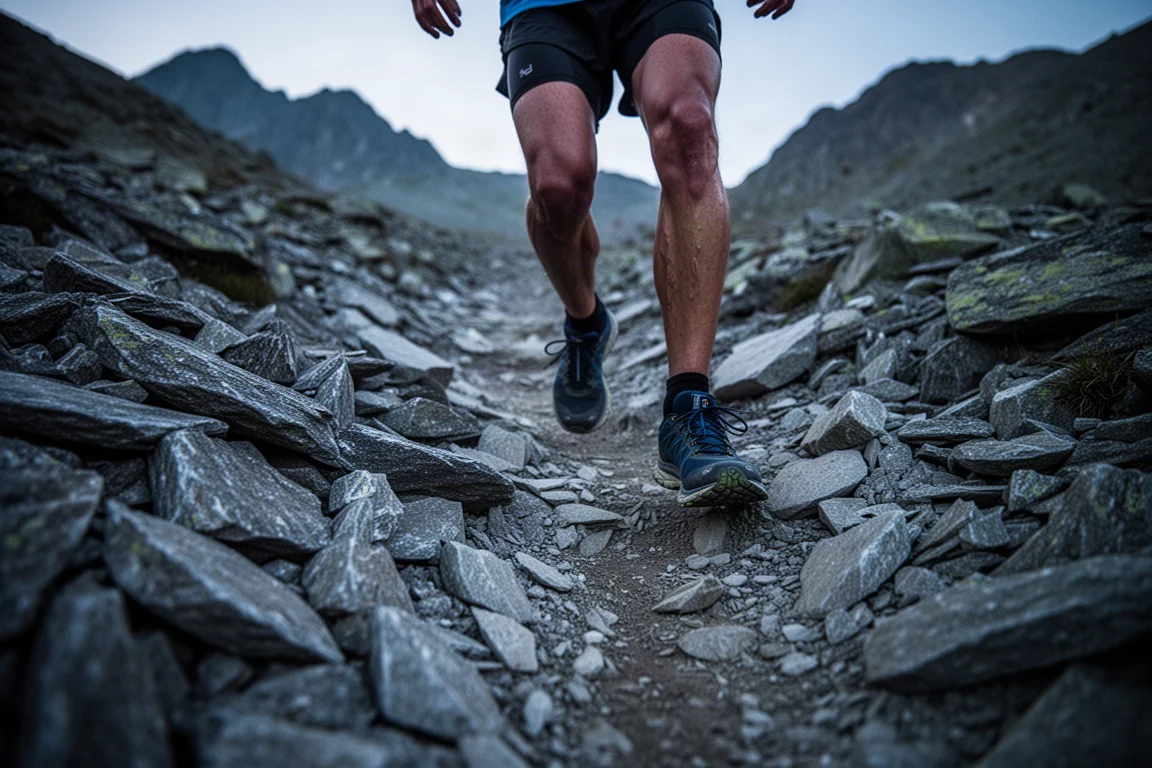
If you regularly run rocky, super technical trails like those around Chamonix, give it a miss. Long-term durability in that environment does not look good. Alternatives with a plated feel worth comparing include the Hoka Tecton X, The North Face Flight Vectiv, Craft’s Ultra Carbon Trail, and the Salomon Pulsar Trail Pro. One last note on looks: the bright pink colorway is genuinely striking, which makes the durability issues feel even more like style over substance.
Conclusion
The Saucony Endorphin Edge proves that a carbon plate can work in a trail shoe when it is designed for the job. Propulsion, comfort, grip, and fit are all strong. But a premium price and a midsole that struggles on sharp rocky terrain make it a shoe to buy only if your trails are relatively forgiving. Match it to the right terrain and it is a genuinely quick, enjoyable ride.
Product link
View more details for Saucony Endorphin Edge
This product is mentioned in the review. Check the specifications, options, and compatibility before buying.
View more details for Saucony Endorphin EdgeFurther reading
Related Reviews
Trail Running Shoes
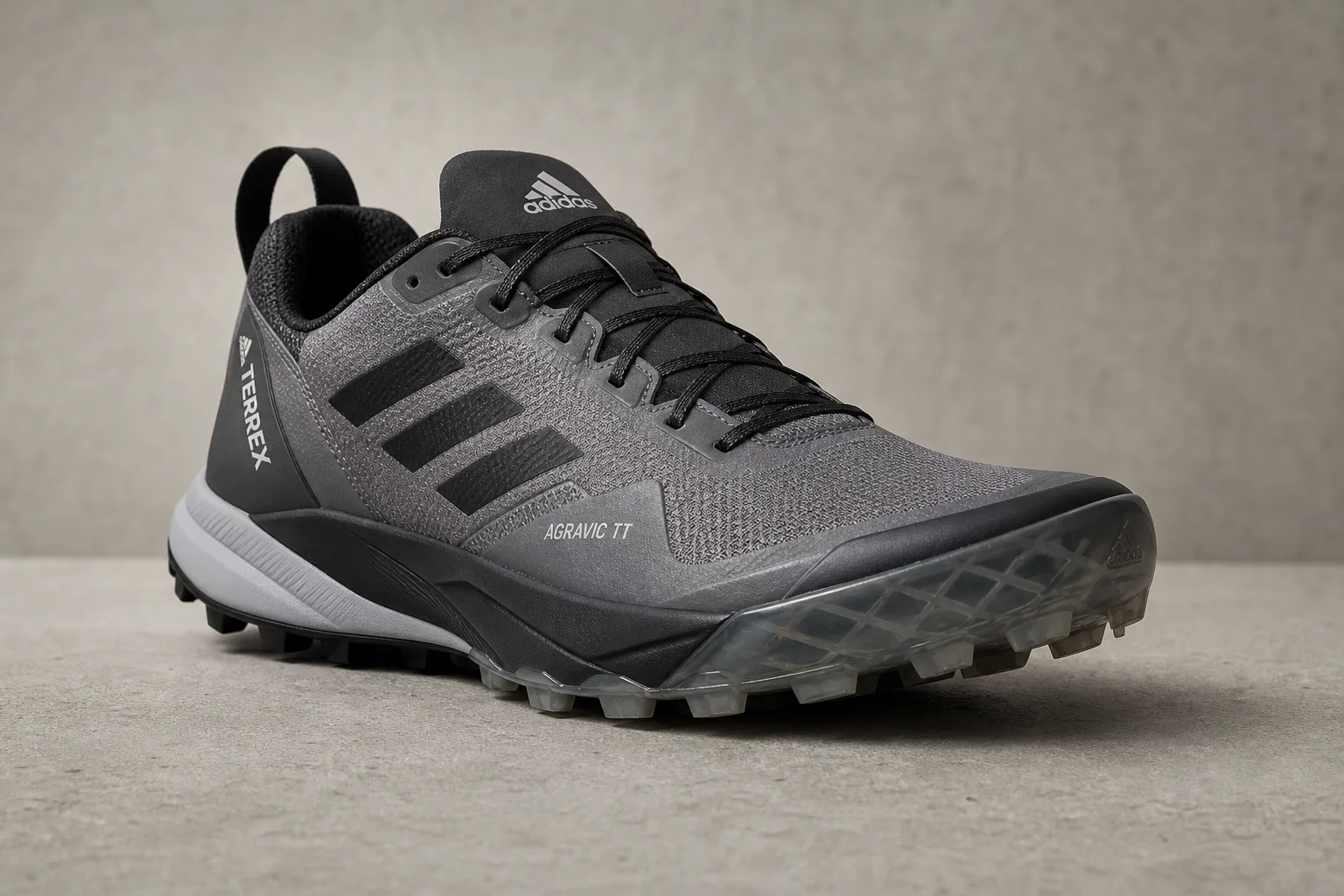
Adidas Terrex Agravic TT Review: A Technical Trail Shoe Built for Rocky Terrain
The Adidas Terrex Agravic TT combines a full-coverage rock plate with a firmer midsole to deliver protection and stability on technical, rocky trails. A capable choice for runners who prioritize underfoot defense over lightweight cushioning.
Trail Running Shoes
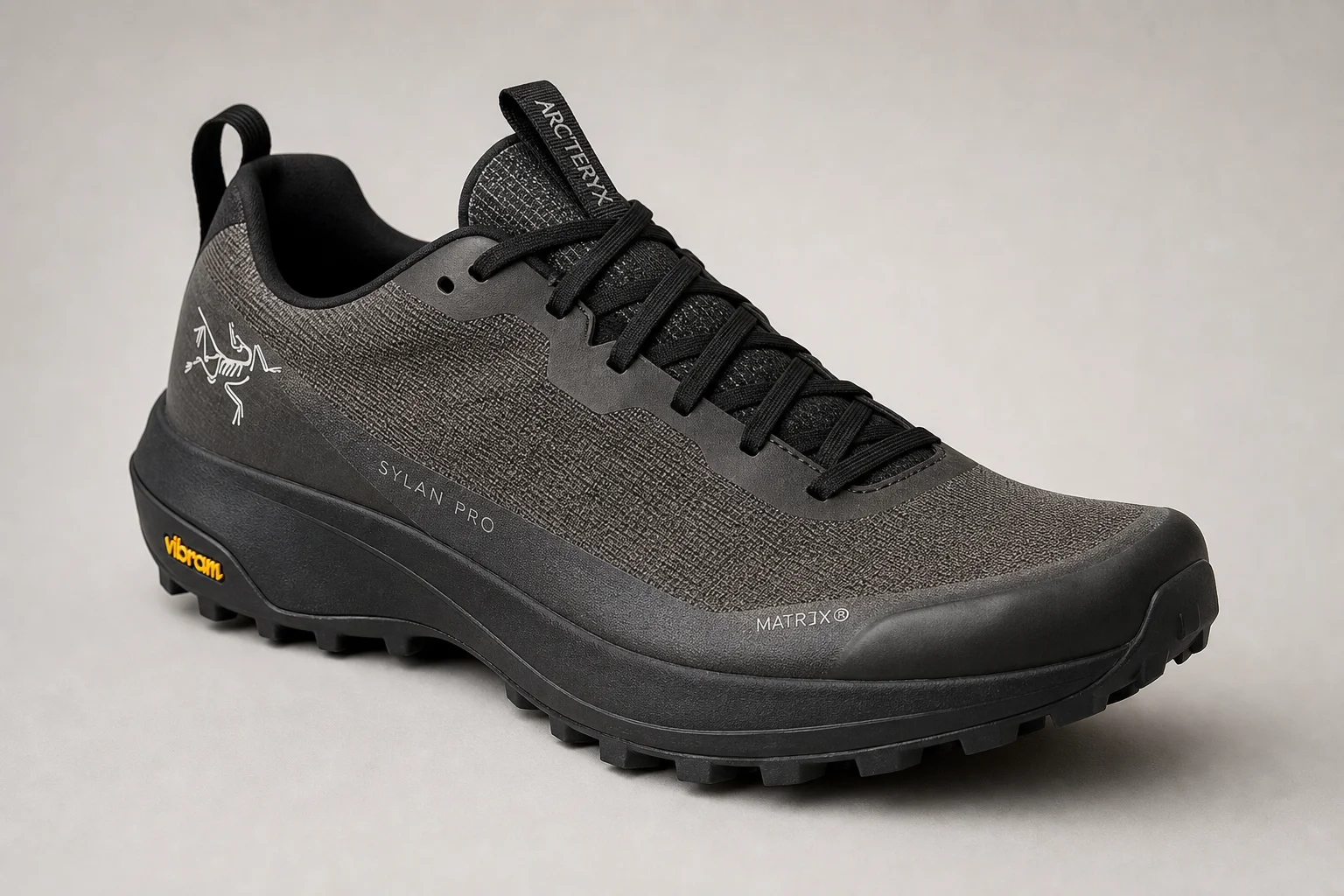
Arc'teryx Sylan Pro Review: A Rocker-Focused Mountain Running Shoe Tested on 20 Miles
The Arc'teryx Sylan Pro brings a pronounced rocker geometry and secure fit to mountain terrain. We tested it on a 20-mile Sawtooth loop to evaluate its climbing efficiency, protection, and handling of technical descents.
Trail Running Shoes
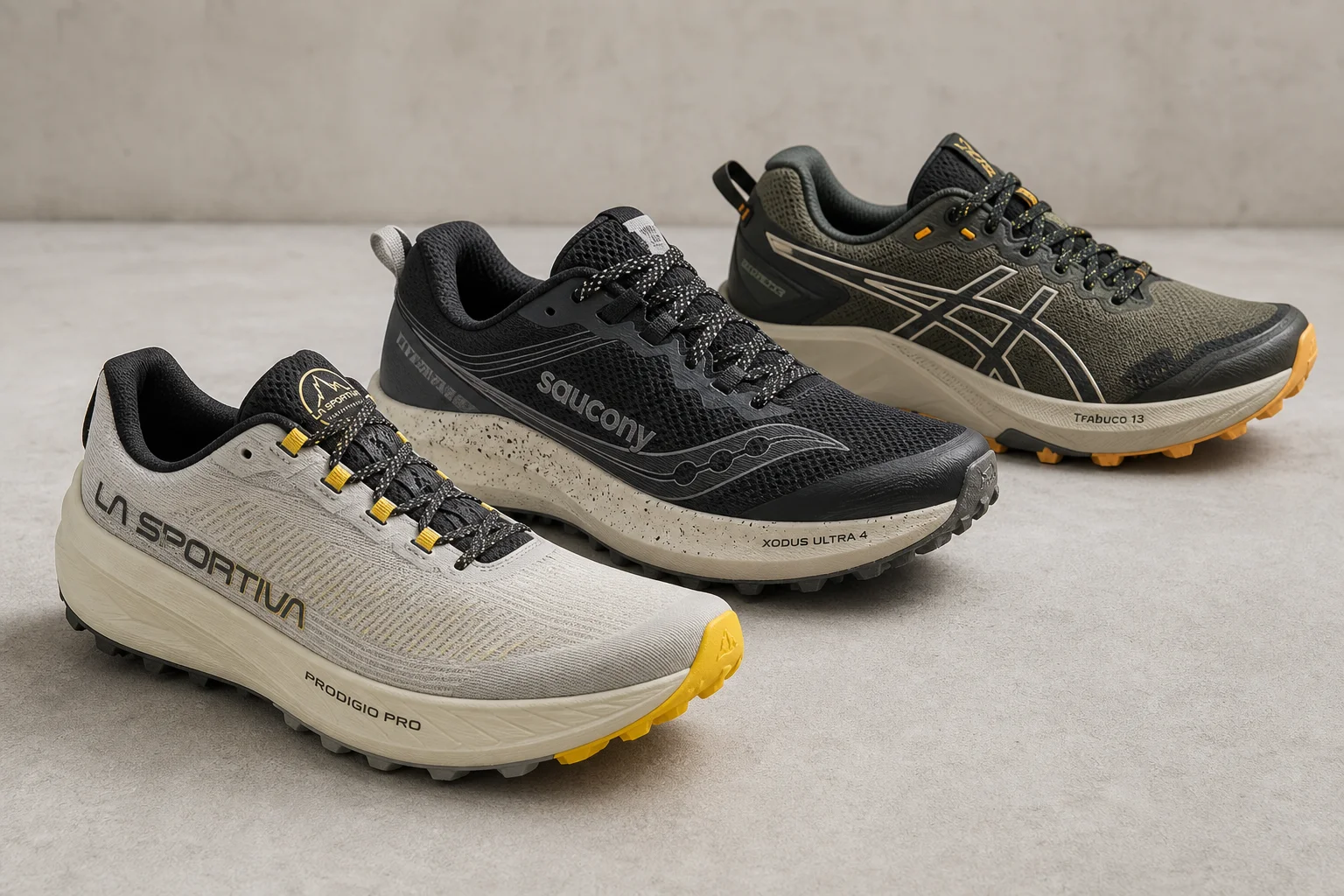
Best All-Mountain Trail Running Shoes: Three Versatile Options for Any Trail
A focused roundup of three all-mountain trail running shoes that handle technical terrain, long distances, and variable conditions with real strengths and practical trade-offs.