Running Shoes
Saucony Endorphin Azura vs Endorphin Speed 5: Which One Belongs in Your Rotation?
Two Saucony daily trainers with the same foam and geometry, but very different rides. Here is how the non-plated Azura stacks up against the plated Speed 5.
Introduction
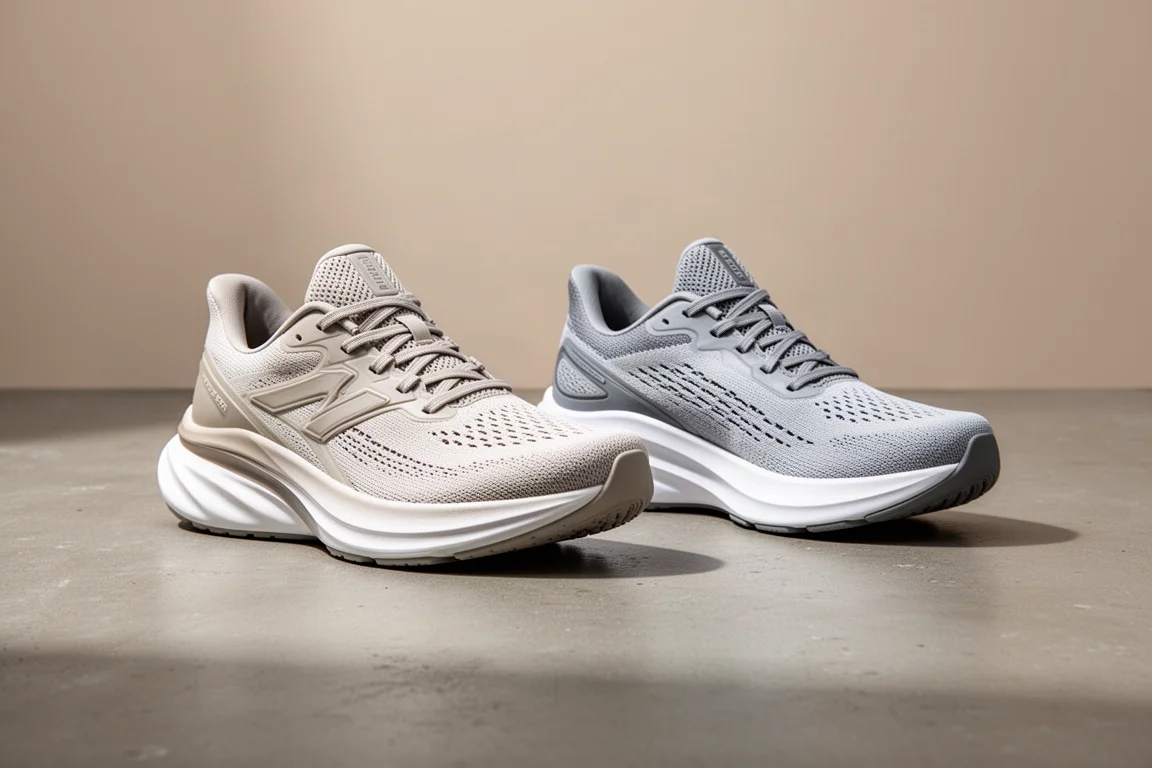
Saucony’s Endorphin range gained a new member recently with the Azura, a non-plated daily trainer with a faster edge designed to take on the Adidas Evo SL, and an interesting alternative to the well-established Endorphin Speed 5. On paper, the two shoes look almost identical: same foam, same geometry, similar weight, same drop. In practice, the plate makes all the difference. Here is how they compare and which one suits which kind of runner.
Specs and Construction
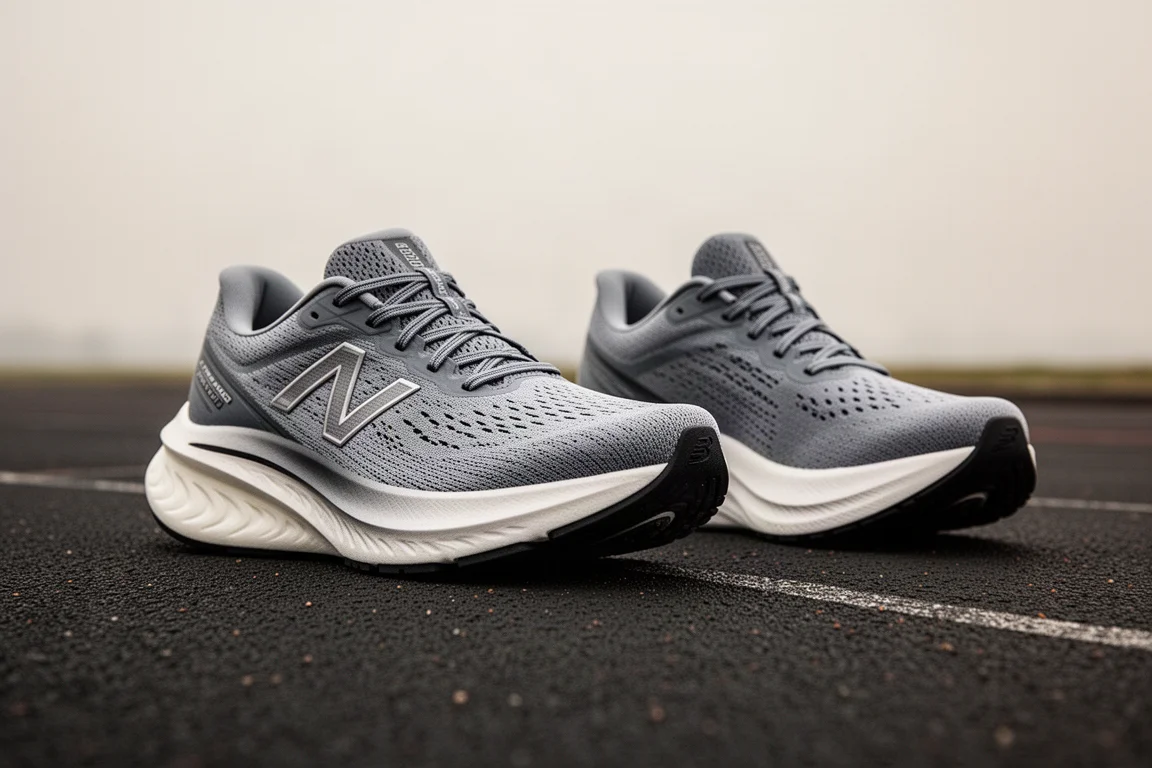
Both shoes use Saucony’s premium PWRRUN PB foam and Speedroll geometry, so the core recipe is shared. The Azura packs 40mm in the heel and 32mm in the forefoot for an 8mm drop. The Speed 5 uses a smaller stack of 36mm heel and 28mm forefoot, also at 8mm. Weight is nearly identical: the Azura came in at 8.8oz (250g) in a men’s UK 8.5/US 9, with the Speed 5 at 8.7oz (247g).
On price, the Azura lands at £140 in the UK and $150 in the US, putting it toe to toe with the Evo SL. The Speed 5 sits a chunk higher at £180 or $170.
The clearest construction difference is the Speed 5’s nylon plate, which adds snap. The Azura midsole is moderately stiff but much more flexible, giving a more accommodating cushioned ride. Both use engineered mesh uppers: the Speed 5’s is slightly more open and breathable, while the Azura leans comfort-focused with softer padded heel collars, reinforced tongue padding against lace pinch, and extra reinforcement in the lace carriage.
Outsole and Grip
Flip both shoes over and you find XT-900 rubber on each, with coverage familiar from the rest of the Endorphin lineup: a decent forefoot covering and two pads in the heel impact zone. The Azura’s forefoot rubber is split into three sections, presumably to allow more flex, while the Speed 5 runs a more singular covering that adds to its stiffer, snappier ride.
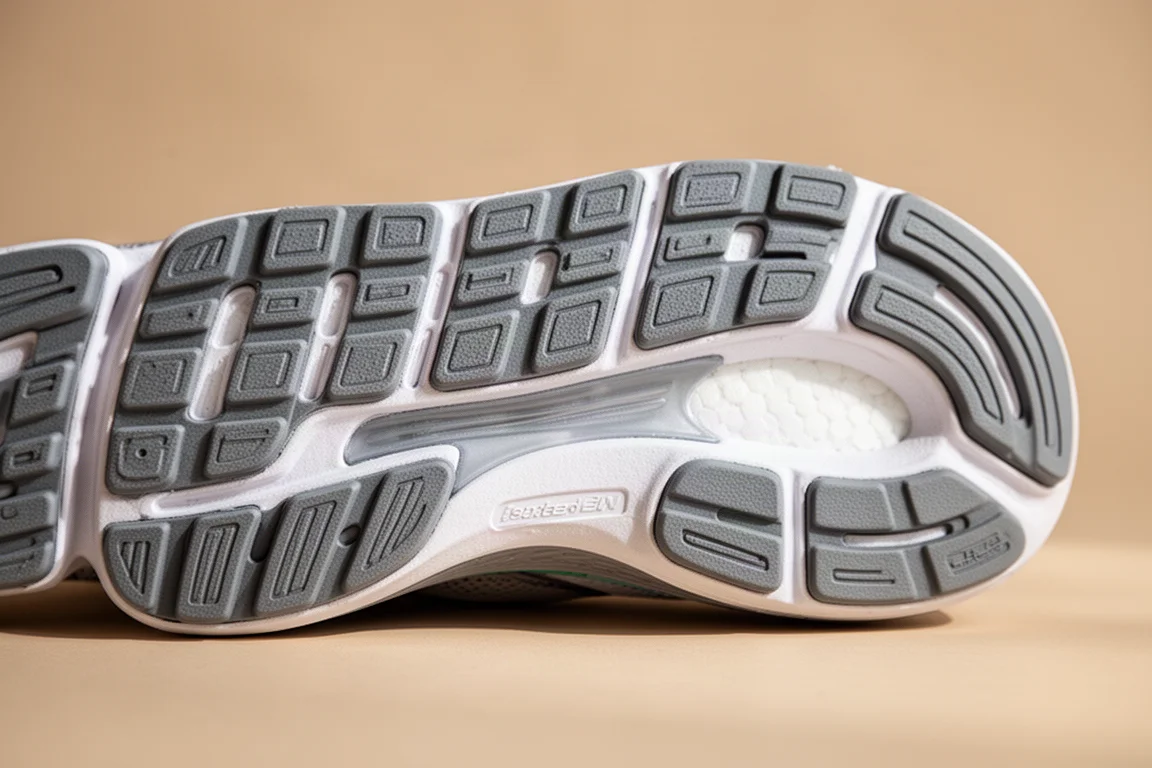
The Azura also has a small channel cut into the middle of the outsole. Neither outsole is the best you will find on a running shoe today, but both are thick and grippy enough, and the Azura’s outsole contributes a bit more to a stable overall feel with extra rubber in key areas.
Fit and Sizing
Multiple testers ran in their usual Saucony size and found the sizing consistent across both shoes, so staying true to your normal running shoe size is a safe bet. The uppers are low volume and fit quite snug in general.
The Azura offers a touch more room before the big toe, though the midfoot feels slightly more restrictive, which wider-footed runners may notice. Its heel collar is very comfortable with a locked-in feel, though the heel kick rises slightly higher up the leg. The Speed 5 feels roomier through the midfoot and forefoot, with a softer, pliable knitted tongue and more padding on top of the foot, making it arguably the more comfortable shoe overall.
Ride and Run Test
Both shoes deliver that unfussy Saucony last comfort: lace them on, forget they are there, and get a fluid heel-to-toe transition from the Speedroll rocker. The PWRRUN PB foam feels dense but poppy off the toes on both, and both are highly versatile shoes that handle a wide range of paces.

The Speed 5 is the snappier of the two, particularly at tempo pace and above, where it really comes alive. Testers have used it for hard sessions and even all-out races, and it earned a reputation as the faster, more performance-geared option. Some runners do find it a little firm for easy miles, and it can feel slightly less stable when rolling inward through the forefoot.
The Azura, with its bigger stack and no plate, is softer, smoother, and a touch more stable, with a wider, more solid base. It is easier to ease off in, more protective on longer runs when fatigue sets in, and generally happier at cruising and easy paces. It still feels light, poppy, and propulsive, just with more forgiveness built in.
Which One Should You Buy?
The overlap between these two is substantial, and you almost certainly do not need both in your rotation. The way to split them: the Speed 5 excels on speed days and may even serve some runners on race day, while the Azura is most at home on everyday runs. It can do speed, just not quite as well.

If you prefer a training shoe with a more cushioned, smooth midsole ride and a slightly more comfort-focused design, the Azura is the pick. It is also the cheaper shoe, and plenty of runners could use it as a full Speed 5 replacement, even at the faster end, which makes it compelling value. If you want a shoe tuned for faster performance with a snappier, more aggressive ride, the Speed 5 is the way to go, and it is worth noting the Speed 5 has been out long enough that it can often be found at or below the Azura’s price.
Conclusion
Both are excellent, highly versatile all-rounders and arguably the heroes of the Endorphin lineup. The Azura fills a genuine gap: a lively, non-plated trainer at a good price that can carry the bulk of your mileage. The Speed 5 remains the more speed-focused choice of the two. Choose the Azura for daily miles and value, and the Speed 5 if fast sessions and racing are the priority.
Product link
View more details for Saucony Endorphin Azura
This product is mentioned in the review. Check the specifications, options, and compatibility before buying.
View more details for Saucony Endorphin AzuraFurther reading
Related Reviews

Running Shoes
Best Road-to-Trail Running Shoes: Three Versatile Options for Mixed Terrain
A practical guide to three road-to-trail running shoes that handle both pavement and mild trails, with clear strengths and trade-offs for different runner types.

Running Shoes
Best Running Shoes for Achilles Tendonitis: Three Options Explained
Three running shoes with different heel drops and support features designed to help reduce Achilles tendon pain during walking and running.

Running Shoes
Best Running Shoes for Women: Five Top Choices Ranked
A ranked guide to five women's running shoes, from versatile daily trainers to high-performance racing options, with real strengths and trade-offs for each.