Running Shoes
Saucony Endorphin Azura Review: A Solid Non-Plated Super Trainer That Wants You Running Fast
The Endorphin Azura takes the plate out of the Endorphin Speed formula and delivers a firmer, more aggressive ride. Here is how it stacks up against the current crop of speedy daily trainers.
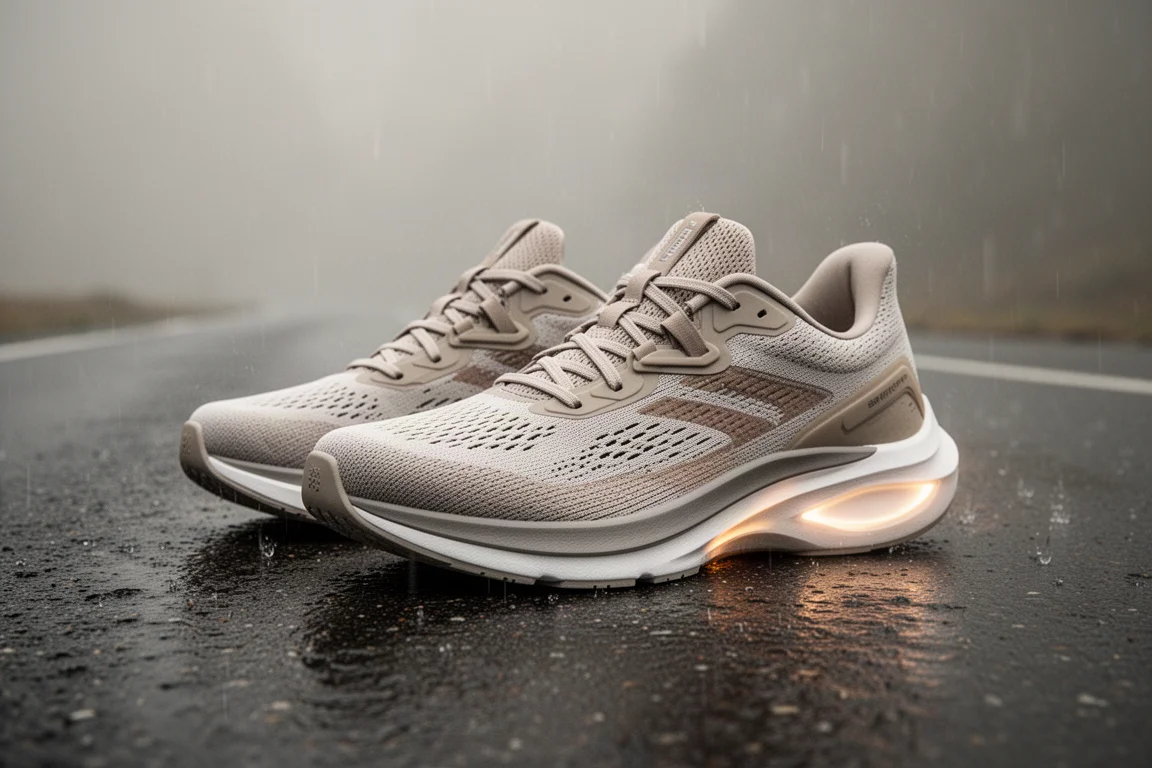
Introduction
The Saucony Endorphin Azura arrives with plenty of expectation attached. The idea is simple: take the well-liked PowerRun PB foam from the Endorphin Speed, remove the plate, and deliver a non-plated super trainer with a more aggressive geometry. At $150, it slots into the entry price point for serious performance daily trainers, and it has picked up real enthusiasm among runners who call it a potential daily trainer of the year.
The shoe comes in at 254 to 255.5 grams in a US 10.5, with a heel stack measuring around 40.8 to 40.9 mm out of the box. The upper is white with pink-maroon and glittery silver metallic accents, and there is a pale blue, icy-looking rubber on the outsole. Visually it is neither a standout nor an eyesore. It looks about how you would expect a modern Saucony trainer to look.

The big question for this review was whether the Azura effectively carries forward the legacy of the Endorphin Speed line, or whether it simply re-enters an already crowded market with old foam and a removed plate.
Who This Product Is For
The Azura is best understood as a speedy daily trainer rather than a true do-it-all super trainer. The geometry is aggressive, closely echoing the original Endorphin Elite with a pronounced toe spring that pushes you onto the forefoot. That makes it a strong candidate for runners who want one faster shoe for steady runs, tempo work, and progression days.
It also makes sense as an upgrade path for runners coming from a standard cushioned trainer, something like a Nimbus, Vomero, or Glycerin, who want a livelier ride without going full carbon racing shoe. At $150 it costs roughly half of a premium carbon racer, and for race-pace efforts in the 8 to 12 minute mile range it could genuinely work as a first race shoe.
Main Strengths
The foam is the headline. This feels like real PowerRun PB, the energetic, bouncy compound the community has loved, not the EVA-blend version Saucony used in other trainers. Runners who enjoyed the Endorphin Speed 3 or the Endorphin Pro 3 and 4 will recognize the sensation immediately.
The geometry is the other clear win. When you catch the shoe at the midfoot and push the pace, it glides you forward and rewards turnover. Around 7 minute mile pace, the ride locked into a pleasant groove, and the faster the run got, the better the shoe felt.
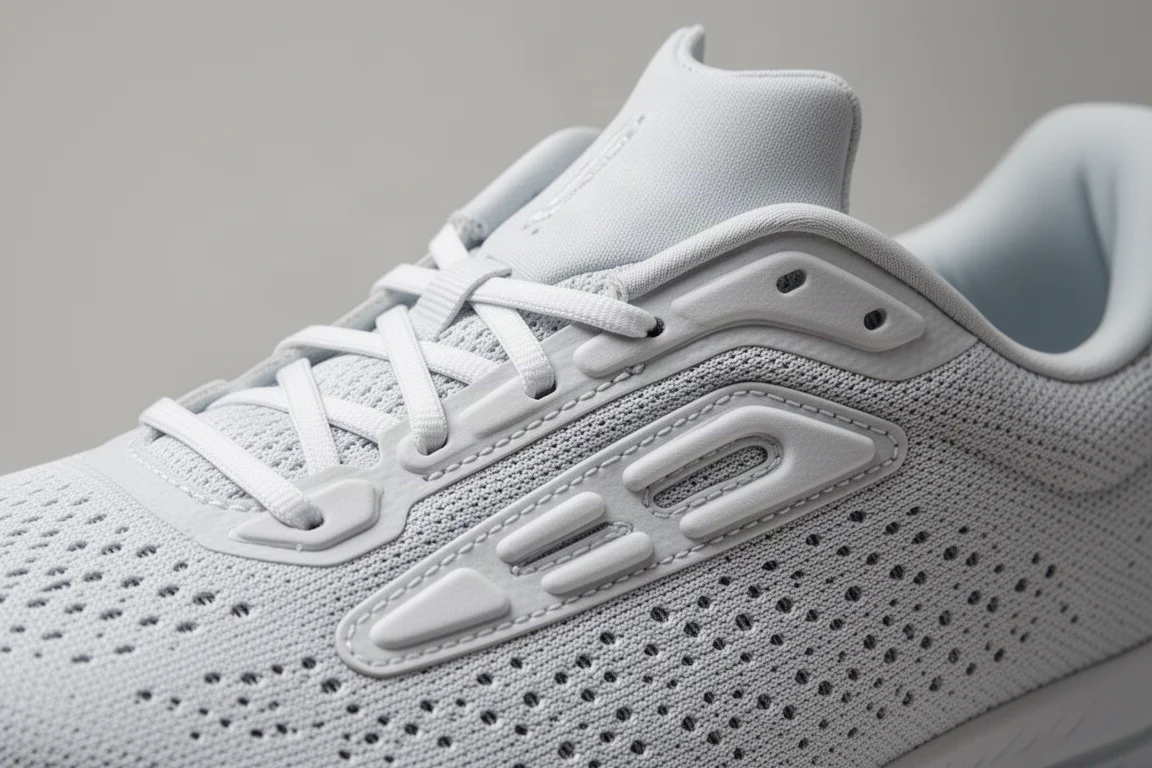
Stability is also a genuine strength. The upper is heavily structured, with a plastic heel clip and a pleather wrap around the medial and lateral sides. The heel feels very locked in, to the point of a slightly cupped sensation in the first few miles. The outsole rubber on the back of the shoe is thick and well placed for durability, with strategic cutouts up front.
The fit is dialed everywhere except length. The toe box has good room, the gusseted tongue stays put, and the midfoot to forefoot area runs slightly narrow in a way that keeps the sock-like hold Saucony is known for.
Things to Consider Before Buying
The stiff, firm character at slower paces is the biggest caveat. At around 8 minute mile pace, the shoe felt rigid and demanded more effort to turn over. It consistently wants you up on your toes, attacking, which places it in the zone 3 category: shoes that need to be run faster to be enjoyed, but that are not quite race-day weapons either. If you want a soft, do-everything cruiser, this is not that shoe.
Length is the second issue. The tester pair ran roughly half a size long, feeling like a full size up, which slightly dampened toe-off and contributed to an overbuilt sensation in the back of the shoe. Given how structured the heel is, the combination occasionally felt like fighting the shoe.
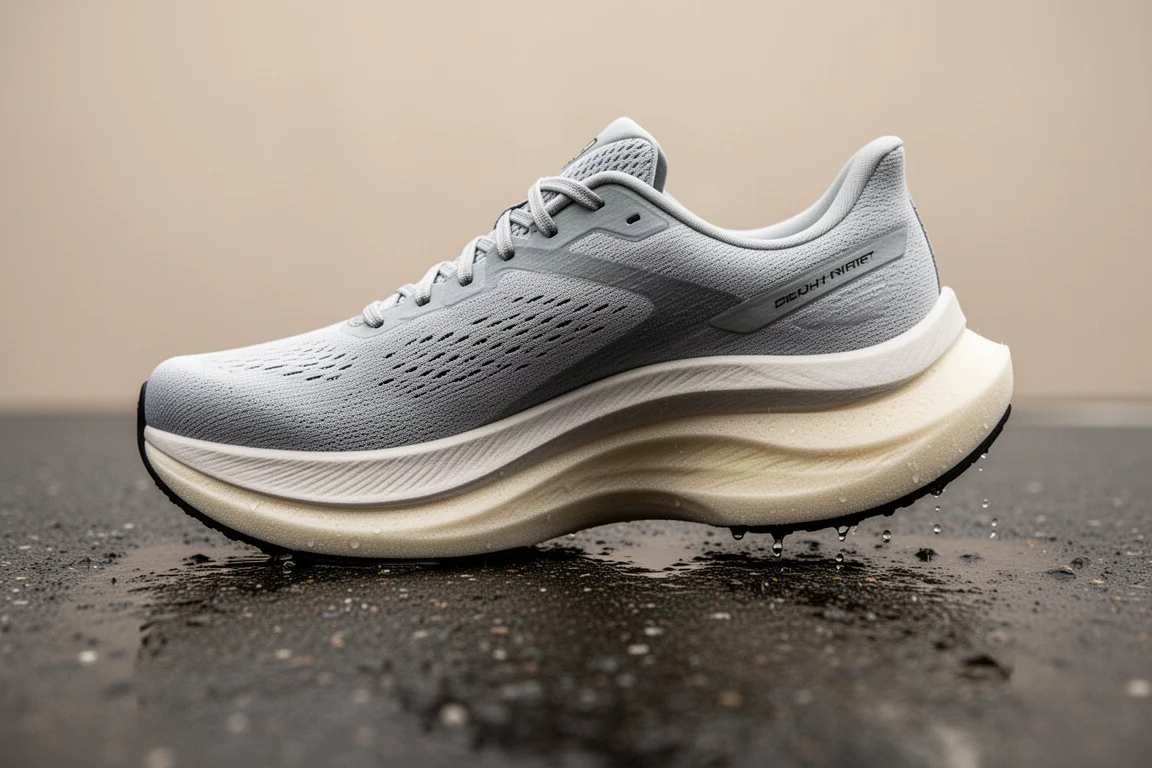
Finally, there is the innovation question. The foam compound is the same one Saucony has used for years, and removing the plate is the main structural change. Against rivals pushing new foam compounds, the Azura is not moving the technical needle. It is a very solid, very average-weight shoe in a segment where competitors are getting wilder by the season.
How It Compares to the Rest of the Market
This is a brutal segment right now. The adidas Evo SL Woven, at around 250 g with a 36 mm heel, is the closest analog: similar weight, similar aggressive geometry, and the same need to be driven from the forefoot. The ASICS Mega Blast, at 245 g with a big stack of aliphatic TPU foam that still measured above 40 mm after 250-plus miles, delivers crazier bounce and a more exciting overall ride.
The Li-Ning Red Hair 9 Ultra sits at roughly 260 g with a 46 mm triple-layer midsole featuring a cellophane-wrapped boom capsule and race foam up top. It is a far more fun and cushioned ride, though notably less stable than the Azura. The Dinofish X Shiyan is the most shocking of the group: 206 g of supercritical TPE foam in a 45 to 46 mm non-plated stack, doubling as a genuinely comfortable casual and travel shoe.
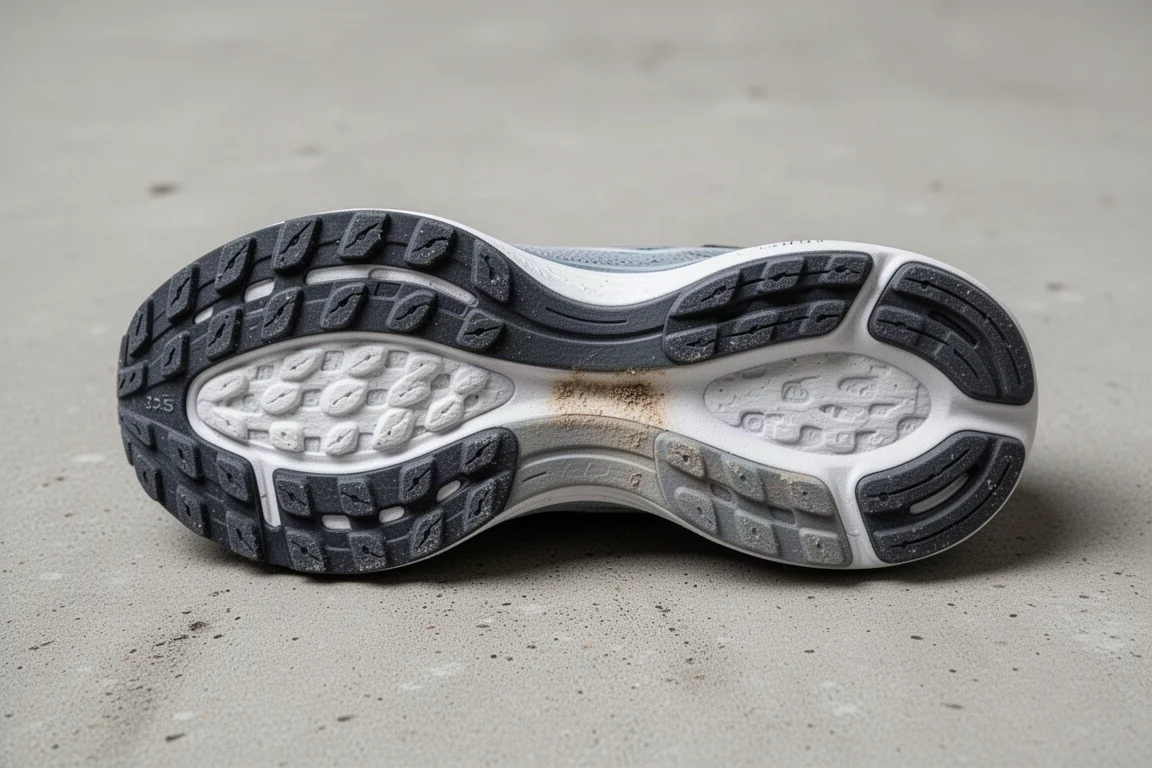
Against that field, the Azura lands as a clear step above standard workhorse daily trainers, but a step below the top shoes in sheer excitement. It is more stable than the Li-Ning, more normal-feeling in toe-off, and considerably cheaper than the Mega Blast. That is a real, defensible position, just not a dominant one.
Buying Advice
If you loved the Endorphin Speed 3 or the recent Endorphin Pro racers, you will very likely like the Azura. It is a thumbs-up shoe in the A-minus to B-plus range: nothing offensive, nothing mind-blowing, solidly executed at a fair price.
Buy it if you want a firmer, aggressive trainer for faster days and steady miles, or if you want a half-priced alternative to a carbon racer for moderate race paces. Think twice if your priority is a soft, comfortable do-it-all daily, or if a long, roomy toe box bothers you, since the length runs generous.
Conclusion
The Saucony Endorphin Azura is exactly what it claims to be on paper: a non-plated PowerRun PB trainer with aggressive Endorphin Elite-inspired geometry, a stable upper, and an unremarkable but fair $150 price. It rewards pace and punishes shuffling, and while the market around it has moved faster, it remains a very solid option for runners whose rotations need one more fast steady-day shoe.
Product link
View more details for Saucony Endorphin Azura
This product is mentioned in the review. Check the specifications, options, and compatibility before buying.
View more details for Saucony Endorphin AzuraFurther reading
Related Reviews

Running Shoes
Best Road-to-Trail Running Shoes: Three Versatile Options for Mixed Terrain
A practical guide to three road-to-trail running shoes that handle both pavement and mild trails, with clear strengths and trade-offs for different runner types.

Running Shoes
Best Running Shoes for Achilles Tendonitis: Three Options Explained
Three running shoes with different heel drops and support features designed to help reduce Achilles tendon pain during walking and running.

Running Shoes
Best Running Shoes for Women: Five Top Choices Ranked
A ranked guide to five women's running shoes, from versatile daily trainers to high-performance racing options, with real strengths and trade-offs for each.