Running Shoes
Saucony Endorphin Azura First Run: A Springy, Non-Plated Daily Trainer Worth Watching
The Endorphin Azura pairs the Speed 5's foam with a bigger plateless stack for a softer, high-energy daily trainer at £140 or $150.
Introduction
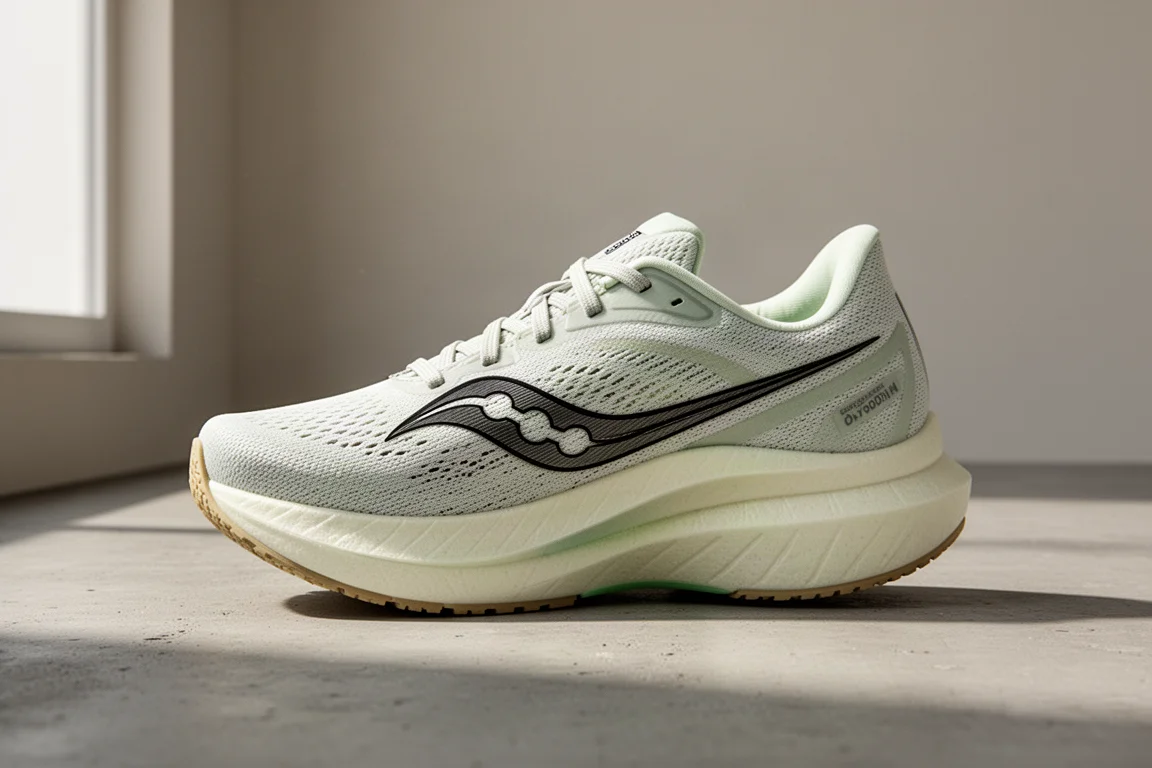
The Saucony Endorphin Azura is a new, non-plated super foam daily trainer built to be springy, bouncy, cushioned, fast, and fun. It sits in the Endorphin lineup alongside the Endorphin Speed 5 and the Endorphin Pro 5, and it is designed to be that sweet spot daily shoe: high energy underfoot, plenty of protection, and enough versatility to handle a wide range of paces. After a first 6-mile progression run and an easy 10K with some 1K pickups, the early signs are very positive.
Quick Specs and Details
The Azura packs 40mm of foam in the heel and 32mm in the forefoot for an 8mm drop. That is a bigger stack than the Endorphin Speed 5, but with the same drop. It weighs 8.8 ounces or 250 grams in a UK 8.5 (US 9.5 test shoe), which is virtually identical to the Speed 5. Price lands at £140 or $150 in the US, putting it toe-to-toe with the Adidas Evo SL while coming in a good chunk cheaper than its sibling, the Speed 5.

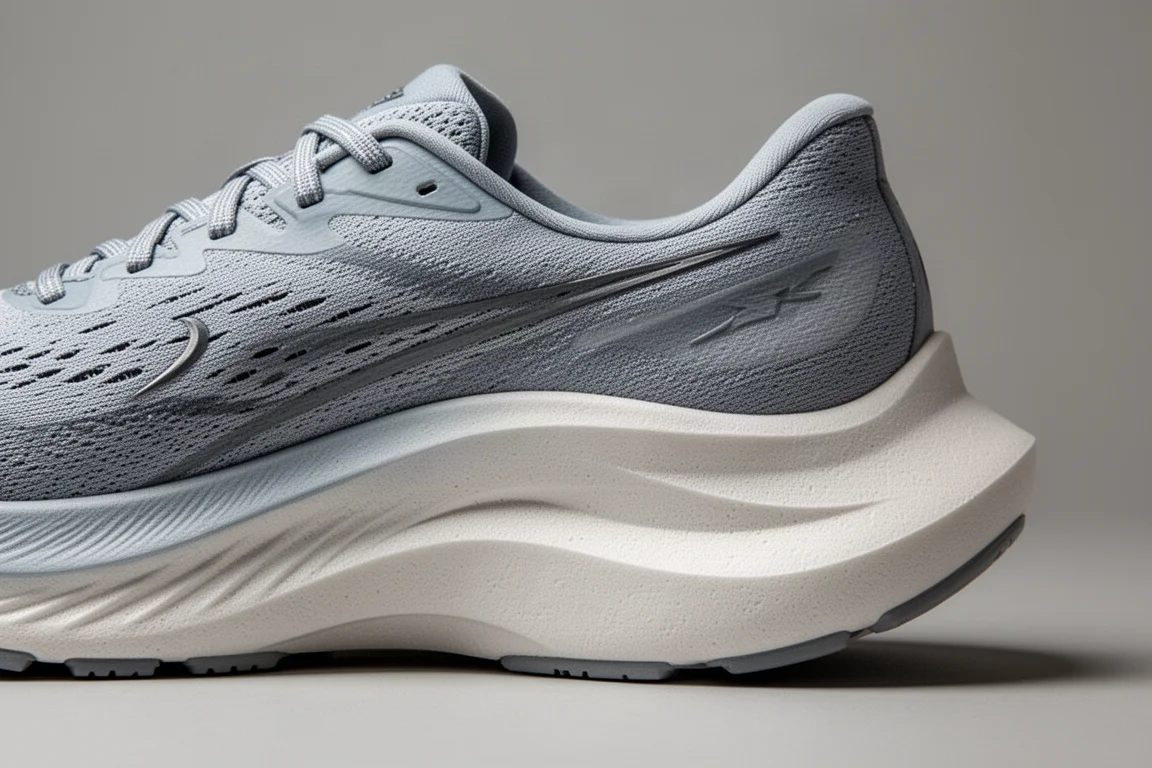
The midsole uses the same premium Power Run PB foam as the Speed 5 and Endorphin Pro 5, running full length with a larger stack across the whole shoe. There is no plate here, but you do get Saucony’s familiar Speedroll geometry with a steep forefoot rocker. The foam is compressive but springs back fast, with moderate stiffness and noticeably more flexibility than the Speed 5. Up top, breathable mesh uppers carry reinforcements toward the rear for structure, with medium-padded heel collars, a small clip-like overlay that aids heel hold, and thin but nicely gusseted tongues that wrap well. The outsole is Saucony’s XT-900 rubber with familiar Endorphin-line coverage: decent forefoot coverage plus two main heel pads at the impact zones.
Fit and Sizing
The fit is roomy and true to size. Testers wearing their regular running shoe size reported plenty of toe box clearance, good midfoot lockdown from the gusseted tongue, and strong heel hold from the medium-padded collar and that small clip-like overlay. The plastic-feel tongue padding is not quite as plush as some other shoes, but it holds and wraps well.
If you prefer a more dialed-in fit, going half a size down is a reasonable option, but the general recommendation is to stick with your normal running shoe size. The extra forefoot room is likely an asset for long mileage.
First Run Impressions
The first outing was a 6-mile run: five miles of progression starting around 8-minute miles and working down to roughly 6:40 pace, then an easy mile back around 9-minute pace. Across roughly 45 minutes of running, the shoe impressed. It offers energy very similar to the Speed 5, with plenty of rebound from the big midsole stack, but with a little extra softness that takes the edge off the stiffness. If the Speed 5 sometimes felt too firm for you, the Azura aims squarely at that gap: still highly bouncy, still eager, just slightly more cushioned.
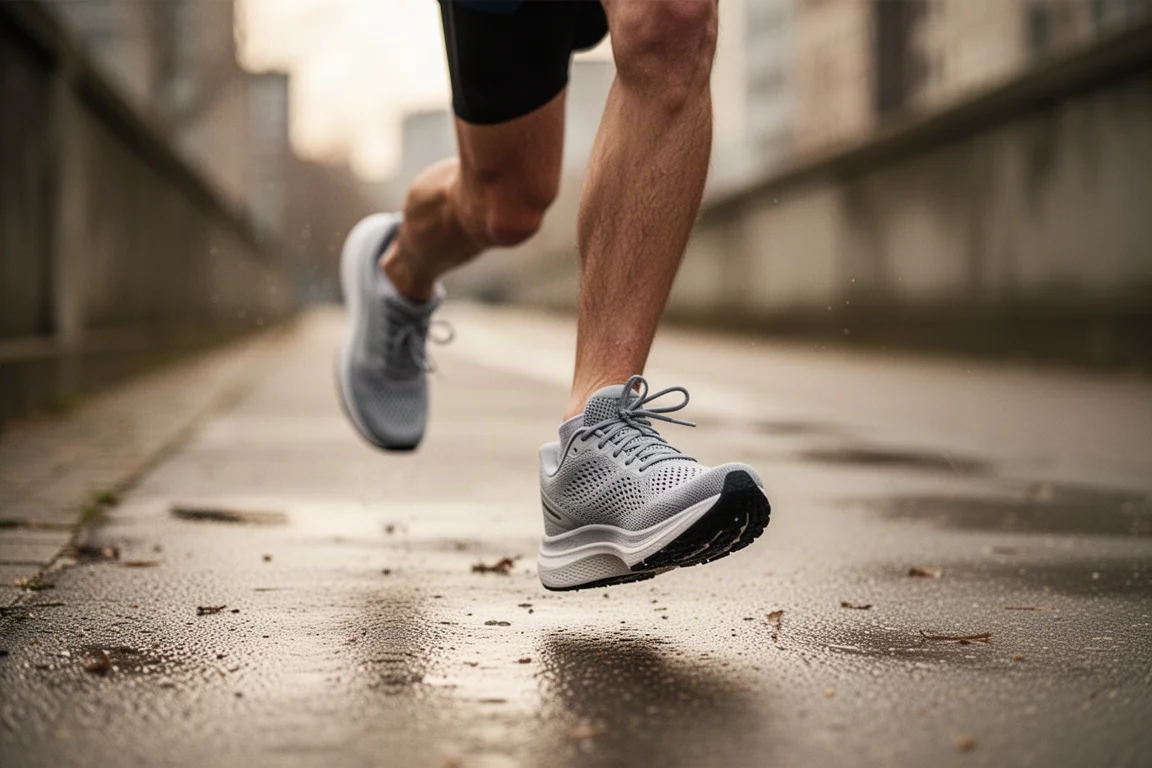
The ride is smooth and controlled. The steep forefoot rocker pushes you over quickly, and the shoe feels light on the foot and stable, with easy pace changes when you want to push on. On a very cold London day with leafy, slick conditions, grip held up well through twists and turns. A second tester ran a mostly easy 10K with a couple of 1K pickups down toward 3:45-3:50 pace and found the shoe ticked over nicely, feeling very light and quick-turning when picking up the pace.
A direct comparison against the Speed 5 (one shoe on each foot) confirmed the softer feel and the extra foam under the forefoot. The Speed 5 can feel slightly harsh snapping through onto its plate at times, and the Azura’s higher stack should help with comfort under the forefoot and at the heel on long runs.
One honest observation on the foam: Power Run PB has been around for a while. Rivals like the Lightstrike Pro in the Evo SL or the Nitro-infused TPU in the Velocity Nitro 4 may have a bit more pop and squish, while Power Run PB feels slightly firmer and denser. It is still comfortable, rolls through well, and should soften up over time. It just is not the newest foam on the block.
Things to Consider Before Buying
Competition is fierce in this category. The Adidas Evo SL is one of the best shoes on the market and is even cheaper than the Azura. The Puma Velocity Nitro 4 is a little cheaper as well, and there are strong alternatives like the New Balance Rebel v5 and the Hoka Mach 6. If the Azura had launched two or three years ago it might have been a wow shoe; arriving now, it has to fight hard against very good rivals.
The main open question is how different the Azura really is from the Speed 5 once you run both back to back. Early impressions suggest the softer, plateless, higher-stacked ride justifies its place in the lineup, and it may even let Saucony keep the Speed 5 snappier in future generations while the Azura owns the softer end of the range.
Buying Advice
The early verdict: this is a very capable all-round daily trainer with a nice blend of lightness, speed, stability, and comfort at a good price. It hits a genuine sweet spot between price and performance, and it looks like a strong training option for marathon buildup, with some racing potential for certain runners at certain paces. It coped well with slow easy miles and had clear upper-pace potential in progression work.
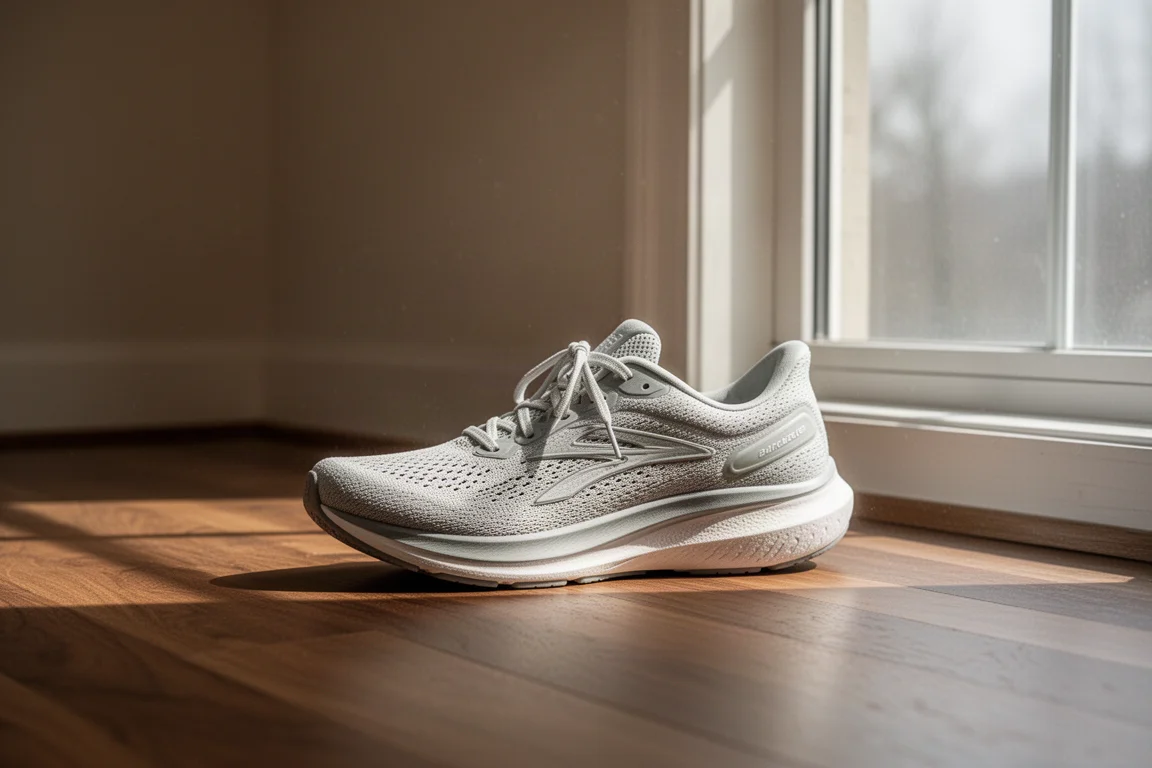
Plan on more dedicated speed work and long runs to confirm, but the first miles suggest a shoe you can happily log a lot of varied mileage in.
Conclusion
The Saucony Endorphin Azura looks like a pleasing addition to the Endorphin lineup: an energetic, cushioned, plateless daily trainer that sits naturally alongside the Speed 5 while offering a softer ride and a friendlier price. It faces stiff competition from the Adidas Evo SL, Puma Velocity Nitro 4, New Balance Rebel v5, and Hoka Mach 6, but it should hold its own. A full verdict will follow once the full test mileage is logged, but on first run evidence, this is one to watch.
Product link
View more details for Saucony Endorphin Azura
This product is mentioned in the review. Check the specifications, options, and compatibility before buying.
View more details for Saucony Endorphin AzuraFurther reading
Related Reviews

Running Shoes
Best Road-to-Trail Running Shoes: Three Versatile Options for Mixed Terrain
A practical guide to three road-to-trail running shoes that handle both pavement and mild trails, with clear strengths and trade-offs for different runner types.

Running Shoes
Best Running Shoes for Achilles Tendonitis: Three Options Explained
Three running shoes with different heel drops and support features designed to help reduce Achilles tendon pain during walking and running.

Running Shoes
Best Running Shoes for Women: Five Top Choices Ranked
A ranked guide to five women's running shoes, from versatile daily trainers to high-performance racing options, with real strengths and trade-offs for each.