Running Shoes
Saucony Azura Review: A Fun, Stable Daily Trainer Worth the Wait
Saucony's new plateless high-performance daily trainer brings a fun, stable ride with Power Run PB foam and Speedroll geometry. Here is how it stacks up.
Introduction
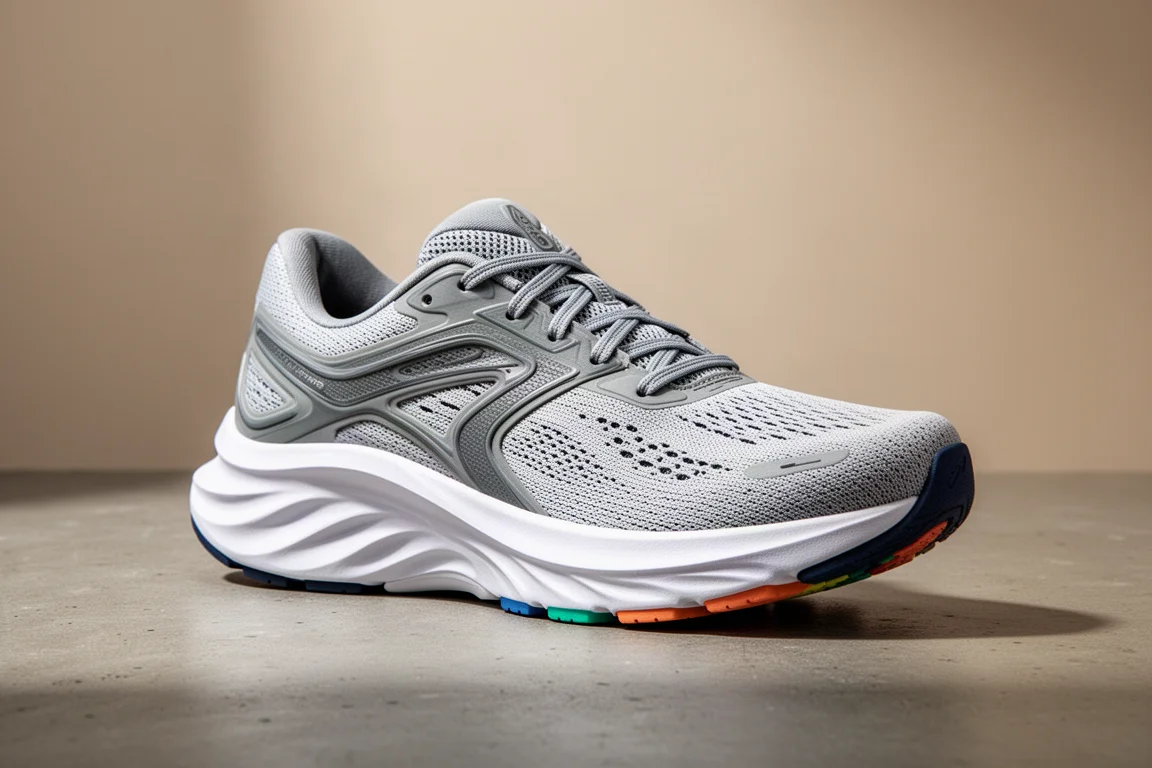
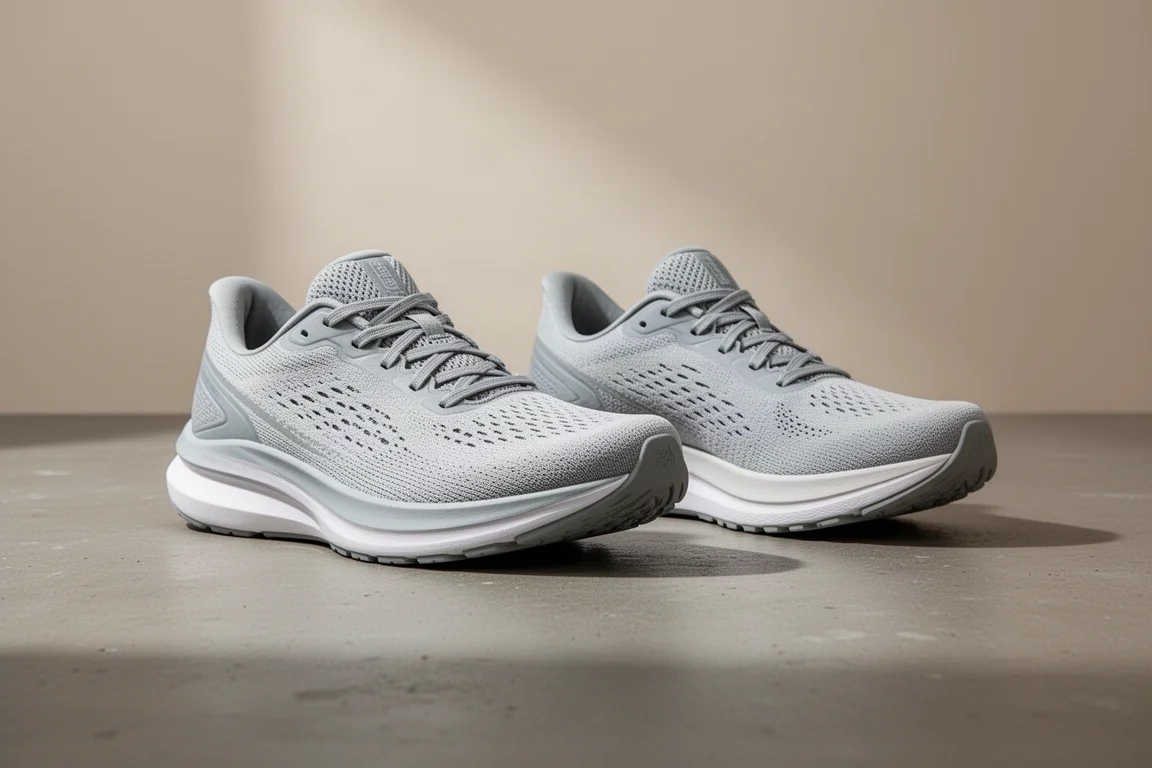
Saucony’s new Azura arrives a little late to the highly competitive plateless high-performance daily trainer segment, but it brings a compelling package: a 40 mm stack with an 8 mm drop, Power Run PB foam, and Speedroll rocker geometry at the front of the shoe. At £140, Saucony is promising a lightweight, fun ride that can go toe to toe with the Adidas Evo SL, the New Balance Rebel V5, and other uptempo daily shoes.
After running in it extensively, the Azura turned out to be one of the most enjoyable Saucony shoes we have run in. It is not the fastest shoe in this sector, but it is a solid, lightweight, stable option for anyone who wants a simple do-it-all trainer at a reasonable price.
Who This Shoe Is For
The Azura is a plateless high-performance daily shoe aimed at handling many different types of runs well, leaning slightly toward the faster side. It is very much in the same category as the Evo SL and the Rebel V5, making it a genuine one-shoe-rotation candidate.
It is a particularly strong pick for heavier runners, since there is essentially no risk of bottoming out the foam, and for anyone who values stability in a daily trainer.
Main Strengths
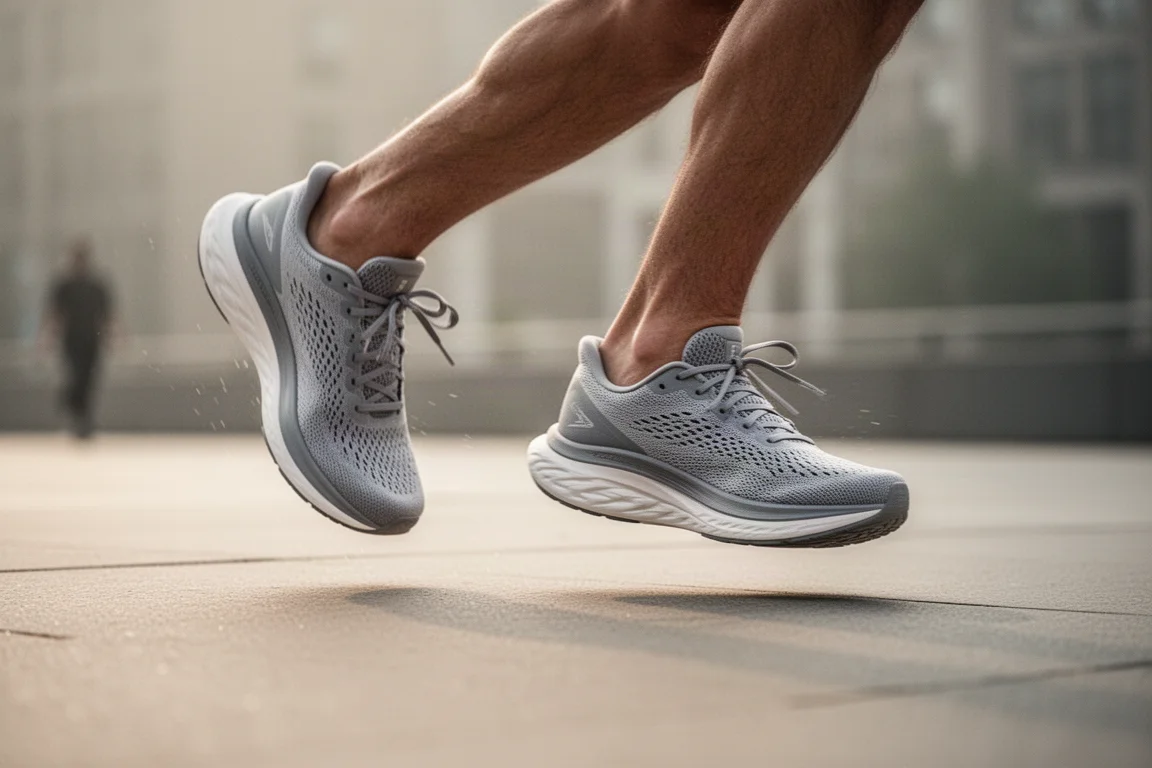
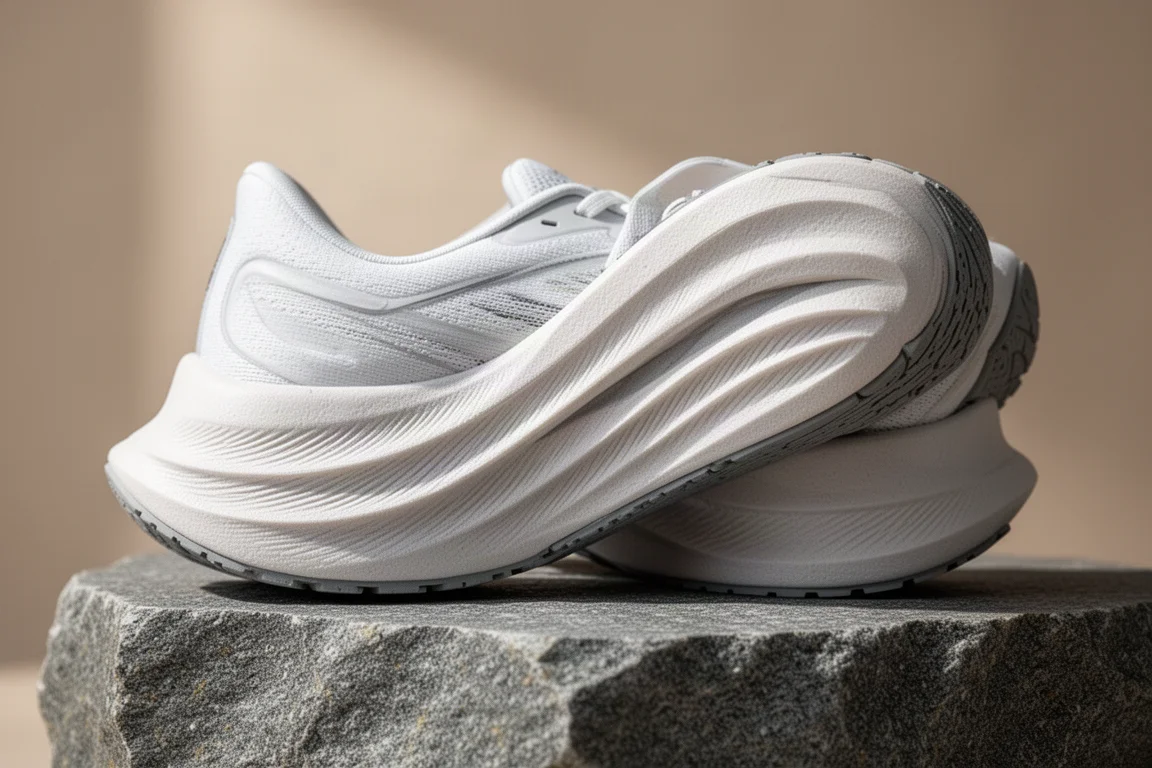
The ride is the headline act. The lightweight, responsive Power Run PB foam combined with the Speedroll rocker gets you up onto your toes nicely and creates a smooth transition through the stride, encouraging you to run just a little faster in the same way the Evo SL does.
Stability is a genuine surprise. The midsole is neither too soft nor super firm, sitting right in the middle, and the lack of a plate (you need the Saucony Endorphin Speed line for that) contributes to a confidence-inspiring feel through foot strike no matter how you land. It feels similar in character to the Salomon Aero Glide 3, but noticeably more stable than the Evo SL.
Versatility is the third big win. Long runs, easy runs, recovery runs, sessions, even races: the Azura feels happy at many different paces, which makes it a strong choice for runners who want a single shoe for everything.
Comfort holds up over long distances too. Padding lands in all the right areas, the heel holds securely with no slip or irritation, and the breathable mesh upper stays cool even on warmer efforts. Sizing ran true to size, and the generously long laces leave room for alternative lacing if you need it.
Things to Consider Before Buying
The shoe feels slightly bulky relative to its actual weight, which is more an observation than a dealbreaker. The rubbery addition at the back of the heel does a decent job of locking the heel in place, but visually it will not be for everyone.
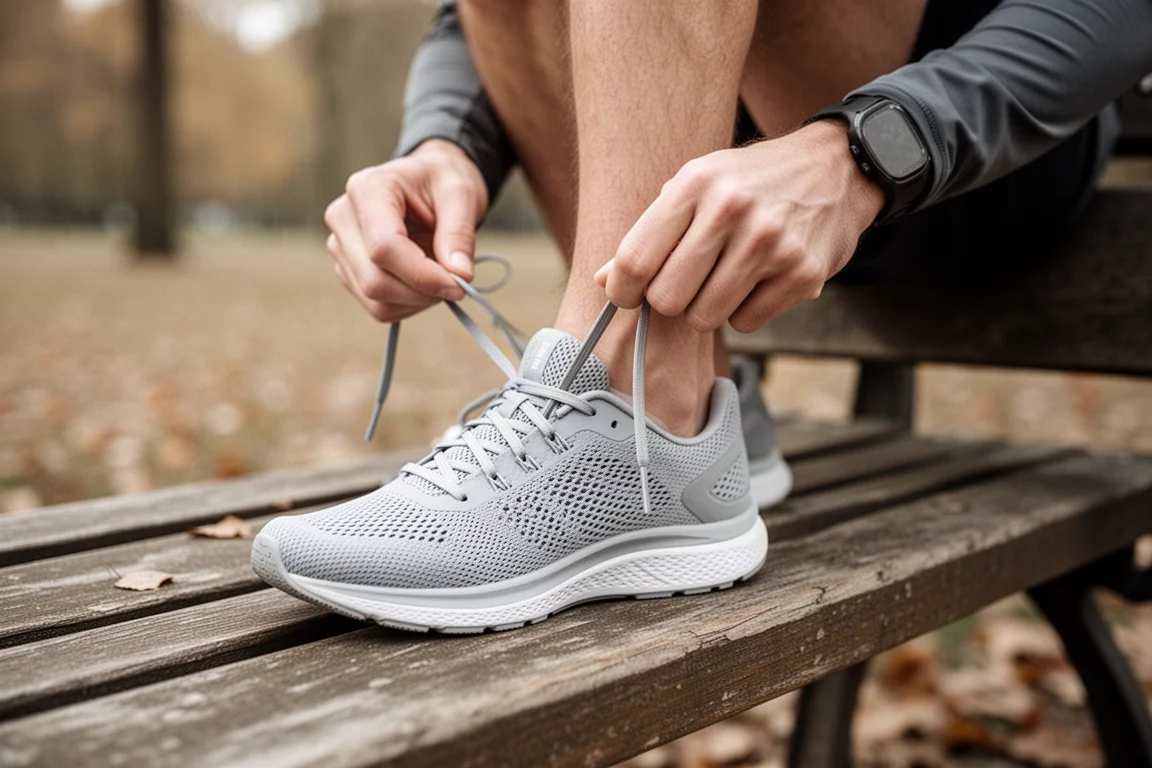
The tongue had a tendency to slip down during runs, and there is no eyelet near the tongue to thread the laces through and keep it anchored. Grip was okay rather than excellent, and the minimal XT900 outsole coverage raises some questions about long-term durability, particularly in wet conditions. Finally, the colourways are divisive, especially next to something as sharp-looking as the Evo SL, and a wider fit option would be a welcome addition for some runners.
How It Compares
Against the Adidas Evo SL, the king of this non-plated daily category, the trade-offs are clear. The Evo SL is £10 cheaper, about 29 g lighter, and has a nearly identical stack and drop, with a softer and more responsive ride from its Lightstrike Pro foam. The Azura, however, is significantly more stable. If you found the Evo SL a bit wobbly, or you are a heavier runner with a slightly wider foot who wants something firmer and happier on long training runs, the Azura makes a strong case. Choose the Evo SL if you want something faster, nimbler, softer, and better suited to shorter and medium runs, especially since it has been out longer and bargain pricing is easy to find.
Against the New Balance Rebel V5, the difference comes down to feel. The Rebel V5 is softer, squishier, more responsive, and better suited to faster sessions and threshold work, with a lower 35 mm stack that offers more ground contact feel and a snappier turnover. The Azura absorbs impact better over long distances and is considerably more stable, making it the better long-run partner.
Buying Advice
Go with the Saucony Azura if you prioritize stability, are a heavier runner, have a slightly wider foot, or want a firmer shoe that cruises comfortably through long training runs. Go with the Evo SL for a faster, softer, more nimble ride at a lower price, or the Rebel V5 for a softer, more responsive shoe aimed at quicker pace work.
Conclusion
The Azura is a fantastic, fun, and stable daily trainer that might just be the most enjoyable Saucony we have run in. It is not the fastest shoe in its segment, but as a lightweight, confidence-inspiring do-it-all option at £140, it earns a lasting place in any rotation.
Product link
View more details for Saucony Azura
This product is mentioned in the review. Check the specifications, options, and compatibility before buying.
View more details for Saucony AzuraFurther reading
Related Reviews

Running Shoes
Best Road-to-Trail Running Shoes: Three Versatile Options for Mixed Terrain
A practical guide to three road-to-trail running shoes that handle both pavement and mild trails, with clear strengths and trade-offs for different runner types.

Running Shoes
Best Running Shoes for Achilles Tendonitis: Three Options Explained
Three running shoes with different heel drops and support features designed to help reduce Achilles tendon pain during walking and running.

Running Shoes
Best Running Shoes for Women: Five Top Choices Ranked
A ranked guide to five women's running shoes, from versatile daily trainers to high-performance racing options, with real strengths and trade-offs for each.