Running Shoes
Saucony Azora vs the Competition: Evo SL, Novablast 5, Vomero Plus and Endorphin Speed 5
The Saucony Azora goes head to head with four popular non-plated trainers to see where it fits in the daily and tempo shoe market.
Introduction
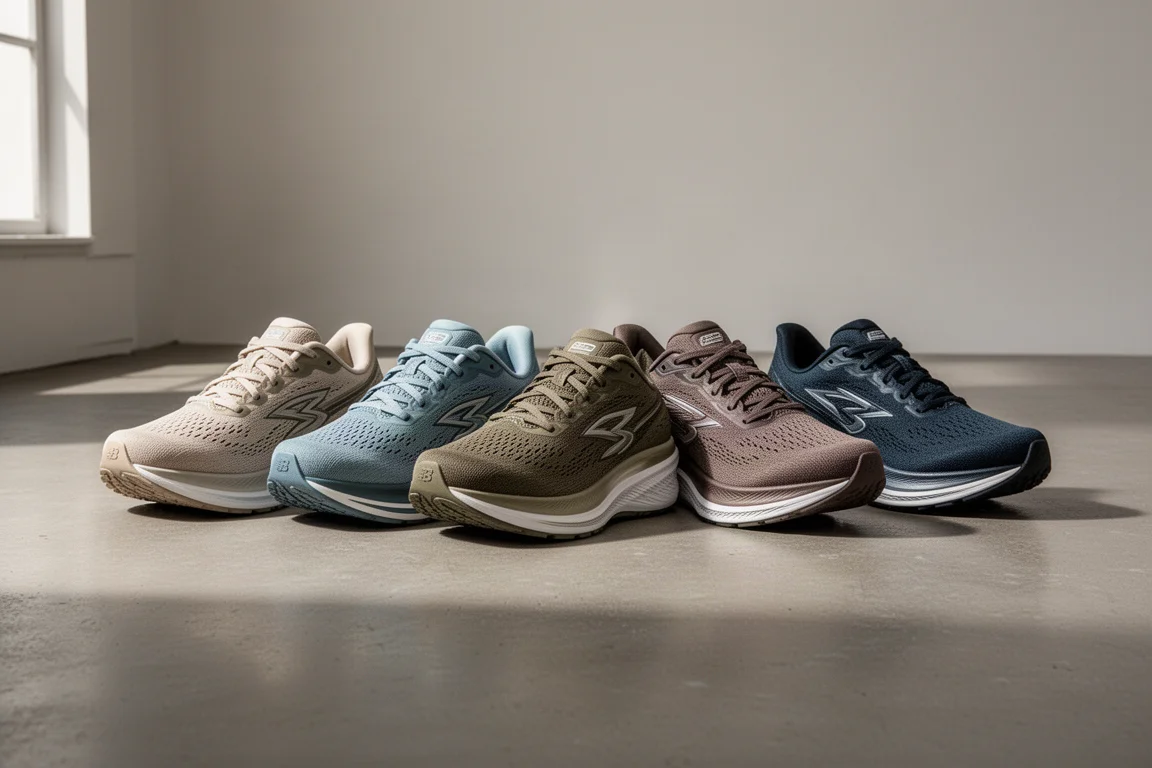
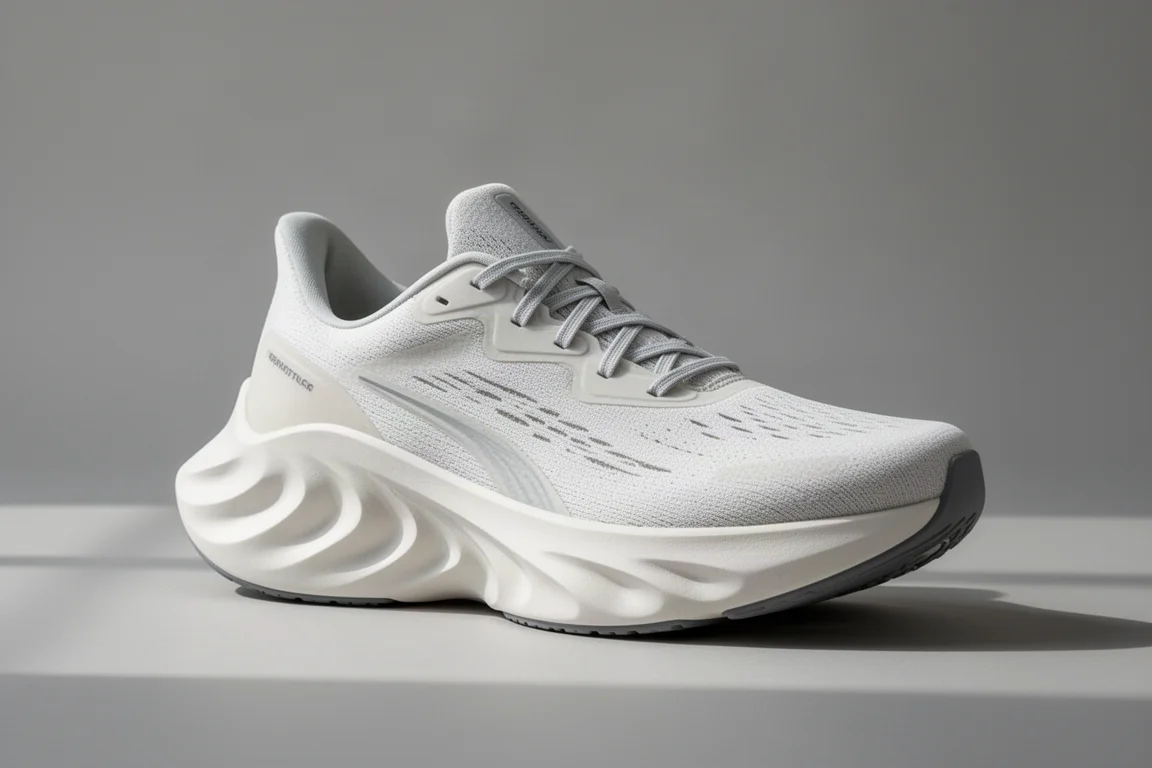
The Saucony Azora brings a super shoe style stack to a plateless trainer, which naturally invites comparisons with other foam-only models in the same price band. This article lines it up against the Adidas Evo SL, the ASICS Novablast 5, the Nike Vomero Plus and, as a bonus, the Saucony Endorphin Speed 5.
All of these shoes sit around a similar price and use case, though stack heights vary considerably between them. Weight varies too: the Evo SL is the lightest of the group at around 260g in a UK 11, while the Vomero Plus carries roughly 50g more than the Azora.
Saucony Azora: The New Plateless Contender
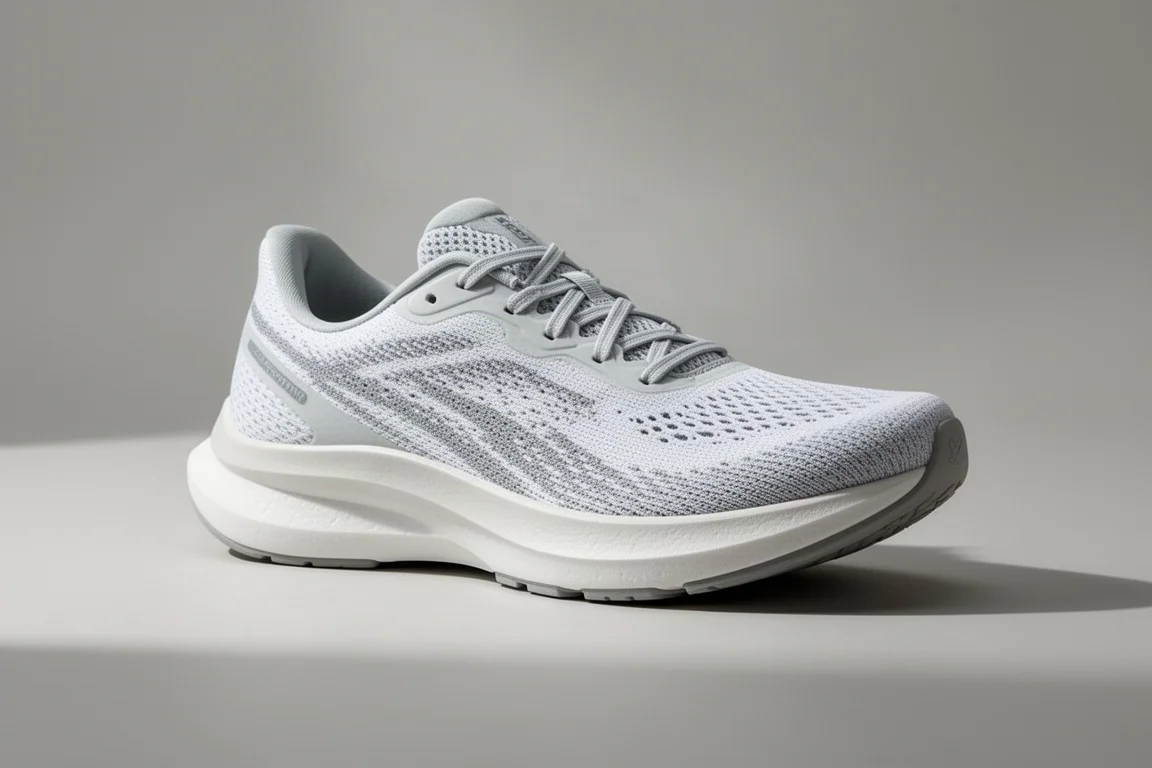
The Azora uses a denser, more consistent foam feel across the footbed than most of its rivals, and it benefits from a slightly wider heel than the Evo SL, which could be make or break for runners who found that shoe simply too narrow at the back. It needs a few miles to break in, like most of the shoes here, but once softened it sits in a genuine sweet spot: nimble, light enough to feel unobtrusive, and versatile enough to handle a wide range of paces and training types.
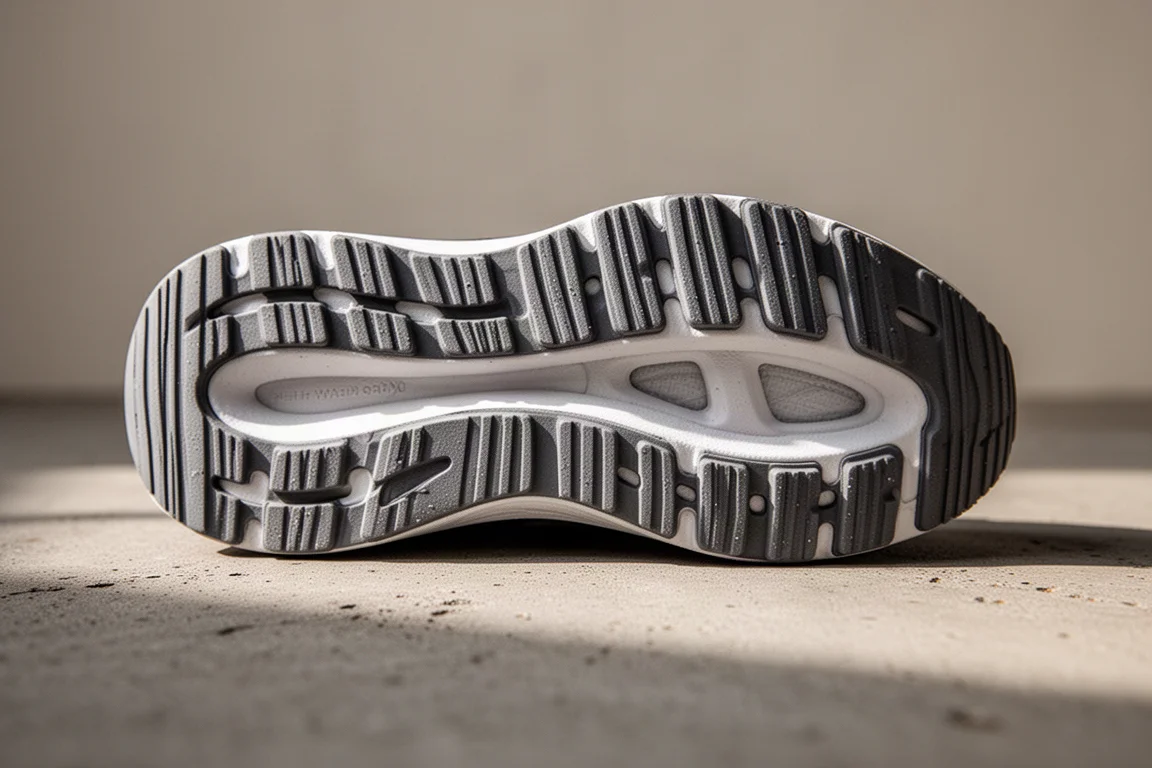
The outsole is a strong point, with ridged rubber that leaves nowhere for grit and debris to collect in the forefoot. The drop measures around 8mm, and the zonal tongue padding and dialed-in toe box fit add to the impression of a thoughtfully executed first version. It feels like a shoe with plenty of potential, even if the first iteration does not get absolutely everything right.
Saucony Azora vs Adidas Evo SL
The Evo SL is the lightest shoe here at 260g, and it is also the cheapest at 130 retail in the UK. Forefoot widths are similar between the two, though the Saucony is wider in the heel. Both shoes need breaking in, both measure around an 8mm drop, and both offer limited road feel. Despite the weight difference on paper, they feel surprisingly similar on foot.
The Azora has a touch more stack and far less squashy heel compression than the Evo SL. On the Adidas side, the woven upper is arguably the pinnacle of the design, with a slightly lower profile toe box and improved tongue lockdown, though the tongue padding, overly long laces and missing tongue lace loop are detractors. If only one pair could be kept, the Evo SL still edges it for being slightly cheaper, slightly lighter and better looking.
Saucony Azora vs ASICS Novablast 5
The Novablast 5 is a touch heavier than the Azora but much more squashy underfoot thanks to its very soft, compressive heel foam. Stack heights are very similar, with a little extra in the Novablast 5. The Saucony’s foam feels denser, more consistent and more predictable, and the Azora comes across as more responsive underfoot.
The Azora upper is more breathable, especially in the toe box, while the Novablast 5 carries quite a lot of padding around the heel. The ASICS is easily good enough for easier days, recovery runs and daily miles, but the Saucony feels more versatile, helped by the slightly wider heel and over half an ounce less weight. For picking up the pace, the Azora is clearly the better option of the two.
Saucony Azora vs Nike Vomero Plus
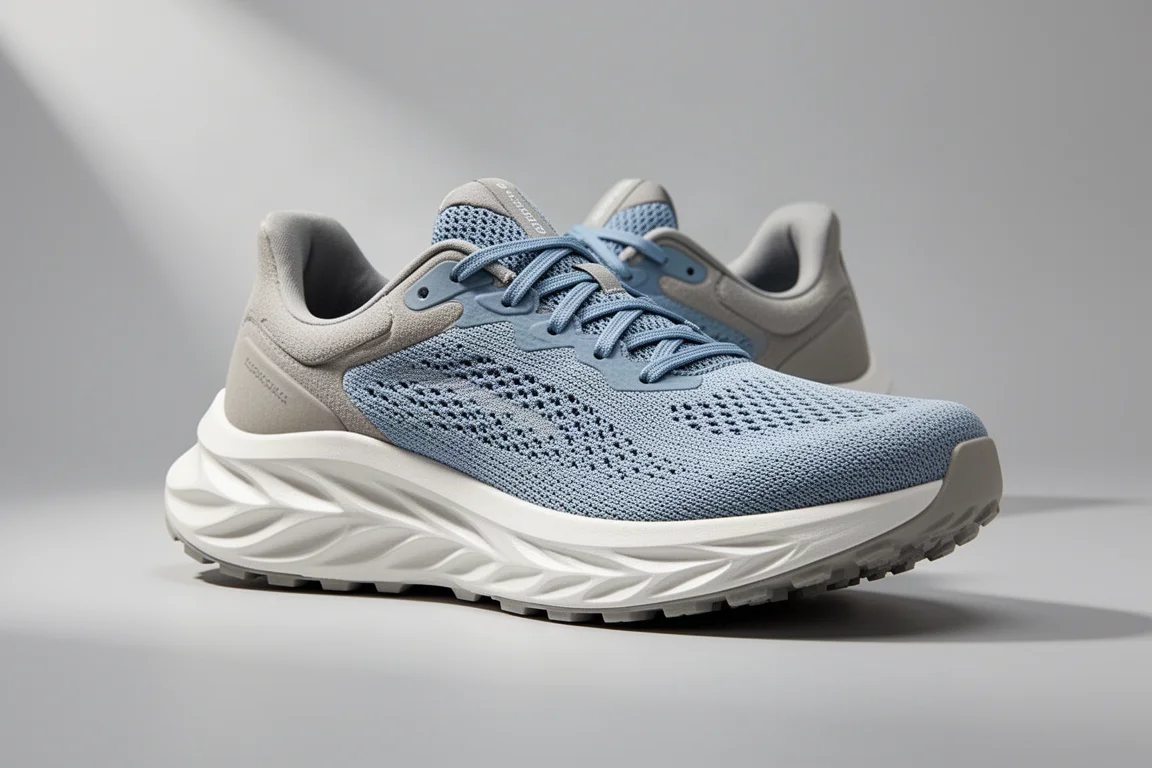
The Vomero Plus is the outlier here, a much higher-stack max cushion model with around 45mm of heel stack on the sample size, roughly 5mm more than the Azora. It is also one of the widest shoes in most collections, especially in the heel, and you certainly feel that width at the back. It fits firmly into the recovery and easy run category, with almost 50g of extra weight over the Saucony and a pillow-like full-length tongue where the Azora uses more zonal padding.
The Nike feels soft but lacks the energy return that pushes you forward, and it does not quite feel like the PEBA material of the original Vaporfly, suggesting the formula has been adjusted for durability. It is nonetheless one of the more promising recent Nike offerings. For heavier-built runners, the Vomero Plus may simply cater better to their needs, but for most the Azora is more nimble, less present on foot and more versatile.
Saucony Azora vs Saucony Endorphin Speed 5
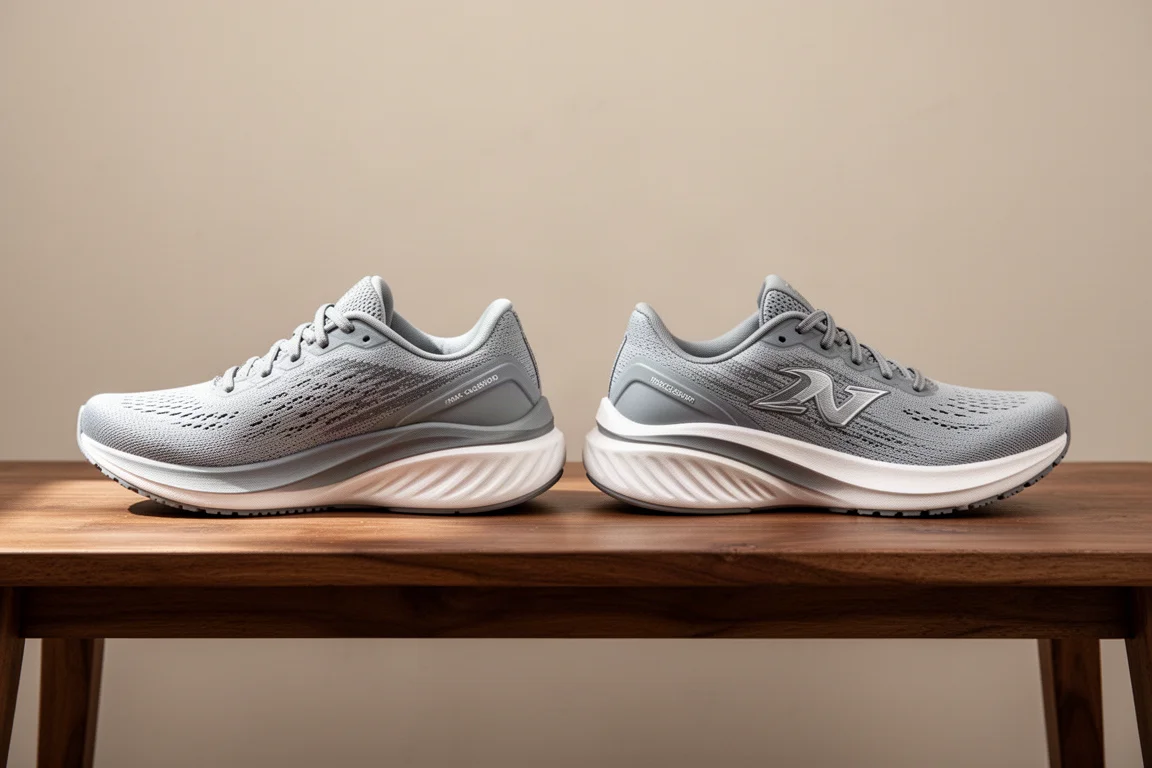
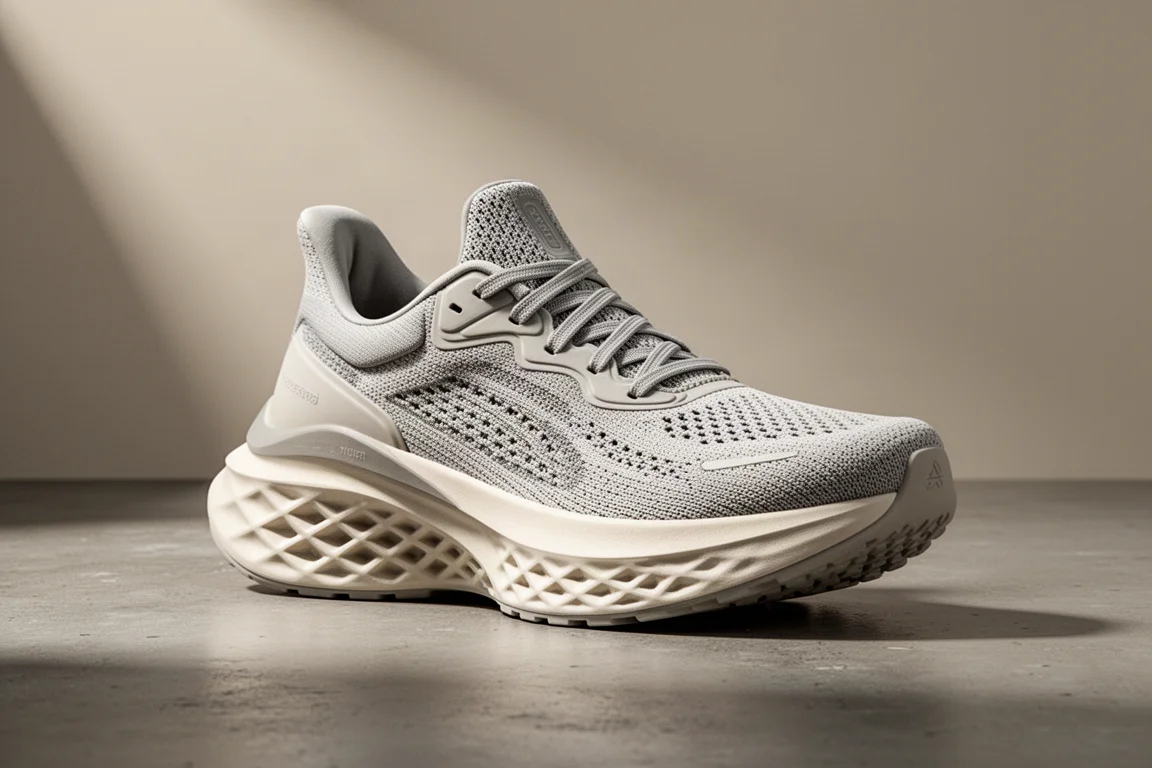
The Endorphin Speed 5 comparison is a quick one: the two weigh pretty much the same and the foams feel and measure identically. The removal of the plate in the Azora is no bad thing, and there is none of the winged stability construction here. The Azora’s toe box fit is a little more dialed in, while the Speed 5 has a more prominent, elflike heel that some will prefer and others will not.
In terms of forefoot stack, the Speed 5 might just have a slight edge. If you are after a great shoe that does lots of things and is not 180 quid, the Azora is the pick.
Buying Advice: Which Shoe Should You Pick?
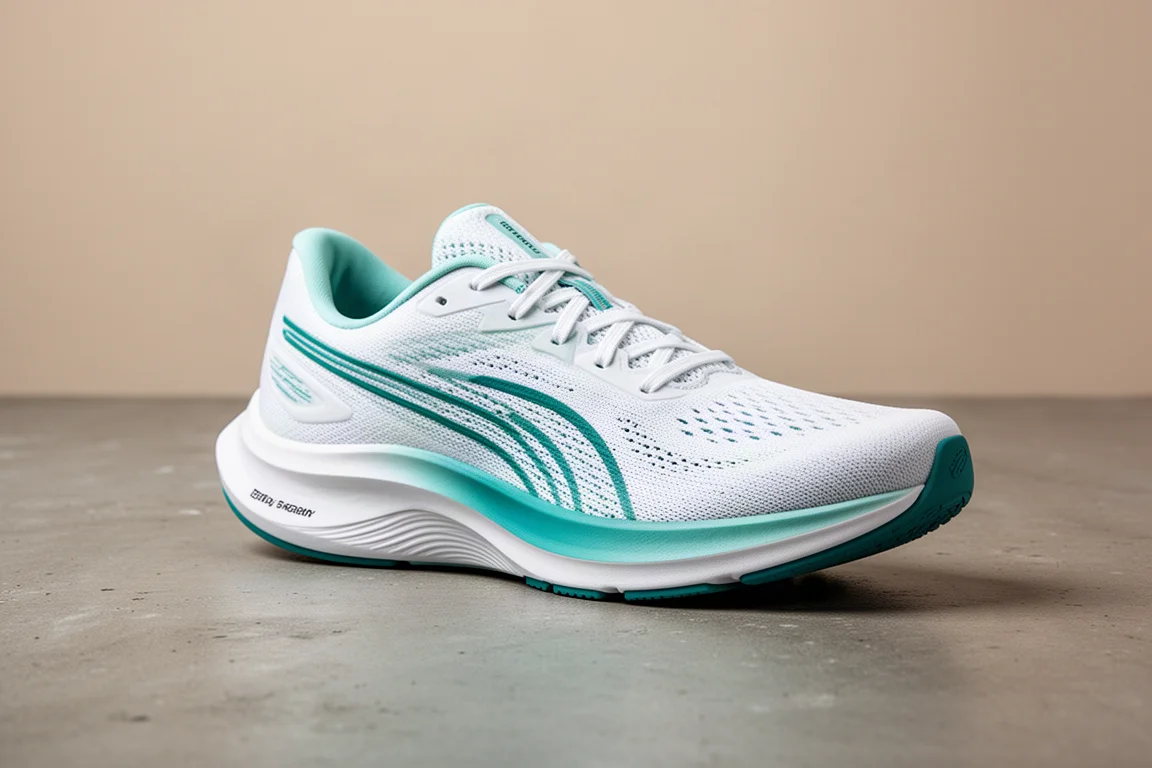
If versatility is the priority, the Azora handles most things you throw at it and feels more exciting at faster paces than the Novablast 5 or the Vomero Plus. Runners who want the absolute lightest option at the lowest price should lean towards the Evo SL, accepting the narrower heel. Those who prioritize maximum cushioning for easy days, particularly heavier-built runners, will get more from the Vomero Plus, while the Endorphin Speed 5 remains a strong all-rounder if its forefoot stack and heel styling suit you.

Conclusion
The Saucony Azora is an impressive first version of a plateless trainer with a super shoe silhouette. It may not dethrone the Evo SL for everyone, but its wider heel, denser foam and stronger pace versatility make it a genuinely compelling option in this crowded field.
Further reading
Related Reviews

Running Shoes
Best Road-to-Trail Running Shoes: Three Versatile Options for Mixed Terrain
A practical guide to three road-to-trail running shoes that handle both pavement and mild trails, with clear strengths and trade-offs for different runner types.

Running Shoes
Best Running Shoes for Achilles Tendonitis: Three Options Explained
Three running shoes with different heel drops and support features designed to help reduce Achilles tendon pain during walking and running.

Running Shoes
Best Running Shoes for Women: Five Top Choices Ranked
A ranked guide to five women's running shoes, from versatile daily trainers to high-performance racing options, with real strengths and trade-offs for each.