Running Shoes
Saucony Azora 100-Mile Review: A Lightweight Trainer That Surprises
After 100 miles, the Saucony Azora holds up with strong outsole durability, a rolling ride, and unexpected mild stability features worth knowing about.
Introduction
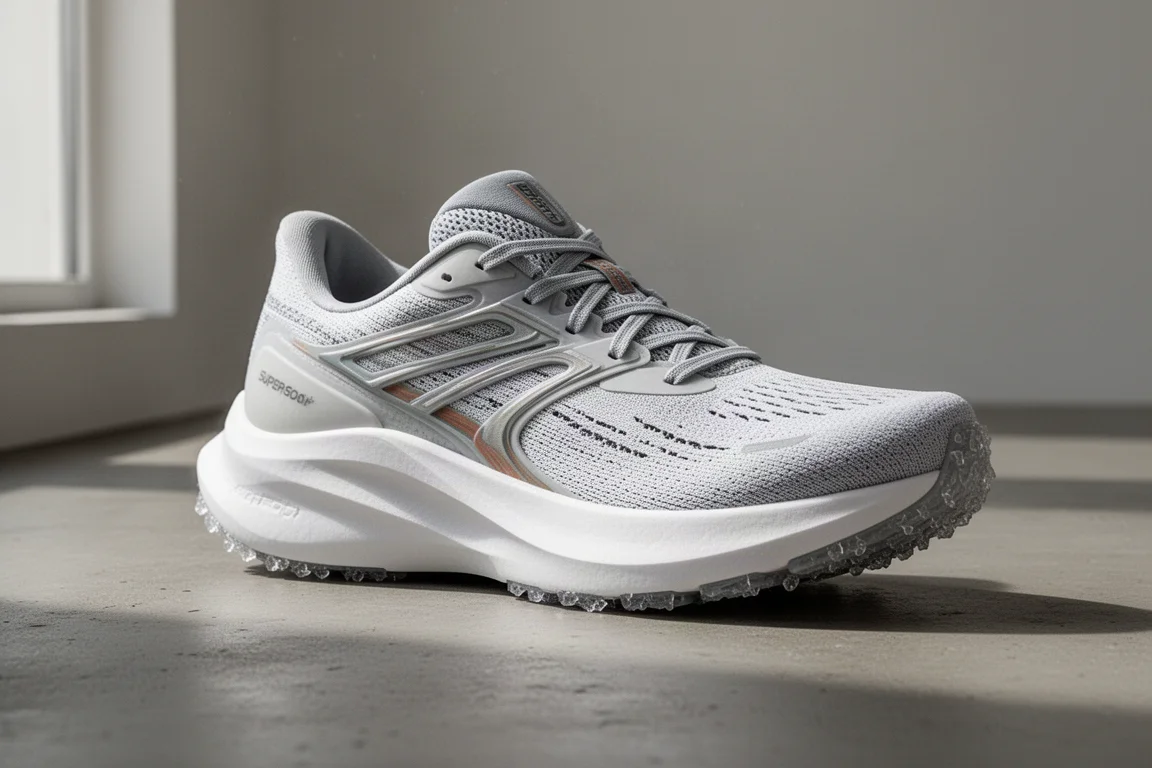
The Saucony Azora is Saucony’s non-plated lightweight trainer, and it comes with a full-length super foam. After 100 miles, it has proven to be a genuinely fun shoe with a surprising set of strengths, including an almost mild-stability feel that is not advertised. This long-term look covers how the shoe changes as the miles add up: how the midsole responds, how the outsole and upper hold up, and where it fits best in a rotation.
Specs and First Impressions
In a men’s size 10, the Azora weighs 248 grams (8.7 oz), which is extremely light for this category. Most lightweight trainers sit above 9 oz, so this one rolls nicely and feels light on foot. The stack is 40 mm in the heel and 32 mm in the forefoot for an 8 mm drop, with full-length PWTPB super foam underfoot.
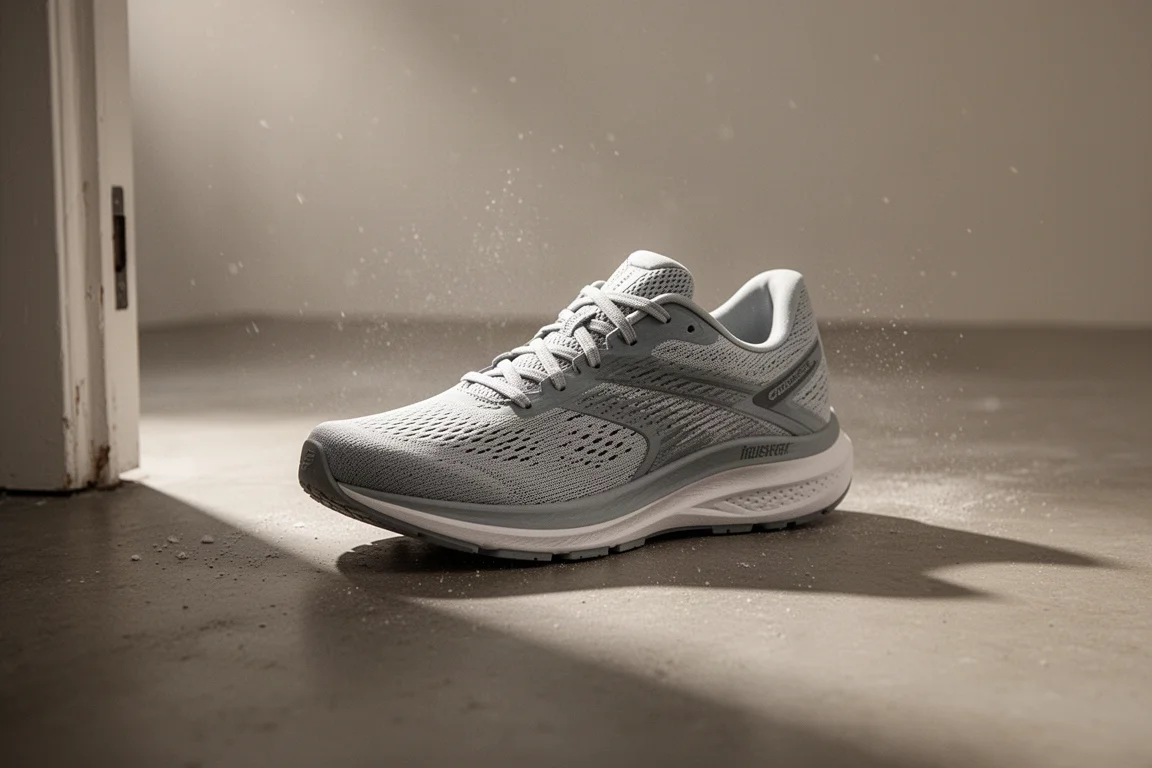
That weight gives the shoe real versatility: it handles workouts, easy runs, and long runs with ease. Early on, the foam has plenty of bounce, and the ride is stiff and snappy thanks to a large heel bevel and a late forefoot rocker.
Durability: Outsole, Midsole, and Upper
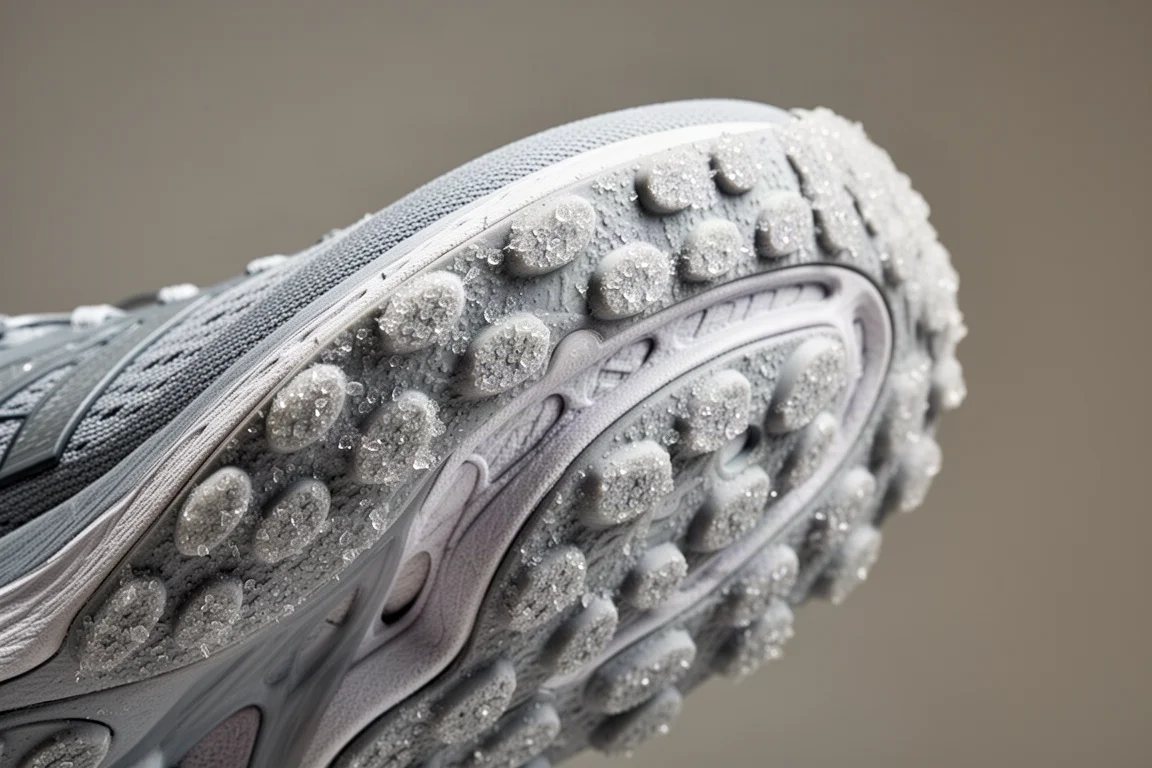
The outsole has held up extremely well. The crystalline-style rubber (marked XT900) shows only a tiny bit of abrasion at 100 miles, which is excellent given how easily exposed midsole can wear through. This material recalls older models with crystalline rubber that lasted forever, so the outsole should keep going for a long time.
The midsole is the part that changes. After about 75 to 80 miles, the PWTPB foam starts to firm up. It still has some bounce, but it loses the initial pop and becomes more of a rolling ride. It will not last as long or stay as bouncy as some newer foams, and it is not the softest shoe on the market.
The upper has not changed at all. It is secure and snug, with plenty of overlays that keep the volume low. The toe box is more square than tapered, the tongue is gusseted, and the heel counter is a bit firmer but flexible up high. Runners with sensitive heels may notice it on longer runs, and wide-footed runners may find the fit too snug, but for normal or narrow feet, the performance fit locks down nicely and shows no wear despite the light weight.
Ride and Use Cases After Break-In
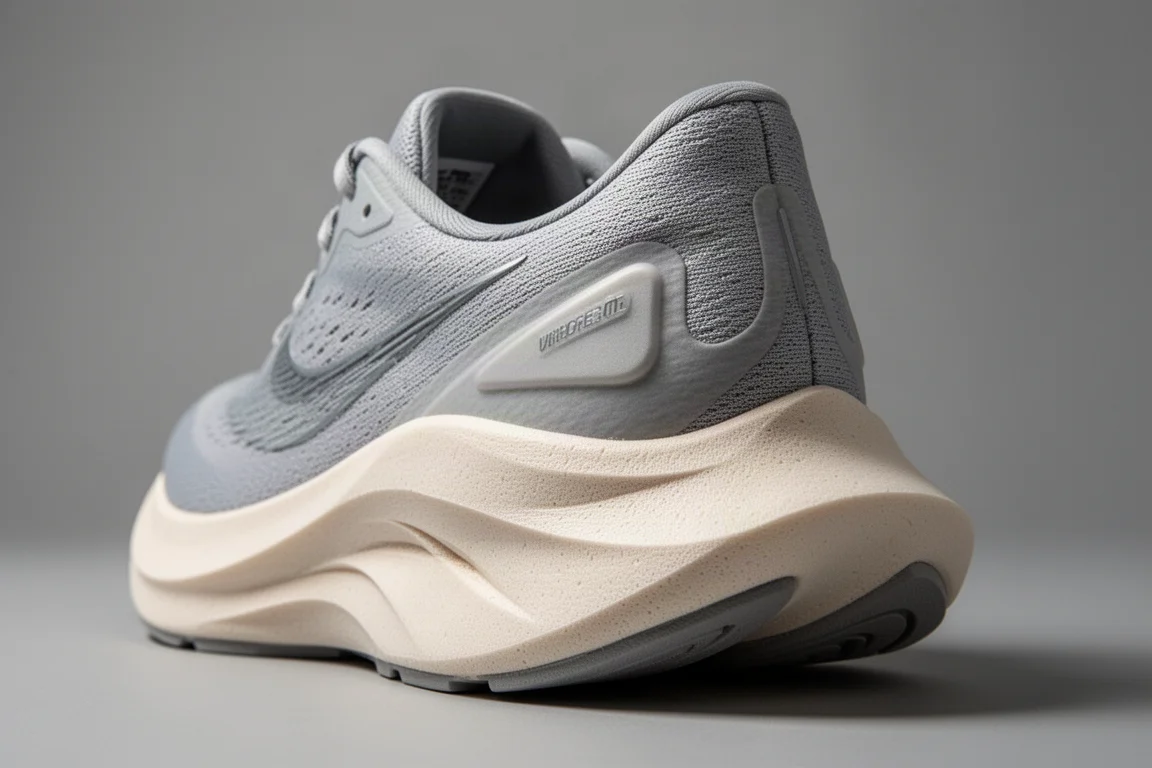
Once broken in, the Azora becomes more flexible and leans toward daily trainer, uptempo trainer, and tempo run duty. The transition is smooth: the large heel bevel and lateral heel cutouts let the outside of the heel collapse naturally, making for a clean heel transition that rolls quickly off the forefoot.

Where it struggles is very fast running. Sprints and short intervals do not work as well in a rocker-heavy shoe like this, because turning over quickly on the forefoot feels like something is missing. For longer runs and tempo or uptempo efforts, though, it is excellent.
The Hidden Mild Stability
Although the Azora is not marketed as a stability shoe, several features combine to create a lateral bias with a noticeably stable heel and midfoot. The lateral heel cutouts collapse more than the filled-in medial side, the medial sidewalls are prominent, and the extended medial sole flare pushes pressure into the medial heel and rear midfoot. The outsole midfoot is filled in medially while the lateral side has a cutout.
The result is a shoe that can feel more stable than a dedicated guidance shoe. Runners with mild medial stability needs could even use it as a speed day or racing shoe. Runners with lateral instabilities or high stability needs should look elsewhere, and anyone sensitive to medial pressure may find it uncomfortable.
Who Should Buy the Saucony Azora
At $150, the price is good for what you get. The Azora works best as a go-to trainer for easy runs, long runs, and tempo work, with the understanding that it will firm up and become more flexible over time. It is not plated and will not feel as snappy as current super shoes, but it delivers versatility, a secure performance upper, durability, and a quasi-mild-stability feel in a very light package.
If you enjoy a rockered, rolling ride and want a lightweight trainer that keeps going, this is an easy recommendation. If you want maximum bounce or a roomy fit, other options will suit you better.
Conclusion
After 100 miles, the Saucony Azora remains a standout lightweight trainer: strong outsole durability, a secure upper, and a ride that shifts from snappy to rolling in a way that favors longer and uptempo efforts. Its hidden medial stability is a genuine bonus for runners with mild overpronation. Know its limits on fast intervals and in fit, and it could easily become the most-worn shoe in a rotation.
Product link
View more details for Saucony Azora
This product is mentioned in the review. Check the specifications, options, and compatibility before buying.
View more details for Saucony AzoraFurther reading
Related Reviews

Running Shoes
Best Road-to-Trail Running Shoes: Three Versatile Options for Mixed Terrain
A practical guide to three road-to-trail running shoes that handle both pavement and mild trails, with clear strengths and trade-offs for different runner types.

Running Shoes
Best Running Shoes for Achilles Tendonitis: Three Options Explained
Three running shoes with different heel drops and support features designed to help reduce Achilles tendon pain during walking and running.

Running Shoes
Best Running Shoes for Women: Five Top Choices Ranked
A ranked guide to five women's running shoes, from versatile daily trainers to high-performance racing options, with real strengths and trade-offs for each.