Trail Running Shoes
Saucony Aurora TR First Impressions: An Affordable Trail Shoe That Mostly Delivers
A first-run look at Saucony's budget-friendly Aurora TR trail shoe, covering its build, on-trail performance, and the alternatives worth checking first.
Introduction
Trail running shoes have gotten expensive fast. Premium carbon-plated models now sit at price points that make most runners wince, so it is refreshing when a major brand still puts real effort into the affordable end of the range. The Saucony Aurora TR is exactly that: a new entry-level trail shoe with a retail price of £95, well below the £200+ super shoes dominating headlines. The question is simple: does it feel like a compromise, or does it feel like a well-made trail shoe that just happens to be reasonably priced?
First Impressions at a Glance
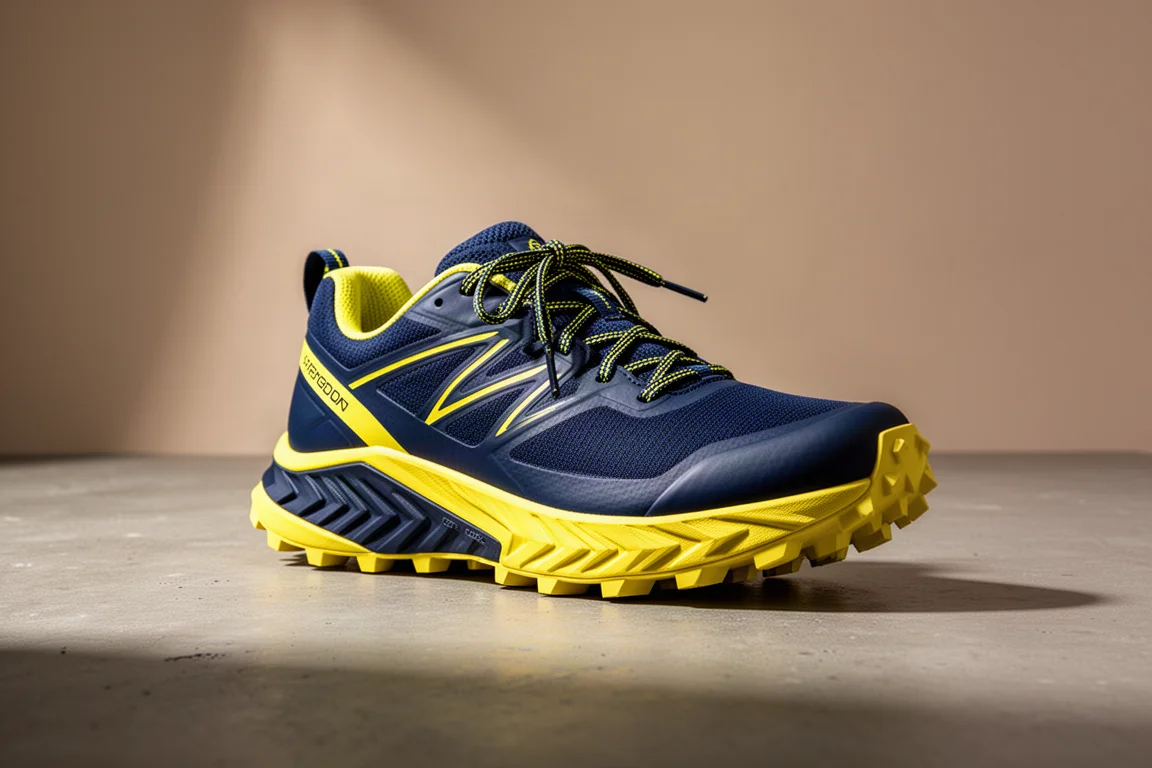
Before lacing up, the key stats set expectations. In a UK 9.5, the Aurora TR weighs 295 grams and runs an 8mm heel offset with a 31mm stack at the heel and 23mm under the forefoot. Our pair arrived in the navy and yellow colorway, with an all-black option and a purple and gray version for women also available.
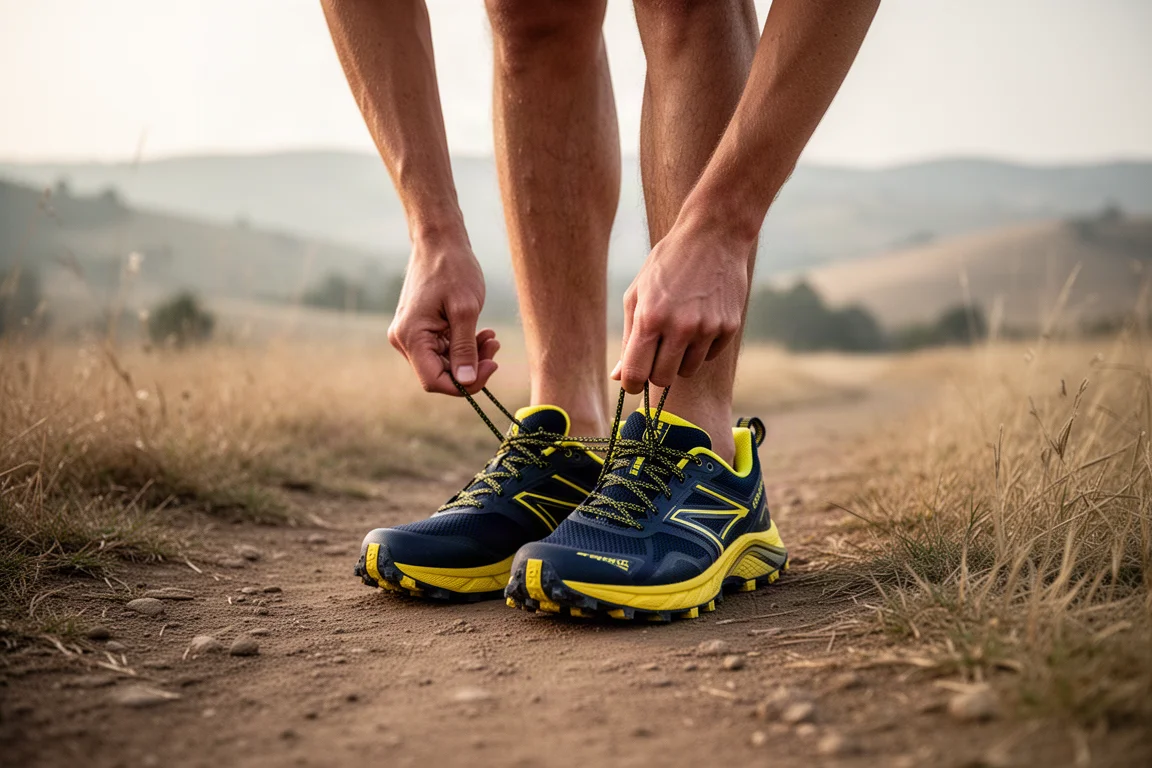
The first thing worth noting is how rarely £95 counts as “reasonable” in running shoes these days, but against the current market it genuinely does. The shoe targets runners who want dependable trail performance without paying for carbon plates or premium foam compounds.
Construction and Materials
A few compromises are visible straight away, most of them tied to the price point. The outsole skips Saucony’s sticky PwrTrac rubber in favor of XT-600 carbon rubber, which is more typical of the brand’s road lineup. Grip on dry ground was the big unknown going into testing.
The upper uses a two-layer mesh construction aimed at balancing breathability with durability. The fabrics feel a step cheaper than what you get on the Peregrine 13 or the Exodus Ultra, but the finishing is neat, with substantial overlays around the heel, lace eyelets, and toe box, all finished with tidy stitching. A toe bumper, heel and tongue pull tabs, a standard non-gusseted tongue, and a simple traditional lacing system round out a setup that looks built to handle trail wear and tear.
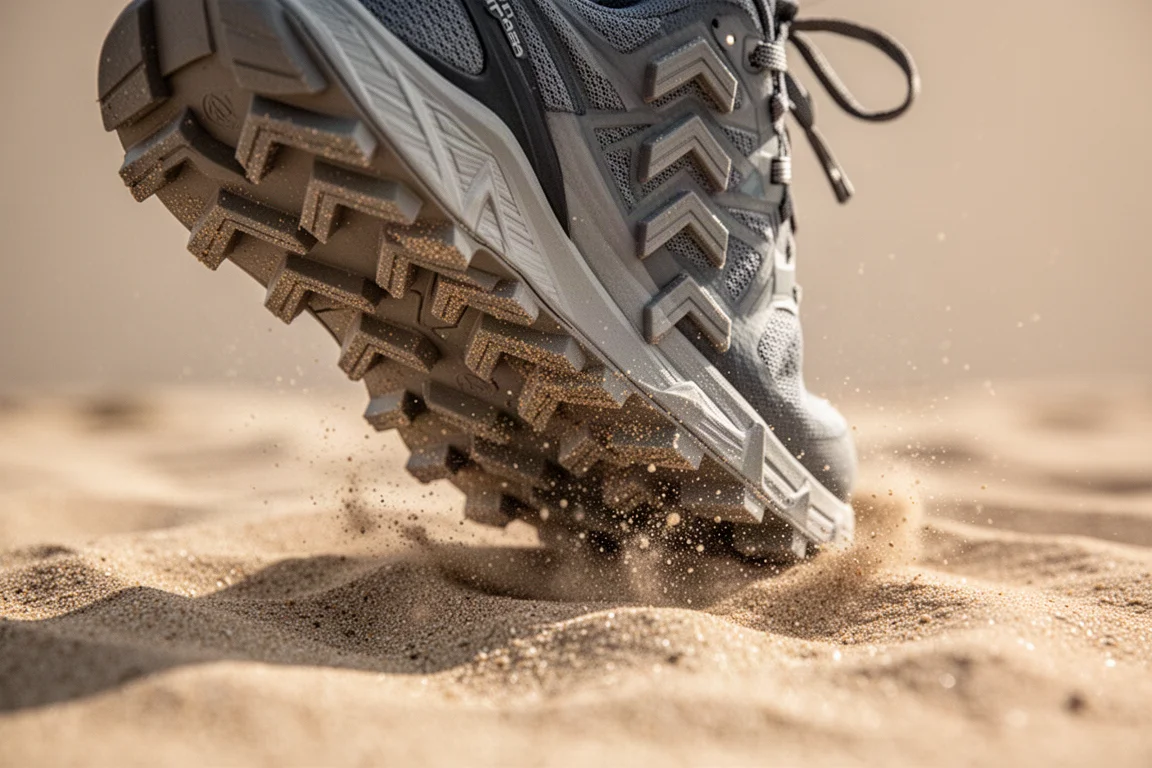
The midsole is the biggest surprise on the spec sheet. There is no PWRRUN, PWRRUN PB, or PWRRUN+ here. Instead, Saucony uses a “VersaRun” cushioning compound, one that is not commonly seen in the brand’s lineup. The lug pattern is reasonably aggressive, with chevrons down the middle and longer rectangular lugs around the perimeter. With no published lug depth, a quick measure put them at roughly 4mm to 4.5mm.
How It Ran on the Trails
The test route covered 7.3 miles of mixed terrain, starting with about a mile of tarmac before climbing onto exposed grassy hills. On the road section, the VersaRun midsole felt better than expected, and the XT-600 rubber proved pleasantly sticky on pavement.
Out on the trails, the shoe ran better than anticipated. The midsole does not deliver the energy return of PWRRUN+ or PWRRUN PB, but its slightly firmer feel makes it super connected and stable underfoot. The outsole rubber felt grippy, and the aggressive lug pattern gave good traction through sections of soft sand. The upper fit the tester’s foot shape well with secure midfoot lockdown, better than expected for a shoe at this price.

Overall, it did not blow the tester away, but it felt like a well put together, consistent, reliable trail shoe for the money, which is more than can be said for plenty of budget shoes where the savings show in the midsole feel or the upper fit.
Things to Consider Before Buying
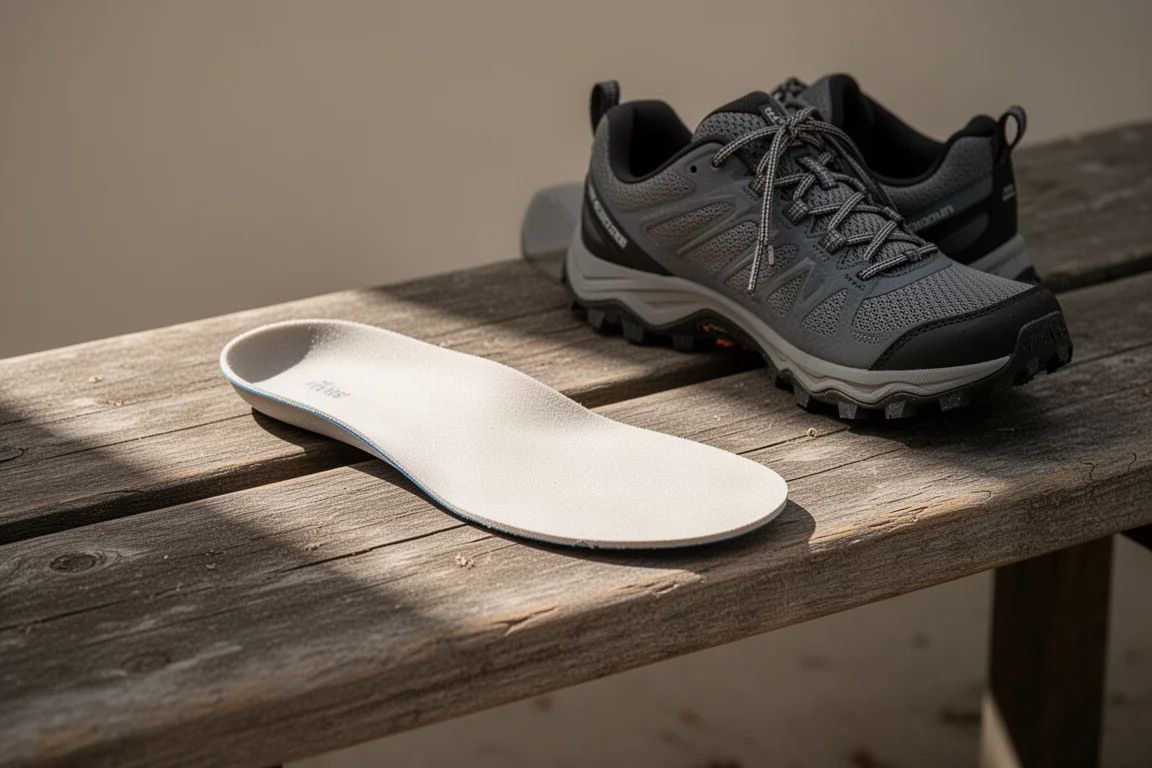
The insoles are the clearest missed opportunity. The stock insoles are basic and lightly cushioned, and fitting a pair of Saucony’s PWRRUN+ insoles would likely make the whole shoe feel springier and more energetic. It is a cheap upgrade worth considering if you buy this shoe.
There is also an obvious internal overlap. Saucony recently released the Blaze TR, another entry-level trail shoe at a similar price that uses PWRRUN in the midsole and is slightly lighter. The two shoes compete against each other, and the tester actually preferred the Aurora TR for its better fit and lockdown, having experienced a slipping insole issue in the Blaze TR.
The bigger issue is value against Saucony’s own back catalogue. A quick price check found the Peregrine 13 available for £5 less than the Aurora TR, and the original Exodus Ultra, one of the best trail shoes in recent memory, available for just £75. Both outperform the Aurora TR, which makes it hard to recommend at full price when those alternatives are so accessible.
Buying Advice
For runners who specifically want a new, sub-£100 trail shoe and find the Aurora TR fits their foot well, it is a solid, dependable choice. The secure fit and stable, connected ride are genuine strengths. But if you are shopping purely on value, checking current prices on the Peregrine 13 or the original Exodus Ultra first is strongly advised, as both deliver more performance for less money.
Conclusion
Saucony has done a respectable job with the Aurora TR, keeping a trail shoe under £100 in a market where that is increasingly rare. It is well built, fits well, and runs reliably, with a firmer midsole and basic insoles as the main trade-offs. Whether it earns your money depends on the alternatives on offer that day, because Saucony’s own older models may be the smarter buy.
Product link
View more details for Saucony Aurora TR
This product is mentioned in the review. Check the specifications, options, and compatibility before buying.
View more details for Saucony Aurora TRFurther reading
Related Reviews
Trail Running Shoes
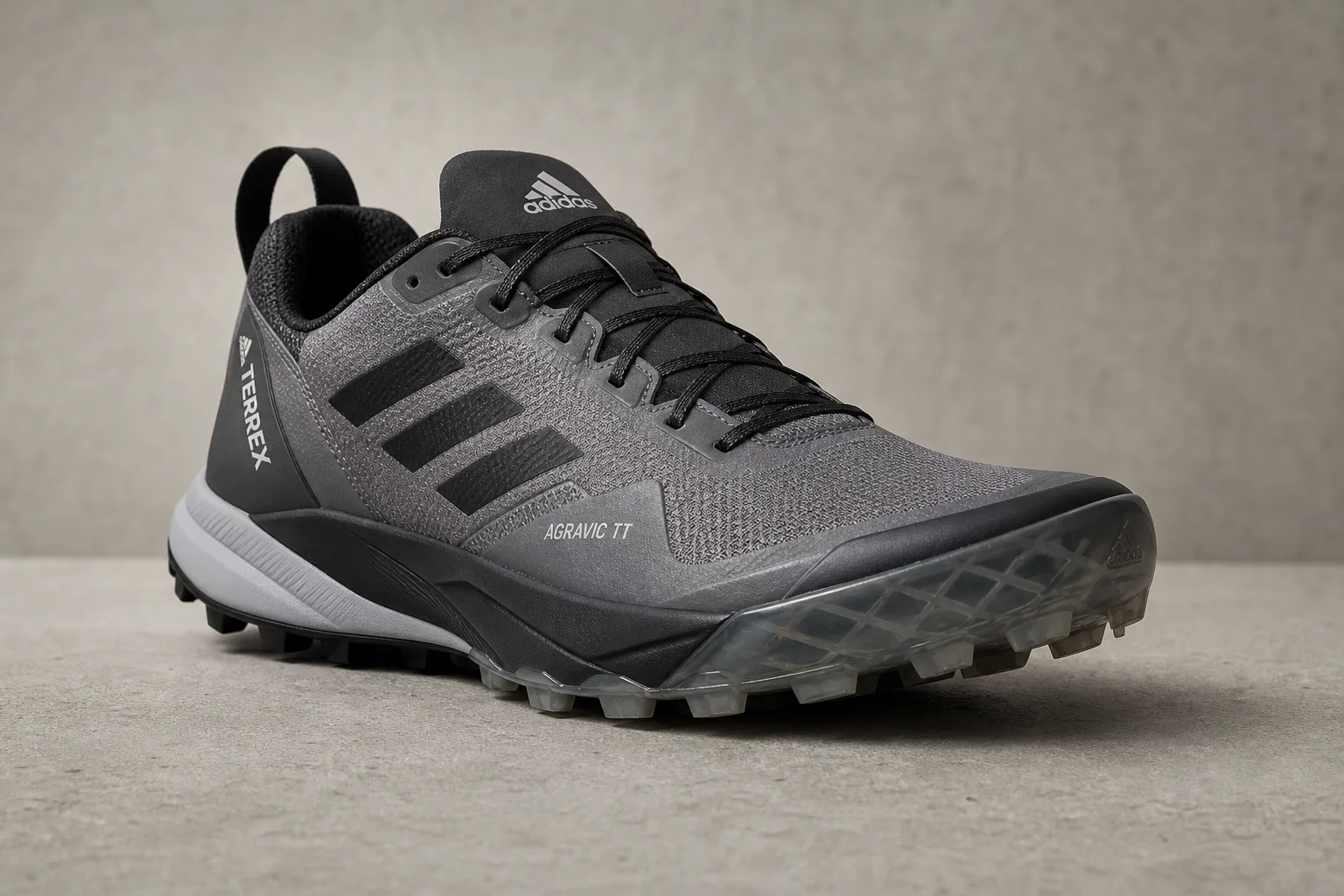
Adidas Terrex Agravic TT Review: A Technical Trail Shoe Built for Rocky Terrain
The Adidas Terrex Agravic TT combines a full-coverage rock plate with a firmer midsole to deliver protection and stability on technical, rocky trails. A capable choice for runners who prioritize underfoot defense over lightweight cushioning.
Trail Running Shoes
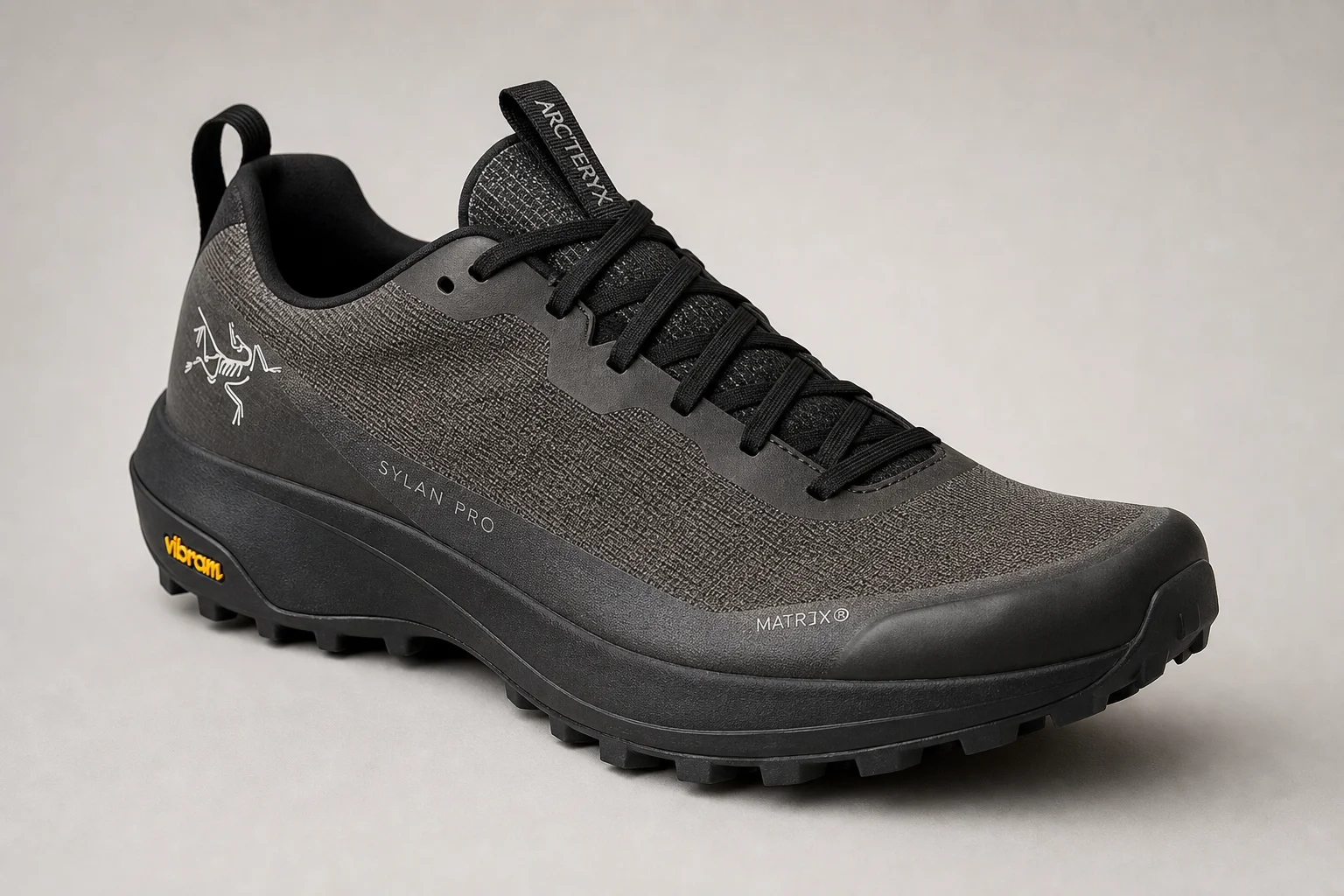
Arc'teryx Sylan Pro Review: A Rocker-Focused Mountain Running Shoe Tested on 20 Miles
The Arc'teryx Sylan Pro brings a pronounced rocker geometry and secure fit to mountain terrain. We tested it on a 20-mile Sawtooth loop to evaluate its climbing efficiency, protection, and handling of technical descents.
Trail Running Shoes
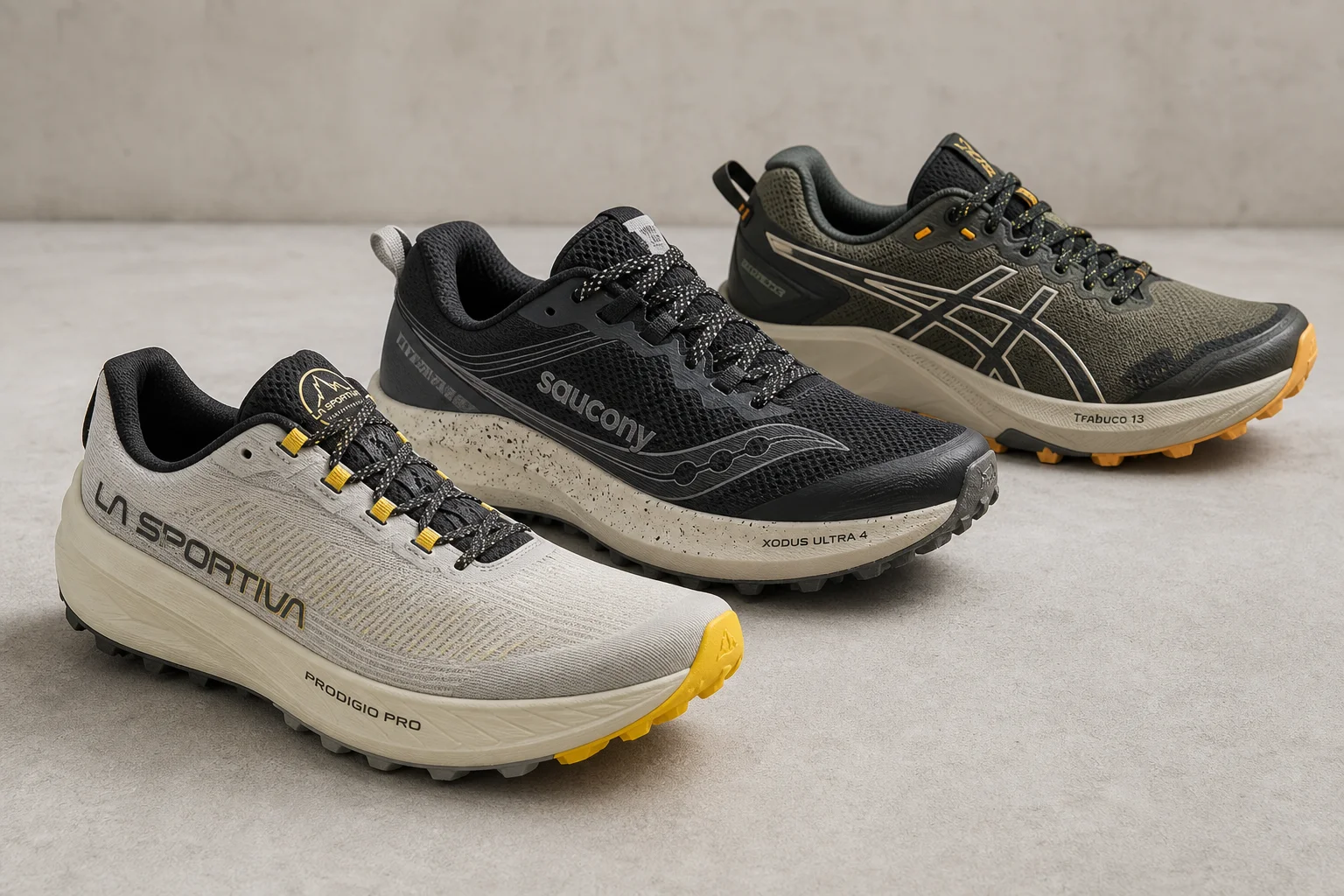
Best All-Mountain Trail Running Shoes: Three Versatile Options for Any Trail
A focused roundup of three all-mountain trail running shoes that handle technical terrain, long distances, and variable conditions with real strengths and practical trade-offs.