Cookware
Saucepan vs Saucier: Three Cookware Picks Worth Considering
Saucepans and sauciers overlap more than most people realize, but each shape has clear strengths. Here is how to choose, plus our top picks for both.
Introduction
Ask ten cooks whether they need a saucepan or a saucier and you will get a shrug from most of them. Both handle sauces, soups, grains, and other liquid-based meals, so the differences seem minor at first. In practice, the shape of each pan changes how it heats, how it stirs, and how easily it cleans. This guide breaks down those differences and highlights three specific pans worth a closer look, whether you are buying your first or adding to a collection.
What Sets a Saucepan and a Saucier Apart
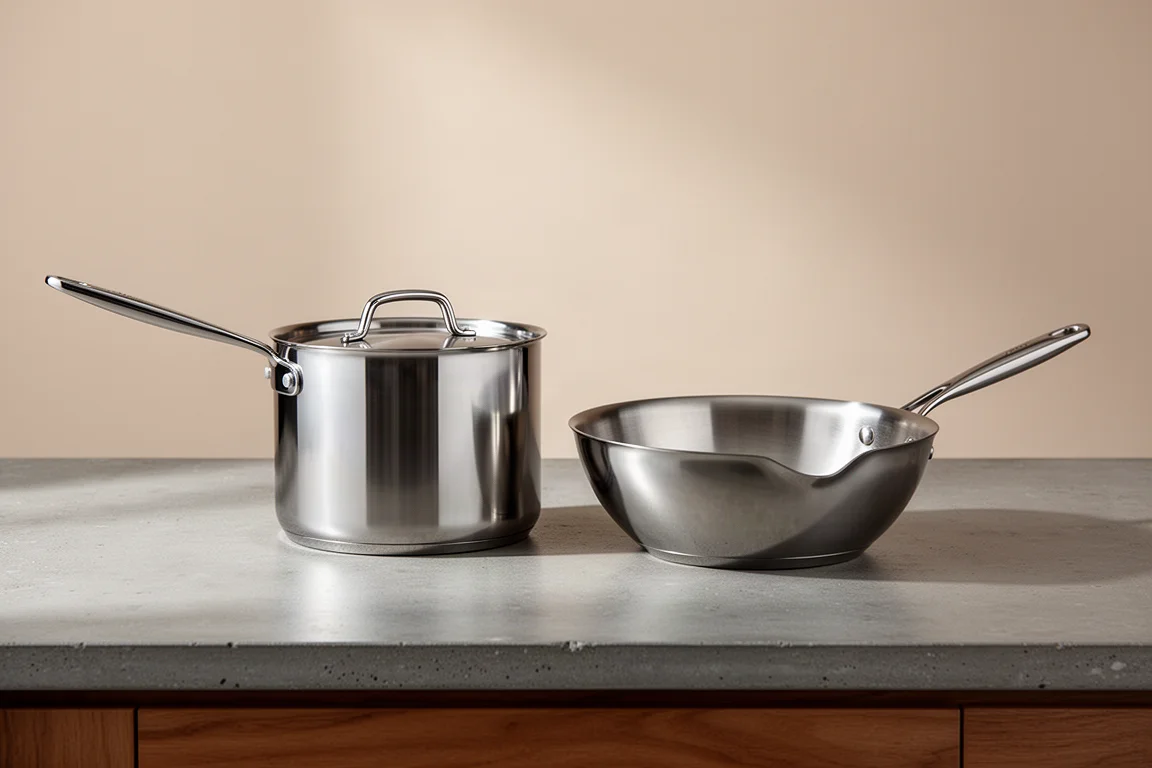
The biggest difference is shape. A saucepan has a flat bottom, straight sides, a narrow opening, and a long handle, essentially a cylinder with a handle attached. Most saucepans have straight rims to contain liquids, though some, like the Made In saucepan, feature flared rims for spill-free pouring.
A saucier, by contrast, has a curved bottom, sloped sides, a long handle, and a much wider opening. It looks similar to a large bowl with thicker walls, a handle, and a lid, or like a frying pan with taller sides to accommodate more liquid.
For the most part, the two are interchangeable. Both suit sauces, pasta, grains, braises, and soups. But each shape has genuine advantages depending on what you cook most often.
Where Saucepans Win
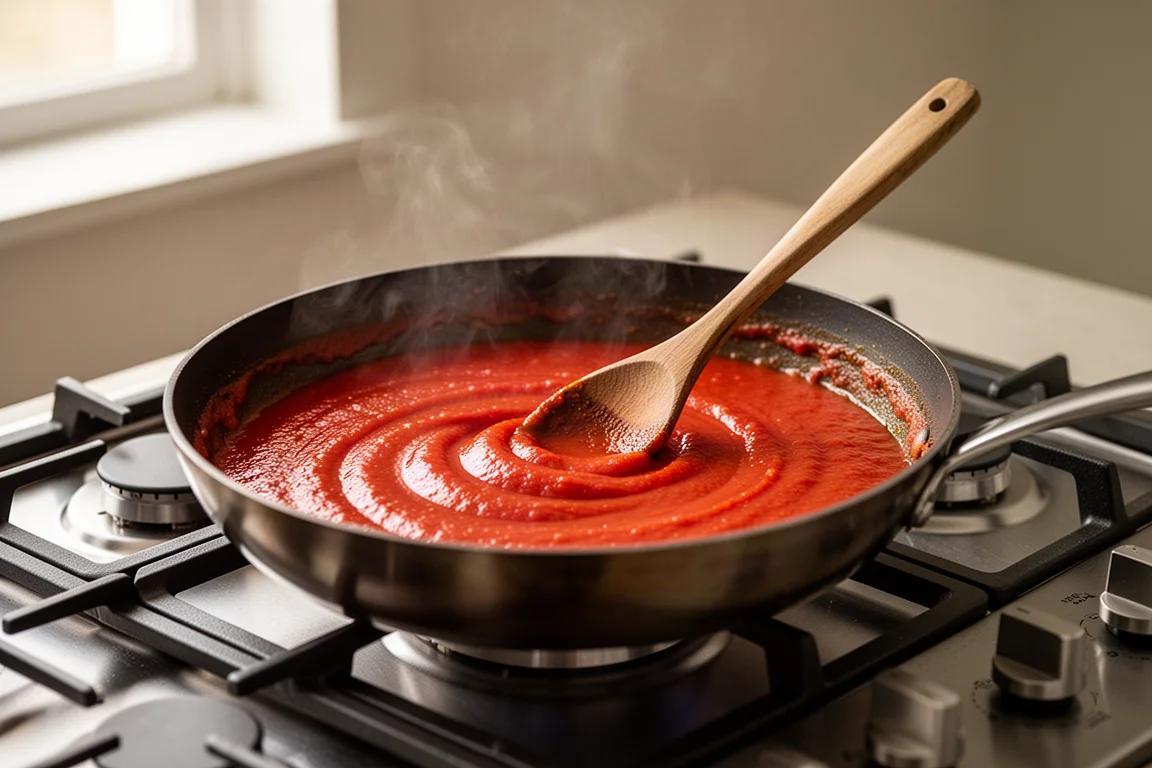
Saucepans are better for boiling pasta and simmering sauces because the smaller opening and high sides contain liquids and prevent spillage. Their flat bottoms also maintain even contact with the heat source, which means most saucepans heat up slightly faster.
Steaming is another area where saucepans pull ahead. The tall, straight sides and wide bottom make it easy to fit a steamer basket and leave enough vertical space for ingredients. Sauciers are often too wide, with sides too short to hold a steamer basket properly.
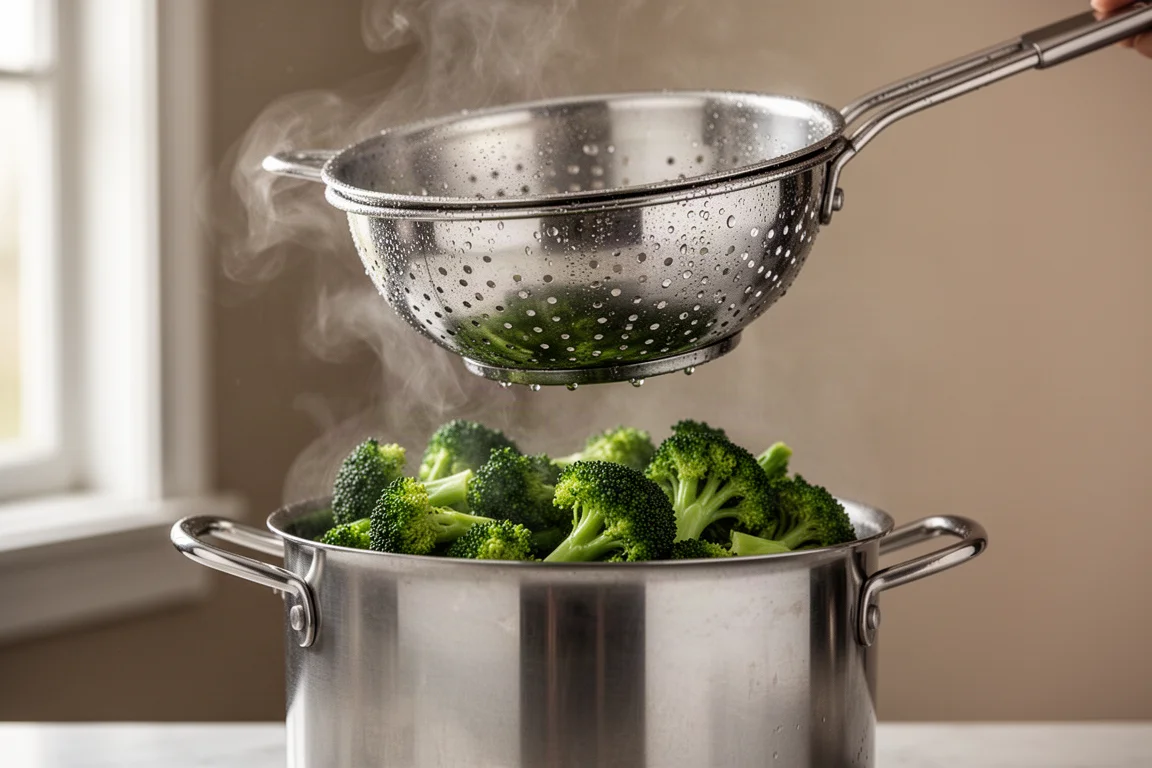
If your cooking leans toward boiling, simmering, and steaming, a well-built saucepan earns its place.
Where Sauciers Win
Sauciers shine in meals that require constant stirring or whisking, like risotto, oatmeal, and finishing pasta in its sauce. The sloped sides let a spoon or whisk reach every part of the cooking surface and prevent food from getting stuck along the edges. In a saucepan, the corner where the base and sides meet can be difficult to scrape with larger utensils.
Cleaning is easier too, for two reasons. Food is less likely to stick to sloped sides, reducing the risk of burning, and the rounded bottom lets a sponge reach the entire surface. Anyone who has scraped burnt rice from the inside edges of a saucepan knows exactly why that matters.
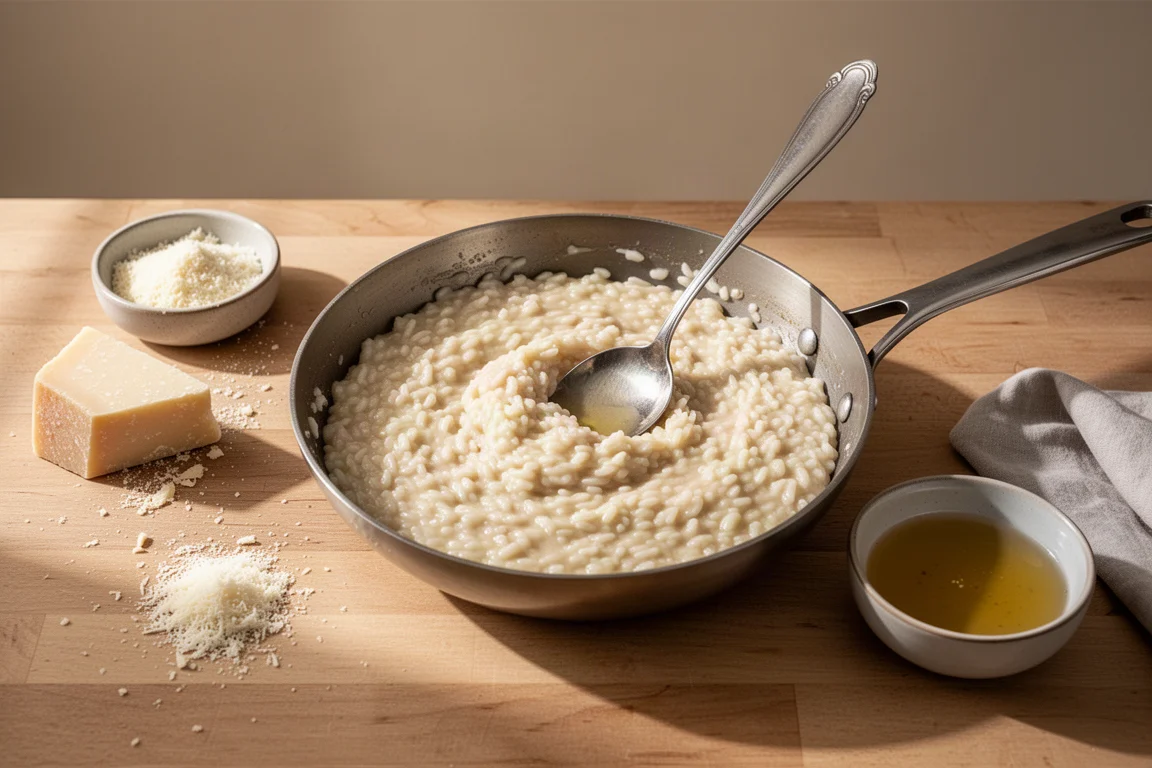
Sauciers also have wider openings, which means faster evaporation. That lets them reduce sauces and concentrate flavors in less time than a saucepan.
The Budget Pick: Misen Saucier
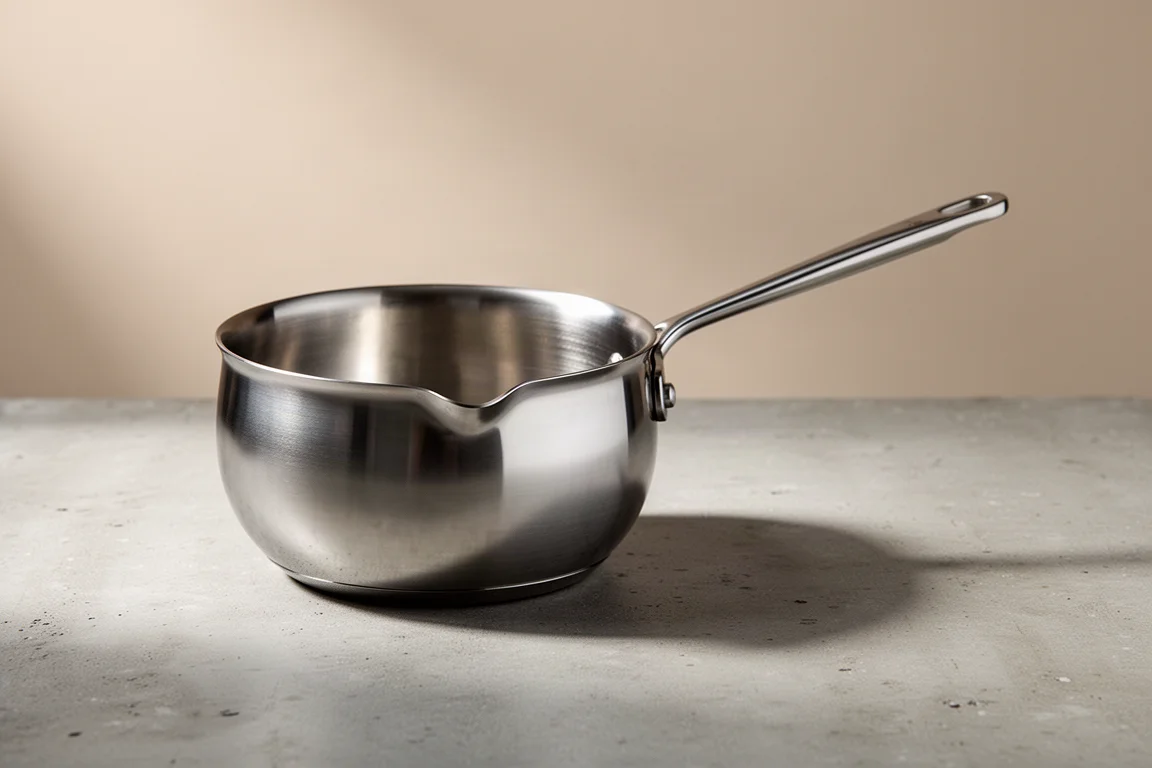
If you are shopping on a budget, the Misen saucier is a strong choice. It is made with thick, fully-clad stainless steel and features a sturdy, comfortable steel handle. You get the stirring, whisking, and cleaning benefits of the saucier shape without a premium price tag.
The Splurge Pick: Made In Copper Saucier
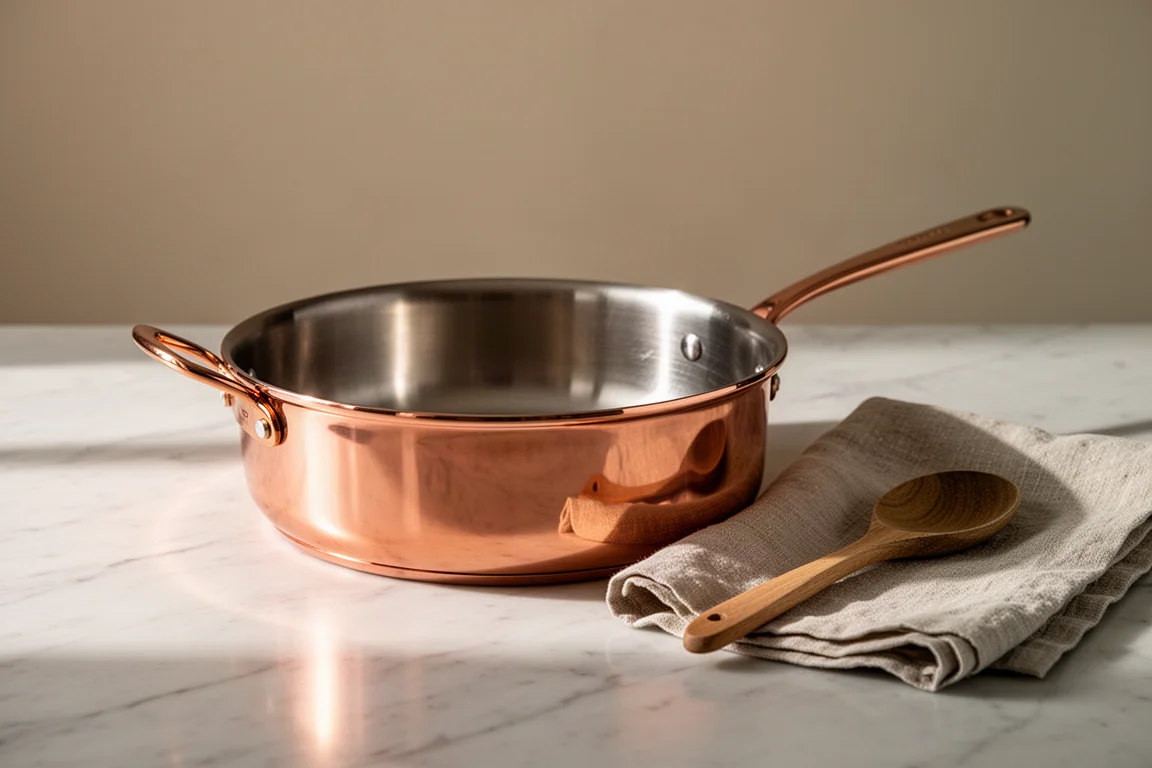
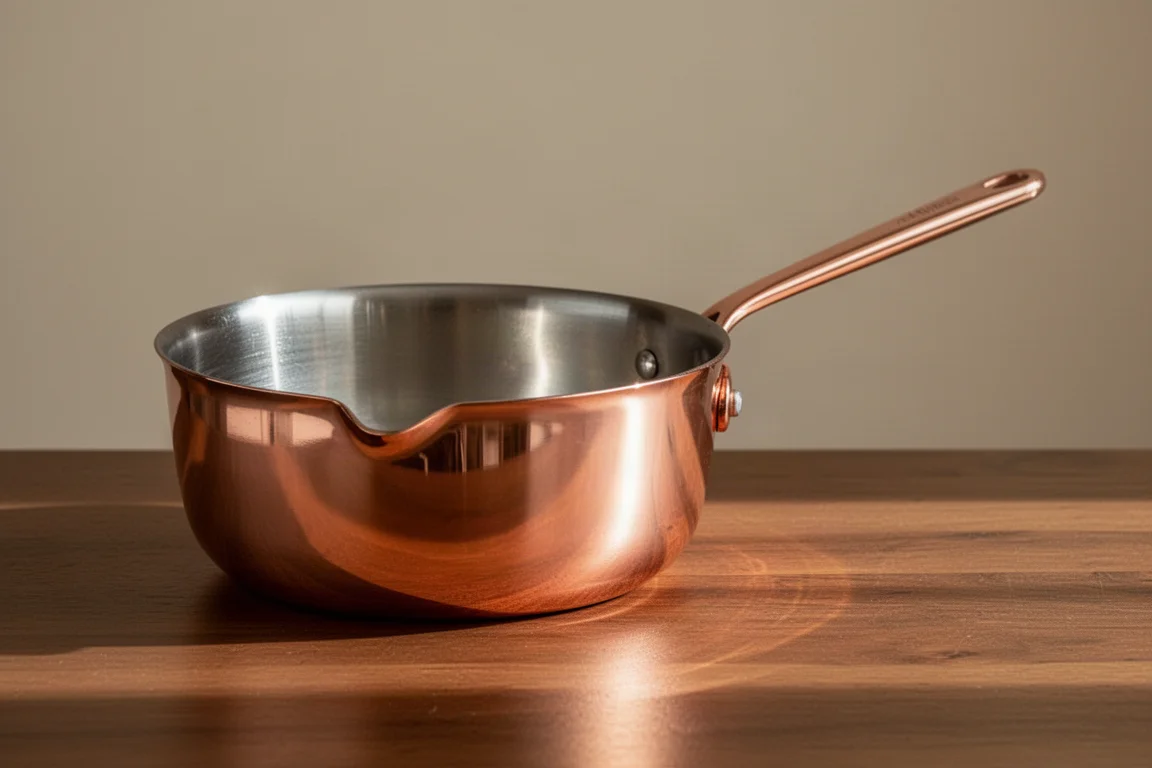
For those willing to splurge, the Made In copper saucier is a visually stunning piece made in France, with a copper exterior and a steel interior lining. Copper has superior thermal conductivity, so this saucier heats up fast and responds quickly to temperature changes, which is exactly what you want when working delicate sauces.
The All-Rounder: Made In Saucepan
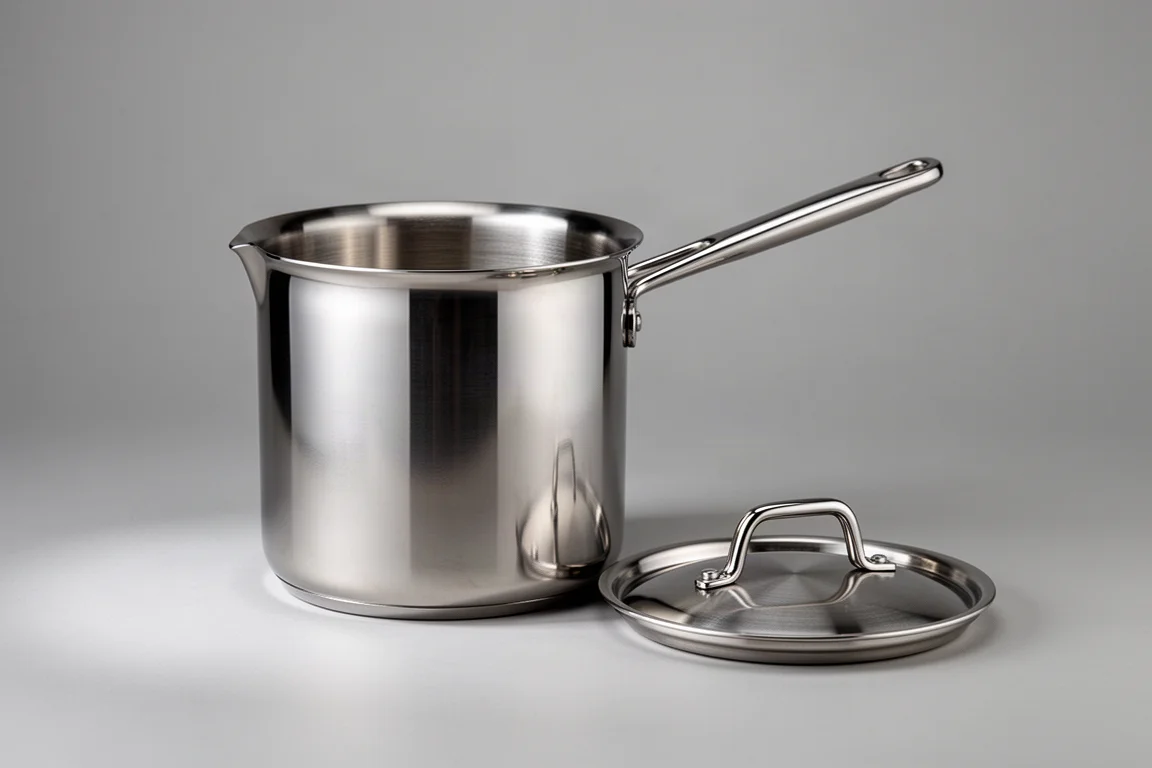
If your kitchen habits lean toward simmering and steaming, the Made In saucepan is the pick to consider. Like the brand’s other pieces, it features flared rims designed for spill-free pouring, a small detail that makes a real difference when transferring hot liquids.
Do You Need Both?
Owning both is convenient, but if you only have space or budget for one, a saucier is the recommendation. It can do almost everything a saucepan can, while making stirring, whisking, and cleaning easier. Its faster evaporation rate also saves time when reducing sauces.
Conclusion
Shape decides everything here. Choose a saucepan for contained boiling, faster heating, and steaming; choose a saucier for effortless stirring, easier cleanup, and quicker reductions. The Misen saucier covers the essentials at a friendly price, the Made In copper saucier rewards a bigger budget with fast, responsive heating, and the Made In saucepan is a solid pick for classic saucepan tasks.
Further reading
Related Reviews
Cookware
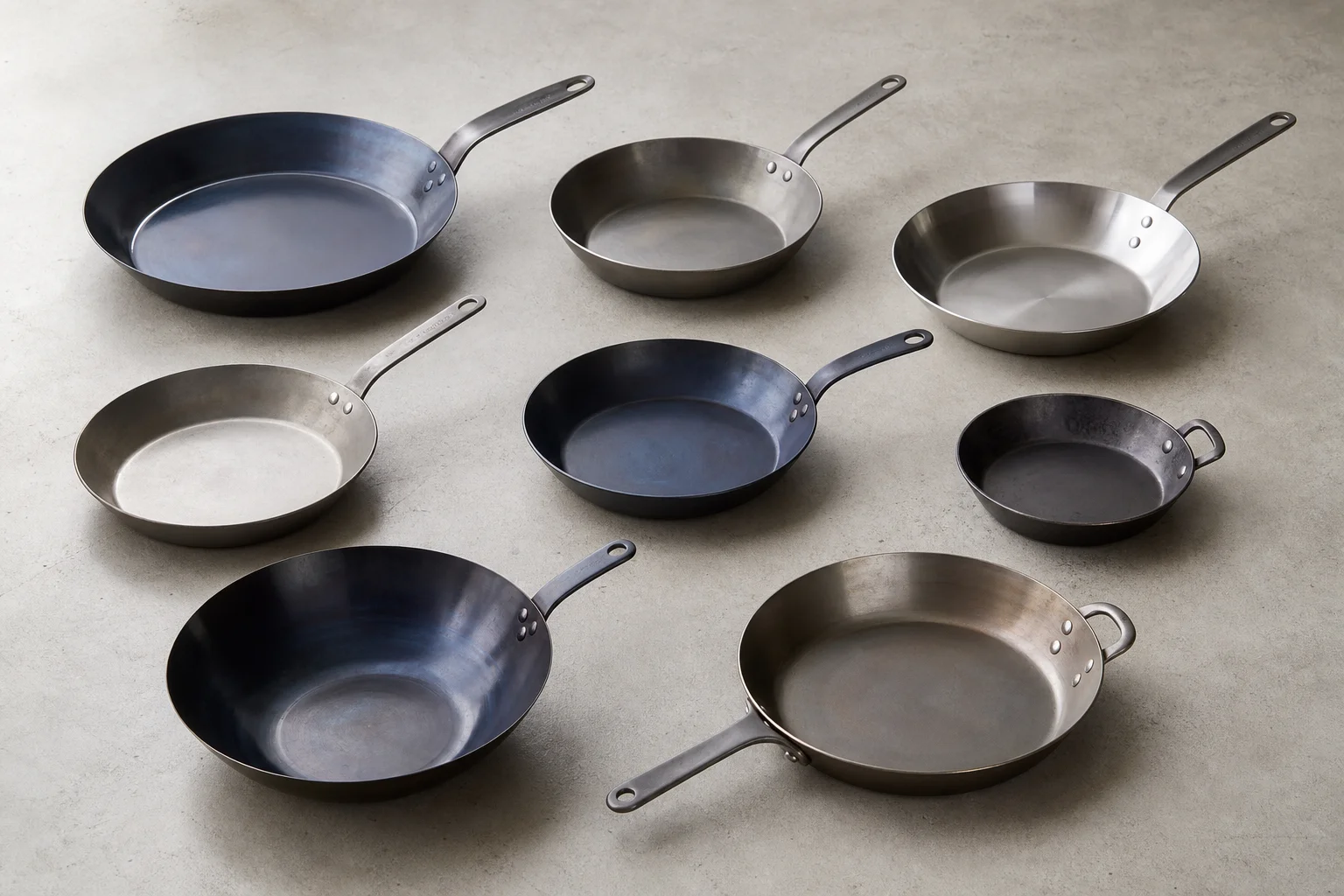
Best Carbon Steel Pans Tested: Which Brands Deliver Real Value
We tested eight popular carbon steel pans with controlled durability, heat, and cooking tests. Here's which ones perform best and which to avoid.
Cookware
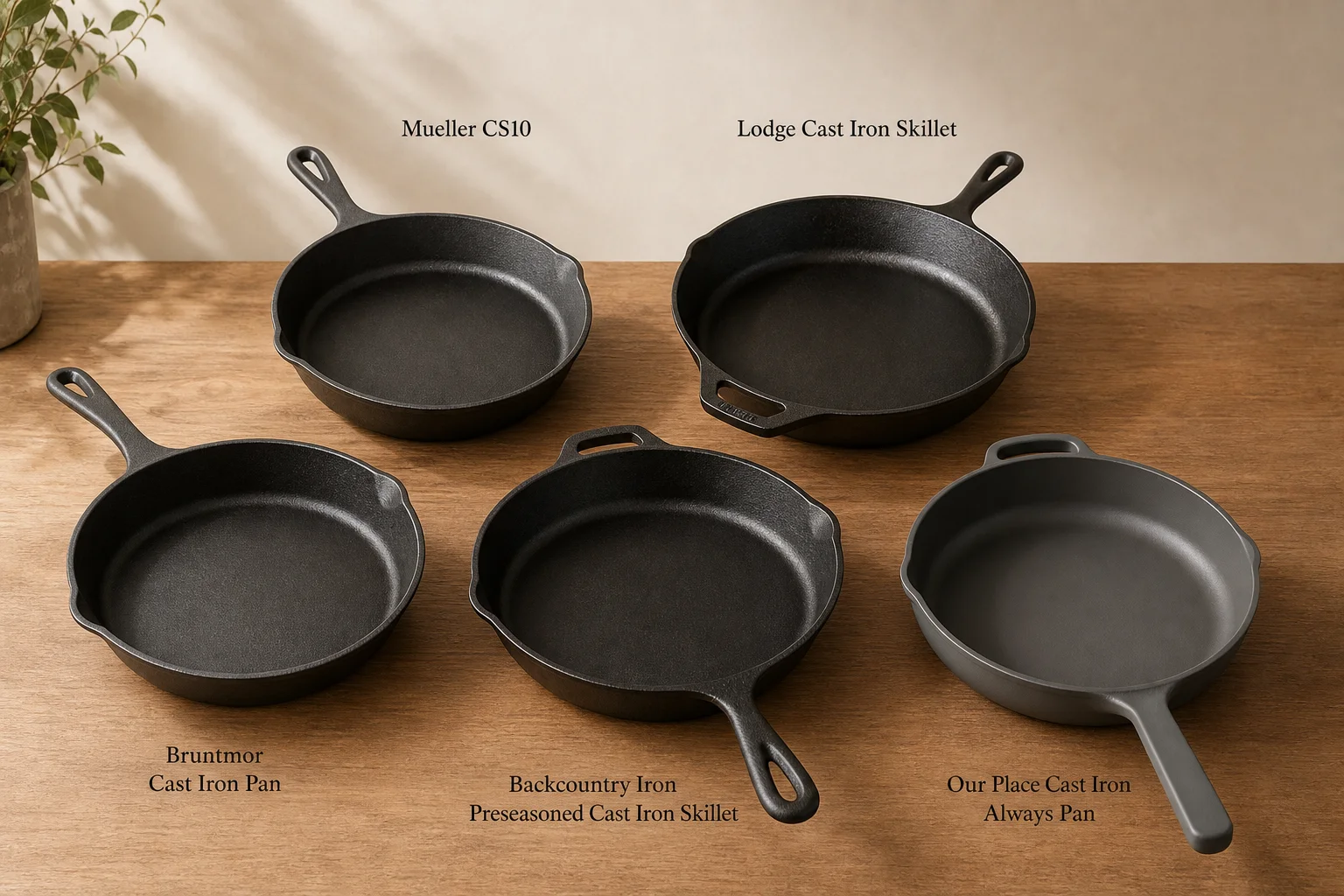
Best Cast Iron Pans 2026: Five Options from Budget to Premium
A practical breakdown of five cast iron skillets, from affordable Mueller to premium Our Place, with clear strengths and trade-offs for different cooking needs.
Cookware
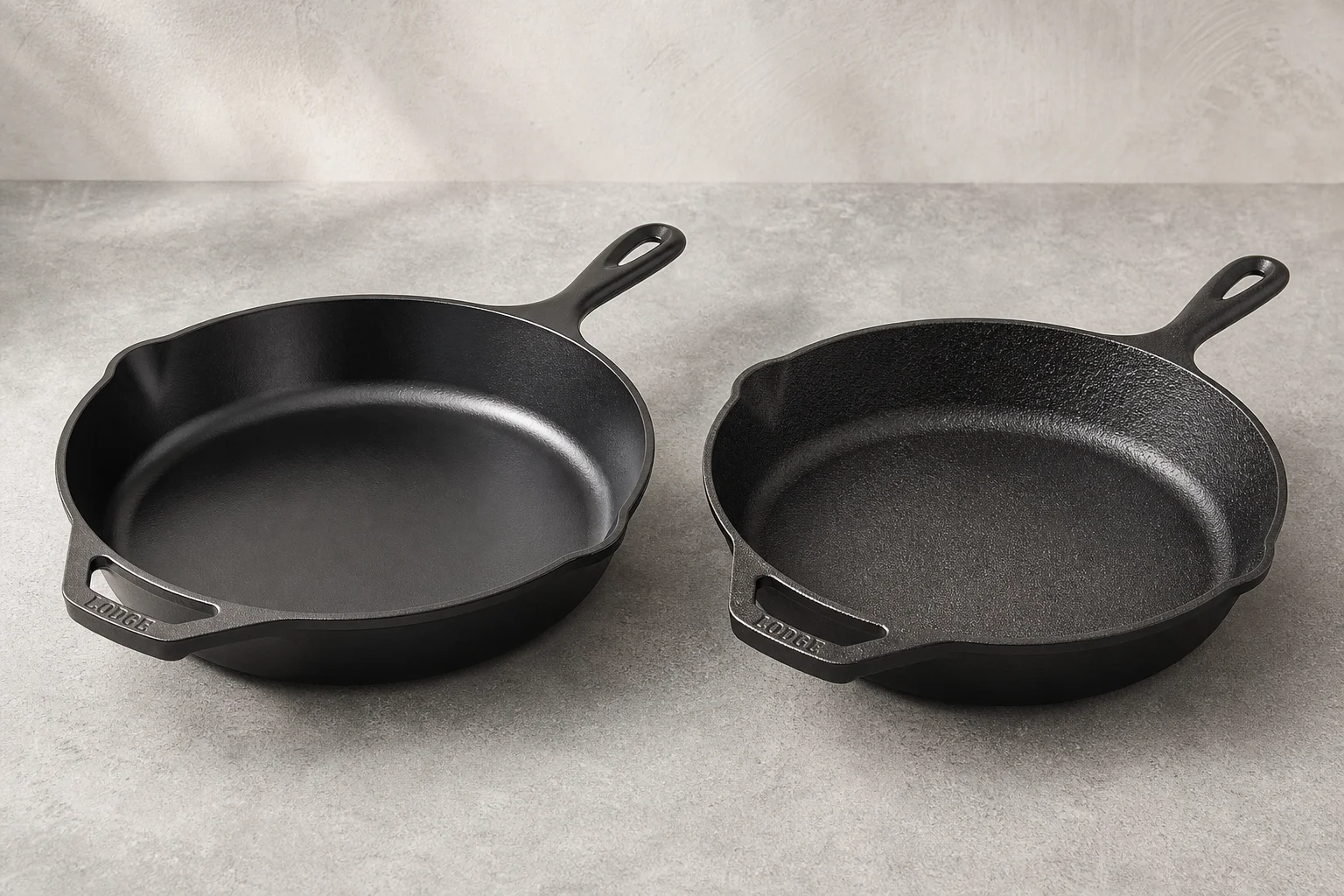
Best 12-Inch Cast Iron Skillets: Premium Craftsmanship vs. Reliable Budget Option
Two standout 12-inch cast iron skillets tested for heat retention, surface finish, and durability. One premium choice and one budget-friendly alternative that both deliver.