Outdoor Gear
Satellite Communicators vs iPhone 14 Satellite SOS: What to Know Before You Buy
The iPhone 14 can send emergency messages over satellite, but dedicated communicators such as Zoleo and Garmin inReach still do more. Here is how to choose.
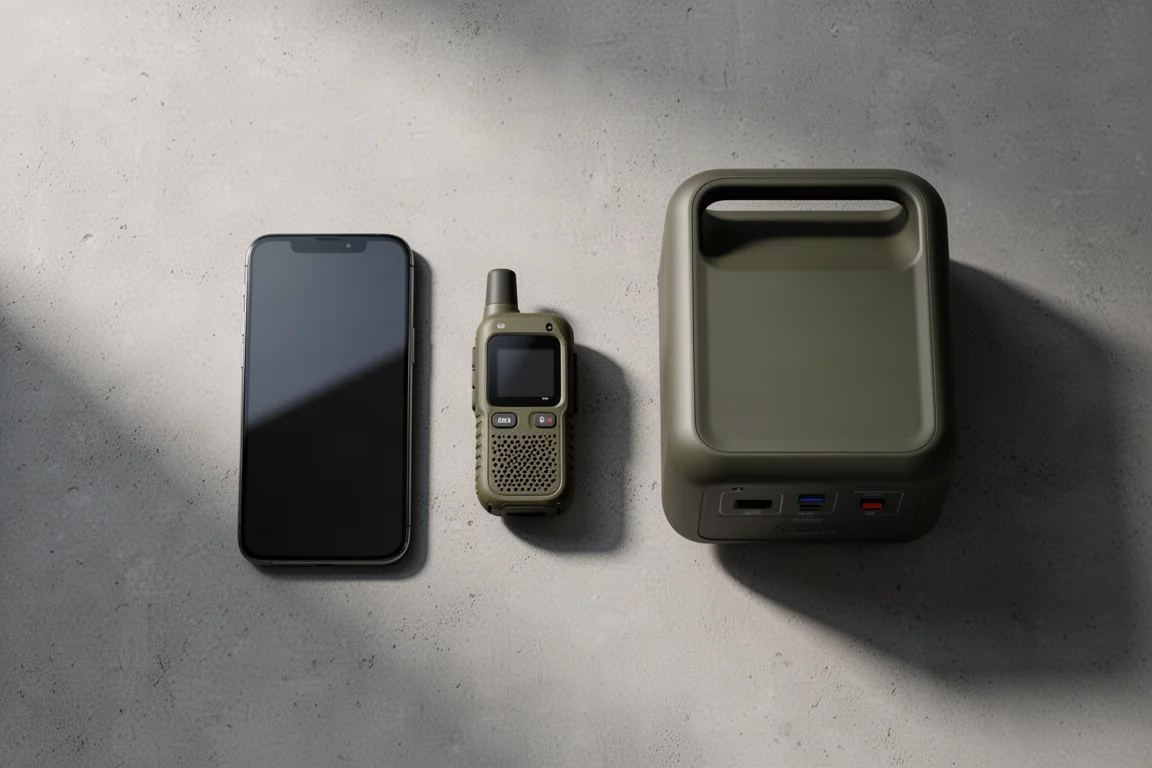
Introduction
Satellite technology keeps moving closer to everyday life. Satellite television, satellite radio and satellite internet have all become normal, and coverage keeps expanding. For backpackers, though, satellites have been part of the kit list for years in the form of dedicated communicators such as Zoleo, Garmin inReach and SPOT devices.
The iPhone 14 changed the conversation by adding satellite connectivity of its own. That raises a fair question for anyone heading into the backcountry: if the phone in your pocket can call for help from the middle of nowhere, do you still need a separate device and a separate service plan?
The honest answer is that it depends on what you want the satellite link to do. The phone feature is built around emergencies. Dedicated communicators cover emergencies and a great deal more, and they keep working when your phone does not.
How to Evaluate Satellite Communication Gear
A satellite device only earns its place in your pack if it works when the situation is already going badly. Four questions do most of the sorting.
- What is it for: emergency SOS only, or everyday messaging, check-ins and tracking?
- How much effort does it take to get a message out, and does that change when you are injured or exhausted?
- Which satellite network does it use, and how consistent is that network where you travel?
- Does it depend on your phone battery, or does it have its own?
The first two questions are what separate the iPhone 14 from a purpose-built communicator. The last two are what separate one communicator from another.

Network choice matters more than most buyers expect. The iPhone 14 uses the Globalstar satellite network, while Zoleo and other dedicated devices use the Iridium network. Globalstar does not provide 100 percent global coverage, and messages on that network sometimes fail to go through, while Iridium has a strong record of consistent delivery. If you travel far from populated areas, that difference is worth weighing carefully before you commit to a device or a plan.
Apple iPhone 14: Satellite SOS in a Phone
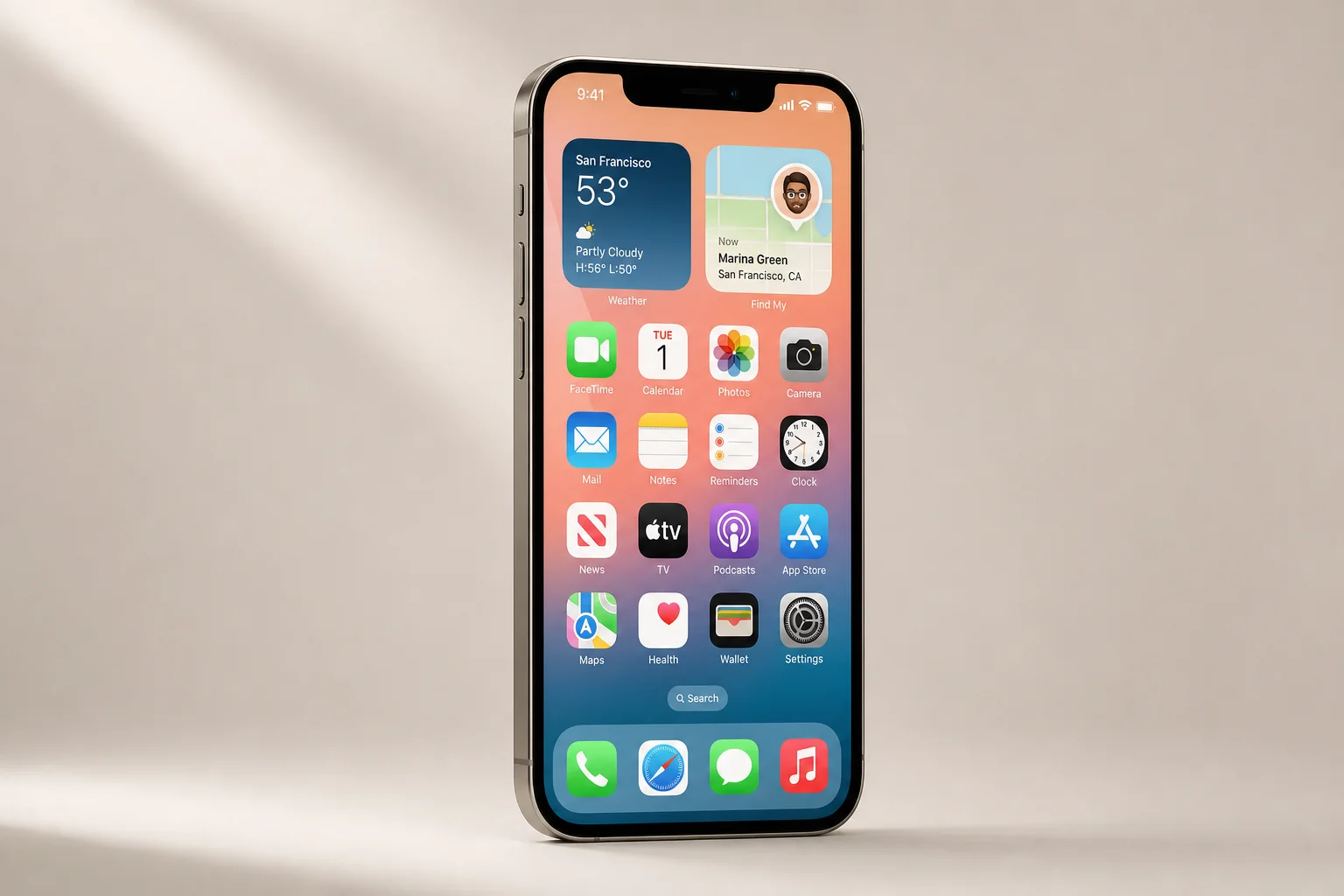
The iPhone 14 handles satellite communication in a deliberately narrow way. The emergency SOS sequence is triggered by holding the side button and a volume button at the same time. Within cell range, the call goes through the normal network. Outside cell range, the phone offers to send a text message to emergency services over satellite instead.
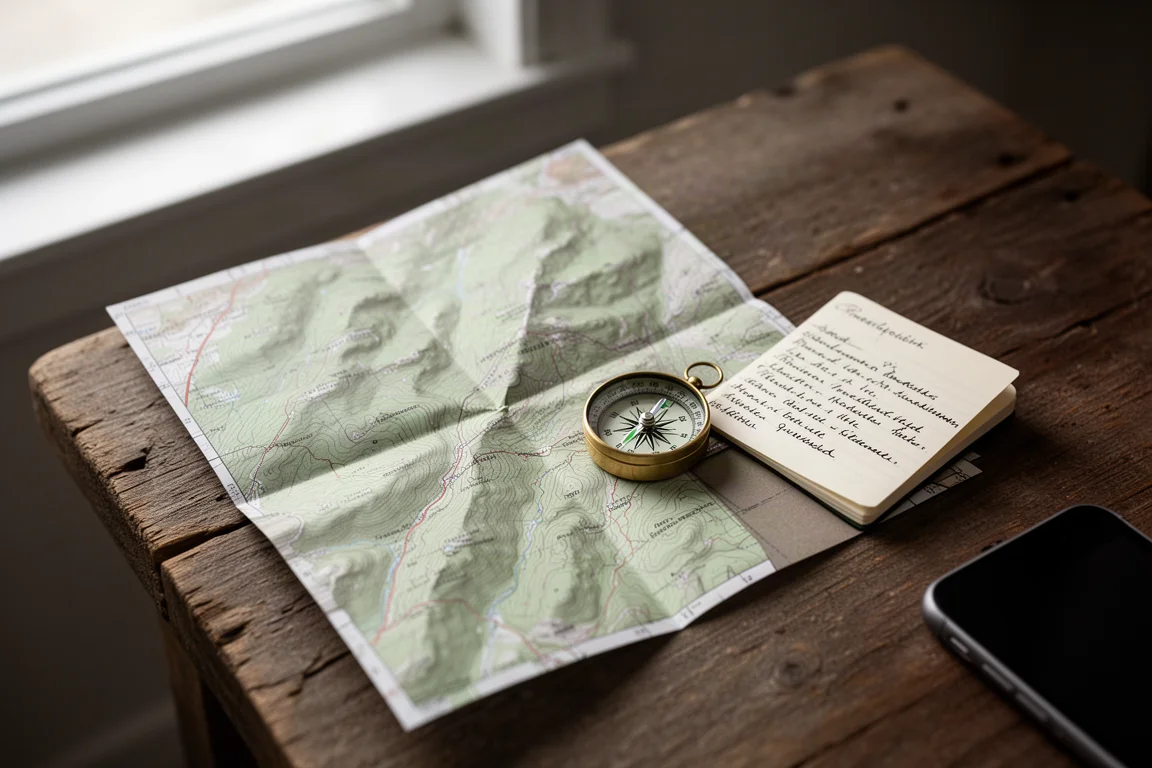
Apple includes a demo mode so owners can try the connection without contacting anyone. In that demo, the first instruction is to turn and face the nearest satellite, with a compass-style guide pointing the way. That orientation step is the part most likely to give backcountry users pause. Turning to follow an on-screen pointer is easy on a sunny afternoon, but it is a different proposition with a broken leg, a serious cut, or an injured companion to look after.
The reason for the design is straightforward. A phone packs a camera, a display and a great deal of electronics into a very small body, so the satellite antenna has to be small as well. The approach appears to work: in a side-by-side test, messages were located, sent and received faster on the phone than on a dedicated communicator. Satellite SOS is also free for two years on an iPhone 14, and while the handset itself is not cheap, many buyers would be upgrading to a new phone anyway.
The trade-offs are network and scope. Satellite SOS on the phone covers one job, emergency contact, and it depends on the phone having enough battery left after a long day of navigation and photography.
Zoleo: Two-Way Messaging and Check-Ins
Zoleo sits at the other end of the spectrum. It is a dedicated satellite messenger built for routine communication, not just emergencies. Getting a connection is a matter of pointing the device at the sky, or simply leaving it clipped to a backpack, where it does a good job of finding satellites on its own. There is no need to stand still and aim at one specific satellite.
That ease of use supports the features that matter most on multi-day trips. Two-way text messaging works anywhere the network reaches, so you can tell family you have made camp, that you are taking a different trail out, or simply that the stars are worth seeing. Check-in messages go to contacts you have set up in advance. Location tracking leaves a trail that people at home can follow. Weather reports can be pulled without any cell service at all.
Zoleo pairs with a phone for a larger screen and keyboard, but it does not depend on that phone staying alive. If the phone battery dies, the device can still send an SOS and still deliver check-in messages to your chosen contacts. It runs on the Iridium network, which has a strong record for getting messages through when conditions are difficult.
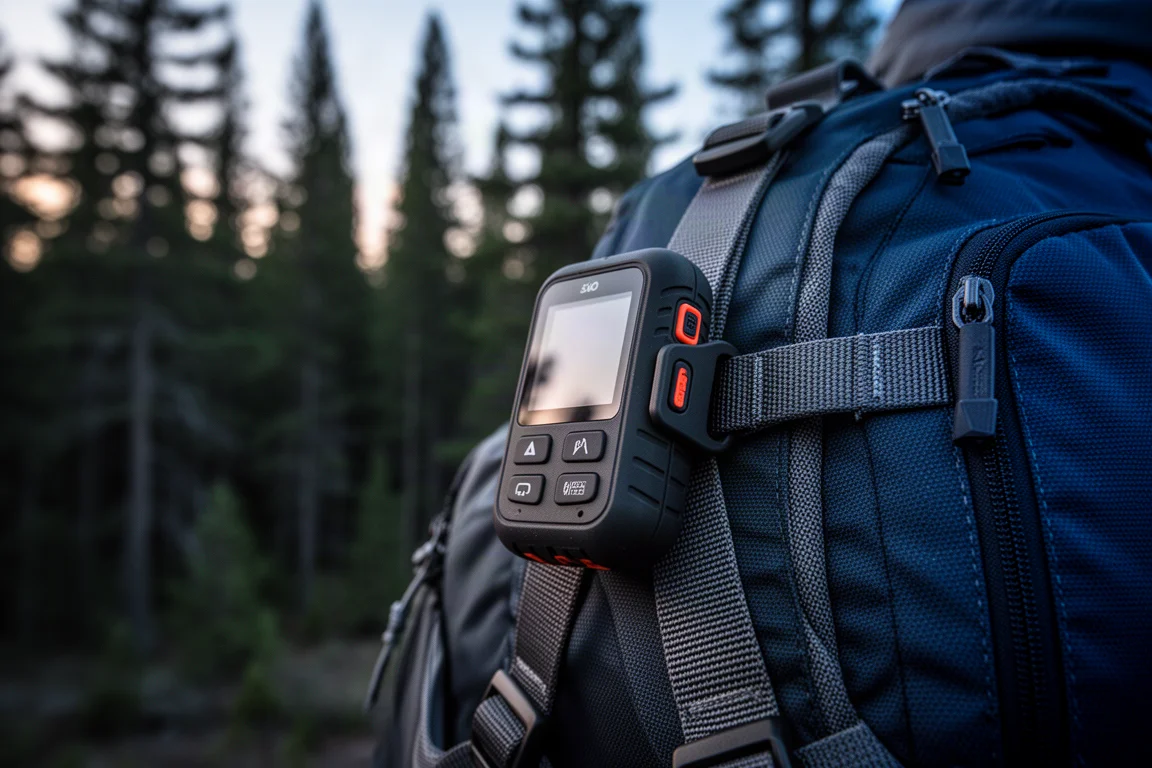
The one thing to plan for is cost of ownership. A dedicated communicator such as Zoleo requires a monthly service plan, and that ongoing cost is the main reason some buyers wonder whether the satellite feature already built into a phone is enough on its own.
Garmin inReach: Another Dedicated Communicator
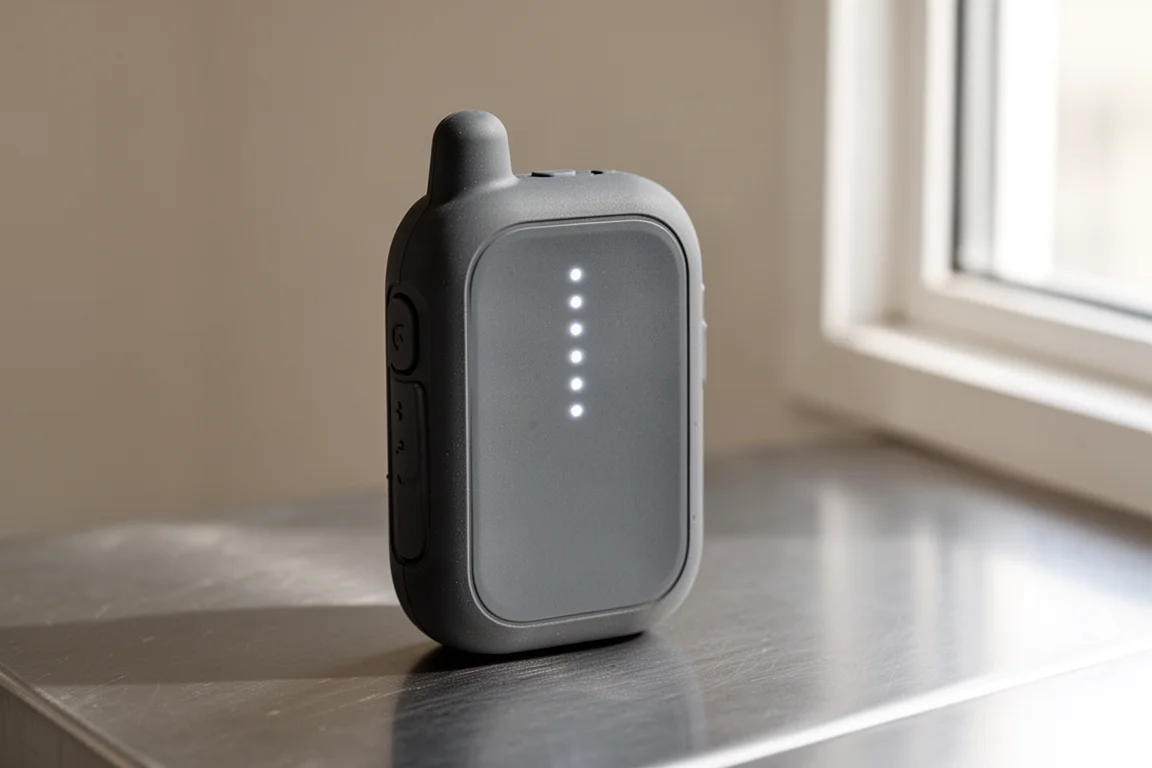
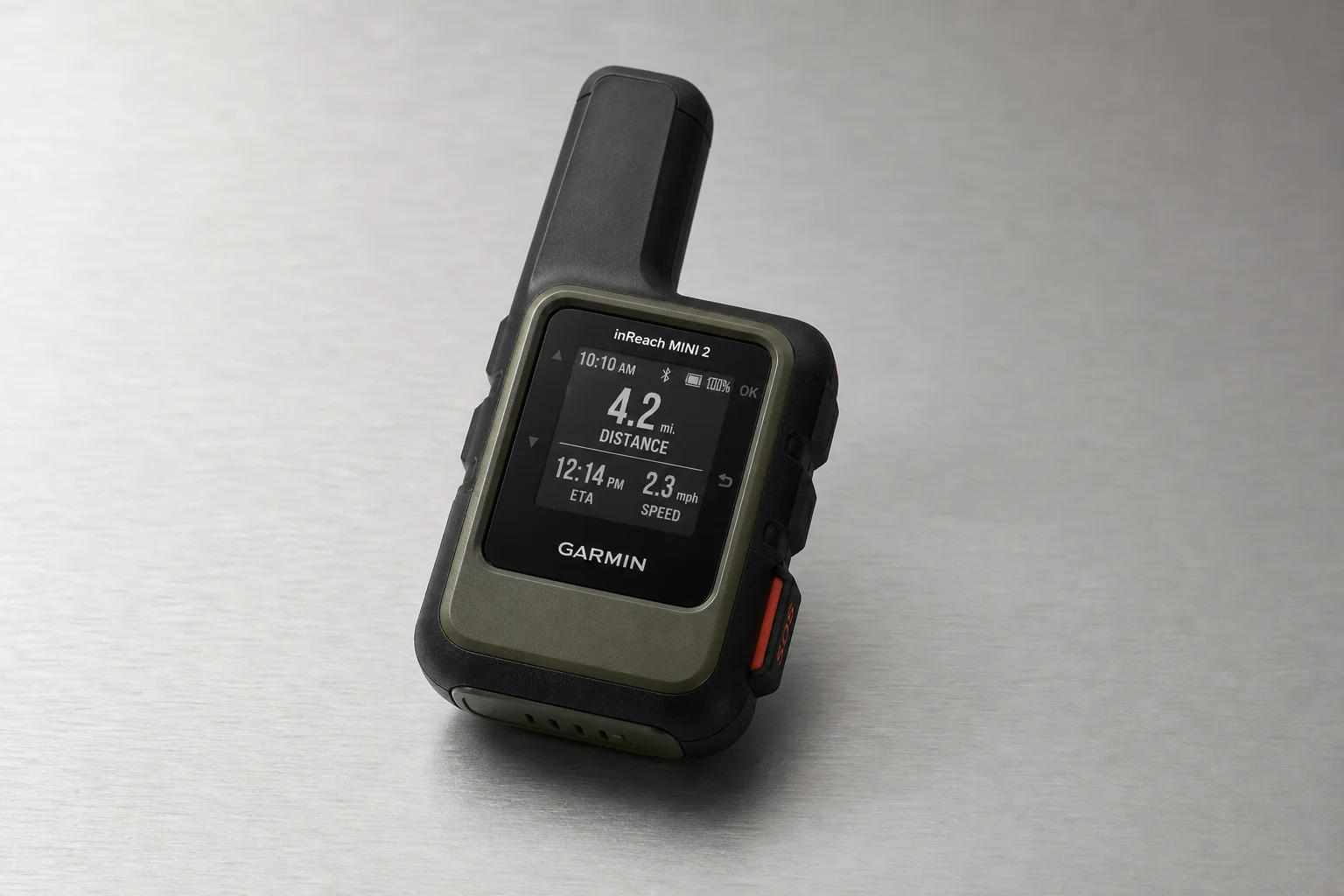
Garmin inReach belongs in the same conversation as Zoleo. It is one of the dedicated satellite communicators that backpackers have relied on for years, alongside Zoleo and SPOT devices, and it exists for the same reason: a purpose-built device with its own antenna and its own power source, designed to send messages and call for help well beyond cell coverage.
For anyone deciding between a phone’s built-in emergency feature and a separate device, the inReach is best understood as part of the dedicated communicator category rather than as a rival to the iPhone. It fills the same role as Zoleo, with messaging, check-ins and SOS handled by hardware that is not shared with your camera, maps and notifications.
EBL 1000Wh Power Station: Power for Camp and Road Trips
Battery capacity is the quiet limitation behind every satellite feature, whether it lives in a phone or in a dedicated device. Phones double as cameras and navigation tools, so the battery that might be needed for an emergency message is often the same battery running a map all day.
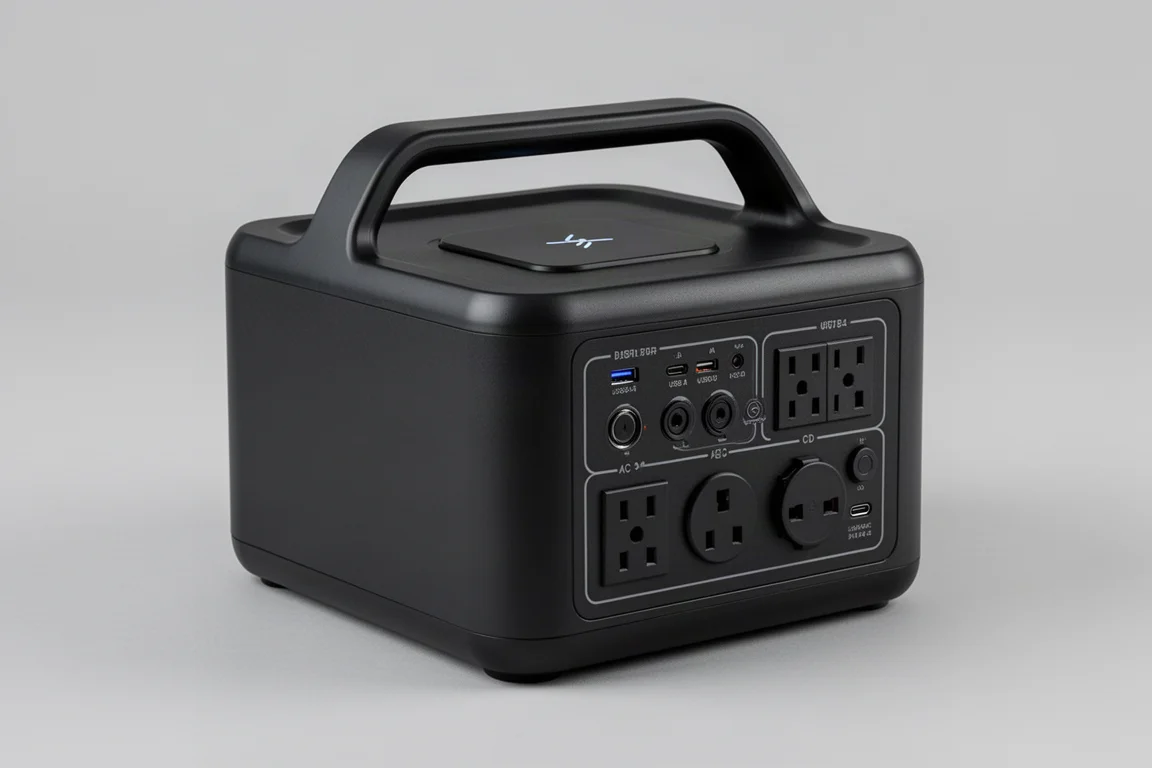
That is where a larger power station earns its place, particularly for car camping and road trips. The EBL 1000Wh power station offers AC outlets, DC outlets, USB-A and USB-C ports, and a wireless contact charging pad on top. It can be recharged at home or in a car, and it can run high-draw equipment such as a portable refrigerator or a small portable heater.
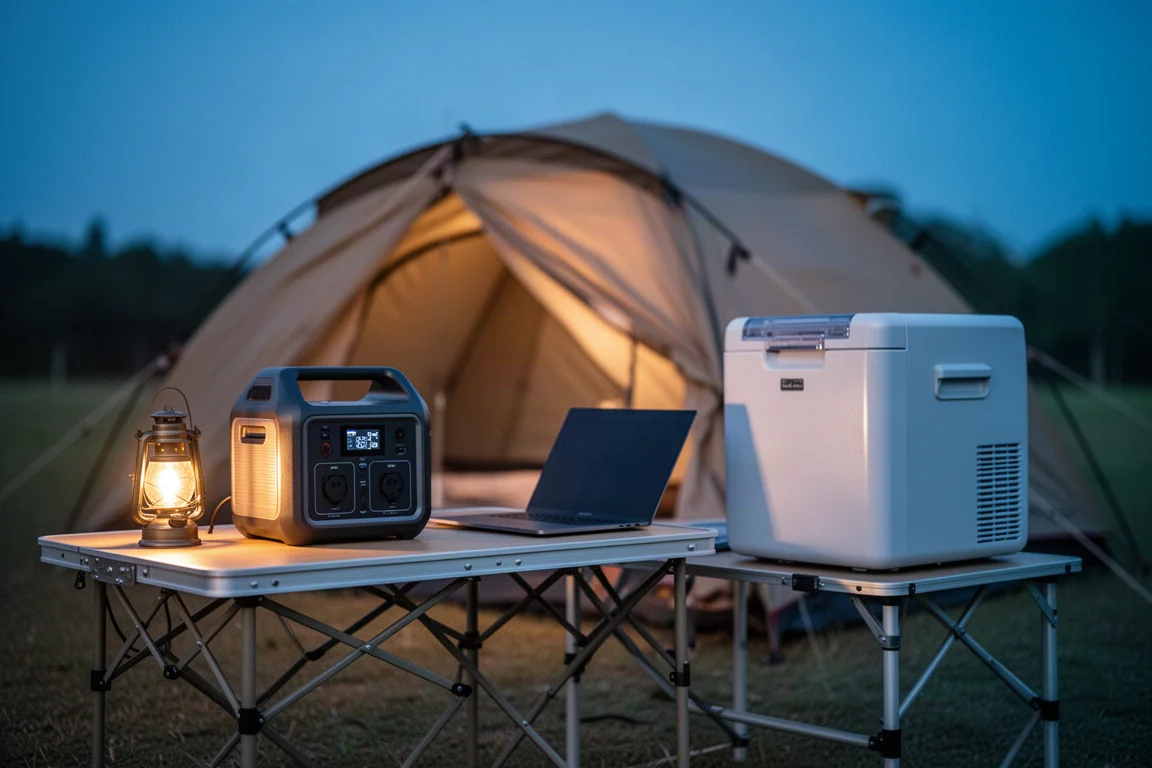
For anyone working from the road, the appeal is straightforward. A 1,000 watt-hour station is powerful enough to charge a laptop, something most pocket-sized battery banks cannot manage, and it can keep that laptop running through long stretches of travel.
Buying Advice: Matching Gear to the Trip
Start with the job you actually need done. If the only thing you want from satellite technology is a way to reach emergency services when there is no cell signal, and you already carry an iPhone 14, the built-in feature may be all you need. It comes with the phone, the satellite SOS service is free for two years, and it avoids a monthly plan entirely.
If you want more than emergency contact, the calculation changes. Routine messaging, check-in messages, location tracking, weather reports and a device that still works when your phone battery is flat are the reasons dedicated communicators such as Zoleo and Garmin inReach continue to make sense for backpackers, and those capabilities come with a service plan.
Power is the third piece of the puzzle. Backpackers are usually best served by a small battery bank, while car campers and road trippers who need to run a laptop, a portable fridge or a small heater will get far more use from a larger station like the EBL 1000Wh. In both cases the goal is the same: arrive at the moment you need help with enough battery left to send the message.
Conclusion
The iPhone 14 makes satellite emergency contact far more accessible than it used to be, and for occasional trips that may be enough on its own. A dedicated communicator still does things a phone will not: two-way messaging, check-ins, tracking, weather, and a power supply that is not shared with your camera and maps. Decide which of those you need, and the choice becomes much simpler.
Further reading
Related Reviews
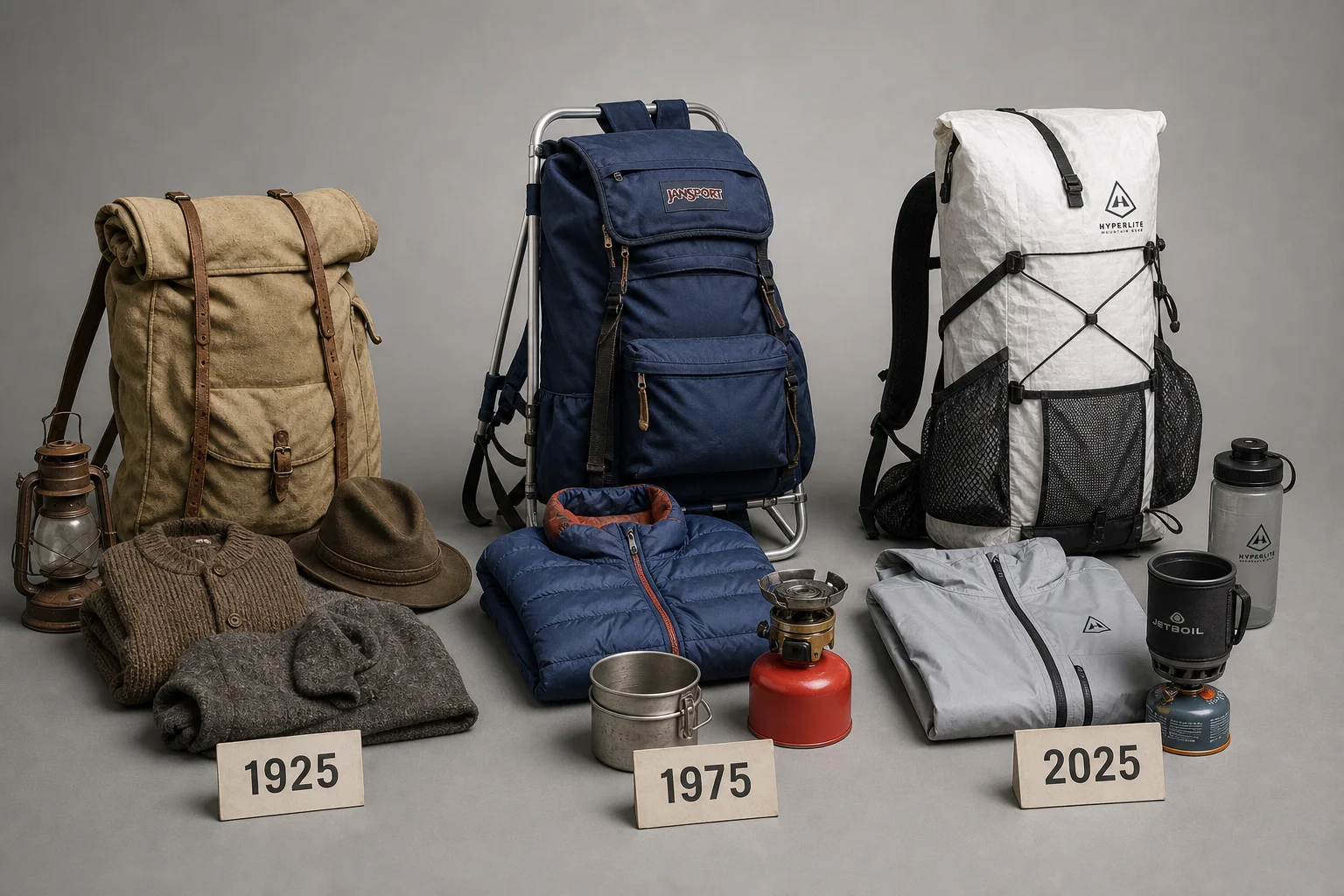
Outdoor Gear
Backpacking Gear Evolution: 100 Years of Technology Compared
We tested backpacking gear from 1925, 1975, and 2025 across a three-day hike in Yosemite. Here's how technology has transformed comfort, weight, and the outdoor experience.
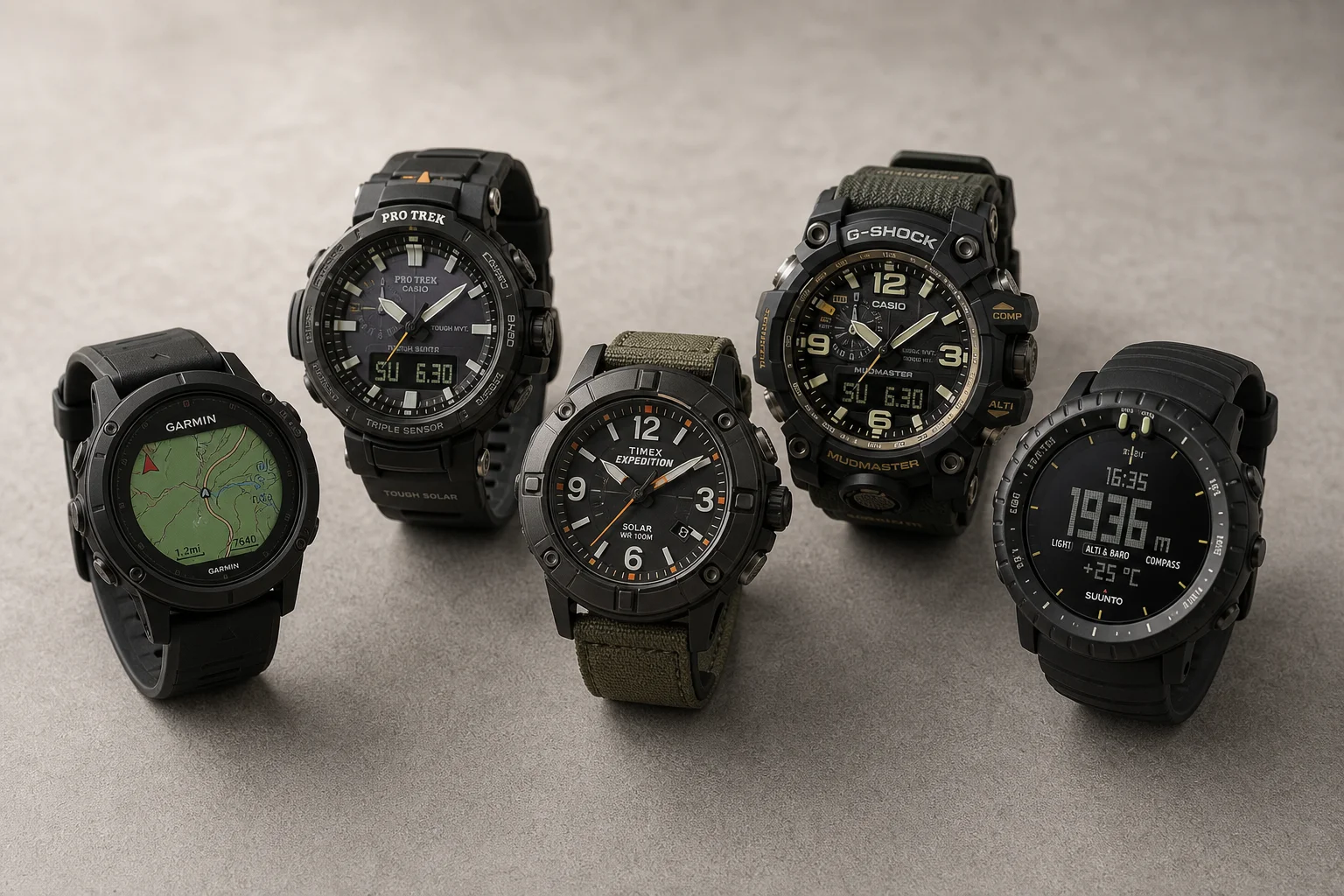
Outdoor Gear
Best Affordable Hiking Watches: Five Rugged Options for Outdoor Adventures
Five durable hiking watches that balance ruggedness, functionality, and value for outdoor enthusiasts who need reliable GPS tracking and weather resistance.
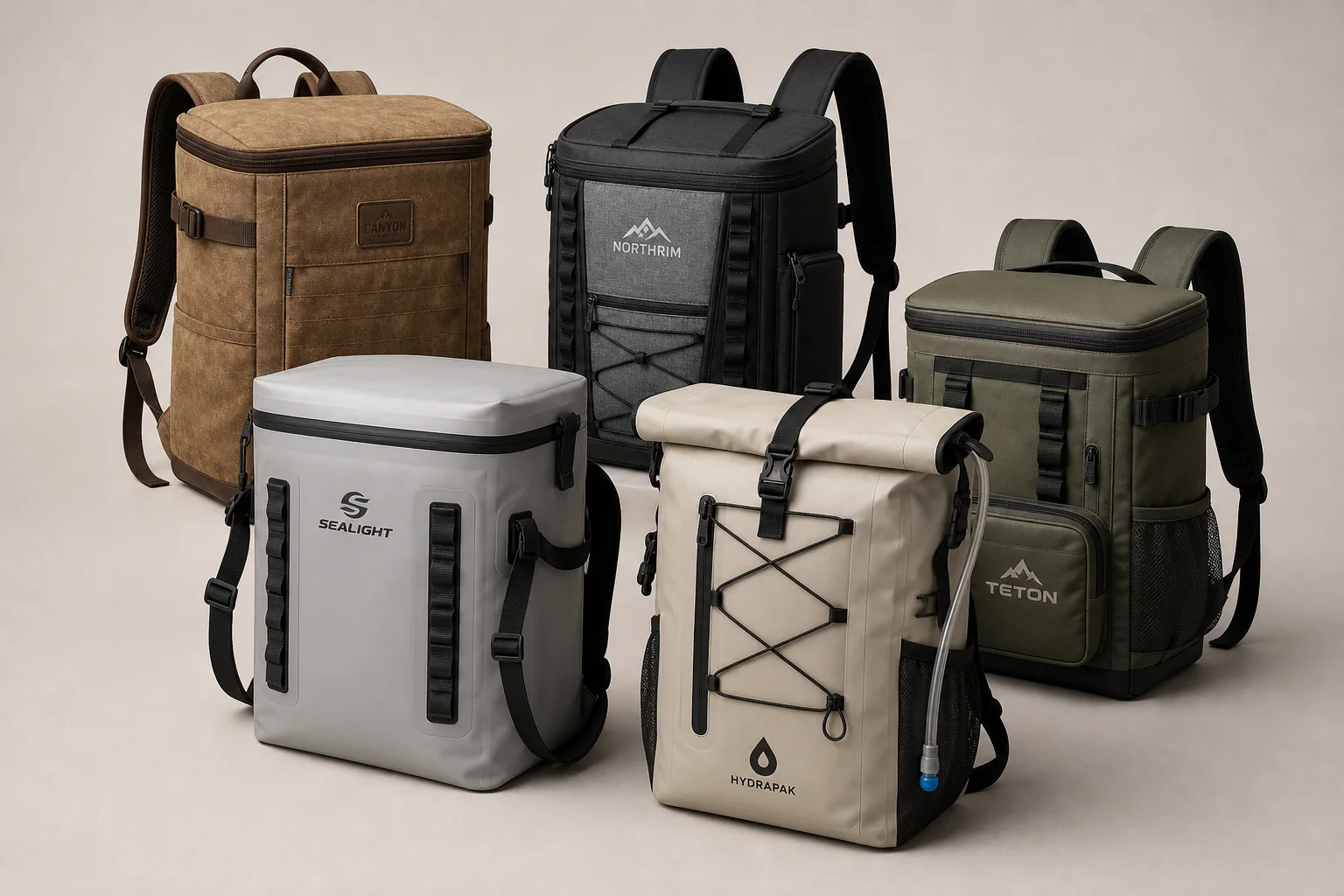
Outdoor Gear
Best Backpack Coolers 2026: Five Practical Options for Outdoor Adventures
Five backpack coolers with distinct cooling capabilities, storage features, and design trade-offs to help you choose the right one for your outdoor needs.