Projectors
Samsung The Premiere 130 Review: A Triple Laser 4K Ultra Short Throw Projector
The Premiere 130 produces a genuinely impressive large-screen image in the right room, but vertical throw, HDR handling, and total setup cost deserve a close look before you buy.
Introduction
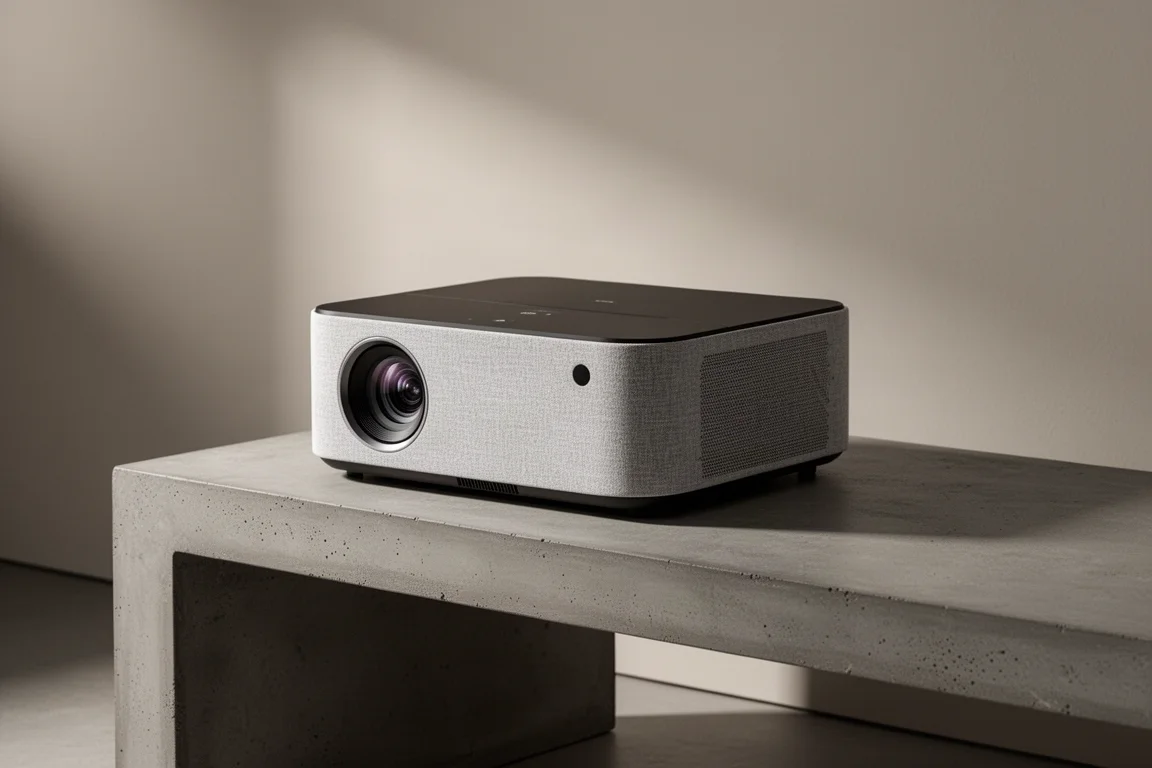
Samsung’s The Premiere 130 sits at the top of the company’s projector lineup: a 4K ultra short throw model built around a triple laser light source, a claimed 2,800 lumens of output, and HDR10+ support. On paper, it promises a cinema-scale picture from a box that sits inches from the wall.
In practice, it delivers a genuinely impressive image, but only when the room cooperates. The Premiere 130 rewards careful setup, a proper screen, and a willingness to calibrate. Buyers who expect a plug-and-play replacement for a large television will likely be disappointed, and that gap between the marketing story and the living room reality is the most important thing to understand before spending this much money.
What the Premiere 130 Brings to the Room
The headline specification is straightforward. The Premiere 130 can project a 130-inch diagonal image from roughly 9 inches away from a screen or wall. Samsung’s triple laser light engine is rated for up to 2,800 lumens, and the projector carries HDR10+ certification, which Samsung presents as a first for a projector. An integrated 4.2-channel speaker system means the unit can operate without a separate soundbar.
The triple laser design matters more than the lumen figure suggests. Because the light engine produces all three primary colors with equal luminance, colors carry greater purity and dimension, which is what makes the image pop in a way that single-laser and lamp-based ultra short throw projectors struggle to match. That advantage holds across both bright and dim content, and it is the main reason this projector looks different from cheaper alternatives.
Setup and Placement: What the Marketing Leaves Out
Ultra short throw projectors are sold as an easy alternative to a giant television. The setup reality is more complicated, and the specification that matters most rarely appears in the marketing: vertical throw, or the distance from the projector itself to the bottom edge of the projected image.
The numbers add up quickly. Place the projector on a 30-inch cabinet and the bottom of the image starts around 46 inches above the floor. A 100-inch screen is approximately 50 inches tall, which means that unless your ceiling is close to 12 feet high, you cannot fit a 100-inch image on the wall, let alone a 130-inch one. In a room with low-profile concrete benches, the projector had to sit directly on the floor, because placing it on top of the benches pushed the 100-inch image onto the ceiling. Twelve-foot ceilings are not common in houses or apartments, so many buyers will top out well below the advertised size.
Furniture is the second problem. Media cabinets marketed for this kind of hardware are rarely low enough, and even the ones described as low profile tend to be too tall. The floor placement that solves the geometry creates new issues, since it puts the projector’s speakers near ankle height and makes cable management awkward. The result is a setup that works, but one that takes planning, measurement, and usually a compromise.
Picture Quality: Profiles and Calibration
Out of the box, the Premiere 130 is not calibrated, though it is more accurate than LG’s recent CineBeam projectors. The Standard picture profile measured an average Delta E of 17, with both color and grayscale favoring blue, which produces a cooler image. For context, a Delta E of 3 or lower is generally considered calibrated. The Dynamic profile measured similarly. Movie and Filmmaker were the most accurate of the four profiles, each with a margin of error around 16 and a noticeably less blue cast.
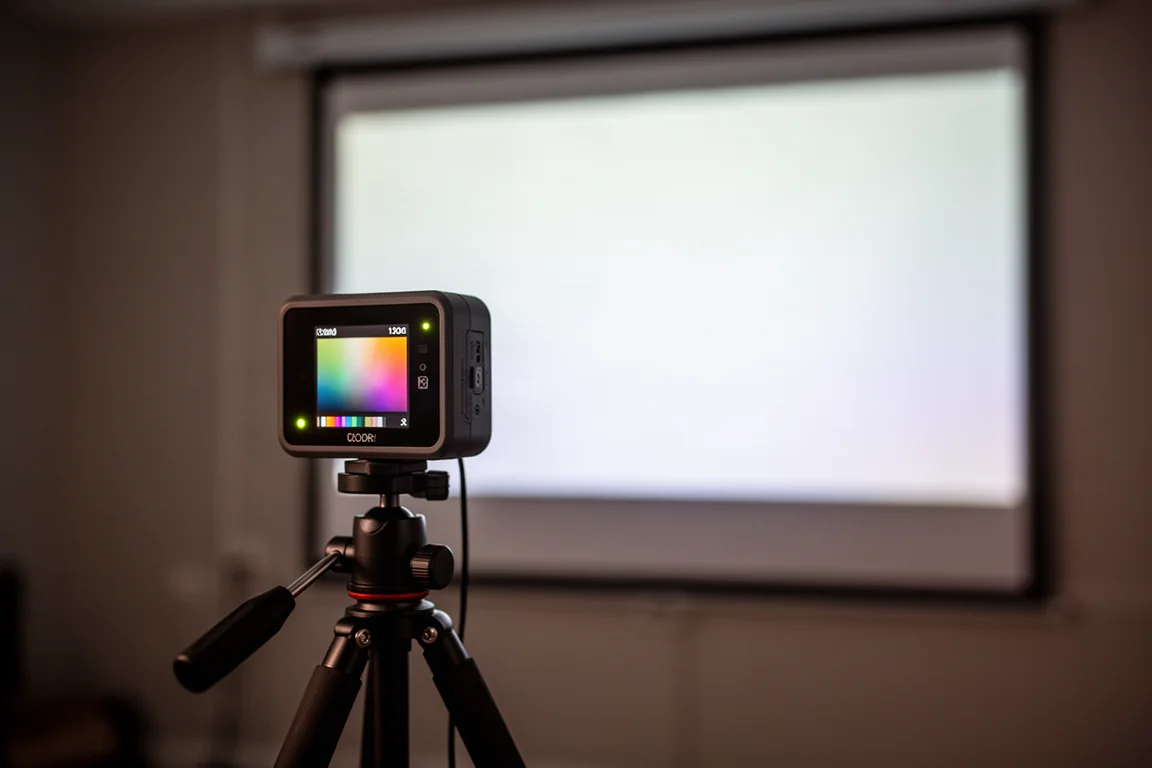
The good news is that the projector responds well to adjustment. Using Filmmaker as a baseline and switching the color temperature to Warm 1 improves accuracy considerably, even without a meter. A full calibration with a meter and calibration software brought both Filmmaker and Standard to a Delta E of 2.2, which is excellent for a projector. Keep in mind that moving from Standard to Movie or Filmmaker with Warm 1 reduces light output. The drop is not enough to make the projector unwatchable in ambient light, but daytime viewing will likely push most people back to Standard or Dynamic, with Filmmaker reserved for darker hours.
Strengths in Standard Dynamic Range
With standard dynamic range content, the Premiere 130 is superb. Colors are brilliant, if occasionally a touch oversaturated, and both color accuracy and color contrast are excellent. Contrast is the strongest of any projector in this class, ahead of LG’s CineBeam line, and black levels improve further with a negative gain screen. Even so, black never approaches true black. Dark scenes still look slightly washed out next to an OLED television.
Detail, sharpness, and motion are all impressive, and the overall cinematic quality is exactly what a projector should deliver. There is also a filmic texture to the image that comes from the screen itself, a subtle grain that suits period dramas and older-looking material. It is not a substitute for the contrast of a good OLED, but it is a distinct and often appealing look.
HDR Performance and Trade-offs
HDR is where the Premiere 130 becomes inconsistent. The projector can accept and display an HDR signal, but brightness gains come at the cost of dynamic range. Blacks crush, and depending on the source, dark areas can posterize badly. House of the Dragon was effectively unwatchable with HDR engaged, and switching HDR off made a substantial difference. Top Gun: Maverick, by contrast, looked excellent with HDR disabled.
There is a second consideration for anyone sensitive to rainbow-like artifacts. Highlights and brightly lit scenes can show shimmer when the projector is paired with a lenticular or ambient light rejecting screen, which is the type of screen most buyers will use. LG’s projectors show the same behavior. If you have noticed these effects before, a showroom demo is worth the trip before committing.
Sound, Screens, and Placement Furniture
The built-in audio is better than most television speakers in some respects, but placement decides how it performs. Sitting on the floor, the projector fires sound at your ankles, which undermines the entire system. Raised to a proper height, the speakers have a chance, but that height is exactly what the vertical throw calculation makes difficult to achieve.
A screen is effectively mandatory. Projecting onto a bare white wall exposes how uneven drywall is, producing a wavy image that is distracting even in a new build. Ambient light rejecting screens make daytime viewing possible, and a negative gain screen can improve black levels, contrast, and clarity in a lit room. The trade-off is light output: the negative gain screen used here reduces measured brightness by roughly 40 percent compared with a unity gain screen. Ultra short throw screens can also introduce their own color shifts, which is another reason a calibration is worthwhile.
How It Compares to Other Projectors and Big TVs
Against the Epson LS12000B, the answer depends entirely on the room: in the right environment and with non-HDR content, the Epson is the better overall projector, but it must sit toward the back of the room, which can add installation costs such as relocating an electrical outlet and running longer HDMI cables. The LG CineBeam HU715Q is the other obvious comparison point, and the Premiere 130 is the better of the two at roughly double the price; the HU715Q is not a triple laser projector, although LG does offer a comparably priced CineBeam with a triple laser source. For a dedicated theater room, the Epson would be the pick, while for a living space where the projector has to sit under the screen, the ultra short throw design is the advantage.
Large flat panels remain the tougher competition. An 85-inch or 98-inch television can cost less than a complete Premiere 130 setup, and a 98-inch model from TCL undercuts this projector by around $1,000, while being far easier to place. Buyers shopping last year’s Premiere models should also know that the 130 is a clear improvement across the board, and that the cheaper Premiere 120 is not a triple laser projector.
Who This Projector Is For
The Premiere 130 makes sense for viewers with a room that can accommodate it: a ceiling high enough for a large image, control over ambient light, and the patience to calibrate and to buy a proper screen. It suits people who want a 100-inch-plus picture without mounting a panel on the wall, and who value the filmic look of projection.
It does not suit buyers who want an easy, all-in-one replacement for a big television. If the placement math caps your image at around 100 inches, or if you watch mostly HDR content in a bright room, a large flat panel will likely deliver more satisfaction for less money.
Buying Advice
The Premiere 130 retails around $6,500, and that is only the starting point. Add a modest screen and the investment passes $7,000. Choose a more premium screen that preserves more light output while still handling ambient light, and a complete system can easily exceed $8,000. Installation costs, longer cables, and furniture that actually fits the vertical throw should all be part of the budget.
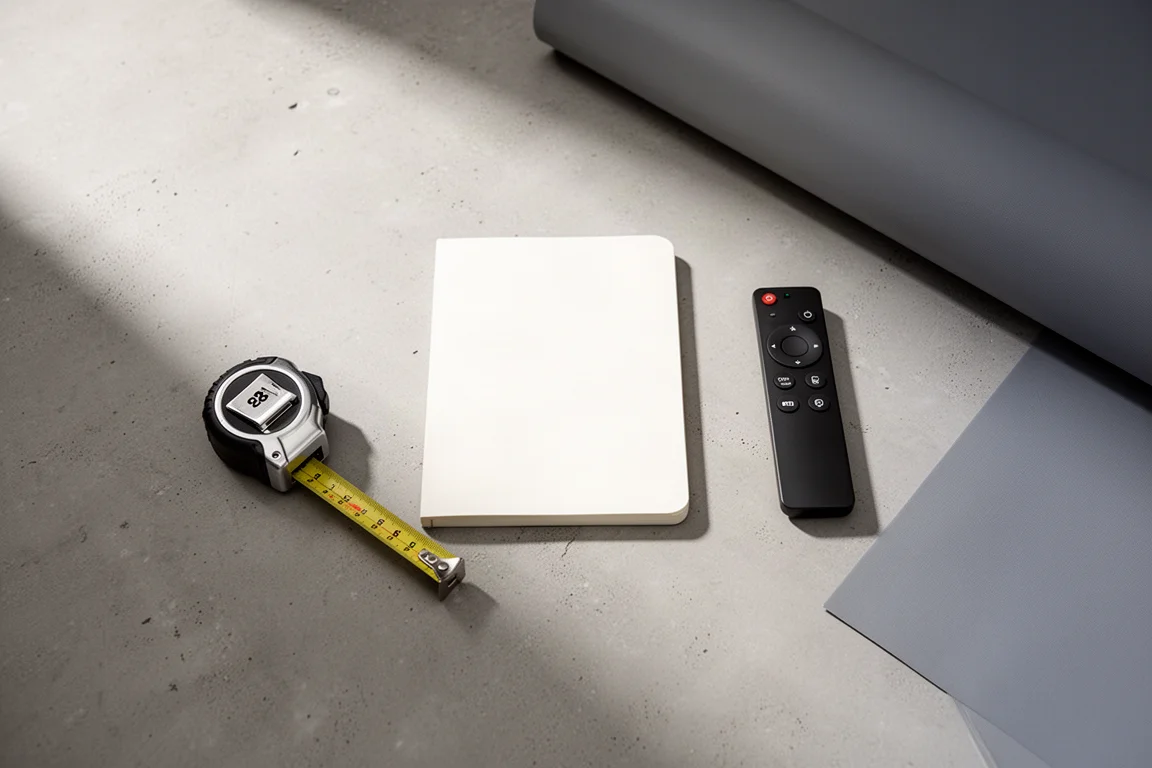
If you decide to buy, plan the setup before the projector arrives. Measure the vertical throw against your ceiling height and your furniture, and accept the largest image your room can actually support rather than the largest image on the specification sheet. Buy a screen rather than projecting onto a wall, and either calibrate the projector or start from the Filmmaker profile with the color temperature set to Warm 1.
For anyone who cannot reach a meaningful size advantage over a large television, the money is better spent on a 98-inch flat panel. The projector wins on atmosphere and scale, while the panel wins on convenience, contrast, and value.
Conclusion
Samsung’s The Premiere 130 is arguably the best ultra short throw projector available right now. Its triple laser engine produces rich, dimensional color, its standard dynamic range performance is excellent, and it calibrates to a level that few projectors in this class can match. It is also still a projector, with the placement constraints, HDR weaknesses, and black level limits that come with the category.
For a buyer with the right room, the patience for a careful setup, and a genuine preference for projected images, it is an easy recommendation. For everyone else, a very large television remains the simpler and often smarter purchase.
Product link
View more details for Samsung The Premiere 130
This product is mentioned in the review. Check the specifications, options, and compatibility before buying.
View more details for Samsung The Premiere 130Further reading
Related Reviews
Projectors
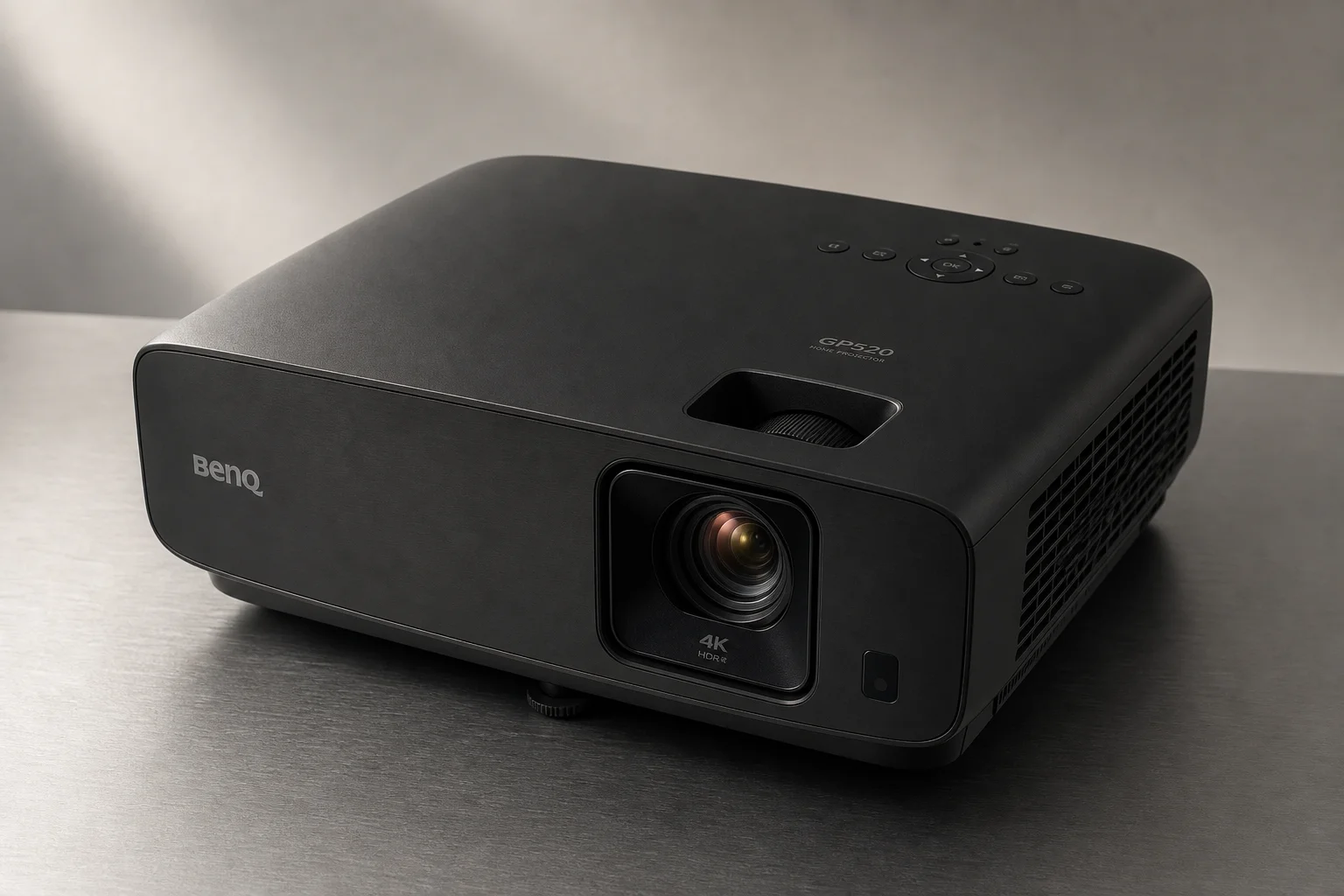
BenQ GP520 4K Projector Review: Premium Home Theater Performance
A comprehensive look at BenQ's flagship GP520 4K projector, covering its exceptional picture quality, smart features, 3D capability, and premium pricing.

Projectors
Best 4K Projectors 2026: Six Standard Throw Models Compared
Six highly anticipated standard throw 4K projectors compared across brightness, contrast, color accuracy, gaming performance, and value.

Projectors
Best Projector Deals 2026: Seven Picks for Every Room and Budget
A practical look at seven projectors currently on sale, from premium 4K laser models to portable and budget-friendly options.