Trail Running Shoes
Salomon Ultra Glide vs Saucony Pulsar Trail: Which Trail Shoe Wins?
Two cushioned trail trainers go head to head in a category-by-category comparison covering upper build, ride feel, grip, durability, and fit.
Introduction
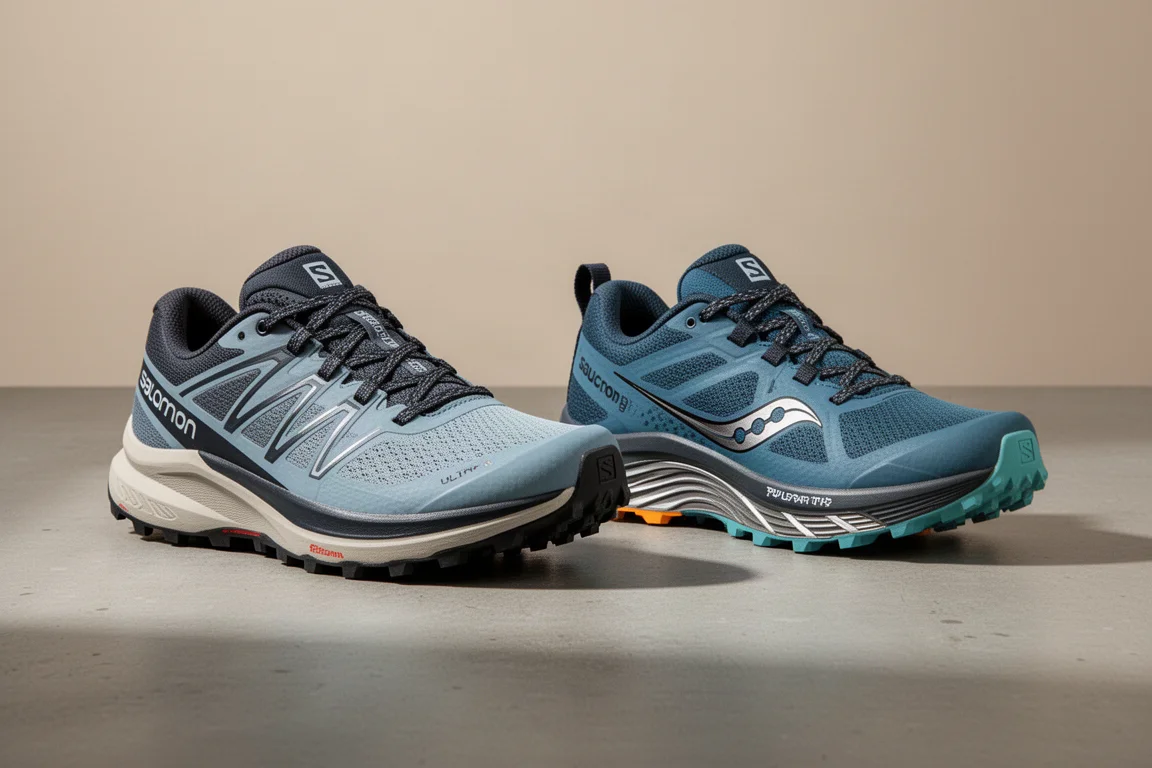
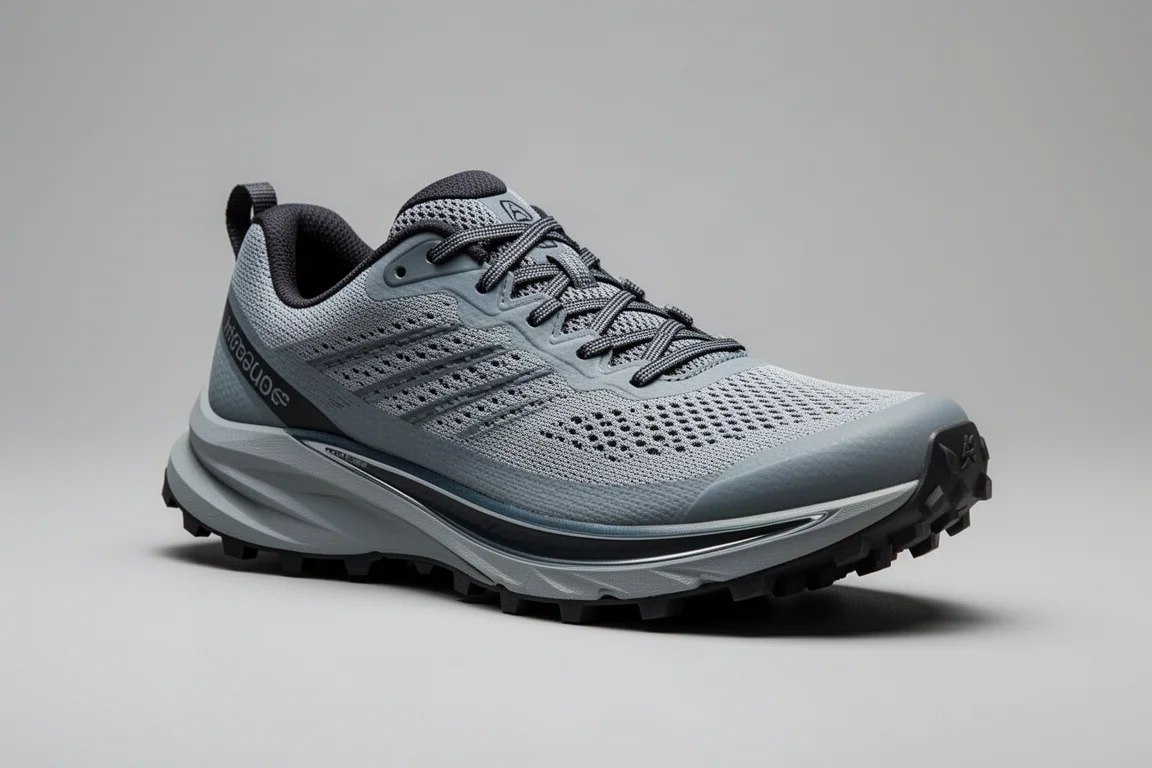
The Salomon Ultra Glide and Saucony Pulsar Trail are two of the more interesting cushioned trail shoes of their generation. Salomon, long known for firmer, more rigid shoes underfoot, softened things up and raised the stack height with the Ultra Glide. Saucony answered with a plated midsole in the Pulsar Trail. Put them side by side and you get a surprisingly close contest, with each shoe winning distinct categories.
Weight and Specs
Both shoes scale in at nearly identical weights, around 9.2 to 9.3 ounces, and they share the same heel-to-toe drop. Both also use a similar midsole blend of EVA and olefin, which Saucony brands as its OBC midsole. On paper, these two are nearly twins.
Upper and Build Quality
The Ultra Glide takes the edge here. Its overlay through the toe box does a better job of keeping grime and grit out of the shoe, and the heel counter and heel tab feel noticeably more plush. The Pulsar Trail’s upper shows a bit more creasing through the toe box and slight fraying, suggesting a slightly less robust construction.

Midsole and Ride Feel
This is where the philosophy split matters. The Pulsar Trail adds a TPU energy blade in the midsole. It is not carbon, but it is a plate, and it changes how the shoe rides. The Ultra Glide skips the plate entirely and relies on the foam blend alone.
For pure ride feel, the Ultra Glide wins. It feels springier, with more noticeable energy return, and it avoids the ongoing question of how often you should be training in plated shoes, especially on aggressive trails.
Outsole and Grip
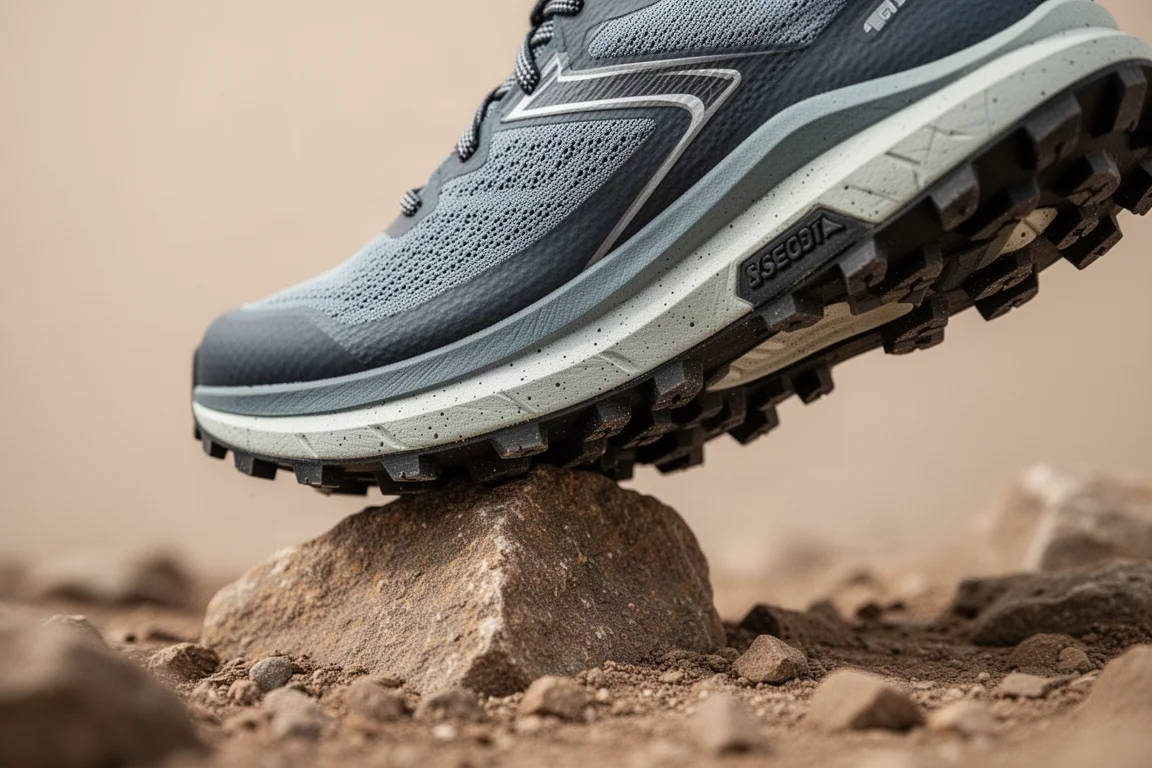
The Ultra Glide’s lug shape and positioning feel more secure on steep terrain, in a slightly old-school Salomon way. On the Pulsar Trail, the grip did not inspire quite the same confidence; it was harder to really bite into the mountain on aggressive descents.
Durability and Fit
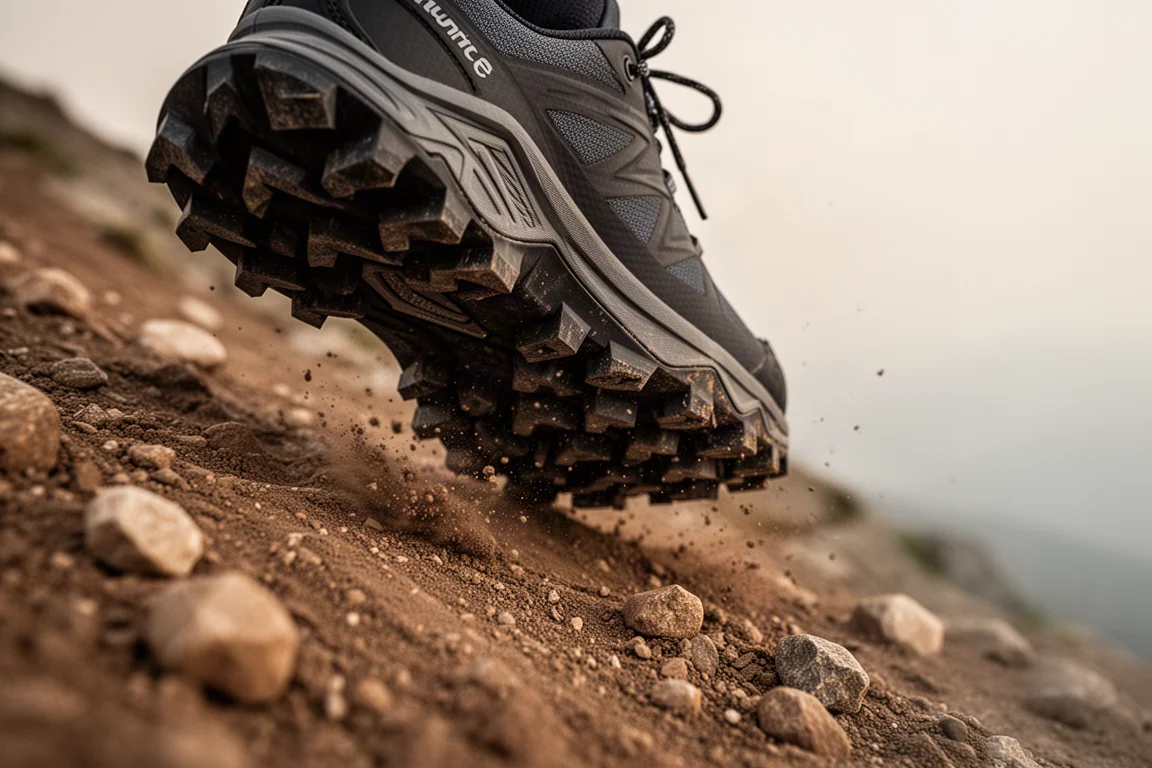
Durability leans slightly toward the Pulsar Trail, though it is close enough that a tie would have been reasonable, given both shoes use the same midsole material. Comfort and fit scores came out fairly similar between the two.
Which One Should You Buy?
Both shoes earn their place for long runs on fairly aggressive trails. The Ultra Glide is a strong 50k training shoe, but it is a touch heavy for racing. If race day weight matters, a lighter plated option in the same family is worth a look.
The Pulsar Trail counters with its price point, making it the better value pick of the two.

Conclusion
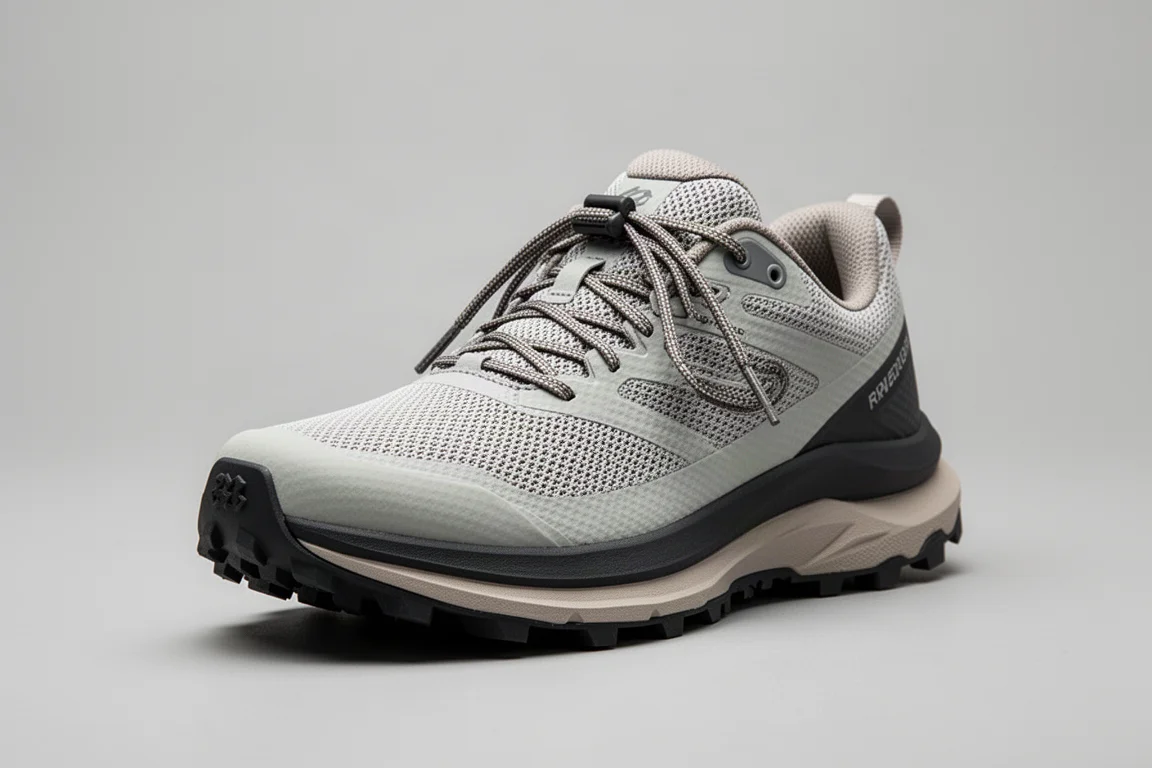
Across the categories, the Ultra Glide took five wins to the Pulsar Trail’s three, with two ties. The Ultra Glide is the better all-around trainer, while the Pulsar Trail holds its own on durability and price. If the Ultra Glide suits your running, it is worth picking up backup pairs while the line is still available.
Further reading
Related Reviews
Trail Running Shoes
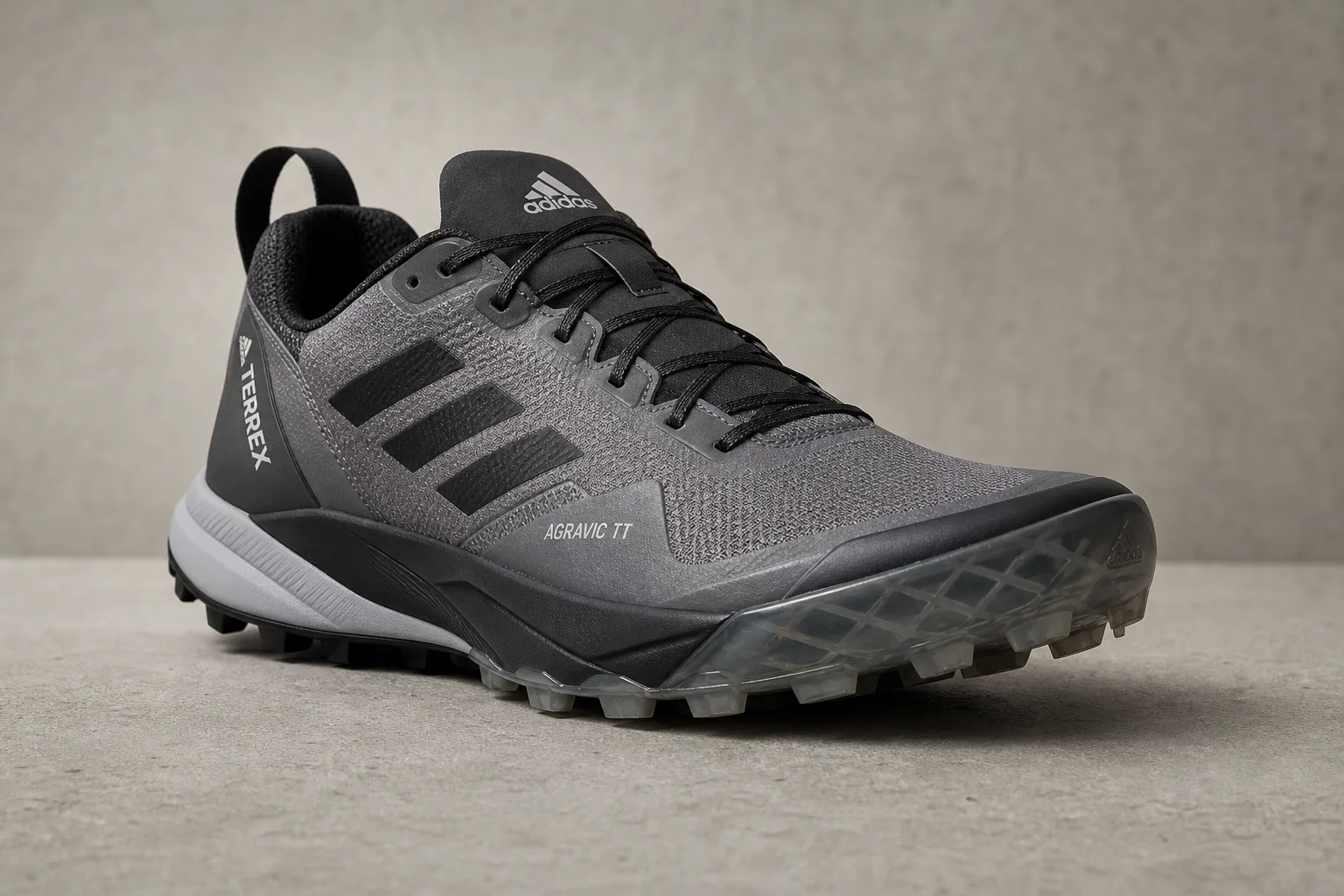
Adidas Terrex Agravic TT Review: A Technical Trail Shoe Built for Rocky Terrain
The Adidas Terrex Agravic TT combines a full-coverage rock plate with a firmer midsole to deliver protection and stability on technical, rocky trails. A capable choice for runners who prioritize underfoot defense over lightweight cushioning.
Trail Running Shoes
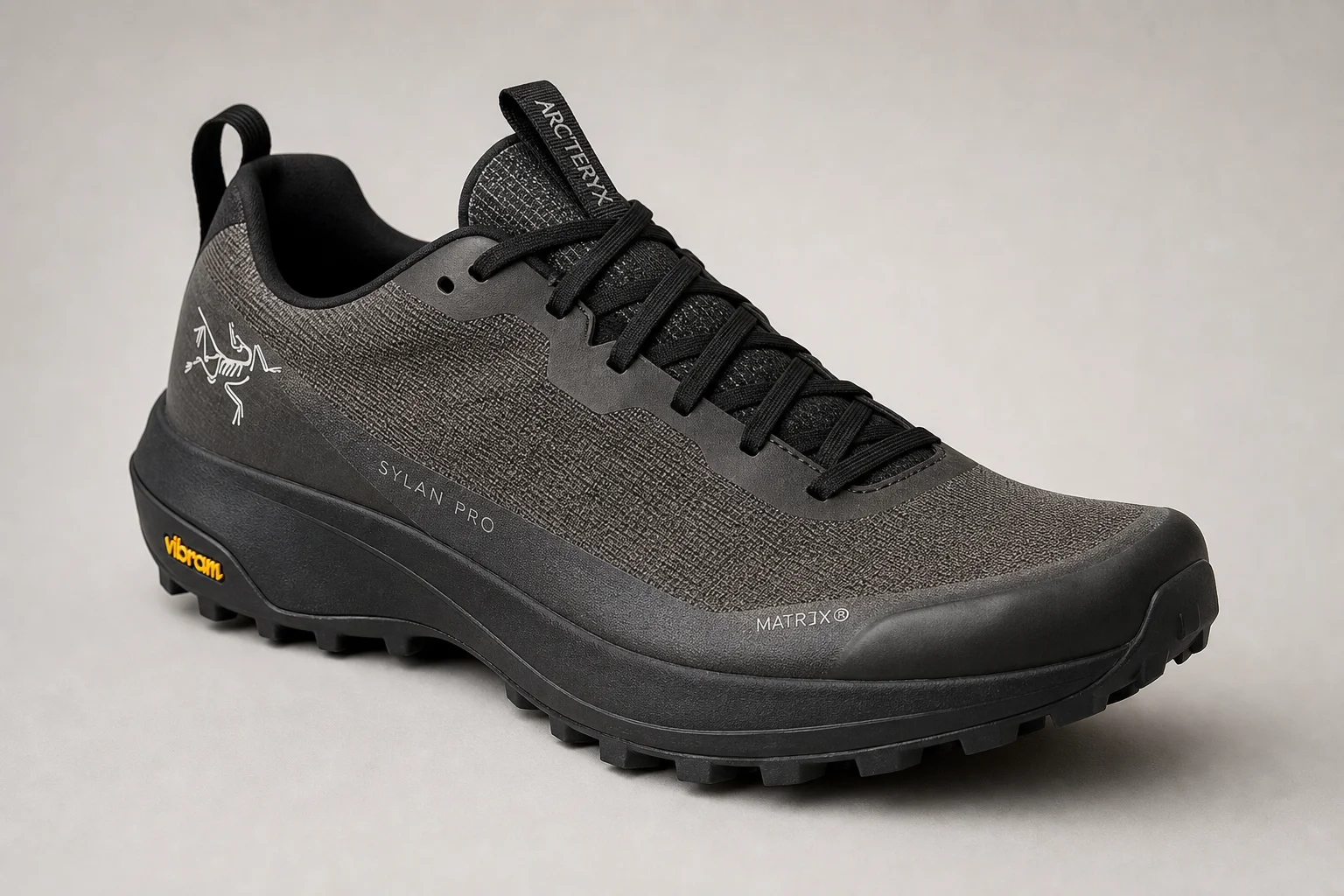
Arc'teryx Sylan Pro Review: A Rocker-Focused Mountain Running Shoe Tested on 20 Miles
The Arc'teryx Sylan Pro brings a pronounced rocker geometry and secure fit to mountain terrain. We tested it on a 20-mile Sawtooth loop to evaluate its climbing efficiency, protection, and handling of technical descents.
Trail Running Shoes
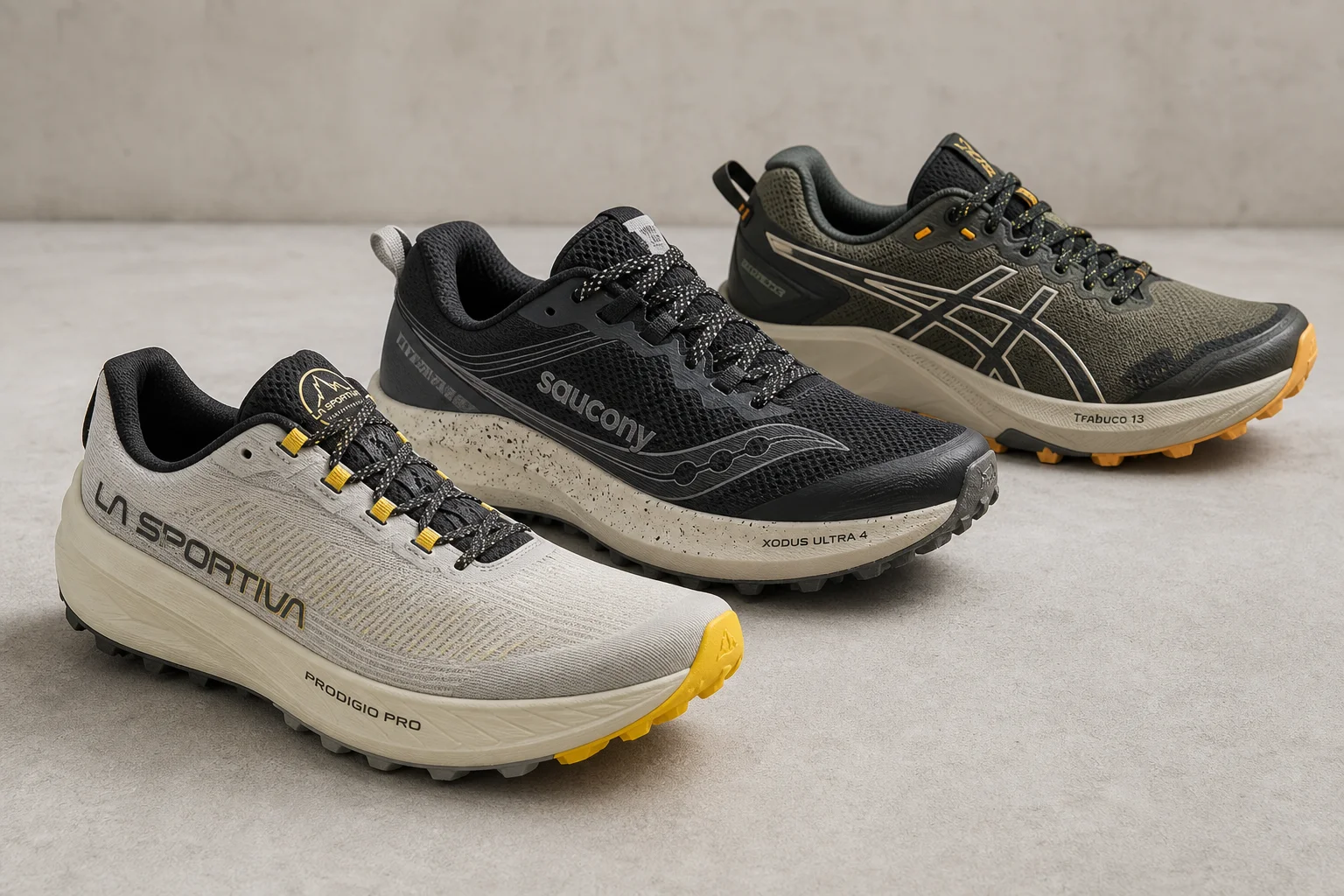
Best All-Mountain Trail Running Shoes: Three Versatile Options for Any Trail
A focused roundup of three all-mountain trail running shoes that handle technical terrain, long distances, and variable conditions with real strengths and practical trade-offs.