Trail Running Shoes
Salomon Ultra Glide vs Saucony Endorphin Trail: Which Long-Distance Trail Shoe Wins?
Two cushioned trail running shoes built for the long stuff, compared on uppers, midsole feel, grip and overall performance.
Introduction
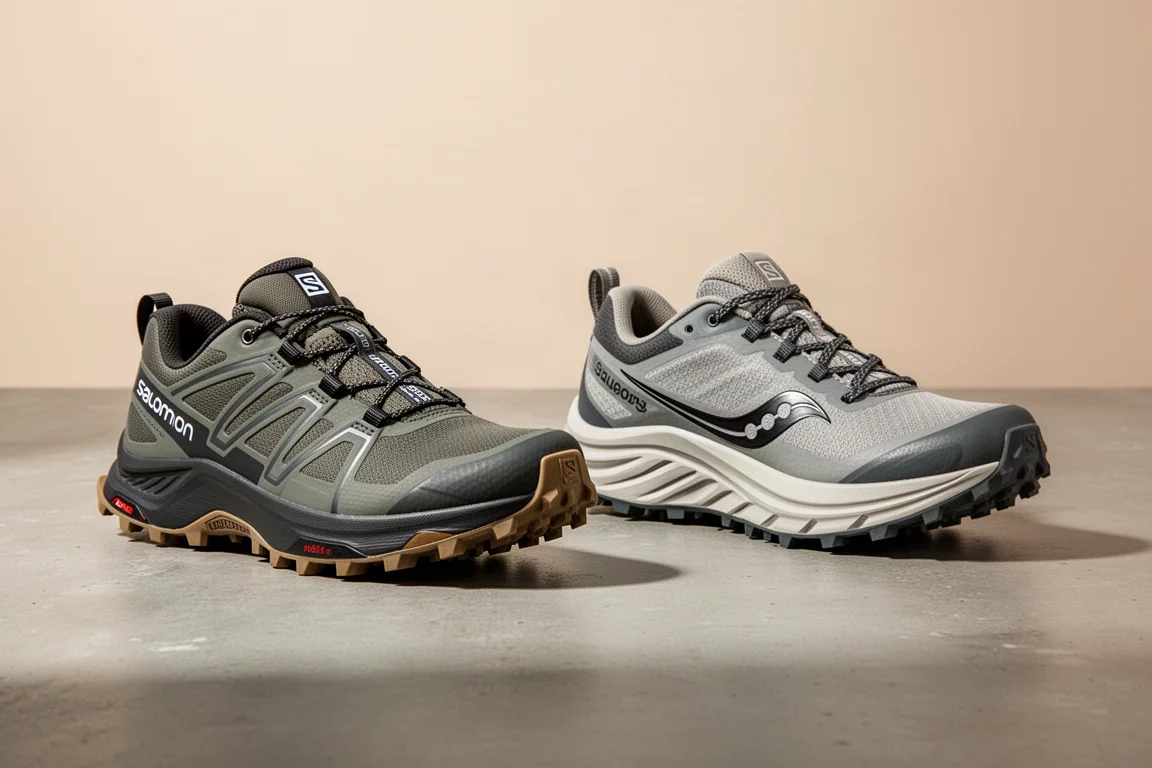
Both of these shoes were built to handle the long stuff: deep cushioning for distance, well-fitting uppers and serious traction for any terrain, any time of year. The Endorphin Trail retails in the UK for £155, while the Salomon comes in at the more affordable £130. In a men’s UK 9.5 the Ultra Glide weighs 298g, with the Endorphin Trail a heftier 345g. Heel offsets are close too: 6mm on the Salomon against 4mm on the Saucony. Both use a deeply cushioned rocker midsole, but they feel and perform quite differently out on the trail.
Upper Construction and Fit
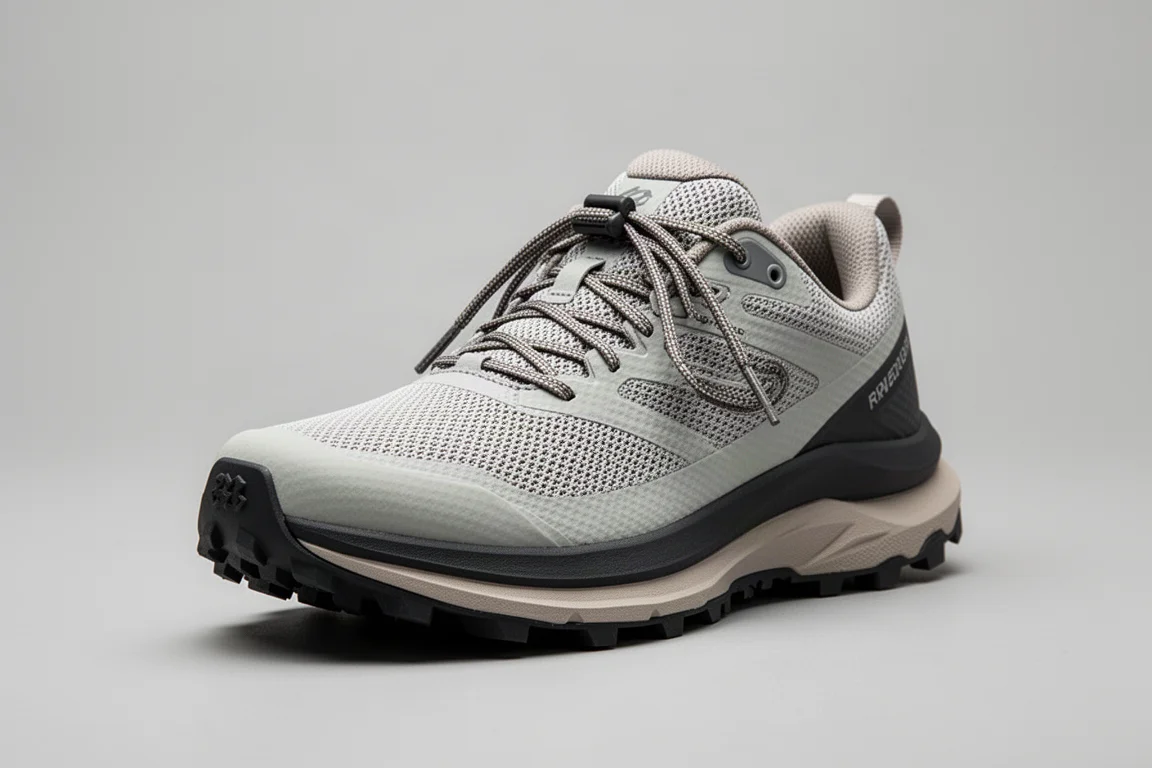
Both uppers use multiple fabrics and overlays to keep the shoes durable over big mileage. Both fit the tester’s foot shape well, locking in nicely through the midfoot with no lateral slippage, which matters when running fast on technical ground. Sizing runs a little short in both, so going up half a size could be worth considering, though neither shoe caused irritation, rubbing or blisters.

Both have been genuinely road-tested at distance: the Ultra Glide handled a wet, muddy 50K event, while the Endorphin Trail covered a 24-mile training run. The main shared drawback is warmth. With so much going on in the upper construction, both run hot, and a bit of stripping back, especially less padding in the Endorphin Trail’s tongue and ankle collar, would help. One annoying design flaw on the Salomon is the tongue lace pocket: the laces sit high, the pocket sits low, and once the laces are pulled tight, stowing them becomes awkward. Top-opening would fix it. With issues on both sides, the uppers are a tie.
Midsole and Grip
Both shoes sit in the popular deeply cushioned category, with rocker geometry that feels very efficient at the slower tempos of long training runs and ultras. Saucony uses its proven PWRRUN PB compound, wrapped in mesh for protection and a little extra lateral and medial stability. Salomon uses its newer Surge foam.
Surprisingly, the Ultra Glide just edges the midsole battle. The PWRRUN PB in the Endorphin Trail loses a bit of pop and energy return compared with the same compound in Saucony’s road shoes, and the ride, while comfortable, feels firmer than expected. The Surge foam feels plush yet responsive, staying connected to the trail and holding up well when running faster on technical ground. Both feel stable underfoot despite deep stacks, with no loss of ground feel or proprioception.
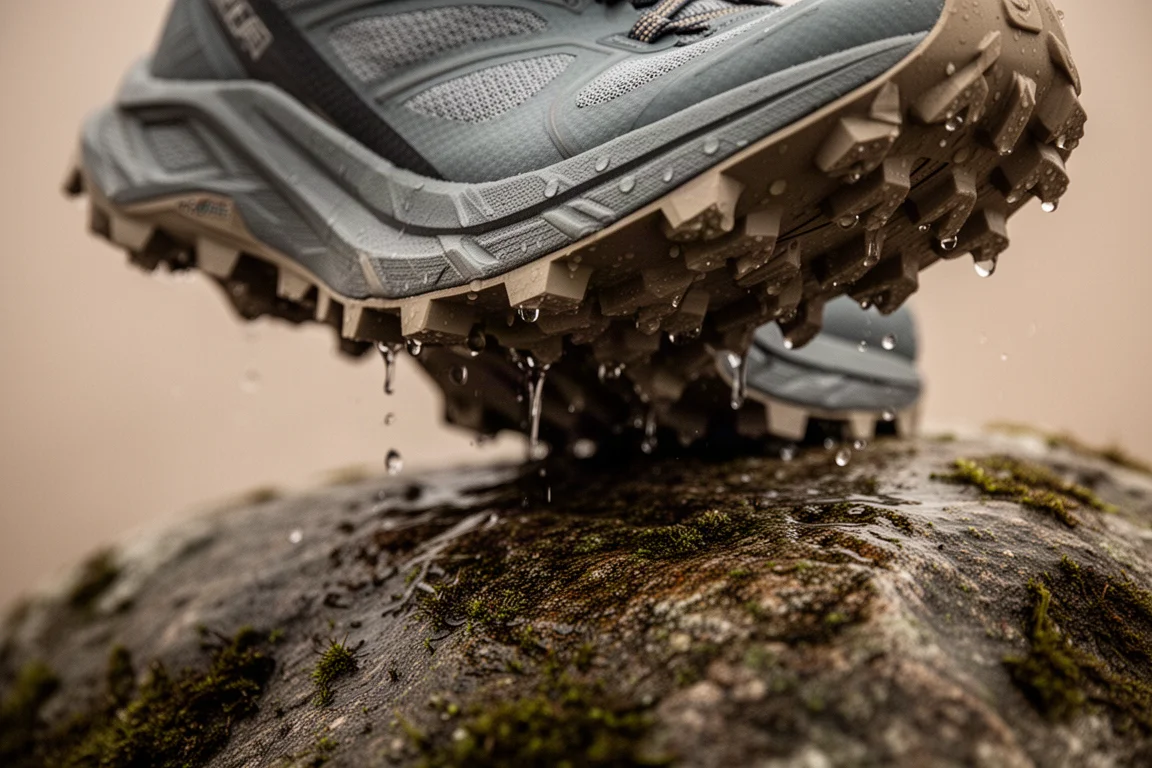
On grip, both outsoles performed well. Saucony’s PWRTRAC rubber is a long-time favourite and never let the tester down, with lugs half a millimetre shallower than a Peregrine 11 but still confident on every surface. Salomon’s rubber has historically been inconsistent on mixed wet rock, but the new Contagrip compound on the Ultra Glide was genuinely consistent across deep boggy mud and wet rocky trails.
Long-Distance Performance
First impressions of the Endorphin Trail were disappointing: it is not the lightweight, exciting shoe the Endorphin name suggests. With more mileage, though, it has grown considerably. It has become the go-to for longer, slower runs over mixed terrain and even a bit of tarmac. The unavoidable issue is weight: just under 350g in a men’s UK 9.5, it is a hefty shoe, and it is 50g heavier than the Ultra Glide.
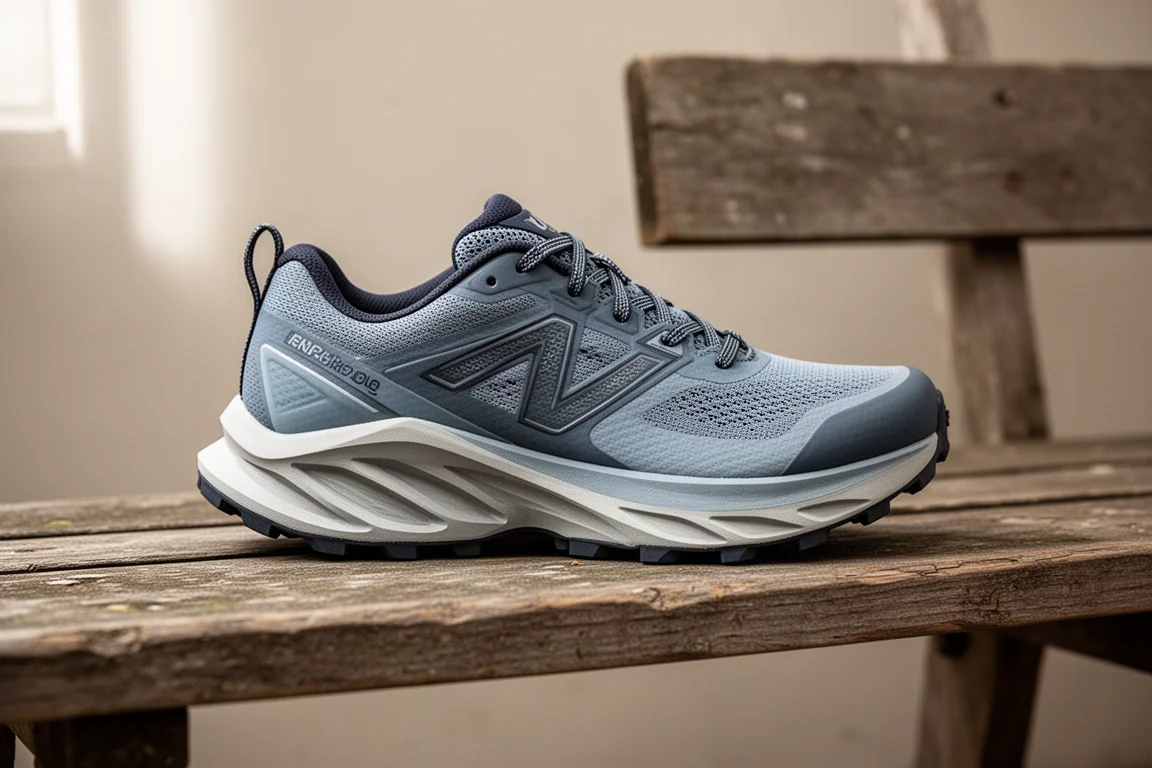
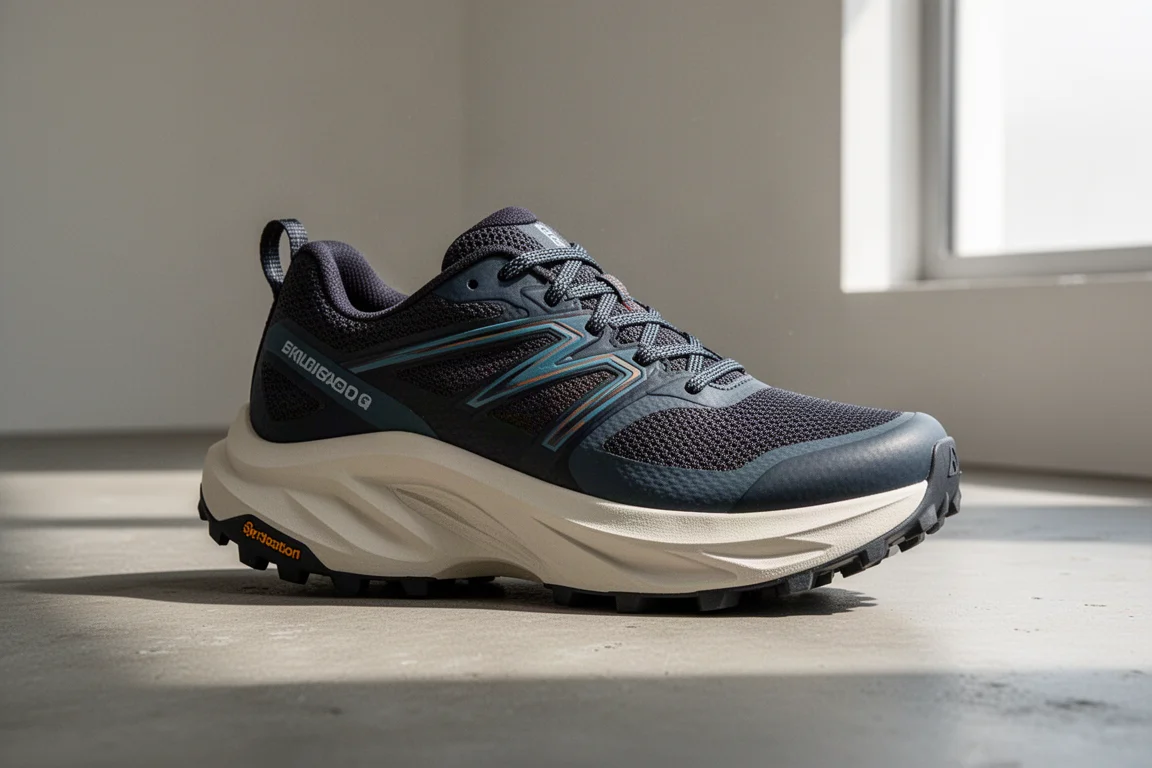
The Ultra Glide, meanwhile, delivered well-rounded performance on a big mix of terrains and underfoot conditions. The Surge compound balances cushioning with trail connection, a ProFeel film adds protection from sharp rocks, and the well-engineered rocker geometry keeps the shoe efficient over long distances. It feels responsive and stable in technical areas despite the deep cushioning. One myth worth busting: despite reports of a wide toe box, the Ultra Glide is no wider than a standard Salomon fit, and suits narrower feet especially well.

Conclusion
Both shoes handle long runs really well, which is fundamentally what they are designed for. Both have flaws too: the oddly placed lace pocket on the Ultra Glide, and an over-engineered, warm upper on the Endorphin Trail. But with the Ultra Glide £25 cheaper and a massive 50g lighter, it takes top spot. If you want a shoe built for distance, with deep cushioning and year-round versatility across mixed terrain, the Salomon Ultra Glide is the recommendation, with one caveat: it sold out quickly after launch and stock has been hard to find, so good luck with the hunt.
Further reading
Related Reviews
Trail Running Shoes
Adidas Terrex Agravic TT Review: A Technical Trail Shoe Built for Rocky Terrain
The Adidas Terrex Agravic TT combines a full-coverage rock plate with a firmer midsole to deliver protection and stability on technical, rocky trails. A capable choice for runners who prioritize underfoot defense over lightweight cushioning.
Trail Running Shoes
Arc'teryx Sylan Pro Review: A Rocker-Focused Mountain Running Shoe Tested on 20 Miles
The Arc'teryx Sylan Pro brings a pronounced rocker geometry and secure fit to mountain terrain. We tested it on a 20-mile Sawtooth loop to evaluate its climbing efficiency, protection, and handling of technical descents.
Trail Running Shoes
Best All-Mountain Trail Running Shoes: Three Versatile Options for Any Trail
A focused roundup of three all-mountain trail running shoes that handle technical terrain, long distances, and variable conditions with real strengths and practical trade-offs.