Trail Running Shoes
Salomon Ultra Glide 4 vs Ultra Glide 3: What Changed in the Latest Update
A first-run comparison of the new Salomon Ultra Glide 4 against the previous Ultra Glide 3, covering the redesigned upper, new Optivibe midsole, and how both handle real trail conditions.
Introduction
The Salomon Ultra Glide line has quietly become one of the more dependable names in cushioned trail running, and the Ultra Glide 4 arrives with a handful of changes that actually matter. On the shelf, the new shoe looks nearly identical to the Ultra Glide 3, but once you break the construction down, Salomon has made some genuinely meaningful updates this time around.
In this comparison, we look at how the two shoes differ, where the Ultra Glide 4 improves on its predecessor, and which one makes more sense for your kind of trail running.
First Look: Side by Side
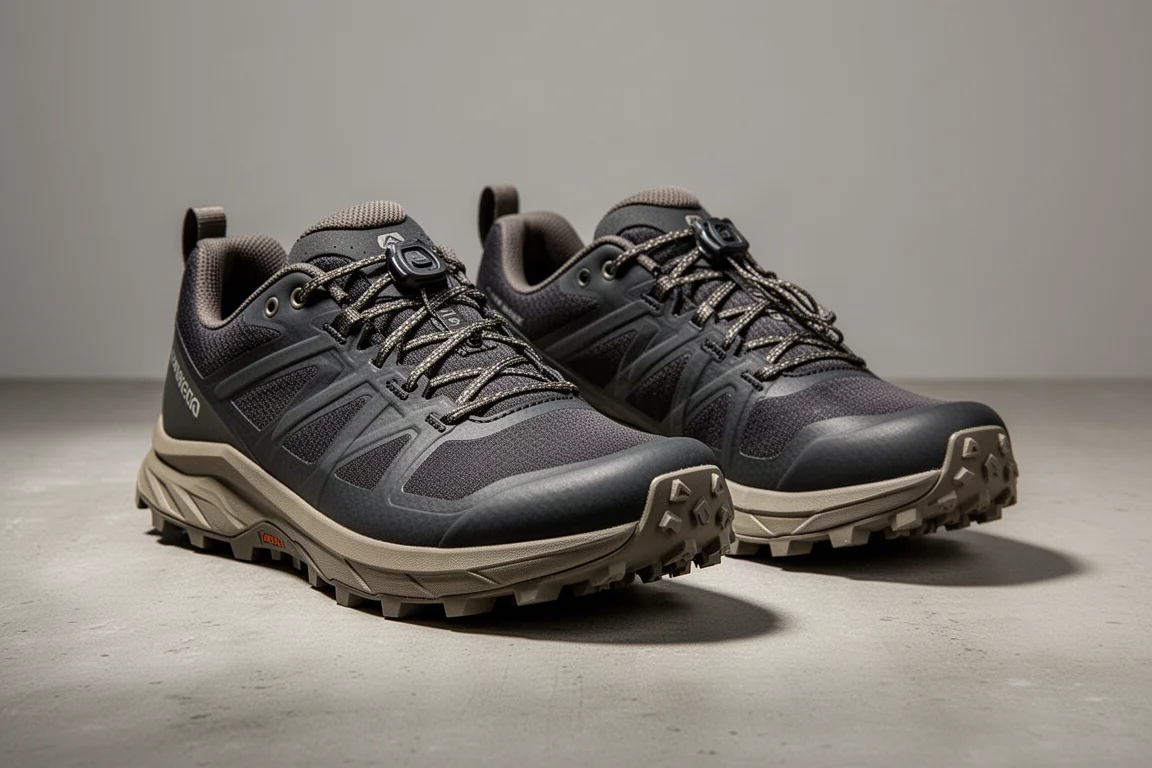
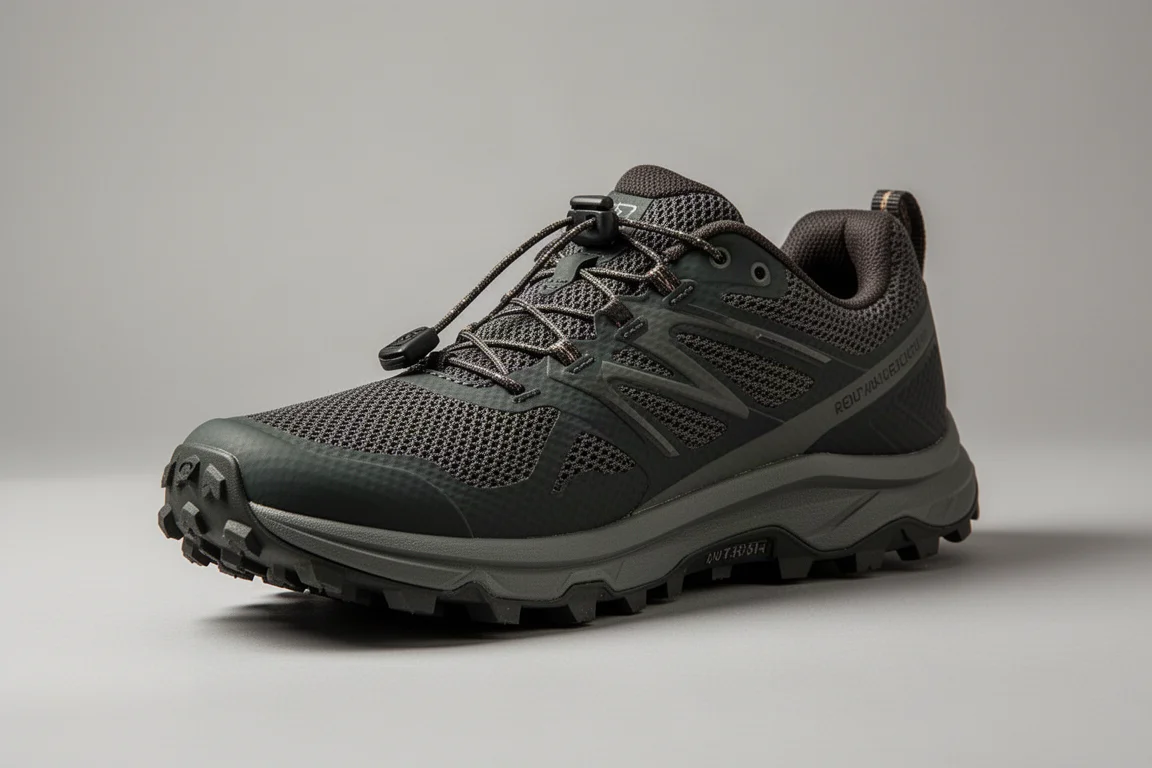
Set the Ultra Glide 4 next to the Ultra Glide 3 and the two are hard to tell apart at a glance. The real differences only show up once you examine the materials. The newer shoe brings a redesigned upper built with a lighter, more breathable mesh fabric, plus a fresh stack of Optivibe foam in the midsole.
The numbers back up the updates. The Ultra Glide 4 retails for £135 in the UK, and a UK 10 pair weighs 297g. That makes it 15g lighter than the Ultra Glide 3, which is always welcome when a running shoe gets an update. Stack height sits at 41mm at the heel and 35mm under the forefoot, giving a 6mm heel offset, and there are five men’s and four women’s colorways.
Upper and Fit: Breathability Fixed
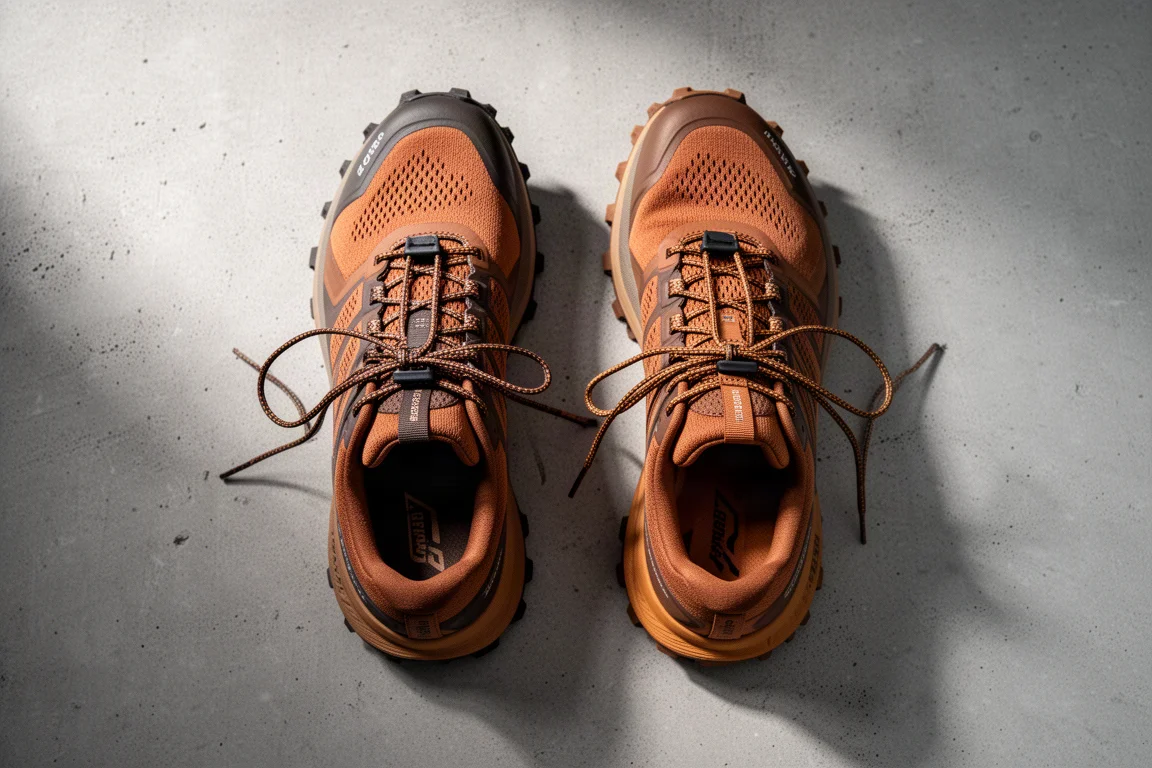
The biggest complaint about the previous three versions of the Ultra Glide was a hot-running upper that never seemed particularly breathable. The Ultra Glide 4’s lighter, more open mesh directly targets that issue, and in warm conditions the airflow through the upper felt noticeably better than before. The tongue also gets larger perforations this time, which should help further.
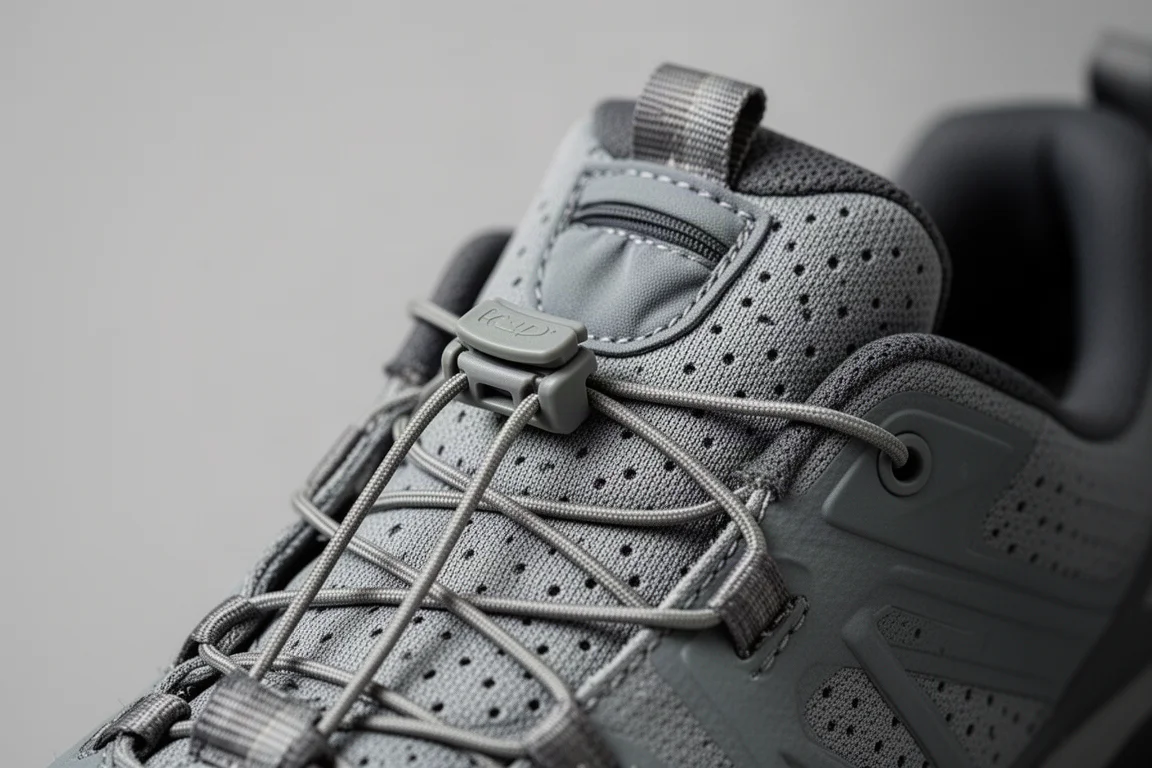
The fit follows the familiar Salomon pattern. There is a similar level of padding in the gusseted tongue, ankle collar, and heel cup as the previous shoe, along with the brand’s quick-lace system: pull the cord tight around the midfoot, slide the plastic lock into place, and stash the excess cord in the pocket at the top of the tongue. It feels unusual if you are used to traditional laces, but once mastered it is a very efficient way to lace up.

Sizing runs a little small. Going up half a size from your normal road shoe size is a sensible move, especially for longer distances where toe room matters. The toe box is average width, midfoot lockdown is secure and stays locked down through a full run, and heel hold is solid. One thing worth flagging: there is very little protection at the front of the shoe. Pressing into the end of the toe reveals a very soft area, so a more substantial toe bumper would be a welcome addition in a future version.
Midsole and Ride: The Optivibe Question
The midsole looks similar to the previous version but uses a different foam blend called Optivibe, which is intended to deliver an improved cushioned experience. On the trail, the balance between comfort and connection feels well judged. This is a deeply cushioned trail shoe, so some ground feel is inevitably lost, but compared with other max-cushion trail shoes it still feels stable and connected on varied terrain.
The relief sphere technology carried over from the more expensive S/Lab version of the Ultra Glide is still worked into the underside of the midsole. It is designed to relieve pressure build-up over distance, though in honest testing it is hard to detect a major difference compared with a conventionally designed midsole. It is still good to see a brand pushing innovation, and it may reward longer-term use.
Outsole and Traction: Strong, With One Caveat
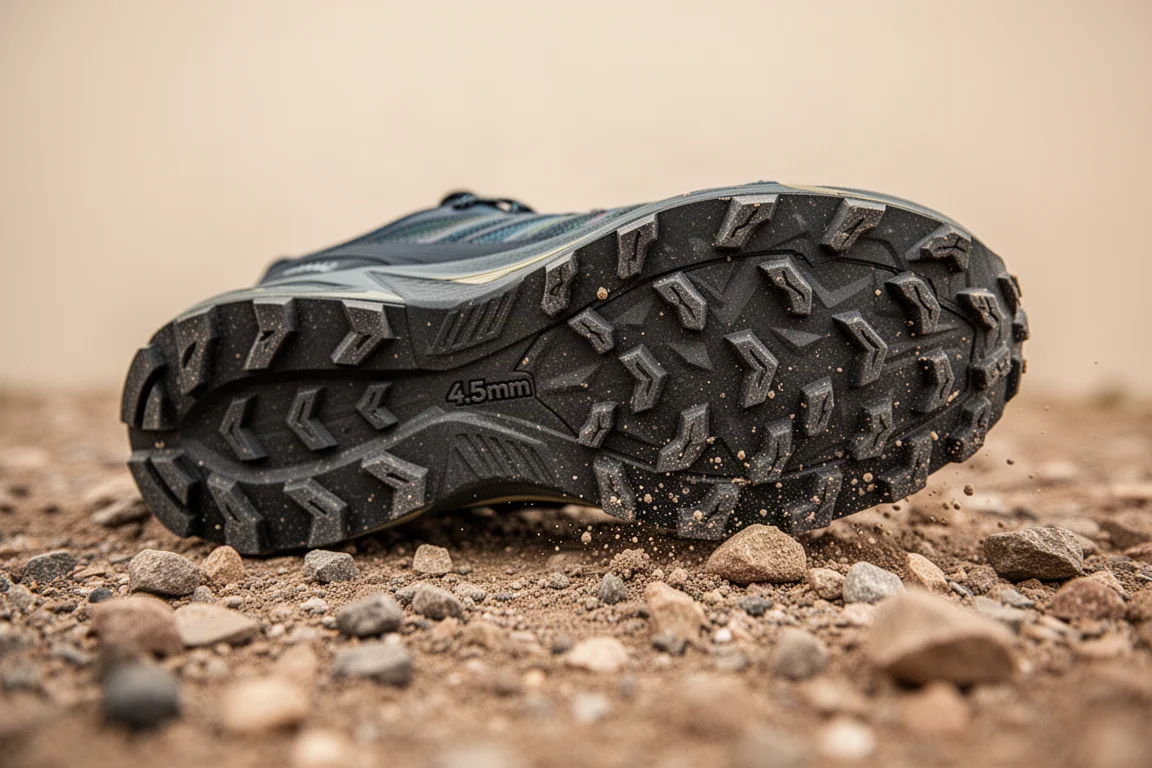
The Ultra Glide 4 keeps essentially the same outsole as the Ultra Glide 3: Salomon’s Contagrip all-terrain rubber with a 4.5mm multi-directional lug pattern. That outsole handled a big mix of surfaces well on the first run, including soft sand, gravelly paths, rocky sections, and grass, offering comfortable protection from sharp rocks along the way.
The caveat is mud. With an identical lug layout to the previous shoe, expect similar limitations: traction can slip in heavy, boggy muddy conditions. On everything else, this outsole performs well.
Which Should You Buy?
If you are upgrading from the Ultra Glide 3, the case for the Ultra Glide 4 rests mainly on the cooler, more breathable upper and the slight weight saving. If your current 3s still fit well and you mostly run in cooler conditions, there is less urgency to switch. If hot-weather breathability has been your frustration, the new version is a clear step forward. Fans of the previous version should approve of the changes and enjoy running in these just as much.
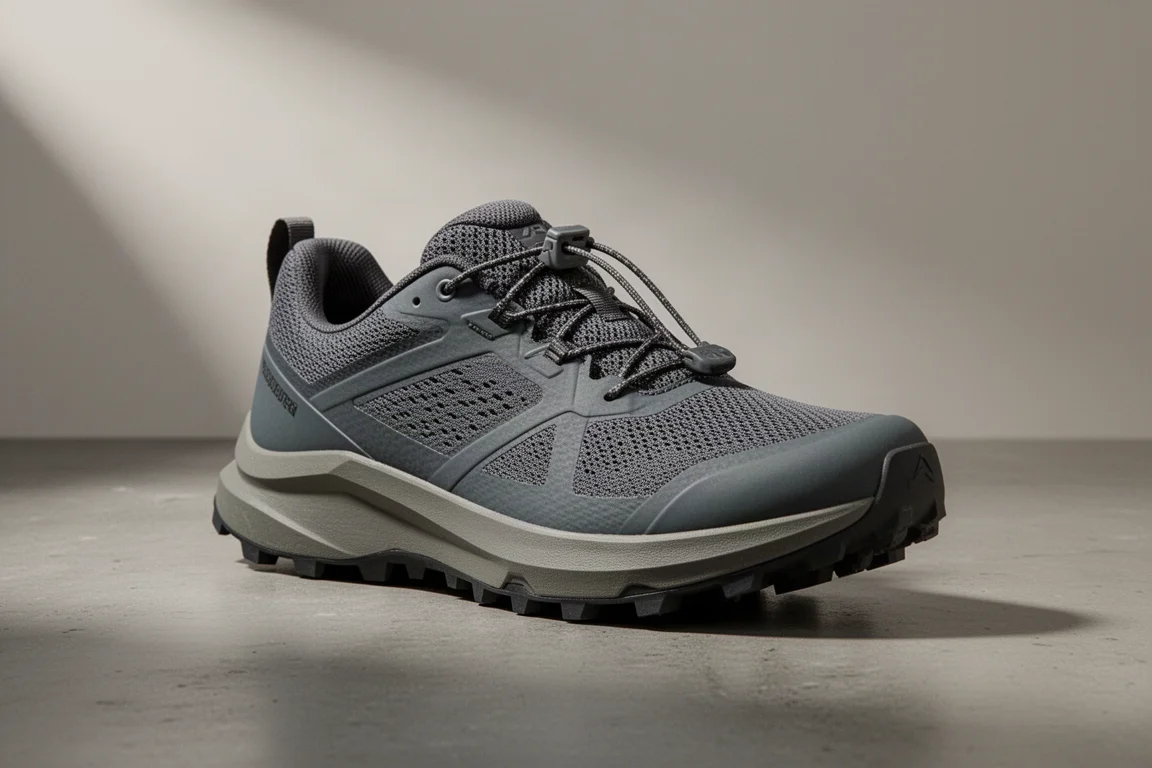
For anyone entering the line at a lower price point, the Ultra Glide 3 remains a well-rounded, comfortable cushioned trail shoe, and the shared outsole means its traction strengths and mud limitations apply equally to both.
Conclusion
The Salomon Ultra Glide 4 is a sensible, well-executed update. The lighter and more breathable upper addresses the long-running complaint about the line, the weight drops rather than climbs, and the comfortable yet connected ride carries over. Its weak spots are the soft toe area and limited grip in heavy mud. If those trade-offs fit your terrain and conditions, it is an easy shoe to recommend for cushioned trail running.
Further reading
Related Reviews
Trail Running Shoes
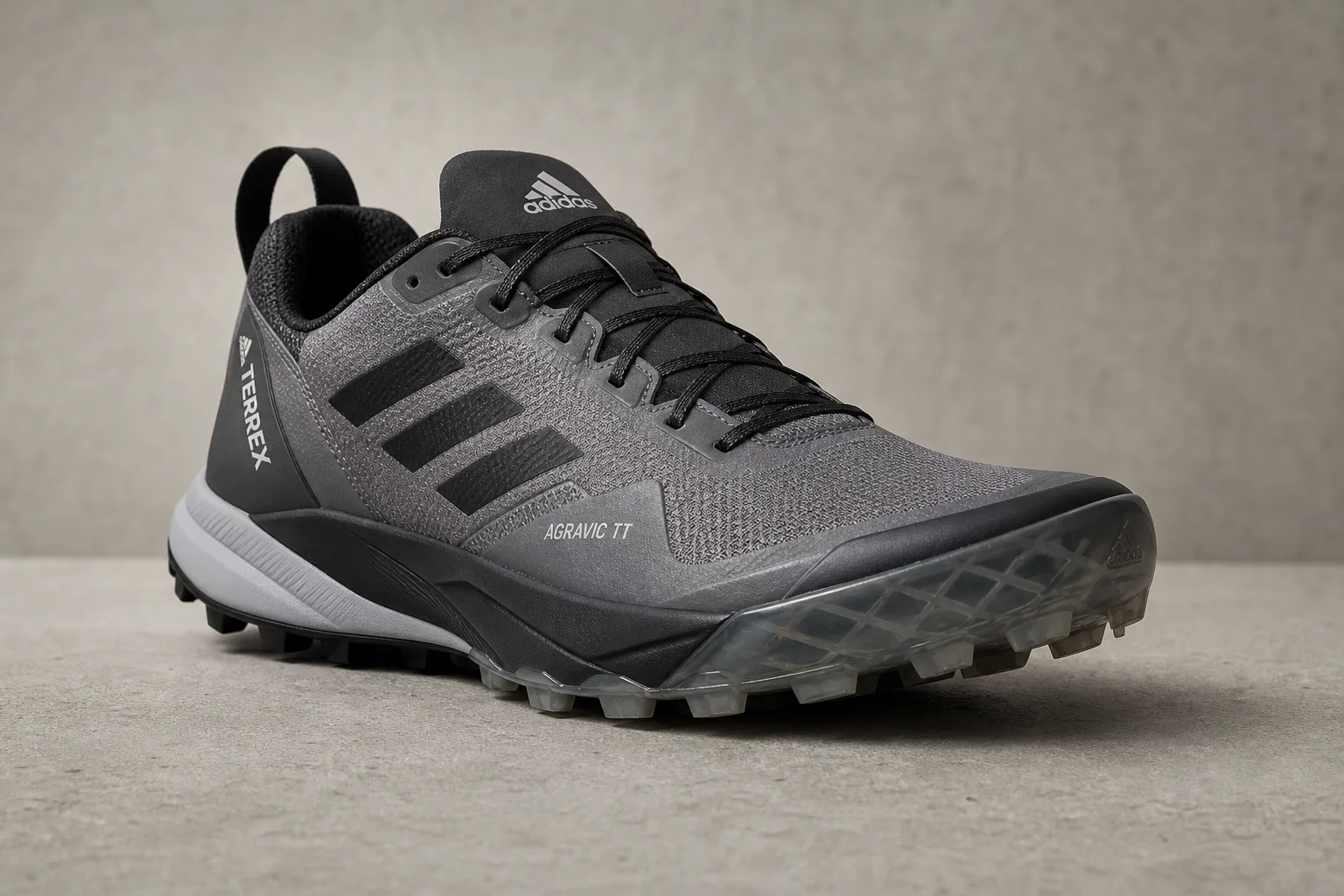
Adidas Terrex Agravic TT Review: A Technical Trail Shoe Built for Rocky Terrain
The Adidas Terrex Agravic TT combines a full-coverage rock plate with a firmer midsole to deliver protection and stability on technical, rocky trails. A capable choice for runners who prioritize underfoot defense over lightweight cushioning.
Trail Running Shoes
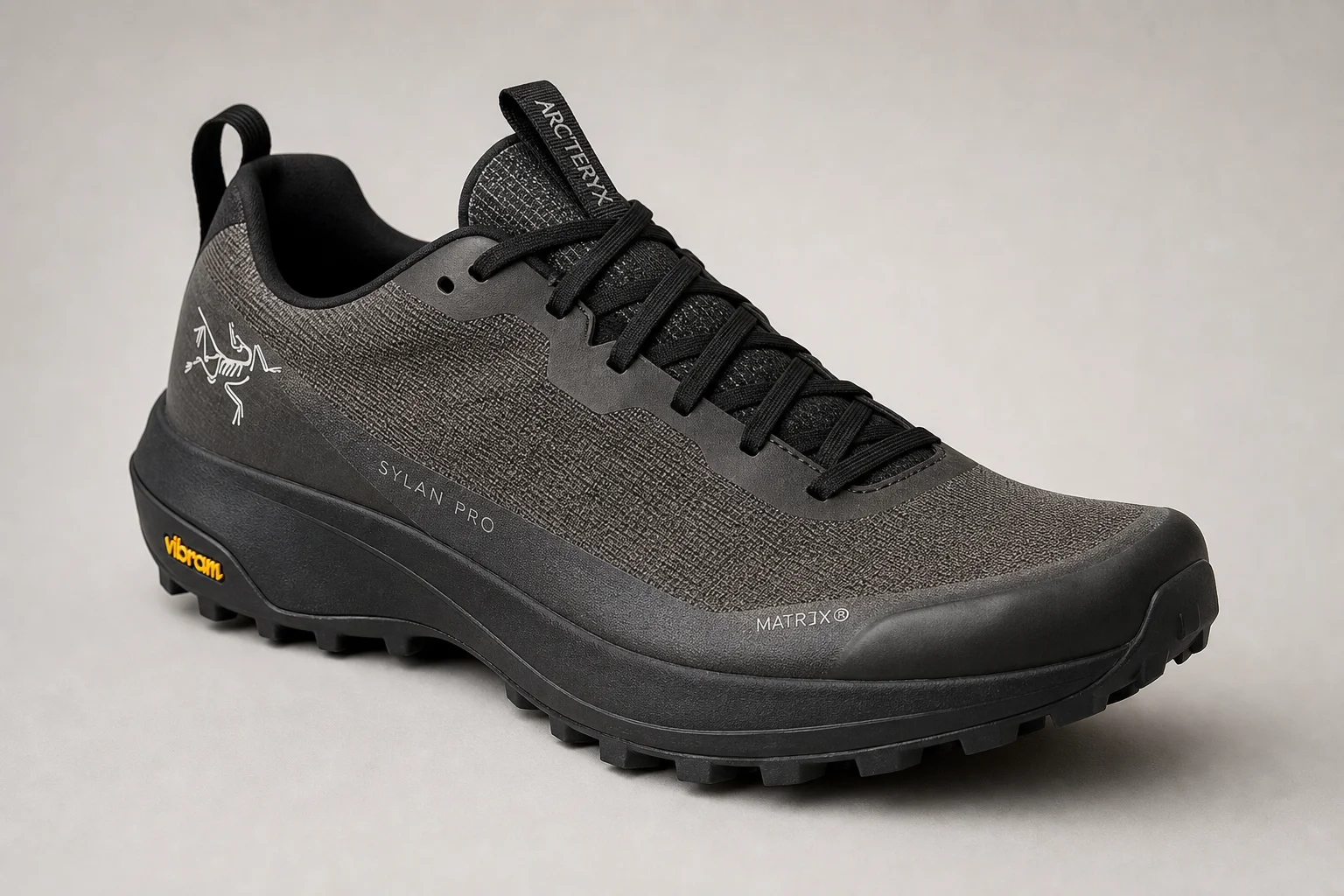
Arc'teryx Sylan Pro Review: A Rocker-Focused Mountain Running Shoe Tested on 20 Miles
The Arc'teryx Sylan Pro brings a pronounced rocker geometry and secure fit to mountain terrain. We tested it on a 20-mile Sawtooth loop to evaluate its climbing efficiency, protection, and handling of technical descents.
Trail Running Shoes
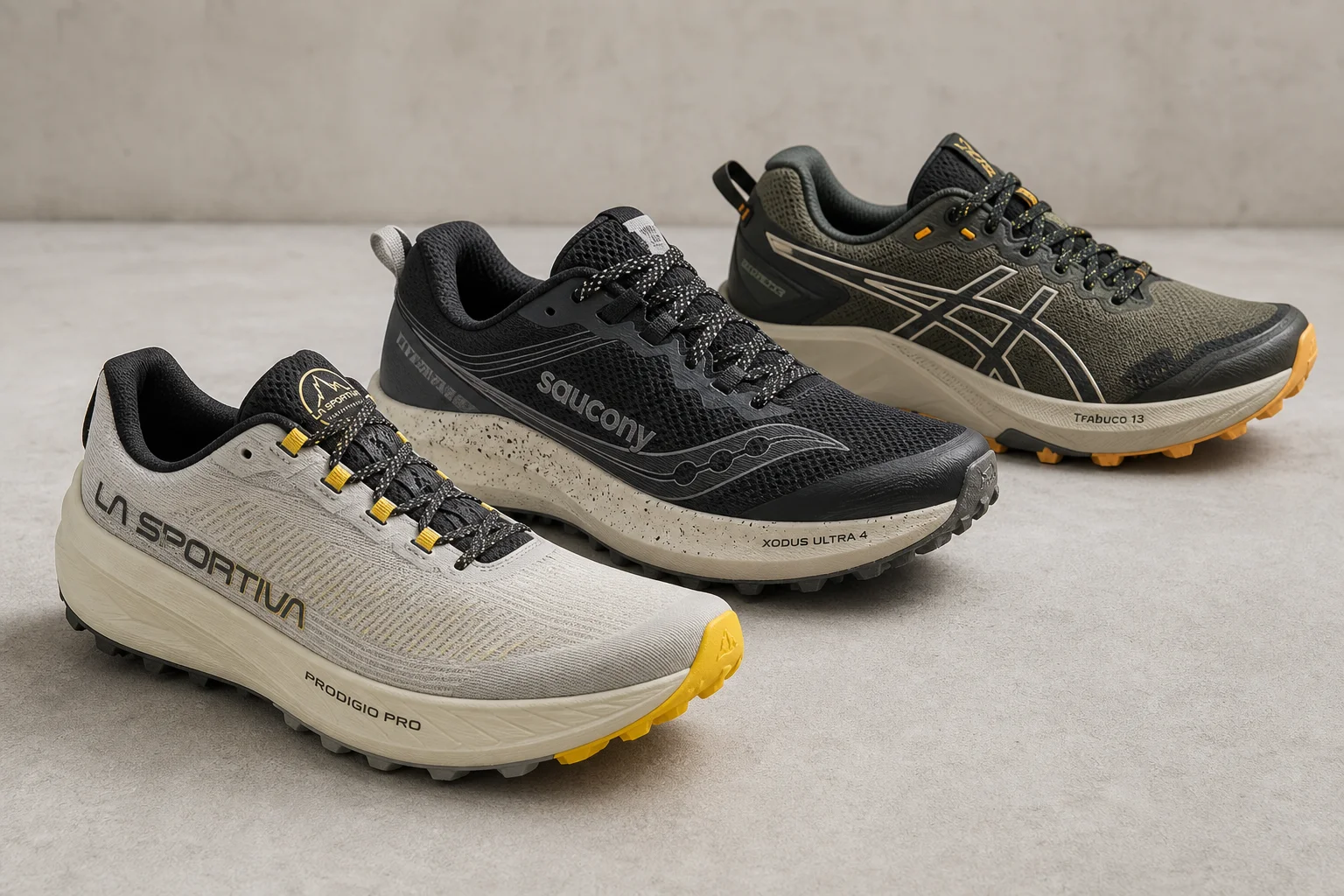
Best All-Mountain Trail Running Shoes: Three Versatile Options for Any Trail
A focused roundup of three all-mountain trail running shoes that handle technical terrain, long distances, and variable conditions with real strengths and practical trade-offs.