Trail Running Shoes
Salomon Ultra Glide 3 vs S/Lab Ultra Glide: The £95 Cheaper Shoe Comes Out on Top
Two very similar trail shoes with very different prices. After an 8-mile test run, the standard Ultra Glide 3 beat the S/Lab version on fit, feel, and value.
Introduction
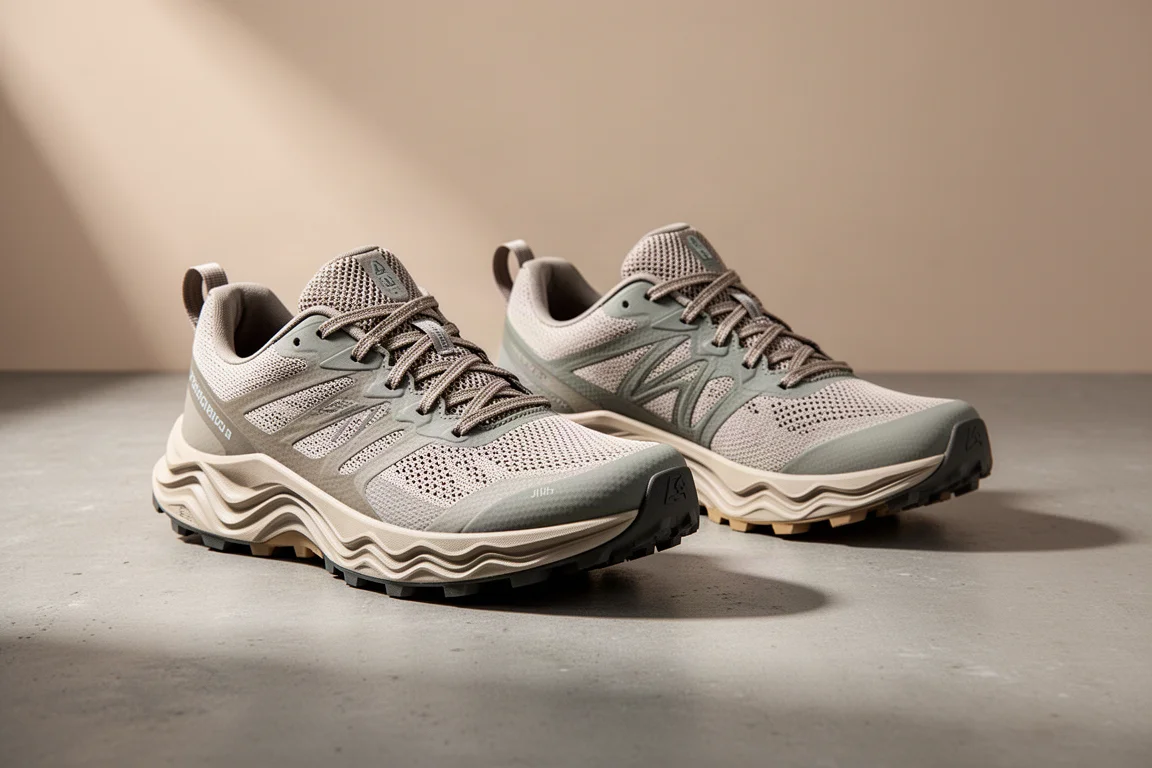
When Salomon launched the S/Lab Ultra Glide, it arrived with a hefty price tag and a lot of hype around its unusual wavy midsole and outsole design. Shortly afterwards, the standard Salomon Ultra Glide 3 appeared, and it looks remarkably similar while costing £95 less in the UK.
That price gap raises an obvious question: what are you actually getting for the extra money? After running in both, the answer turned out to be surprisingly little. In fact, the standard Ultra Glide 3 beat the S/Lab shoe in several key areas.
First Impressions Out of the Box
The Ultra Glide 3 has essentially been rebuilt from the ground up compared with its predecessor. Despite the visual similarity to the S/Lab version, there are meaningful differences in construction, and a few of them favor the cheaper shoe.
The biggest surprise came from the scales. A UK size 10 pair of the Ultra Glide 3 weighs 309g, compared with 326g for the S/Lab Ultra Glide in the same size. That is a 17g saving in favor of the standard model, which is unexpected given that S/Lab is Salomon’s performance-driven line.
Shared Design, Different Midsoles
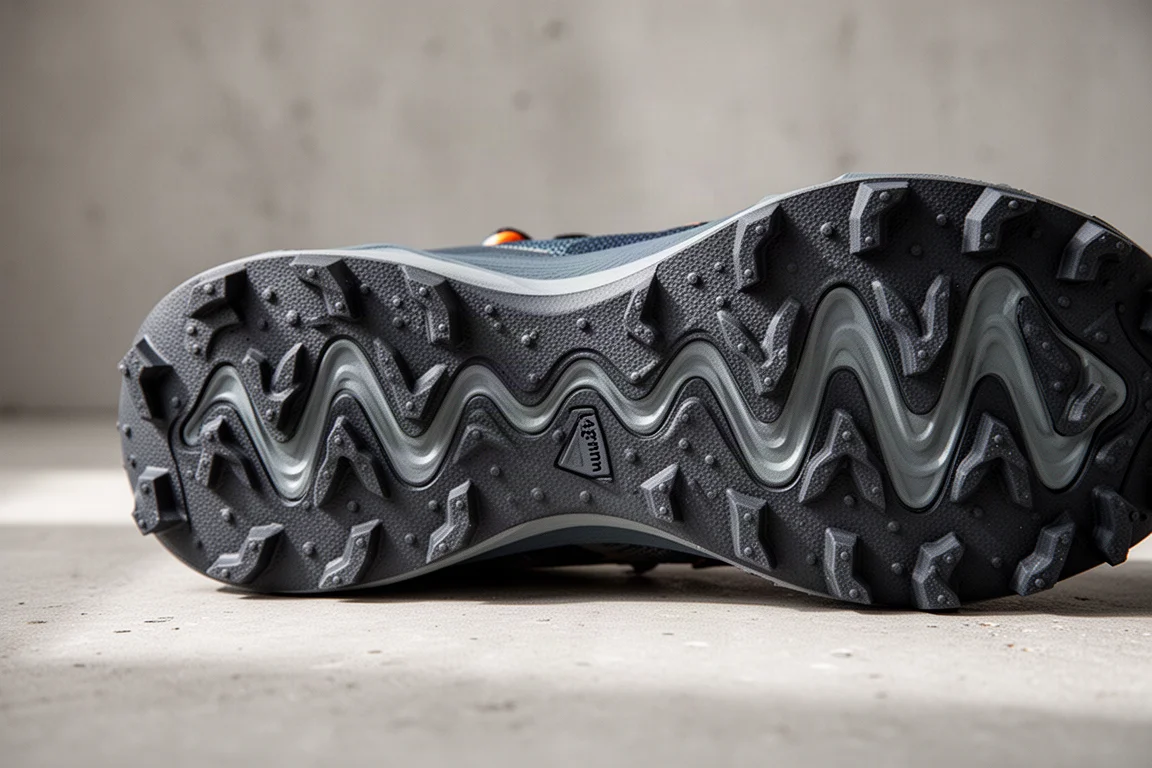
Both shoes share a 6mm heel offset and an identical 4mm lug pattern on the Contagrip rubber outsole, complete with the Relief Sphere wavy geometry designed to break down underfoot impact and disperse pressure over longer distances.
The midsole is where they diverge. The Ultra Glide 3 uses a standard Energy Foam, a lightweight EVA cushioning, while the S/Lab version runs a dual-compound setup with a core of Energy Foam Plus.
Upper, Fit, and Lockdown
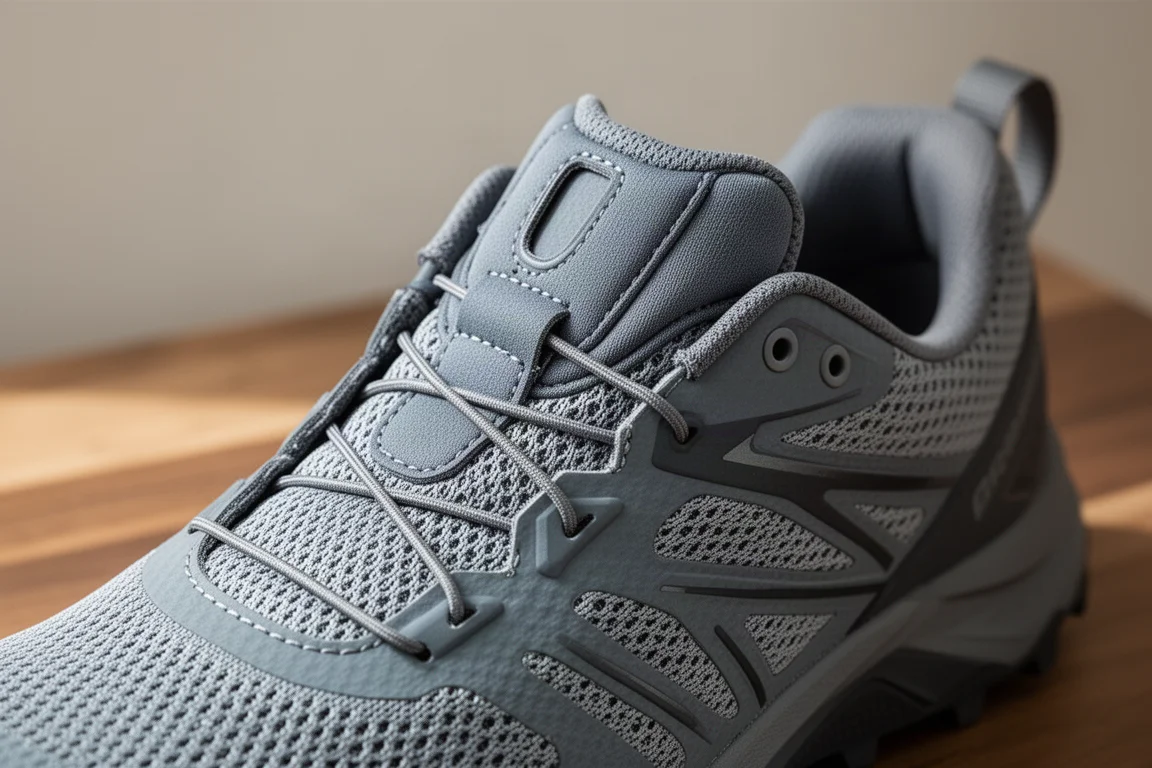
The uppers look alike from a distance but differ in the details. The Ultra Glide 3 has more padding in the gusseted tongue and around the ankle collar and heel cup, closer to the Ultra Glide 2. Its Quicklace system is laced through the eyelets in a more traditional way, which makes lockdown easier than on the S/Lab shoe, where the integrated lace design was fiddly and made a secure midfoot fit difficult.
The bulk of the upper is a lightweight engineered breathable mesh with varying weave patterns for support and durability, finished with Salomon’s EndoFit technology for a precise, foot-hugging feel, plus structural overlays at the heel, midfoot, and toe box, and a substantial toe bumper for protection.
Fit and Feel on the Run
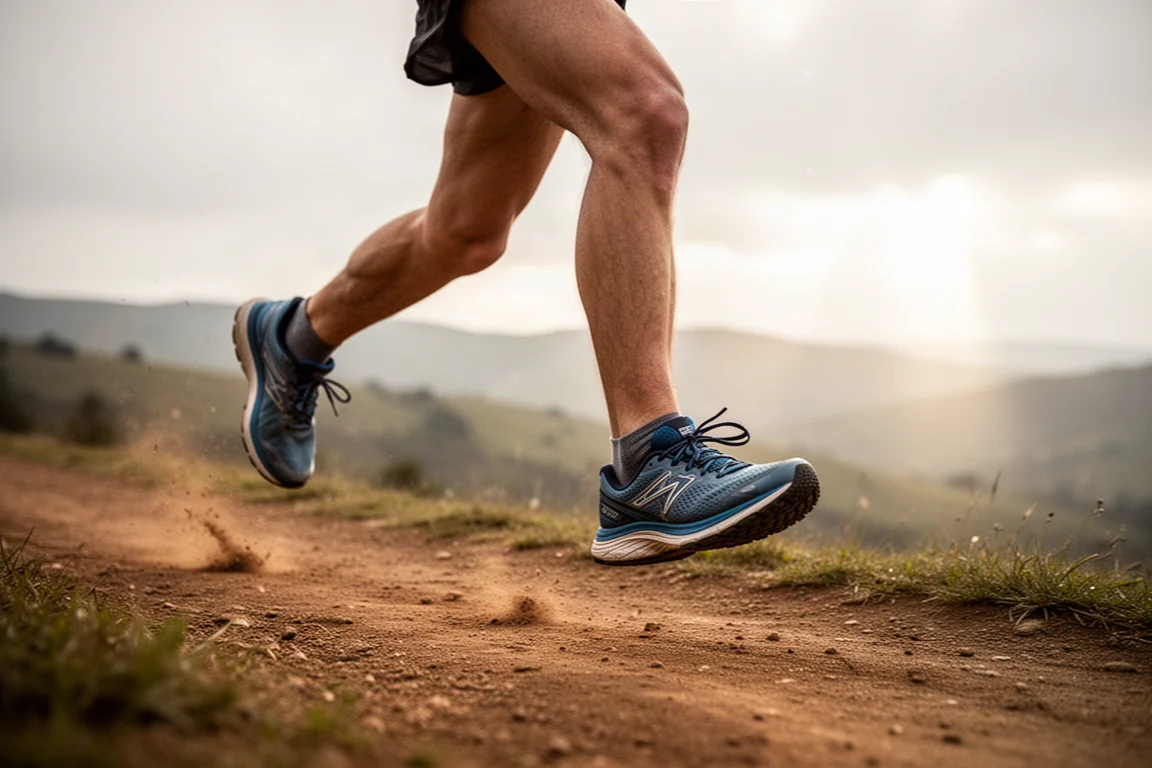
On an 8.57-mile first run, the Ultra Glide 3 proved comfortable straight out of the box. The tester went up half a size, as with the S/Lab shoe, and found the fit just right; short runs might work true to size, but half a size up is the safer bet for longer distances.
The fit and feel of the Ultra Glide 3 upper came out on top overall, feeling more secure around the foot. Interestingly, the S/Lab shoe offered slightly more width in the toe box, which is unusual for an S/Lab model. One quirk to note: the gusseted tongue on the Ultra Glide 3 is huge and sticks out of the shoe, though Salomon has contoured its top so it wraps around the ankle without causing problems. The upside is that the Quicklace stows much more easily in the tongue pocket than on the previous two versions.
Performance on the Trail
On road sections, the S/Lab’s dual-compound midsole did feel like it returned a bit more energy, thanks to that Energy Foam Plus core. But once the run moved onto trails, the two midsoles felt very similar, and if anything the Ultra Glide 3 felt slightly more connected and stable underfoot.
The 17g weight saving also made the Ultra Glide 3 feel a touch more nimble and responsive. With identical 4mm lugs, traction was essentially the same, handling everything on the test run well. Both shoes would likely struggle in really boggy, muddy conditions, but neither had issues in the conditions encountered.
The S/Lab Ultra Glide
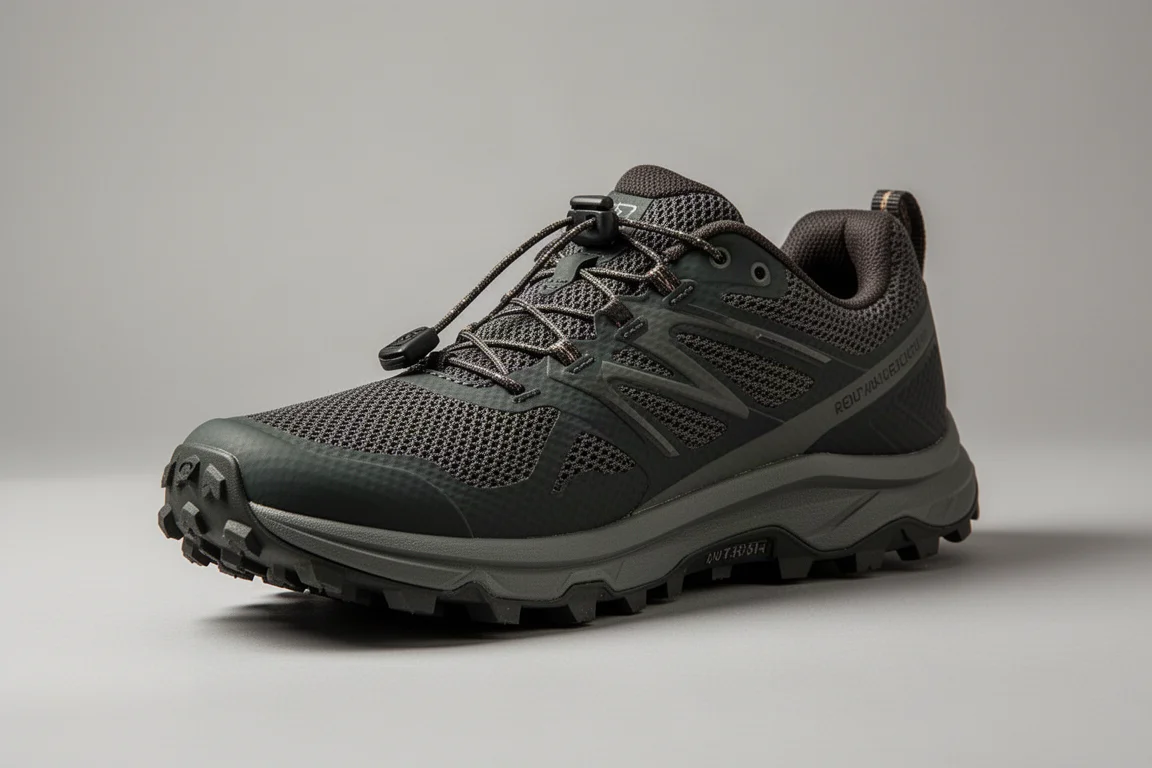
The S/Lab Ultra Glide is a great-looking trail shoe with genuinely interesting innovation, including that unusual wavy midsole and outsole and the dual-compound midsole with its Energy Foam Plus core. It delivers slightly more energy return on tarmac and a bit more toe box width.
But the first runs were disappointing relative to expectations, especially at £230 in the UK. The fiddly integrated Quicklace setup made lockdown hard to achieve, and the ride advantage over the standard version only really showed on road. It wins on looks, but that is rarely the deciding factor in a running shoe.
Which Ultra Glide Should You Buy?
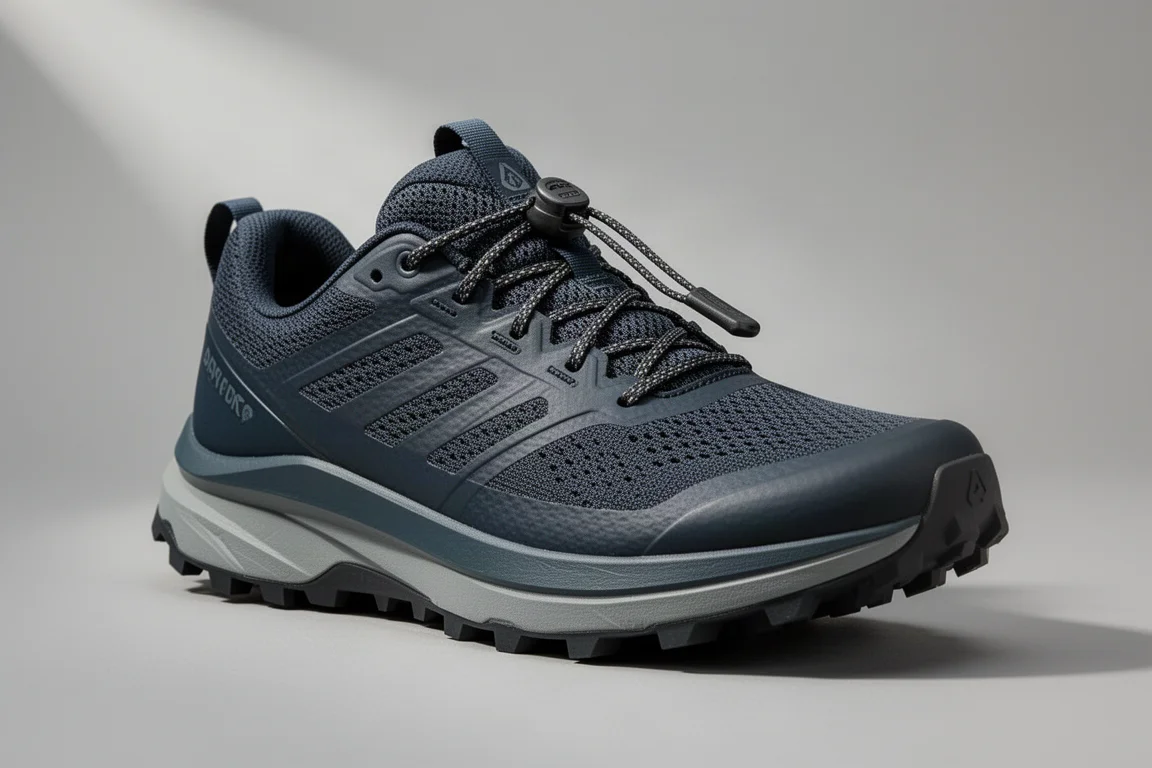
If money were no object, the surprising verdict is still the Ultra Glide 3. It outperformed the S/Lab shoe in fit, feel, and on-trail ride, it is lighter, and it costs £95 less. The S/Lab version’s advantages, mainly extra energy return on road and a slightly wider toe box, are marginal against that price difference.
For the strongest look, the cherry tomato red colorway closely resembles the S/Lab shoe, which may be the better visual pick over the test colorway. Either way, the standard Ultra Glide 3 is the shoe most trail runners should be buying.

Conclusion
Salomon’s own performance line did not have it easy this time. The £135 Ultra Glide 3 outperformed the £230 S/Lab Ultra Glide in fit, lockdown, on-trail feel, and weight, while sharing the same outsole traction and wave-based underfoot design. Unless you specifically want the S/Lab aesthetic or its dual-compound midsole for road-heavy running, the Ultra Glide 3 is the smarter buy.
Further reading
Related Reviews
Trail Running Shoes
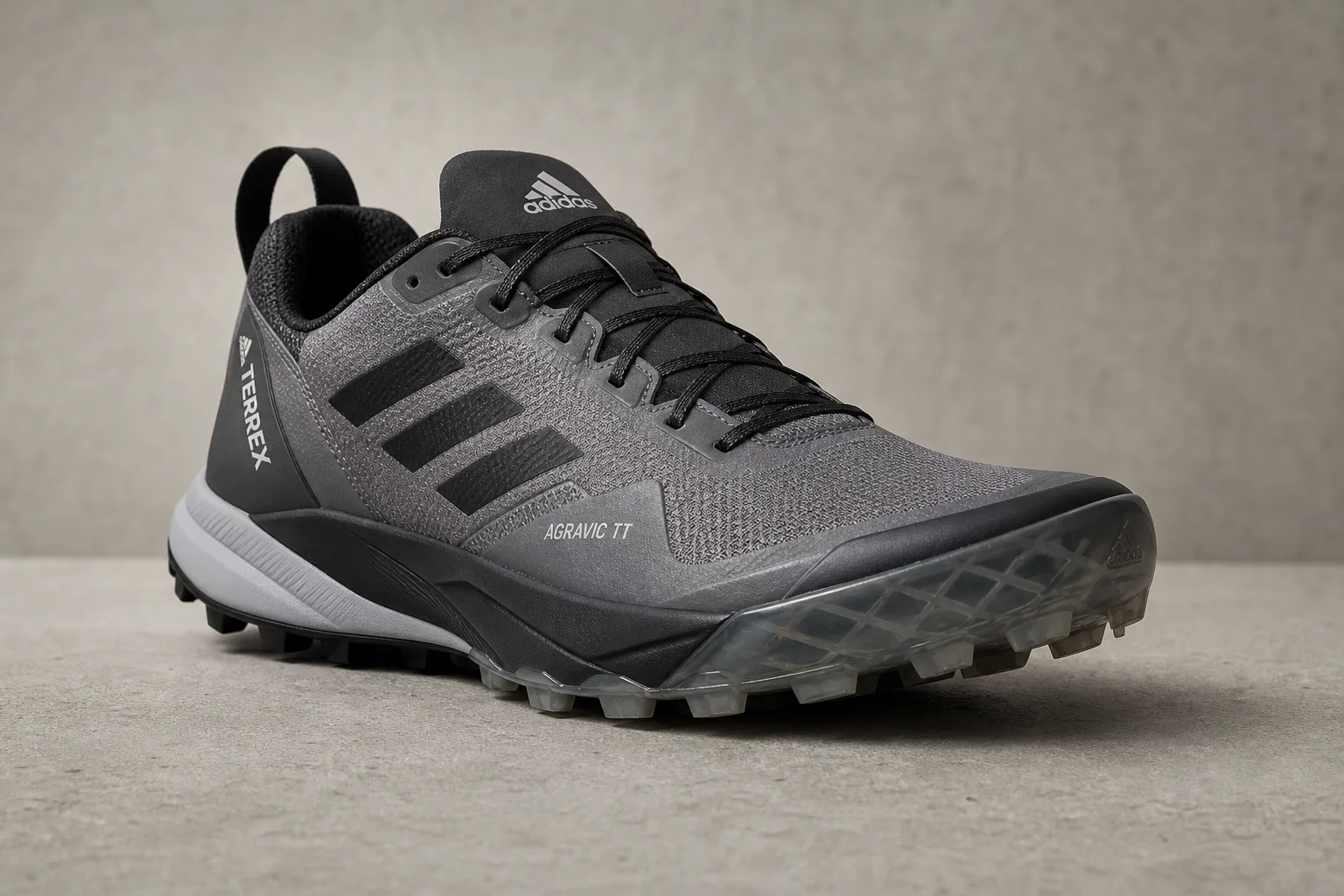
Adidas Terrex Agravic TT Review: A Technical Trail Shoe Built for Rocky Terrain
The Adidas Terrex Agravic TT combines a full-coverage rock plate with a firmer midsole to deliver protection and stability on technical, rocky trails. A capable choice for runners who prioritize underfoot defense over lightweight cushioning.
Trail Running Shoes
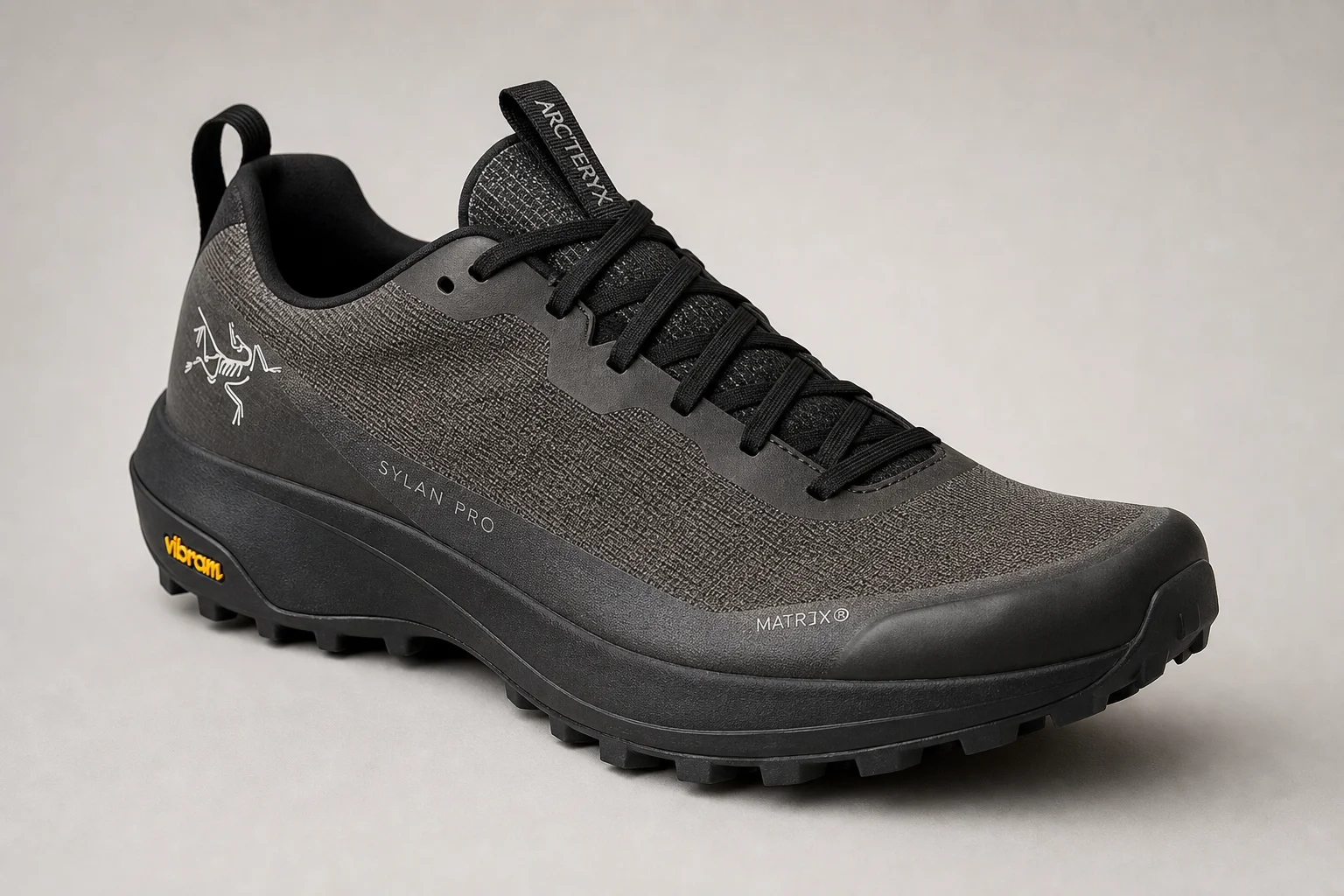
Arc'teryx Sylan Pro Review: A Rocker-Focused Mountain Running Shoe Tested on 20 Miles
The Arc'teryx Sylan Pro brings a pronounced rocker geometry and secure fit to mountain terrain. We tested it on a 20-mile Sawtooth loop to evaluate its climbing efficiency, protection, and handling of technical descents.
Trail Running Shoes
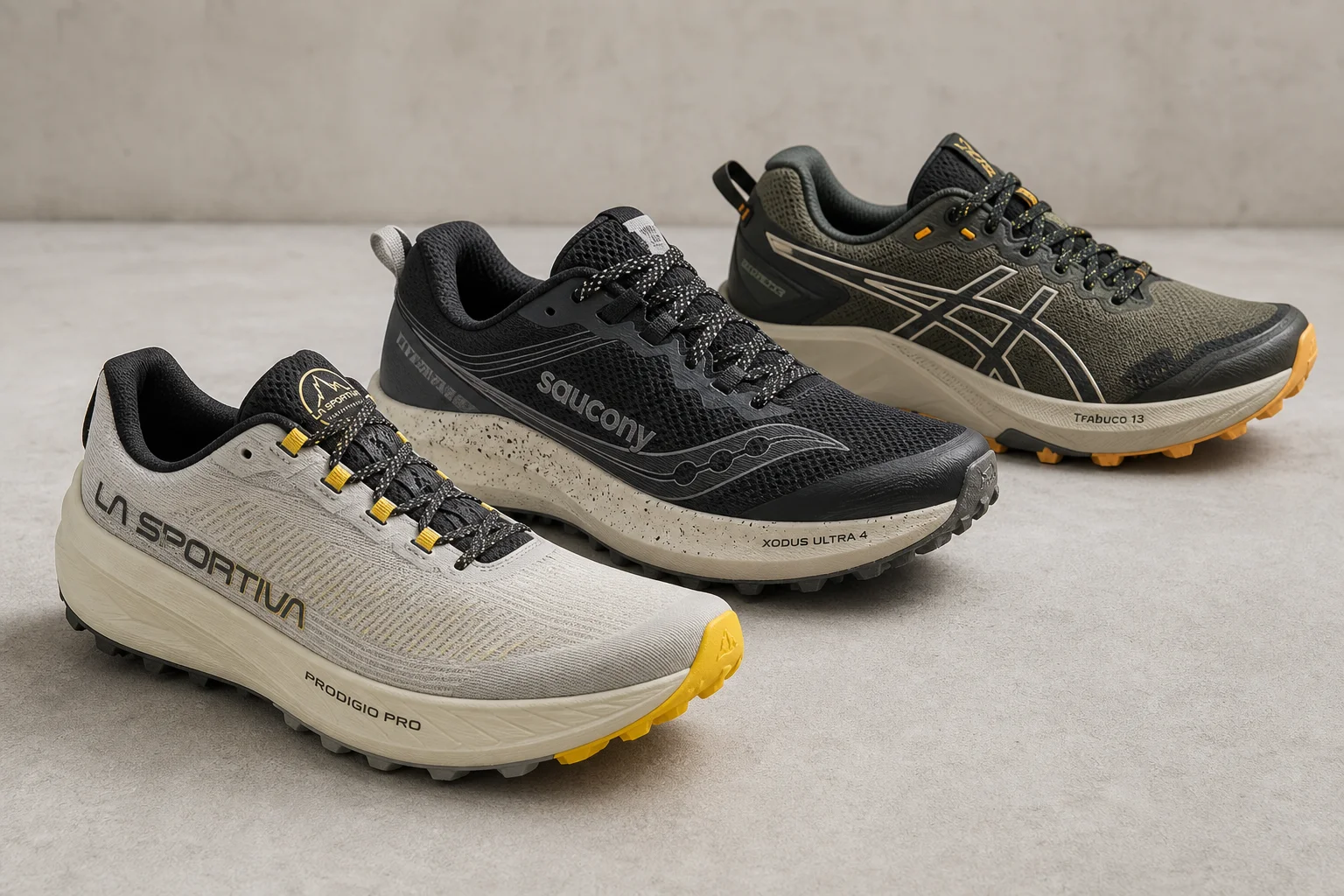
Best All-Mountain Trail Running Shoes: Three Versatile Options for Any Trail
A focused roundup of three all-mountain trail running shoes that handle technical terrain, long distances, and variable conditions with real strengths and practical trade-offs.