Trail Running Shoes
Salomon Ultra Glide 2 Review: A Small Step, Not a Leap
The Ultra Glide 2 keeps the soft, forgiving ride that made the original popular, but a higher price, extra weight, and minimal changes leave room for rivals like the Saucony Ride 15 TR.
Introduction
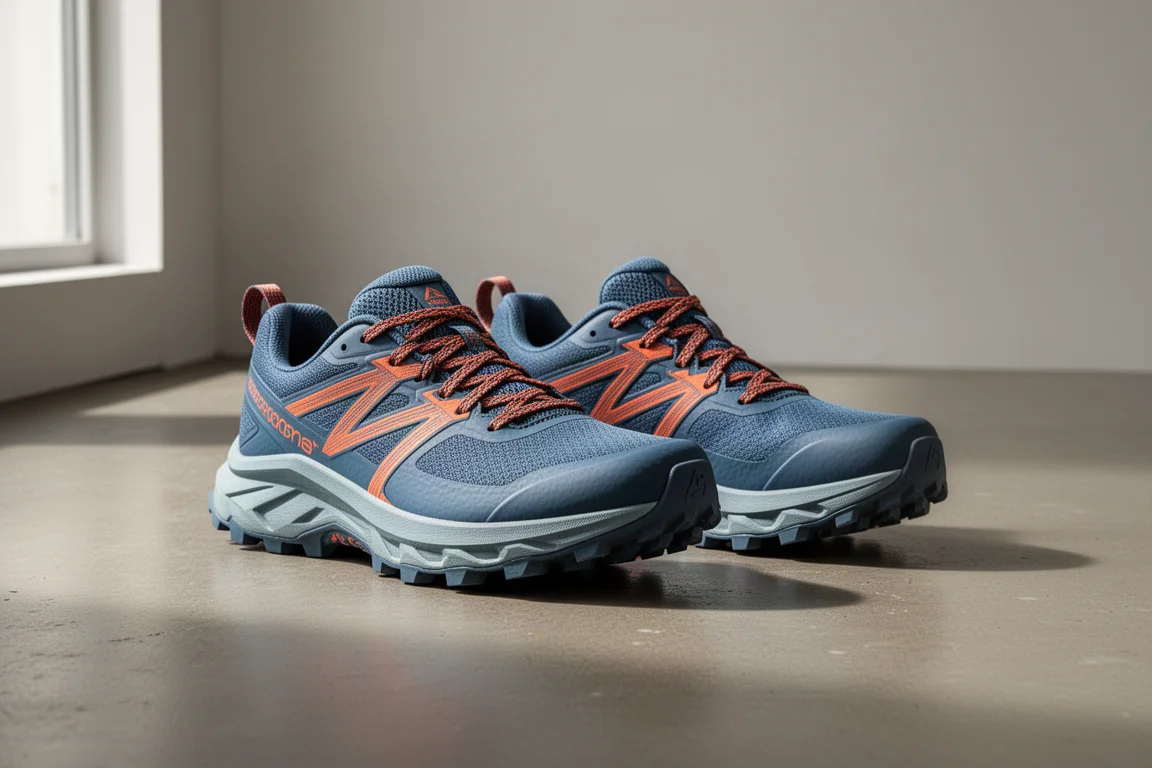
The Salomon Ultra Glide 2 arrives nearly two years after an original that genuinely shook up the trail running scene. The first Ultra Glide stood out because Salomon finally softened up the midsole, offering a more forgiving feel underfoot than the firmer European trail shoes many runners were used to. The sequel keeps that same appeal, but with a higher price, a touch more weight, and changes so subtle you have to look closely to find them. Here is what you need to know before spending your money.
Salomon Ultra Glide 2: What Changed
The headline specs are easy to digest. In a men’s size typical of the test range, the shoe weighs 9.6 ounces, with a 32mm heel and 26mm forefoot stack for a 6mm drop. The price sits at $150, which is reasonable for the category but a step up from the original’s $150 launch and the $140 the first version settled at.
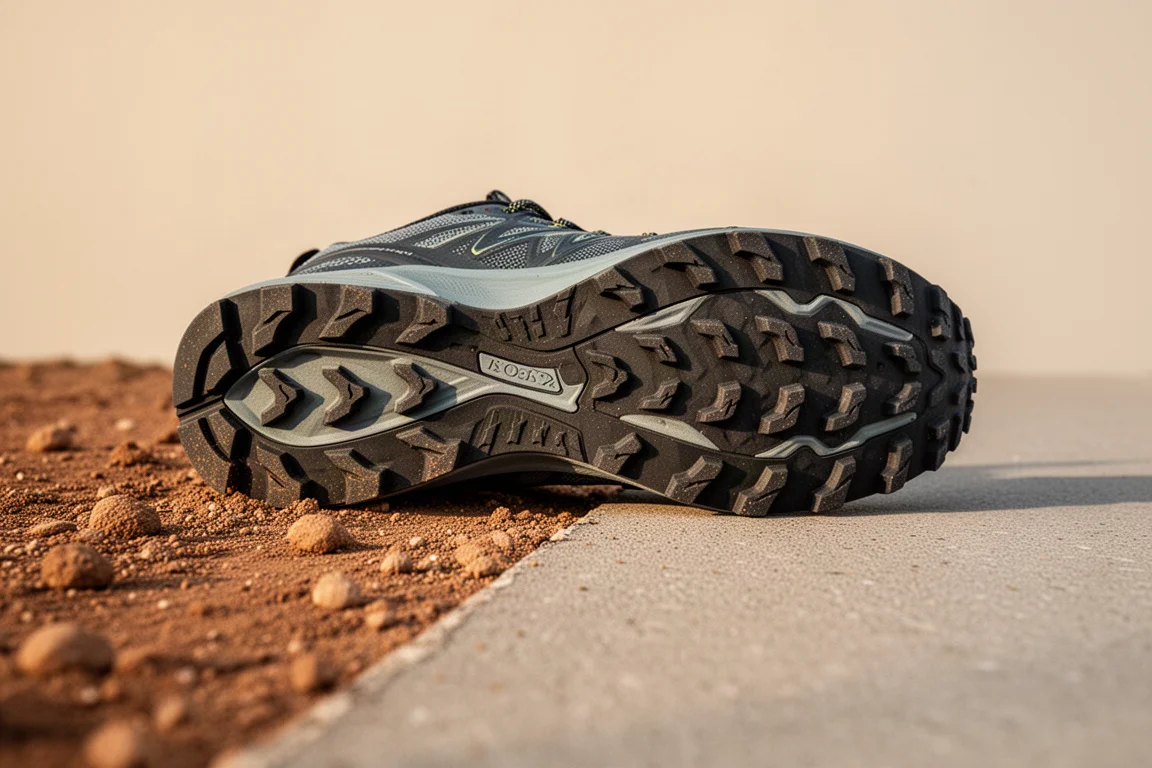
The outsole is not overly aggressive, which makes this very much a commuter-friendly trail shoe. It handles pavement and concrete without complaint and transitions smoothly onto dirt, which is exactly how most runners with mixed routes will use it.

How It Compares to the Ultra Glide 1
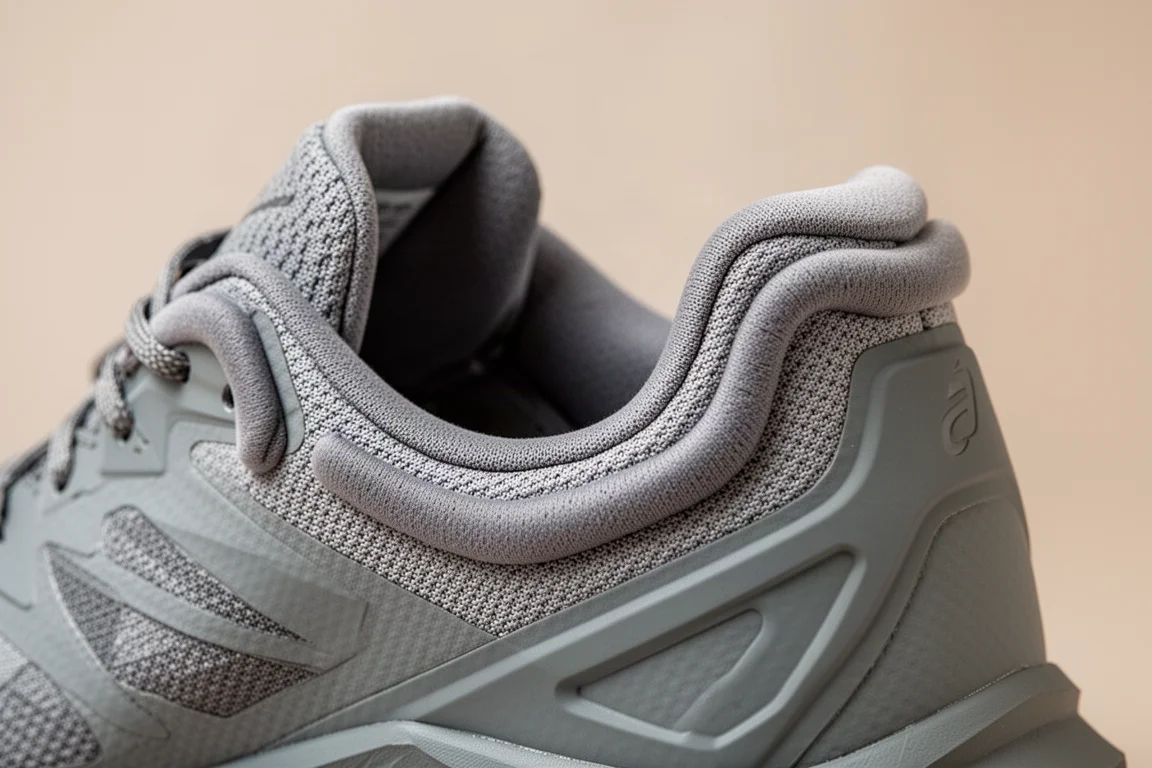
Side by side, the two versions are remarkably similar. The tongue may carry slightly more padding in the second iteration, and the gusset looks essentially the same. The only visible difference is a slight alteration to the heel counter and the inner walls just below the collar.
That is a thin list of updates for a new model, especially when the weight went up a little and the price rose as well. If you can still find the original Ultra Glide in your size, it remains a very sensible buy.
Ride and Cushioning
The core appeal remains the midsole. Measured at roughly 44.5 on a durometer, it is noticeably softer than firmer options in the trail lineup, including a comparison against firmer models scoring in the upper 40s and beyond. That softer, more forgiving under-step feel is what made the original popular, and the second version keeps it intact.
Ride, Outsole, and Everyday Use
On mixed routes of pavement, concrete, and dirt, the shoe does exactly what it promises. The moderate outsole grips well enough for mellow trail use while staying comfortable on hard surfaces. Runners who want an aggressive mountain shoe should look elsewhere, but as a daily door-to-trail trainer it gets the job done.
The Competition: Saucony Ride 15 TR
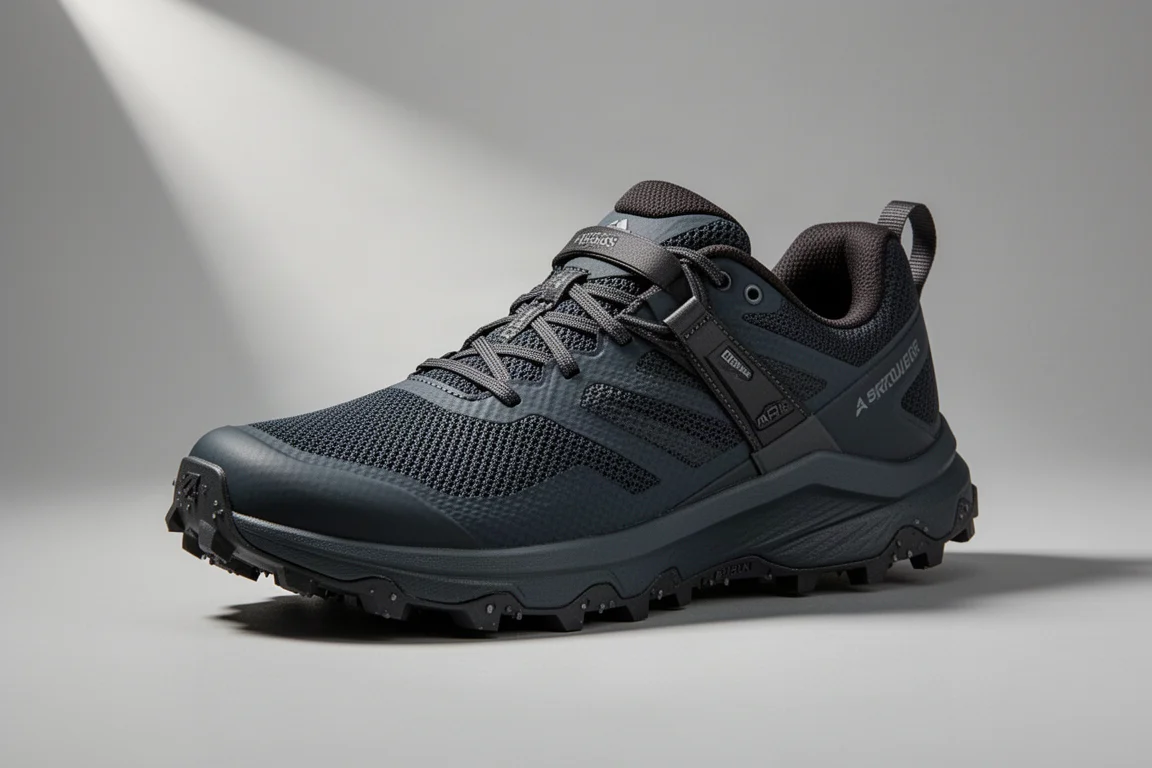
The stronger argument against the Ultra Glide 2 is what other brands are doing. The Saucony Ride 15 TR impressed in testing and represents the kind of innovation happening among brands traditionally known for road running that are now pushing hard into trail. With a near-identical predecessor available and rivals moving forward, standing still is a real drawback for a $150 shoe.
Buying Advice: Which One Should You Get
If you find the Salomon Ultra Glide 1 in your size, buy it. The ride is effectively the same, the weight is lower, and the price is friendlier. The Ultra Glide 2 is still a comfortable, capable trail shoe that most runners will genuinely enjoy, but it does not move the category forward.
For buyers weighing alternatives, the Saucony Ride 15 TR is the standout competitor worth investigating before deciding.

Conclusion
The Salomon Ultra Glide 2 is a good shoe held back by a conservative update. The soft, forgiving midsole carries over intact, the mixed-surface outsole suits commuters well, and the $150 price is fair. But with minimal changes from the original, a slight weight gain, and strong competition from shoes like the Saucony Ride 15 TR, the case for choosing the newer version over the first one is thin. If Salomon wants the third iteration to generate real excitement, it will need to take some genuine steps forward.
Further reading
Related Reviews
Trail Running Shoes
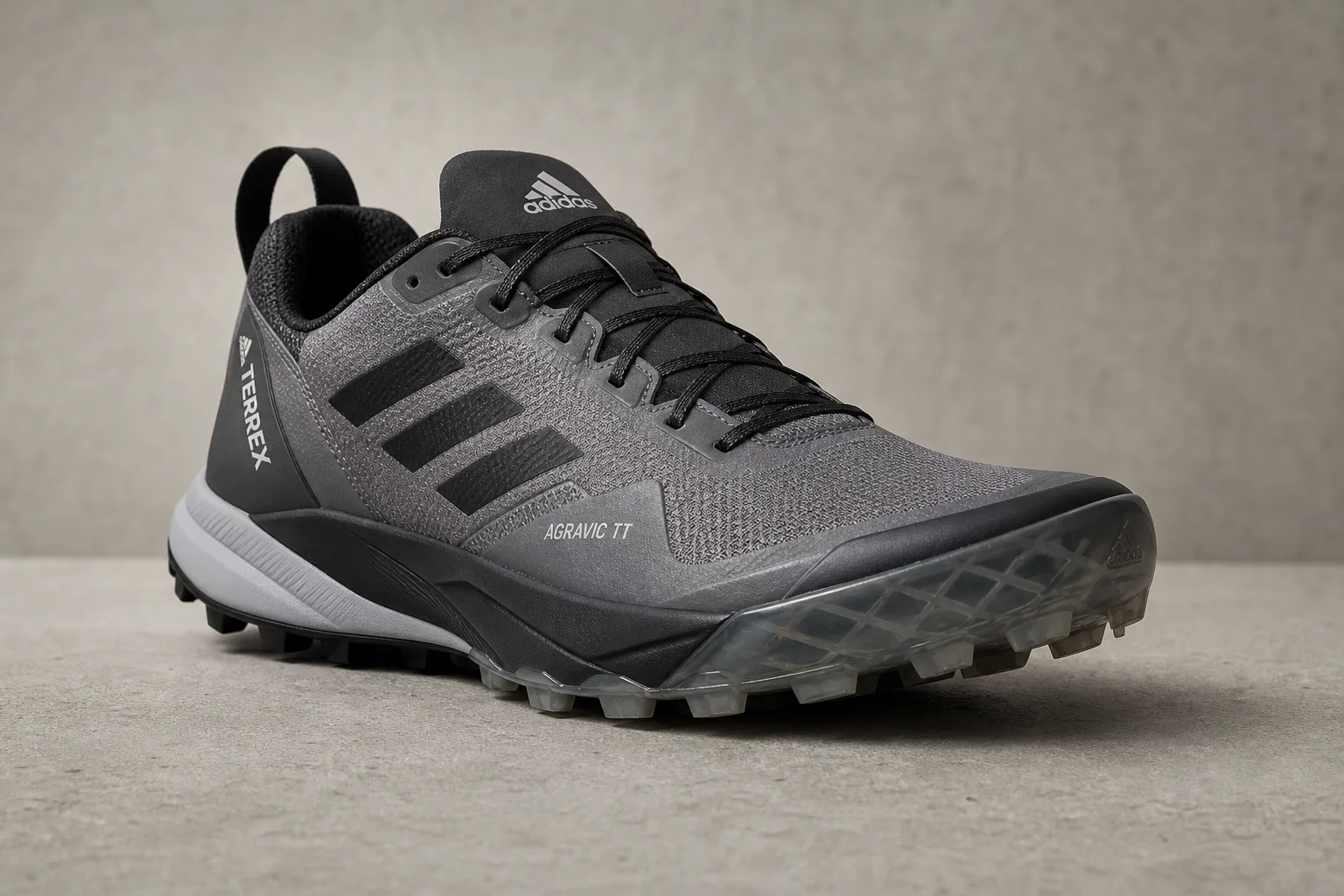
Adidas Terrex Agravic TT Review: A Technical Trail Shoe Built for Rocky Terrain
The Adidas Terrex Agravic TT combines a full-coverage rock plate with a firmer midsole to deliver protection and stability on technical, rocky trails. A capable choice for runners who prioritize underfoot defense over lightweight cushioning.
Trail Running Shoes
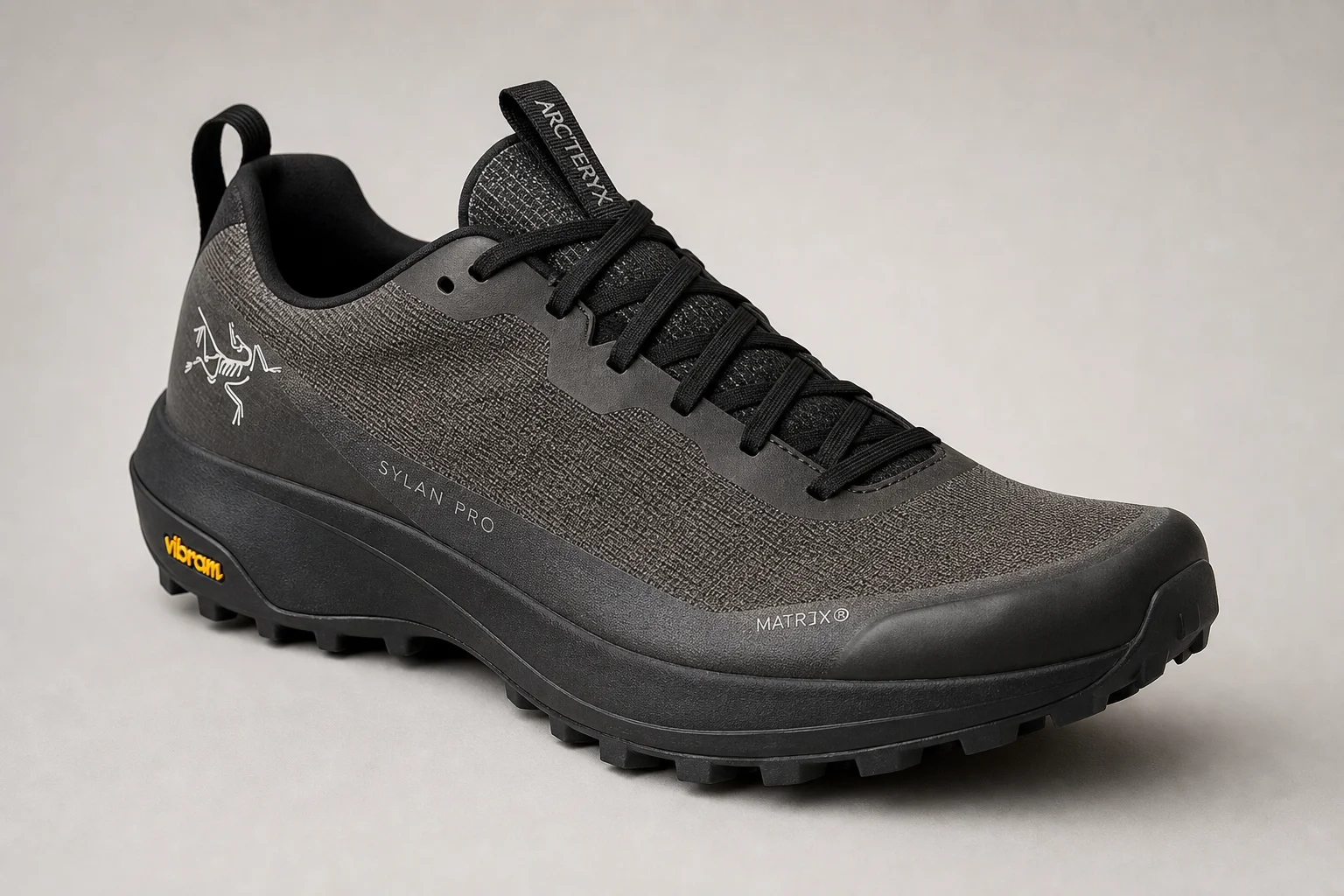
Arc'teryx Sylan Pro Review: A Rocker-Focused Mountain Running Shoe Tested on 20 Miles
The Arc'teryx Sylan Pro brings a pronounced rocker geometry and secure fit to mountain terrain. We tested it on a 20-mile Sawtooth loop to evaluate its climbing efficiency, protection, and handling of technical descents.
Trail Running Shoes
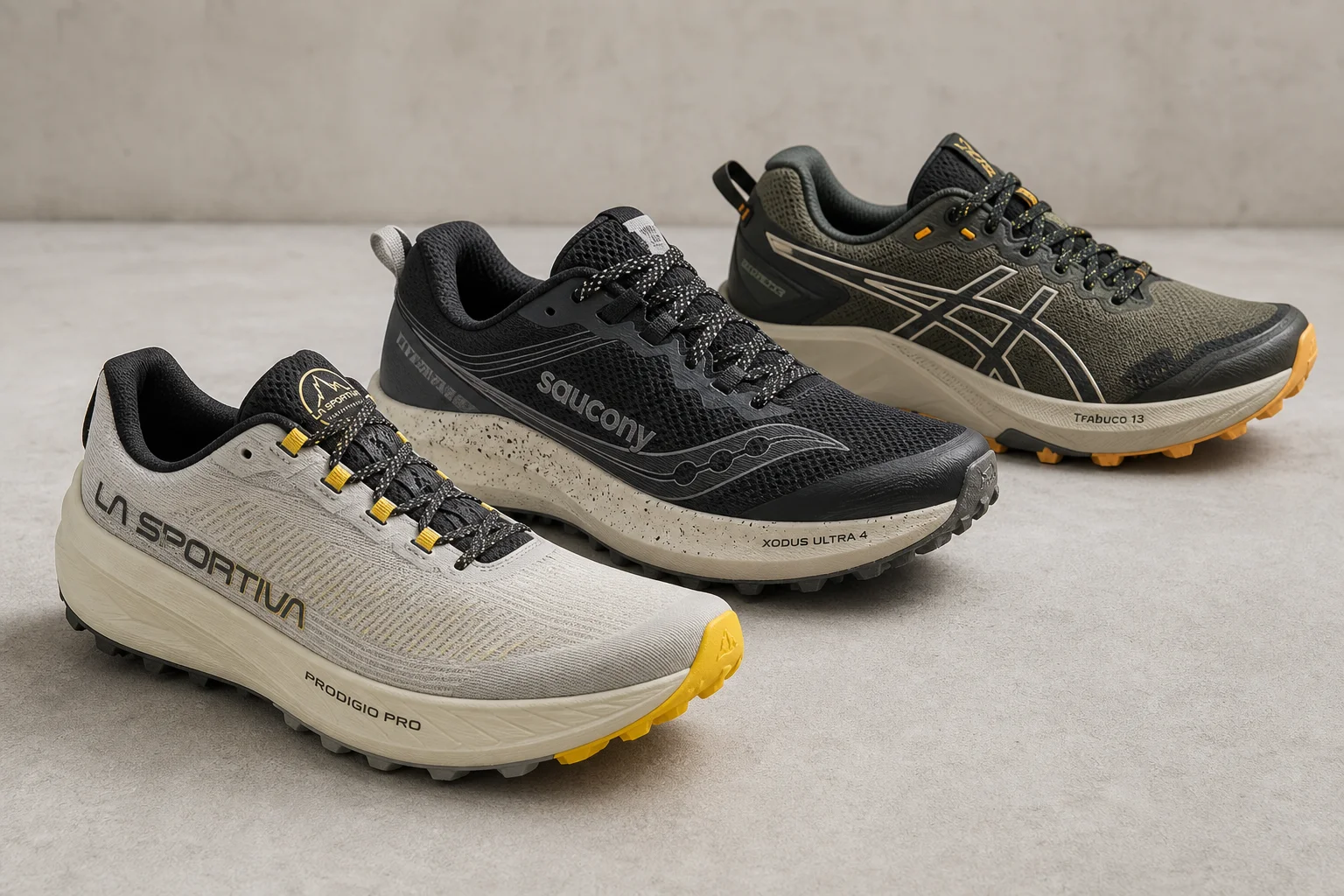
Best All-Mountain Trail Running Shoes: Three Versatile Options for Any Trail
A focused roundup of three all-mountain trail running shoes that handle technical terrain, long distances, and variable conditions with real strengths and practical trade-offs.