Trail Running Shoes
Salomon Trail Running Shoes: Four Spring Releases for Every Kind of Trail Runner
From an all-round daily trainer to a max-cushion ultra shoe, Salomon's spring trail lineup builds a proper quiver with updated Energy Foam across the range.
Introduction
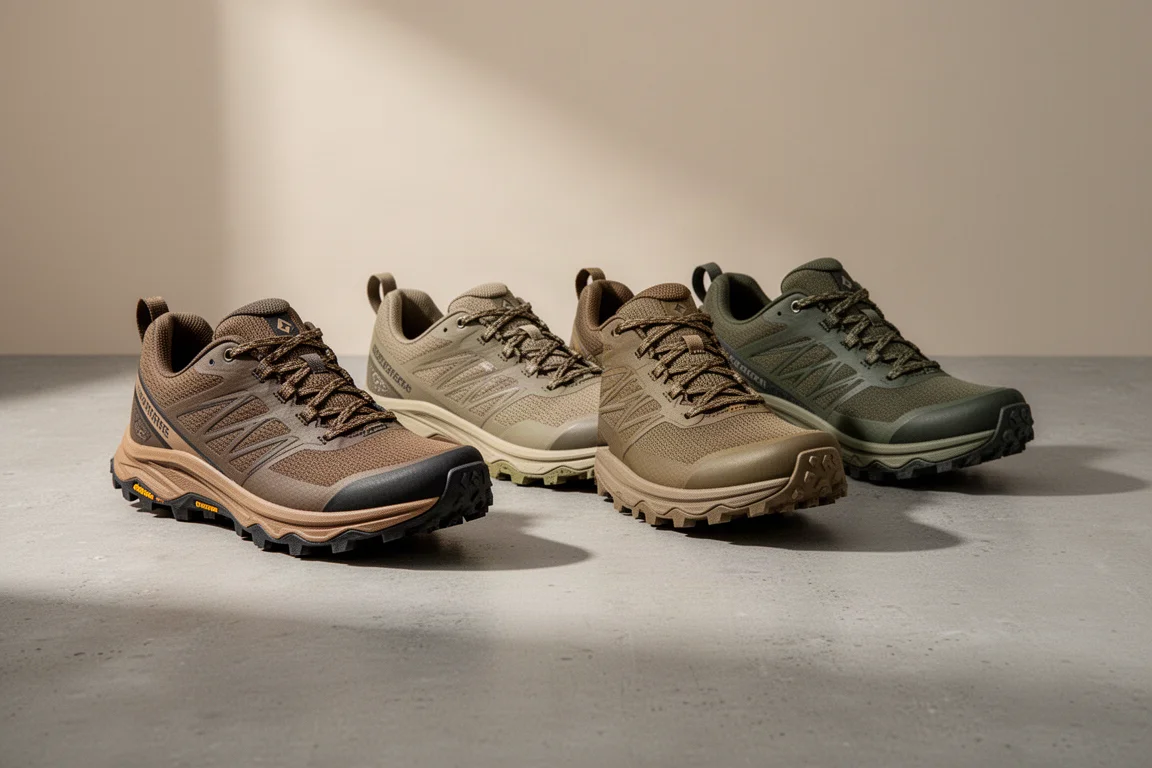
Salomon’s spring trail lineup is built around a clear idea: one shoe for a specific type of terrain or a specific type of runner, rather than one shoe trying to do everything. The result is a genuine quiver of four models, all sharing updated Energy Foam midsoles, a similar unisex color palette, and distinct roles, from everyday door-to-trail duty to max-cushion ultra distance.
Here is how the four shoes break down, along with pricing and who each one is really for.
Salomon Sense Ride 5: The Go-To All-Rounder
The Sense Ride 5 gets its biggest change in the midsole. Salomon moves away from the previous Optivibe material and adopts Energy Foam, the same 45C durometer foam found in the Pulsar Trail. That translates to a ride that is soft and cushy but also responsive with strong rebound, making it a genuinely pleasant daily ride.
Everything else that people loved about the previous versions stays put: the same last, the same outsole geometry, the same drop, and the same stack height. The outsole lug geometry is tweaked slightly through the middle, while the rubber compound remains unchanged. If it isn’t broke, don’t fix it.
At $130, this is the shoe for a first trail shoe or a dependable all-rounder that goes from your front door to the trailhead and back.

Salomon Pulsar Trail Pro 2: Built for Faster Runs
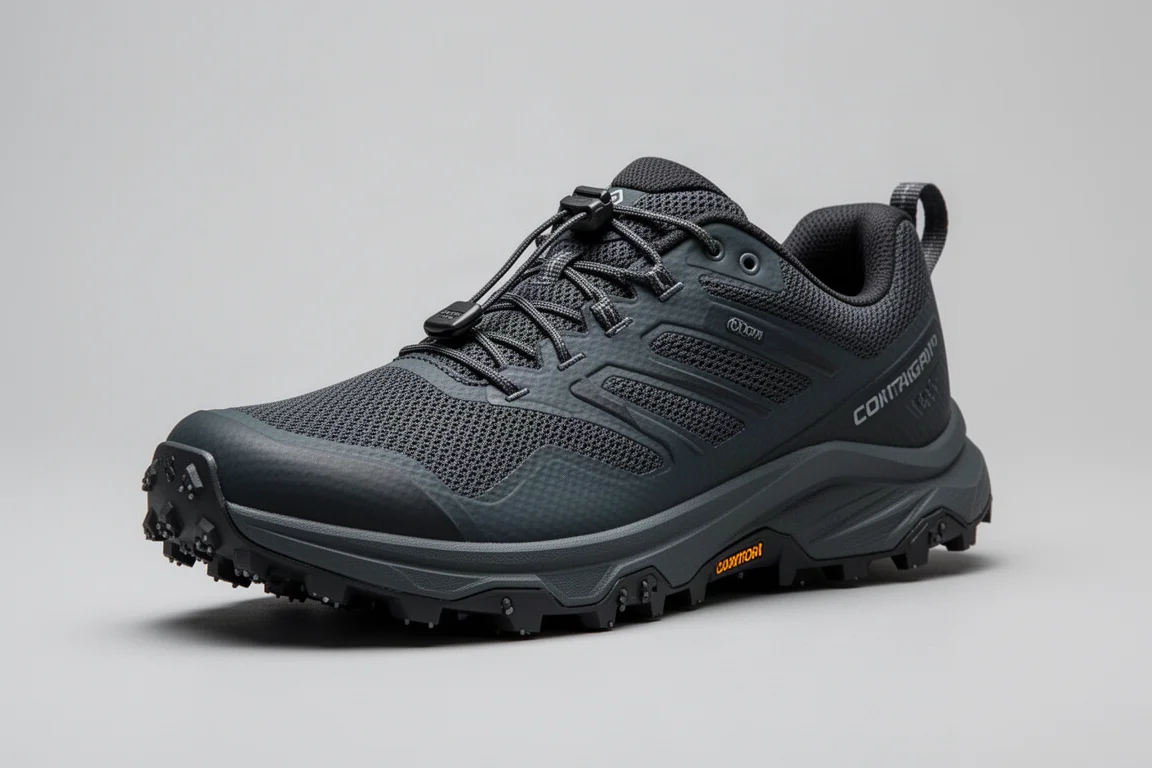
The Pulsar Trail Pro 2 sits in Salomon’s faster pillar. The main update is at the heel collar, where added reinforcement brings a bit more stability, addressing the heel issue that stood out in the previous version. The mesh, the Energy Foam midsole, and the Energy Blade plate all carry over.
The plate here is not a single flat piece but more of a prong design, which keeps flexibility in the right areas while adding propulsion. It also acts as an excellent ground filter. Compared to the Sense Ride 5, it has more of a rocker shape and feels generally faster and slimmer.
Priced at $160, it suits faster runs and can even handle technical terrain if you are confident on it.

Salomon Ultra Glide 2: Cushion for the Long Haul
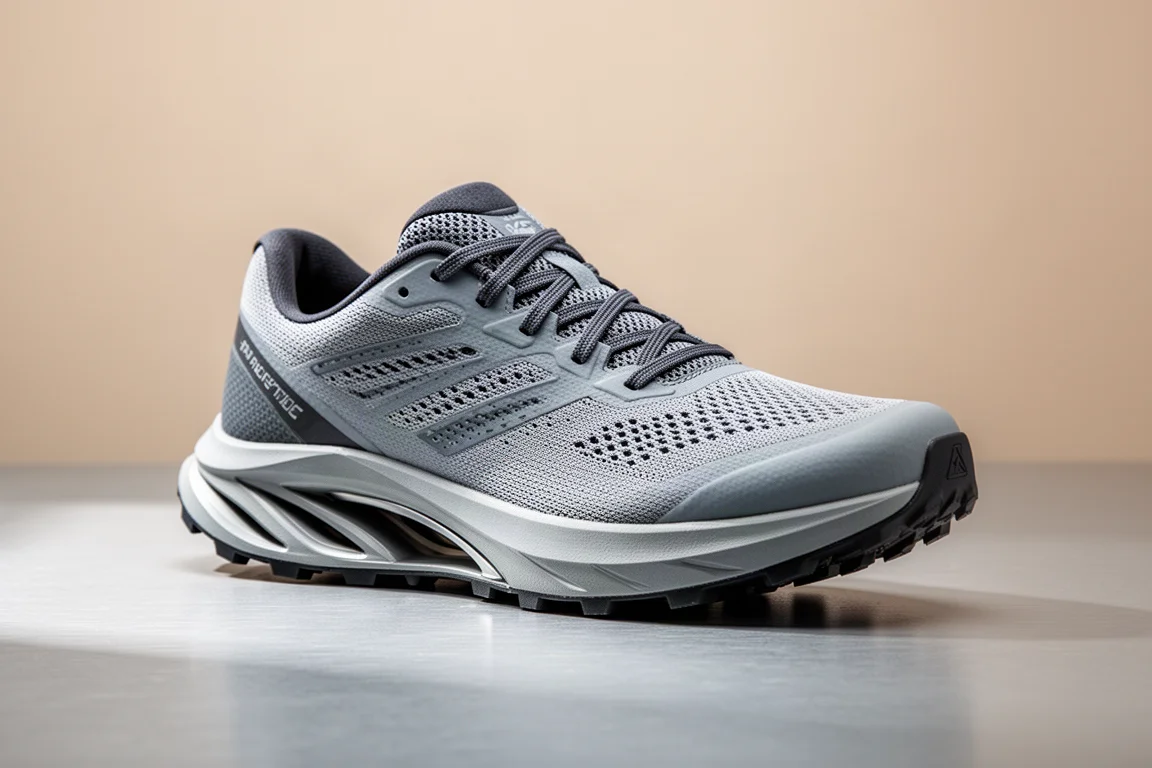
The original Ultra Glide launched in 2021 as Salomon’s first real step into the high-stack ultra distance shoe, with a wider fit than the Sense Ride, and it was a huge success, especially in the US. The sequel keeps the midsole, outsole, and last exactly the same, because that combination is what worked.
The changes are focused up top. Salomon adds more TPU protection over the forefoot, reinforces the welded overlays, and shortens and reduces the size of the wing elements for a cleaner look. A Gore-Tex version arrives for spring for runners who want waterproofing.
At $140, it is pitched as an ultra distance shoe but doubles as an excellent softer-feeling daily trainer, bouncy rather than sinking in, and perfectly capable of road-to-trail duty.

Salomon Glide Max Trail: Max Stack, Traditional Laces
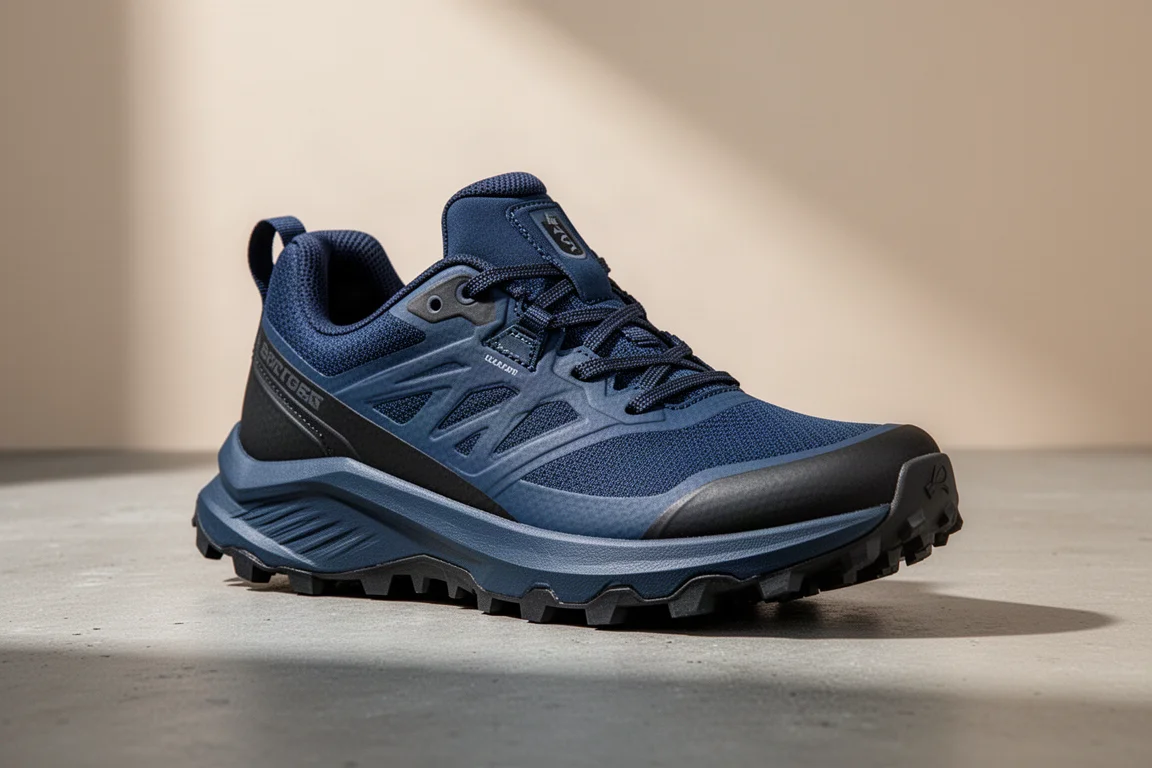
The Glide Max Trail is the new arrival, built on a really high stack with a 6mm drop. It uses the same upper fit as the Ultra Glide, but the defining difference is traditional laces instead of Salomon’s signature Quicklace system. That choice is deliberate: not everybody loves quick laces, and traditional laces should pull in a different kind of customer.
Energy Foam carries across again, keeping the ride comfortable over long distances. At $150, it works as a long-distance training shoe, and it can even serve as a race day shoe if you want it to.
Which One Should You Buy?
Pick the Sense Ride 5 if you want a versatile all-rounder or your first trail shoe. Choose the Pulsar Trail Pro 2 if speed is the priority. Go for the Ultra Glide 2 if you run long or prefer a softer, wider fit with a waterproof option available. And if you want maximum cushion with the familiarity of traditional laces, the Glide Max Trail is the one.
One nice touch: all four shoes share a cohesive unisex color palette for the season, so the lineup reads as a family rather than four unrelated models.
Conclusion
Salomon’s spring trail range is a well-differentiated quiver. Each shoe has a clear job, updated Energy Foam ties the family together, and the pricing, from $130 to $160, offers solid value across the board. Match the shoe to your terrain and distance, and there is very likely a model here that fits.
Further reading
Related Reviews
Trail Running Shoes
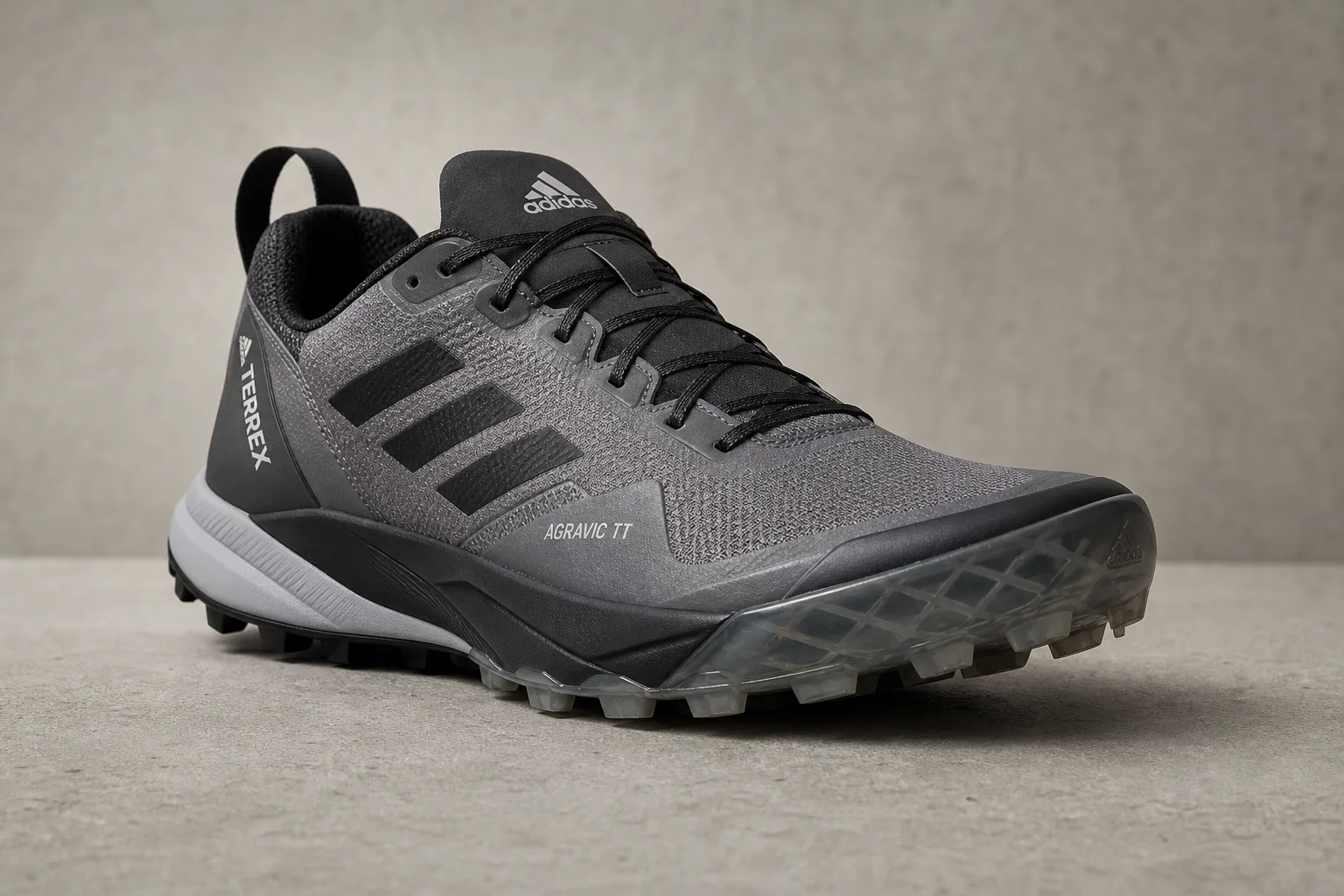
Adidas Terrex Agravic TT Review: A Technical Trail Shoe Built for Rocky Terrain
The Adidas Terrex Agravic TT combines a full-coverage rock plate with a firmer midsole to deliver protection and stability on technical, rocky trails. A capable choice for runners who prioritize underfoot defense over lightweight cushioning.
Trail Running Shoes
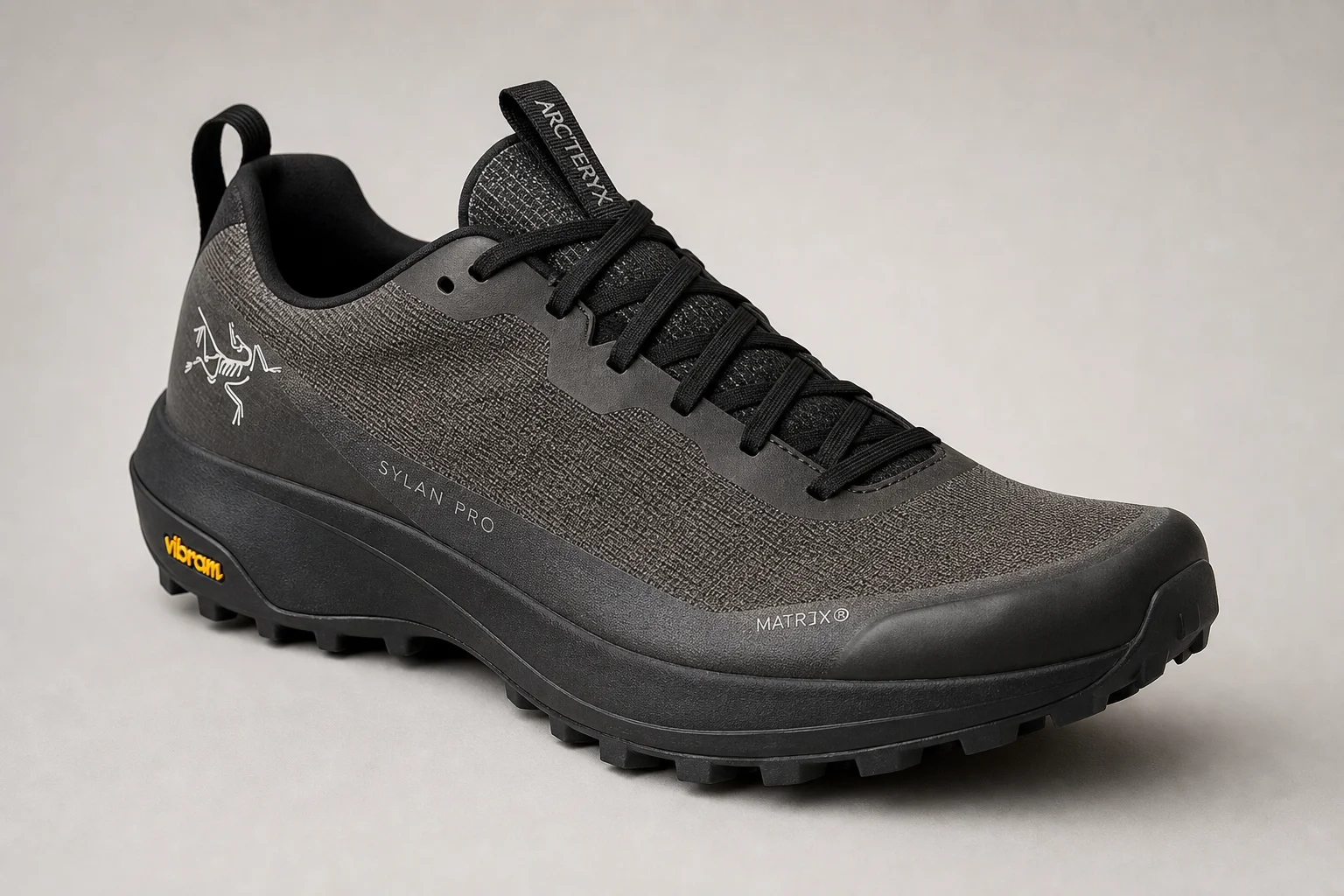
Arc'teryx Sylan Pro Review: A Rocker-Focused Mountain Running Shoe Tested on 20 Miles
The Arc'teryx Sylan Pro brings a pronounced rocker geometry and secure fit to mountain terrain. We tested it on a 20-mile Sawtooth loop to evaluate its climbing efficiency, protection, and handling of technical descents.
Trail Running Shoes
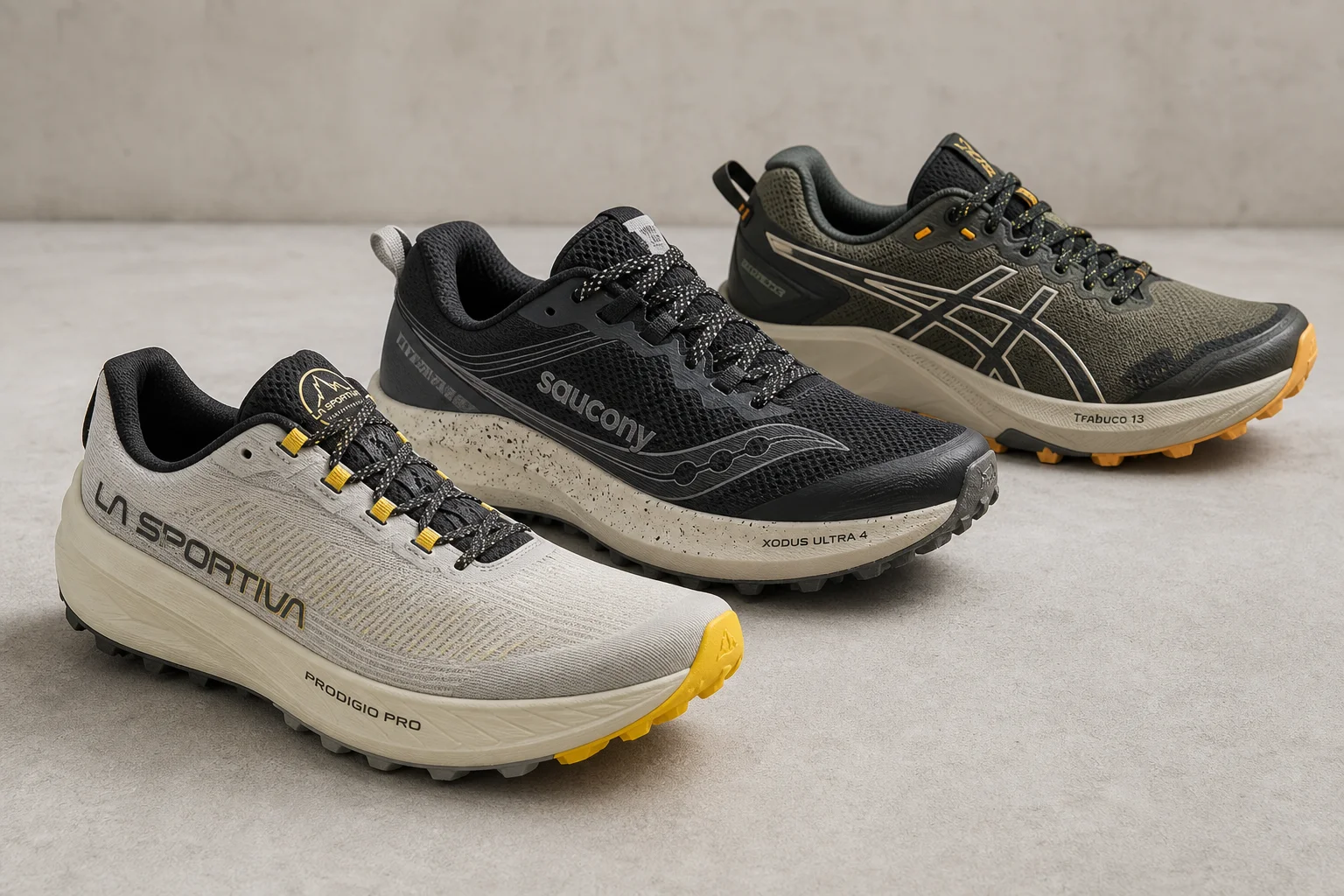
Best All-Mountain Trail Running Shoes: Three Versatile Options for Any Trail
A focused roundup of three all-mountain trail running shoes that handle technical terrain, long distances, and variable conditions with real strengths and practical trade-offs.