Running Shoes
Salomon 2026 Preview: Five Trail and Gravel Running Shoes Worth Watching
A closer look at Salomon's upcoming 2026 lineup, from new gravel-oriented Aero trainers to the updated Genesis 2 and S-Lab Ultra Glide 2.
Introduction
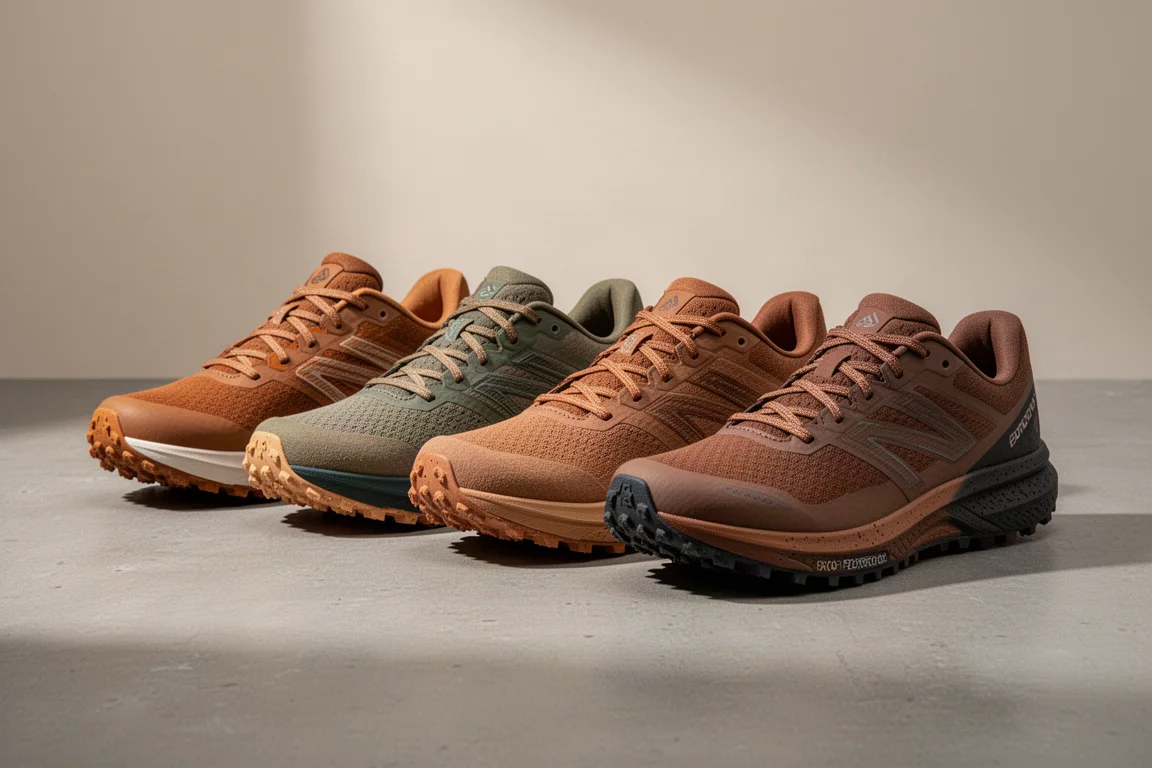
Salomon is heading into 2026 with one of its most extensive running shoe rollouts in recent memory, and the theme is clear: meet runners on more surfaces, more distances, and more conditions. The lineup covered here includes two new gravel-specific takes on the Aero Glide and Aero Blaze, a refreshed S-Lab Ultra Glide 2 for ultra distances, the Ultra Glide 4 as its more cushioned companion, and the Genesis 2, the update to one of Salomon’s most popular trail shoes. Here is how each one fits into the picture.
The Gravel Push: Two New Aero Shoes for Mixed Surfaces
Gravel is a major focus for Salomon in 2026, and the brand is introducing two shoes aimed squarely at it: the Aero Glide Gravel and the Aero Blaze Gravel. Both are renewals of the 2025 road versions, keeping the same midsole, stack, drop, and foam compounds runners already rated highly. The changes are exactly where you would want them: updated uppers and gravel-oriented outsoles built on Salomon’s Contact rubber compound, with lug geometries inspired by gravel bike tires. The center lugs support stable push-off while the outer edges grip dirt and mud, bringing the road-like ride feel onto dirt roads without adding much extra underfoot.

For runners who regularly mix pavement, gravel roads, and easy trail, this middle ground makes genuine sense. The specs match the road versions, so the gravel editions essentially add traction and a more rugged upper to shoes many runners were already taking off-road.
Salomon Aero Glide Gravel
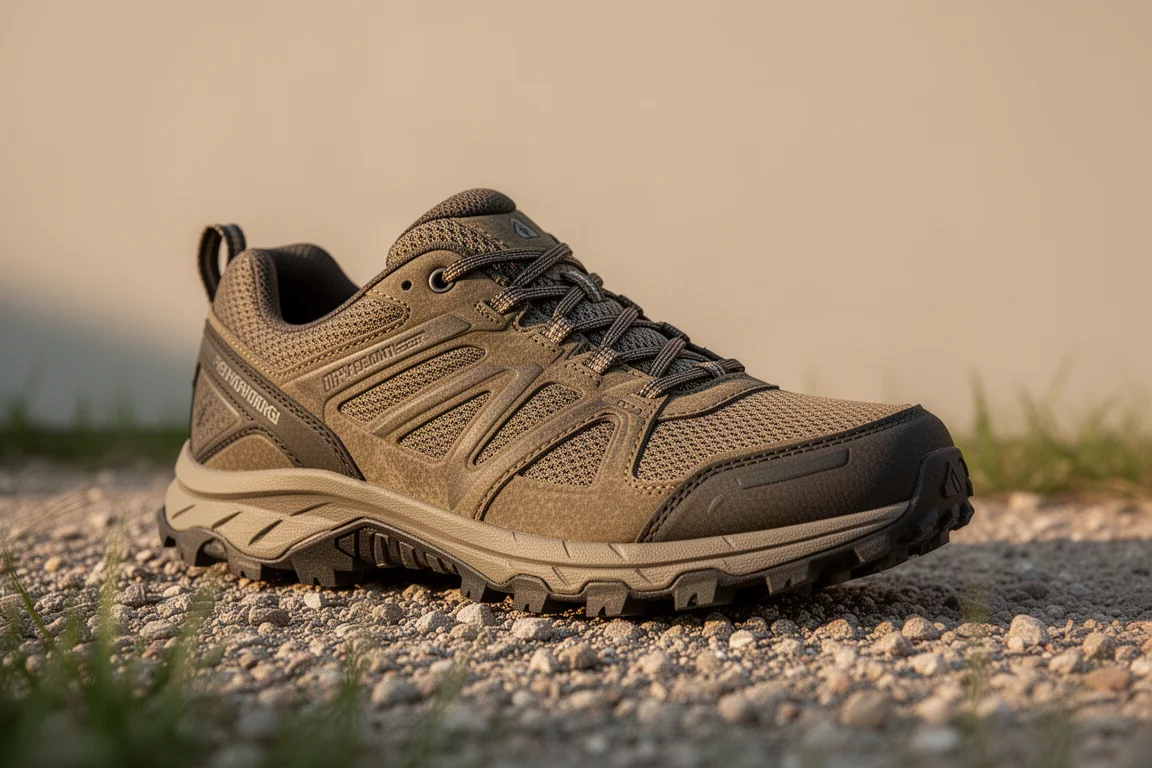
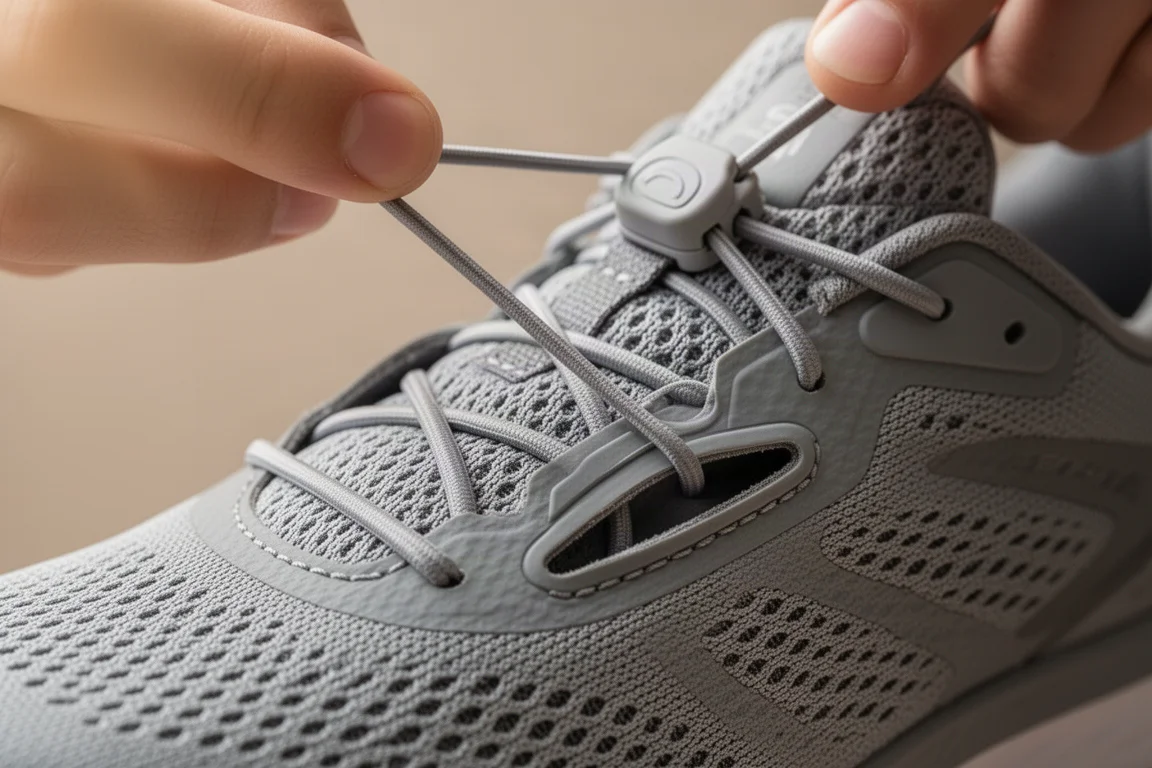
The Aero Glide Gravel sits in the daily trainer family and leans toward comfort. It is built for everyday, easy, comfortable runs where cushioning and dynamic bounce matter most. The foam is intentionally bouncy, pairing protection with a lively ride rather than a purely soft one. The upper gets a softer vamp and a new gravel-specific quick-lace system called Quick Lace Neo, designed with more stretch and flexibility than the stiffer trail version. It can be tightened one-handed and stows in an open pocket on the vamp, leaving the forefoot more flexible for comfort while keeping durable, breathable material panels for dusty or gritty conditions. If your gravel miles skew long and easy, this is the one of the two that fits that rhythm best.
Salomon Aero Blaze Gravel
The Aero Blaze Gravel shares the same platform but plays a different role. It sits closer to the ground and suits runners who want to mix in tempos or a bit of fast play on dirt roads, with a ride that leans more bouncy and responsive. The upper follows a similar design approach but with a more secure, closer fit around the foot, plus small protection details and reflective elements for low-light runs between dawn and dusk. Its quick-lace system tucks under an elastic band rather than into an open pocket, a small design difference that makes it a bit more versatile. If the Aero Glide is your easy-day shoe, the Blaze is the one for picking up the pace on mixed surfaces.
Salomon S-Lab Ultra Glide 2
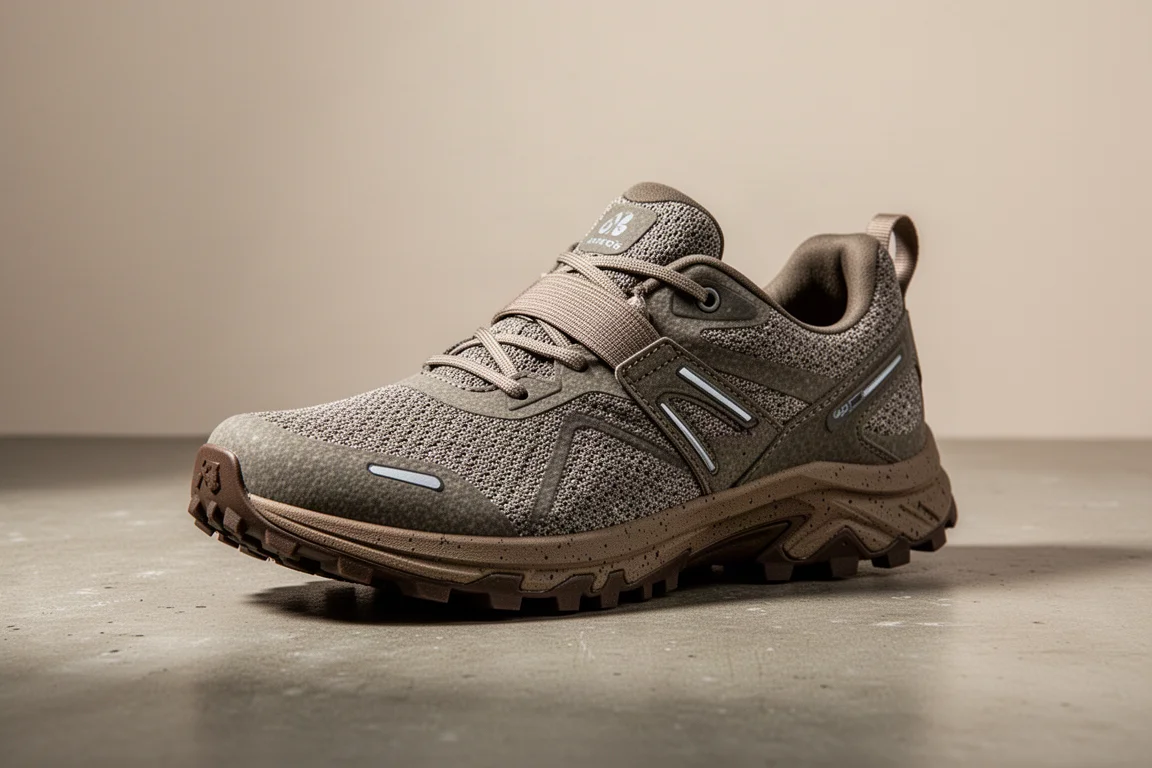
The S-Lab Ultra Glide 2 is the second version of a shoe that already works, and Salomon has been deliberate about what it kept. The bottom unit is unchanged: a very high stack of 41 mm in the heel and 35 mm in the forefoot, one of the tallest on the market, built around Relief Sphere technology, which uses a sphere pattern in the midsole to remove pressure points under the foot. The core is OptiVibe Plus, a PEBA super foam, framed by standard OptiVibe foam that carries stability and structure.
What is new is the upper, now made from Matrix micro, the lightest version of the material, which is lightweight, durable, breathable, and does not hold water, so wet conditions do not add carried weight. The new bootie construction focuses on fit, with a redesigned heel pattern addressing comfort complaints from earlier versions, plus a gusset to keep small rocks and debris out, the kind of small irritation that becomes a big pain over ultra distances. Weight drops to around 10.2 oz with the new upper. This is an ultra-distance shoe through and through, with a ride that holds up for the runners thinking about very long days out.
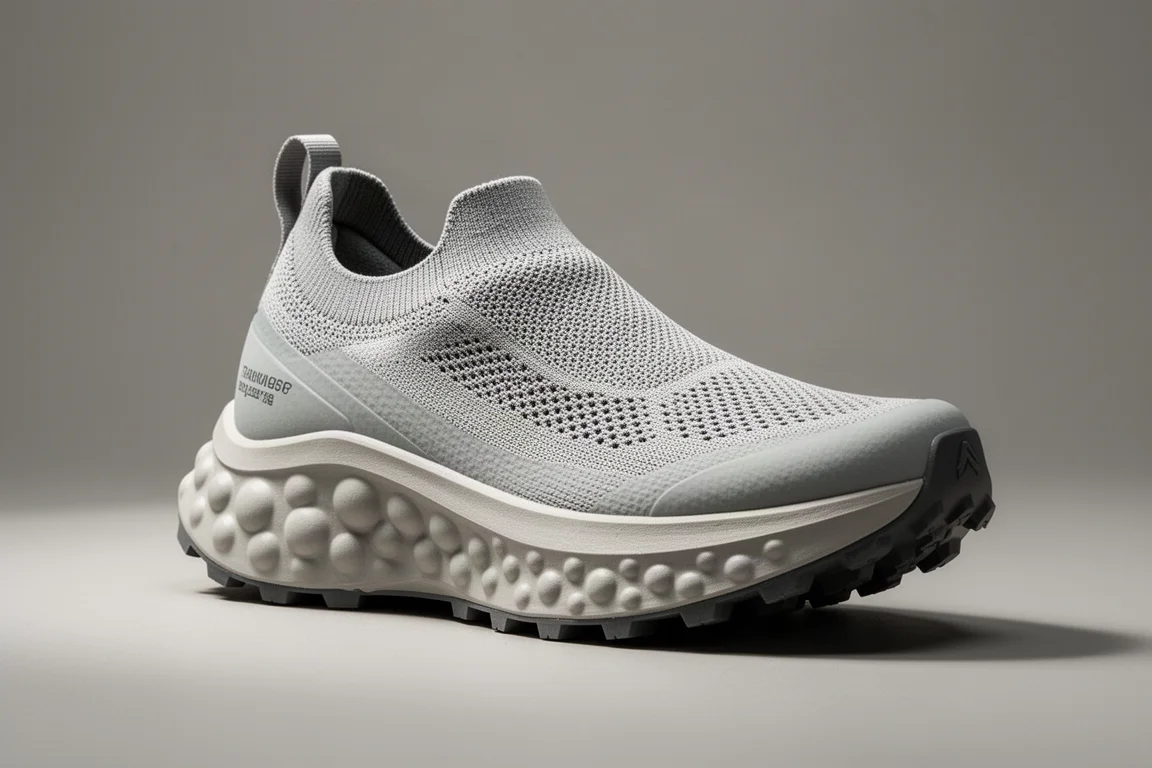
Salomon Ultra Glide 4
The Ultra Glide 4 is the little sister of the S-Lab version and is finally coming to the US after version three never made it there. It uses the same bottom unit as the three, with the same Relief Sphere technology but a different foam package built on OptiVibe rather than the S-Lab’s PEBA super foam. The stack is identical to the S-Lab version; the difference is the foam and the feel. This shoe adds more padding and comfort around the foot, and its upper uses a lightweight, breathable, durable fabric aimed at going the distance in warm conditions. Salomon positions it as the more comfortable, adventure-oriented option, while the S-Lab is the race-ready model. If you want the same geometry with a bit more cushioning around your foot, this is the one.
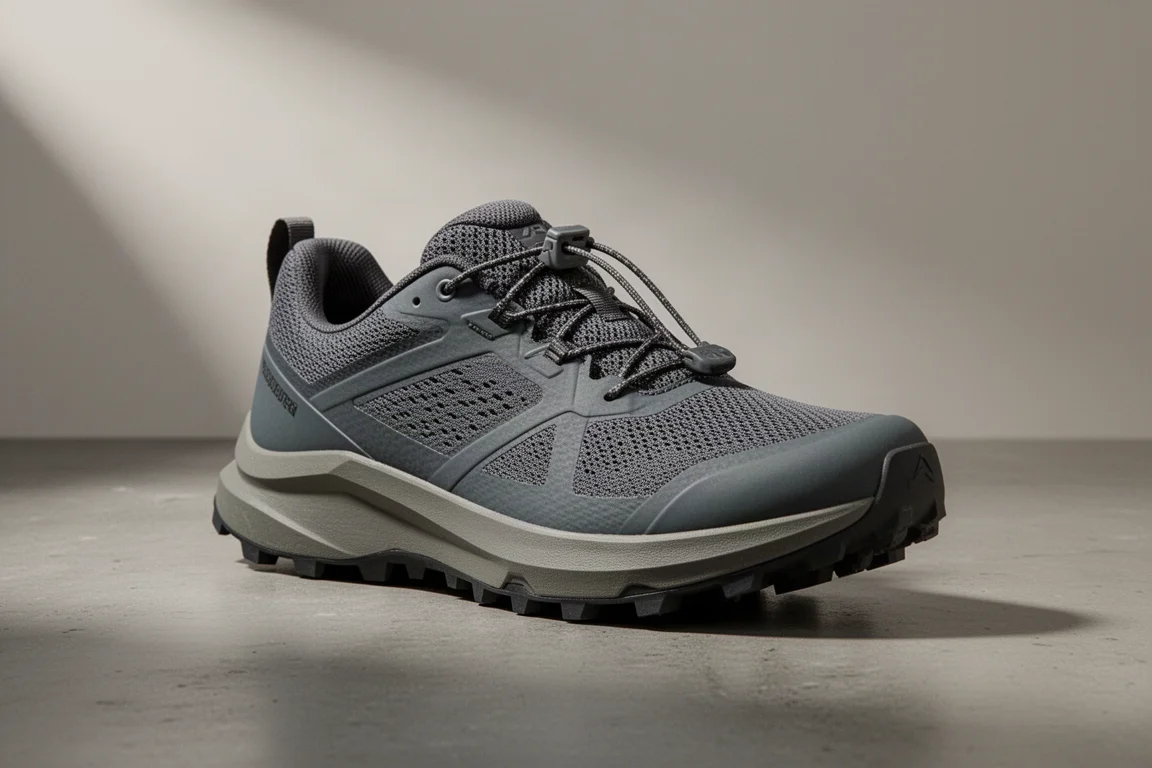
Salomon Genesis 2
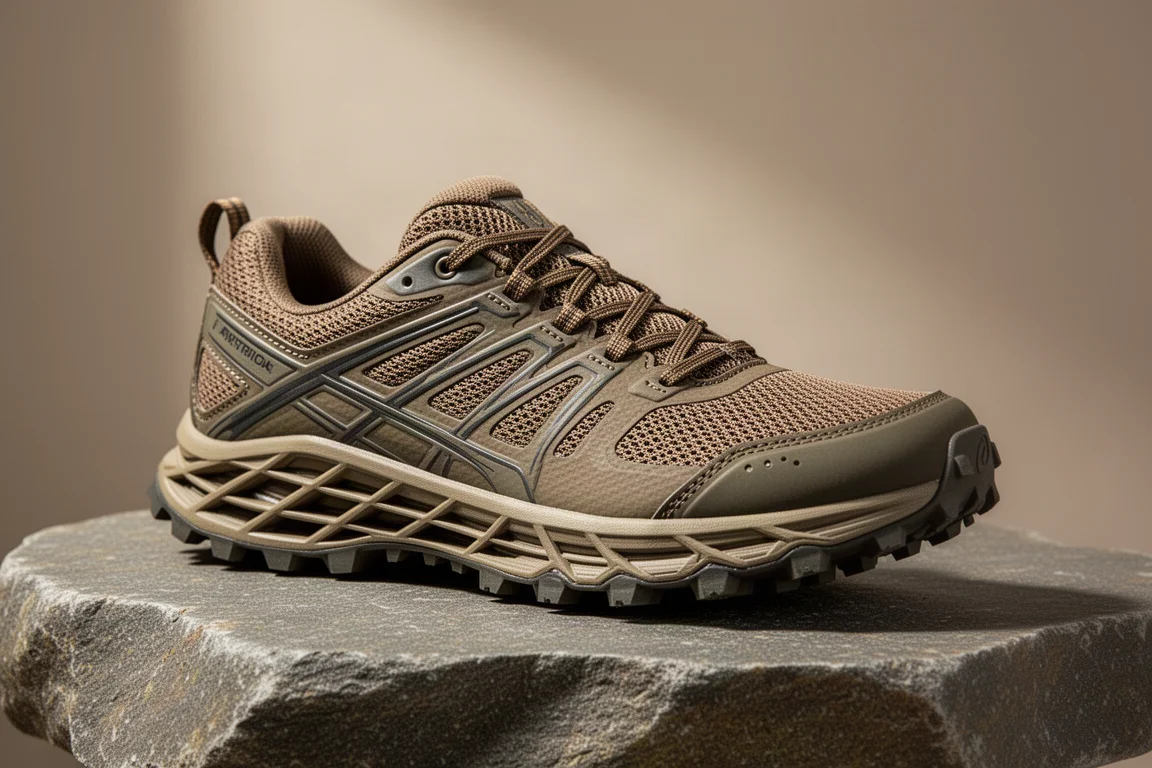
The Genesis 2 updates what has become an icon for Salomon trail running, and in the US it was among the most popular Salomon shoes of recent years. It is the brand’s best companion for technical trails and rugged, unpredictable conditions, and Salomon frames it around the conditions you will face rather than a fixed distance: some runners take it over 20 to 30 mile technical courses, others into 50-mile and 100k territory.
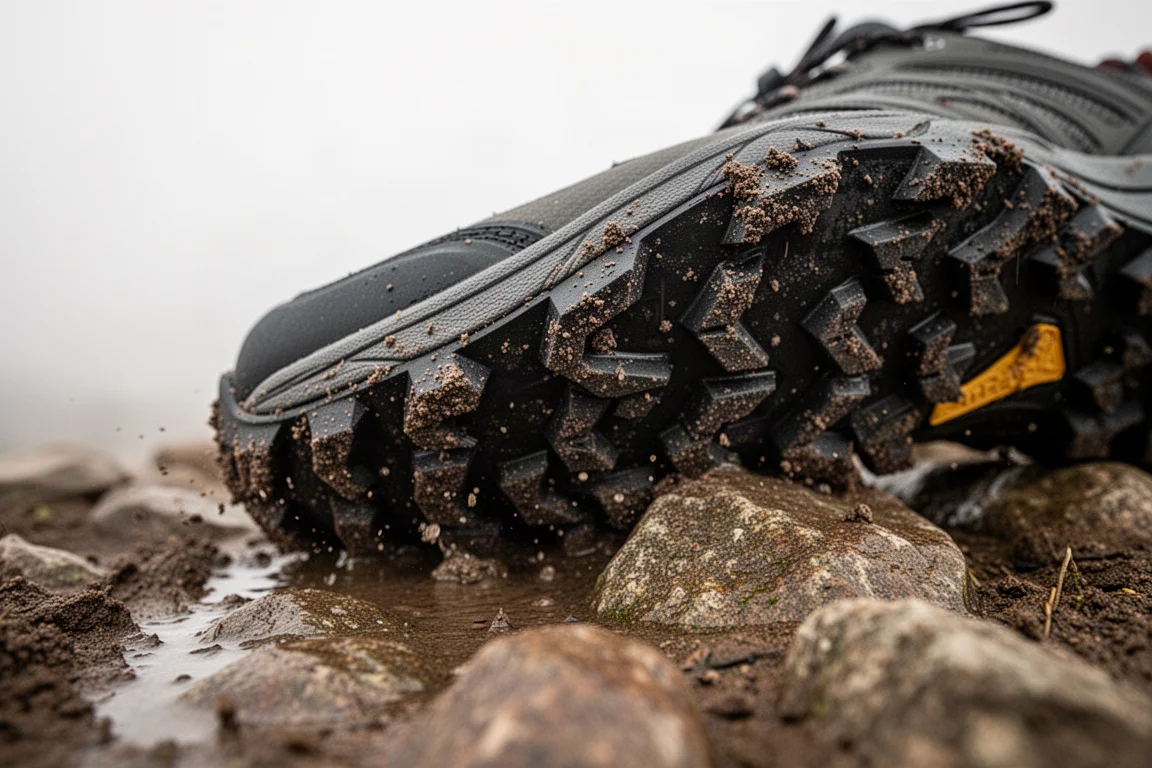
The outsole features heftier lugs than many past Salomon shoes, with carefully engineered lug edges and positioning designed to claw into mud and release it cleanly, optimized so the grip does not hide unnecessary weight. The signature chassis is now more integrated, redesigned from a side patch into a grid that guides and supports the foot on rocky, unstable terrain. The Matrix upper continues to evolve lighter, more durable, and more breathable, and the stack comes down slightly to 35 mm heel and 28 mm forefoot, keeping the shoe precise and nimble closer to the ground. The design language deliberately mirrors the original S-Lab Genesis so it reads as a Genesis from a distance. It is also coming as a full family in summer 2026, with a Gore-Tex waterproof version, studded versions, and slightly wider fits.

Overall Buying Advice
Choosing among these five comes down to where and how you run. If most of your miles are easy daily runs that drift between pavement and gravel, the Aero Glide Gravel is the natural pick. If you like to push the pace on dirt roads, the Aero Blaze Gravel offers a livelier, closer-to-the-ground ride. For dedicated ultra-distance trail running, the S-Lab Ultra Glide 2 brings the highest stack, the performance foam, and the lightest upper, while the Ultra Glide 4 offers the same geometry with more padding at a friendlier price point. And if technical, rugged, unpredictable terrain is your regular territory, the Genesis 2 is built precisely for that.
Conclusion
Salomon’s 2026 lineup shows a brand committing to gravel as a real category while doubling down on what already worked on the trail. Updated uppers, gravel-tuned outsoles, and a carefully renewed icon give runners a clear set of choices across surfaces and distances. Expect the gravel Aero models in spring and the Genesis family through the summer, with the Ultra Glide updates rounding out a strong year for trail and mixed-surface runners.
Further reading
Related Reviews

Running Shoes
Best Road-to-Trail Running Shoes: Three Versatile Options for Mixed Terrain
A practical guide to three road-to-trail running shoes that handle both pavement and mild trails, with clear strengths and trade-offs for different runner types.

Running Shoes
Best Running Shoes for Achilles Tendonitis: Three Options Explained
Three running shoes with different heel drops and support features designed to help reduce Achilles tendon pain during walking and running.

Running Shoes
Best Running Shoes for Women: Five Top Choices Ranked
A ranked guide to five women's running shoes, from versatile daily trainers to high-performance racing options, with real strengths and trade-offs for each.