Trail Running Shoes
Salomon Thunder Cross Review: A Do-It-All Trail Shoe With Serious Grip
The Salomon Thunder Cross pairs 5 mm multi-directional lugs with a relaxed energy foam midsole, and it holds up on everything from rocky scrambles to pavement. Here is how it compares against the Hoka Challenger ATR 6 and Adidas Terrex Agravic Trail Ultra.
Introduction
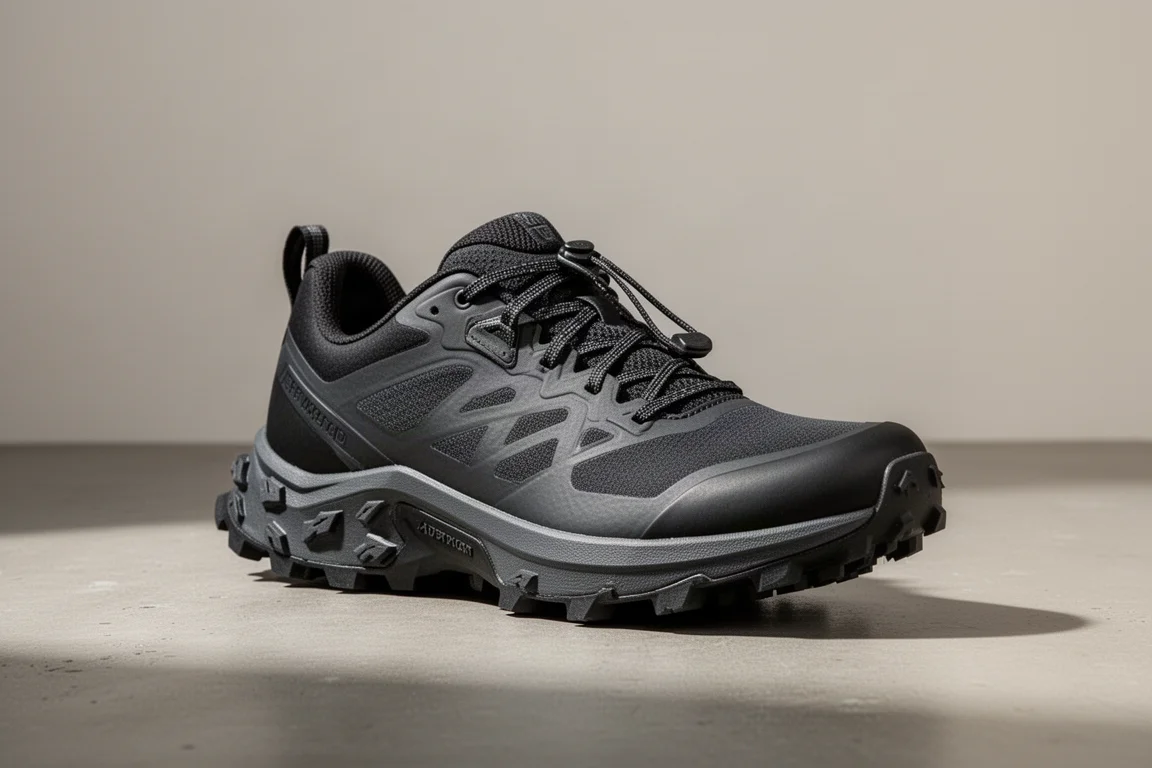
Some trail shoes feel designed for terrain most of us simply do not have access to. That was the assumption going into the Salomon Thunder Cross, a shoe from the brand’s grip-focused Cross series. Testing it across big climbs, soft ground, rocky scrambles, water crossings, and dry singletrack changed that assumption quickly.

What makes this shoe interesting is not one standout spec but the way the pieces fit together: deep lugs for insecure footing, a softer energy foam midsole for all-day comfort, and a relaxed fit that stays pleasant as the hours stack up. It also turned out to be surprisingly capable on pavement, which opens the door to a genuine road-to-trail role.
This post breaks down what the Thunder Cross offers, then compares it against two natural rivals: the Hoka Challenger ATR 6 and the Adidas Terrex Agravic Trail Ultra.
Salomon Thunder Cross: Specs and Design
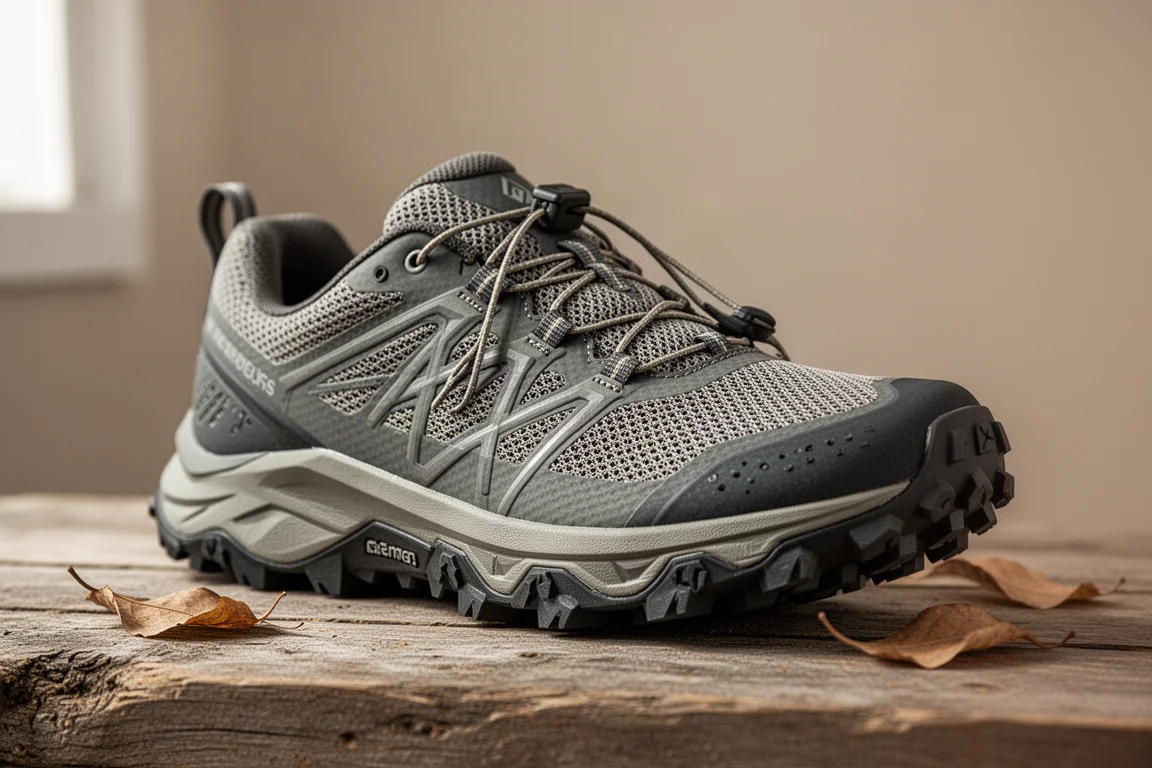
The Thunder Cross uses a 27 mm heel stack with a 4 mm drop, giving roughly 23 mm of energy foam underfoot. That foam is slightly more cushioned and softer than the firmer foams Salomon traditionally uses in its more aggressive trail shoes, and a subtle rocker in the forefoot helps the shoe roll forward more easily.
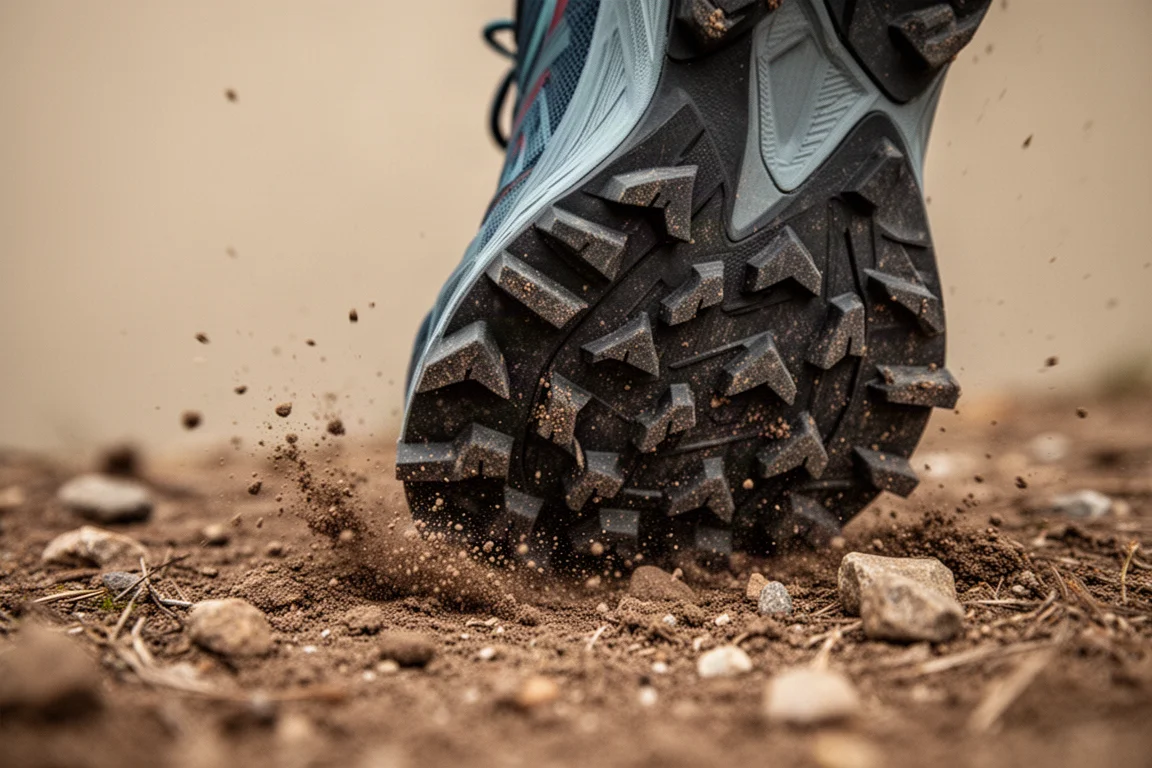
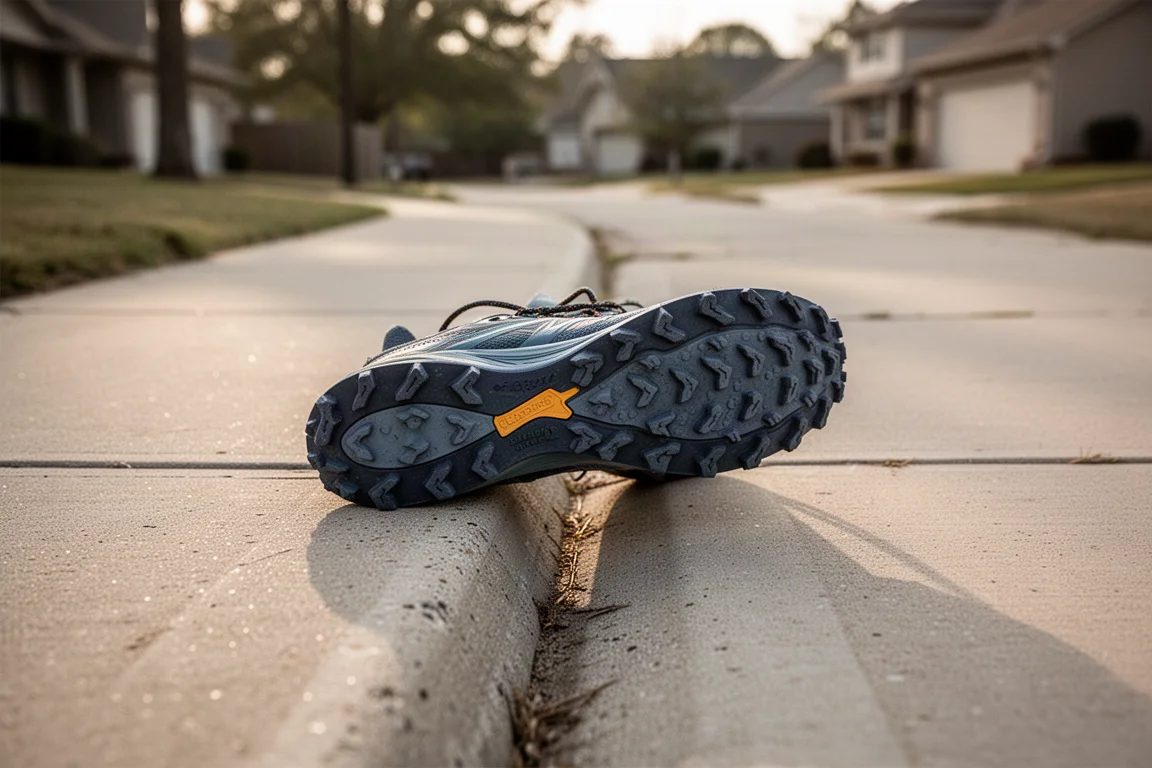
The outsole is the headline: 5 mm lugs arranged in a multi-directional pattern. That is a serious amount of tread, and it is exactly what you would expect from a Cross series shoe. The upper mixes materials, with a rubbery TPU coating along the perimeter and front of the shoe acting as a toe cap and keeping dirt and debris out. The vamp uses a stretchy dual-layer mesh that flexes well but is not especially breathable. Padding in the tongue and heel collar is moderate: enough for long trail days without turning into a sweat sponge.
Up top you get Salomon’s SensiFit wrap and the brand’s signature quick-pull lacing system, with the laces tucking away into a garage on the tongue. The whole shoe is built on the same last as the Sense Ride, so if you know how that shoe fits, you already have a good idea what to expect here. Weight comes in at 280 g (9.8 oz).
How It Runs on the Trail
On the trail, the Thunder Cross felt comfortable and confident across the full range of surfaces. The 5 mm lugs were clearly appreciated when footing got unstable or sketchy, yet on harder packed ground they somehow faded into the background in a pleasant way. That balance is rare in a shoe this aggressive looking.
The fit is secure without being binding. Even after a full day of trail running and power hiking up steep inclines, the shoe stayed comfortable on foot. Salomon’s recommendation to go up half a size proved worthwhile: the extra room suited the shoe’s relaxed, all-day character, especially as feet swelled later in the day. If you prefer a more dialed-in feel like the Sense Ride 5 offers, stick with your usual size, but for this shoe the half size up is the better match.

Testing closer to home on milder forest trails was another surprise. On paper, the deep lugs looked like overkill for soft, easy terrain, and the shoe has something of a lifted pickup truck feel. In practice, the 4 mm drop and energy foam made it a genuinely cushioned, enjoyable companion on those softer surfaces.
The most unexpected result was on pavement. The Thunder Cross has good road manners, arguably better than the Sense Ride 5, which makes it a legitimate road-to-trail option: sidewalks and blacktop on one end, scrambling up to mountain summits on the other.
Where It Falls Short
The one clear weakness is speed. This is not a fast, aggressive shoe. On technical descents or climbs where you want to push hard, the weight and creature comforts start getting in the way. For everything else, from easy trail miles to long mountain days, it is hard to fault.
There is also the sizing quirk: many runners will want that half size up, which is worth checking before ordering online. Beyond that, the shoe was comfortable straight out of the box with no break-in issues. It even works casually, looking good on foot and staying comfortable for errands around town.
How the Competitors Compare
Hoka Challenger ATR 6
At $145, the Challenger ATR 6 targets much the same brief as the Thunder Cross: all-day comfort, versatility across trail surfaces, and some road-to-trail flexibility. On paper the two shoes are direct rivals.
In practice, the Challenger versions tend to fall short on the road-to-trail promise. The ride can feel blocky, and the fit leaves the foot feeling cramped. On comfort across the board, the Thunder Cross comes out ahead, and it is also the cheaper of the two at $140.
Adidas Terrex Agravic Trail Ultra
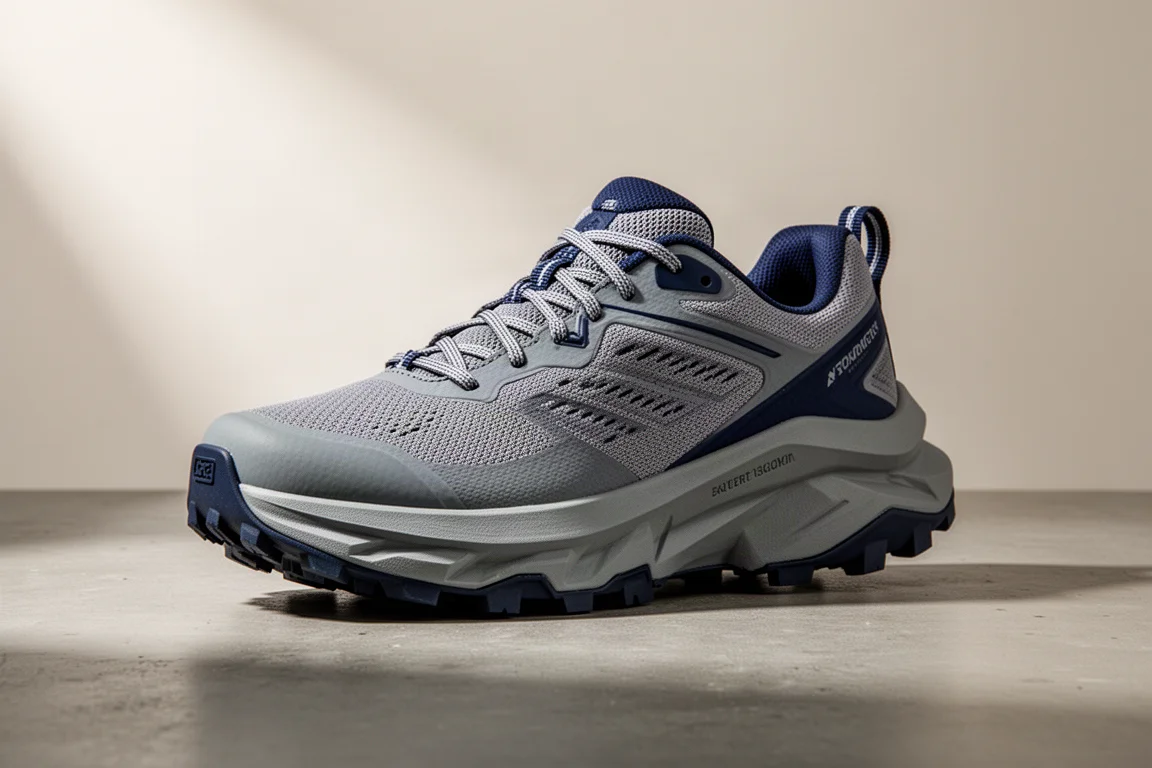
The Adidas Terrex Agravic Trail Ultra mixes Lightstrike and Boost, a combination that sounds odd on paper but delivered genuinely impressive grip on a variety of surfaces, decent road-to-trail manners, and all-day comfort. It retails at $160, though Adidas members have seen it closer to $128.
The big caveat is the upper. It is stiff enough that it took around 70 miles to stop cutting into the sides of the ankles, which makes trying it on in store before buying a strongly recommended step. The Thunder Cross has no such break-in problem and costs less at full retail.
Buying Advice
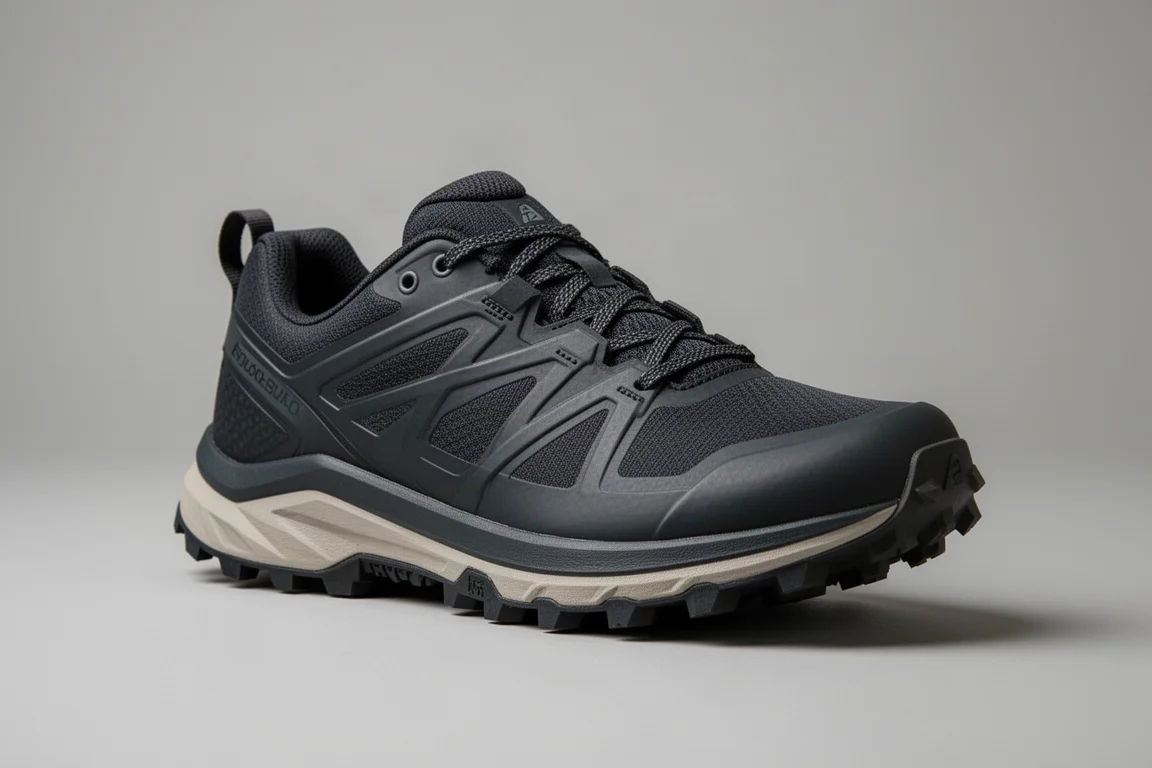
At $140, the Thunder Cross feels like good value for a shoe built to last, and it is available now. If you want one shoe that handles easy trail days, unstable footing, power hikes, pavement, and casual wear, it covers more ground than either competitor here.
If your priority is speed on technical terrain, pairing the Thunder Cross with something faster and lighter makes more sense than expecting one shoe to do it all. In the Salomon family, a plate-equipped, grip-and-speed oriented racer makes a natural complement for shorter, quicker efforts, while a firmer daily road trainer covers the paved miles. The Thunder Cross stays the all-day trail anchor of that rotation.
Conclusion
The Salomon Thunder Cross is one of the more pleasant surprises in recent trail footwear: a shoe that looks like a dedicated mud machine but behaves like a relaxed, cushioned all-rounder with genuine road manners. The Challenger ATR 6 matches its brief on paper but delivers less comfort, and the Terrex Agravic Trail Ultra matches its versatility with a stiff upper and higher price. For most runners, the Thunder Cross is the easiest recommendation of the three.
Further reading
Related Reviews
Trail Running Shoes
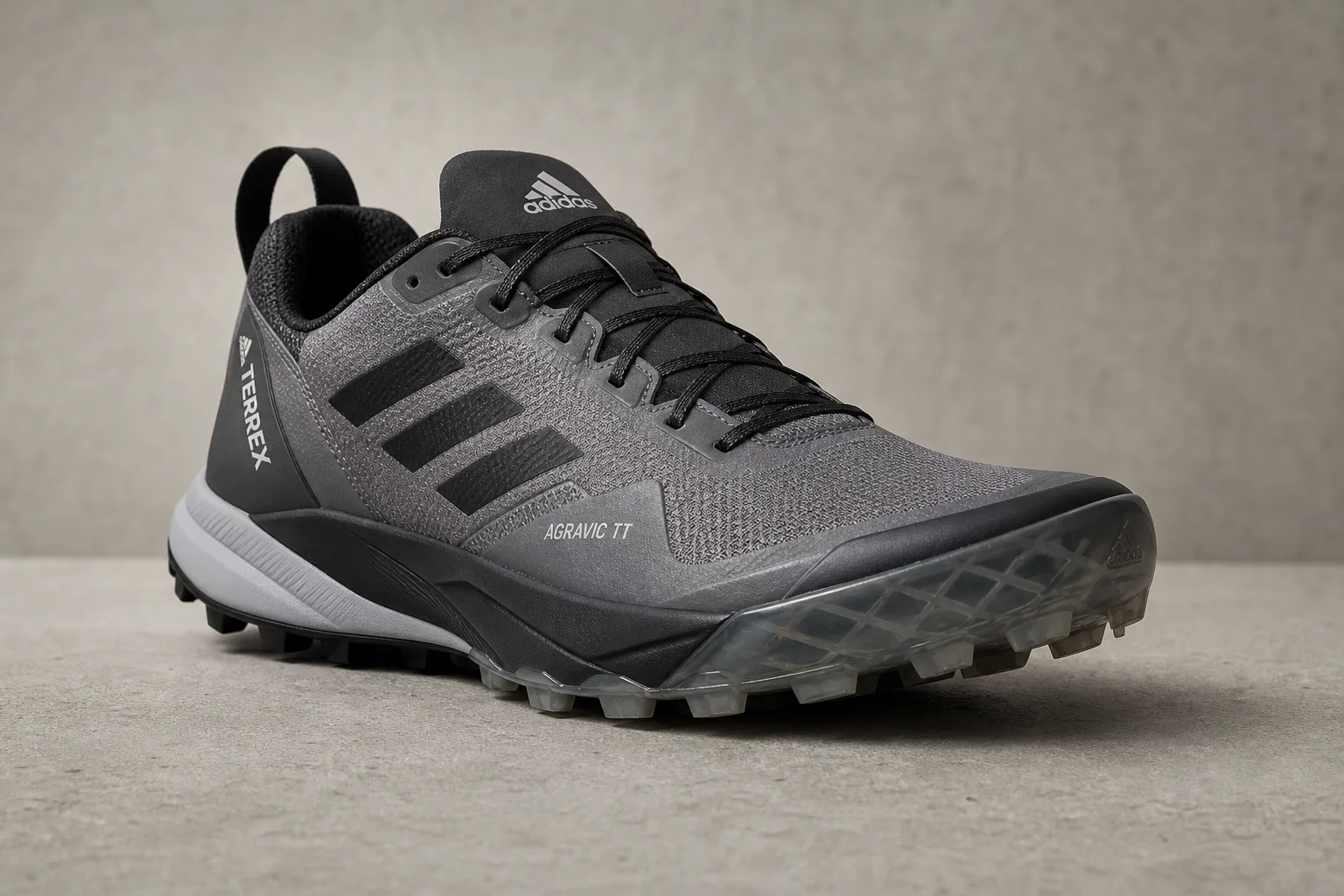
Adidas Terrex Agravic TT Review: A Technical Trail Shoe Built for Rocky Terrain
The Adidas Terrex Agravic TT combines a full-coverage rock plate with a firmer midsole to deliver protection and stability on technical, rocky trails. A capable choice for runners who prioritize underfoot defense over lightweight cushioning.
Trail Running Shoes
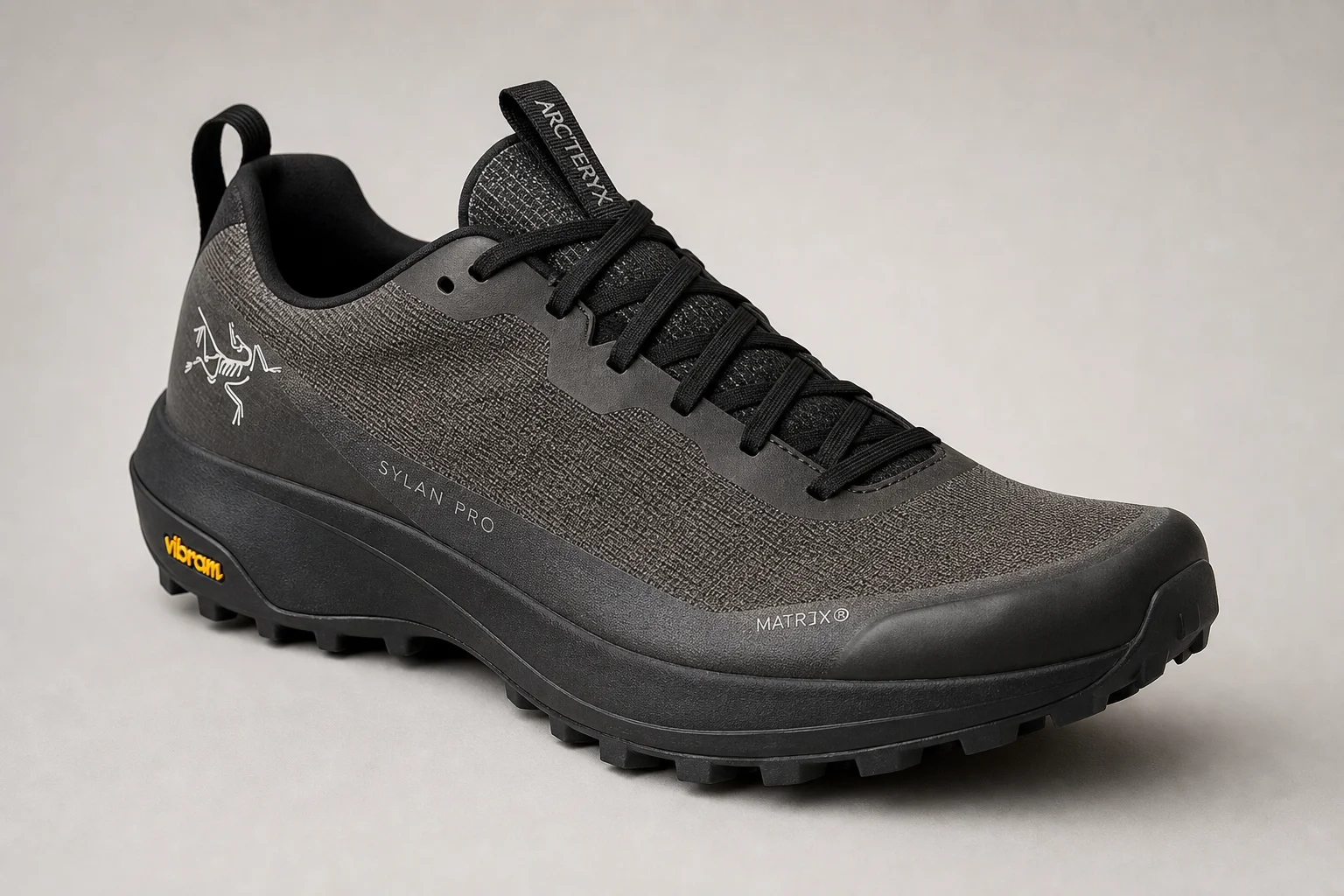
Arc'teryx Sylan Pro Review: A Rocker-Focused Mountain Running Shoe Tested on 20 Miles
The Arc'teryx Sylan Pro brings a pronounced rocker geometry and secure fit to mountain terrain. We tested it on a 20-mile Sawtooth loop to evaluate its climbing efficiency, protection, and handling of technical descents.
Trail Running Shoes
Best All-Mountain Trail Running Shoes: Three Versatile Options for Any Trail
A focused roundup of three all-mountain trail running shoes that handle technical terrain, long distances, and variable conditions with real strengths and practical trade-offs.