All-Mountain Skis
Salomon Stance Pro 96 Review: A Stable All-Mountain Ski That Stays Maneuverable
A wide-bodied all-mountain ski with two sheets of metal, a poplar and karuba core, and carbon and flax damping zones. Here is how it rides and who it suits.
Introduction
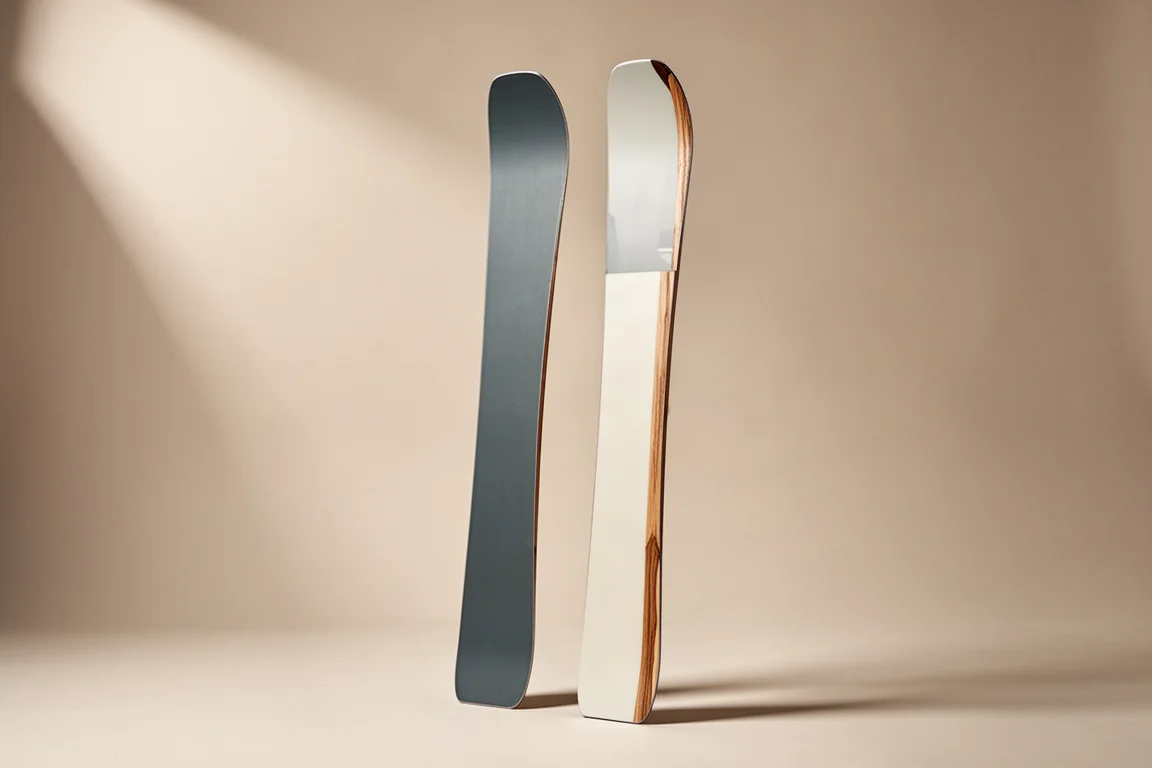
The Salomon Stance Pro 96 returns as a carryover in the Stance line, and it stays one of the more interesting choices for skiers who want a wide-bodied all-mountain ski that behaves like a hard charger without feeling like a handful. Two full sheets of metal run through the build, with cutouts that leave room for carbon and flax zones, and the result is a ski that pairs vibration damping with a surprising amount of maneuverability.
That balance is the whole point of the Stance Pro 96. It is built to carve on groomers, and it is equally suited to heading off trail into softer snow, whether that means trees, back bowls, or bumps.
Who This Ski Is For
This is a ski for people who want to show up at the mountain and do whatever they feel like doing. It suits skiers who split their day between groomed runs and softer snow, and who would rather carry one pair of skis than choose between a dedicated carving tool and something more playful.
It also makes sense for anyone who likes the damp, confidence-inspiring feel that metal laminates provide, but does not want to feel overwhelmed once the terrain turns rough or ungroomed. Among the skis out there with roughly two full sheets of metal, the Stance Pro 96 is one of the more maneuverable and forgiving options, which is exactly why it appeals to riders who want stability without a punishing ride.
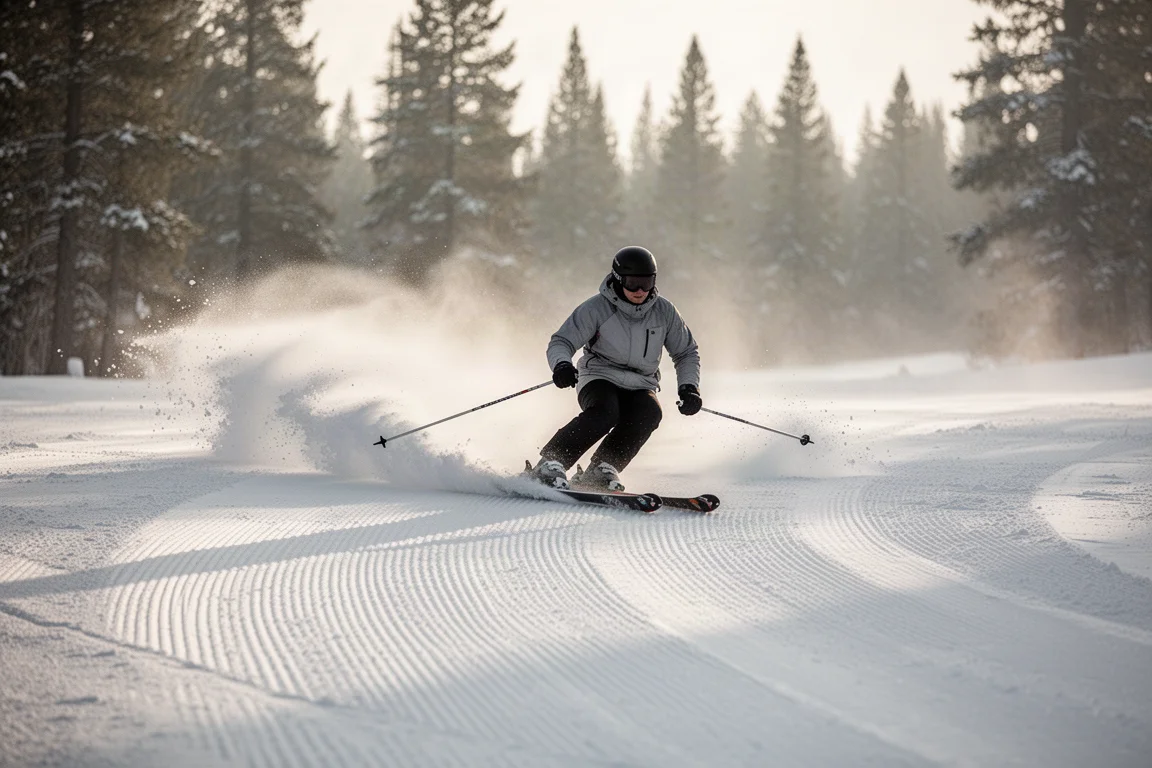
For skiers who value an intuitive ski that does not demand a lot of effort to get the most out of, this is a natural fit. It is happy to be pushed hard when you want to charge, but it never insists on it.
Construction and Materials
The core is built from poplar and karuba, combining a denser wood with a lighter one to bring weight down a little while keeping enough backbone to push against. Around that sits the metal construction: two full sheets, with slits cut into them in specific zones rather than removed entirely.
Those cutouts are where the carbon and flax material, referred to as CFX, is placed. The purpose is twofold. It adds vibration damping, which is what gives the ski its composed feel at speed and in variable snow, and it contributes energy as well, since carbon and flax both return energy through the turn. The overall package is what makes the Stance line such a versatile all-mountain family: capable of carving groomers, but genuinely suited to venturing off trail.
Main Strengths
The headline strength is that the Stance Pro 96 does not make you choose between stability and maneuverability. You get the vibration damping and confidence-inspiring feel that metal delivers, but you are still not going to feel overwhelmed when you move into rougher or ungroomed terrain.
It is also remarkably intuitive. These skis do not take a ton of effort to get the most out of, yet they are happy to respond when you really want to push it. That combination is harder to find than it sounds in a ski with metal in it, a directional shape, a fairly flat profile, and a more on-trail leaning design.
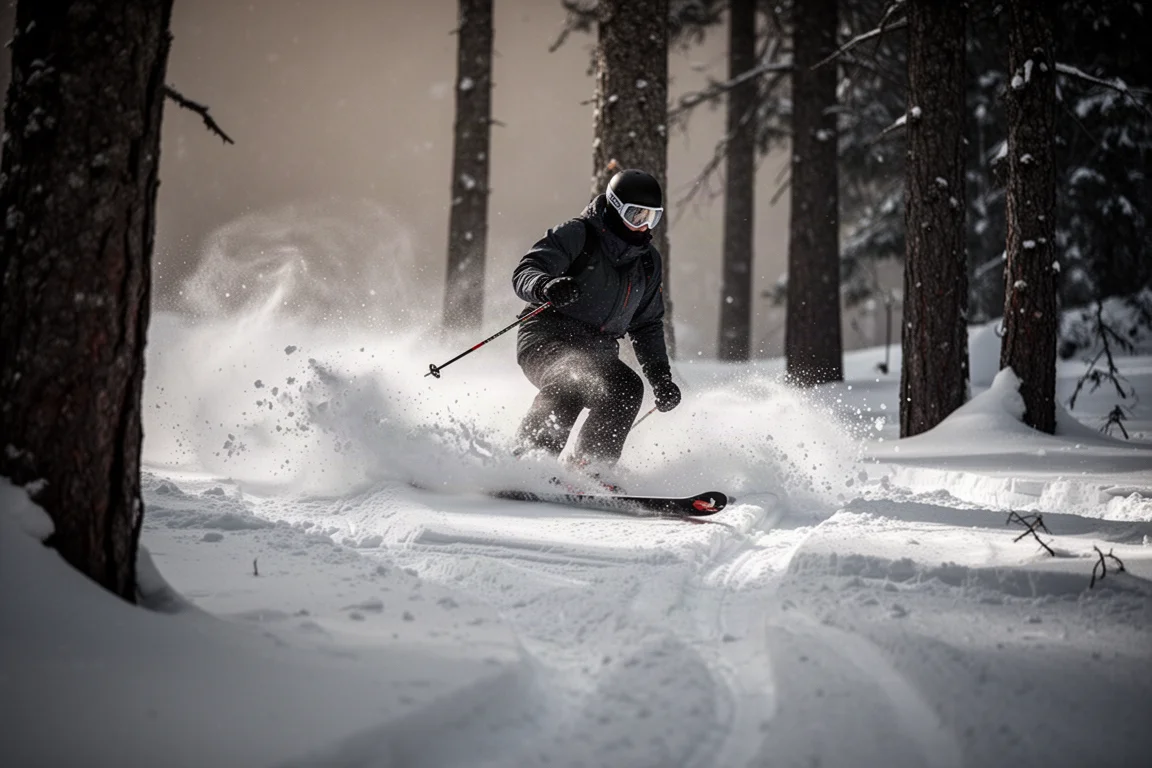
On-snow impressions back that up. One tester described the ski as solid and smooth turning in the crud, with the confidence to handle whatever came up. Another highlighted the quickness and agility of the ski, especially for how strong and stable it feels in a carved turn. That is precisely the dual character the Stance Pro 96 is built around: strength when you ask for it, and a light, willing feel the rest of the time.
Things to Consider Before Buying
At 1,935 g in the 182 cm length, this is not a light ski, though it is not really heavy either. That figure is a fair reflection of what the build is doing: a wood core that mixes denser and lighter species, plus two full sheets of metal, plus the carbon and flax zones. If you are counting grams for long tours or want something that feels feathery on the foot, this is not that ski.
The flex is also on the stiff side, and the profile is fairly flat with a directional shape and a more on-trail centric design. That is not a drawback so much as a character note: it means the ski rewards a deliberate, confident input rather than a loose, surfy style. The generous tip rocker keeps it from feeling locked into a turn, and there is enough effective edge that you do not lose out on much precision or edge grip on firm snow, but the underlying personality remains directional and composed rather than loose.
Ride Feel and Flex
The flex is fairly stiff, but nothing crazy. The tip is slightly softer, which helps with turn initiation and keeps the ski approachable when you are working through tighter terrain or softer snow. The tail is strong, which gives a really clean finish to the turn and holds the shape through the end of the arc. Overall the flex is predictable and consistent, with nothing surprising anywhere along the length.
The profile supports that same idea. There is a healthy amount of tip rocker for softer snow and easier turn initiation. Underfoot there is plenty of positive camber, which adds energy and rebound out of the turn. In the tail, a long and low rocker section makes the ski easier to release when you are in more technical terrain or softer snow.
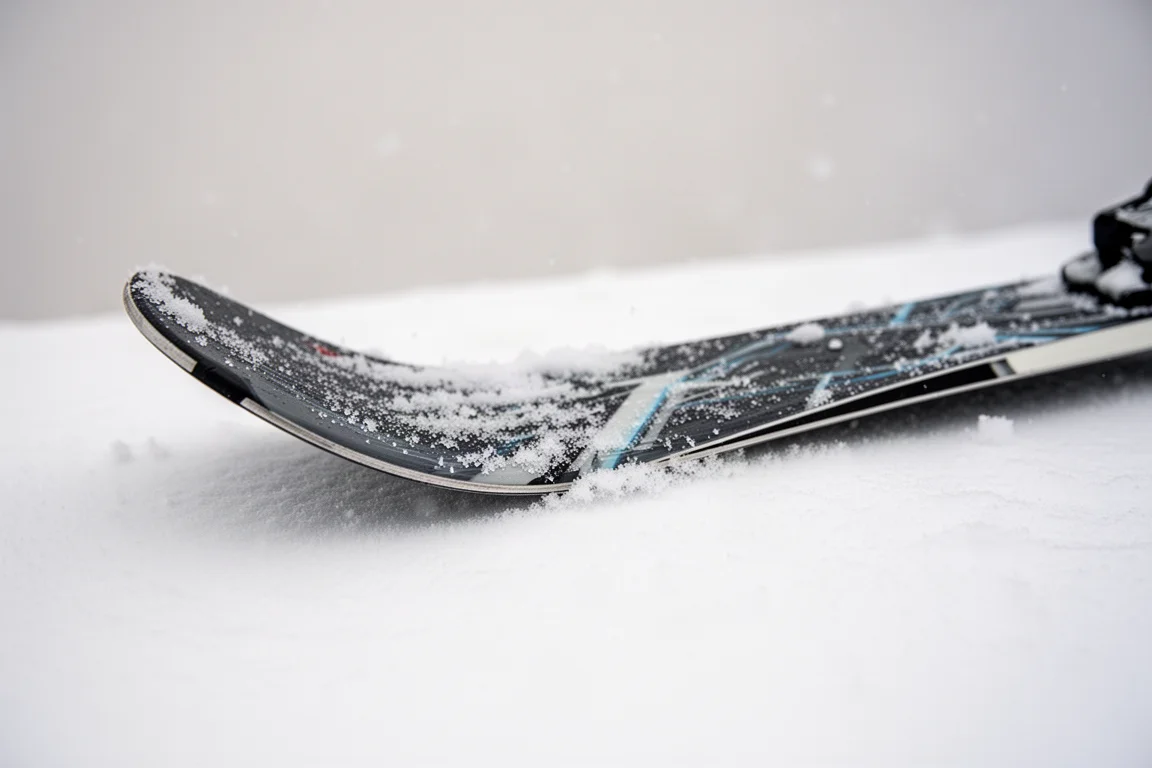
The practical result is a ski that is not going to take you for a ride. It stays composed and readable, but it will hold on tight when you want to go and charge. For riders who want a strong, stable platform that still feels manageable when conditions deteriorate, that combination is the core appeal.
Weight and Length Notes
The 1,935 g figure quoted here refers to the 182 cm length. The poplar and karuba core is doing much of the work in keeping that number reasonable, pairing a denser wood with a lighter one so the ski retains backbone without becoming a burden.
For a ski with two full sheets of metal, that lands in a moderate place: heavier than a pure freeride or touring-oriented build, lighter than the heaviest damp chargers in the category. It is a sensible middle ground for a ski meant to spend its life on lifts, mixing groomer laps with off-trail excursions.
Buying Advice
The clearest way to decide on the Stance Pro 96 is to ask what you want from a single pair of skis. If the answer is a stable, damp platform that carves groomers well and still handles trees, back bowls, and bumps without fighting you, this ski is built exactly for that brief.
If instead you are chasing minimum weight, or you prefer a soft, surfy feel with a lot of tail release, the stiff flex and directional, more on-trail leaning profile will feel like more ski than you want. The Stance Pro 96 rewards riders who like a predictable, consistent platform and who want that vibration-damped, confidence-inspiring feel without giving up maneuverability.
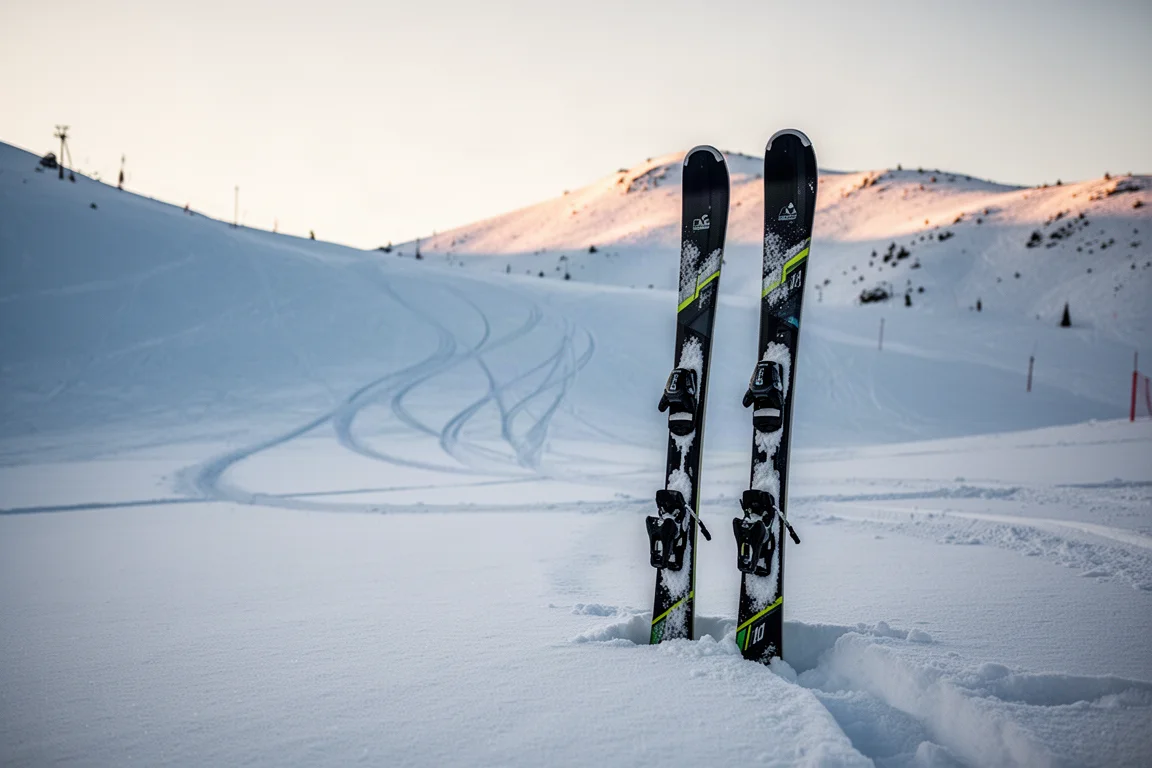
As a carryover model, it also has the advantage of being a known quantity within the Stance line rather than an unproven shape. If your riding is mostly lift-served and you want one ski that handles the full spread of a resort day, this is a straightforward and well-rounded option to put on your shortlist.
Conclusion
The Salomon Stance Pro 96 makes a clear case for itself: two full sheets of metal with carbon and flax damping zones, a poplar and karuba core, and a flex that is stiff enough to charge on but predictable enough to stay friendly. It carves groomers, it handles softer snow and off-trail terrain, and it stays maneuverable in a category where that is genuinely hard to achieve. For skiers who want one confident all-mountain ski that does not demand a lot of effort to get the most out of, it is an easy recommendation to consider.
Product link
View more details for Salomon Stance Pro 96
This product is mentioned in the review. Check the specifications, options, and compatibility before buying.
View more details for Salomon Stance Pro 96Further reading
Related Reviews
All-Mountain Skis
100mm All-Mountain Skis Compared: 23 Versatile Models Worth Knowing
A practical walkthrough of 23 all-mountain skis around 100mm underfoot, covering weight, rocker, metal construction, and the rider each model suits best.
All-Mountain Skis
2026 Black Crows Camox Review: A More Stable, More Versatile All-Mountain Twin Tip
The 2026 Black Crows Camox adds an ash layer underfoot, wider tips and tails, and a revised rocker profile. Here is what those changes mean on snow.
All-Mountain Skis
Armada Antimatter 88 Review: A Light, Lively All-Mountain Ski That Rewards Any Style
The Antimatter 88 pairs a poplar core with carbon stringers for a surprisingly energetic ride that suits intermediates and experts alike.