Ski Gear
Salomon Stance 96 (2024) Review: A Lighter, More Accessible All-Mountain Ski
The 2024 Salomon Stance 96 keeps its shape and metal laminate but drops roughly 100 grams, making it easier to bend, quicker in tight terrain, and friendlier to more skiers.
Introduction
The Salomon Stance 96 has built its reputation on a smooth, planted ride and a construction that uses two sheets of metal. For 2024, Salomon left the shape alone and changed only the build. The new version moves to a lighter wood core and a redesigned upper laminate, which brings the weight down by roughly 100 grams and gives the ski a softer, rounder flex.
That sounds like a minor tweak on paper. On snow, it changes how much effort the ski asks of the person riding it, and it widens the range of skiers who can get the most out of it. This review covers what changed, how the 2024 Stance 96 behaves on groomers and off-piste, and who should consider it over the previous build.
The short version: it keeps the edge grip and power that made the Stance name worth paying attention to, while becoming noticeably more agile in tight terrain.
What Changed for the 2024 Stance 96
The core is the biggest departure. Earlier Stance models used a full poplar wood core with two sheets of metal layered on top. The 2024 ski uses a blend of poplar and karuba, which lowers the weight and adds a springier, more energetic feel, while the two metal sheets stay in place.
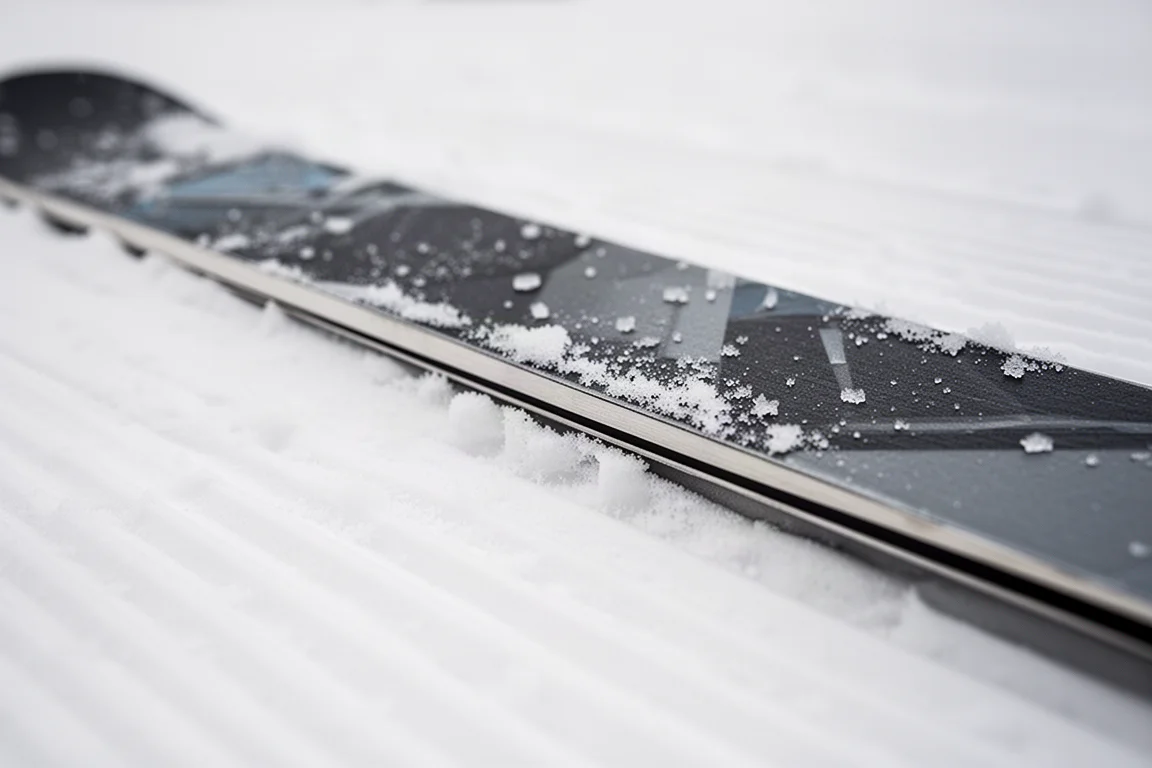
The upper metal laminate has been revised as well. It still follows a twin frame design, now called twin frame 2, with two windows cut out of the forebody and the aft section. In those areas a blend of carbon and basalt stringers replaces the metal, which adds pop and pep and shaves more weight. Vertical slits run through the metal laminate alongside both windows toward the tip and tail, allowing more torsional twist and producing a more compliant, less abrupt feel.
Together those changes add up to roughly 100 grams less per ski, from around 2,020 to 2,040 grams down to about 1,940 grams. The flex is slightly softer and rounder than the outgoing version.
Everything else carries over. The ski is 96 mm underfoot with camber underfoot, tip and tail rocker, more tip rocker than tail rocker, and a slight early taper. It is a fully directional design, and the 182 cm length has a 20 meter turn radius, which sits on the larger side for this category. The same construction changes carry across the Stance 90 and the Stance 102.
Main Strengths
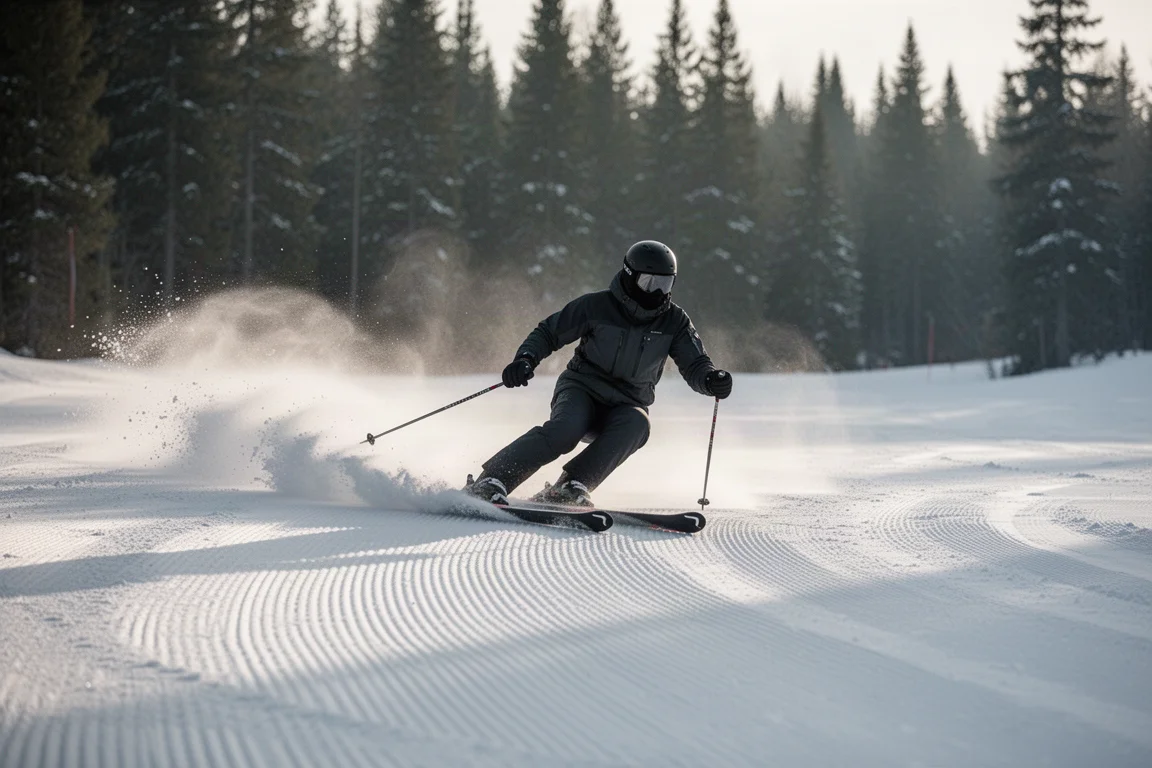
On groomers the new build is more energetic than before. It releases a strong rebound out of the turn, bends more easily, and lets a skier shape and shorten the turn radius with less effort. Edge grip and power have not gone away, and the ski still holds up for the vast majority of skiers. What it gives up is a little of the old build’s sense of being a limitless speed weapon on firm, steep terrain.
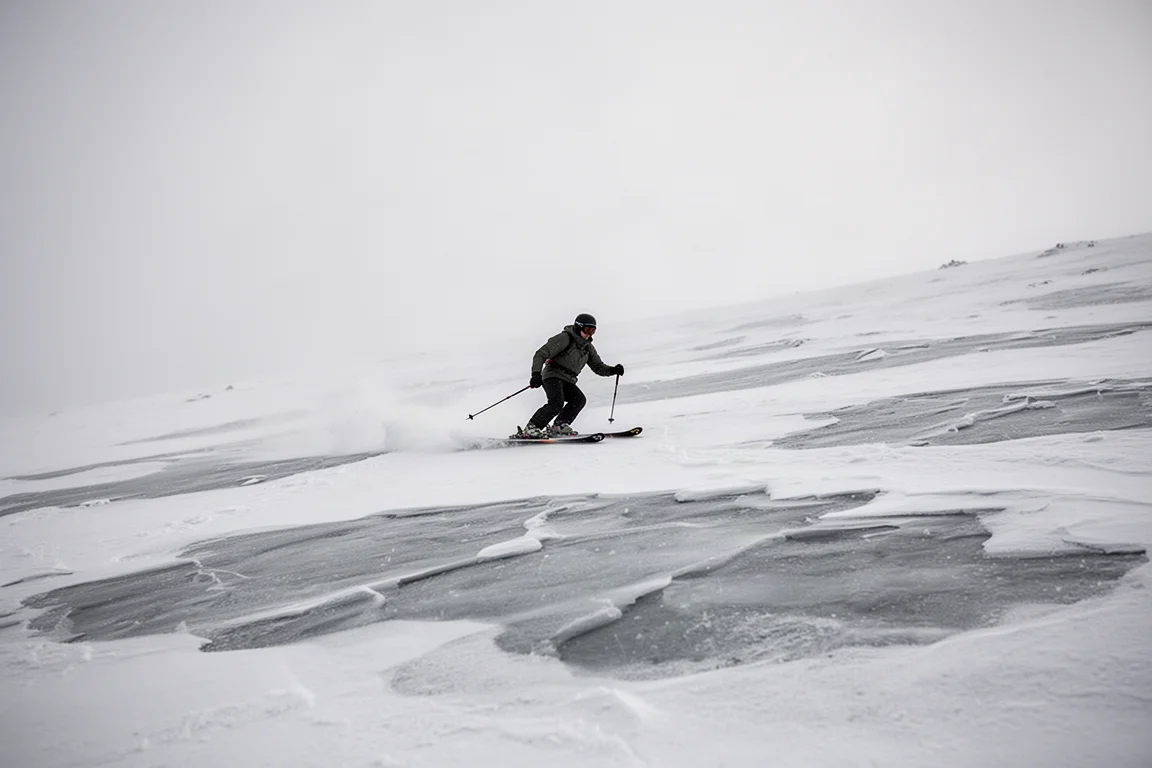
Off-piste is where the change matters most. The lighter build is quicker and more maneuverable through moguls and trees, and it handles soft snow well, helped by the slight early taper and the amount of tail rocker. In variable conditions, the kind where a layer of soft snow sits over a firm base, the ski stays manageable on top while the metal underfoot still bites when it matters. In tight, narrow woods, that combination is far less tiring than a heavier, stiffer ski.
The weight reduction also has an interesting side effect. The 2024 Stance 96 now sits close to a QST 98 in weight, with only a negligible difference, yet the two skis feel entirely different on snow. The Stance remains the directional, metal-laminate option, while the QST line has moved further toward more rocker and more taper.
Who This Ski Is For
This is a ski for advanced and expert skiers who want the stability and grip of a metal laminate without the fatigue that usually comes with it. If you ski a mix of groomers, moguls, trees, and soft snow, and you want one ski that stays composed across all of it, the 2024 build is a better fit than the version it replaces.
It also suits skiers who were curious about the Stance line but found earlier versions too demanding. The lighter core and rounder flex make the ski more accessible without turning it into something soft. Skiers who chase the very top end of speed on hard snow, or who simply prefer a heavy, stiff platform underfoot, may still lean toward the older construction.
The wider Stance models deserve a mention here. The Stance 102 carries the same construction changes, and for skiers in regions with deeper, more frequent snowfall, that ski is likely to deliver the same benefits the 96 delivers in tighter, lower-snow terrain.
Things to Consider Before Buying
The 2024 Stance 96 is an evolution rather than a transformation, and a few points are worth weighing before you commit.
- The flex is a little softer and rounder than before. Skiers who loved the sturdier feel of earlier Stance 96 models may still prefer that heavier build.
- Top-end performance on firm, steep groomers is slightly reduced. It remains strong for nearly all skiers, but it is no longer quite the same speed-focused platform.
- The weight saving is real but modest at roughly 100 grams, so this is not a dramatic shift in character.
- The shape and footprint are unchanged, so anyone hoping for a new geometry will not find one here.
None of these points are dealbreakers for the intended rider. They matter most to skiers who specifically want the heaviest, stiffest option available and who treat firm snow as the main event.
Where the Stance 96 Sits in the Range
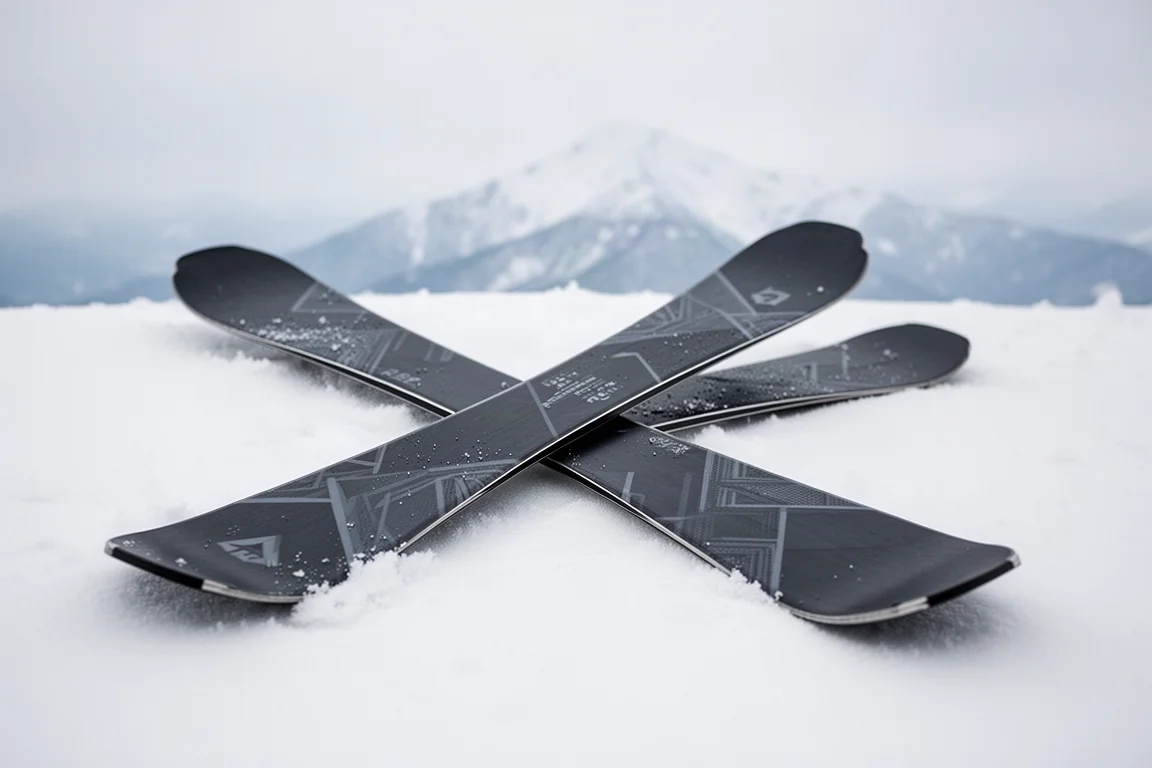
Salomon applied the same construction update to the Stance 90, the Stance 96, and the Stance 102, so the whole wider end of the line benefits from the lighter core and revised upper laminate. The graphics have been updated too, and they now read as more technical and more distinctive than the older monotone look. That is a small thing, but it makes the different widths easier to tell apart in a lift line.
The Stance line has historically been easy to overlook, partly because the graphics blended together and partly because skiers tend to stay loyal to whatever they already know. The 2024 changes give the line a clearer identity, and the added agility is likely to bring it to the attention of skiers who previously wrote it off.
Buying Advice
If you want a directional all-mountain ski with two sheets of metal that is easier to bend, quicker in tight terrain, and less tiring over a full day, the 2024 Stance 96 is a strong choice. It is at its best for skiers who spend their time across the whole mountain rather than pinned to one type of terrain.
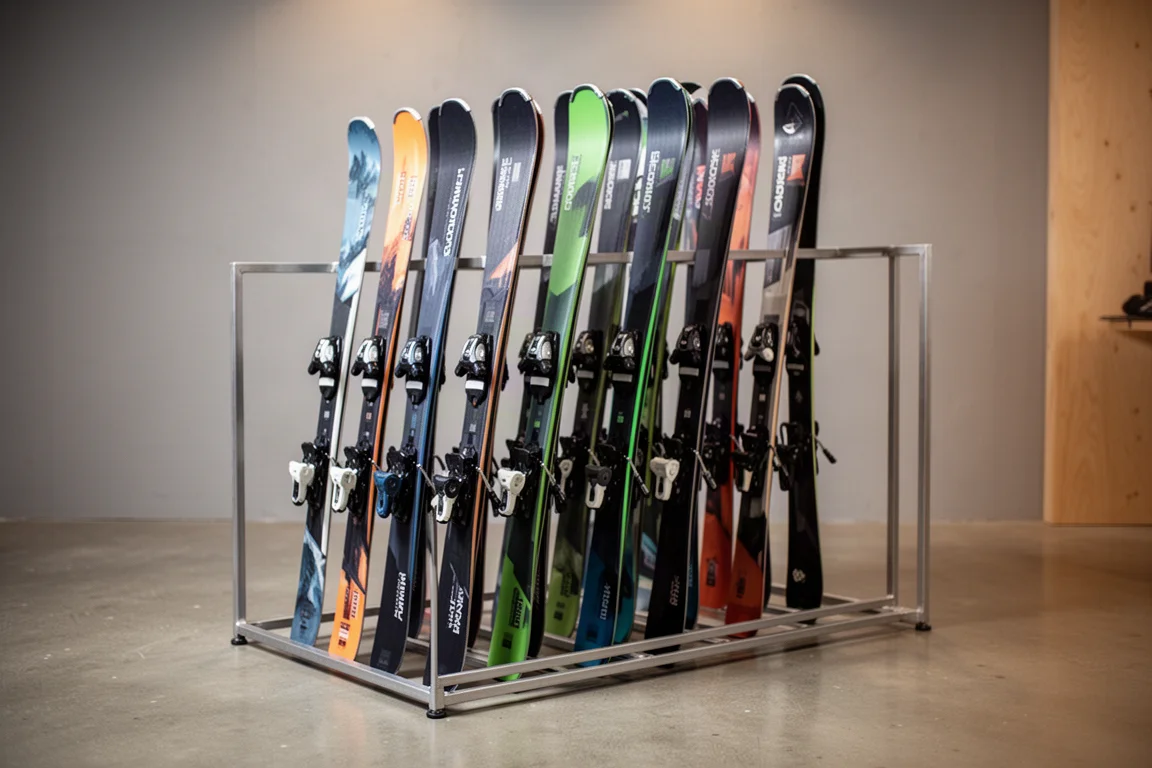
If you are chasing value, the previous generation is worth a look. Leftover Stance 96 models have been turning up in shops at reduced prices, including longer lengths such as 188 cm, while the Stance 102 has been harder to find because of higher demand. Older builds remain smooth and powerful skis, and they reward anyone who prefers a heavier, stiffer feel.
Conclusion
The 2024 Salomon Stance 96 makes one change and makes it count. A poplar and karuba core, a revised upper laminate with carbon and basalt stringers, and vertical slits in the metal add up to a ski that is about 100 grams lighter, softer in flex, and noticeably more agile in moguls, trees, and soft snow, while keeping the grip and stability that define the Stance name.
For most skiers, that trade is a clear win. It opens the ski up to a wider range of abilities and terrain without giving away much at the top end. If you want the sturdiest possible platform or you are shopping on price, the outgoing build still has plenty to offer.
Product link
View more details for Salomon Stance 96 (2024)
This product is mentioned in the review. Check the specifications, options, and compatibility before buying.
View more details for Salomon Stance 96 (2024)Further reading
Related Reviews

Ski Gear
2023 Blizzard Hustle vs Rustler: Six Freeride Skis Compared
Blizzard's 2023 Hustle collection rebuilds the Rustler shape with a lighter core and no metal. Here is how all six skis differ, and which one suits your riding.

Ski Gear
2023 Skis of the Year: Atomic Maverick 88 TI, Salomon QST 106, and Look SPX 12 Pro
Three standout ski picks for all-mountain carving, powder days, and reliable binding performance, with practical buying notes for 2023 models.

Ski Gear
2025 Nordica Enforcer 104 Review: A Directional Charger Replaces the 104 Free
The 2025 Nordica Enforcer 104 drops the Free name and the twin-tip personality, gaining weight, stiffness and composure in rough snow. Here is what changed and who it suits.