All-Mountain Skis
Salomon Stance 94 Review: A Stable On-Trail Ski With a Wider Platform
A practical look at the Salomon Stance 94, a metal-laminate all-mountain ski built for advanced and expert skiers who stay on trail but want a wider platform for softer snow.
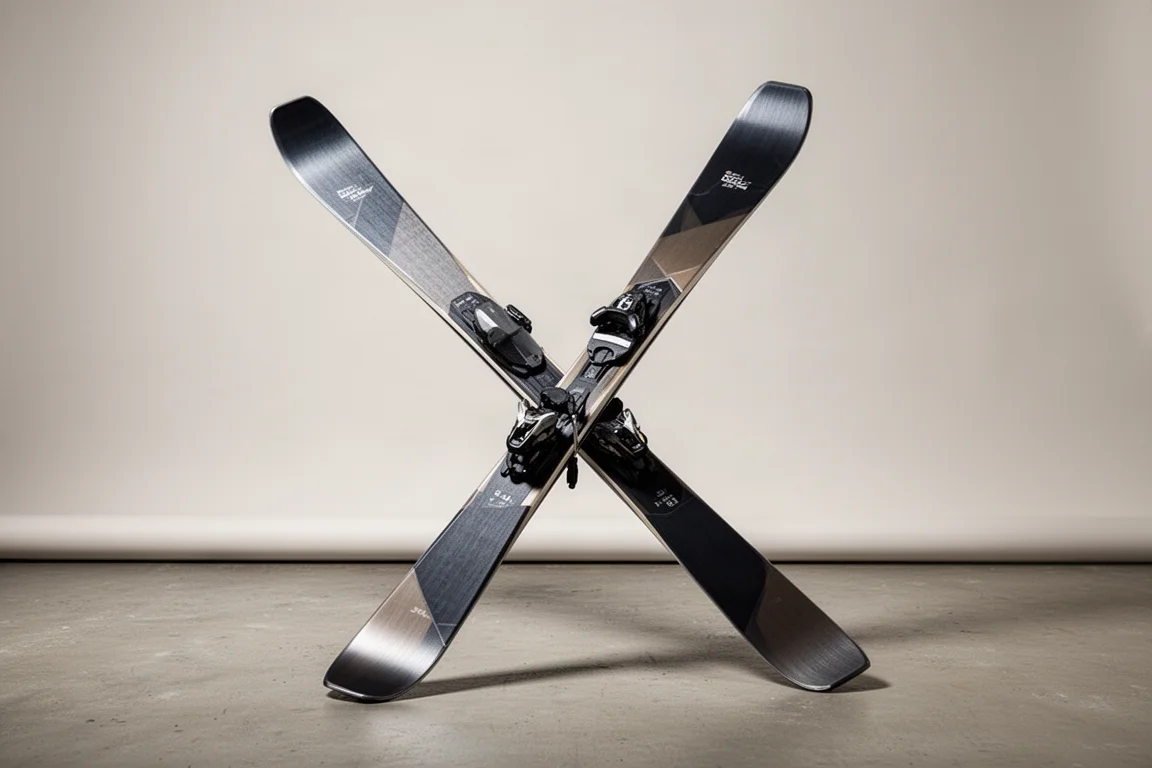
Introduction
The Salomon Stance 94 sits in a useful middle ground for skiers who mostly ride groomed terrain but do not want to be limited by a narrow carving ski. With a 94 mm waist, it adds flotation and a broader platform underfoot without crossing into the freeride category, which keeps it closer to a traditional on-trail feel.
It is a carryover model with unchanged graphics from the previous season, so the design is well established rather than experimental. The pitch is straightforward: an advanced or expert skier who spends most of the day on trail, but wants a wider-bodied ski that opens up softer snow and a bit more room for creative line choices.
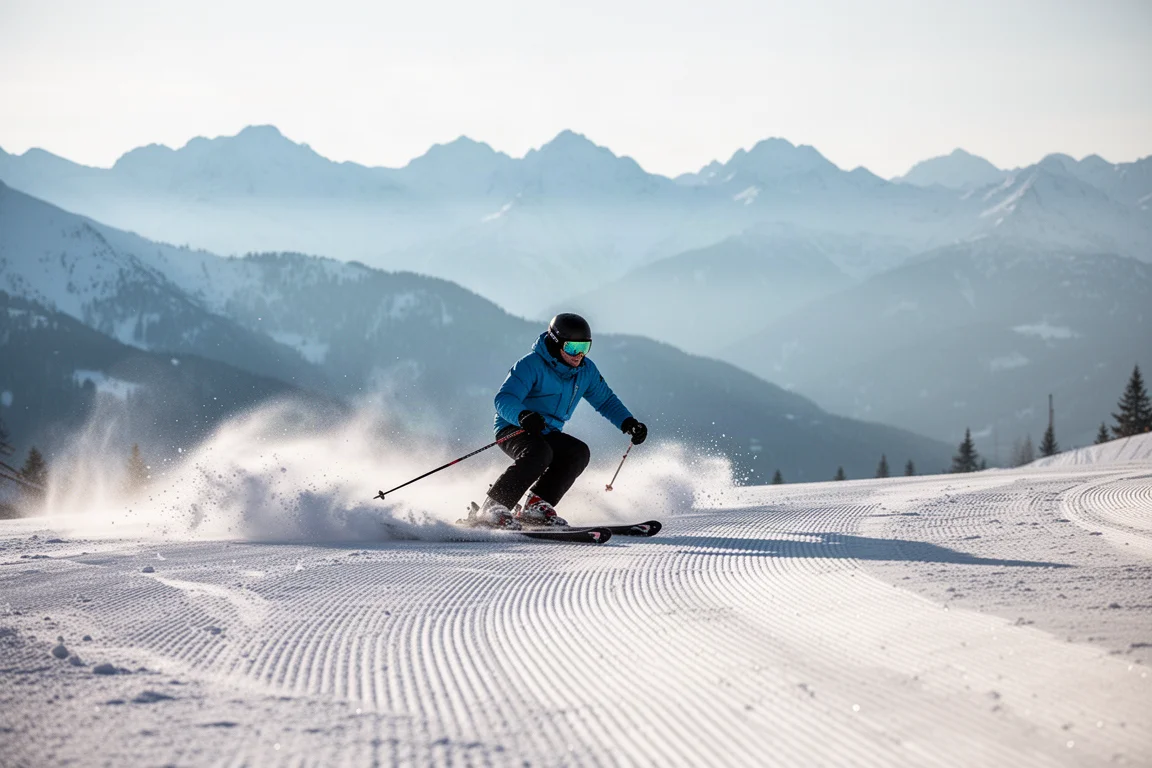
That combination is the reason this ski exists in the line at all. It is rugged and trail-oriented, with power and stability to spare, yet it stays manageable enough to be an everyday choice rather than a specialist tool.
Who the Salomon Stance 94 Is For
This ski is aimed at advanced and expert skiers who stay primarily on piste but want a wider platform for the days when conditions shift. Think of the day after a snow cycle, when the surface is soft but degraded: churned crud, chopped-up piles, and wind-affected snow that punishes a narrow ski.
It is also a sensible choice for skiers who want to venture slightly further afield and enjoy softer snow and more varied terrain, but who are not looking to move into a freeride shape with a much longer rocker profile. If your priority is deep-snow float and a loose, surfy feel, this is not the tool. If your priority is grip, stability, and a dependable edge on trail, it is much closer to the mark.
Main Strengths
Power and stability are the headline qualities here. The Stance 94 is one of the few skis at this width that uses two sheets of metal and still manages to stay lightweight and energetic. That is a harder balance to strike than it sounds, because adding metal usually means adding weight and increasing the physical demand on the skier.
Salomon keeps that in check through the construction rather than through a simple material swap. A poplar and karuba wood core holds weight down, while the metal layers provide the backbone. The result is a ski with genuine stiffness and a sturdy build that still feels crisp and lively when you push it.
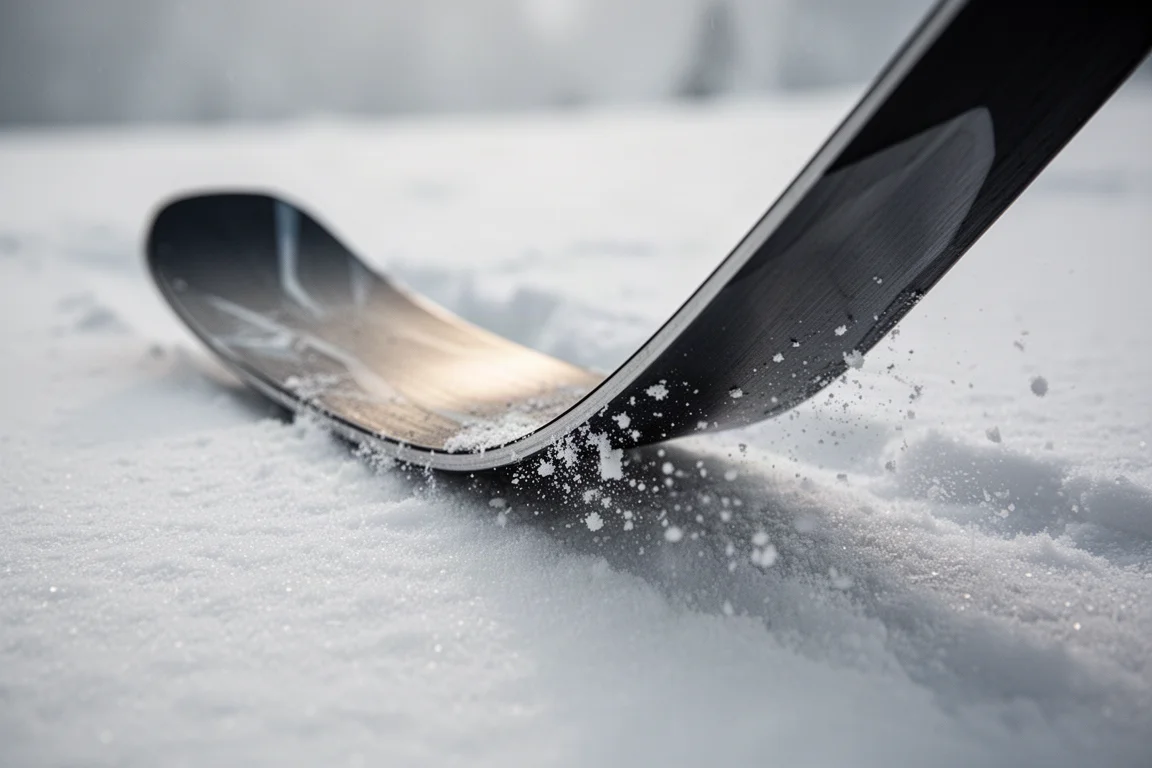
That energy shows up most clearly when you drive the tails. There is real snap and rebound through the finish of a turn, which carries momentum into the next one instead of letting it fade. It feels quick edge to edge without feeling heavy, which is unusual for a ski with this much metal in it.
Construction, Flex, and Energy
The layup is where the character of this ski is decided. Two sheets of metal sit one above the core and one below it, and the top sheet is cut with a frame-format window pattern. Those frames are filled with a carbon flax material, which is there to keep the ski poppy and energetic rather than dead and damp.
The flex is on the stiffer side, and the overall build feels solid underfoot. In practice that means the ski rewards an active, confident skier. When you load it and push through the turn, you get the rebound back. When you stand on it passively, it will not do the work for you. That trade-off is exactly what makes it appealing to strong skiers and less forgiving for developing ones.
Shape and Turn Radius
The profile leans traditional. There is a high camber section and a long camber length, with noticeably shorter rocker than a freeride-oriented ski would carry. Even compared with the slightly narrower model in the same family, the rocker profile does not change dramatically, so the on-trail identity stays intact across the range.
At the tail, the rocker is low but somewhat long, and the tail is distinctly directional with very little taper. Combined with the short tip rocker and minimal taper up front, this gives the ski a long effective edge. The longer the edge stays engaged in the snow, the smoother the overall ride feels, and edge hookup arrives almost instantly when you roll the ski over.
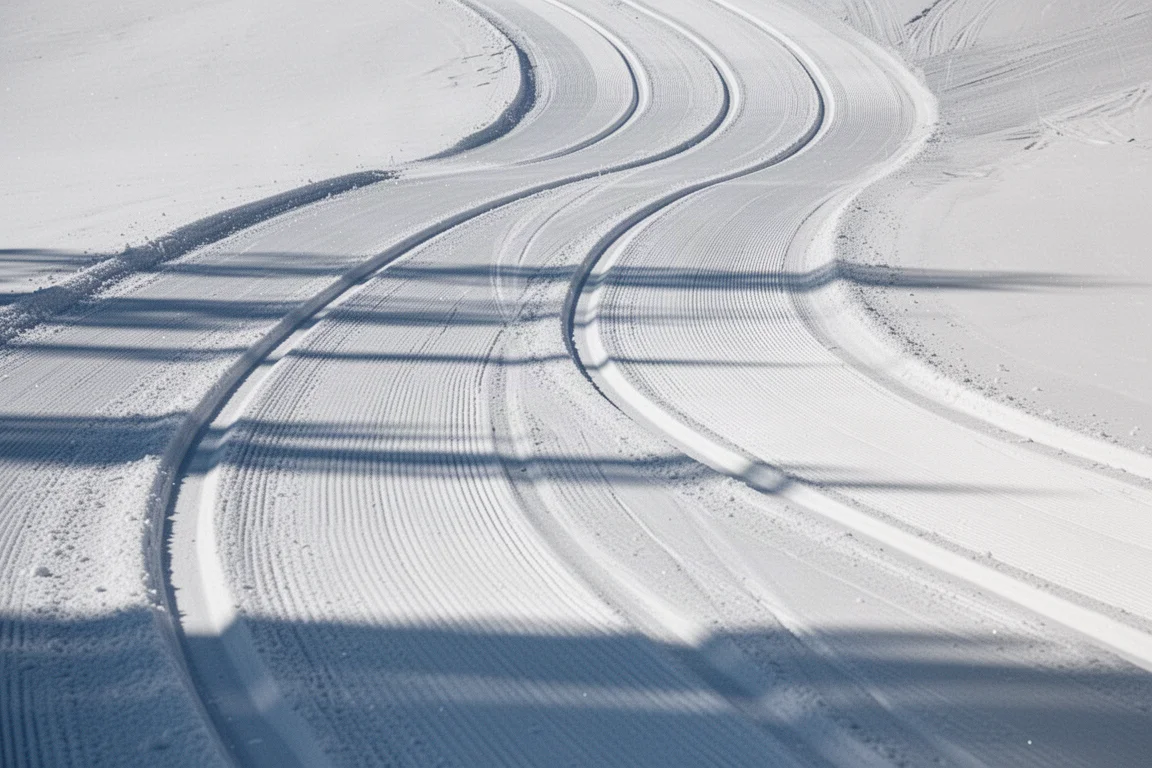
The 19 metre turn radius is on the long side for a ski with a 94 mm waist, and that shapes how it behaves. It puts more emphasis on the skier to control the shape and duration of the turn rather than letting the sidecut dictate it. It sounds counterintuitive, but a longer radius also skids more willingly: you can get the ski sideways without it fighting to carve back across the hill. The upside is a ski that lets you choose your own style of turn while staying smooth and stable in longer, GS-style arcs.
Things to Consider Before Buying
The long turn radius and stiff flex are the two details most worth weighing before you commit. This is not a short-radius carver, and it is not a ski that flatters a passive stance. It wants a skier with solid technique who is comfortable loading a ski and working it through the whole turn.
The on-trail focus is deliberate, and it comes with a limit. The wider 94 mm platform helps in soft, chopped, and wind-affected snow, but the short rocker and directional tail mean it is not built for deep-snow flotation. If most of your days involve chasing fresh snow off piste, a more freeride-oriented shape will suit you better.
It is also worth noting that this is a carryover model with the same graphics as the prior season, so there is no visual refresh to factor into your decision. What you are buying is the established construction and shape, which is a reasonable thing to prioritise if you already know you like how this ski is put together.
Buying Advice
Match this ski to the way you actually ride. If you are an advanced or expert skier who spends the majority of your time on groomed terrain and wants one ski that also handles the softer, messier days after a storm, the Stance 94 covers that brief well. Its stability and power underfoot mean you are not giving anything up in on-trail performance to gain that extra platform.
If instead you split your time evenly between piste and deep snow, or you prefer a shorter turn radius and a livelier, more forgiving flex, look at other options in the category before deciding. The strengths here are specific: a sturdy metal build, a strong edge hold, and a smooth, stable feel in longer turns.
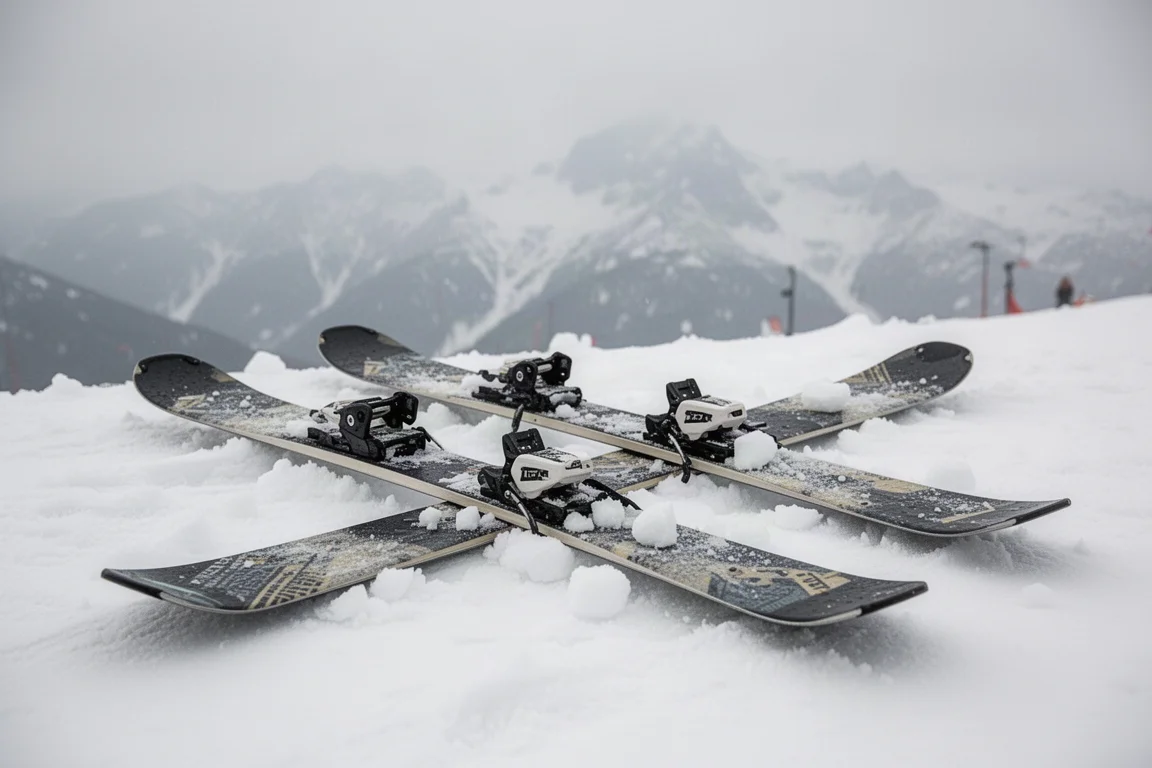
Skiers who already know they like a directional, camber-forward profile with a stiff flex will find this an easy recommendation. Skiers stepping up from a softer all-mountain ski should be honest about whether they want a ski that demands input, because this one clearly does. Buy it for the stability and the grip, and it will deliver exactly that.
Conclusion
The Salomon Stance 94 is a focused answer to a common question: what do you ski when you want a wider platform for softer snow but refuse to give up on-trail power? Two sheets of metal, a poplar and karuba core, and carbon flax-filled frame windows produce a stiff, sturdy, energetic ski that still stays light for its class.
Its high camber, short rocker, directional tail, and 19 metre turn radius keep it firmly planted in traditional territory, which is precisely why it carves with stability and skids predictably when you need it to. For advanced and expert skiers who live on trail and want a dependable wider-bodied companion for the days after a storm, it is a well-rounded choice.
Product link
View more details for Salomon Stance 94
This product is mentioned in the review. Check the specifications, options, and compatibility before buying.
View more details for Salomon Stance 94Further reading
Related Reviews
All-Mountain Skis
100mm All-Mountain Skis Compared: 23 Versatile Models Worth Knowing
A practical walkthrough of 23 all-mountain skis around 100mm underfoot, covering weight, rocker, metal construction, and the rider each model suits best.
All-Mountain Skis
2026 Black Crows Camox Review: A More Stable, More Versatile All-Mountain Twin Tip
The 2026 Black Crows Camox adds an ash layer underfoot, wider tips and tails, and a revised rocker profile. Here is what those changes mean on snow.
All-Mountain Skis
Armada Antimatter 88 Review: A Light, Lively All-Mountain Ski That Rewards Any Style
The Antimatter 88 pairs a poplar core with carbon stringers for a surprisingly energetic ride that suits intermediates and experts alike.