Trail Running Shoes
Salomon Speedcross 6 First Impressions: Iconic Grip, Dated Ride
A first run in the Salomon Speedcross 6, covering fit, grip, cushioning, and whether the latest update justifies the classic's reputation.
Introduction
The Speedcross line has been Salomon’s trail running calling card for over a decade, and the Speedcross 6 arrives as the latest chapter in that story. It is the shoe that arguably put the brand on the trail running map, and its design language has stayed remarkably consistent across generations. That consistency cuts both ways: if you have always loved the Speedcross, the sixth version will likely feel familiar in the best way. If earlier versions never worked for you, this one probably will not change your mind. This first run, a seven-mile loop through mixed woodland terrain, offers a clear early picture of where the shoe stands.
Specs and First Look
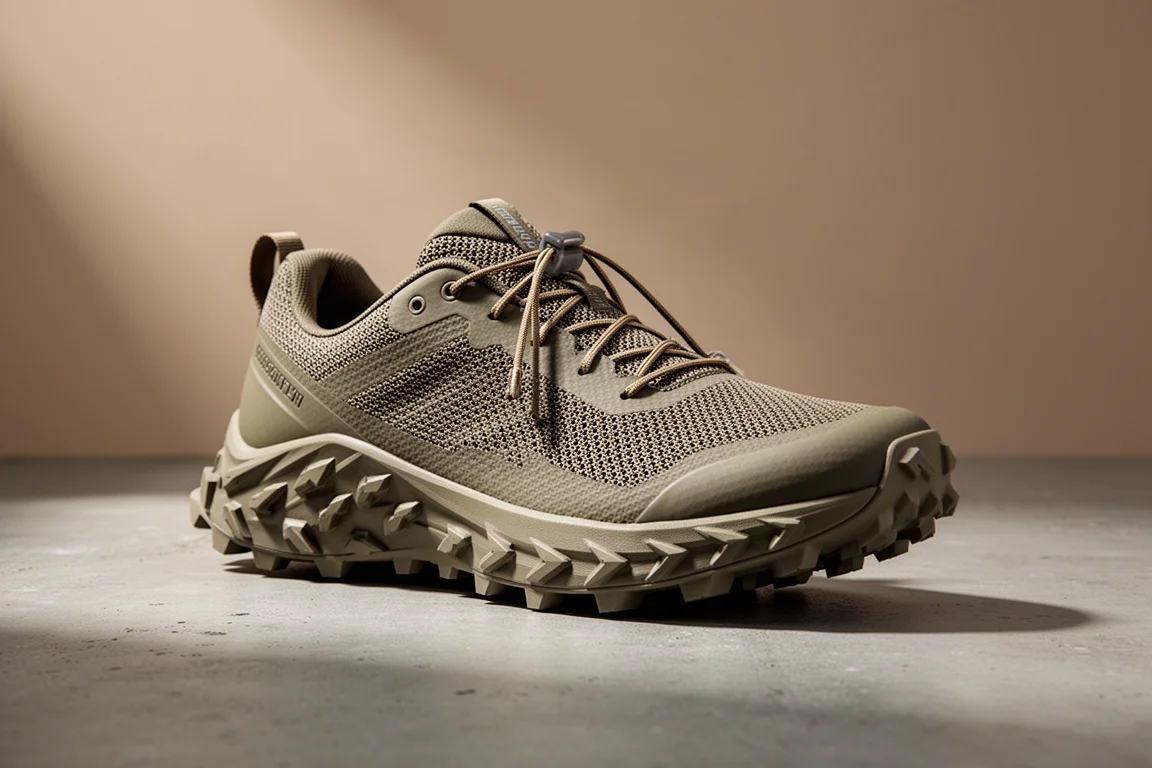
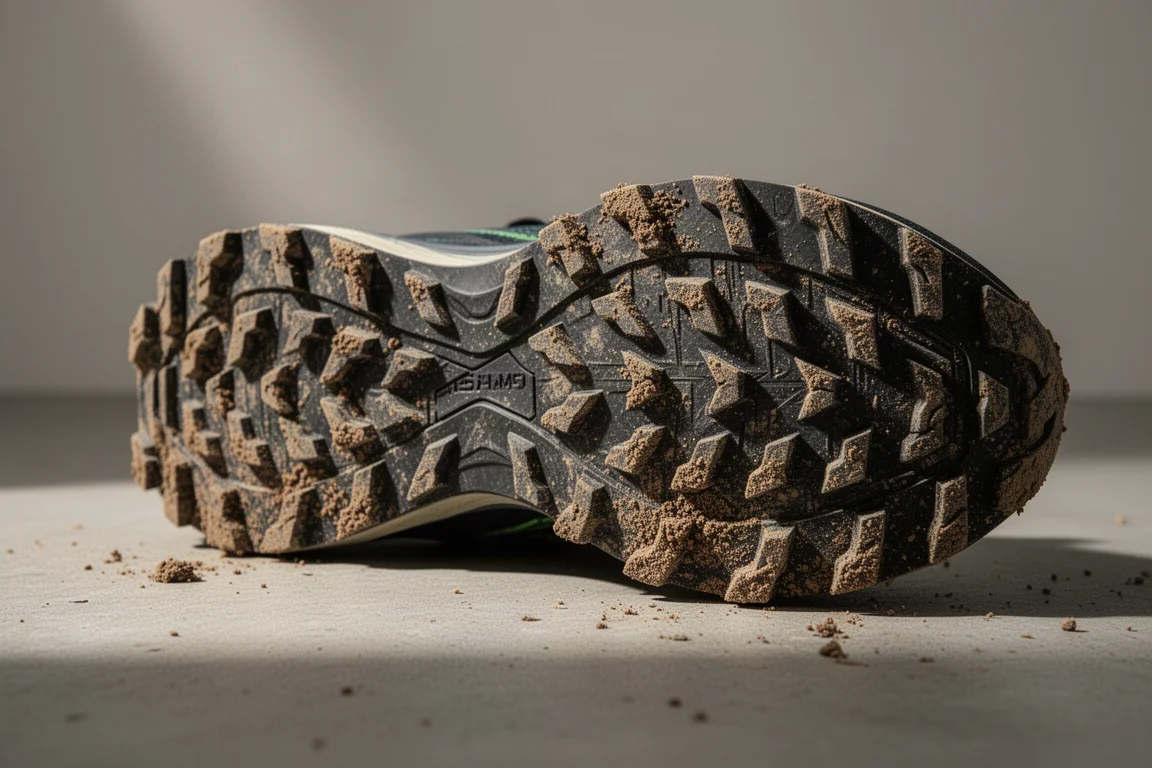
The Speedcross 6 retails in the UK for 130 pounds and comes in at 310 grams in a UK 9.5. The geometry is unchanged in spirit: a 10mm heel offset with 32mm of cushioning under the heel and 22mm under the forefoot. Flip the shoe over and the headline feature is impossible to miss: an aggressive 5mm multi-directional directional lug pattern on the newly designed Contagrip rubber outsole, built for grip on soft, loose, rugged, and uneven surfaces.
Visually, the Speedcross formula has not changed much, and that seems deliberate. Salomon wants to stay true to the original shoe that made its name. Still, the brand claims meaningful updates, starting with the upper.
Fit and Upper
The upper now uses an anti-debris mesh with a very tight weave, designed to keep out mud, grit, and sand. It is a ripstop fabric, which should help with durability. That matters, because previous Speedcross versions have broken down quickly at the flex point of the toe. The tongue and ankle collar are well padded, ripstop fabric runs across the midfoot for a bootie-like feel, and multiple overlays wrap from the heel down around the midfoot and lace eyelets, finishing at the toe for a precise lockdown and added durability. A substantial toe bumper protects against trail impacts.
Newcomers to Salomon will notice the Quicklace system immediately. Instead of conventional laces, a nylon cord lets you pull to your desired tension, slide the lock into place, and tuck the excess into a small pocket on the tongue so nothing snags on the trail. Getting out is just as simple: pull the cord from the pocket, press the front plate, and it releases. It is a genuinely efficient system that suits trail running well.
On foot, the fit is the classic Salomon story. The shoe locks in extremely well around the midfoot with zero slipping or side-to-side movement, and the ankle collar and heel hold securely. The trade-off is width: this is a notably narrow shoe, pinching in hard at the midfoot and toe box. Salomon has actually reduced toe box volume compared to recent versions, returning to a narrower shape. Runners with narrow feet will feel dialed in; anyone with wider feet should look at the available width option or consider a different shoe entirely.
One practical note: the tested colorway is white, which looks sharp online but seems an odd choice for a shoe built for boggy, muddy conditions heading into autumn. Expect it to stay pristine for approximately one run.

Grip and Traction
This has historically been the Speedcross’s weakest area. Older versions were inconsistent on wet rock, and greasy terrain felt like playing roulette: some surfaces stuck, others felt like ice. The new Contagrip outsole shows subtle but real improvements. On the first run it handled greasy tarmac confidently, an area where earlier Speedcross models genuinely struggled, and it dug in convincingly on loose gravelly trails, with those 5mm lugs providing dependable traction.
The real test came on wet wooden boardwalks, worn wooden steps, and slick tree roots, some of the hardest surfaces a trail outsole can face. The shoe came through with no slipping and a confident feel underfoot. That said, the outsole still needs a longer, more demanding test on wet rocky coastal terrain before any final verdict on grip consistency. Mud and bog, however, are clearly this shoe’s home turf: it looks and behaves like a mud tractor.
Midsole and Cushioning
The midsole is built from Salomon’s Energy Cell Plus, a compound the brand describes as high energy returning with substantial cushioning and durability. On the evidence of this run, that description feels generous, especially under the forefoot. Cushioning is all relative, and anyone used to deeply cushioned shoes will find the Speedcross 6 feels quite minimal. On gravel and hard-packed trails, small stones pushed through into the sole of the foot to the point of genuine discomfort.

This is a soft-ground shoe by design, and some will argue minimal cushioning is a fair trade for ground feel and stability on uneven terrain. That is a legitimate preference. But when a brand markets a midsole as high energy returning and substantially cushioned, it should deliver some of both, and neither was evident here. The forefoot feels firm enough that long training runs over mixed terrain become a question mark; based on a seven-mile run alone, 15 to 20 miles would likely be the comfortable ceiling.
The 10mm heel offset also remains a talking point. It was less noticeable than in some previous versions, but it still tipped the foot forward on steeper descents, feeling dominant on the way down. A 4 to 6mm drop would suit this shoe’s character better.
Should You Buy the Speedcross 6?
The honest summary: the fit and comfort of the upper are the standout strengths, the Quicklace system remains one of the best in trail running, and the outsole shows genuine if subtle improvement on hard slick surfaces. Against that, the midsole feels minimal and slightly overhyped, the 10mm drop feels dated, and the overall construction and ride feel left behind by a trail running industry now built around plush, responsive, energy-returning compounds. Compared within Salomon’s own lineup, alternatives feel lighter, more nimble, and more comfortable underfoot for comparable terrain.
If you have run and loved every Speedcross generation, the sixth will almost certainly please you: it is recognizably the same shoe, now slightly better in the mud. If previous versions left you cold, nothing here changes the calculus. For a longer-term test, the shoe still needs extended mileage and a wet rocky coast path session to settle the grip question properly.
Conclusion
The Salomon Speedcross 6 is an iconic shoe staying true to its roots, and that is both its charm and its limitation. Brilliant fit, dependable traction in mud and on wet wood, and a quick, clever lacing system sit alongside minimal cushioning, a high heel offset, and a ride that feels a generation behind. Buy it if the classic Speedcross formula has always worked for you; look elsewhere if it never has.
Product link
View more details for Salomon Speedcross 6
This product is mentioned in the review. Check the specifications, options, and compatibility before buying.
View more details for Salomon Speedcross 6Further reading
Related Reviews
Trail Running Shoes
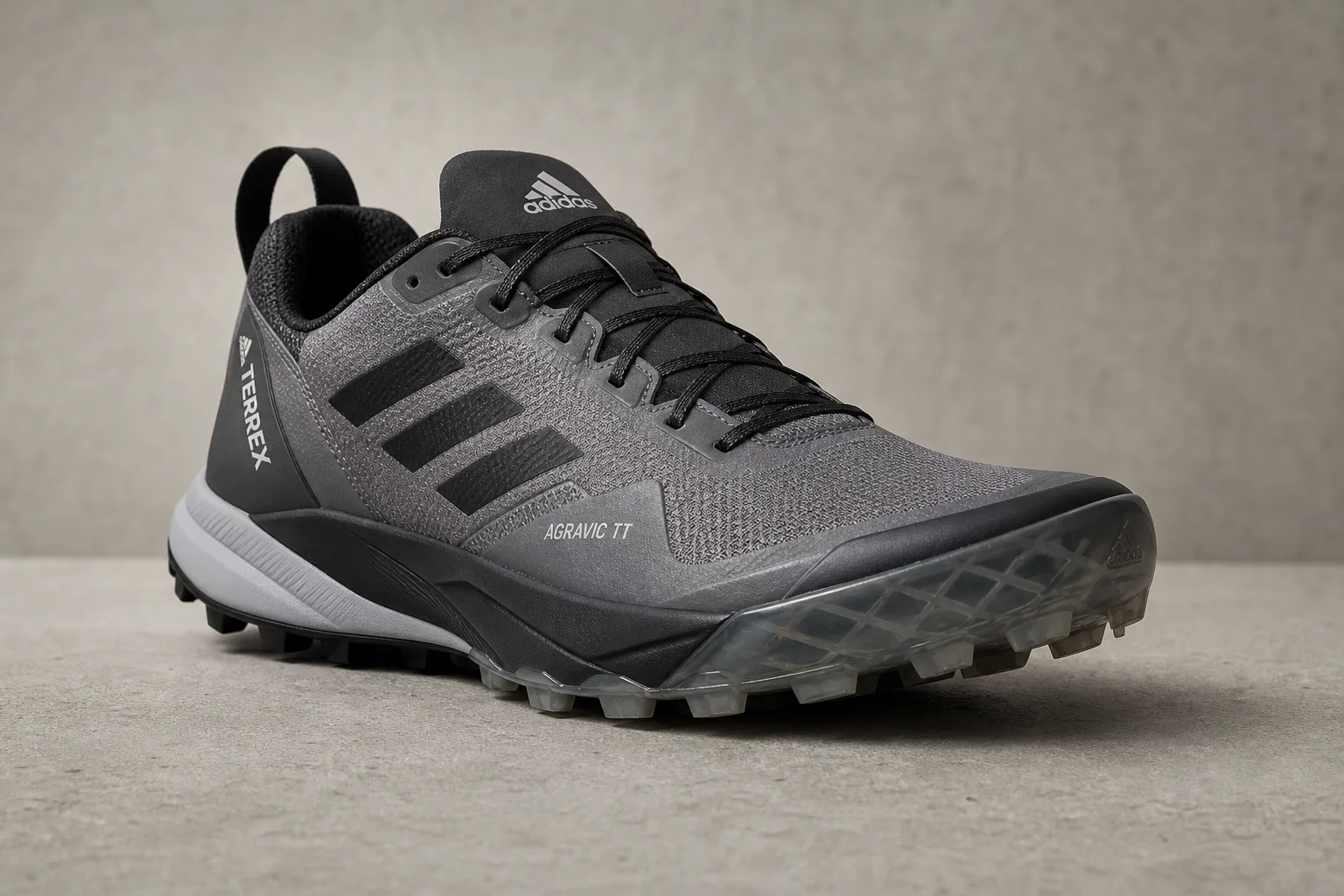
Adidas Terrex Agravic TT Review: A Technical Trail Shoe Built for Rocky Terrain
The Adidas Terrex Agravic TT combines a full-coverage rock plate with a firmer midsole to deliver protection and stability on technical, rocky trails. A capable choice for runners who prioritize underfoot defense over lightweight cushioning.
Trail Running Shoes
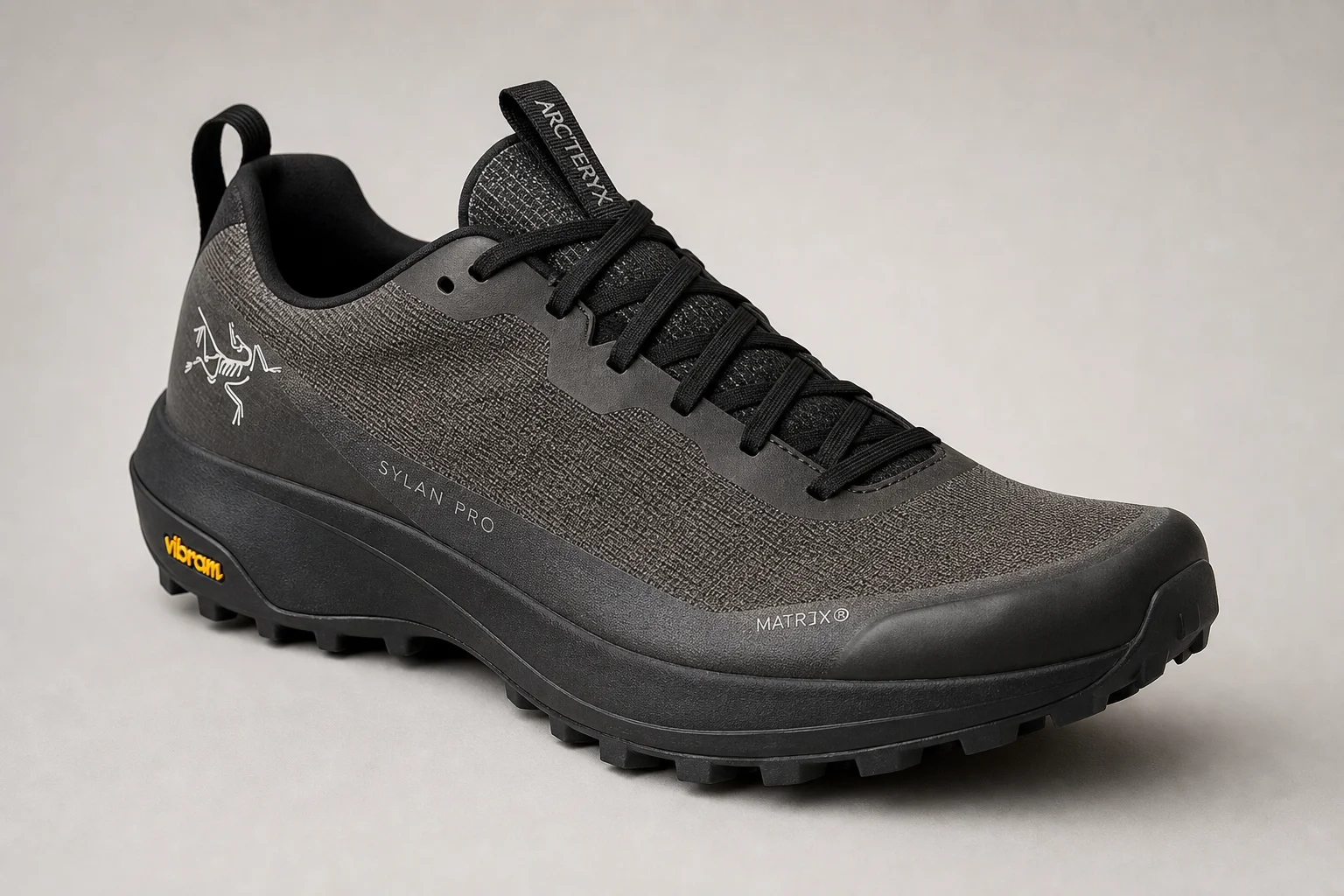
Arc'teryx Sylan Pro Review: A Rocker-Focused Mountain Running Shoe Tested on 20 Miles
The Arc'teryx Sylan Pro brings a pronounced rocker geometry and secure fit to mountain terrain. We tested it on a 20-mile Sawtooth loop to evaluate its climbing efficiency, protection, and handling of technical descents.
Trail Running Shoes
Best All-Mountain Trail Running Shoes: Three Versatile Options for Any Trail
A focused roundup of three all-mountain trail running shoes that handle technical terrain, long distances, and variable conditions with real strengths and practical trade-offs.