Trail Running Shoes
Salomon S/Lab Ultra Glide Long Run Review: 15 Miles of Real Trail Testing
A 15-mile test across tarmac, gravel, sand and coastal cliffs reveals where the S/Lab Ultra Glide shines and where it falls short.
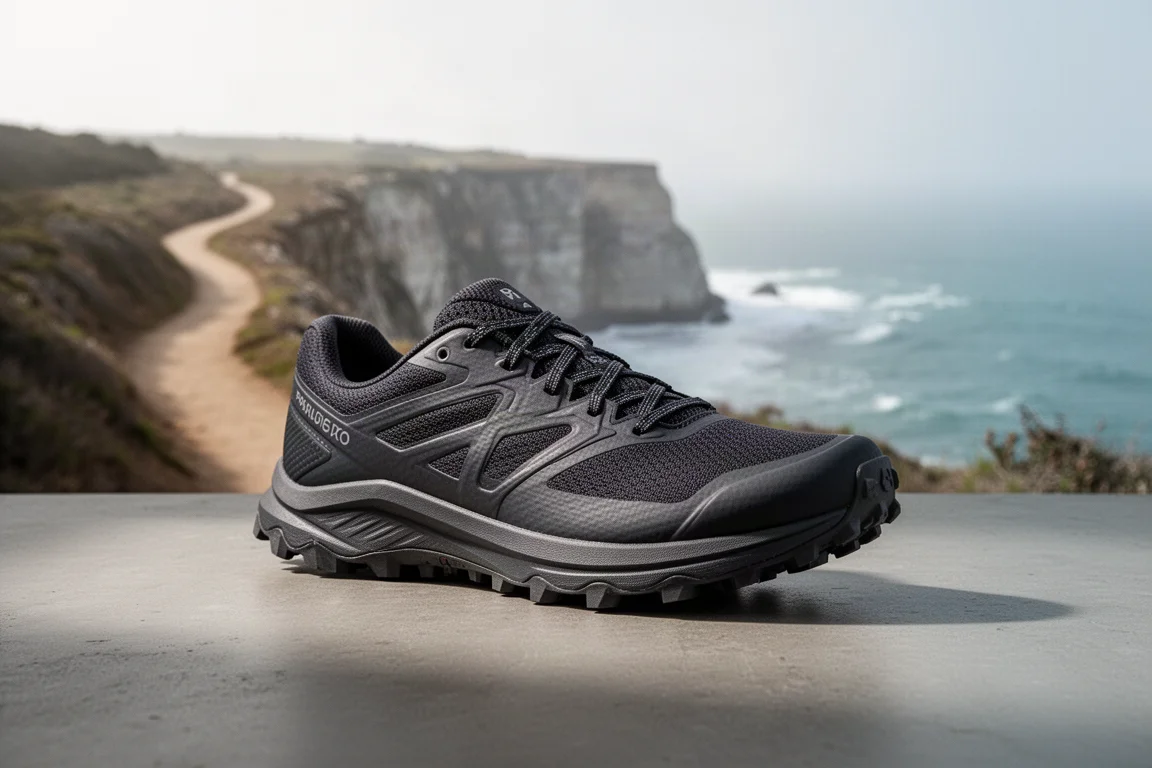
Introduction
The Salomon S/Lab Ultra Glide is built with one job in mind: long ultramarathon days on mixed terrain. After a short first run left some questions open, a proper long effort was the only fair way to judge it. The route covered just over 15 miles of tarmac, compacted gravel, soft sand and clifftop trail, which is about as close as it gets to real ultra conditions.
The Long Run Test
The route followed a coastal path out to a lighthouse and up onto the north cliffs, deliberately mixing compacted gravel, soft sand, tarmac and the odd technical section to replicate underfoot conditions on a long ultramarathon. That variety matters, because a deeply cushioned trail shoe can feel brilliant on smooth ground and fall apart on rock.

By the finish, the legs had logged 15.32 miles, giving the shoe a genuinely thorough test across body and mind alike.
First Impressions on the Move
The most noticeable change from the first run was the midsole. The energy foam plus core initially felt flat, but after a few miles it bedded in and felt noticeably bouncier. That is arguably a good sign: midsoles that feel super bouncy straight out of the box sometimes collapse quickly, so a firmer start may hint at better long-term durability.
Lockdown and the Quick Lace System
Lockdown is the main frustration. The quick lace system is integrated into the tongue, which makes it awkward to work the slack out of the laces. It took several minutes of pulling the cord tight to get a secure fit around the midfoot and heel.
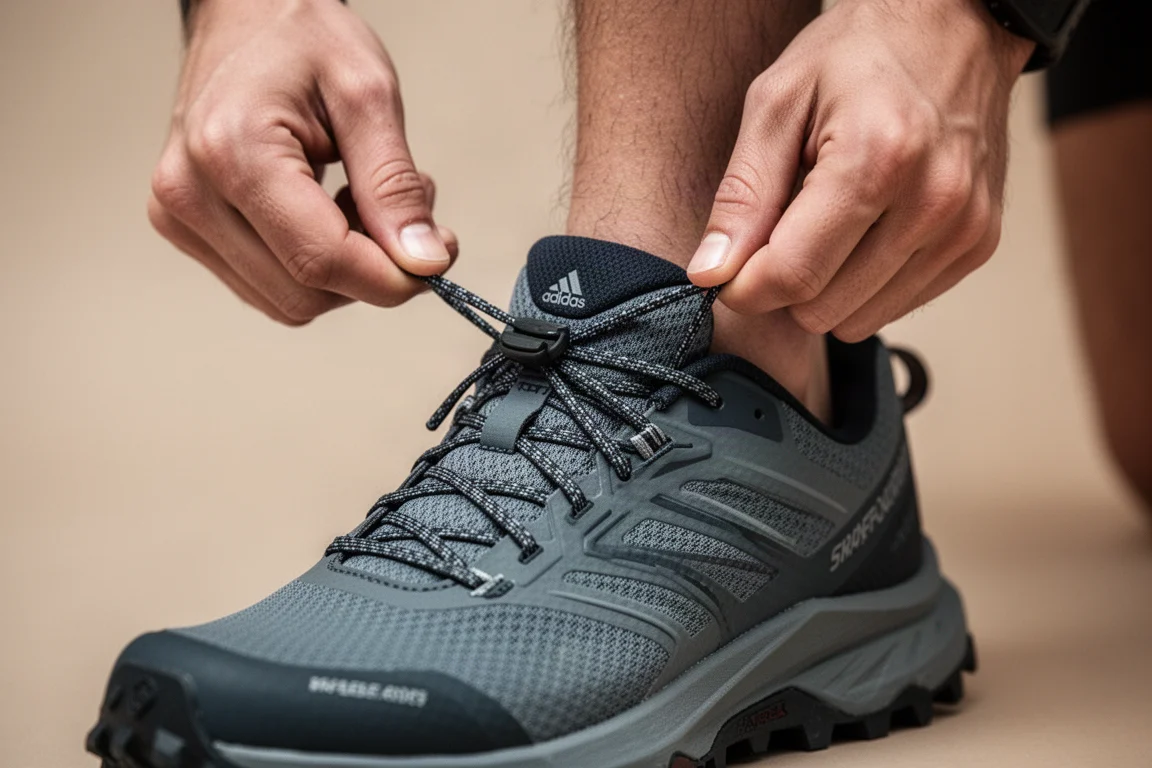
The upside is that once dialed in, the fit stayed put for the entire run with no loosening, no hot spots, no rubbing and no blisters. If you struggle with heel slip in this shoe, work the slack from the bottom of the lace up to the top before cinching the cord tight.
Cushioning, Grip and Terrain Handling
The dual compound midsole soaked up impact over the full 15.3 miles with ease and handled firm, compacted trails and tarmac comfortably. This is a shoe you could happily run road sections in all day.
Technical trail is a different story. Ground feel is limited, as expected in a deeply cushioned shoe, and on rocky sections the shoe did not feel especially stable or well connected. On a route with longer technical stretches, or in the mountains, a lower-stack shoe with more ground feel would be the safer choice.
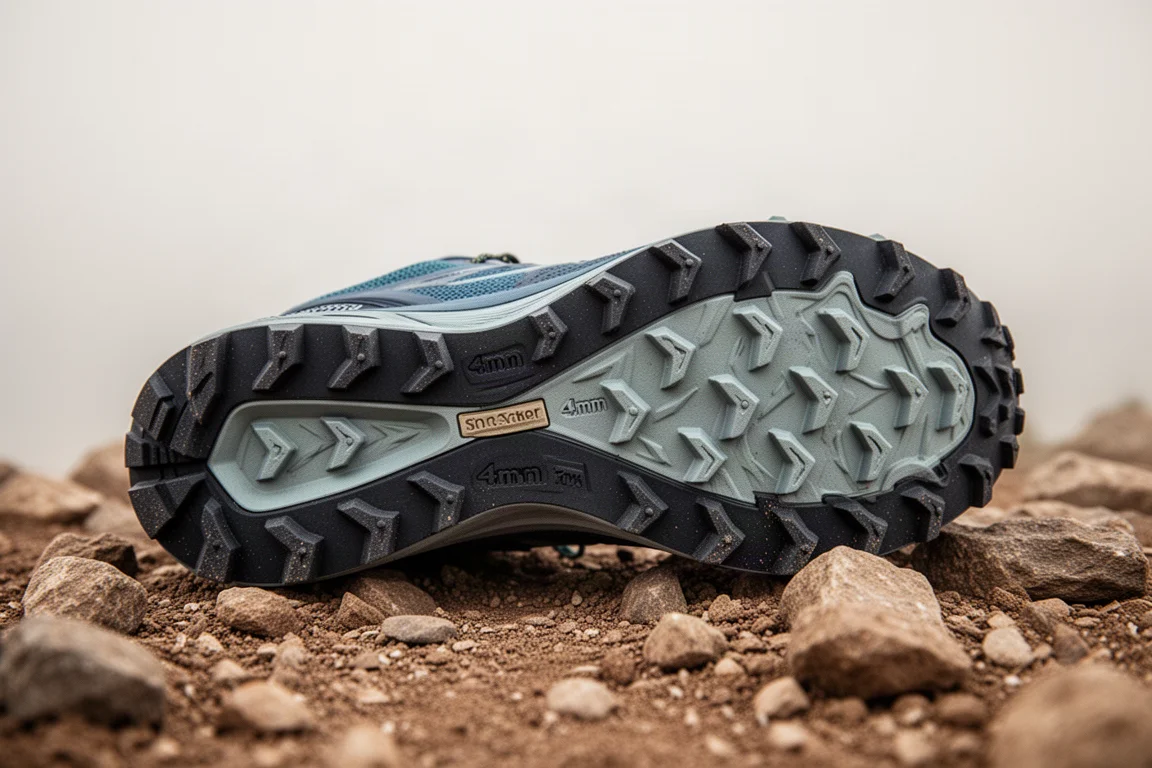
On grip, the Contagrip rubber outsole with its 4mm lugs performed well, including on muddy sections during an earlier outing. It is an improvement over older Salomon rubber compounds, though it still does not match the confidence of Vibram Megagrip or Asics Grip outsoles on wet rock. The new Relief Sphere technology on the outsole did not feel noticeably different from a standard trail outsole setup, though the innovative thinking behind it is appreciated.
Verdict: Is It Worth the Price?
At its hefty price point, the honest answer is no, not quite. It is not a bad shoe, and the performance across 15 miles was genuinely enjoyable, but it does not feel special enough to justify the cost when other trail shoes deliver similar performance for a fraction of the price.

Previous S/Lab models always felt exciting, with a fit that made you want to sprint out the door onto technical trails. The Ultra Glide is a very different proposition as a first attempt at a deeply cushioned trail shoe, and that same excitement is missing.
Conclusion
The S/Lab Ultra Glide passes the blister test, cushions long miles well, and handles tarmac and gravel with ease. Its weaknesses are a fiddly quick lace system, limited stability on technical ground, and a price that over-promises. Choose it for long, runnable ultra routes with modest technicality, and look elsewhere for rocky mountain terrain or budget-friendly value.
Product link
View more details for Salomon S/LAB Ultra Glide
This product is mentioned in the review. Check the specifications, options, and compatibility before buying.
View more details for Salomon S/LAB Ultra GlideFurther reading
Related Reviews
Trail Running Shoes
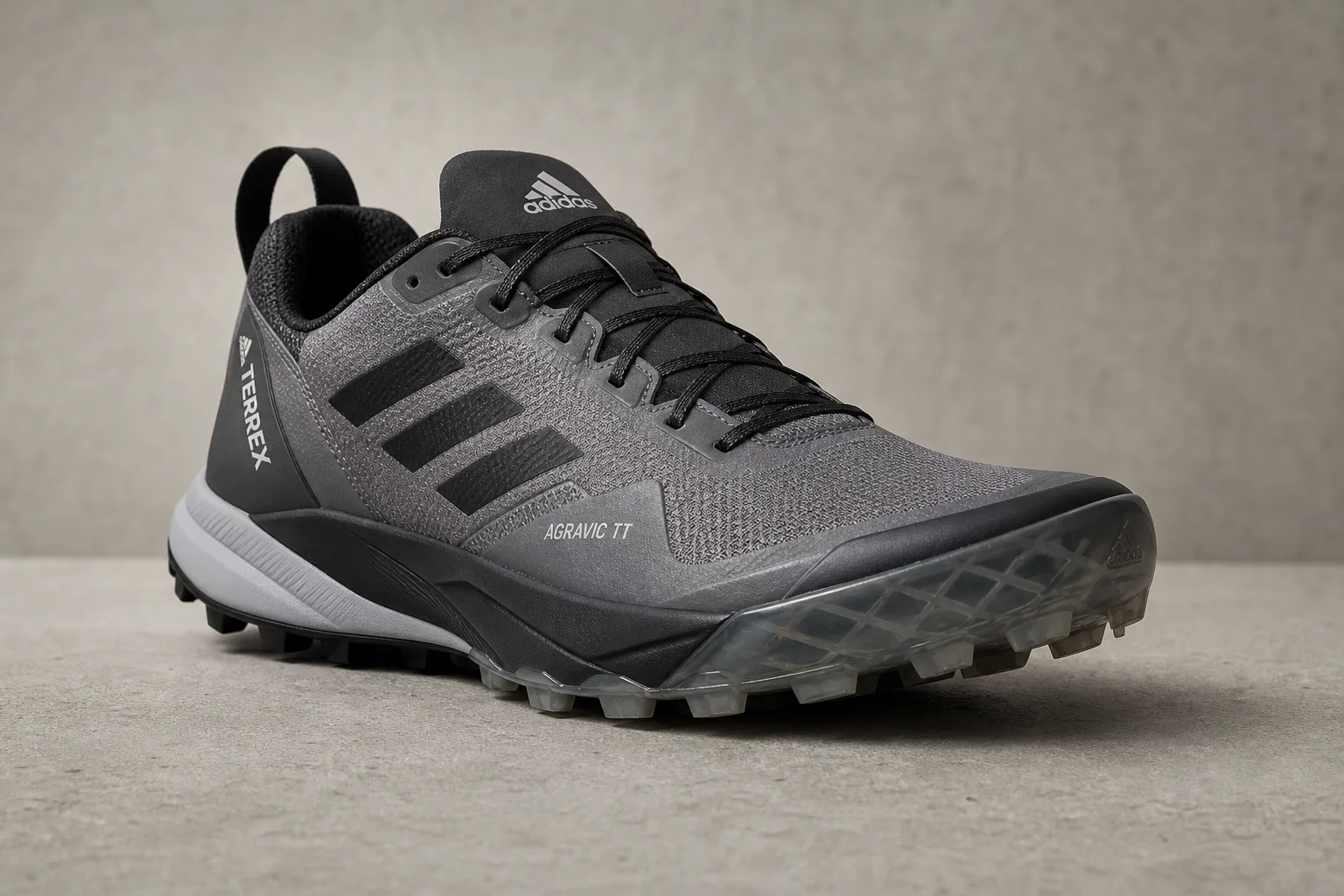
Adidas Terrex Agravic TT Review: A Technical Trail Shoe Built for Rocky Terrain
The Adidas Terrex Agravic TT combines a full-coverage rock plate with a firmer midsole to deliver protection and stability on technical, rocky trails. A capable choice for runners who prioritize underfoot defense over lightweight cushioning.
Trail Running Shoes
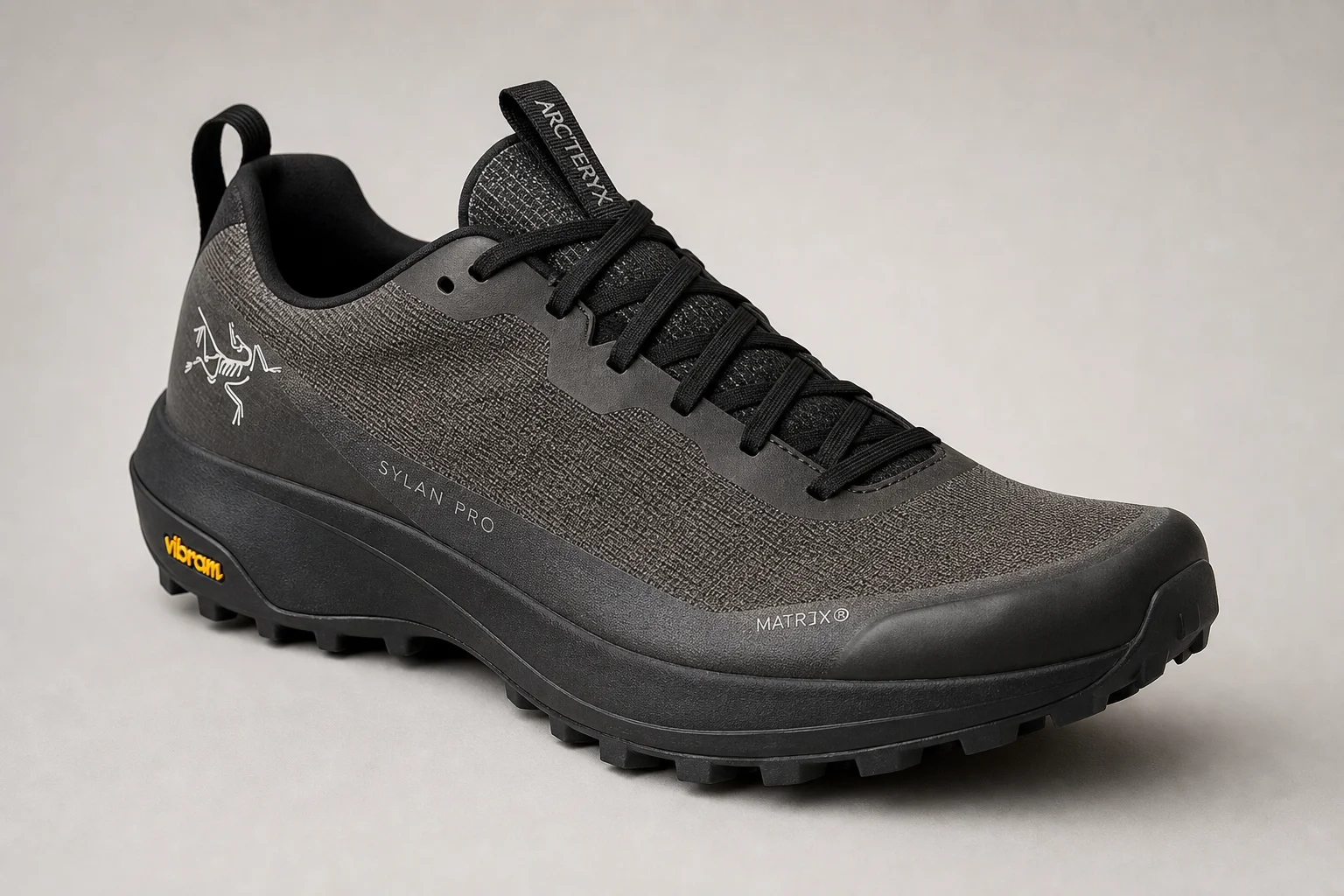
Arc'teryx Sylan Pro Review: A Rocker-Focused Mountain Running Shoe Tested on 20 Miles
The Arc'teryx Sylan Pro brings a pronounced rocker geometry and secure fit to mountain terrain. We tested it on a 20-mile Sawtooth loop to evaluate its climbing efficiency, protection, and handling of technical descents.
Trail Running Shoes
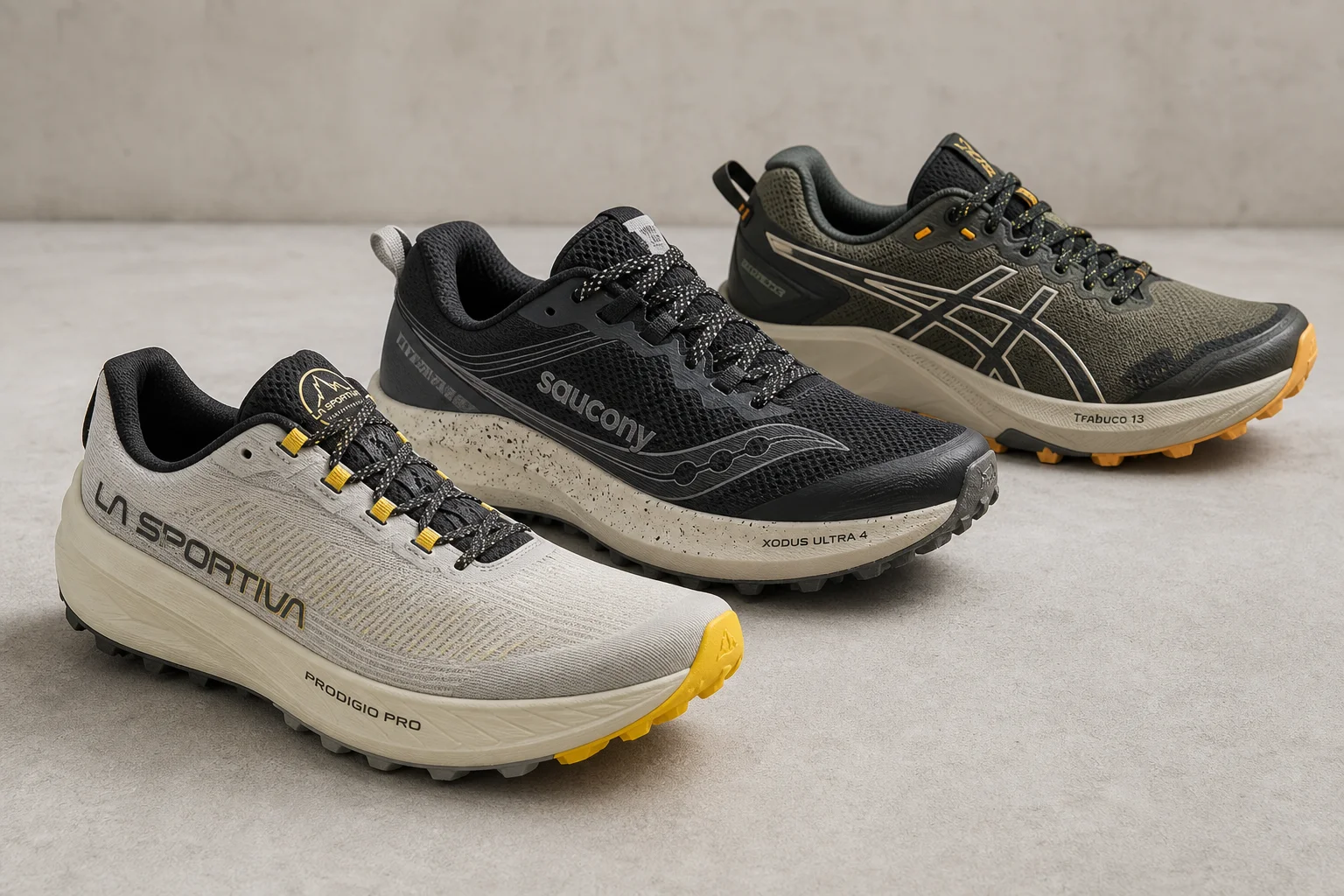
Best All-Mountain Trail Running Shoes: Three Versatile Options for Any Trail
A focused roundup of three all-mountain trail running shoes that handle technical terrain, long distances, and variable conditions with real strengths and practical trade-offs.