Running Shoes
Salomon S/Lab Spectre First Run Review: A Racing Shoe Built for 3:30 to 4-Hour Marathoners
Salomon's first plated performance trainer targets a genuinely underserved group: runners spending 3.5 to 4+ hours on their feet. Here is how it stacks up after a 14-mile test.
Introduction
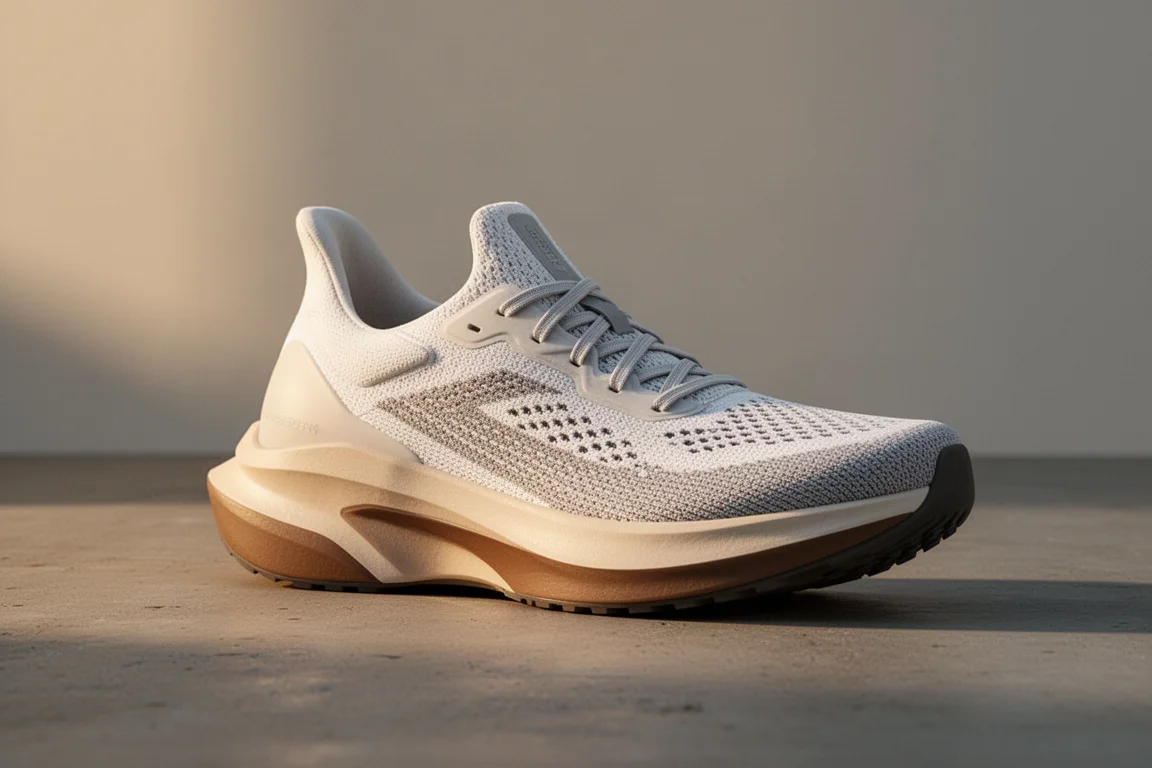
Most marathon racing shoes are built for runners finishing well under three hours. If your marathon lands closer to three and a half or four hours, the aggressive, lightweight race day options often stop feeling great long before the finish line. The Salomon S/Lab Spectre is Salomon’s answer to that problem: a carbon-plated shoe explicitly designed for 3:30 marathoners and slower, built around comfort over long time on feet with a little extra pep when you need it.
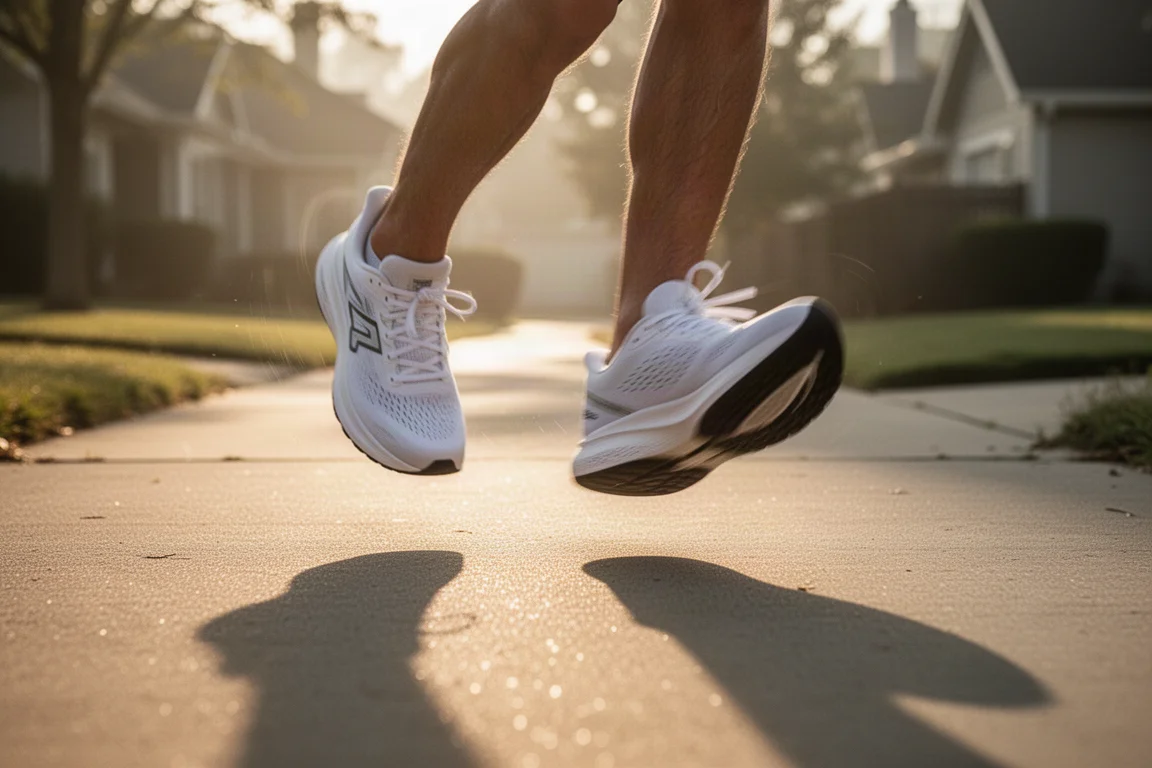
After a 14-mile test run at roughly 8-minute pace, plus a bonus afternoon comparison run, this is one of the more interesting plated shoes released in this category in a while.
Design and Construction
The S/Lab Spectre uses a dual-foam construction that will feel familiar if you have looked at the Saucony Kinvara Pro or Adidas Boston 12: a soft race foam top layer, believed to be PEBA-based, sitting over a firmer standard EVA bottom layer, with a carbon fiber plate Salomon calls the Energy Blade sandwiched in between. Each layer has a clear job. The top foam compresses and bounces back like a race day foam, while the firmer base keeps the platform planted.
Stability comes less from a wide base and more from geometry. The heel flares outward in what has already earned the nickname the Salomon split, and the carbon plate wraps up along the back of the shoe for additional support. The ride is built around a rocker that combines elements from several rivals: a slightly disconnected front and rear like the ASICS Novablast 4, a midfoot-to-forefoot curve like the New Balance SuperComp Trainer V2, and an upswept toe like the Kinvara Pro and Boston 12.
There are also some genuinely nice design touches. Subtle “S Lab” branding in the grey upper, tan speckles across the tongue, and generous padding in the tongue and collar give it a more refined feel than the first glance suggests. S/Lab is Salomon’s performance division, and cheaper, plate-free versions of the Spectre sit below this top-tier model.
Specs, Weight, and Price
On the scale, a US men’s size 10.5 came in at 273.5 g and 273 g for the two shoes, an impressively consistent build. That puts it nearly identical to the Adidas Boston 12 at 270 g, lighter than the Saucony Kinvara Pro at 302.5 g, and well under the Hoka Skyward X at 332.5 g. It is heavier than mainstream marathon racers like the Saucony Endorphin Pro 4, which typically land between 220 and 240 g, but the extra weight buys a more padded upper and a more stable platform.
Stack height is where things get puzzling. The Spectre measures just 38 mm at the heel and 30 mm at the forefoot, an 8 mm drop. That is significantly lower than the Skyward X’s roughly 50 mm, and for a shoe marketed at bigger runners who spend more time on their feet, the modest forefoot stack is a legitimate question mark. The trade-off is a planted, nimble, ground-connected feel rather than max cushioning.
Pricing is aggressive for a shoe sharing its construction with $110 to $180 competitors: the Spectre retails at $220, the same tier as the Skyward X. The Boston 12, SuperComp Trainer V2, and Novablast 4 all undercut it considerably, and the Novablast 4 in particular remains the best value in the category at an MSRP of $140.
Fit and Upper
The Spectre runs true to size; a US men’s 10.5 left just enough room in the toe box. The upper is one of the best racing uppers tested this year: snug without squeezing, well-fitting through the forefoot with no rubbing, and highly breathable on a hot morning that felt like the mid-80s. Heel lockdown is secure with a nice padded, caged feel without excessive structure, avoiding the overly firm heel treatment found on some recent Saucony shoes.
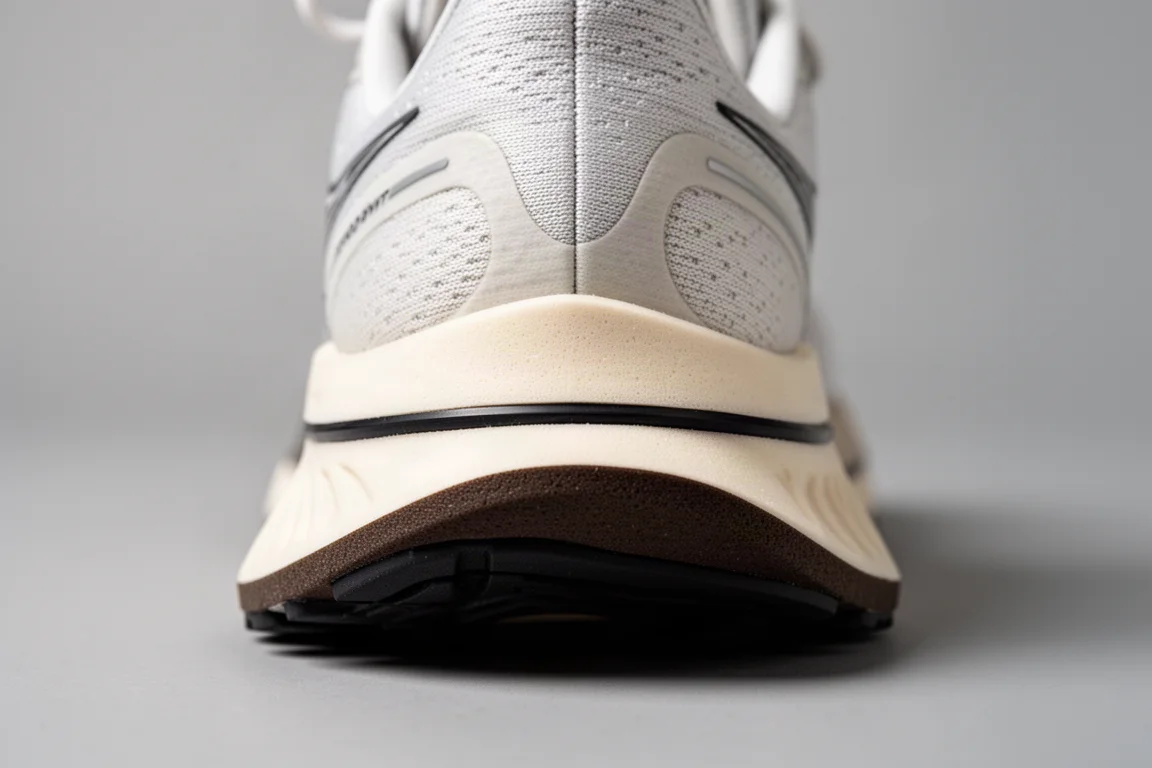
Two fit quirks deserve a mention. The heel collar extends unusually high, giving a tall basketball-sneaker feel, and the tongue is long. Neither caused any problem on the run, but they are noticeable. The shoe also looks narrow at first glance, though on foot the toe box proved roomier than expected, coming from the noticeably narrower Kinvara Pro.
Ride and Performance: 14 Miles at Marathon-Effort Pace
Fourteen miles at almost exactly 8-minute pace, just under two hours on foot, and the Spectre delivered one of the cleanest rides in this class. The standout quality is what it does not have: no weirdness. It is not too soft, not too firm, not wobbly, not awkward, and not overbuilt. Where rivals each carry a quirk, the Skyward X feels strange to anyone not used to 50 mm shoes, the Boston 12 can feel clunky, the Deviate Nitro 2’s front end compresses excessively, and the Kinvara Pro runs too firm for some, the Spectre simply feels normal in the best possible way.

The dual-foam implementation may be the best tested to date. The soft top layer compresses generously and returns energy with a genuine race foam bounce, while the firm base makes this one of the best heel-striking shoes around. Landing on the rear platform felt stable and relaxed, and the forefoot has enough pop for a lively toe-off. The narrow, tapered midfoot never produced the disjointed ride feared on first inspection.
The main caveat is forefoot protection. With only 30 mm up front and a compressive top layer, at times you ride close to the plate. Compared with the Skyward X, SuperComp Trainer V2, or Endorphin Pro 4, the forefoot simply has less built-up cushion. That makes the Spectre nimble and easy to turn, an advantage on twisty courses, but runners wanting maximum forefoot protection should look elsewhere. Think of it as a more stable, firmer alternative to the Nike Vaporfly: race day lightness and glide for runners who found the Vaporfly too soft and unstable.
How It Compares to the Alternatives
Against the Novablast 4, the Spectre is slightly lighter and has race foam and a plate where the ASICS uses standard foam, but the Novablast gives you more foam in both width and height for far less money. Against the Kinvara Pro, the Spectre rides more on its bouncy top layer thanks to a thinner firm base, where the Kinvara Pro leans on its firmer bottom foam, especially in the heel. Against the Boston 12, most runners would likely prefer the Spectre’s smoother, more streamlined package.
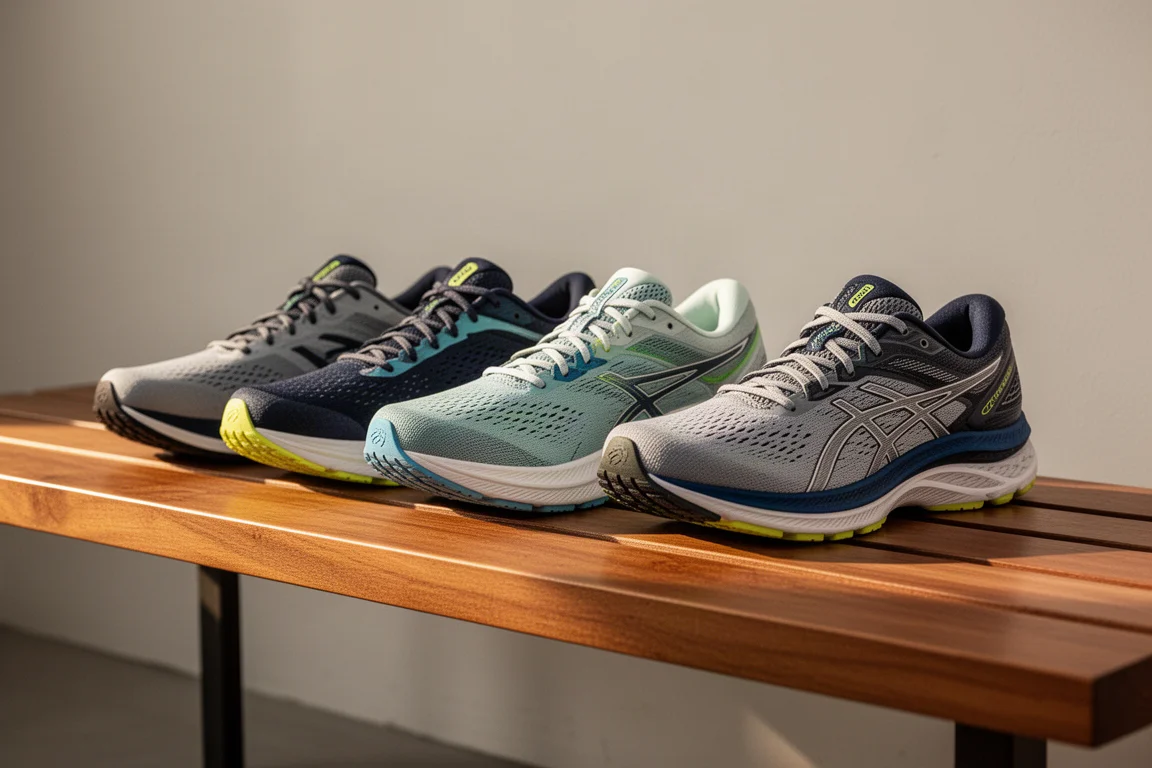
An afternoon six-mile run in the Puma Deviate Nitro 2 sharpened the picture further. The Nitro 2 is a lovely soft, bouncy shoe, but its dual-foam layering feels disjointed by comparison: a chunky heel, a front end that compresses too much, and noticeably less protection by the end of a short run than the Spectre offered after two hours. A head-to-head with the Endorphin Pro 4 is the natural next comparison, though the Spectre is not aiming at sub-2:50 marathoners. It is built for the 7:30 to 9:00 minute-per-mile crowd, and at that pace it felt genuinely excellent.
Buying Advice
The S/Lab Spectre makes sense if you are a 3:30 to 4-hour marathoner who wants a race day feel without the instability and excessive softness of elite racing shoes, or if you want a fast, plated option for long runs and tempo work. It also suits runners who found the Vaporfly too soft, or who prefer a lower, nimbler platform for corner-heavy races.
If maximum cushioning, a wide stable base, or value matter most to you, the Novablast 4, SuperComp Trainer V2, or Boston 12 remain stronger picks at their prices. The Spectre’s $220 price is hard to justify on paper next to those, but on foot it feels like a genuine racing shoe with stability built in, and that is a different product than any of them.
Conclusion
Salomon set out to build a shoe for an underserved group of marathoners, and on first impressions the S/Lab Spectre accomplishes that remarkably well. It is refined, stable, comfortable over two hours of running, and free of the quirks that plague much of the plated-shoe market. The low forefoot stack and high price are the two honest trade-offs. As a first version, it is trending toward being a top pick for 3:30 to 4-hour marathoners, pending a true long-run test.
Product link
View more details for Salomon S/Lab Spectre
This product is mentioned in the review. Check the specifications, options, and compatibility before buying.
View more details for Salomon S/Lab SpectreFurther reading
Related Reviews

Running Shoes
Best Road-to-Trail Running Shoes: Three Versatile Options for Mixed Terrain
A practical guide to three road-to-trail running shoes that handle both pavement and mild trails, with clear strengths and trade-offs for different runner types.

Running Shoes
Best Running Shoes for Achilles Tendonitis: Three Options Explained
Three running shoes with different heel drops and support features designed to help reduce Achilles tendon pain during walking and running.

Running Shoes
Best Running Shoes for Women: Five Top Choices Ranked
A ranked guide to five women's running shoes, from versatile daily trainers to high-performance racing options, with real strengths and trade-offs for each.