Running Shoes
Salomon S/LAB Spectr Review: A Stable Super Shoe That Feels More Trainer Than Racer
The S/LAB Spectr aims to be a super shoe for the masses, with impressive stability and comfort, but it falls short of the racing feel its price suggests.
Introduction
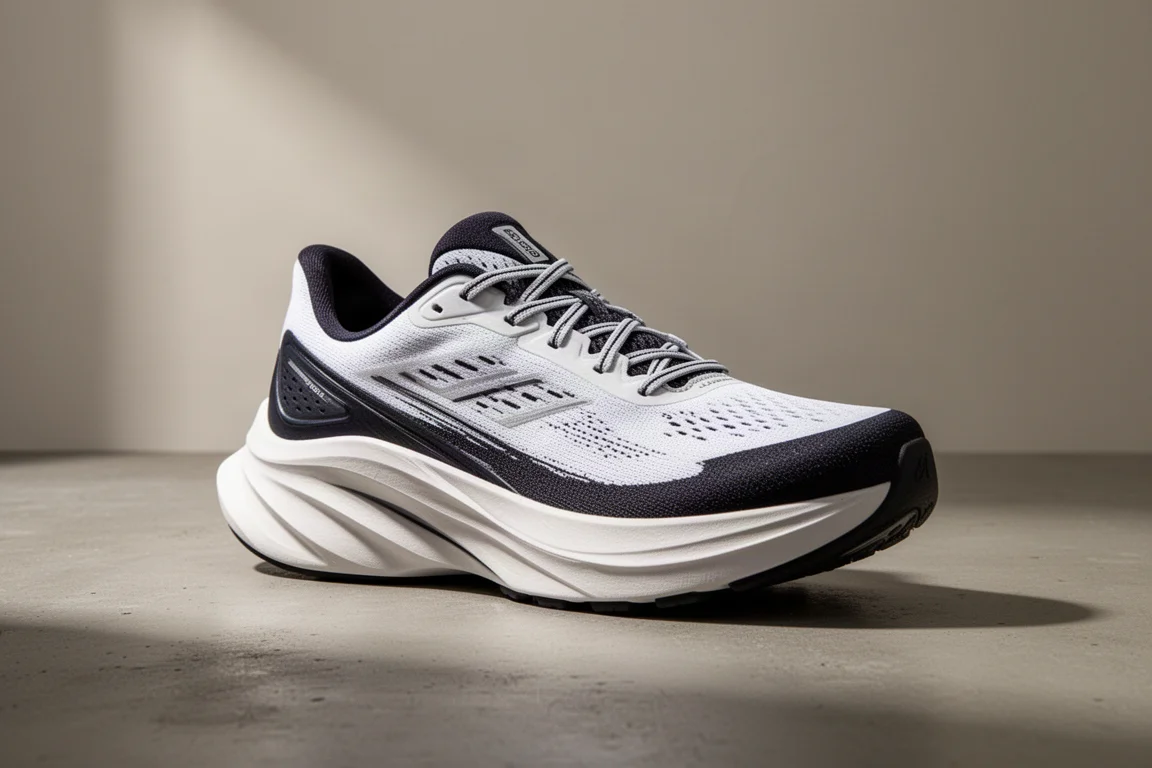
The Salomon S/LAB Spectr is a carbon plate shoe built around an unusual idea: a super shoe for the masses. Rather than targeting front-of-pack runners chasing sub-2-hour or sub-3 marathons, Salomon positions it for people aiming at something closer to a 4-hour marathon time.
It should not be confused with the standard Salomon Spectr, which is a cheaper training shoe. The S/LAB branding signals a more premium construction and a much bigger price tag, sitting in the range alongside the S/LAB Phantasm 2, the brand’s full carbon plate racing shoe for faster runners. It costs £210 in the UK or $220 in the US, weighs 254g (9 oz) in a UK size 9, and carries a 38mm heel stack with a 30mm forefoot for an 8mm drop.
Who This Product Is For
The shoe is marketed at runners who want the technology of a super shoe but with a noticeably more stable platform. Most carbon plate race shoes on the market are light, soft, and somewhat wobbly, which makes them a poor fit for runners who prioritize a planted, secure feel. That is the gap the Spectr is designed to fill.
If stability is a genuine priority for you and you have found shoes like the Vaporfly or Alphafly too unstable in the past, the Spectr is one of the few premium plated options that addresses that directly. If you do not specifically need that stability, though, there is little here that justifies the price over a wide range of alternatives.

Main Strengths
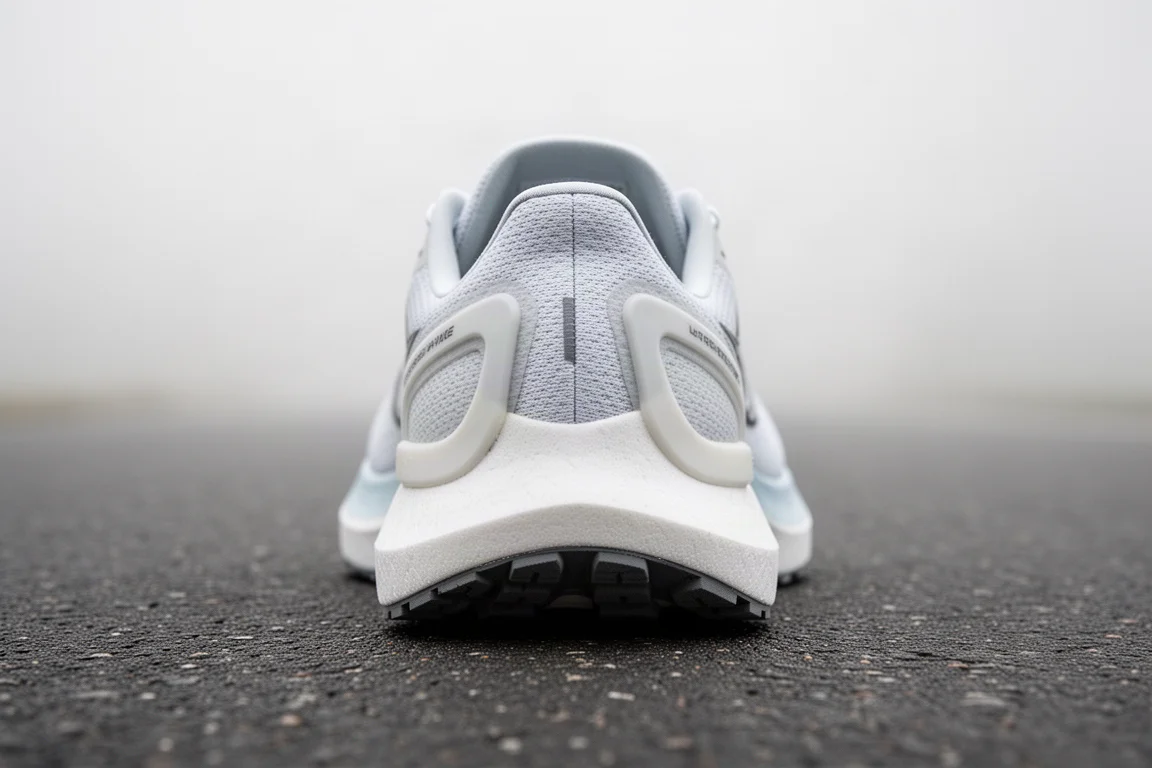
The construction is where the shoe’s intentions become clear. The dual-density midsole pairs a top layer of Salomon’s PEBA-based Energy Foam Plus, the bouncier and lighter material, with a bottom layer of standard Energy Foam, a firmer blend of EVA and olefin. Running through the midsole is an Energy Blade carbon plate, winged at the back to add stability. The heel base is unusually wide, flanked by foam sidewalls, all designed to give a stable landing for runners who touch down further back before rocking onto the forefoot.
Stability is genuinely the standout quality. Compared with shoes like the Vaporfly or Alphafly, it feels considerably sturdier, with the foot held firmly in place. That is arguably the area where this shoe excels, and it does so without completely preventing faster running.
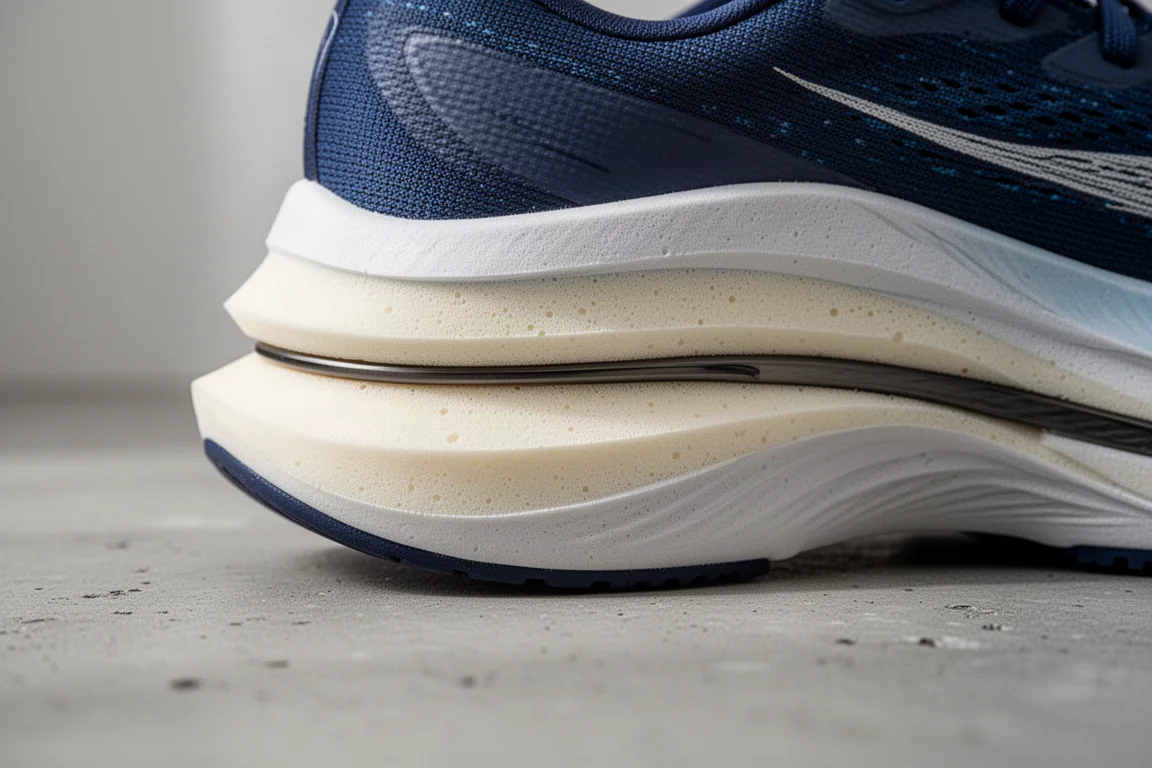
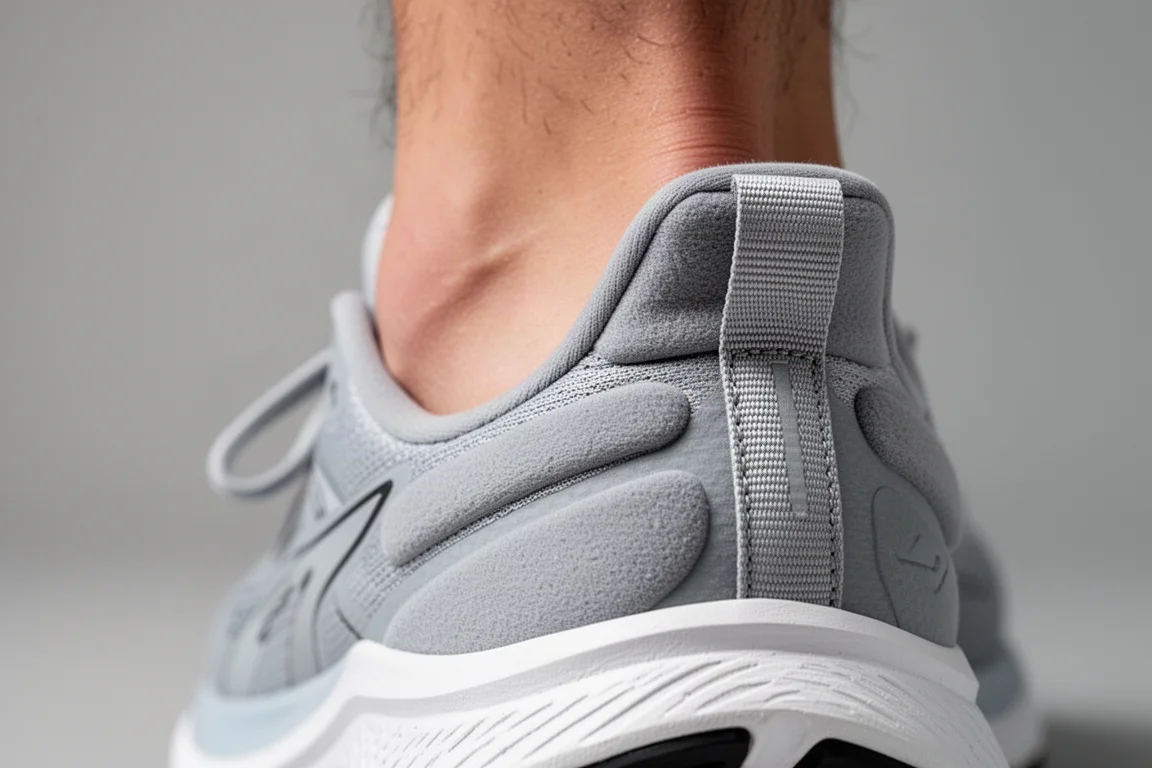
Comfort is another strong point. The upper is generously padded for a super shoe, with plenty of support around the Achilles and the tongue. The AR Camber Rocker starts a bit further back in the shoe, which aids runners who land further back, and the Contour Grip rubber outsole has solid coverage at the heel and forefoot, which should bode well for durability and grip.
Fit and Sizing
The fit follows your normal running shoe size. Testers with UK size 8 and UK size 9 feet both found the shoe comfortable and true to size, with plenty of forefoot wiggle room, which is not always the case with carbon plate racing shoes. The heel and midfoot hold is good, and the extended heel section is nicely padded.
One caveat: the heel tab irritated the Achilles a little on longer runs. If you plan to use the shoe constantly, trimming it off is a reasonable workaround. There is also not much of an internal heel counter, with stability at the back handled instead by the wide base and foam sidewalls.
Things to Consider Before Buying
Across roughly 60km of testing that included easy runs, interval sessions up to 3 minutes at 5K pace, and a 20km longer run at marathon pace, a consistent pattern emerged: the Spectr ticks a lot of boxes but does not excel in any of them.
At faster paces it rolls along nicely and is never counterproductive, but it does not actively help either. There is no pronounced bounce or especially smooth transition. On slower runs it feels a touch firm, lacking the softness many runners want from easy miles. The ride is firmer than expected overall: you never sink into that top layer of PEBA foam, and you never get the propulsive, springy response of the best super shoes. At the price, that matters. You expect a shoe this expensive to feel like it is doing something for you.
The comparison set is also worth thinking about. The Saucony Endorphin Speed and Endorphin Pro are both reasonably stable, feel faster in races and hard sessions, and cost less. The Brooks Hyperion Elite 4 is lighter and faster, and even the Saucony Kinvara Pro, despite its own price complaints, offers a similar stable, plated feel as a trainer. For an all-around plated daily trainer that can also race, options like the Saucony Endorphin Speed 3 or the Hoka Mach X deliver much the same proposition, often for less money.
Buying Advice
The core problem is simple: this is priced like a super shoe but does not perform like one. It feels more like a solid training shoe with a plate than a top-class racing shoe. If you liked the Saucony Kinvara Pro as a stable, fun plated trainer, the Spectr could make an interesting, lighter racing companion, since it shares that stable feel with a bit of punch and a rocker while weighing less.
If you are a runner around a 4-hour marathon target worried about stability, try the Endorphin Pro first. If stability is not a priority, look at more general plated trainers instead. At £210 or $220, the value simply is not there for most runners.
Conclusion
The Salomon S/LAB Spectr is comfortable, versatile, and genuinely more stable than most carbon plate shoes, but it lacks the lively, propulsive feel that defines the super shoe category. It works best as a stable plated daily trainer for faster-paced running rather than a dedicated racer, and at super shoe prices that is a tough proposition to recommend. If stability is your deciding factor, it deserves a look. Otherwise, better value exists elsewhere.
Product link
View more details for Salomon S/LAB Spectr
This product is mentioned in the review. Check the specifications, options, and compatibility before buying.
View more details for Salomon S/LAB SpectrFurther reading
Related Reviews

Running Shoes
Best Road-to-Trail Running Shoes: Three Versatile Options for Mixed Terrain
A practical guide to three road-to-trail running shoes that handle both pavement and mild trails, with clear strengths and trade-offs for different runner types.

Running Shoes
Best Running Shoes for Achilles Tendonitis: Three Options Explained
Three running shoes with different heel drops and support features designed to help reduce Achilles tendon pain during walking and running.

Running Shoes
Best Running Shoes for Women: Five Top Choices Ranked
A ranked guide to five women's running shoes, from versatile daily trainers to high-performance racing options, with real strengths and trade-offs for each.