Running Shoes
Salomon S/LAB Specter Review: A Marathon Shoe Built for the Rest of Us
Salomon's S/LAB Specter targets 3:30-and-slower marathoners with a PBA-and-EVA stack, a winged carbon-infused plate, and a comfortable, stable ride that doubles as a daily trainer.
Introduction
The Salomon S/LAB Specter is an unusual marathon shoe. S/LAB is Salomon’s top-tier performance line, comparable to Adidas’ Adios Pro or Saucony’s Endorphin Pro, and the Specter is its answer to a specific question: what should a race shoe look like for runners who are not elite?
Salomon is explicit about the target. Its premium Fearn 2, released earlier in 2023, is aimed at runners chasing sub-three-hour marathons. The Specter is built for everyone running 3:30 or slower, roughly 8:03 pace and above, on the theory that if you are on your feet 50 percent longer than the front of the pack, your foot strike, support needs, and cushioning requirements are simply different.
Importantly, this is not a cheaper version of a race shoe in the way an Endorphin Speed relates to the Endorphin Pro. Salomon positions it as a shoe built for a different runner, at the same $250 price point as the top-tier super shoes. After logging plenty of miles in it, here is how it actually performs.
Who This Shoe Is For
If you are a first-time marathoner, targeting a four-hour finish, or simply want a race day shoe that prioritizes comfort over aggression, the Specter makes a strong case. You are not showing up to the start line in full heavy artillery, and you are not carrying the pressure of looking like an elite runner. The shoe is quietly designed for the job you are about to do.
There is also a do-it-all argument. With enough miles logged, the foam holds up well, and this is a shoe you could realistically train in and then race in. If your budget covers one shoe for everything, the Specter is one of the most convincing options in this space.
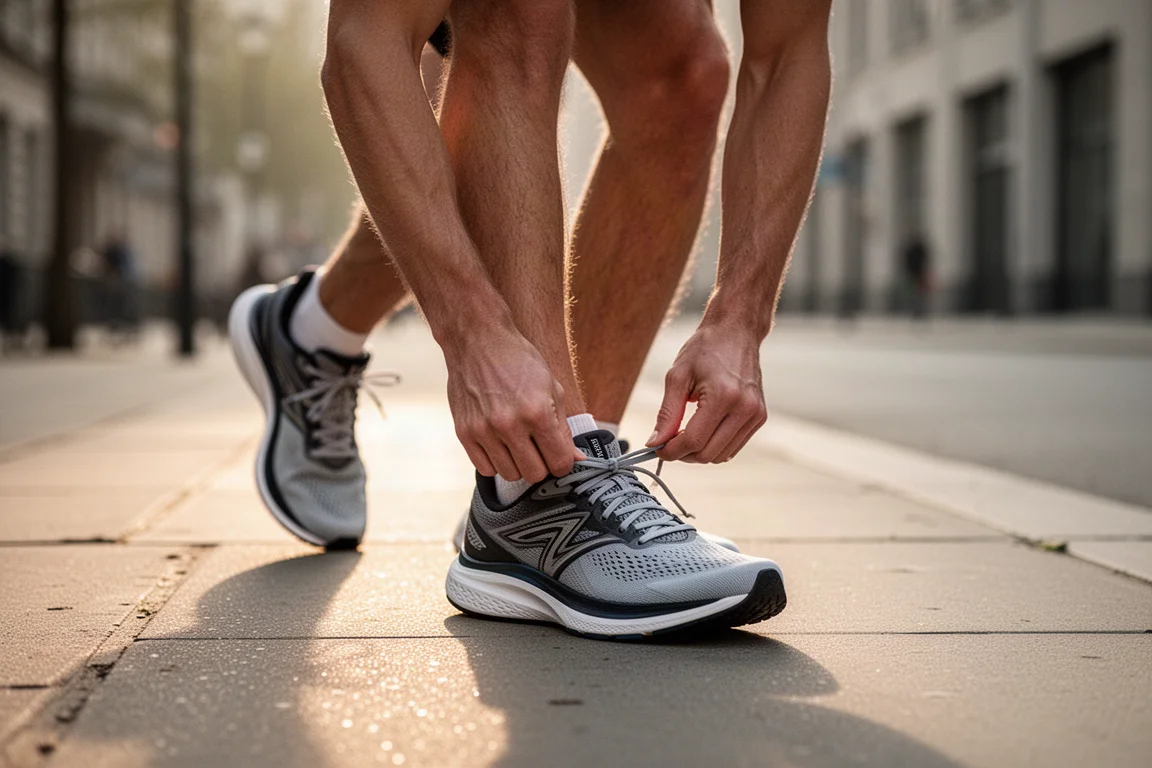
One caveat: the ride does not have the dramatic pop of an AlphaFly or the Fearn 2. You are taking a small leap of faith on Salomon’s claim that a more structured, cushioned shoe helps running economy late in a marathon, because the benefit is hard to feel in a short test.
Upper: Comfortable and Traditional
The upper is the most traditional element here. It is not as featherweight or aggressively cut as the Fearn 2’s race upper, but it fits well, laces up nicely, and offers generous padding around the heel with an extended heel counter. Neither of our testers experienced any heel rubbing, even with low-cut socks.
Sizing runs long, as with many Salomon shoes. Both testers went down a half size from their usual fit and landed on a comfortable amount of extra toe room. Lockdown is solid with no foot movement inside the shoe.
The tongue is not gusseted, which is the one design gripe. It can curl at the bottom if you are not careful when putting the shoe on, so flatten it before you lace up. Once adjusted, it stays in place without issue.
A charming detail: the side of the shoe has a small area where you can write your race time and date with a marker, turning a good race day pair into a keepsake.
Midsole and Plate: PBA Up Top, EVA Below
The midsole is a three-part construction. The top layer is Salomon’s Energy Foam Plus, a PBA-based supercritical foam. The bottom layer is standard Energy Foam, which is EVA, a surprising choice in a $250 race shoe until you understand the intent: the EVA base adds structure and stability rather than outright speed.
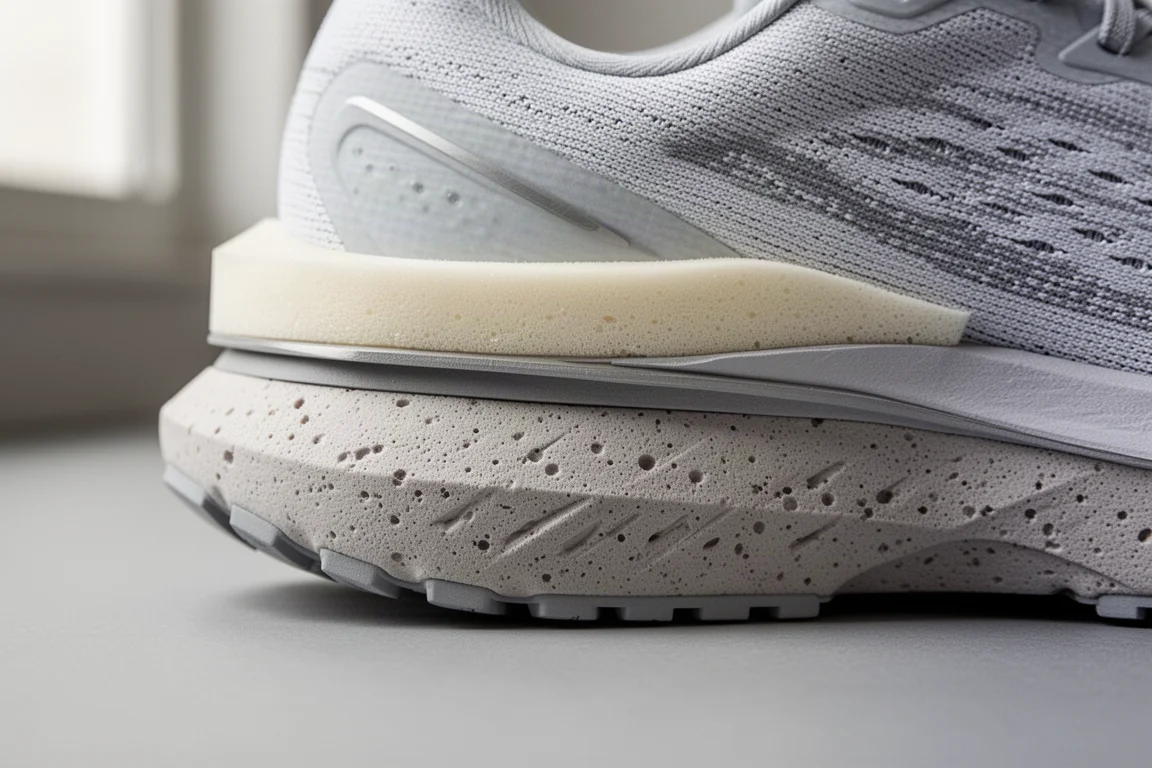
Between them sits the Energy Blade, a carbon-infused plate with a peculiar asymmetrical shape. Wings rise on both the medial and lateral sides, more prominently on the lateral side, and the plate sits noticeably further back in the shoe, closer to the arch. The sensation is different from any other plate we have run in, and it works. Despite a narrow midfoot throat, the shoe feels remarkably stable, arguably more so than any comparable race shoe, thanks to the wings, the widened heel, and a decently wide forefoot.
In a men’s size 10, the shoe weighs 9.4 oz (269 g). That is not light for a race shoe, but the trade is deliberate: extra cushion and support for the extra hour or more you may spend on course compared to a sub-three-hour runner.
Ride Feel: Soft Landing, Firm Roll
The ride is the best part of the Specter. It manages to feel soft and firm at the same time: a plush landing on the PBA foam, then a firm roll forward that generates momentum. Some shoes are so soft that running in them feels like landing in sand; others turn harsh past 10K. The Specter avoids both extremes and simply locks into a comfortable cruising rhythm at steady pace.

One tester, whose marathon PR sits around 3:25, found it an excellent training shoe and would probably reach for it on race day for a longer effort or back-to-back marathon blocks. It is an easy shoe to want to run in, and it stayed in rotation for two weeks of exclusive use without complaint.
Outsole Grip and Durability
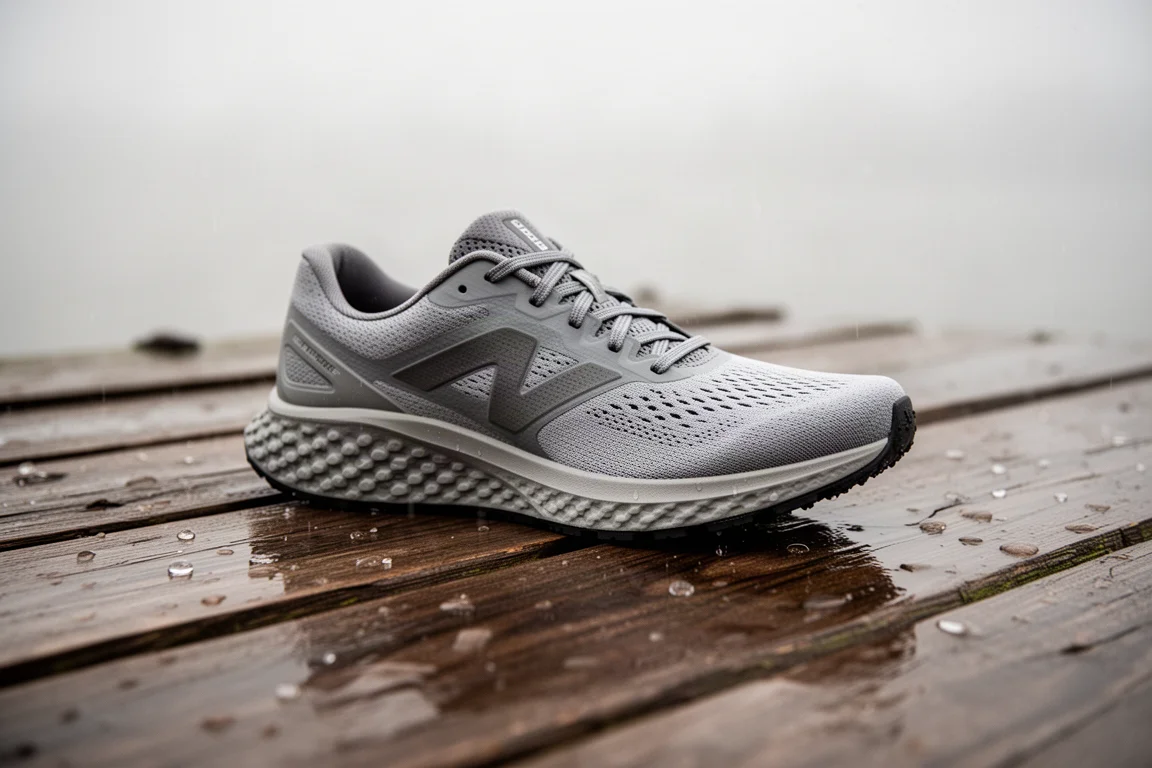
The outsole uses Salomon’s Contagrip, the brand’s classic premium rubber compound. It performs well on normal road surfaces. The one incident on record involved a rain-slicked, moldy wooden dock, which is more a warning about docks than about the shoe.
Things to Consider Before Buying
The main hesitation is the price-to-performance equation. At $250, the Specter costs the same as genuine super shoes, and it does not deliver the same propulsive, sensory pop. If you are a PR chaser who loves that feeling, you may find it lacking.
The drop is 8 mm, with a 38 mm heel and 30 mm forefoot, squarely in line with current race shoe geometry. It releases in May 2024.
The ride itself, however, is genuinely excellent, and it may be the most comfortable marathon experience available for runners in the 3:30-to-4:30 range. If you know you want comfort for 26.2 miles and are not chasing a sub-3:30 breakthrough, that leap of faith is an easy one to take.
Buying Advice
If you were signing up for a marathon tomorrow with no specific training, this is the shoe to grab. If you are trained, tapered, and hunting a PR, a true super shoe still makes more sense. For everyone else, and especially for runners trying to break four hours or simply enjoy the distance, the Specter delivers a better overall marathon day experience and doubles as a superb trainer.
Conclusion
The Salomon S/LAB Specter earns a green light. It is a thoughtfully built marathon shoe that trades peak propulsion for stability, comfort, and versatility, and it is arguably the best one-shoe solution for the vast majority of marathoners. If that description fits you, it deserves a serious look.
Product link
View more details for Salomon S/LAB Specter
This product is mentioned in the review. Check the specifications, options, and compatibility before buying.
View more details for Salomon S/LAB SpecterFurther reading
Related Reviews

Running Shoes
Best Road-to-Trail Running Shoes: Three Versatile Options for Mixed Terrain
A practical guide to three road-to-trail running shoes that handle both pavement and mild trails, with clear strengths and trade-offs for different runner types.

Running Shoes
Best Running Shoes for Achilles Tendonitis: Three Options Explained
Three running shoes with different heel drops and support features designed to help reduce Achilles tendon pain during walking and running.

Running Shoes
Best Running Shoes for Women: Five Top Choices Ranked
A ranked guide to five women's running shoes, from versatile daily trainers to high-performance racing options, with real strengths and trade-offs for each.