Trail Running Shoes
Salomon S/LAB Pulsar 4 Review: The Trail Racer That Broke Its Own Mold
A major overhaul turns the Pulsar line into something more versatile, more comfortable, and a little heavier. Here is what to know before you buy.
Introduction
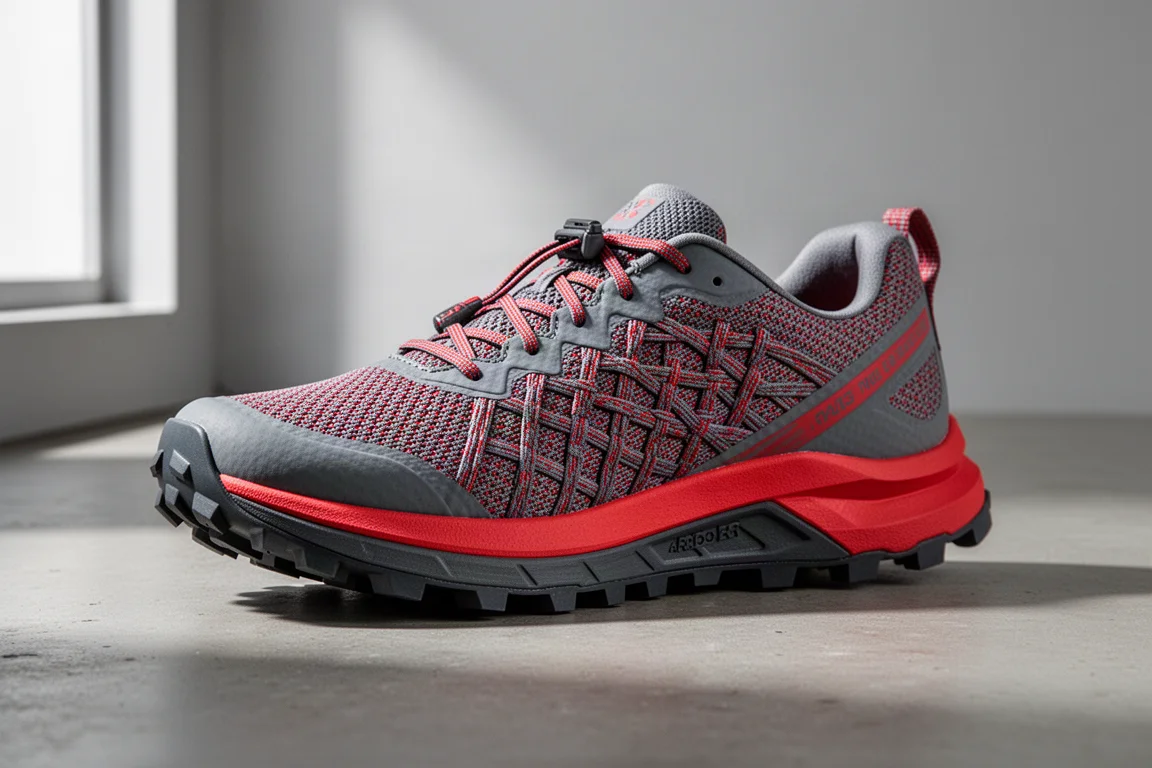
The Salomon S/LAB Pulsar 4 might be the most talked-about trail shoe of 2025, and for good reason: it is a major overhaul of the Pulsar line. It looks quite different from its predecessors, yet it may feel surprisingly familiar to long-time Salomon followers. The working theory is that this fourth version is effectively a merger of two camps within Salomon: the light, fast, technically oriented S/LAB Sense lineage, and the Pulsar side that was more aggressive for smoother, lower-technicality running, with a supercritical midsole and a strong rocker that were both firsts for the brand’s trail line.
After running in it, that merger theory holds up in practice. The Pulsar 4 trades some of the old line’s minimalist speed for more control, comfort, and range, landing at an 11 out of 15 in form, fit, and function scoring. It is a versatile racer that fills gaps Salomon’s two racing lines used to leave open.
Who This Shoe Is For
The Pulsar 4 is built for runners who want a light and fast shoe that can now go considerably farther than the Pulsar ever could. It bridges lower-distance trail running toward ultras. It may not be the ultimate ultra weapon, but it is plausible as a shoe for four to six hours of comfortable trail time, a distance range where a top-10 Western States athlete for Salomon reportedly wore it for the entire event.

It suits a light and fast VK-type race just as well as a 50k attempt. If you want a minimalist racer purely for short, technical efforts, the added weight and stack may feel like a step back. If you want one versatile shoe that stays light under 10 ounces but adds stability and comfort, this is squarely aimed at you.
Fit and Upper
Fit is the foundation of any Salomon, and the Pulsar 4 keeps that tradition. The midfoot feels slim, close to skin, and very secure. Part of that comes from the quick lace system: pull from the bottom to get it snug all the way up rather than yanking tight from the top, and the fit rewards you.
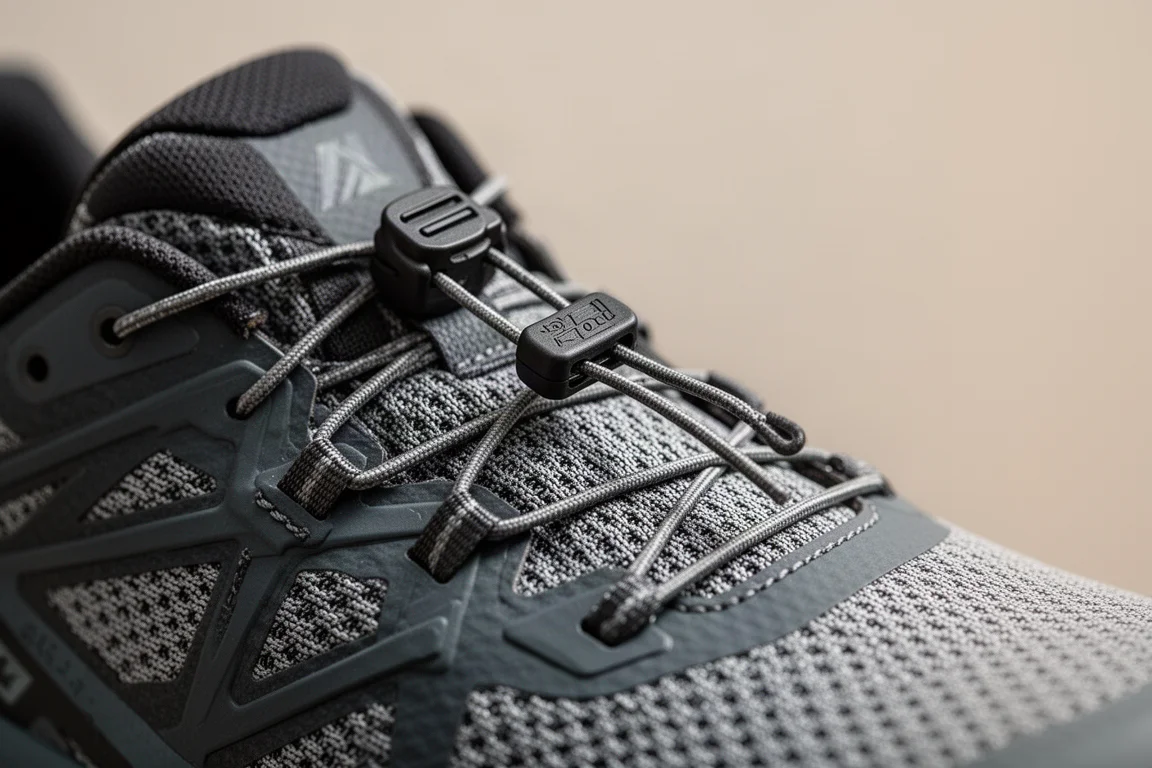
The tongue is fully gusseted and almost bootie-like, which makes getting the shoe on genuinely difficult. The heel entry is low volume, so slipping your foot in takes effort, and the tongue can bunch up at the bottom. A quick pull up on the tongue corrects it nicely, and once your foot is in, lockdown through the midfoot and heel is excellent.
Interestingly, this Salomon is slightly more generous than its racing siblings. The forefoot broadens out a little, and the heel is broader and more structured than a typical Salomon, which many feet will appreciate. A moderately wide forefoot with a bunion still fit comfortably here, though this is not a wide shoe by any means. One quirk: where the forefoot meets the midfoot, the fit gets a little pinchy right over the toe knuckles, felt on both feet. Lower-volume feet will not notice it. Average or borderline-wide forefoots will feel some pressure, especially at speed on technical terrain or sidehills, and the foot cannot splay quite as freely as you might want.
The upper is a medium-thickness woven matrix rather than the ultralight constructions typical of this category. It is very durable, not hot, and slightly less breathable than some alternatives, but the structure it adds around the foot helps the overall fit significantly.
Ride and Midsole
Underfoot, the Pulsar 4 gets the Sense treatment. The outsole footprint is broader than any previous Pulsar, bringing more control and stability right away. The midsole is dual-layered, a recipe Salomon used before in the S/LAB Ultra Glide: a softer, more energetic premium foam on top called Optifoam Plus (the red layer), and a denser, more structured standard Optifoam underneath for stability and control.
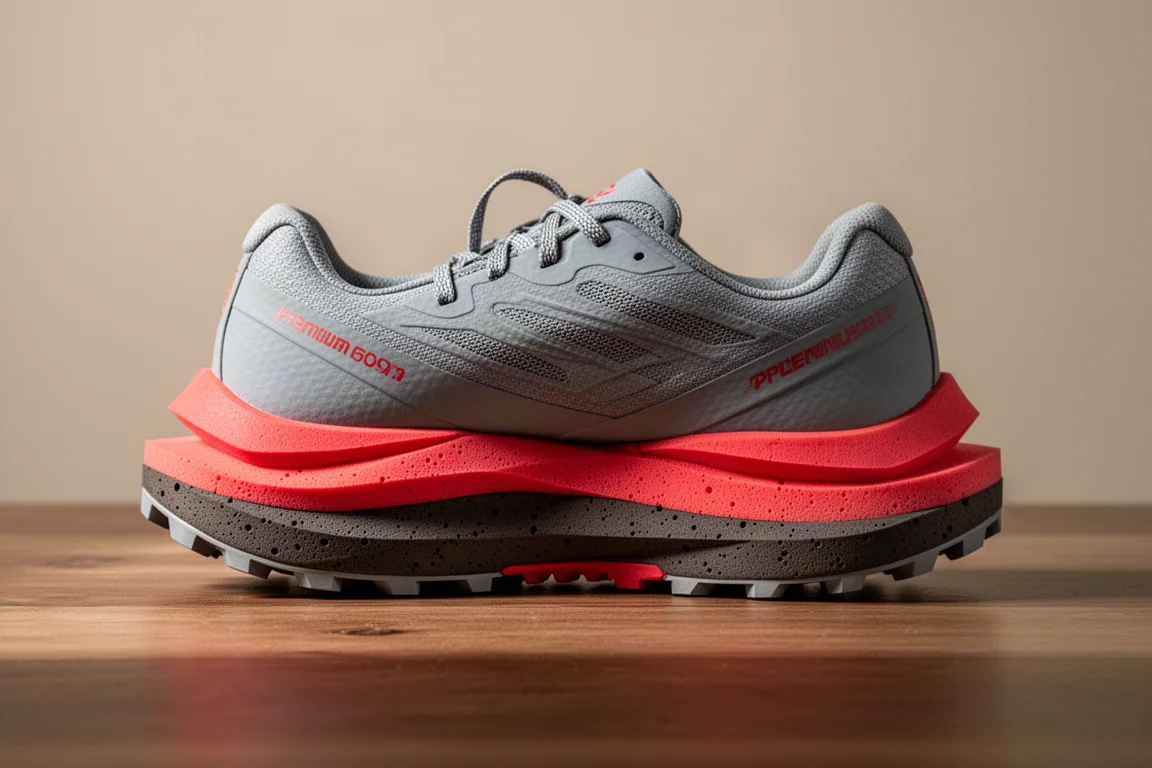
Comfort is immediate when you slip the shoe on, with a modest amount of energy return rather than a bouncy pop. That is partly down to geometry: a 31mm heel stack to 25mm in the forefoot puts this firmly in the moderate, mid-range category. It is no longer a low-stack shoe, which is exactly what extends its range. Expect moderated energy return compared to the bouncier Ultra Glide, which had more foam and an inner energy core. Racers who prefer control over bounce will likely welcome that trade.
Weight and Versatility
At 9.4 oz in a men’s size 10.5, the Pulsar 4 is still a lightweight shoe by any practical standard. Yes, it has gained roughly an ounce or more depending on size, and it will never feel like the 7.8 or 8.2 oz versions of the old line when held side by side. On foot, though, it still feels light, and the added weight buys range, comfort, and confidence.
That confidence is real: with more shoe underfoot and a more stable recipe, the Pulsar 4 feels more controllable than its predecessors on varied terrain, which is a net gain for a shoe intended to cover both fast technical efforts and longer days out.
Outsole and Durability
The outsole is an all-terrain Contragrip with around 3.5mm lugs, a genuinely versatile lug depth. Here is the honest verdict: it is fine, but only fine. The lug shape is broad and flat, the rubber is not especially tacky, and the lugs do not dig in much. On mixed conditions, such as transitioning from wet spots to sand over rock, it held its own but did not match the best outsoles on the market. Be careful bombing descents if you buy this as a technical terrain racer.
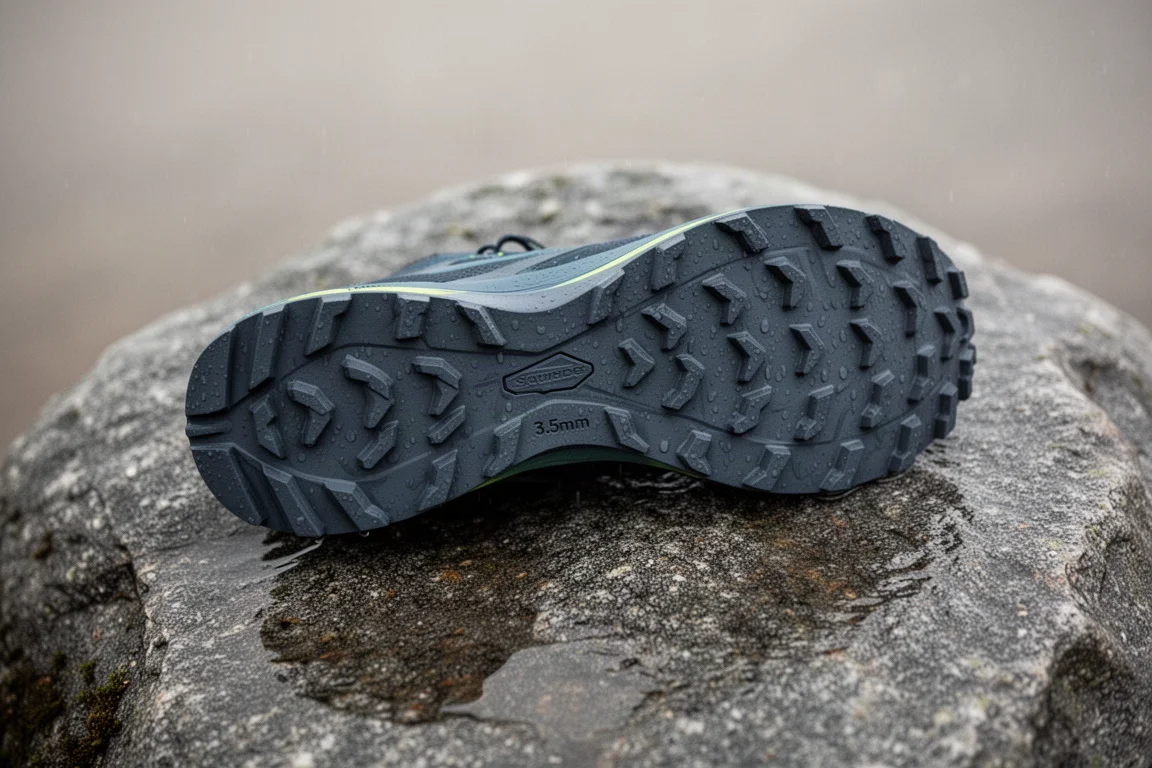
Durability is the bigger concern at $220. During testing, the midsole picked up noticeable gouges and flappy nicks from rocks, cutting bites out of both foam layers. The damage did not impede performance at that point, but continued gouging would become a problem, and that is worth weighing against the price before committing.
Buying Advice
Scores of 4 for form, 3 for fit, and 4 for function add up to 11 out of 15, a solid result for a shoe this radically different from both of its ancestors. Choose the Pulsar 4 if you love a snug, secure fit, want something still lightweight underfoot, and value versatility across distance and terrain over pure minimalism. Skip it if you have a wider forefoot, need maximum outsole grip on mixed wet terrain, or are hard on midsoles and sensitive about spending $220 on a shoe that picks up rock damage quickly.
Conclusion
The Salomon S/LAB Pulsar 4 is a bold reinvention that trades some minimalist speed for a broader, more stable, and more comfortable package. It will not please everyone, especially fans of the original Pulsar’s featherweight feel or the S/LAB Sense’s technical purity. But as a merger of two racing philosophies, it succeeds: a versatile, lightweight trail racer that can go farther than the Pulsar ever could. For runners whose needs sit between those two old camps, this might be exactly the shoe Salomon needed to build.
Product link
View more details for Salomon S/Lab Pulsar 4
This product is mentioned in the review. Check the specifications, options, and compatibility before buying.
View more details for Salomon S/Lab Pulsar 4Further reading
Related Reviews
Trail Running Shoes
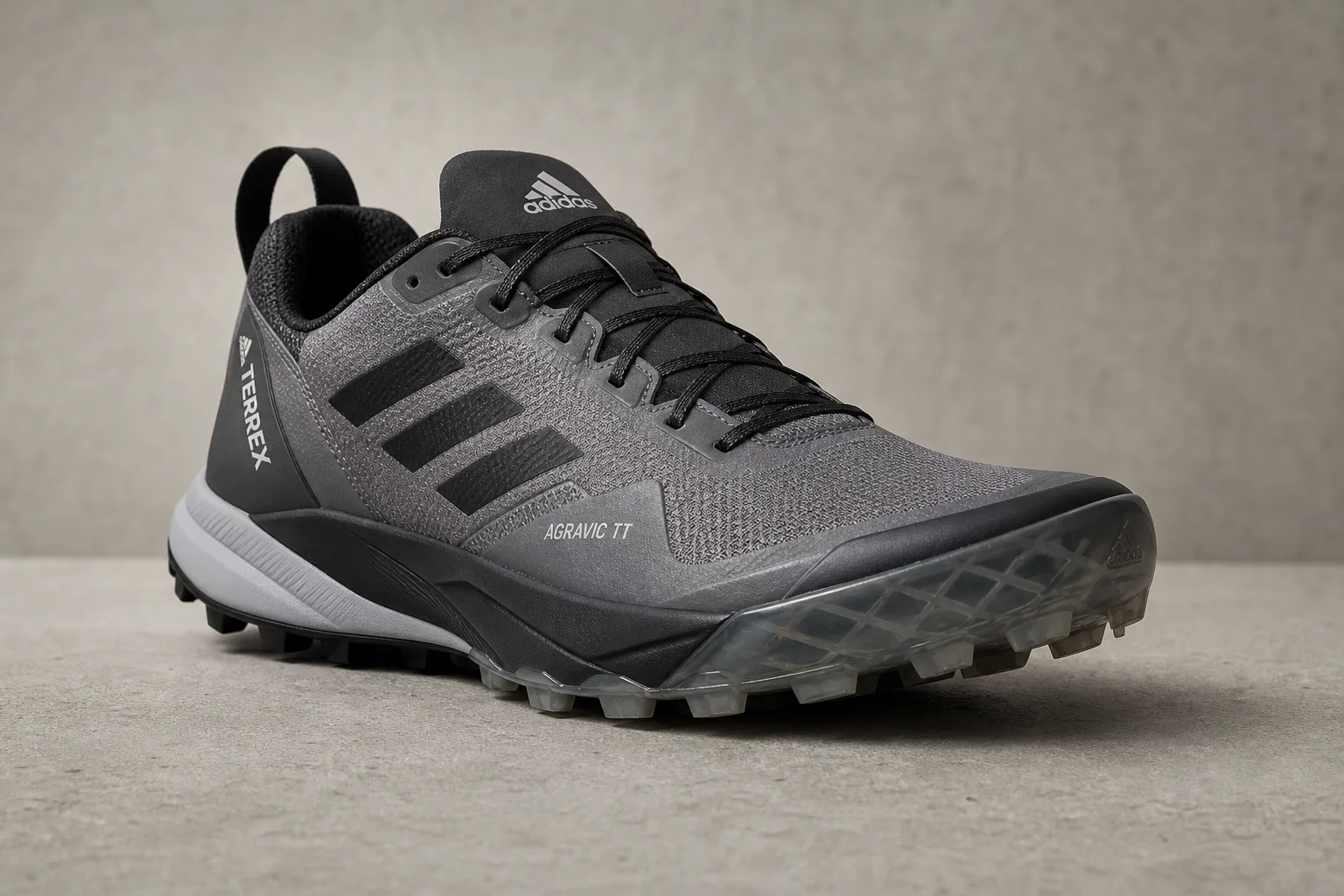
Adidas Terrex Agravic TT Review: A Technical Trail Shoe Built for Rocky Terrain
The Adidas Terrex Agravic TT combines a full-coverage rock plate with a firmer midsole to deliver protection and stability on technical, rocky trails. A capable choice for runners who prioritize underfoot defense over lightweight cushioning.
Trail Running Shoes
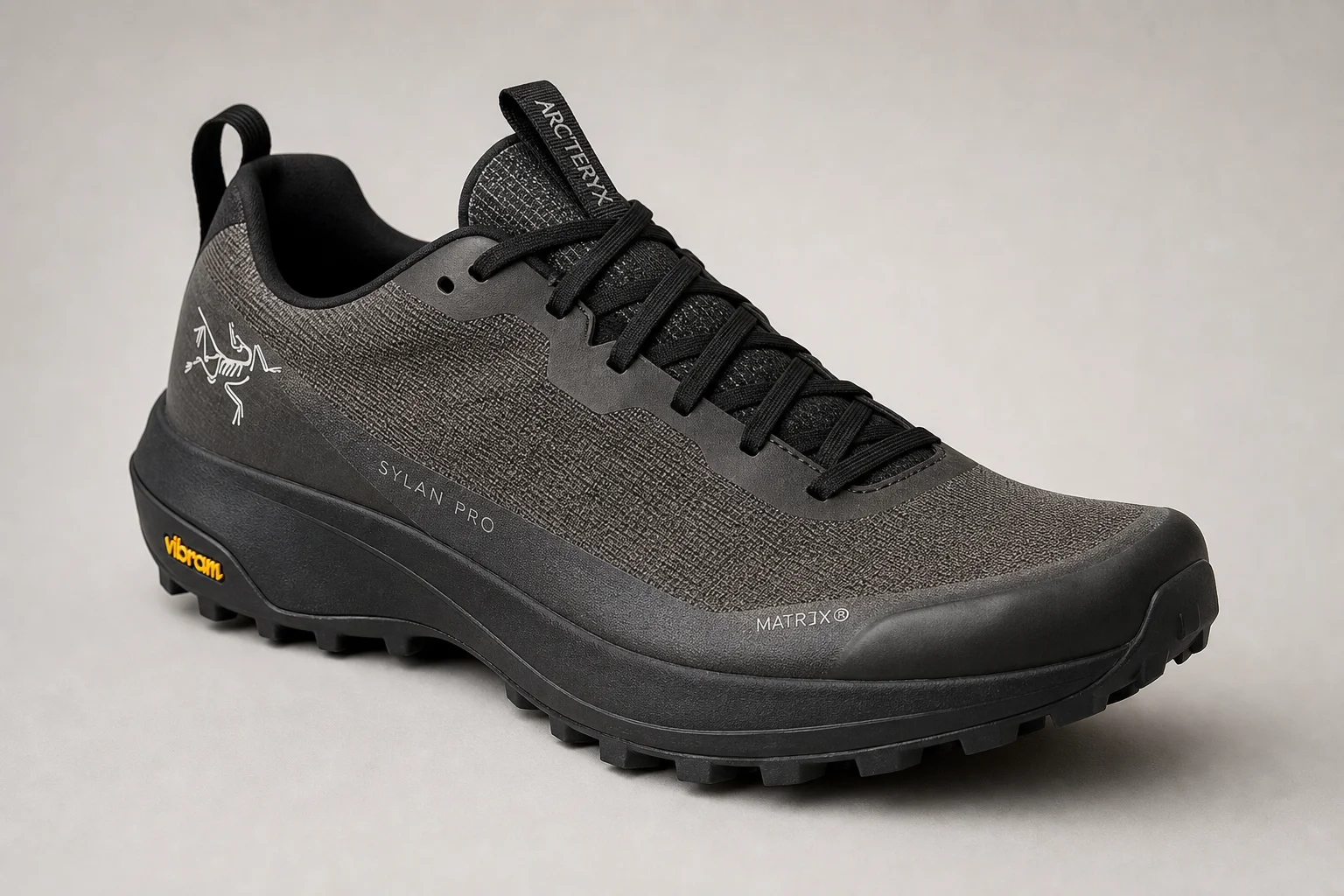
Arc'teryx Sylan Pro Review: A Rocker-Focused Mountain Running Shoe Tested on 20 Miles
The Arc'teryx Sylan Pro brings a pronounced rocker geometry and secure fit to mountain terrain. We tested it on a 20-mile Sawtooth loop to evaluate its climbing efficiency, protection, and handling of technical descents.
Trail Running Shoes
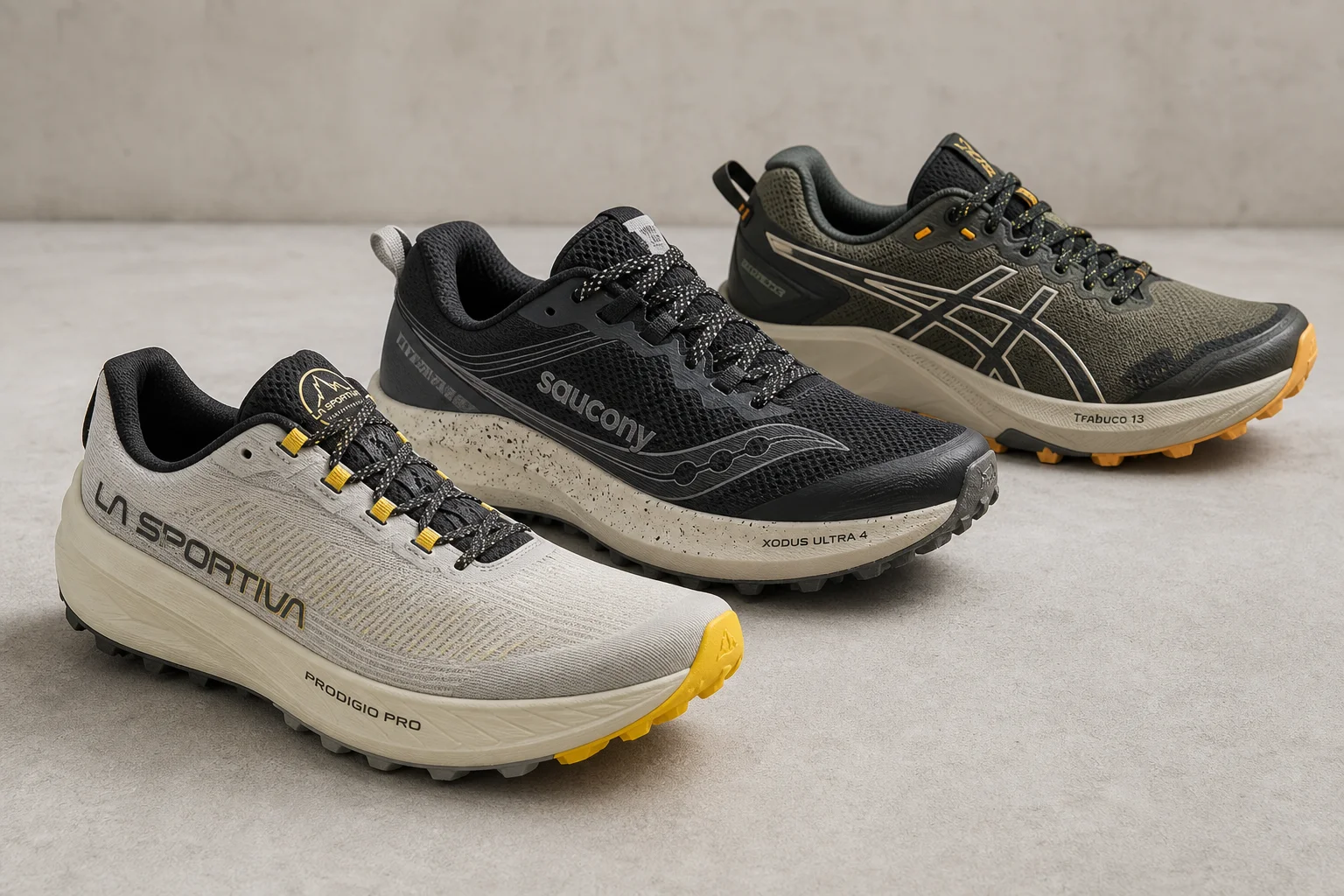
Best All-Mountain Trail Running Shoes: Three Versatile Options for Any Trail
A focused roundup of three all-mountain trail running shoes that handle technical terrain, long distances, and variable conditions with real strengths and practical trade-offs.