Trail Running Shoes
Salomon S/Lab Pulsar 4 First Impressions: A Very Different Trail Shoe
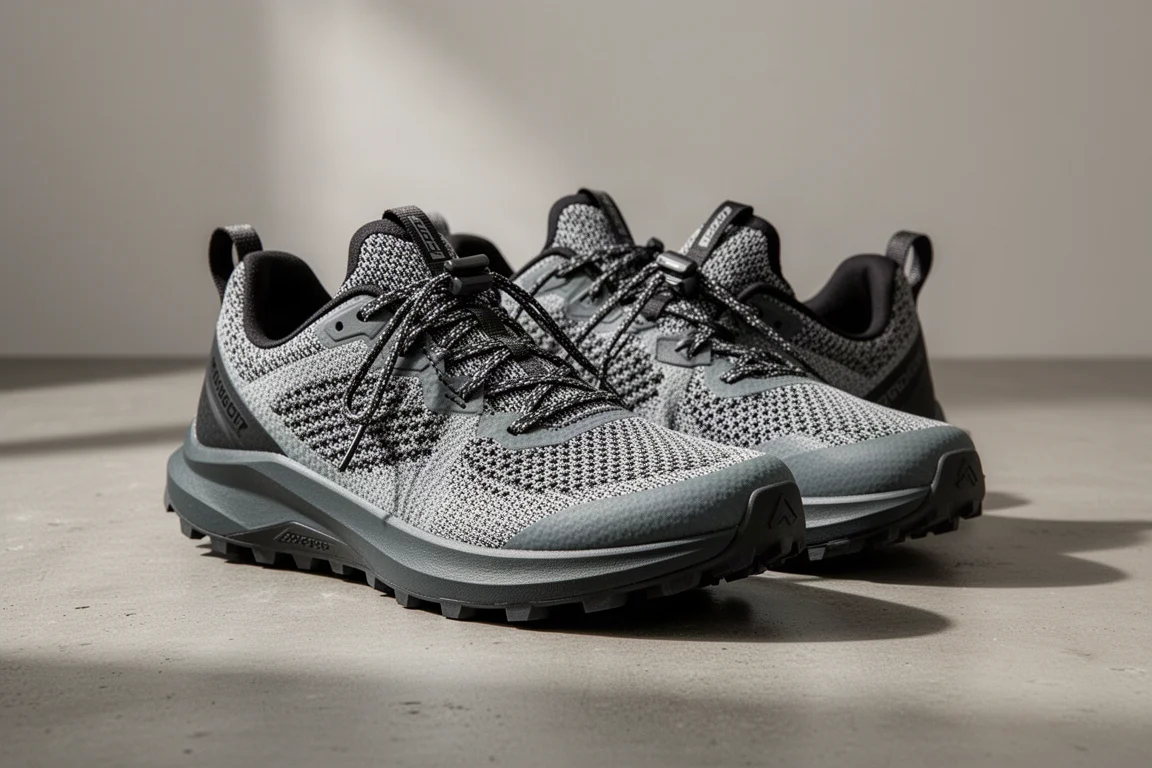
The Pulsar 4 is heavier, wider, and less aggressive than its predecessor, but it still feels like a proper S/Lab racing shoe on dry trails.
Introduction
The Salomon S/Lab Pulsar 3 was one of those trail shoes that made you want to run far, run fast, and smile while doing it. Lightweight, responsive, and seriously grippy, it earned a devoted following among trail runners who like to move quickly over uneven ground. So expectations were high for the update.
The S/Lab Pulsar 4, however, is a very different shoe from the ground up, and not every change will please fans of the original. After a first 9-mile test run on dry coastal and woodland trails, the picture is nuanced: the new shoe feels wonderfully connected and nimble, but it has clearly been aimed at a different type of runner.
What’s New in the Pulsar 4
S/Lab is Salomon’s performance department, and kit carrying that stamp is typically packed with new technology and shaped by the brand’s pro trail running team. It usually also comes at a high price, and the Pulsar 4 is no exception, retailing in the UK for around £200.
The biggest change is weight and volume. The Pulsar 3 was a featherweight 216g in a UK 9.5, with one of the narrowest midsole profiles around. The Pulsar 4 tips the scales at 265g, with a wider platform and more midsole depth. Stack height is now 34mm at the heel and 28mm at the forefoot, giving a 6mm heel-to-toe offset.
The midsole uses a dual-compound blend of Salomon’s Energy Foam and Energy Foam Plus, combining PEBA and EVA for comfort and energy return. New midsole wings wrap up the medial and lateral sides to hug the midfoot and heel, an approach similar to what Salomon uses on its Genesis trail shoe, adding a degree of stability.
Fit and Sizing
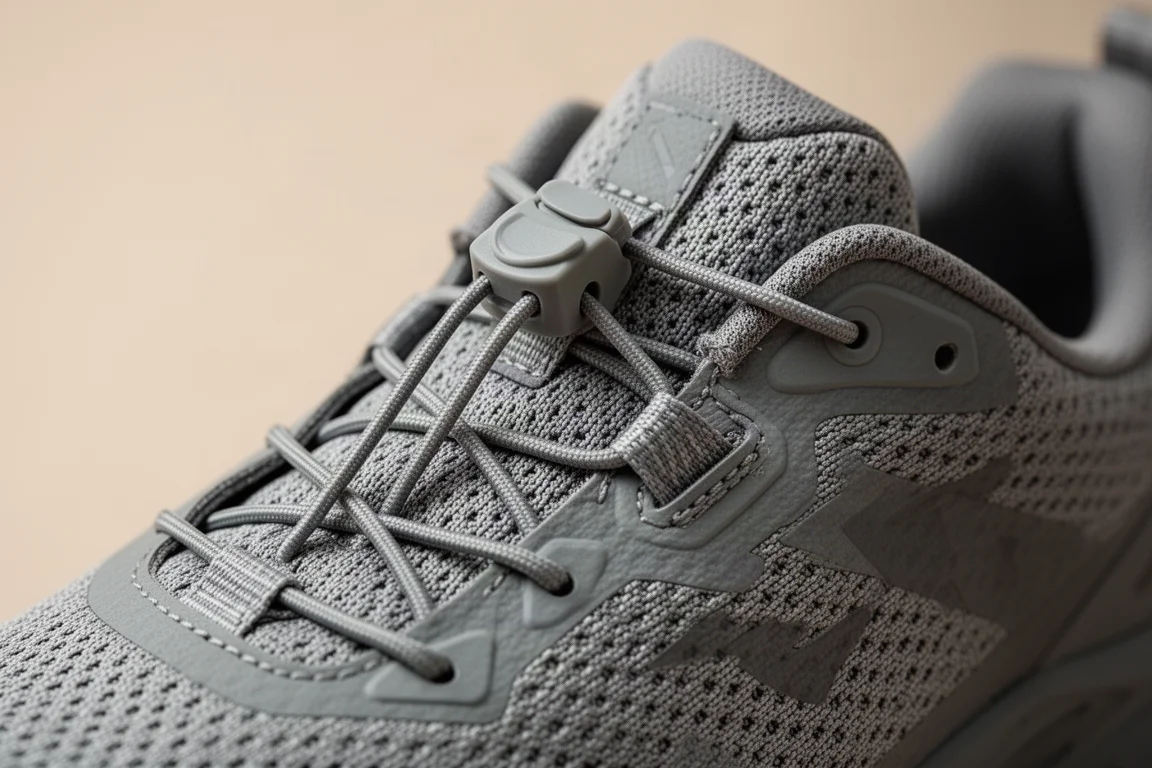
The upper moves from the Pulsar 3’s extremely narrow Matrix bootie design to a more traditional construction with a gusseted tongue, which Salomon calls its EndoFit. The lightweight, breathable and durable Matrix textile remains, and the quick-lace cord system with a stow pocket on the tongue is still in place, along with structural overlays and a protective toe bumper.
Sizing is worth noting: these run small. Going up half a size to a UK 10 proved to be the right call, leaving just enough length in the toe box. Even with the extra width, the fit is still precise and narrow, best suited to low-volume feet.
First Run: 9 Miles on Dry Trails
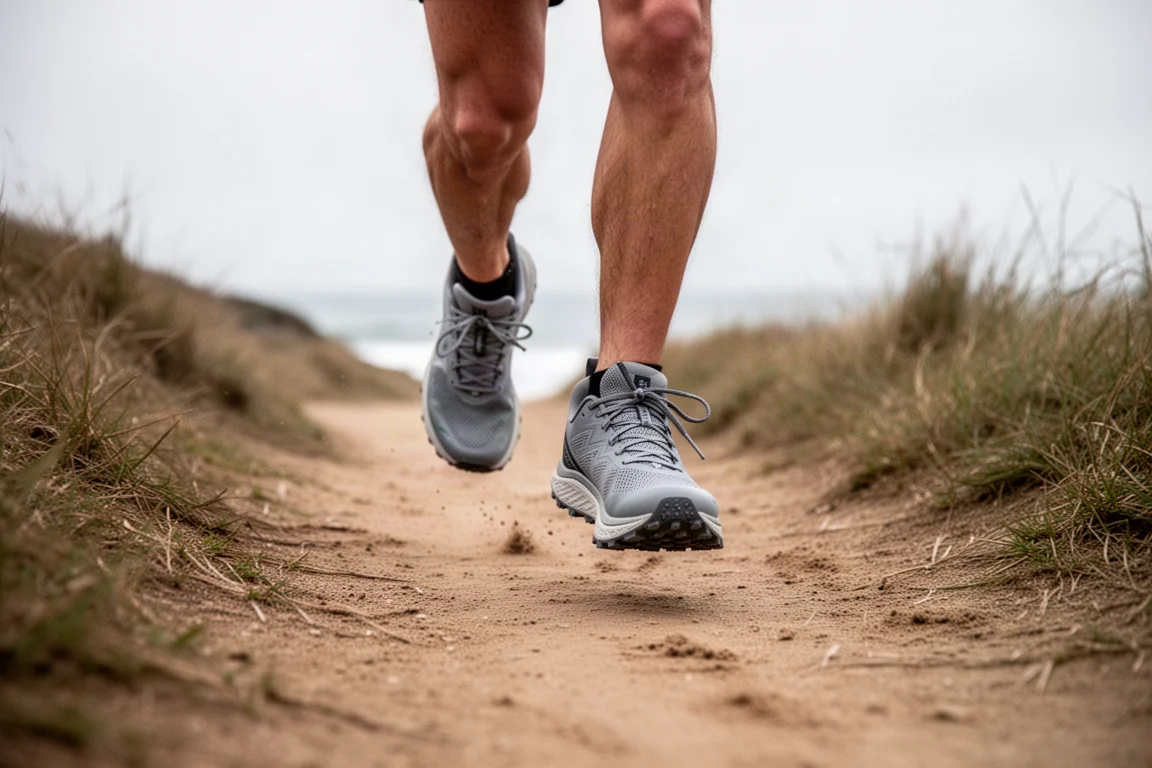
Testing took place on compacted coastal trail, soft sand, some gravel, and a stretch of tarmac, in strong gusting winds. The verdict after 9 miles: pleasantly surprising. Despite the added weight, the shoe still feels light and nimble, and the miles ticked by quickly enough that the run ended longer than planned.
The Matrix upper proved excellent at keeping debris out. After a run that was mostly on soft sand, not a single grain made it inside the shoe. The fit feels like an extension of the foot: snug and secure through the midfoot, comfortable across the top, with good ankle collar and heel padding and a well-protected tongue.

Midsole Feel and Best Use
The dual-compound midsole feels very much in the S/Lab mould: comfortable but not overly padded, fast, responsive, and well connected to the trail, with decent underfoot protection on rocky sections. What it is not is a deeply cushioned, super bouncy cruiser. If that is what you are after, this shoe will disappoint.
The Pulsar 4 is all about running fast on uneven ground while feeling confident and connected. It is best suited to compacted trail, sand, and gravel, and would comfortably handle marathon to 50K distances depending on the route. For anything longer, runners used to more cushioning may want additional softness underfoot.
Outsole and Traction
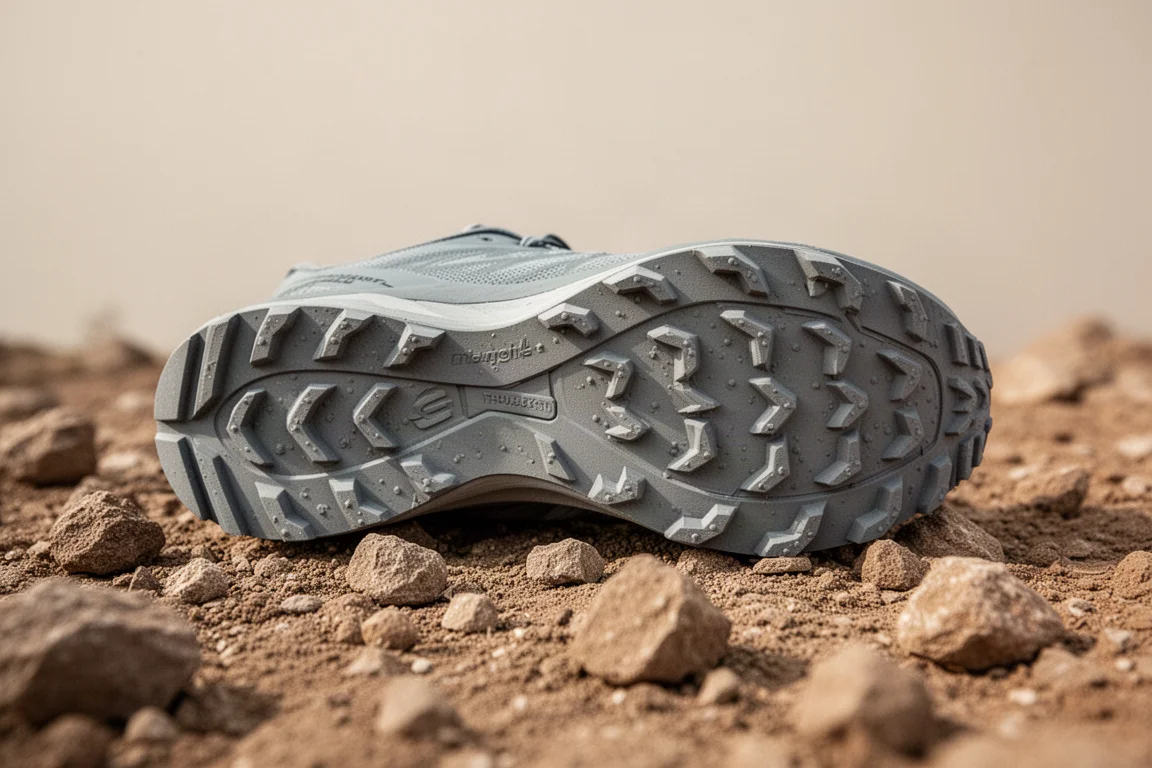
This is where the new shoe gives up the most. The All Terrain Contagrip rubber outsole drops from a chunky, aggressive lug pattern on the Pulsar 3 to a shallower 3.5mm lug depth, which Salomon says improves durability and confidence on wet or dry terrain.
In practice, the outsole performed adequately on dry, compacted trails but struggled for traction in soft sand, and it is hard to see this shoe coping with wet, muddy winter conditions. A deeper lug closer to the previous version’s would have made it considerably more versatile.
Buying Advice
The Pulsar 4 is aimed squarely at front-of-the-pack racers pushing hard for podium places, especially those with narrow, low-volume feet. For that runner, it delivers a precise, fast, connected ride that recalls classic S/Lab shoes of old, including the much-loved Sense Ultra.
If your feet are on the wider side, if you want deep cushioning for long ultra distances, or if your trails get wet and muddy, there are better options elsewhere. But for fast racing on dry, mixed terrain, this is an exciting, genuinely enjoyable shoe.
Conclusion
The Salomon S/Lab Pulsar 4 trades some of its predecessor’s lightness and grip for a wider, more cushioned platform, yet it still runs and feels like a proper S/Lab shoe: nimble, precise, and quick. Try it half a size up, keep it away from mud, and it could be a superb race-day choice for narrow-footed speedsters.
Product link
View more details for Salomon S/Lab Pulsar 4
This product is mentioned in the review. Check the specifications, options, and compatibility before buying.
View more details for Salomon S/Lab Pulsar 4Further reading
Related Reviews
Trail Running Shoes
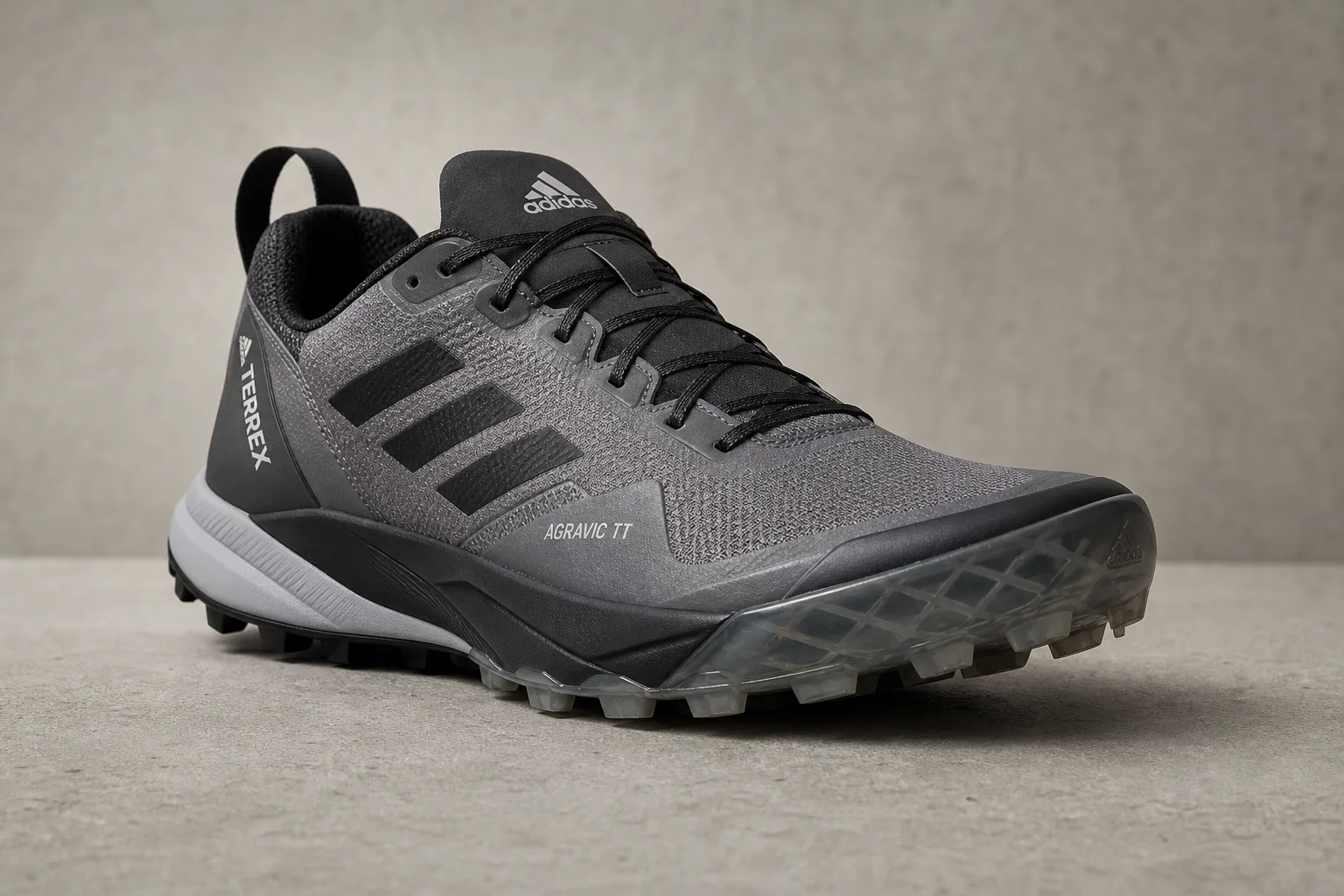
Adidas Terrex Agravic TT Review: A Technical Trail Shoe Built for Rocky Terrain
The Adidas Terrex Agravic TT combines a full-coverage rock plate with a firmer midsole to deliver protection and stability on technical, rocky trails. A capable choice for runners who prioritize underfoot defense over lightweight cushioning.
Trail Running Shoes
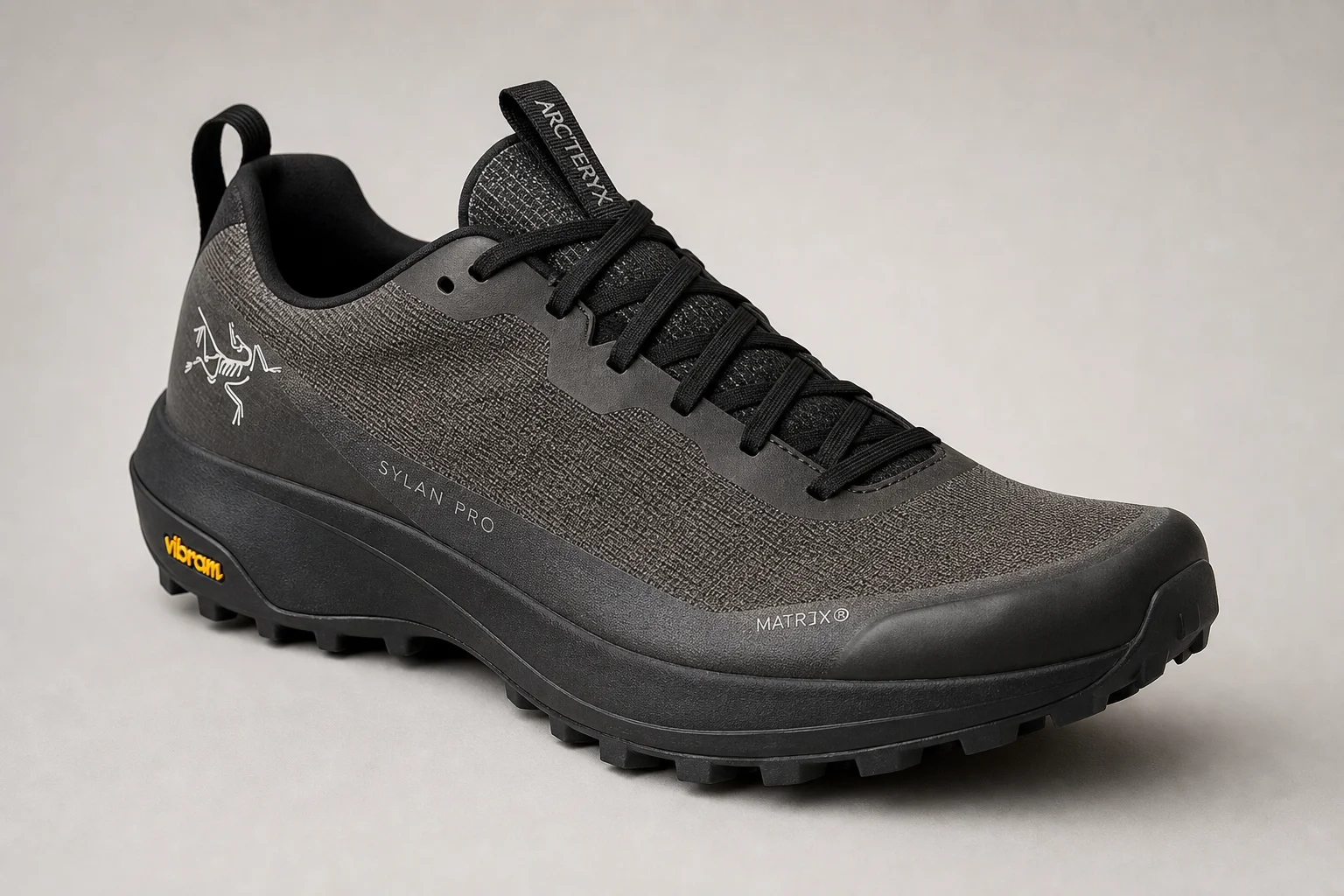
Arc'teryx Sylan Pro Review: A Rocker-Focused Mountain Running Shoe Tested on 20 Miles
The Arc'teryx Sylan Pro brings a pronounced rocker geometry and secure fit to mountain terrain. We tested it on a 20-mile Sawtooth loop to evaluate its climbing efficiency, protection, and handling of technical descents.
Trail Running Shoes
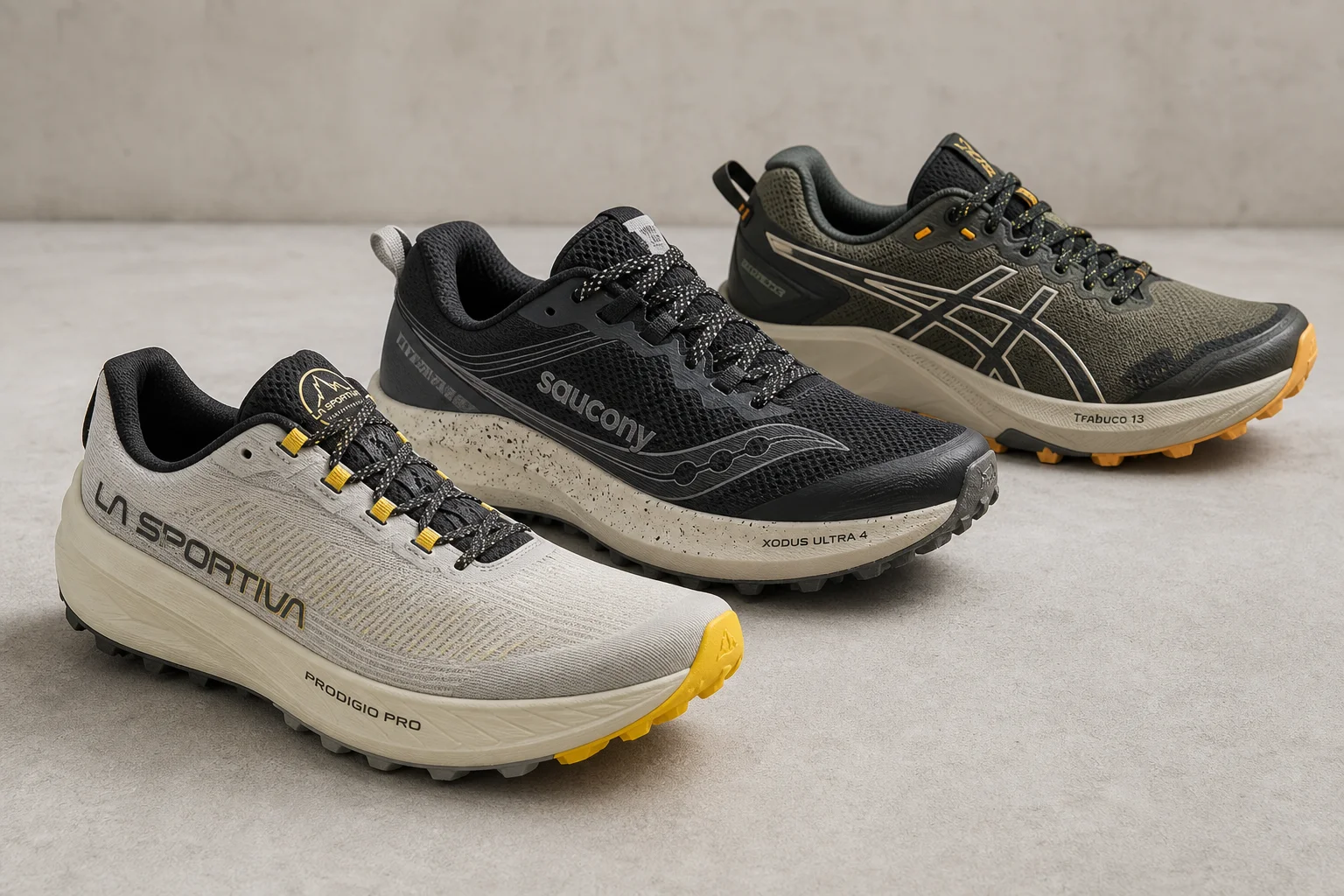
Best All-Mountain Trail Running Shoes: Three Versatile Options for Any Trail
A focused roundup of three all-mountain trail running shoes that handle technical terrain, long distances, and variable conditions with real strengths and practical trade-offs.