Running Shoes
Salomon S/Lab Phantasm 2 vs S/Lab Spectre: Two Carbon Racers Built for Very Different Runners
Salomon's performance division takes another swing at road racing with the Phantasm 2, while the Spectre aims at longer-time-on-feet marathoners. Here is how they compare.
Introduction
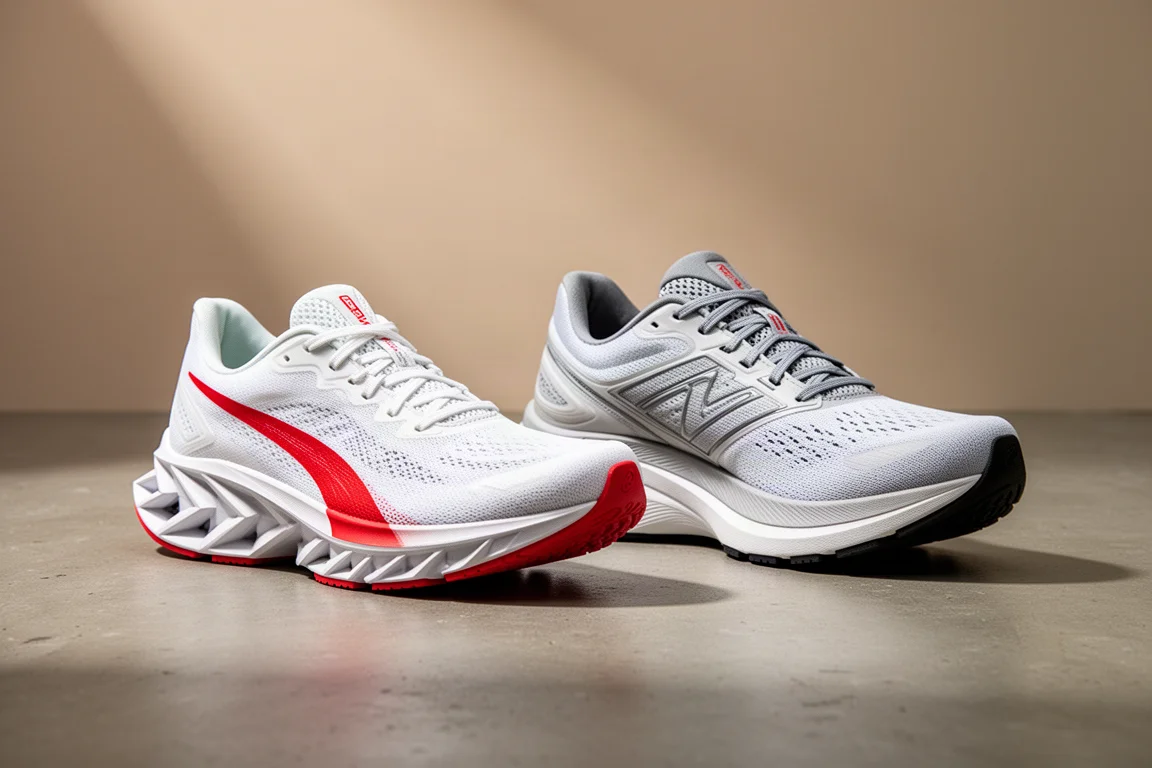
Salomon’s S/Lab performance division has been quietly building out its road running lineup, and these two carbon-plated racers show the brand is thinking about more than just elite pace. The S/Lab Phantasm 2 is the fast, aggressive option, while the S/Lab Spectre is engineered specifically for heel strikers and 4-hour marathoners who need more support over long time on feet.
I put real miles into both, including a 10-mile run with intervals in the Phantasm 2 and a relaxed six-miler in the Spectre. Here is how they stack up.
Salomon S/Lab Phantasm 2
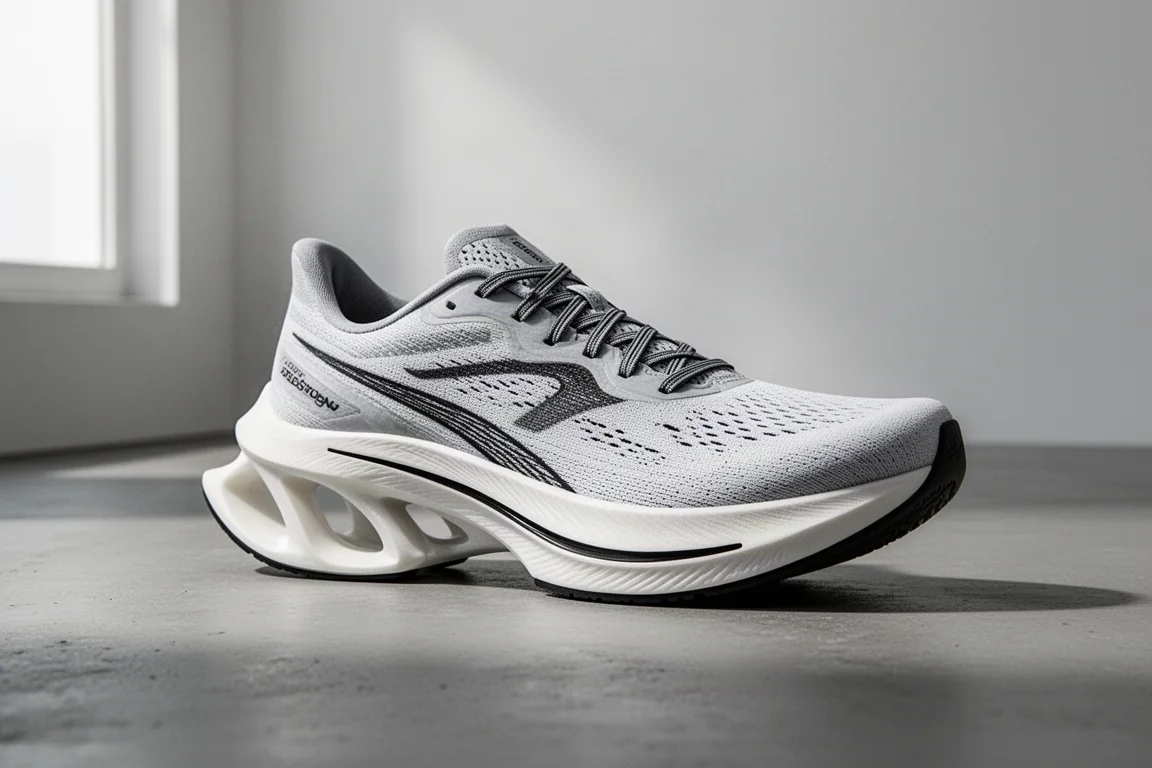
The Phantasm 2 is the shoe Salomon is pointing at fast marathon paces, built around a PEBA midsole, a carbon Energy Blade plate, and a full race foam setup. On the scale it came in at roughly 231 grams, which is a competitive but not standout weight for this class. The plate line swoops low toward the ground, which typically makes a shoe read as more aggressive underfoot, and the sheer white upper with a red stripe is one of the better racing designs of the year.
Out of the box, the ride is firmer rather than soft and squishy. That is a feature, not a flaw, for runners who want a direct, planted feel at the toe off. It was not bouncy in the way the fastest super shoes are, but it felt efficient, stable, and got out of the way, which is exactly what many runners want on race day.
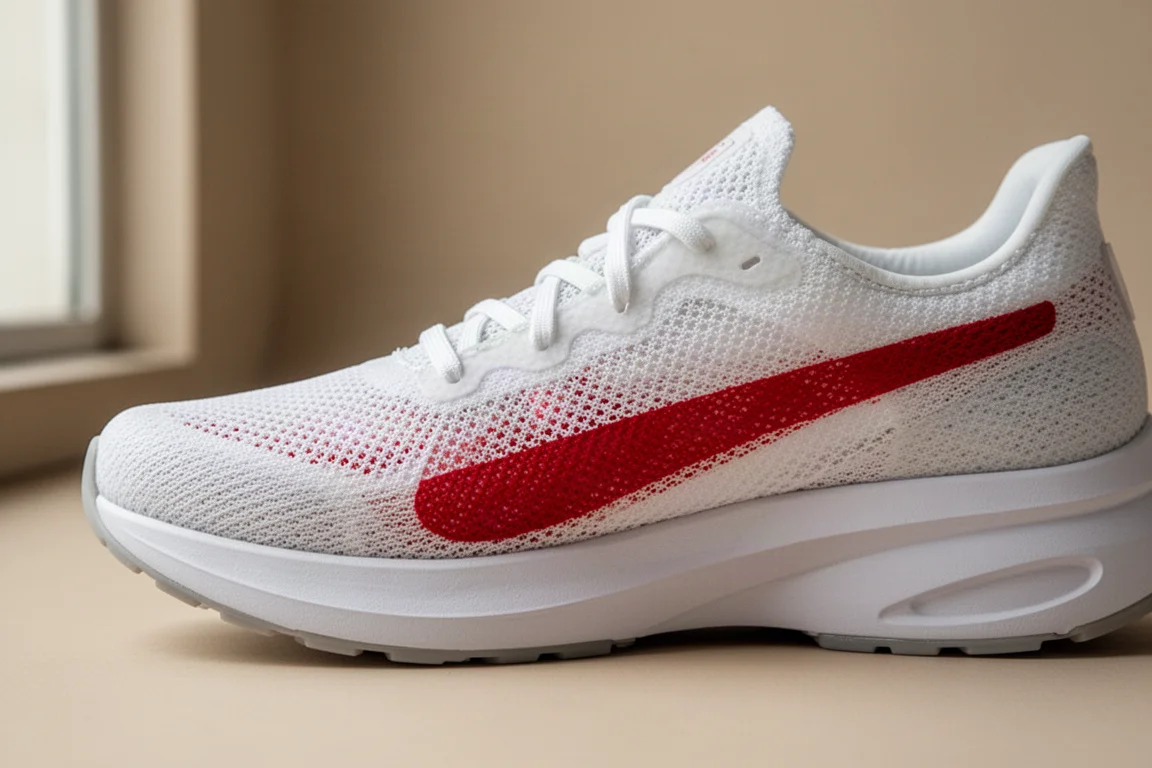
Fit runs fairly narrow, particularly in the rearfoot and forefoot, and it fits true to size with decent toe room. That narrow, aggressive shape makes it a poor recommendation for many recreational runners, but if you are in the sub-3:10 marathon range and want a firmer platform that could double as a durable training and racing shoe, it deserves a look. It also has unusually thick, full-coverage forefoot rubber, which should help durability and grip.
Ride and Performance
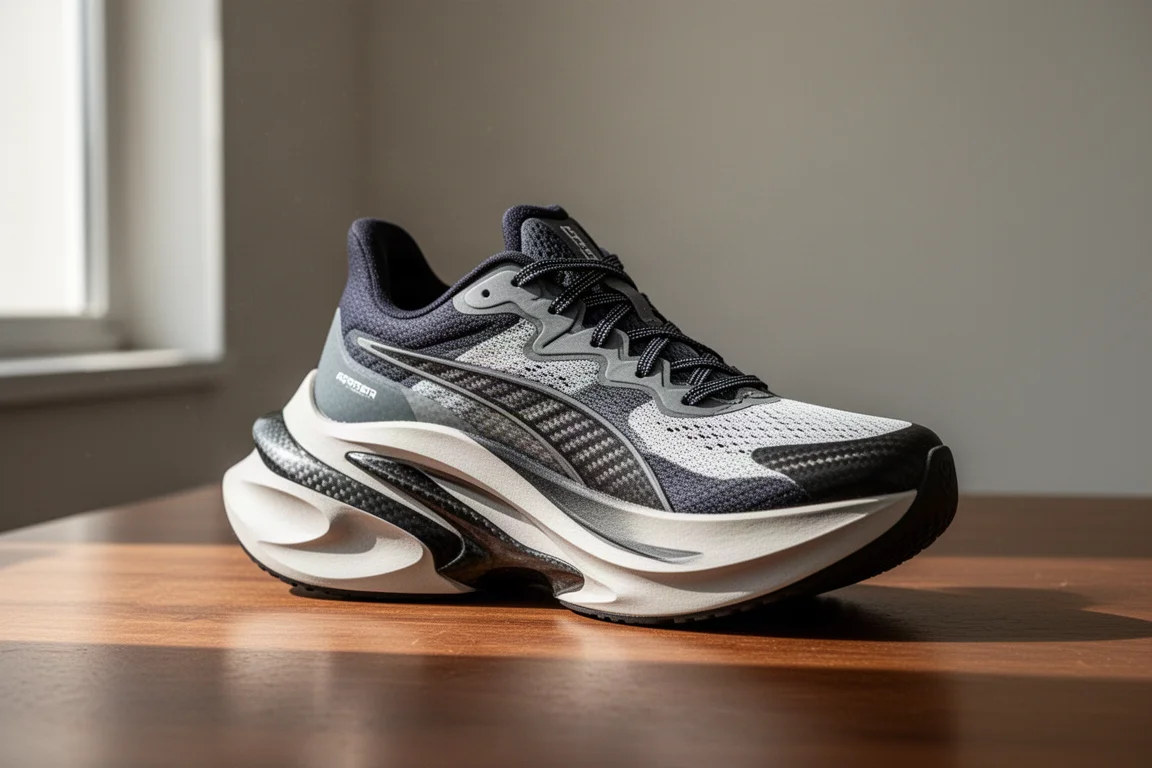
In testing, the Phantasm 2 shined during a session of 400-meter repeats. It felt light on foot, smooth through the rocker, and efficient at faster paces. One interesting note: it actually felt slightly better when landing more flat-footed with more heel on the ground, where the PEBA foam gave a softer feel, than when driving hard off the forefoot, where it read firmer, closer to other firm race shoes.

It is not a mind-blowing bouncy ride out of the box, and it likely needs some miles to break in and soften up. At 7-minute-mile paces it did not feel optimal and clearly belongs in the aggressive, fast-pace category. For 4:00 to 5:00 marathon pace efforts, there are better-suited options on the market.
Build Quality and Design
The build quality is a highlight. The seams are clean, there is no visible glue, and nothing is missing in the construction. The design is quietly excellent, and the shoe presents like an elite racing product from the top down. If Salomon can earn long-term durability from this firmer platform, that could be the real selling point: a shoe you can train heavily in and still race.
Salomon S/Lab Spectre
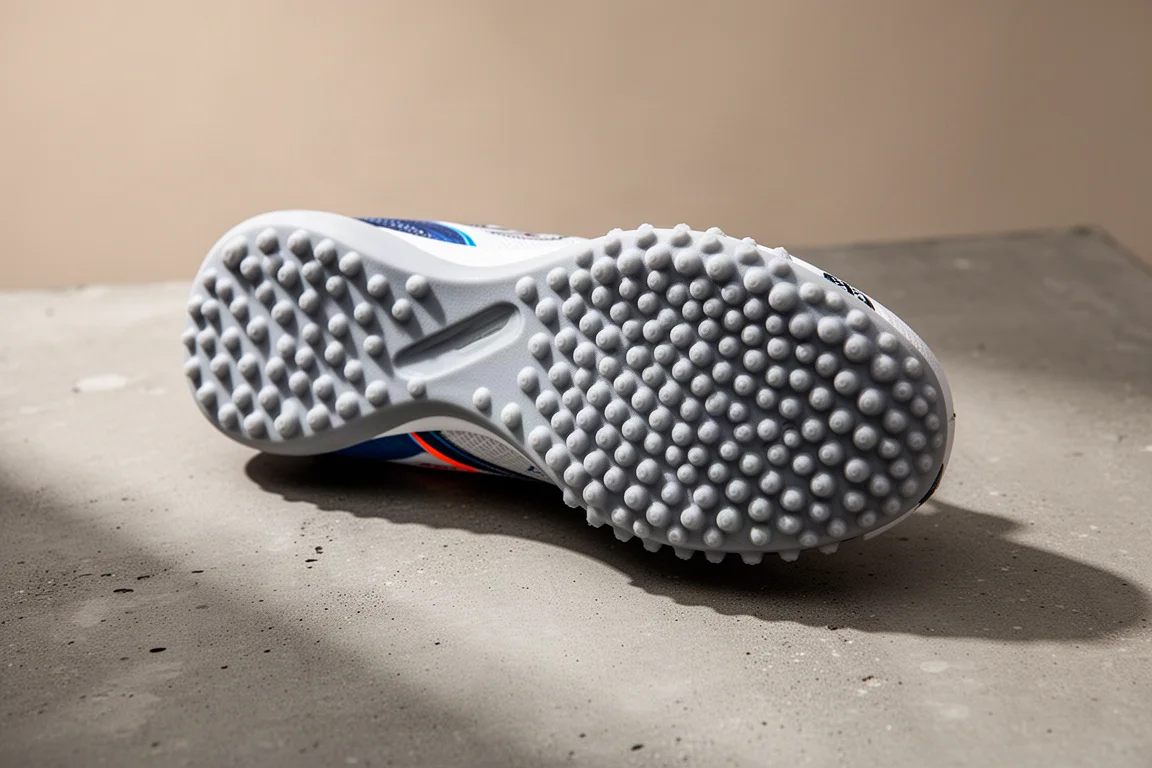
The S/Lab Spectre is the more unusual of the two: a carbon-plated race shoe designed specifically for 4-hour marathoners and heel strikers, with stability built in. Salomon wraps the Energy Blade plate up through the heel, gives it a much wider base, and puts a layer of training foam on the bottom tuned for stability, topped with race foam. The upper is far more padded and comfort oriented than the Phantasm 2.

The honest caveat is that it took a few miles to come alive. Early on it felt clunky and forced an awkward heel-first stride, but once real power went into the shoe, the bounce showed up and it became genuinely fun. It reminded me of a stability-flavored version of a comfortable cruiser: a stable super shoe, which is a rare thing. Bigger runners and those pushing 8- to 9-minute marathon paces should get the most out of it, and it looks like a strong long-run option too.
Which One Should You Pick?
If you race fast and want a firm, direct, narrow racing weapon, the Phantasm 2 is the pick. If you are a bigger runner, a heel striker, or someone who will be on course for 3.5 to 4.5 hours and needs support and comfort over speed, the Spectre is built precisely for you.
It is worth noting that the Spectre’s positioning drew mixed reactions when it launched, since some runners bristled at being told they need a special shoe based on pace. Framed as a comfort-oriented, stable race-and-training shoe, the concept makes much more sense. Salomon is still early in its push into road running, but these two shoes suggest the brand is heading in a promising direction.
Conclusion
Salomon’s S/Lab lineup now covers both ends of the marathon racer spectrum: the Phantasm 2 for fast, aggressive runners who like a firm ride, and the Spectre for stability-focused, longer-time-on-feet racers. Neither is a revolutionary leap, but both are solid, well-built carbon shoes, and the Phantasm 2 in particular is worth watching as it breaks in.
Further reading
Related Reviews

Running Shoes
Best Road-to-Trail Running Shoes: Three Versatile Options for Mixed Terrain
A practical guide to three road-to-trail running shoes that handle both pavement and mild trails, with clear strengths and trade-offs for different runner types.

Running Shoes
Best Running Shoes for Achilles Tendonitis: Three Options Explained
Three running shoes with different heel drops and support features designed to help reduce Achilles tendon pain during walking and running.

Running Shoes
Best Running Shoes for Women: Five Top Choices Ranked
A ranked guide to five women's running shoes, from versatile daily trainers to high-performance racing options, with real strengths and trade-offs for each.