Running Shoes
Salomon S/Lab Phantasm 2 Review: A Promising First Super Shoe Held Back by Fit
Salomon's first true super shoe gets the foam and plate right, but a long fit and an unstable heel make it a tricky recommendation at $275.
Introduction
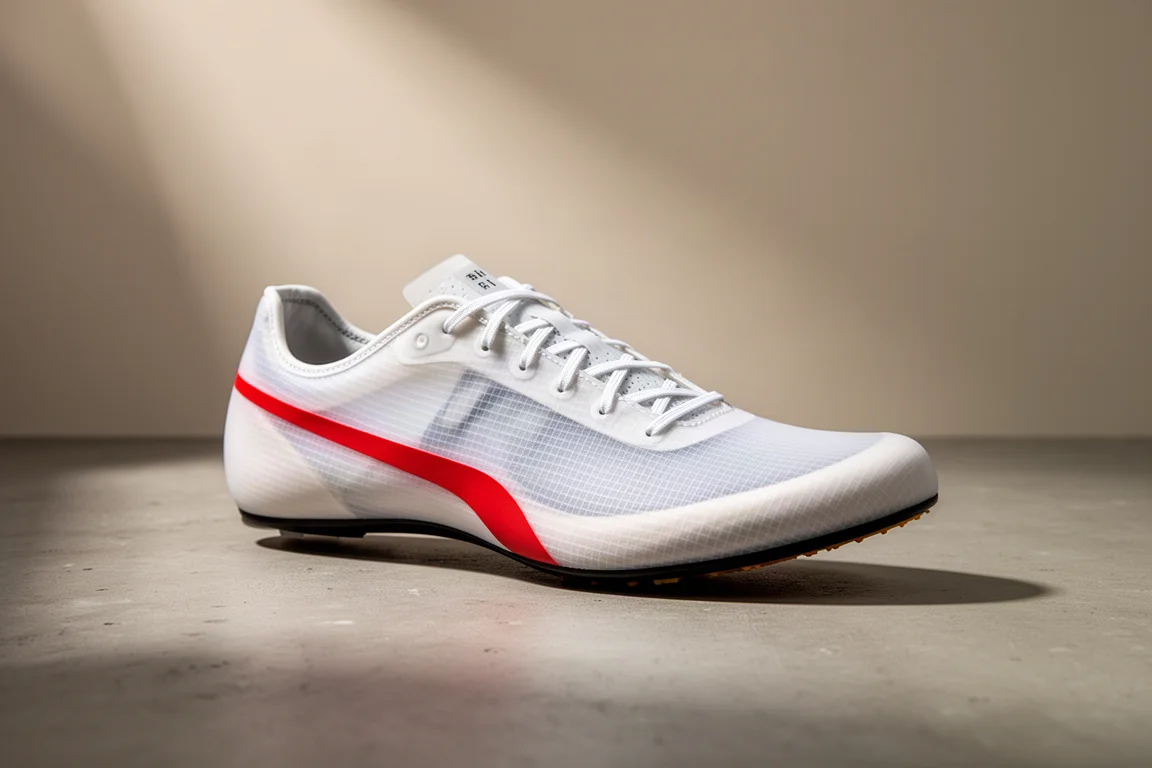
The Salomon S/Lab Phantasm 2 is Salomon’s first true super shoe built for racing, and it arrives with genuinely impressive materials: two layers of PEBA foam sandwiching a carbon fiber plate. After putting real miles into it, the picture is mixed. The foam and plate feel excellent when the pace picks up, but a fit that runs about half a size long and an unstable heel make it a harder recommendation than the price suggests. Here is the full breakdown.
Specs and Midsole Setup
In men’s size 9 (unisex sizing, which runs as a women’s 10.5), the shoe weighs 219 grams, about 7.7 oz. A men’s size 10 weighs 8.1 oz, and extrapolating from that, a true size 9 would likely come in slightly lighter. Stack heights measure 37.5 mm in the heel and 28.5 mm in the forefoot for a 9 mm drop, although the soft underfoot foam makes it feel lower than that number suggests.
The midsole uses two PEBA foam layers with the carbon plate in between. The top layer is firmer while the bottom layer is noticeably softer, which gives the overall feel of a slightly firmer, more responsive PEBA ride. It is not as bouncy as the Alphafly, Endorphin Elite, or even the Vaporfly, but it is a good, balanced bounce that rewards faster running.
How It Rides at Different Paces
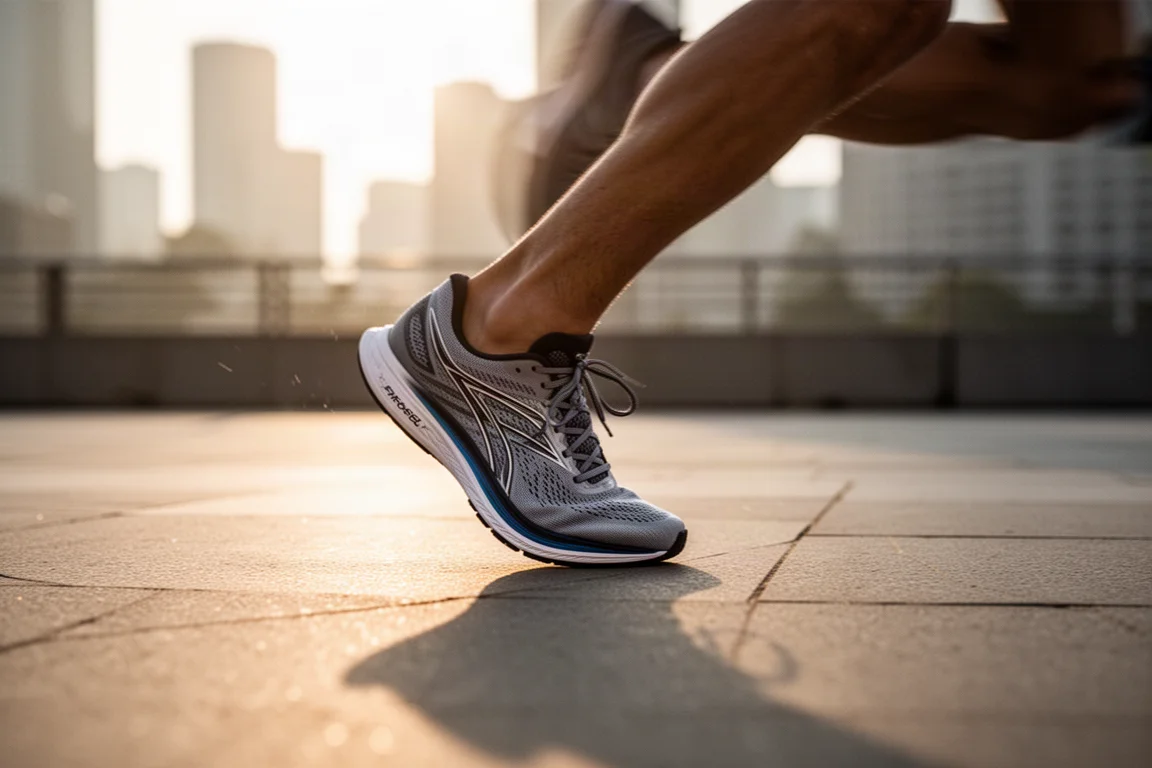
This is a shoe with a clear pace threshold. Running easy, there is little that feels special about it, and the soft underfoot character makes the geometry feel like it compresses a bit slower thanks to that firmer top foam layer. Pick up the pace, though, and the shoe comes alive: the bounce responds well when you push, and the faster you go, the better it feels.
The forefoot transition is another story. It usually feels stiff and firmer up front, and as fatigue sets in, working over the long rocker becomes more annoying. The forefoot is more stable than the heel and feels relatively normal, just stiffer.
Stability: The Biggest Caveat
For anyone with stability needs, this is not the shoe. The heel foam is soft and the sole is narrow in a high-stack design, which creates real side-to-side instability. In testing, runs maxed out around 6 to 7 miles, with the posterior tibialis and anterior tibialis muscles noticeably sore afterward. On landing, the ankle collapses noticeably, and that fatigue accumulates over a run.
The forefoot is better: the wide platform is not a stability shoe, but it is much more normal and provides a decently balanced platform under the toes. The soft PEBA sidewalls are comfortable, but they remain soft in the heel and midfoot. Runners with stiff, stable mechanics may get along with this design fine; anyone who pronates significantly or needs heel support should look elsewhere.
Fit and Upper
The fit is the biggest issue. The shoe runs about half a size long, one of the longest-fitting shoes in recent memory. In super shoes, the plate geometry only works properly when the rocker curve lines up with the first metatarsal joint. A shoe that is too long creates a longer lever, forcing extra work to roll over the forefoot. At easy paces this is tolerable, but at tempo and fartlek efforts, sliding back and forth inside the shoe becomes genuinely annoying in a shoe that is supposed to improve efficiency.
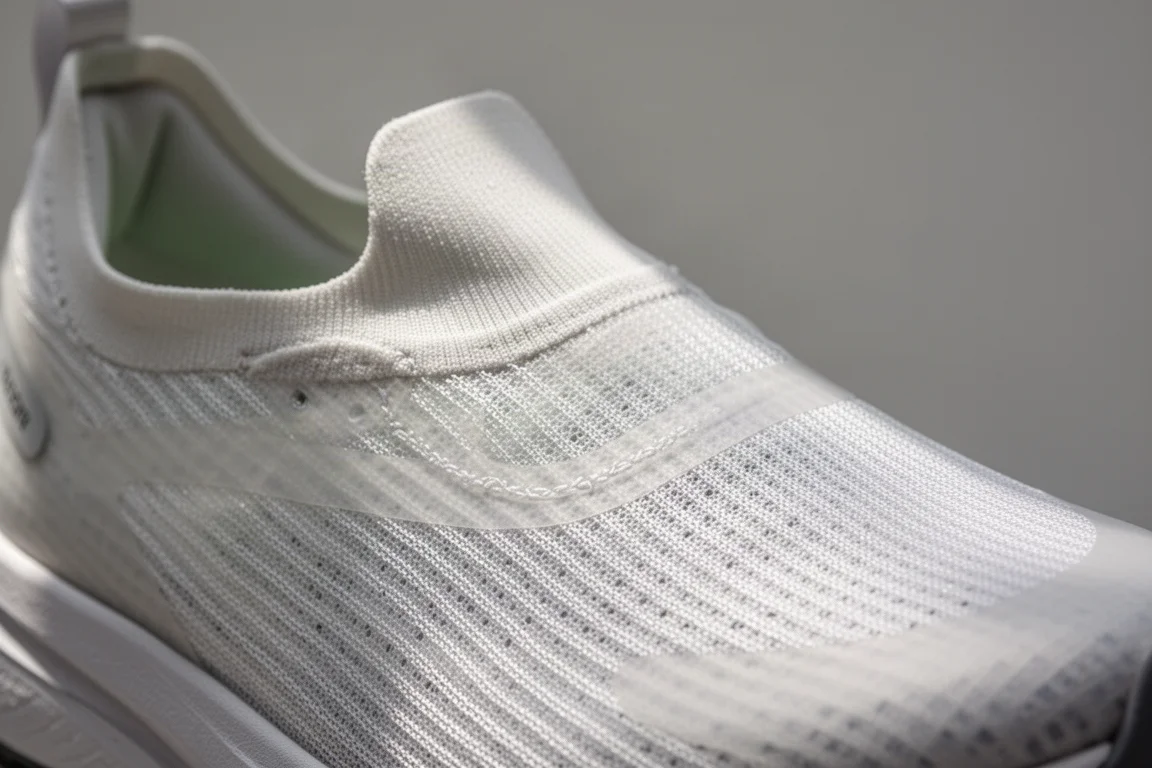
The upper itself is comfortable and very thin, with a super-minimal, flexible heel counter that is excellent for runners with irritable Achilles tendons at the insertion point. There is plenty of toe room, but that room exists because the shoe is simply too long, so security suffers with the foot sliding fore and aft. A half size down would likely resolve much of this, though sizing is a gamble: the shoe sold out quickly, and trying it on in person is strongly recommended if possible.

Buying Advice
At $275, this sits alongside shoes like the Alphafly and Endorphin Elite, and against that competition the fit and stability issues are hard to overlook at full price. If you do buy it, go half a size down if you can verify the fit in person, and only commit if you have neutral, stable mechanics. Long, swelling feet that run later in the day might actually appreciate the extra length. It is worth noting that other Salomon road and trail models, including the Aero Glide, Glide Trail, Thundercross, and the non-S/Lab Phantasm, have not shown this same fit problem.
Conclusion
The Salomon S/Lab Phantasm 2 gets the important materials right: the PEBA foam stack is enjoyable, the carbon plate works, and the shoe rewards fast running with a balanced, responsive ride. But the half-size-long fit works against the plate geometry, and the narrow, soft heel makes it unsuitable for anyone with stability needs. For $275, it is a promising first effort that needs one more design iteration. If you can try a half size down in person and your mechanics are neutral, it could be a great racing shoe. Otherwise, the competition at this price is tough.
Product link
View more details for Salomon S/Lab Phantasm 2
This product is mentioned in the review. Check the specifications, options, and compatibility before buying.
View more details for Salomon S/Lab Phantasm 2Further reading
Related Reviews

Running Shoes
Best Road-to-Trail Running Shoes: Three Versatile Options for Mixed Terrain
A practical guide to three road-to-trail running shoes that handle both pavement and mild trails, with clear strengths and trade-offs for different runner types.

Running Shoes
Best Running Shoes for Achilles Tendonitis: Three Options Explained
Three running shoes with different heel drops and support features designed to help reduce Achilles tendon pain during walking and running.

Running Shoes
Best Running Shoes for Women: Five Top Choices Ranked
A ranked guide to five women's running shoes, from versatile daily trainers to high-performance racing options, with real strengths and trade-offs for each.