Running Shoes
Salomon S/Lab Fantasm 3 Review: A Cool Aero Upper Wrapped Around a Disappointing Ride
Salomon's latest race shoe brings an aerodynamic lace-wrapping upper and a 15% weight drop, but the midsole fails to deliver the snap, bounce, or roll a super shoe needs.
Introduction
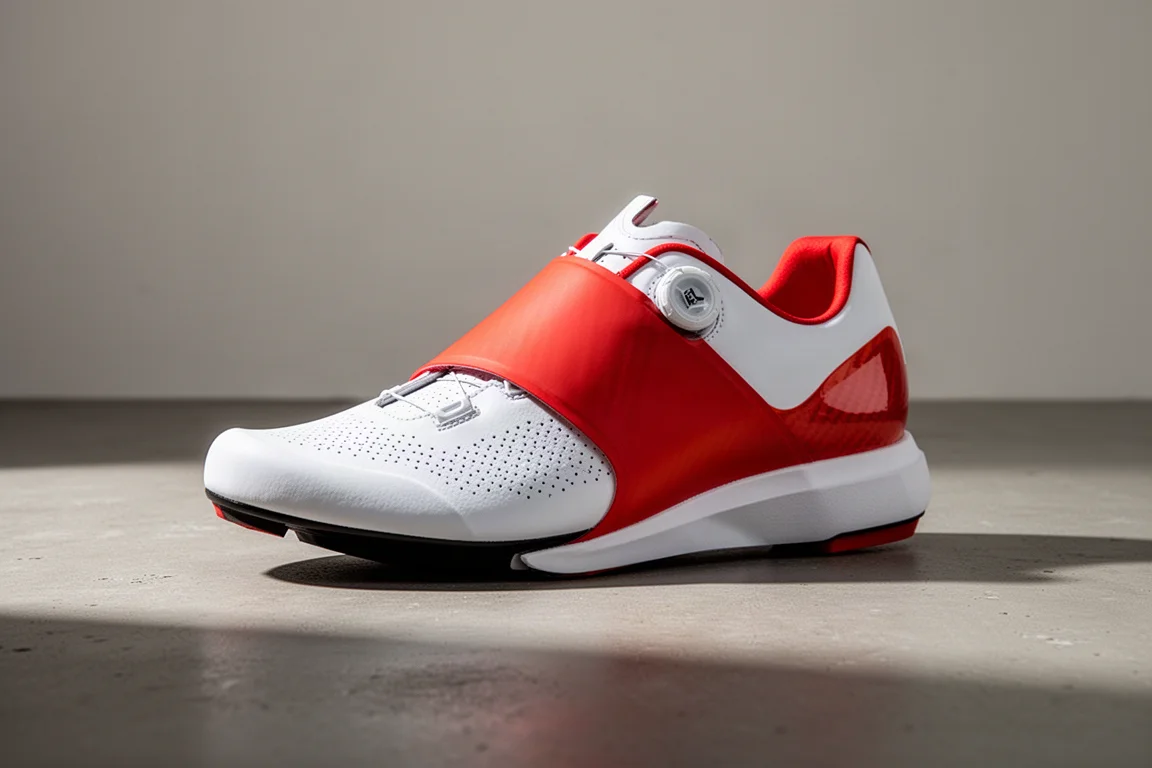
The Salomon S/Lab Fantasm 3 arrives with a bold pitch: a race shoe whose upper wraps the laces in a smooth film to be more aerodynamic. It is a striking idea, and the shoe is genuinely one of the best-looking racers on the market right now. The question is whether the performance underneath matches the presentation. After two full runs in it, including a 20-mile long run, the answer is unfortunately no.
This is the third generation of a shoe that started as a sleeper pick. The Fantasm 2 was underrated and barely purchased, a serviceable carbon racer that never got much attention. For the Fantasm 3, Salomon kept the PEBA midsole and added the aerodynamic upper, dropping the weight by roughly 15% in the process. On paper, that all sounds promising.
Who This Product Is For
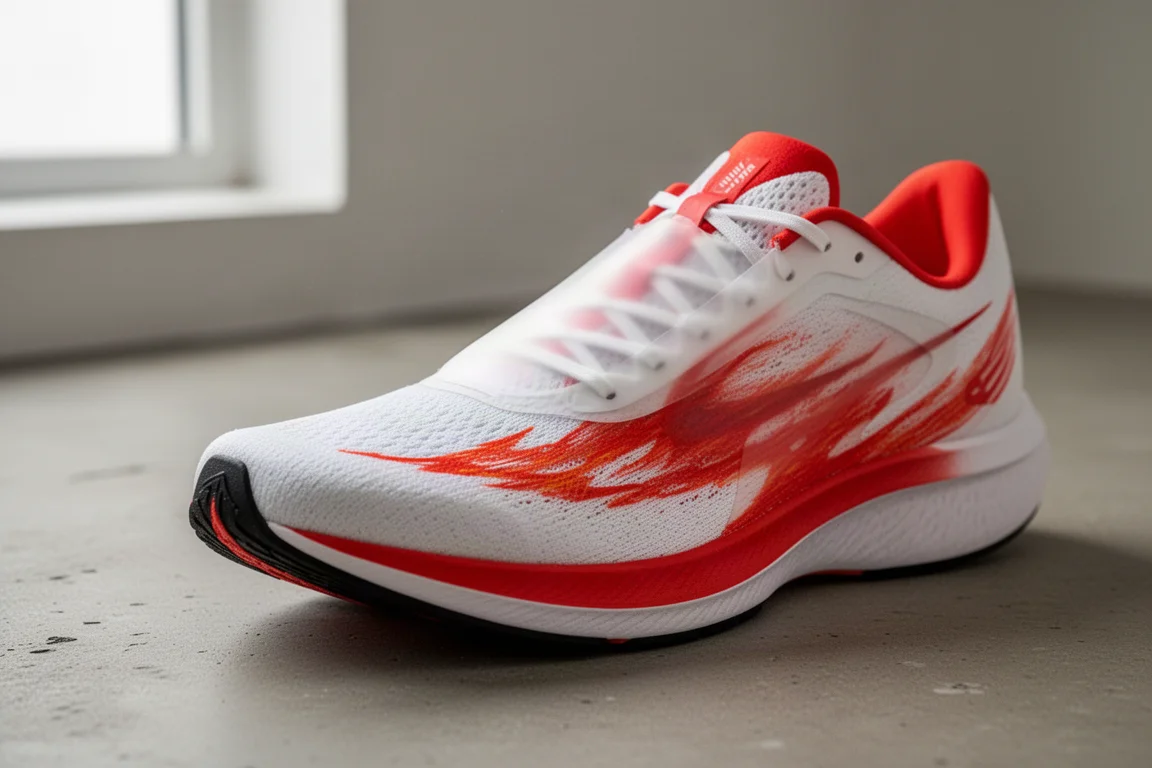
On paper, this shoe is aimed at marathon racers who want a lightweight, aerodynamic super shoe for race day. The white and fiery red colorway is clearly designed to turn heads, and Salomon positions it as a super light racing shoe developed with aerodynamic specialists.
In practice, though, it is hard to recommend this shoe to anyone. The market is simply too competitive right now. If you are sensitive to stiff carbon and dislike the feeling of a firm plate, there is a narrow case to be made here, since the plate barely registers. But even that crowd has better options.
The Aero Upper: Performance or Gimmick?
The headline feature is the wrapped upper. Salomon folds the laces into the upper to create a smoother surface, and once laced, the shoe does look clean. The concept itself is debatable. Drag from your laces is not what holds most runners back, and missing a marathon goal by minutes is almost never about aerodynamics. Weight matters more: the shoe weighs 198.7g, nearly identical to the 197.8g of a key competitor, while the lightest race shoes in the category sit well below 200g. If a brand wants to be fast, going lighter does more than covering the laces.
There are also practical problems. Getting your foot in requires stretching the collar, digging for the opening, loosening laces you cannot see, tying them, and then tucking the lump of lace under the wrap. The result is a visible bulge and an awkward ritual that feels like it should have been solved with a zipper or by going laceless entirely. A race shoe’s upper should disappear on your foot. This one demands attention every time you put it on.
Fit and On-Foot Experience
Once you are in, the fit is decent. There is a little more room in the forefoot than you might expect, which is typical for Salomon. The heel collar is not heavily padded, which is acceptable for a racer, but the hard piece at the back combined with the awkward entry makes the whole package feel less refined than it should.
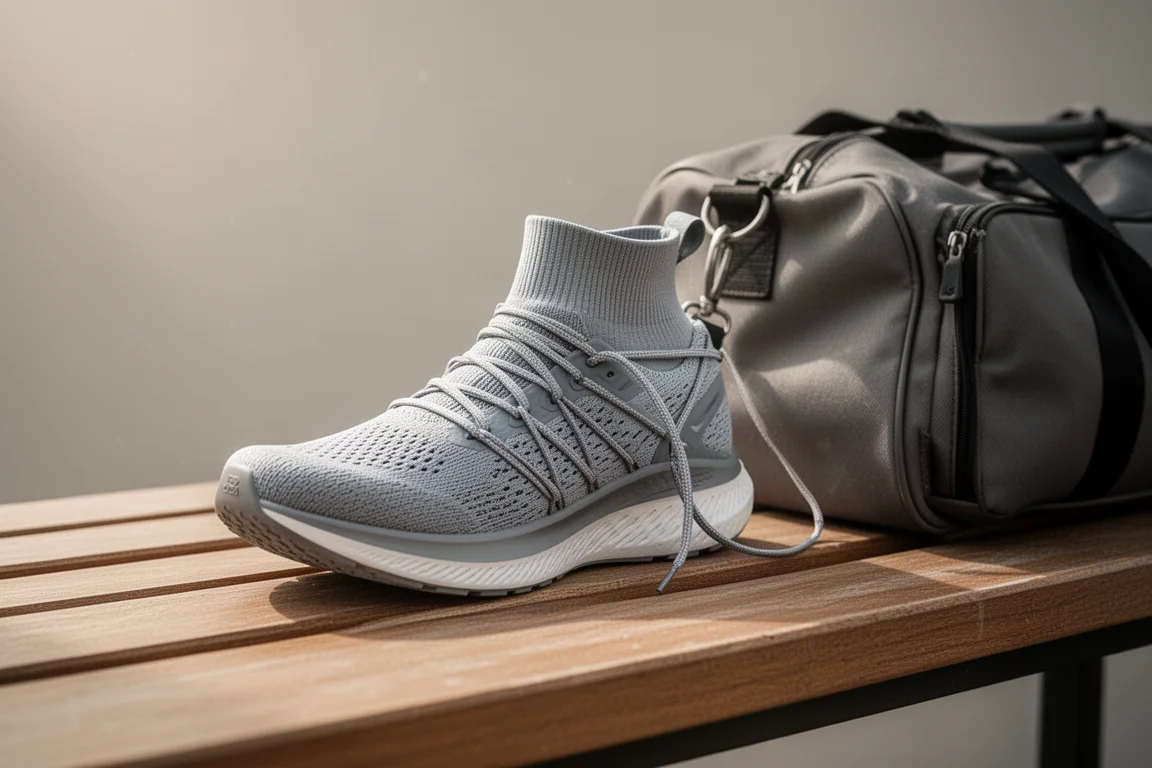
The stack height measures around 40.2mm at the heel in testing, right in the middle of the current race shoe range, with good cushioning depth on paper. The midsole uses Optifoam Plus, with a notably soft, dual-layer feel: a softer PEBA at the bottom and a firmer layer on top. The heel foam compresses easily under thumb pressure, which hints at the ride to come.
Ride and Performance
Here is where the shoe falls apart. A great race shoe needs one of three qualities: snap off the forefoot, bounce from the foam, or a roll from rocker geometry. The Fantasm 3 has none of them.
The foam, which Salomon calls Optifoam Plus, feels mushy rather than responsive. It is about as soft and about as bouncy as a mid-tier training foam, delivering lots of sink with very little give back. Push into the forefoot foam and it simply stays compressed. The full-length carbon plate, marketed as the Energy Blade, is puzzlingly flexible, likely the most flexible carbon-plated shoe available, more so than daily trainers. The plate sits low and scoops down in the forefoot, so there is no pop at toe-off.

The geometry is nearly flat, with only a slight toe spring rather than a true rocker. The heel is very narrow, which limits stability, and the low-drop feel encourages a heel-heavy landing. Combined with the soft foam, you sink into the back of the shoe and then have to fight through the forefoot. At faster paces, effort felt noticeably higher than it should, and the shoe felt best at steady, cruising paces, which is the opposite of what a $280 super shoe should do.
Verdict After Two Runs
To be fair to the shoe, this was not a one-off bad day. The first attempt at a tempo session was abandoned because tired legs and tough conditions made a fair test impossible. The second run, a 20-mile long run with tempo sections broken into mile repeats, confirmed the first impression: the foam compound simply does not return energy the way a race shoe’s should.

The midsole compound informs roughly 90% of a race shoe’s experience, and this one is a miss. Good foam is now a commodity, and plenty of alternatives deliver real carbon plates, dual-density setups, and genuine pop at similar or lower prices. The looks are excellent, and the weight is competitive, but those are not enough. This feels like a plated daily trainer wearing a super shoe’s outfit.
Buying Advice
If you want a soft, bouncy marathon racer, there are better-established options. If you want aggressive, efficient speed, the fastest current race shoes deliver it in lighter packages. If you want something distinctive from a smaller brand with a real carbon plate, dual foam, and no gimmicks, look there instead. For most runners, skip the Fantasm 3 and put the money toward a shoe whose midsole matches its marketing.
Conclusion
The Salomon S/Lab Fantasm 3 is a beautiful shoe with a genuinely interesting aerodynamic idea, but the execution collapses at the most important layer: the midsole. Mushy foam, an ineffective plate, and flat geometry add up to a race shoe that cannot deliver snap, bounce, or roll. Unless Salomon changes the foam or the geometry in a future version, this one is easy to pass on.
Product link
View more details for Salomon S/Lab Fantasm 3
This product is mentioned in the review. Check the specifications, options, and compatibility before buying.
View more details for Salomon S/Lab Fantasm 3Further reading
Related Reviews

Running Shoes
Best Road-to-Trail Running Shoes: Three Versatile Options for Mixed Terrain
A practical guide to three road-to-trail running shoes that handle both pavement and mild trails, with clear strengths and trade-offs for different runner types.

Running Shoes
Best Running Shoes for Achilles Tendonitis: Three Options Explained
Three running shoes with different heel drops and support features designed to help reduce Achilles tendon pain during walking and running.

Running Shoes
Best Running Shoes for Women: Five Top Choices Ranked
A ranked guide to five women's running shoes, from versatile daily trainers to high-performance racing options, with real strengths and trade-offs for each.