Trail Running Shoes
Salomon Sense Ride 5 vs Ultra Glide 2: Which Trail Runner Comes Out on Top?
Two Salomon trail running shoes with a lot in common, but subtle differences in cushioning, upper fit, and long-run comfort separate them.
Introduction
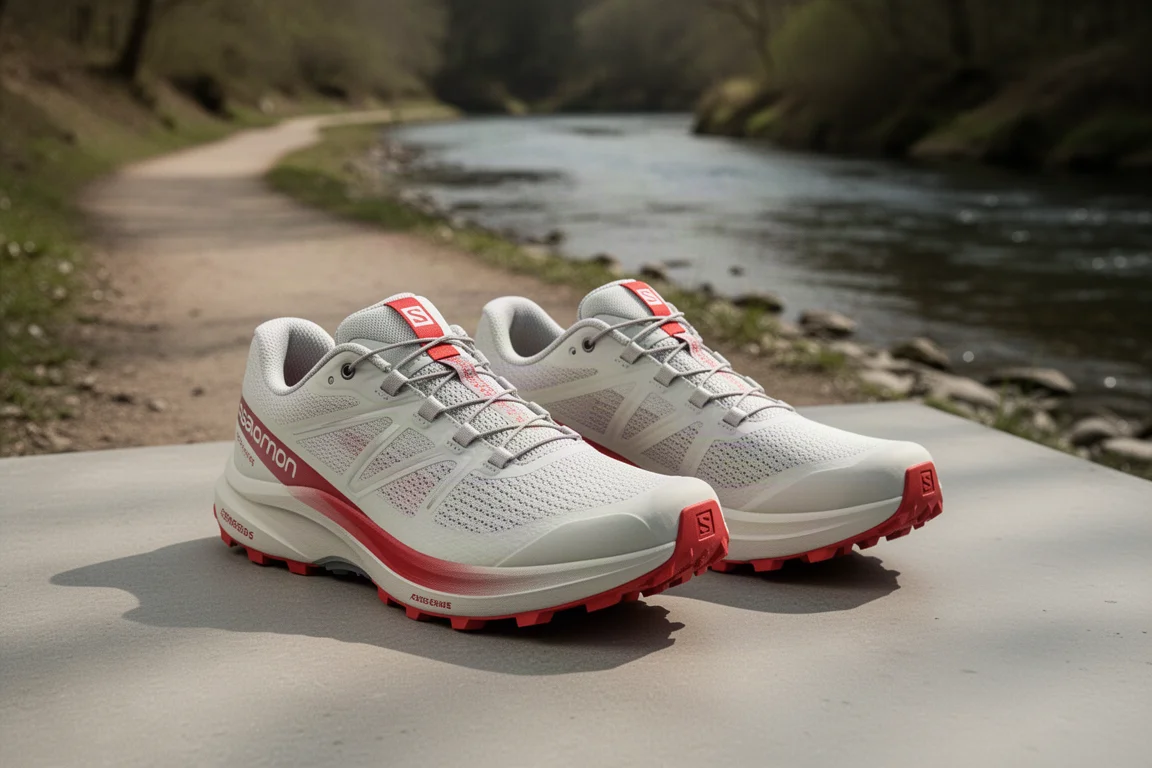
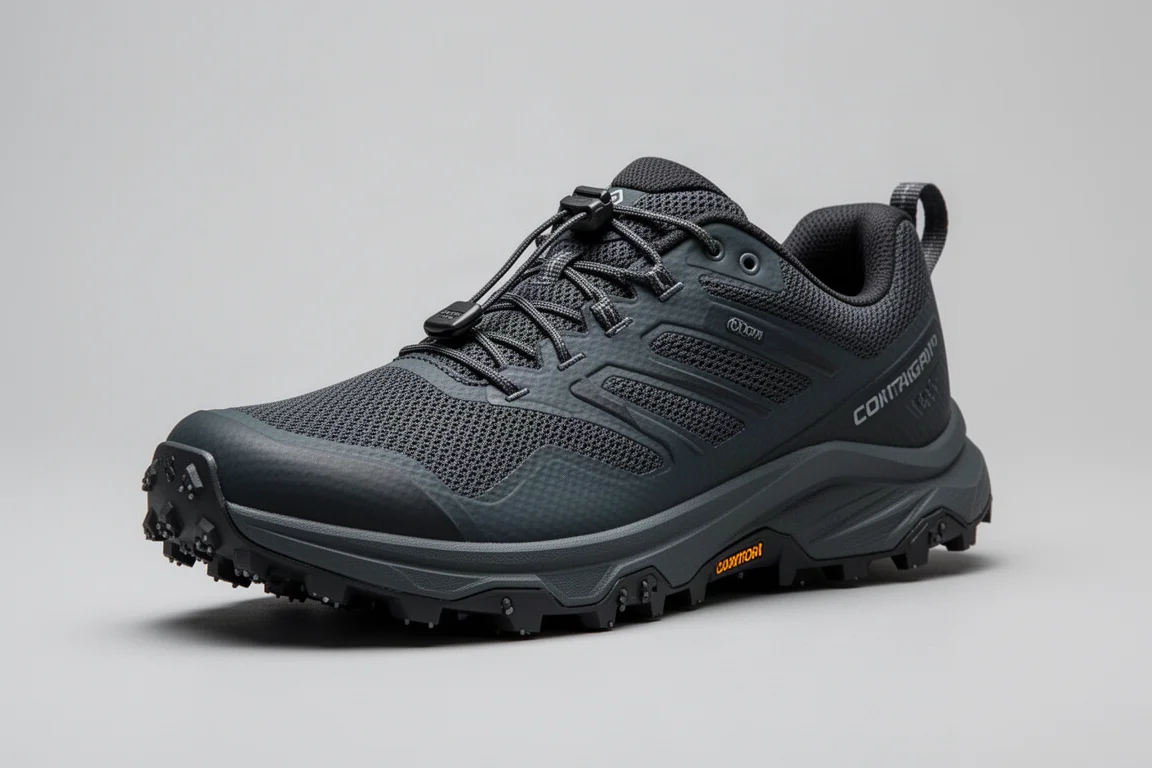
Salomon’s trail running lineup has two shoes that are surprisingly close to each other: the Sense Ride 5 and the Ultra Glide 2. Both share similar materials, construction choices, and a very comparable level of grip from the outsole. After running solid mileage in both models, the differences that separate them turn out to be subtle but real, and one clearly edges the other for longer days out. Here is how they compare.
Specs at a Glance
The Sense Ride 5 is the more affordable of the two, retailing in the UK for £130, while the Ultra Glide 2 comes in at £140. Weight is nearly identical too: the Ultra Glide 2 tips the scales at 310 grams against 305 grams for the Sense Ride 5, both tested in a UK 10, which required going up half a size in each model for a good length fit.
Midsole and Cushioning
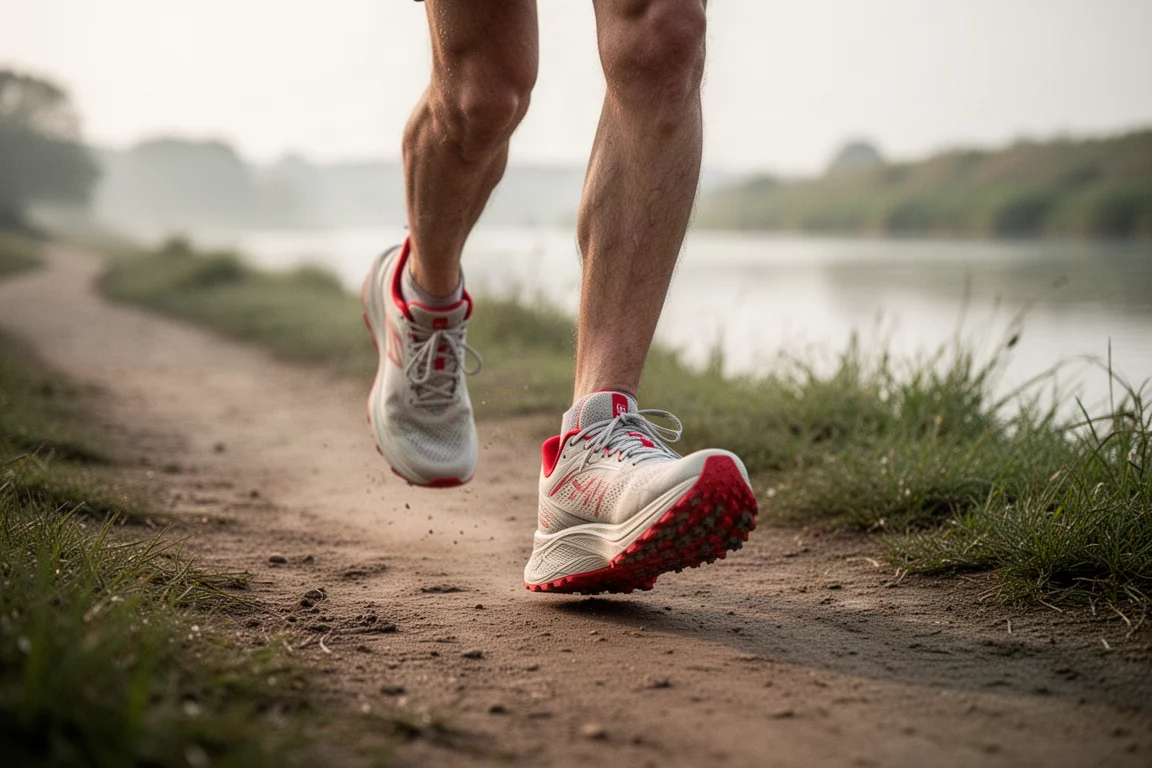
Both shoes use Salomon’s energy foam for cushioning, though the blend appears to differ slightly. The Ultra Glide 2 offers a softer feel underfoot with a bigger helping of that foam: 32mm at the heel and 26mm at the forefoot, giving a 6mm heel offset. The Sense Ride 5 sits closer to the ground at 29.6mm under the heel and 21.6mm under the forefoot, with a slightly higher 8mm heel offset.
The Ultra Glide 2 also carries a bit more rocker geometry in its midsole, which Salomon calls reverse camber technology. That shaping feels more efficient on longer runs. On cushioning alone, the Ultra Glide 2 takes the advantage: the deeper stack delivers more comfort and energy return, plus a touch more forward propulsion. It is close, though, and the Sense Ride 5’s deeper foam update was clearly a smart move, making this its most cushioned version to date.
One shared weak point: both come with a fairly basic insole that does not offer much, and Salomon arguably needs to step up here to match competitors in this space.
Uppers and Fit
This is where the two shoes genuinely feel different. The Ultra Glide 2 has noticeably more padding around the ankle collar and in the gusseted tongue, which fits the midfoot better and delivers a more secure lockdown. The Sense Ride 5’s tongue is more stripped back, and you need to pull the quick lace cord tighter to get a similar fit.
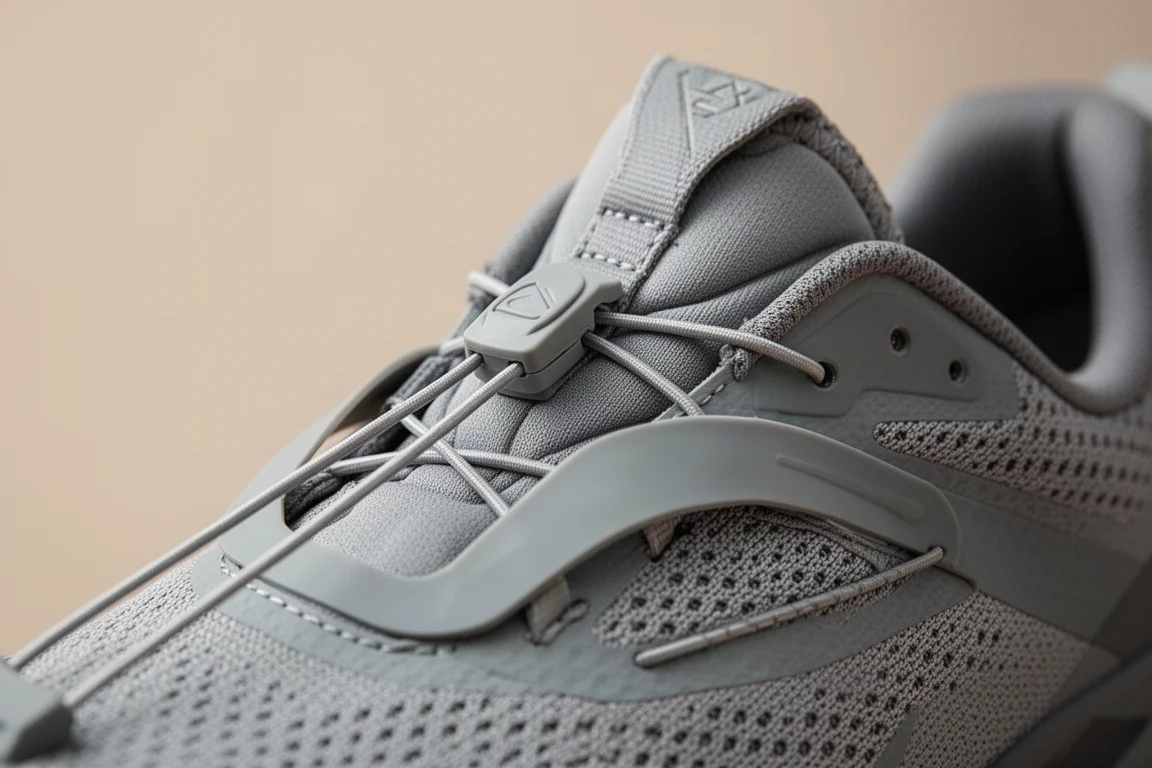
That extra padding costs some airflow. The Sense Ride 5’s engineered mesh feels lighter and airier, so it runs a bit more breathable. On fit width, neither is a wide-fitting shoe, but the Sense Ride 5 offers slightly more width and volume in the toe box. Salomon does offer the Ultra Glide 2 in a width option for those needing more toe room, and both models come in waterproof versions.
Both uppers carry structural overlays from heel to midfoot wrapping around the toe box for substance and durability, plus Salomon’s excellent quick lace cord system, which means no traditional laces on either shoe. The one shared flaw is a poorly designed tongue pocket that is awkward to load with the laces, though it is slightly easier on the Sense Ride 5. A substantial toe bumper gives good toe protection on both.
Outsole and Grip
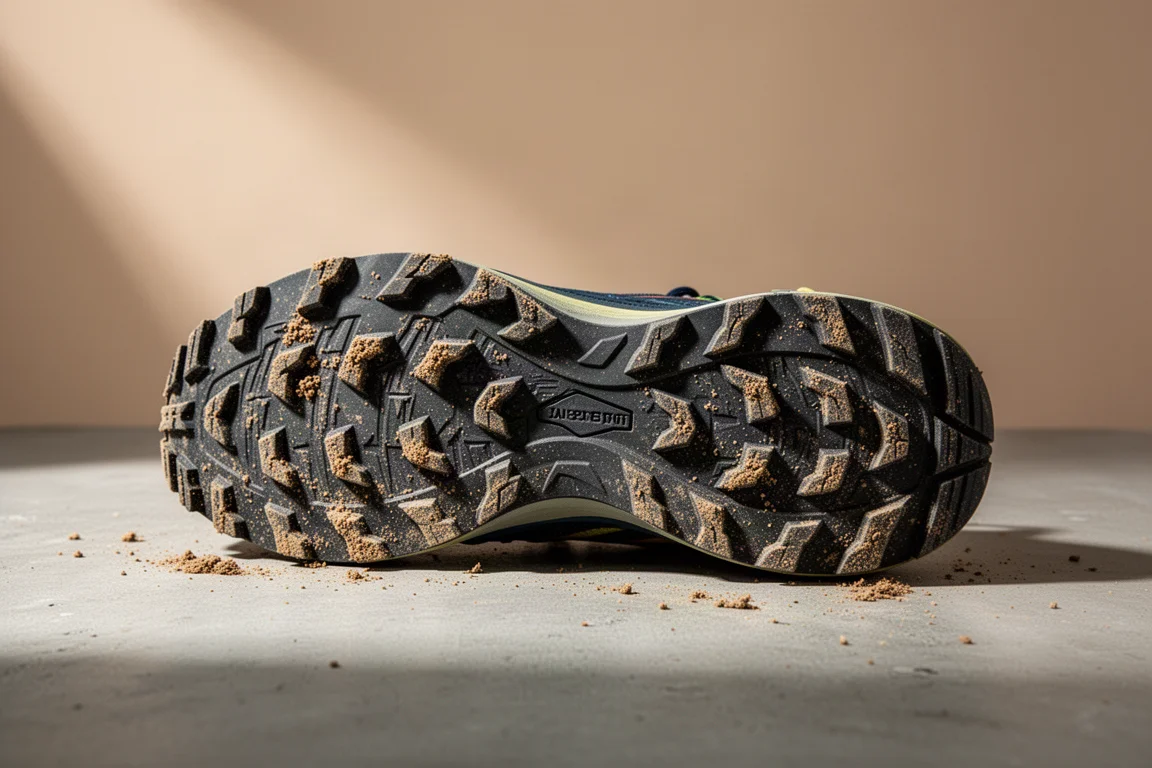
Performance here is essentially identical. Both shoes use a 3.5mm multi-directional lug pattern with reverse-facing lugs on the heel, Salomon’s all-terrain Contagrip rubber, and a ProFilm rock plate worked into the midsole for underfoot protection.

Both handled dry trails well, whether rocky, compacted, or loose. With 3.5mm lugs, neither is a big fan of muddy conditions, and there is some slipping and sliding, though less than expected. A 4 or 5mm lug depth would serve them better in the wet, and it might be a good way for Salomon to differentiate the two models from each other.
Buying Advice
If you want maximum comfort and efficiency over longer distances, the Ultra Glide 2 is the pick. The plusher upper gives a better midfoot lockdown, the deeper energy foam stack feels softer and more responsive, and the rocker geometry adds a bit of propulsion that pays off the further you go.
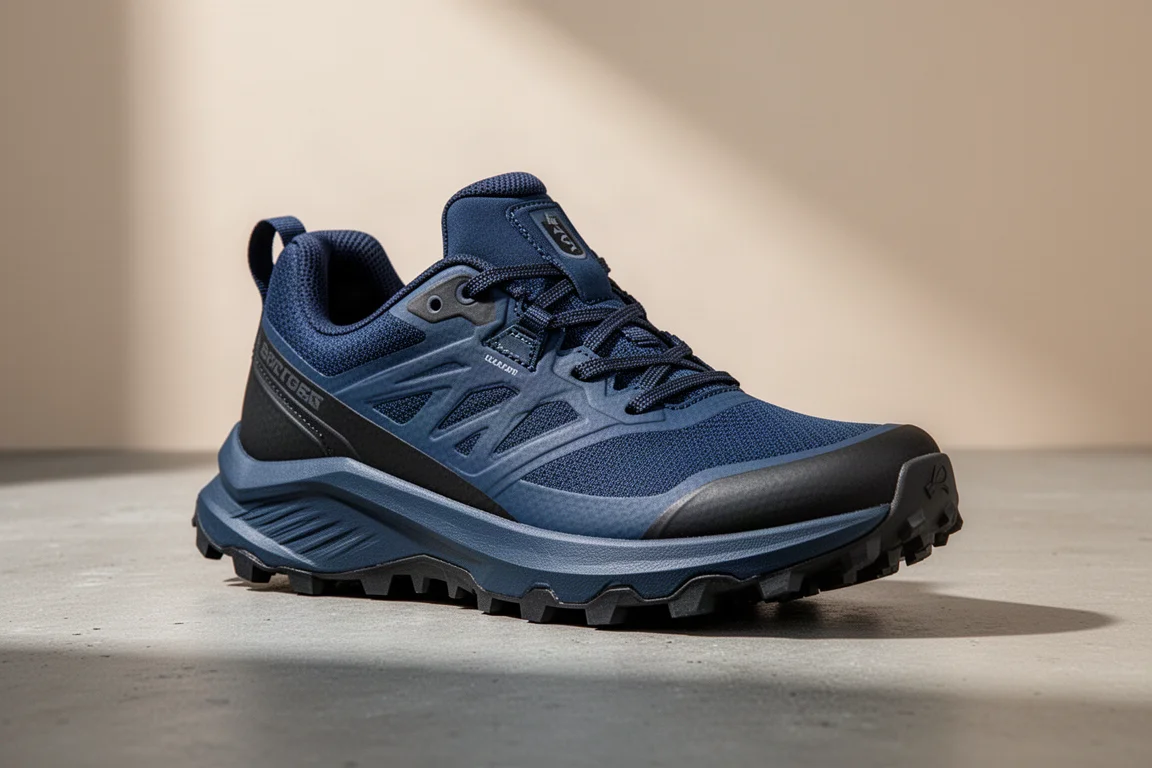
If breathability, a slightly wider toe box, and a marginally lower price matter more to you, the Sense Ride 5 is a genuinely solid update. It is more comfortable and more versatile than its predecessor while keeping the traditional Sense Ride feel in the upper. In this head-to-head, though, the Ultra Glide 2 takes the top spot.
Conclusion
These two Salomon trail shoes overlap far more than they differ, with near-identical outsoles, shared energy foam midsoles, and the same quick lace system. The real separation comes from fit and cushioning: the Ultra Glide 2 offers a plusher, more locked-down upper and a deeper, more efficient midsole for long runs, while the Sense Ride 5 counters with better breathability and a lower price. For most runners covering serious trail distance, the Ultra Glide 2 is the one to beat.
Further reading
Related Reviews
Trail Running Shoes
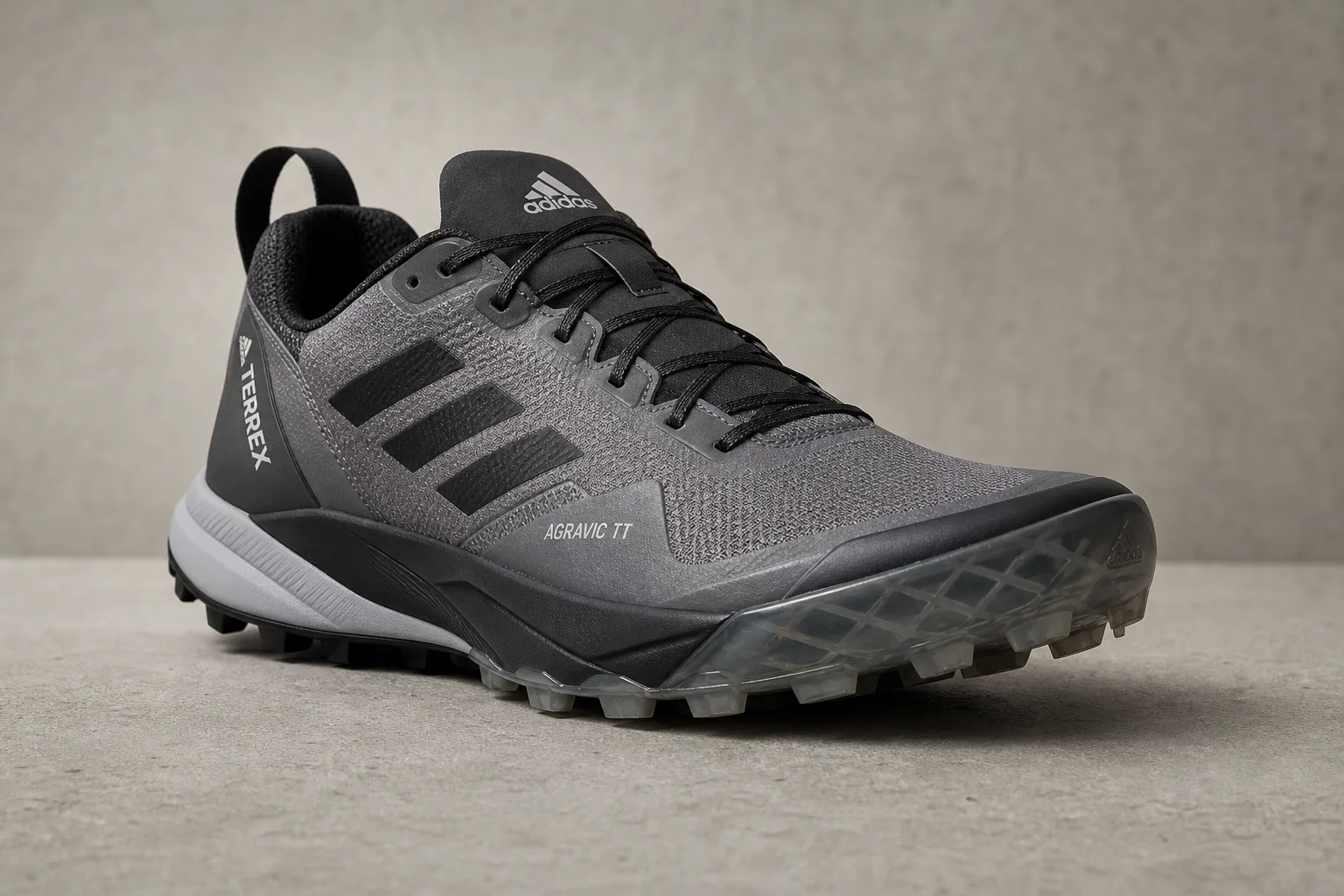
Adidas Terrex Agravic TT Review: A Technical Trail Shoe Built for Rocky Terrain
The Adidas Terrex Agravic TT combines a full-coverage rock plate with a firmer midsole to deliver protection and stability on technical, rocky trails. A capable choice for runners who prioritize underfoot defense over lightweight cushioning.
Trail Running Shoes
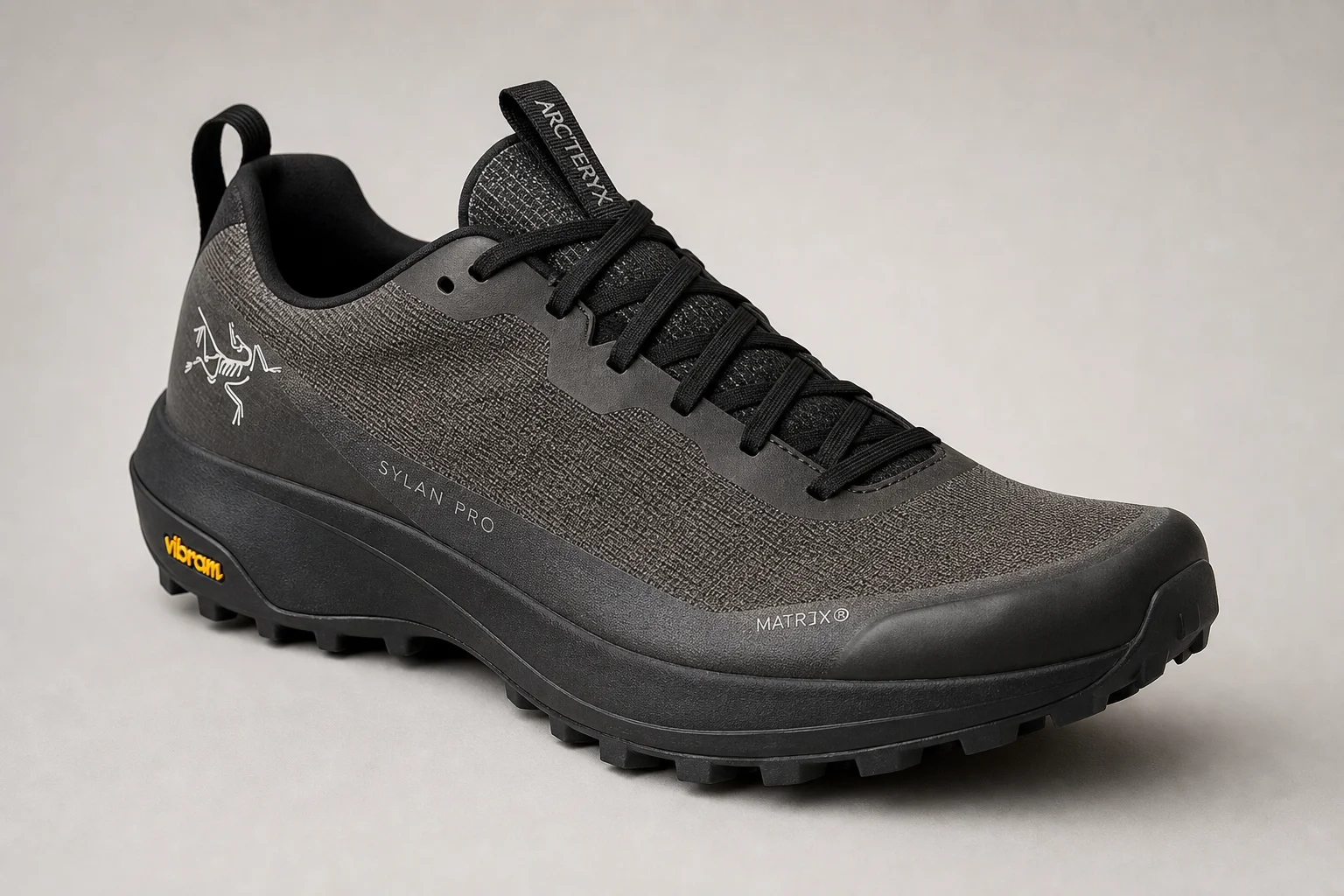
Arc'teryx Sylan Pro Review: A Rocker-Focused Mountain Running Shoe Tested on 20 Miles
The Arc'teryx Sylan Pro brings a pronounced rocker geometry and secure fit to mountain terrain. We tested it on a 20-mile Sawtooth loop to evaluate its climbing efficiency, protection, and handling of technical descents.
Trail Running Shoes
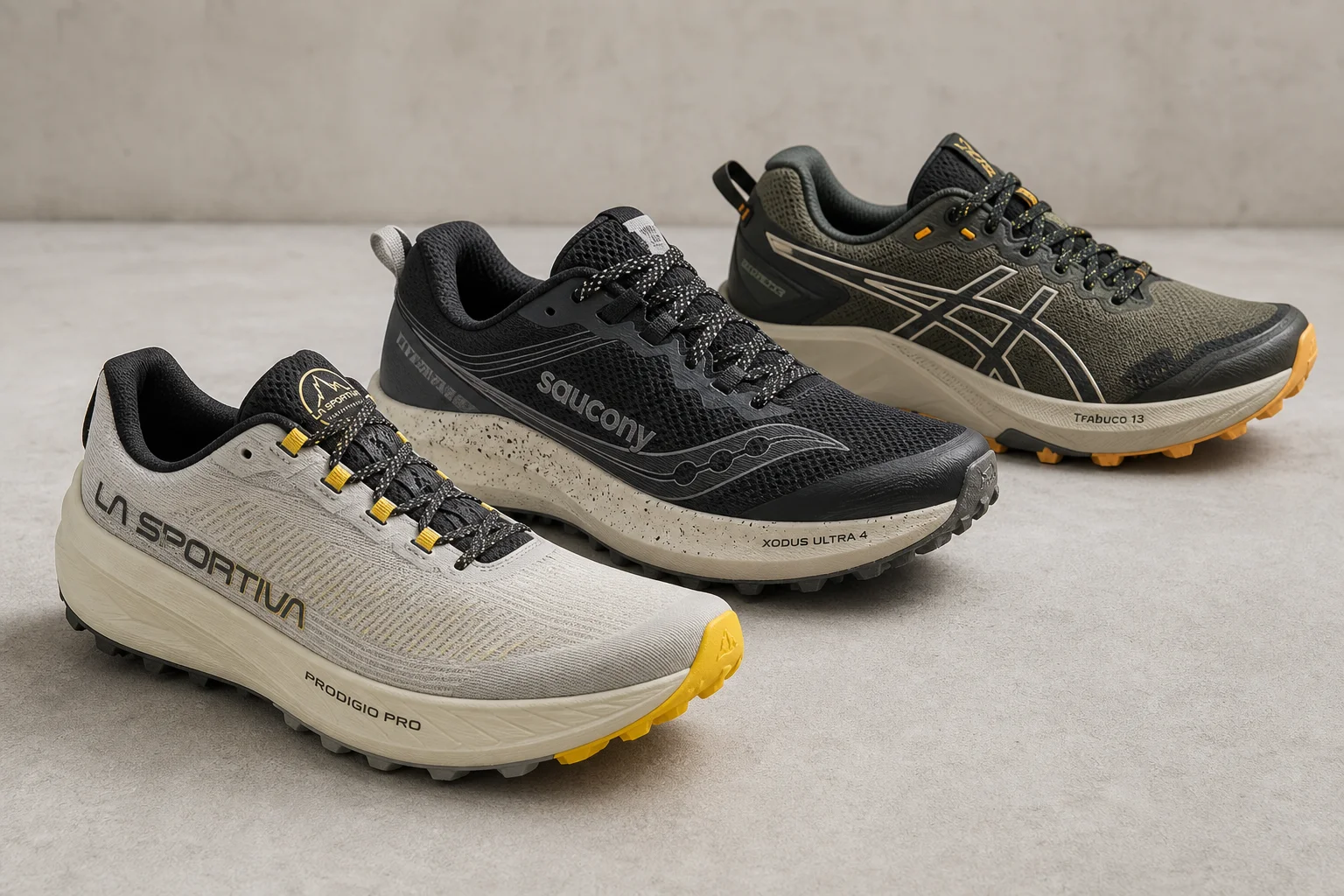
Best All-Mountain Trail Running Shoes: Three Versatile Options for Any Trail
A focused roundup of three all-mountain trail running shoes that handle technical terrain, long distances, and variable conditions with real strengths and practical trade-offs.