Trail Running Shoes
Salomon Sense Ride 5 Review: A Trail Shoe Built for Messy Days, Plus Two Alternatives
The Sense Ride 5 brings new Energy Save foam and a reworked outsole to muddy, technical trails. We compare it with the Hoka Challenger 7 and Saucony Peregrine 12.
Introduction
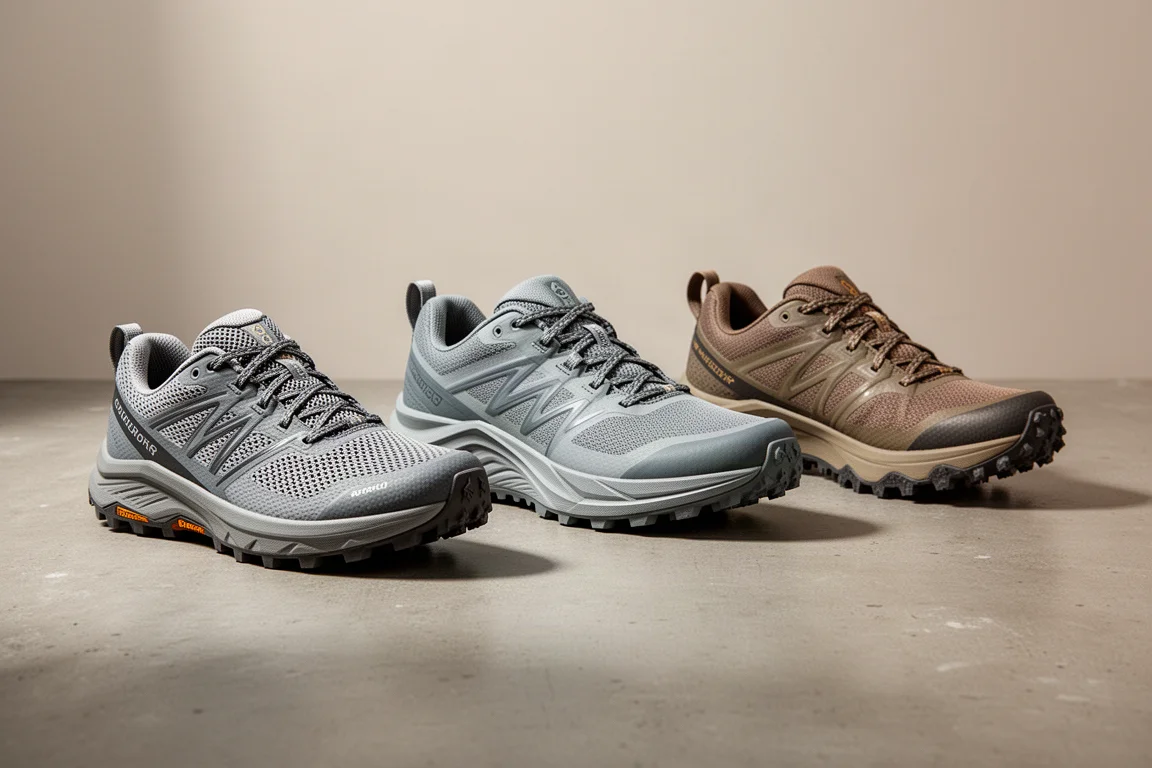
Trail shoes rarely get better by becoming more comfortable, but the Salomon Sense Ride 5 comes close. It pairs a new midsole foam with a reconfigured outsole and a noticeably more forgiving upper, and it lands at a price that makes it easy to justify. In this guide we look at how it performs on wet, messy terrain, and how it stacks up against two popular alternatives: the Hoka Challenger 7 and the Saucony Peregrine 12.
Salomon Sense Ride 5: Specs at a Glance
The Sense Ride 5 uses a new Energy Save midsole foam, which Salomon says delivers plush cushioning and adaptive response. The shoe carries 29.6mm of stack height at the heel and 21.3mm at the forefoot, for an unusually precise 8.3mm drop.
Out front, the upper is built from Salomon’s 3D mesh for ventilation, with a toe cap for protection against rocks and roots. Padding through the tongue and heel cup keeps the fit comfortable, and the signature quick-lace system tucks into its lace garage. Total weight is a respectable 286g.

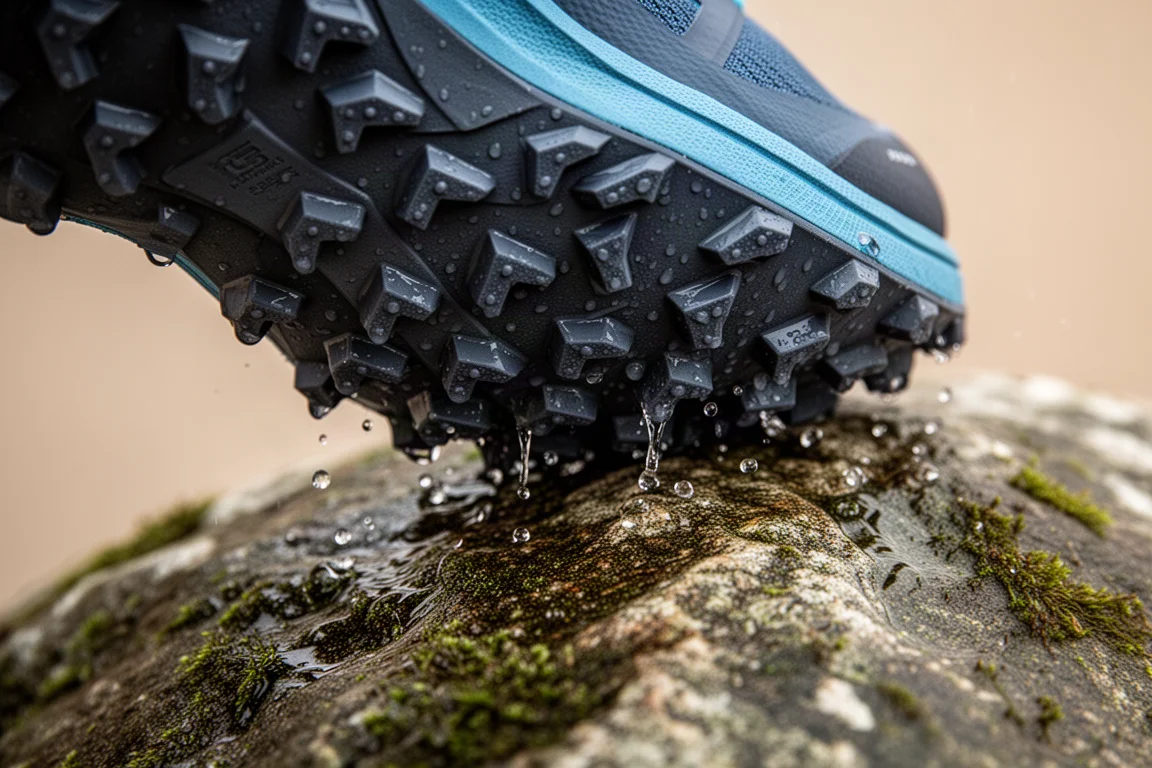
On the ground, Salomon’s Contagrip rubber comes in a reconfigured 3.5mm lug pattern. Rear lugs are angled to keep the heel planted on downhills, while forefoot lugs bite when you push off uphill or into the next stride.
How It Runs on the Trail
This is a shoe that rewards the right terrain. On hard-packed dirt roads and pavement, the midsole reads firmer than the “plush” description suggests, so it is not the ideal road-to-trail do-everything option. Where it truly comes alive is on unstable, slippery, messy ground: mud, loose dirt, and questionable footing.
In wet, muddy conditions the firmness of the midsole matched the 3.5mm lugs well, delivering confident grip without feeling harsh. It is best described as trail plush rather than road plush: enough cushioning to keep things fun when the trail turns ugly, without excess softness getting in the way.
Fit is another clear step forward. Where earlier versions felt like a locked-in hiking boot, the Sense Ride 5’s materials move with the foot as it bends, and the upper sits noticeably better. True to size at a regular fit, with moderate padding that stays comfortable without interfering.
Hoka Challenger 7: Similar Comfort, Different Character
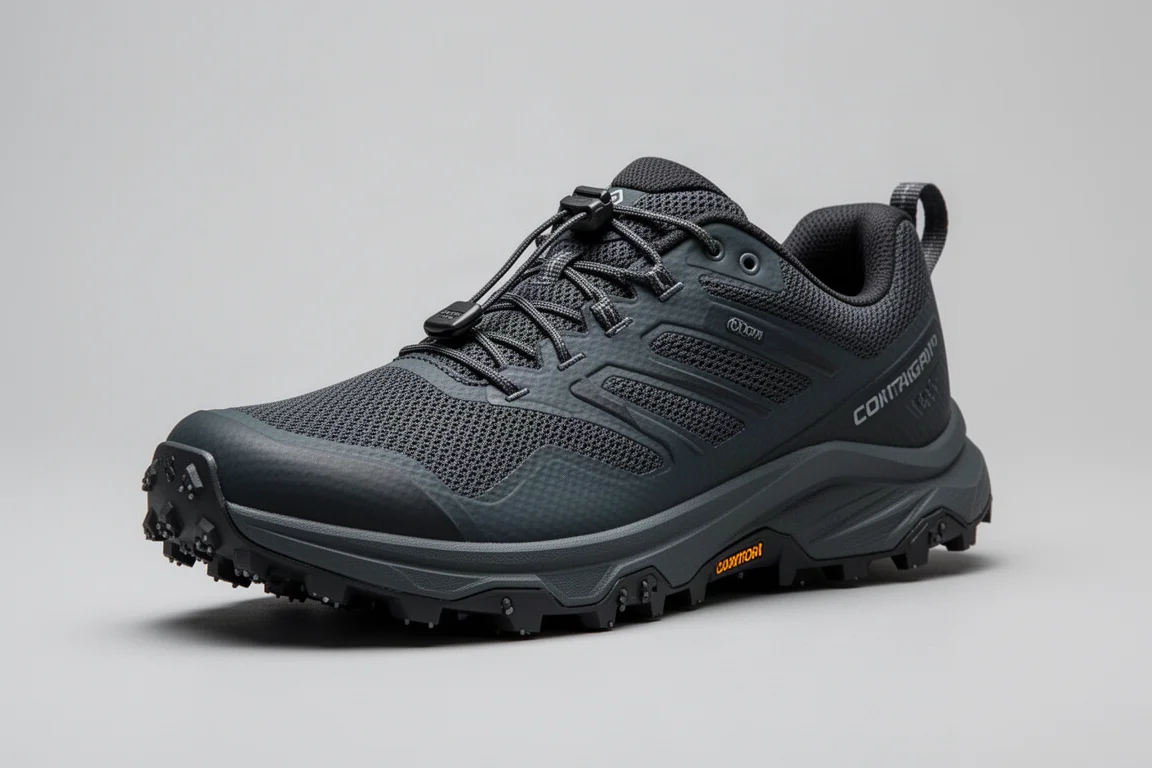
The Challenger 7 from Hoka sits in very similar territory. The Gore-Tex version adds weather protection at around $160, while the standard version runs about $145. Like the Sense Ride 5, it shines in the mess, and loses appeal the drier and more hard-packed the ground gets.
Between the two, the Sense Ride 5 comes out slightly ahead: it is a bit cheaper at $140 and, in our assessment, performs a touch better in these conditions. But the two are very similar styles of shoe, so if you prefer Hoka’s fit or find the Challenger on sale, it remains a solid pick.
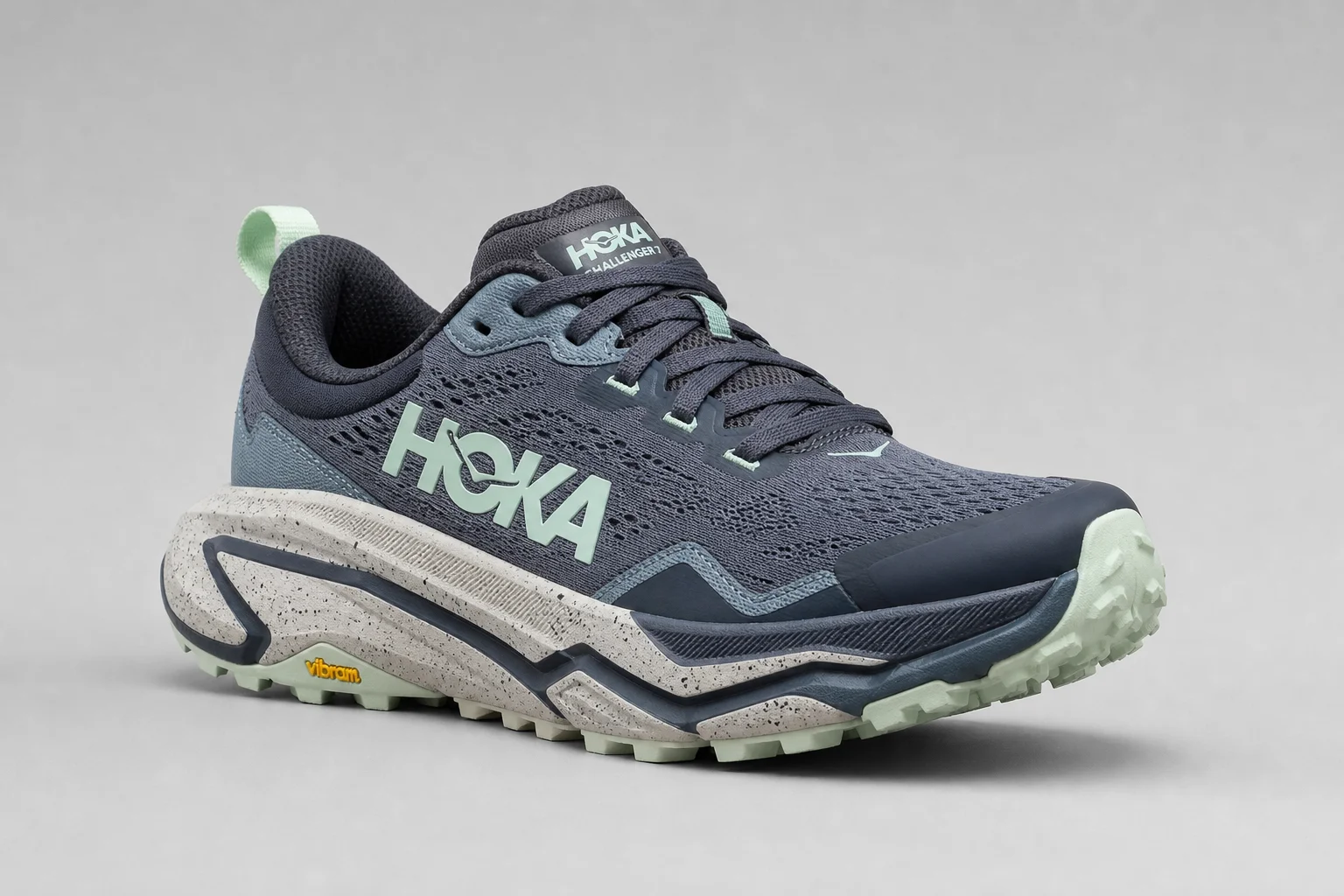
Saucony Peregrine 12: The Stripped-Down Speed Option
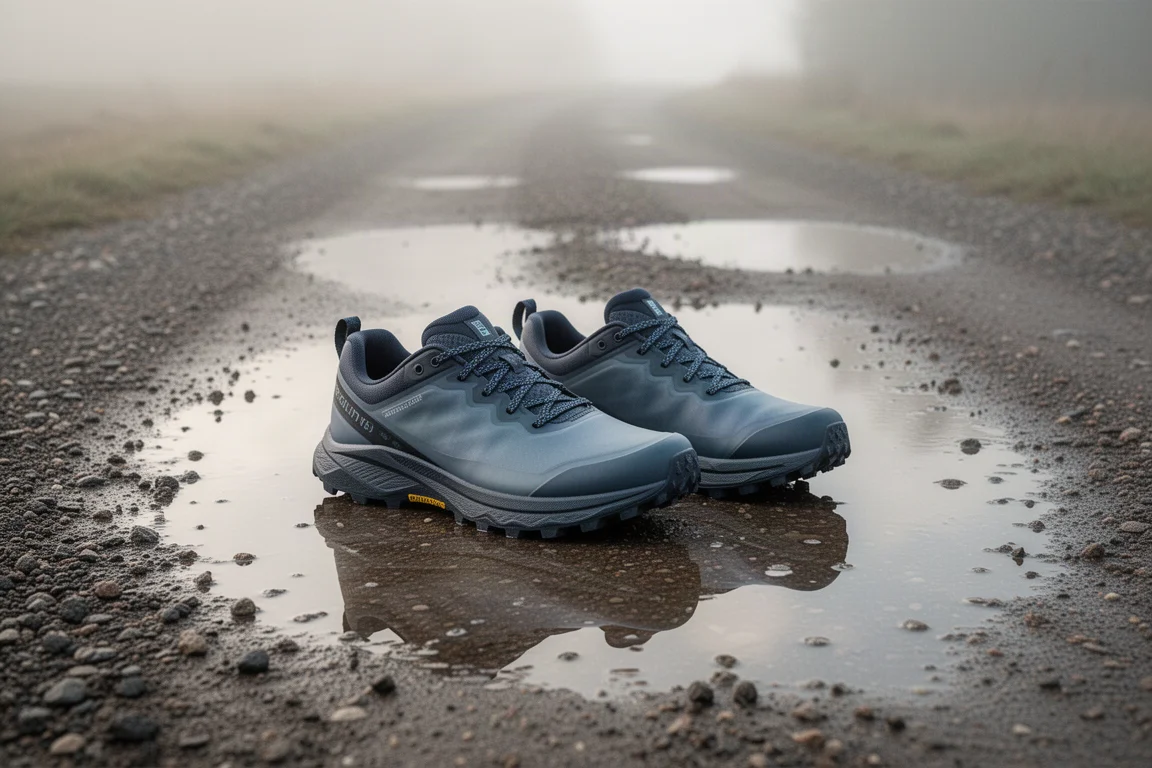
The Saucony Peregrine 12 covers the same messy-day and short-fast-day use case, but with a different philosophy. Where the Sense Ride 5 is the more built-up, comfort-oriented shoe, the Peregrine 12 is more stripped-down and race-oriented. It originally retailed at $130 but is now frequently available for under $100 now that the Peregrine 13 has arrived, making it the value play of this group.
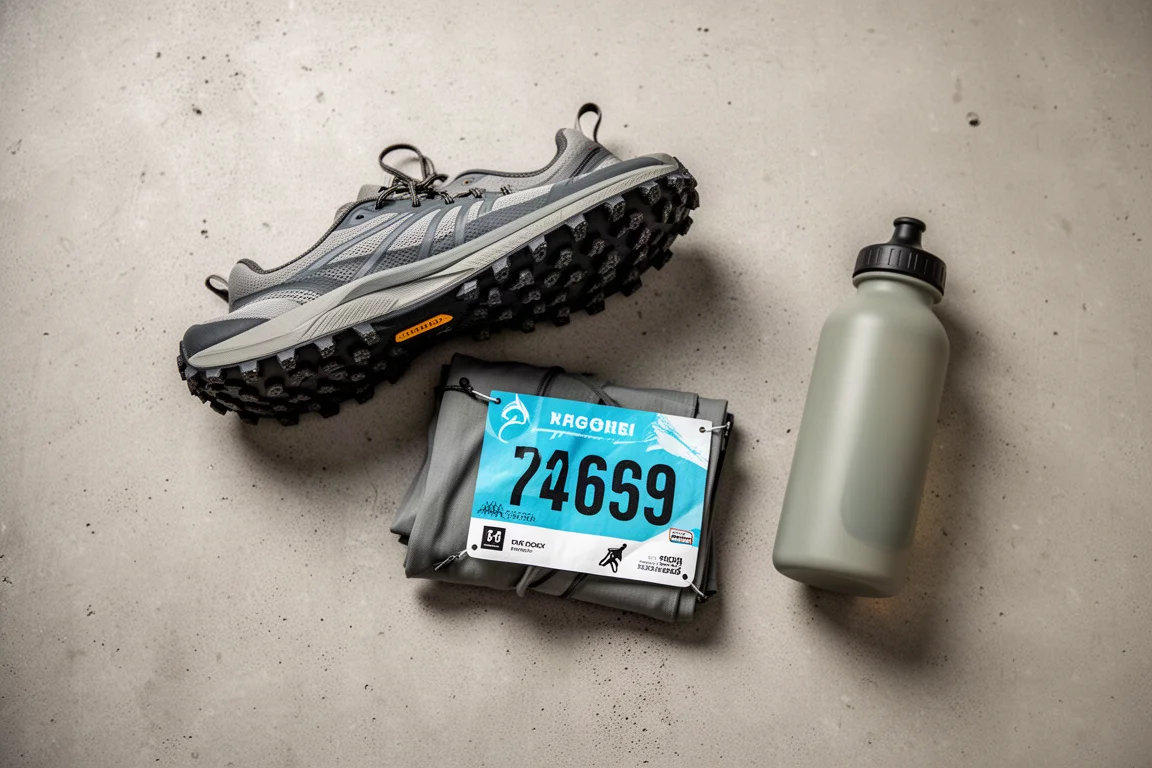
If you want maximum cushioning and comfort for longer messy trail outings, the Sense Ride 5 makes more sense. If you want a lighter, leaner shoe for fast trail days and you like saving money, the Peregrine 12 is the one to grab.
Buying Advice
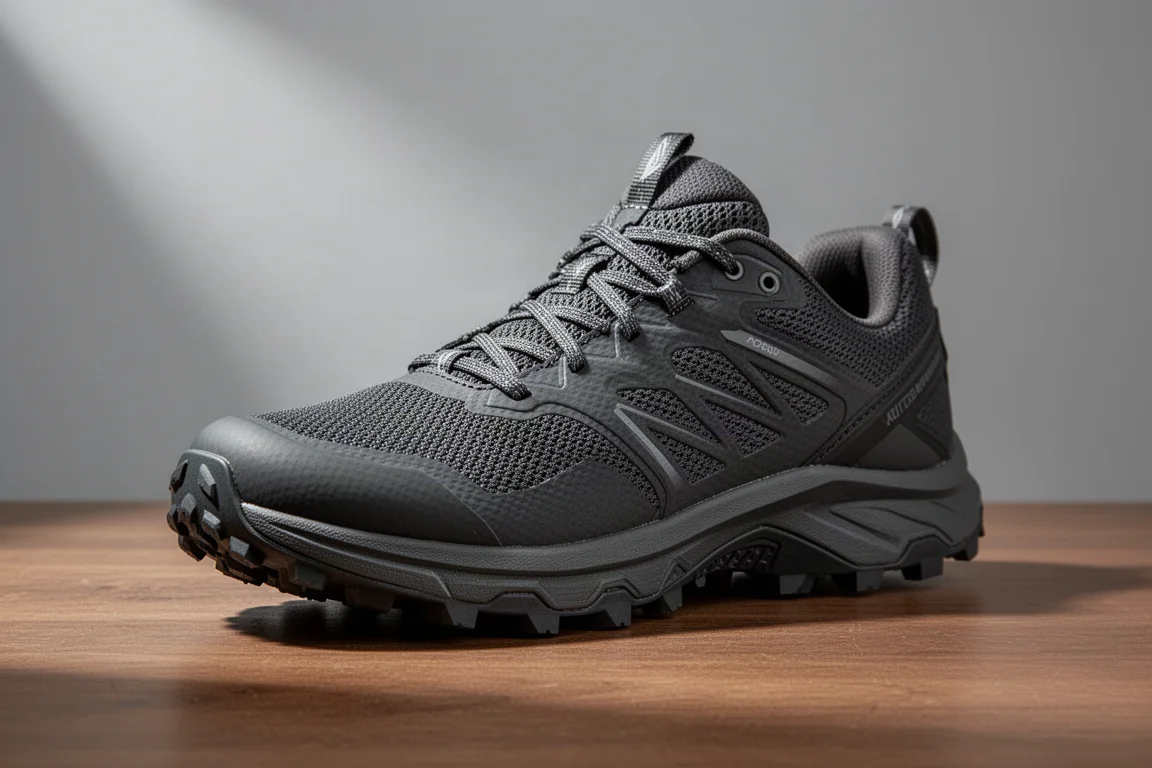
At $140, the Sense Ride 5 delivers a strong amount of shoe, performance, and technology for the price. If you want to spend less, the older Sense Ride 4 can still be found at some outdoor retailers for around $90, but it is a significantly different shoe with a stiffer, more structured feel, so only choose it if you prefer that older character.
Pairing thought: the Sense Ride 5 works well as a dedicated trail-day shoe alongside a firmer road shoe, giving your legs variety across a training week.
Conclusion
The Salomon Sense Ride 5 is best for messy trail runs and shorter, faster trail efforts, and it is a more versatile trail shoe than its predecessor thanks to a better foam, better grip layout, and a much improved upper. The Hoka Challenger 7 matches its character closely at a slight premium, and the discounted Saucony Peregrine 12 offers a lighter, race-leaning alternative. Any of the three is a sound choice if your trails tend toward the wet and unpredictable.
Further reading
Related Reviews
Trail Running Shoes
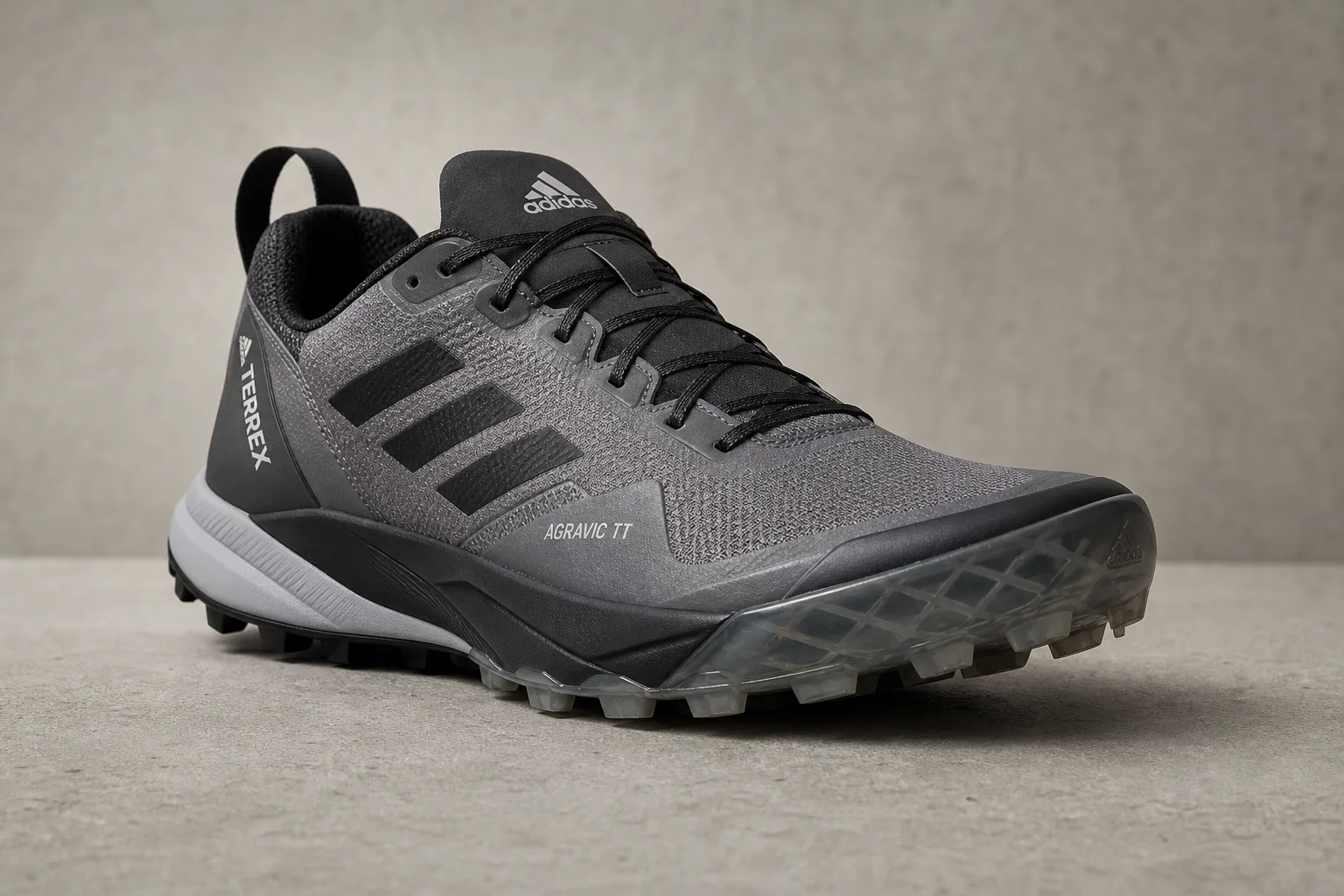
Adidas Terrex Agravic TT Review: A Technical Trail Shoe Built for Rocky Terrain
The Adidas Terrex Agravic TT combines a full-coverage rock plate with a firmer midsole to deliver protection and stability on technical, rocky trails. A capable choice for runners who prioritize underfoot defense over lightweight cushioning.
Trail Running Shoes
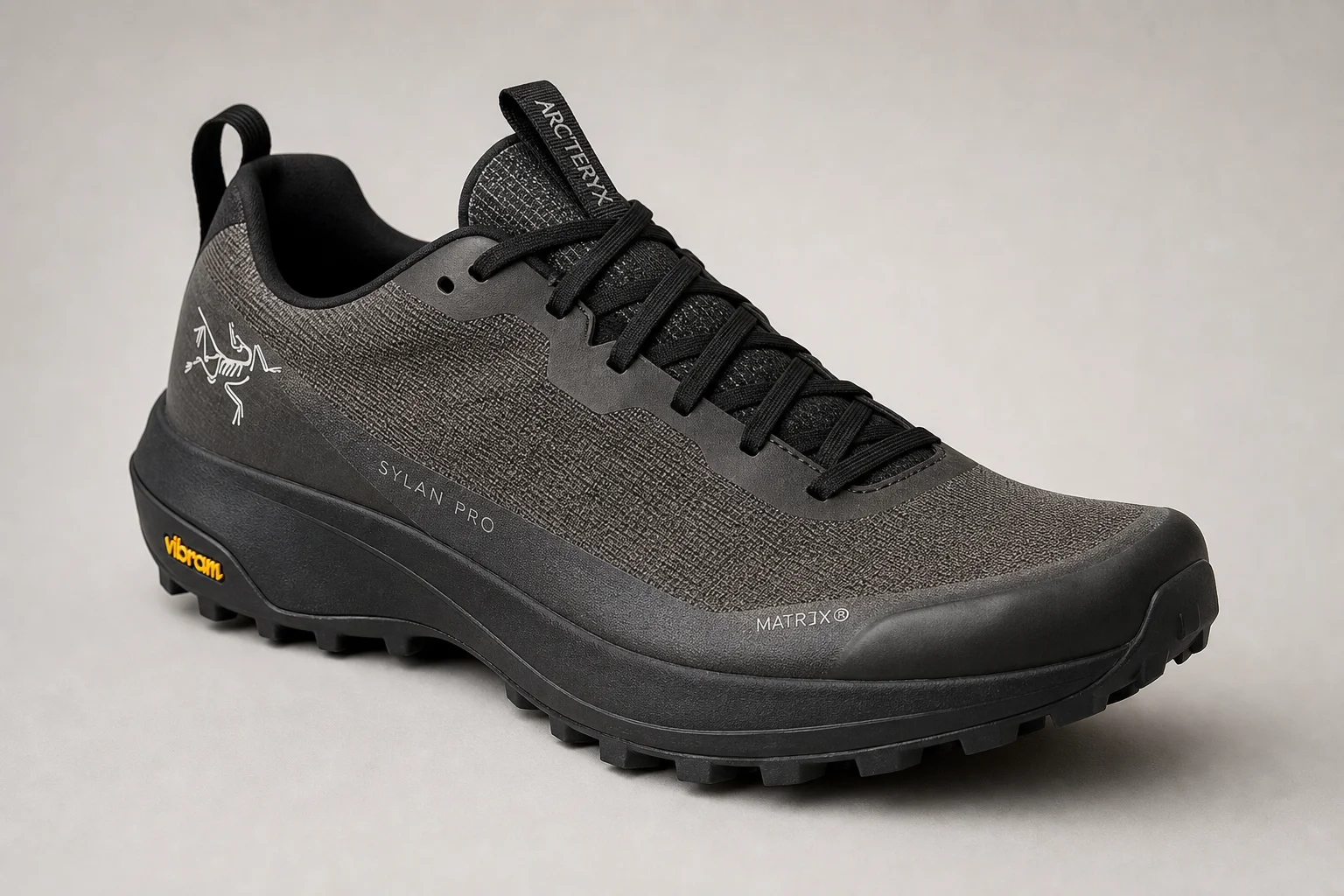
Arc'teryx Sylan Pro Review: A Rocker-Focused Mountain Running Shoe Tested on 20 Miles
The Arc'teryx Sylan Pro brings a pronounced rocker geometry and secure fit to mountain terrain. We tested it on a 20-mile Sawtooth loop to evaluate its climbing efficiency, protection, and handling of technical descents.
Trail Running Shoes
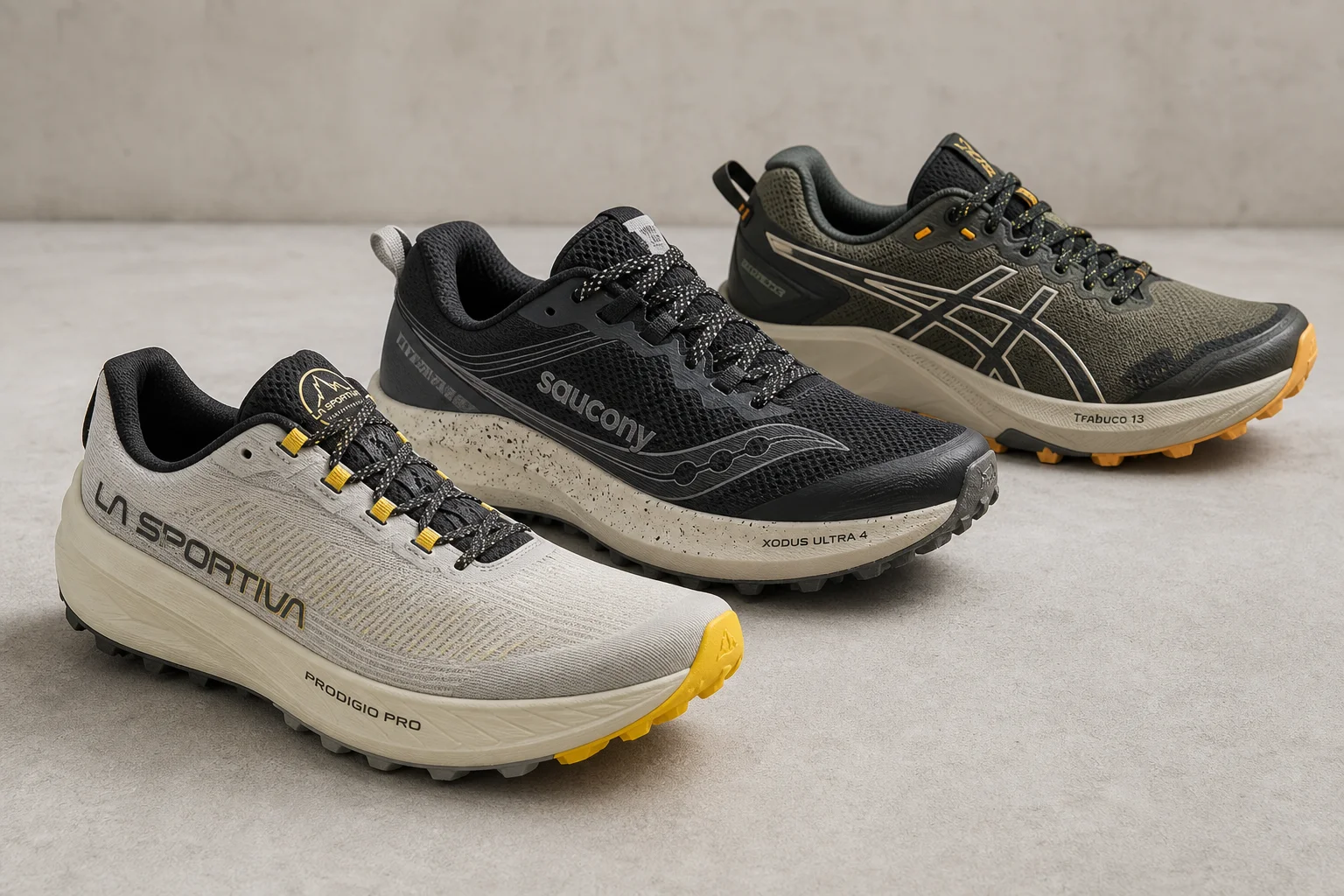
Best All-Mountain Trail Running Shoes: Three Versatile Options for Any Trail
A focused roundup of three all-mountain trail running shoes that handle technical terrain, long distances, and variable conditions with real strengths and practical trade-offs.