Trail Running Shoes
Salomon Sense Ride 4 Review: A Light, Flexible Trail Shoe for Fast Miles
A practical look at the Salomon Sense Ride 4 for lightweight backpacking and trail running, covering who it suits and what to weigh before buying.
Introduction
Footwear is one of the few pieces of backpacking gear that can genuinely make or break a trip. A heavy, stiff boot that does not agree with your feet will tire you out faster than almost anything else in your pack, and the fatigue shows up long before the miles do. Weight carried on the feet is more punishing than weight carried on the back, simply because the feet are in motion all day and cover every bit of terrain.
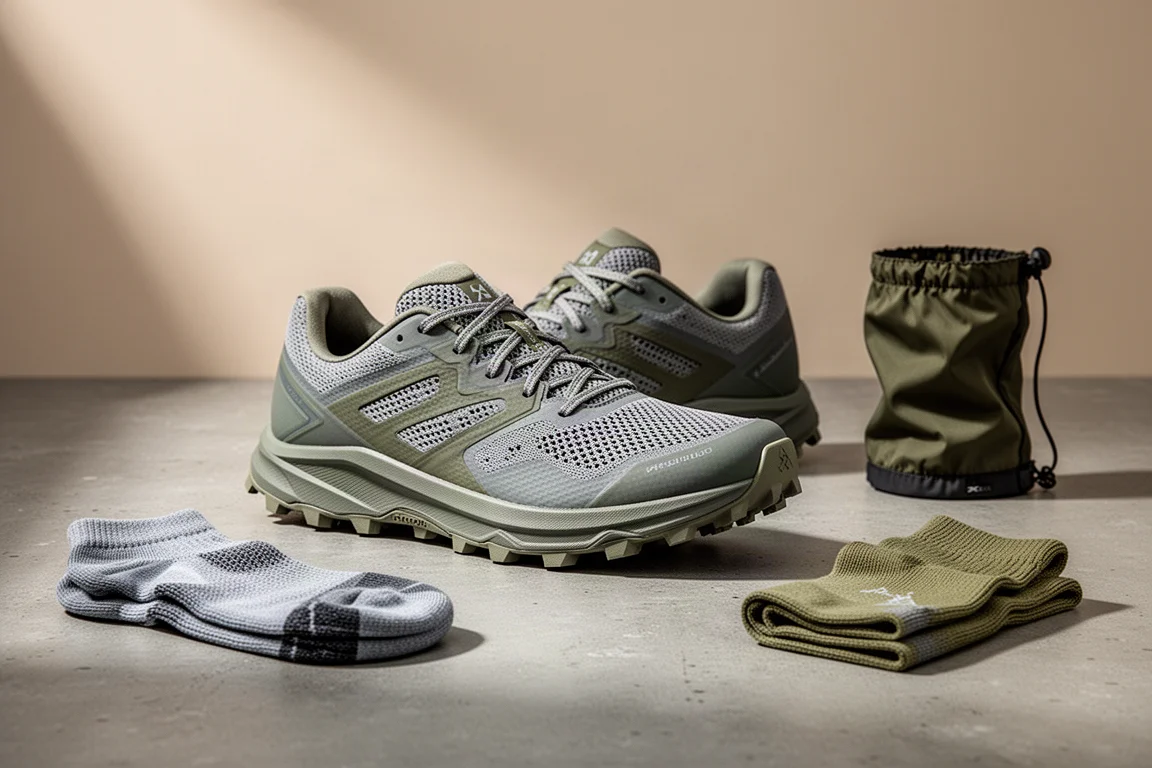
The Salomon Sense Ride 4 is a trail runner that has earned a place as a go-to option for lightweight backpacking and trail running. It is light, flexible and comfortable, and it keeps feet well ventilated on the trail. This review covers who it suits, where it performs well, and what to weigh before you commit.
Who the Salomon Sense Ride 4 Is For
This shoe makes the most sense for hikers and trail runners who already spend regular time on trails and want to move fast with a moderate load. Confidence in its support holds up for loads under roughly 30 lb, which covers most ultralight backpacking setups. Hikers who carry heavier loads, or who travel through genuinely rugged off-trail terrain, will usually want more stiffness underfoot and more ankle protection.
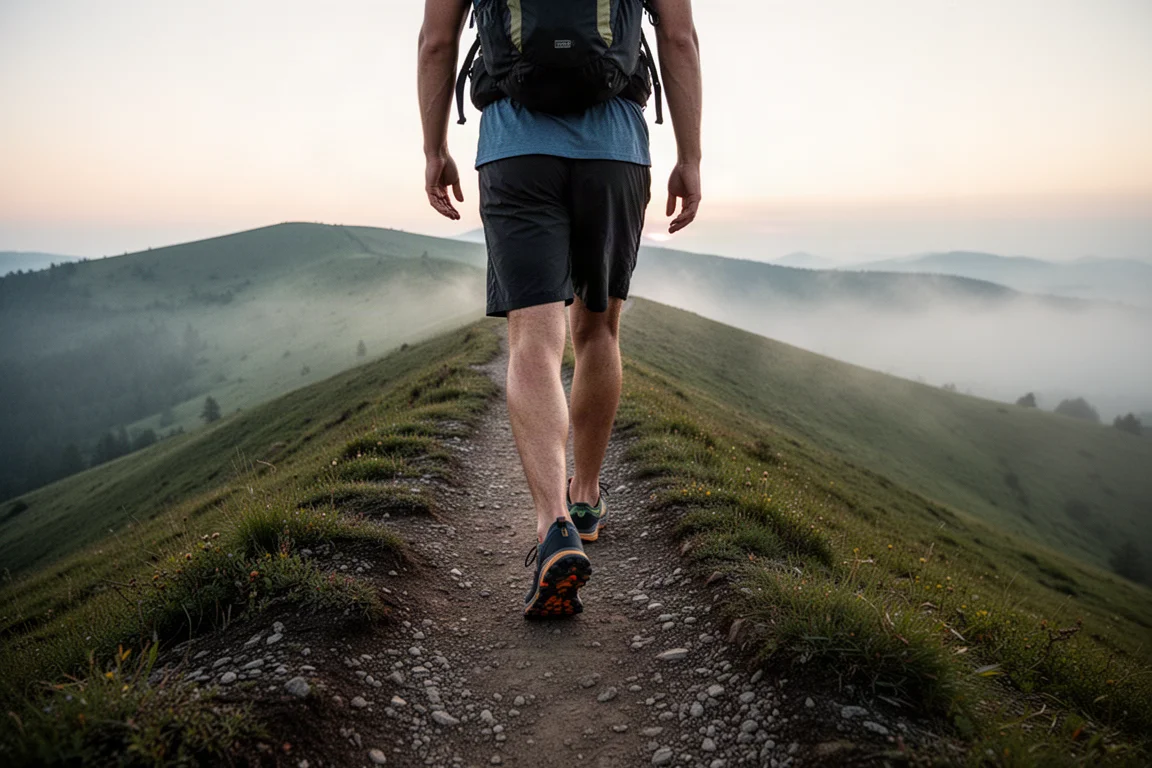
It is not a shoe to jump straight into if you have no experience with minimal footwear. Ankles, knees and joints need time and miles to adapt, and going minimal too quickly is a common route to injury. Hikers who have logged enough miles to have vetted their joints are the ones who get the most out of a design like this.
Main Strengths on the Trail
The first strength is weight. A lighter shoe reduces the total fatigue a day of hiking places on your body, and the difference becomes obvious over consecutive days on a long route. The Sense Ride 4 is built for exactly that kind of fast, light travel.
Flexibility is the second. A flexible trail runner moves with the foot rather than against it, and that flexibility means the shoe tends to stay comfortable even when the fit is not perfect. A heavy, stiff boot has far less margin: if the fit is slightly off, the same stiffness that protects the foot can also rub and abrade it.
Ventilation is the third. The shoe breathes well, which keeps the foot cooler and drier across a long day. Heat build-up inside a shoe is one of the factors behind blisters, so a design that moves air has a practical benefit rather than a purely comfort-related one.
Weight, Stiffness, and Weather Protection
Weight, stiffness and weather protection tend to travel together. Footwear that adds a waterproof membrane, insulation and a thick sole also adds grams, and those grams are carried on the foot with every step. If you do not need the extra protection, leaving it behind is usually the better trade.
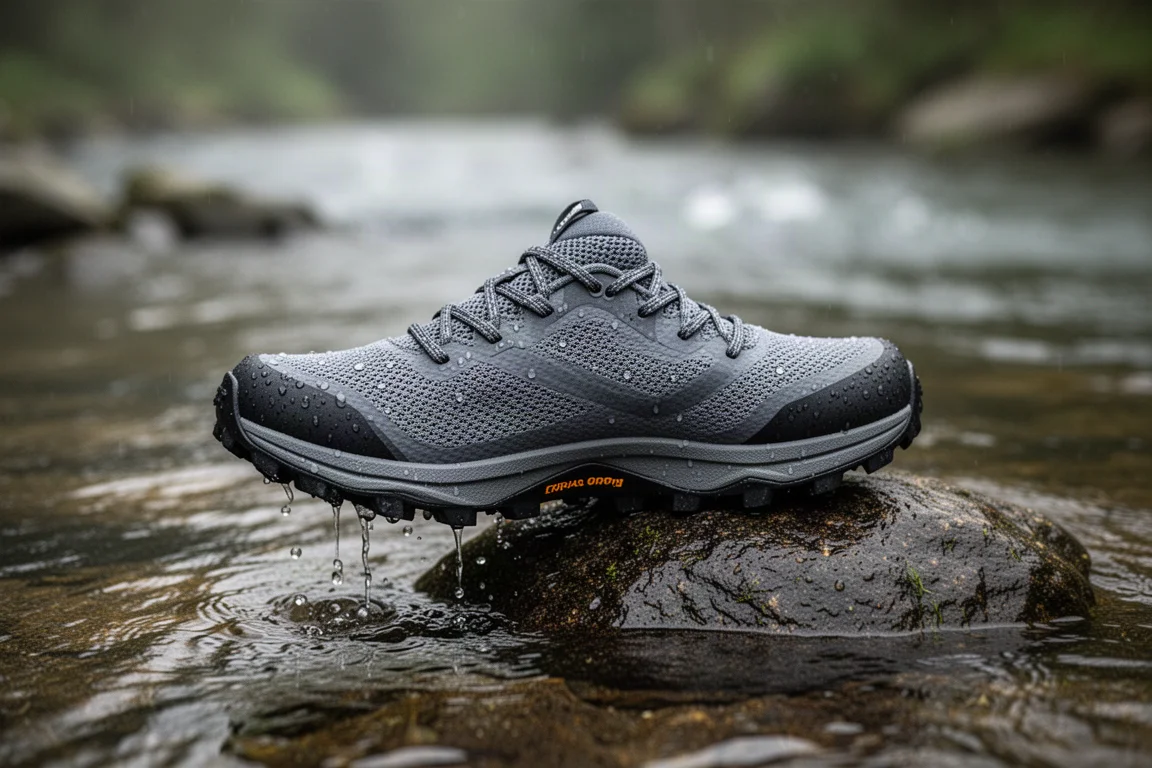
Waterproof membranes are a good example. They make sense for cold, wet conditions, creek crossings and off-trail travel through damp brush, where keeping water out is a genuine priority. But a membrane also traps heat inside the shoe, and heat is a contributor to blisters. The Sense Ride 4 has no waterproof membrane, and for trail use in mild conditions that is a feature rather than a compromise: it breathes, it drains and it does not cook the foot.
Stiffness deserves the same scrutiny. A very stiff boot offers more protection underfoot on rugged ground and with heavy loads, but with the same fit it also raises the chance of rubbing and blistering. Softer, more flexible footwear is simply more forgiving.
Fit, Break-In, and Ankle Support
Time in the shoe matters more than any specification listed on a product page. Never switch to a brand you have never worn, or to a completely different style of shoe, right before a big trip. Shakeout days, which are day hikes or quick overnighters used to test equipment, are the cheapest way to find out whether a shoe agrees with your feet before the stakes are high.
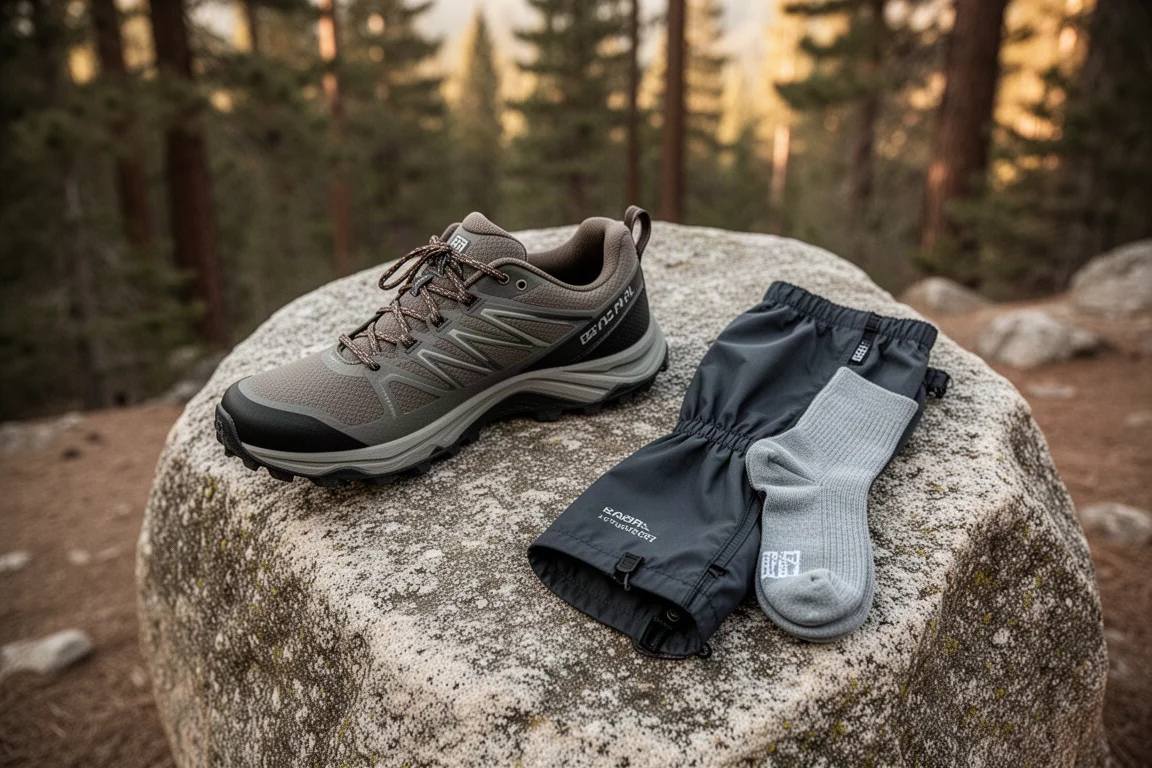
Ankle protection is a personal threshold. A trail runner like the Sense Ride 4 obviously provides less ankle support than a full boot. Experienced hikers may not need that support at all, while hikers who know their ankles are weak will want something with more structure. Gaiters are a useful accessory with a low-cut shoe, since they keep debris from working its way in around the collar.
Things to Consider Before Buying
A few trade-offs are worth understanding before you commit, because they are deliberate design choices rather than faults.
- Ankle protection is minimal. This shoe rewards strong, well-trained ankles and is unforgiving for hikers who jump in without preparation.
- There is no waterproof membrane. That keeps it cool and breathable, but sustained wet conditions will leave your feet wet. Membrane-lined footwear that soaks through on the inside tends not to dry out during a trip.
- Support is designed around moderate loads. Roughly 30 lb is the practical ceiling for confident support.
- Durability is finite. Trail shoes break down, and a worn pair loses the stability that made it comfortable in the first place.
The ventilation trade-off is the one most people notice first. In warm, dry conditions the open mesh is a clear advantage, and it is one of the reasons the shoe stays comfortable on long days. In persistent cold rain, a different shoe will be the better answer.
When to Retire a Trail Shoe
Trail shoes do not last forever, and the signals are usually gradual. The clearest one is a loss of support. A shoe that has broken down no longer holds the foot the way it did when new, and a heavier hiker will feel that sooner. Another sign is a change in how you walk: if you notice you are rolling onto the outside of your feet, the midsole has probably given up.
Physical wear counts too. Holes in the upper, worn-out soles and stress marks along the sides all point to a shoe that is ready to retire from the trail. Knee pain or flare-ups that appear after a shoe has covered a lot of miles are another practical indicator that it is time for a new pair.
Buying Advice
The safest way to buy this shoe is to treat it as a step rather than a starting point. If you are moving from boots to a lighter trail runner, build mileage gradually on day hikes and shorter trips so your feet, ankles and knees can adapt. Hikers who already run trails and hike regularly will find the transition straightforward.
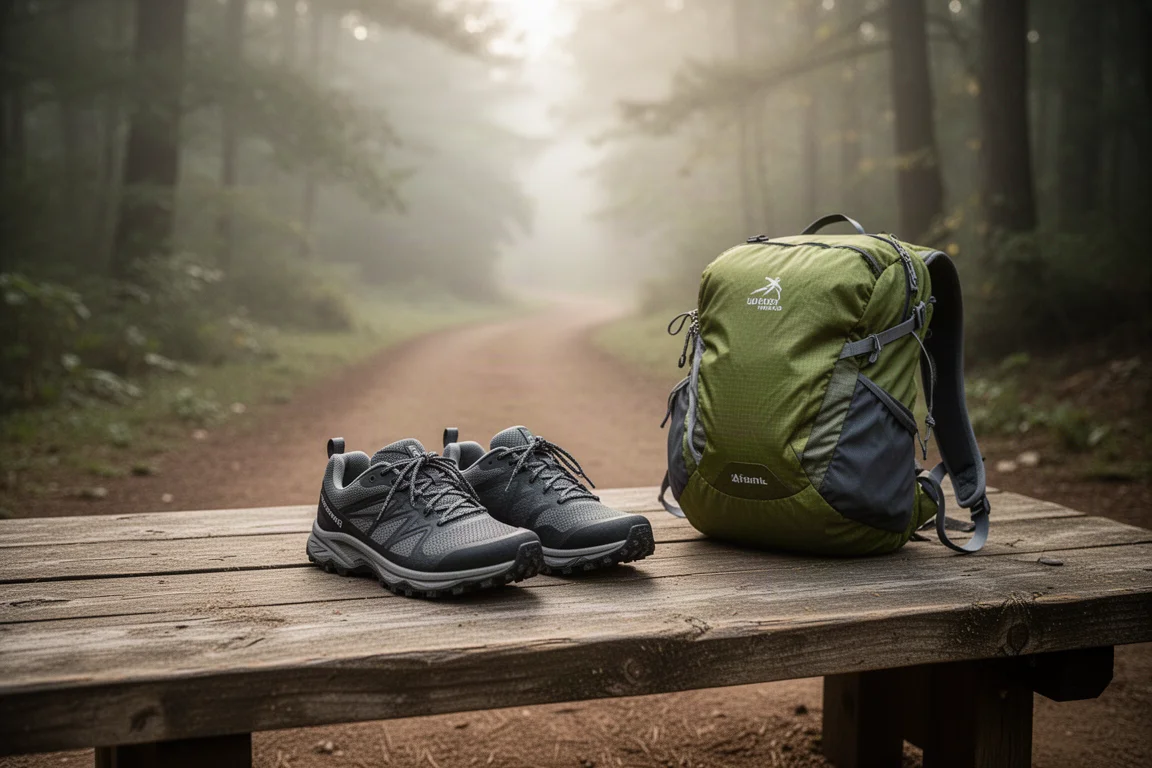
Insulation is worth thinking about separately. Insulated footwear belongs in genuinely cold conditions and snow, not on a summer summit that might feel chilly. For cool conditions in warmer seasons, spare socks are usually the better answer, since changing socks keeps feet drier without adding heat or weight. And if you already know which brand and last shape work for your feet, staying within that model family is a reliable way to reduce risk before a long trip.
Conclusion
The Salomon Sense Ride 4 is a light, flexible and well-ventilated trail runner for hikers and trail runners who carry moderate loads and have the miles behind them to use a minimal shoe comfortably. It is not the right first shoe for everyone, and it deliberately skips waterproofing and heavy ankle structure in favour of speed and breathability. Buy it with a clear picture of the terrain you actually hike, test it on shakeout days, and it can be a fast, comfortable companion for a long season of trail miles.
Product link
View more details for Salomon Sense Ride 4
This product is mentioned in the review. Check the specifications, options, and compatibility before buying.
View more details for Salomon Sense Ride 4Further reading
Related Reviews
Trail Running Shoes
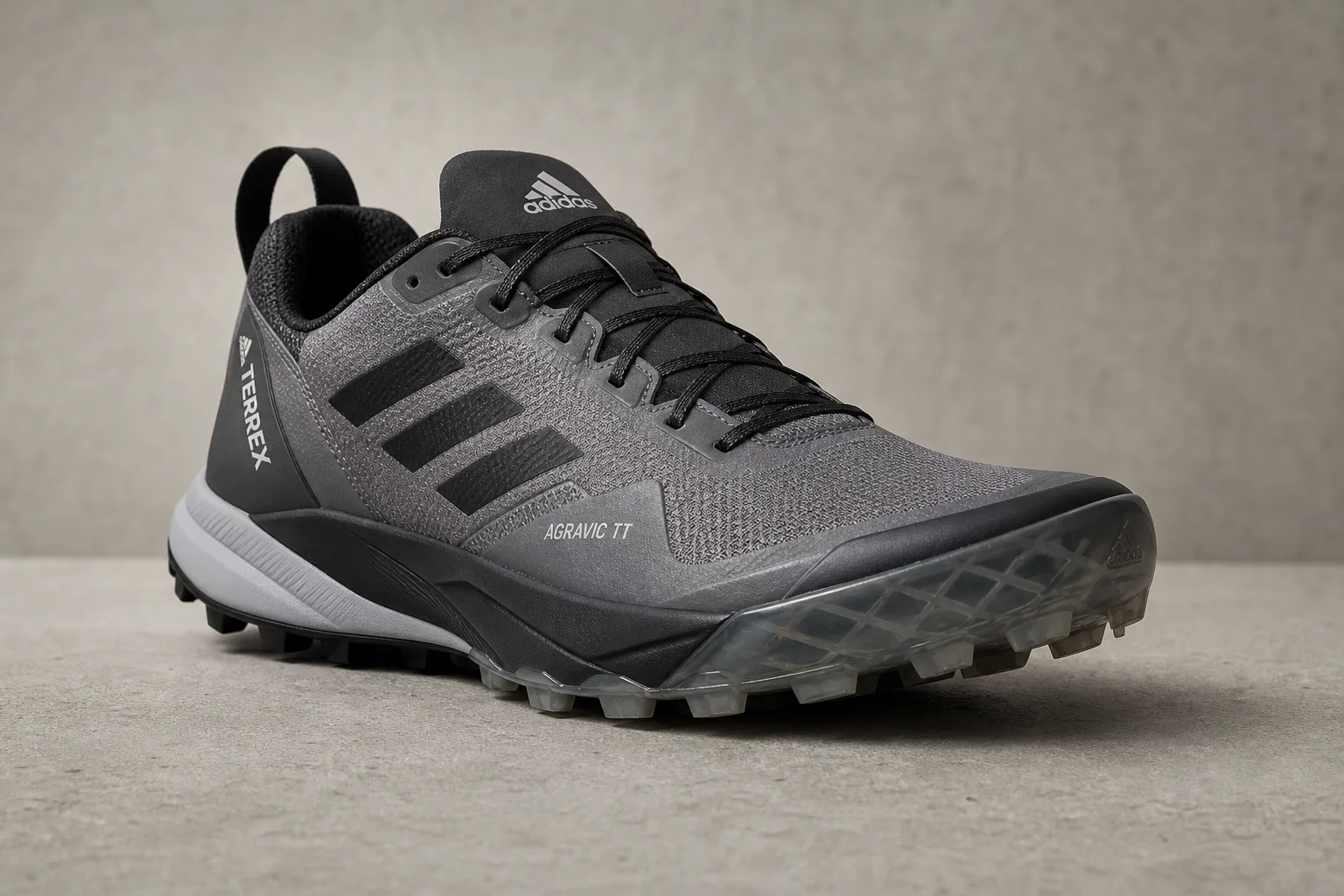
Adidas Terrex Agravic TT Review: A Technical Trail Shoe Built for Rocky Terrain
The Adidas Terrex Agravic TT combines a full-coverage rock plate with a firmer midsole to deliver protection and stability on technical, rocky trails. A capable choice for runners who prioritize underfoot defense over lightweight cushioning.
Trail Running Shoes
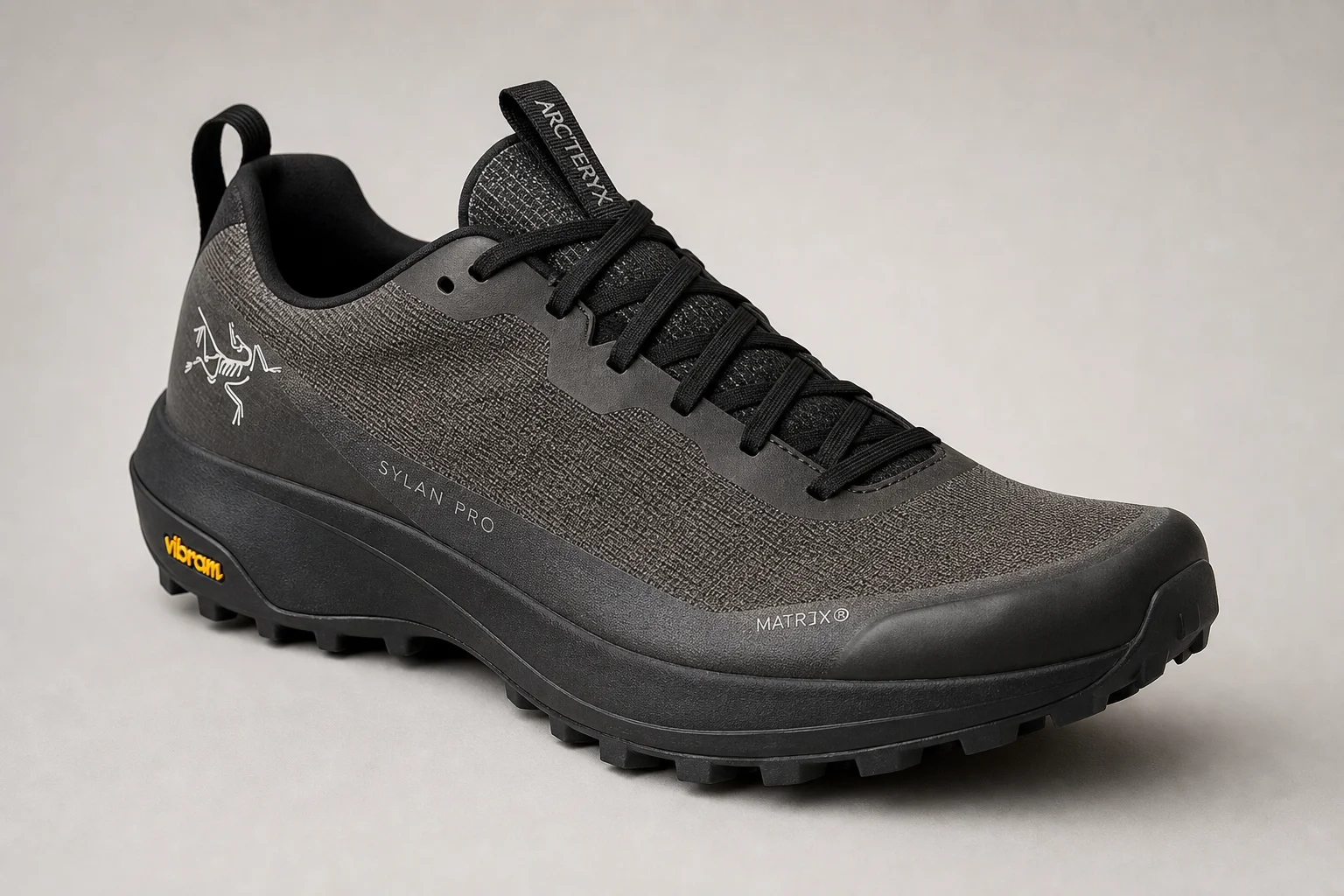
Arc'teryx Sylan Pro Review: A Rocker-Focused Mountain Running Shoe Tested on 20 Miles
The Arc'teryx Sylan Pro brings a pronounced rocker geometry and secure fit to mountain terrain. We tested it on a 20-mile Sawtooth loop to evaluate its climbing efficiency, protection, and handling of technical descents.
Trail Running Shoes
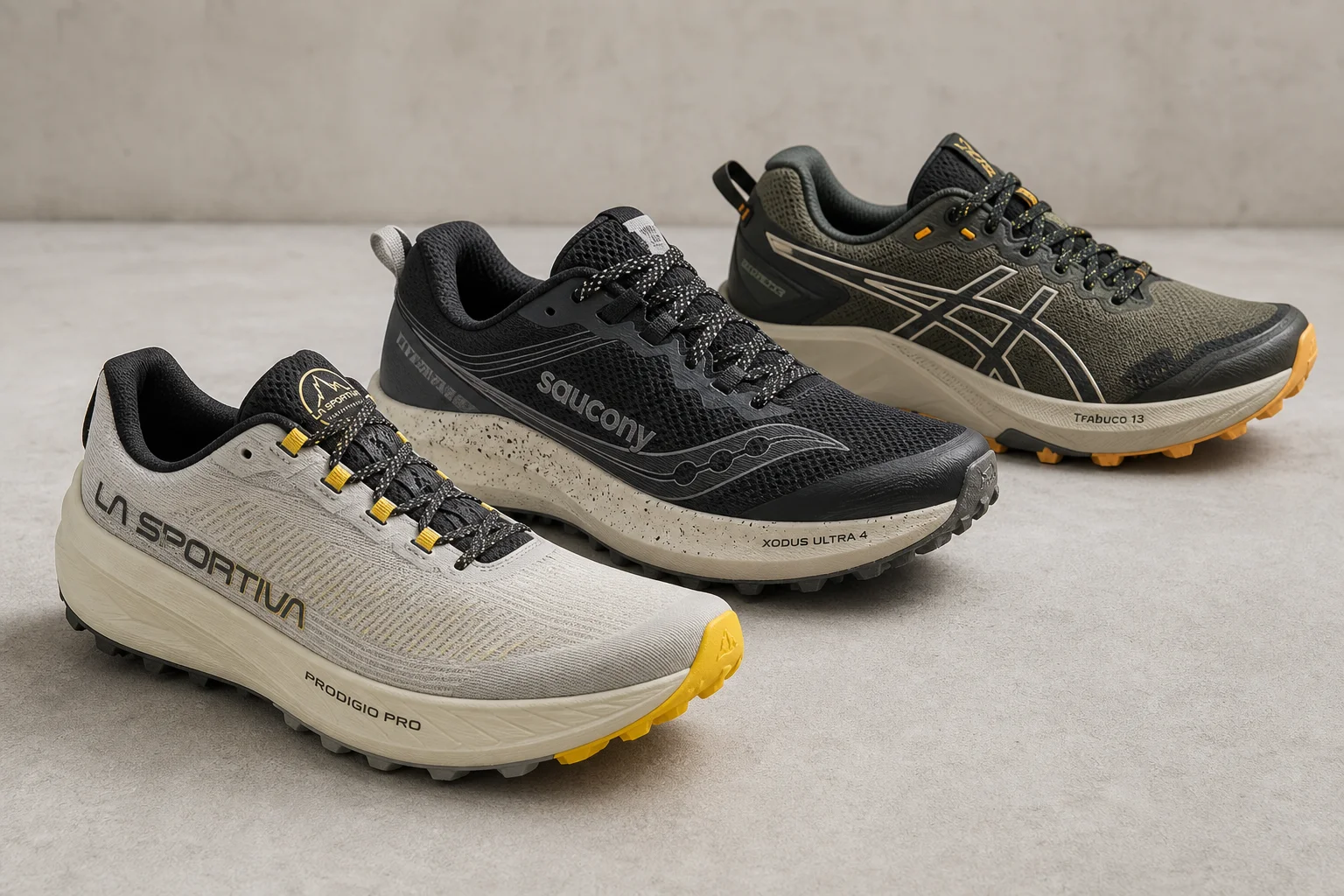
Best All-Mountain Trail Running Shoes: Three Versatile Options for Any Trail
A focused roundup of three all-mountain trail running shoes that handle technical terrain, long distances, and variable conditions with real strengths and practical trade-offs.