Running Shoes
Salomon S-Lab Specter Review: A Great Tempo Shoe Held Back by Its Positioning
A PEBA-topped, carbon-plated trainer that runs beautifully, but the pace-based marketing and $250 price raise real questions.
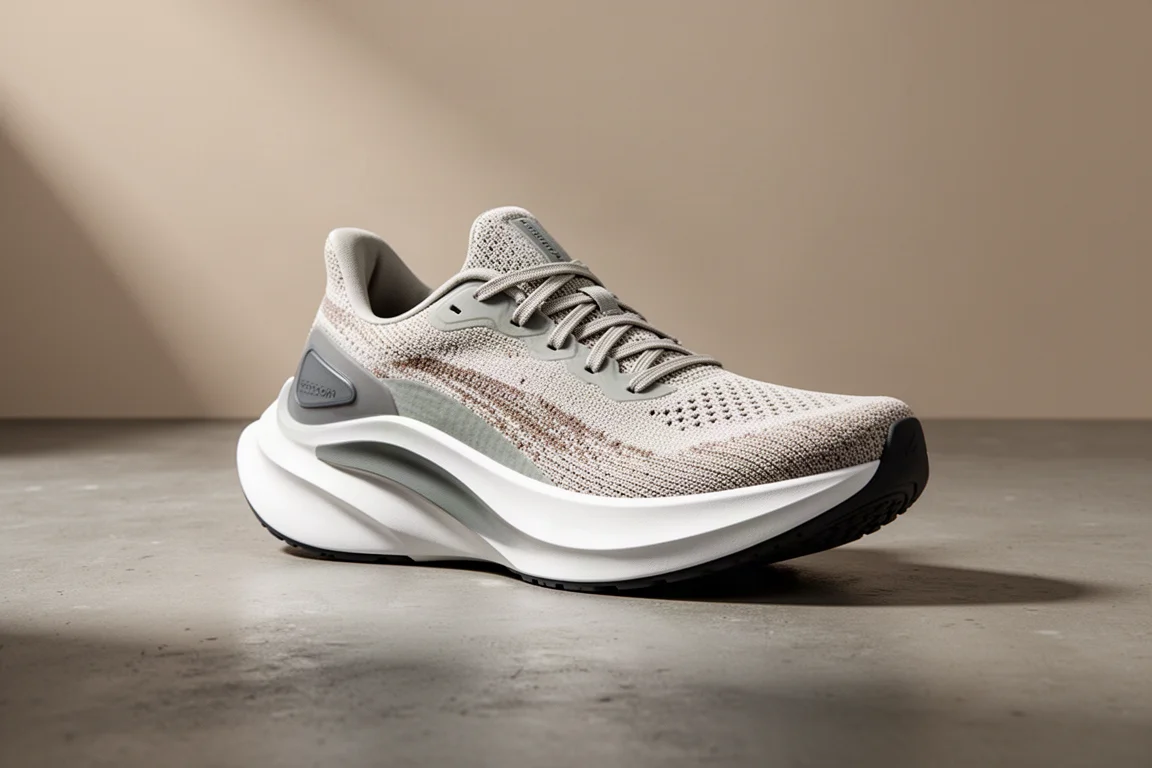
Introduction
Salomon describes the S-Lab Specter as the democratization of super shoes, an elite shoe aimed at runners moving at 8-minute miles or slower in the marathon. Whether you find that framing useful or, like many runners, a bit patronizing, the shoe itself is genuinely impressive. It is a well-built, fun-to-run-in tempo trainer that, at $250, asks a lot of questions about value.
Who This Product Is For
This shoe suits runners looking for a tempo-day and long-run companion that can also handle race duty. Salomon positions it for marathoners running 8-minute miles or slower, but in practice it is simply a well-balanced trainer that felt good across a wide range of paces. Runners who want a comfortable, forgiving daily-trainer feel with race-grade foam underneath will feel at home here.
Design and Specs
The S-Lab Specter uses a 38mm stack height with an 8mm drop, giving 30mm of foam in the forefoot. The midsole is built in three layers: a PEBA-based race-grade foam on top, a carbon fiber plate in the middle with wings on the sides for stability, and energy foam, Salomon’s EVA-based daily trainer foam, on the bottom. Traction comes from a thick layer of Contagrip in the forefoot plus rubber protecting the two heel flares that add rearfoot stability.
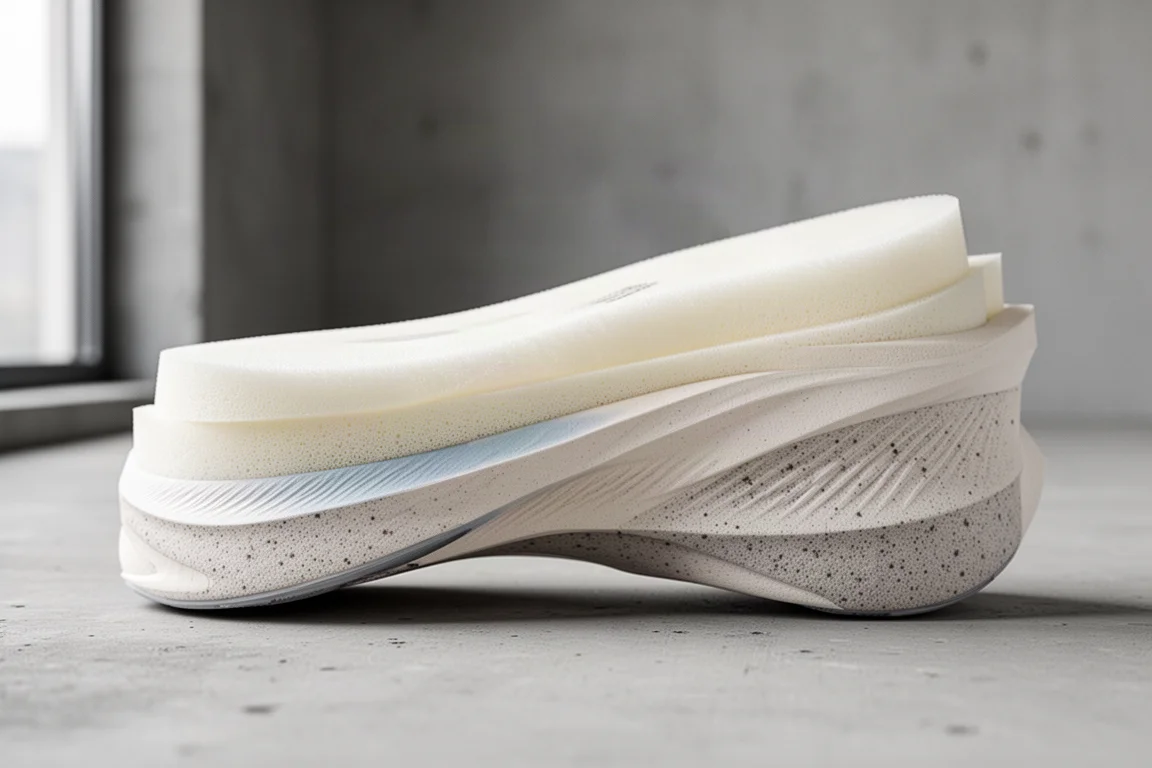
The geometry features what Salomon calls the R camber, a very early rocker that curls toward the forefoot starting far back in the shoe. The upper is daily-trainer style rather than a slim race upper, with light tongue padding and moderate padding through the heel cup and Achilles flare. The heel cup itself is floppy with little structure, which is welcome in race product. The tongue is not gusseted and does flop around a bit. Weight is 8.3 oz, or 232g.
How It Runs
Bottom line: this is a fun shoe to run in. The PEBA layer delivers a good amount of cushion on foot strike, and the roll through and push off feels smooth, even though the carbon plate seems to be doing more stability work than propulsive work. The shoe feels light and nimble, and the upper fits well. Going true to size produced a snug but comfortable fit.
An 18-mile, two-and-a-half-hour long run starting at 8:45 per mile and finishing around 8:00 per mile felt enjoyable throughout that entire range. Nothing felt out of whack, and the shoe delivered a good balance of cushion, responsiveness, stability, and pep. Even in short bursts well above the shoe’s marketed pace ceiling, it still moved with plenty of energy.
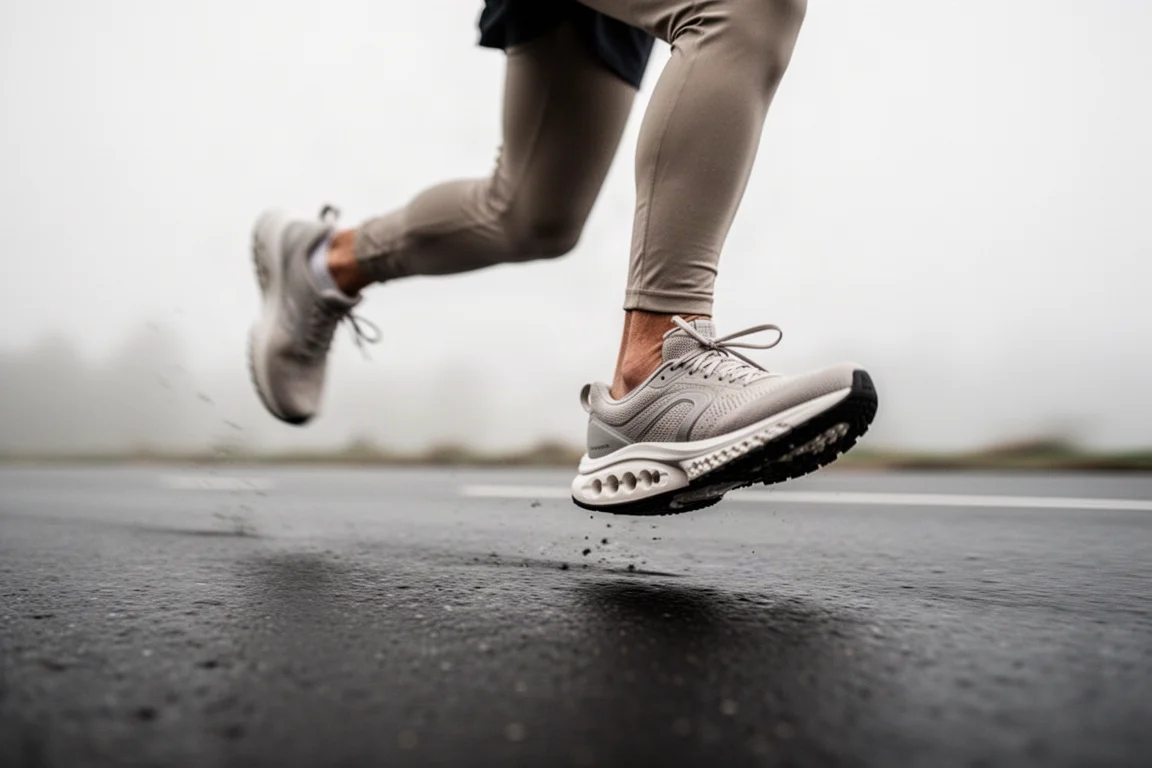
One concern going in was the stability hardware: the heel flares and the winged plate initially sounded like they might feel clunky or interfere with foot strike. In practice, neither registered at all. The shoe simply moved with the foot and felt like a natural extension of the body.
Things to Consider Before Buying
There are three real criticisms worth weighing. First, the concept of pace-based shoes is questionable: hard effort translates to hard effort regardless of pace, so marketing a shoe by pace gate rather than by feel feels unnecessary. Second, it reads as gatekeeping, with the implication that some runners should be steered toward a different shoe at retail. Third, and most practically, the positioning creates an odd gap: the Phantasm 2 is prescribed for 6:50 per mile or faster, the Specter for 8:00 and slower, leaving a large group of runners in between awkwardly straddling the two.
That positioning matters because this shoe would otherwise be an easy recommendation as a tempo trainer and training companion to a pinnacle race shoe. Many runners could happily own both. The $250 retail price, normally reserved for pinnacle race product, is hard to justify for what is built here.
Buying Advice and Alternatives
If you like the Salomon family, the Specter pairs naturally with the Aero Glide 2 for easy miles, a tall-stacked daily trainer that gets better with break-in, and the S-Lab Phantasm 2 for race day, one of the stronger carbon-plated racers with a familiar retro feel. Together, the three make a coherent lineup.
As alternatives, the Puma Deviate Nitro 2 is the most comparable on paper: racing foam up top, daily trainer foam in the heel, a carbon fiber plate, and a daily trainer style upper. It retails at $160 and works for tempo training or a marathon. The Saucony Endorphin Speed 3 is another strong option, with race-caliber foam and a nylon plate with wings under the arch, again oriented more toward stability than spring. It launched at $170 full retail and has been found on sale for around $135.
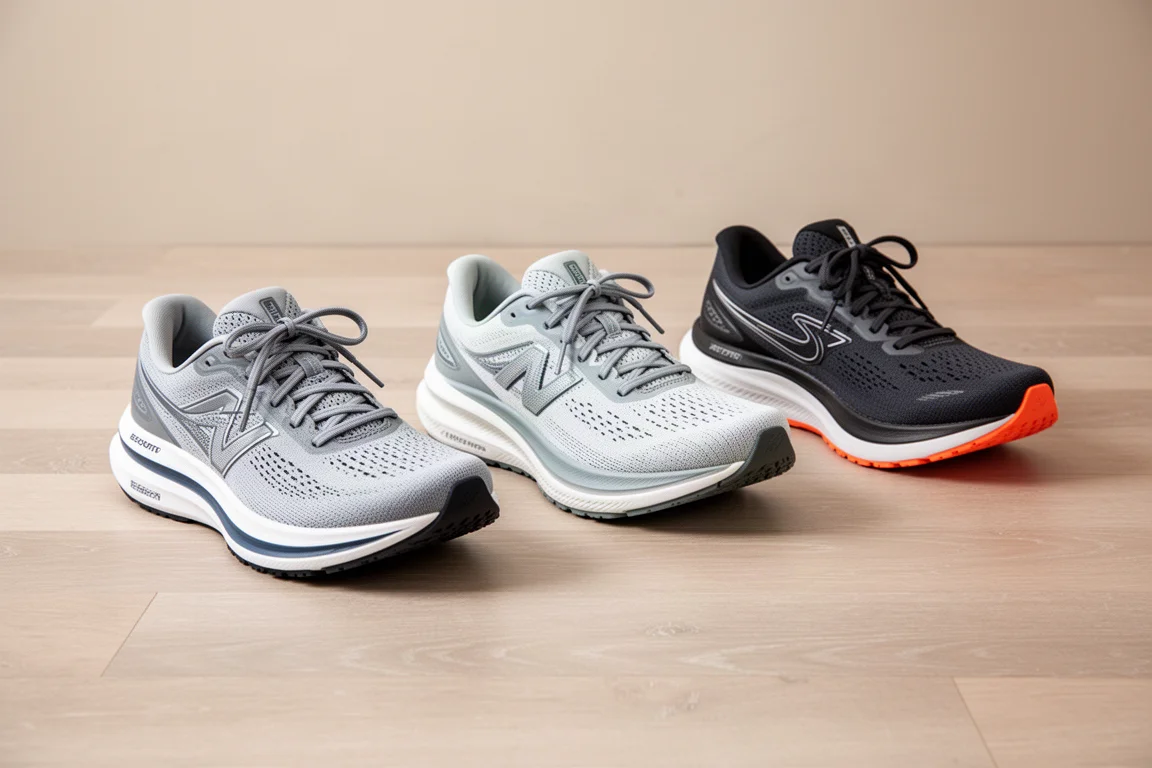
Both alternatives compete directly in the same space and are priced much better, which makes the Specter at $250 a hard full-price recommendation despite being a genuinely fantastic shoe.
Conclusion
The Salomon S-Lab Specter is a wonderful shoe to run in: cushioned, stable, nimble, and fun across a wide pace range. The frustration is everything around it. The pace-based marketing feels patronizing, the positioning leaves a large group of runners in limbo, and the $250 price is steep next to capable alternatives like the Deviate Nitro 2 and Endorphin Speed 3. If you can accept the price or find it discounted, it is a shoe worth serious consideration for tempo days and long runs.
Product link
View more details for Salomon S-Lab Specter
This product is mentioned in the review. Check the specifications, options, and compatibility before buying.
View more details for Salomon S-Lab SpecterFurther reading
Related Reviews

Running Shoes
Best Road-to-Trail Running Shoes: Three Versatile Options for Mixed Terrain
A practical guide to three road-to-trail running shoes that handle both pavement and mild trails, with clear strengths and trade-offs for different runner types.

Running Shoes
Best Running Shoes for Achilles Tendonitis: Three Options Explained
Three running shoes with different heel drops and support features designed to help reduce Achilles tendon pain during walking and running.

Running Shoes
Best Running Shoes for Women: Five Top Choices Ranked
A ranked guide to five women's running shoes, from versatile daily trainers to high-performance racing options, with real strengths and trade-offs for each.