Running Shoes
Salomon S-Lab Phantasm 3 Review: Aerodynamics Meets Race Day
Salomon's latest race day super shoe brings Formula 1-inspired aerodynamics, softer OptiVibe Plus foam, and a bouncy carbon-plated ride, with some notable trade-offs in fit.
Introduction
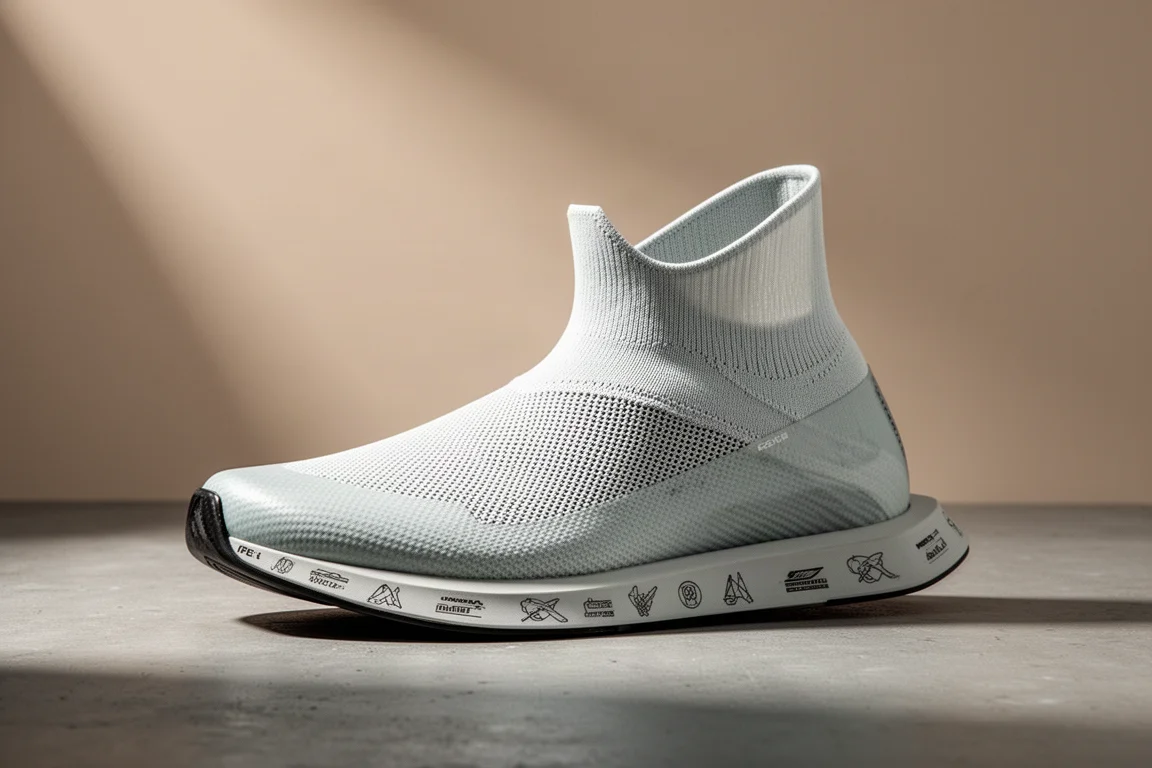
The Salomon S-Lab Phantasm 3 is Salomon’s most recent race day shoe, and it takes a genuinely unusual approach. Salomon partnered with Swiss Side, aerodynamic specialists who work with Formula 1, to shape and test the design in wind tunnel conditions. Against a field of competing race day shoes, this seamless design came out as the top performer.
That engineering pedigree is interesting, but it also raises a fair question: is your foot moving fast enough to benefit from Formula 1 aerodynamic work? Probably not. Still, it signals the premium intent behind this shoe, and you have likely seen it on the feet of athletes like Courtney Dauwalter, who has now run two road marathons.
After spending real miles in it, we came away impressed by the underfoot ride but with mixed feelings about the upper. Here is the full breakdown.
Who This Shoe Is For
This is a race day shoe, first and foremost. At $280, it sits squarely in the premium super shoe price bracket, so it is aimed at runners chasing personal bests rather than everyday trainers.
The geometry also matters. The ride seems tuned for runners who land slightly further back in their stride. If you are a heel striker or a midfoot-landing runner with a moderate gait, the ride felt lively and rewarding. If you are a mid-to-forefoot runner who leans forward and gets up on the toes at faster paces, the platform may feel flat and slightly damp where you want pop.
Wide-footed runners will also find something appealing here. For a race day shoe, it was surprisingly accommodating, stretching in the right places while still holding a secure lockdown.
Design and Upper
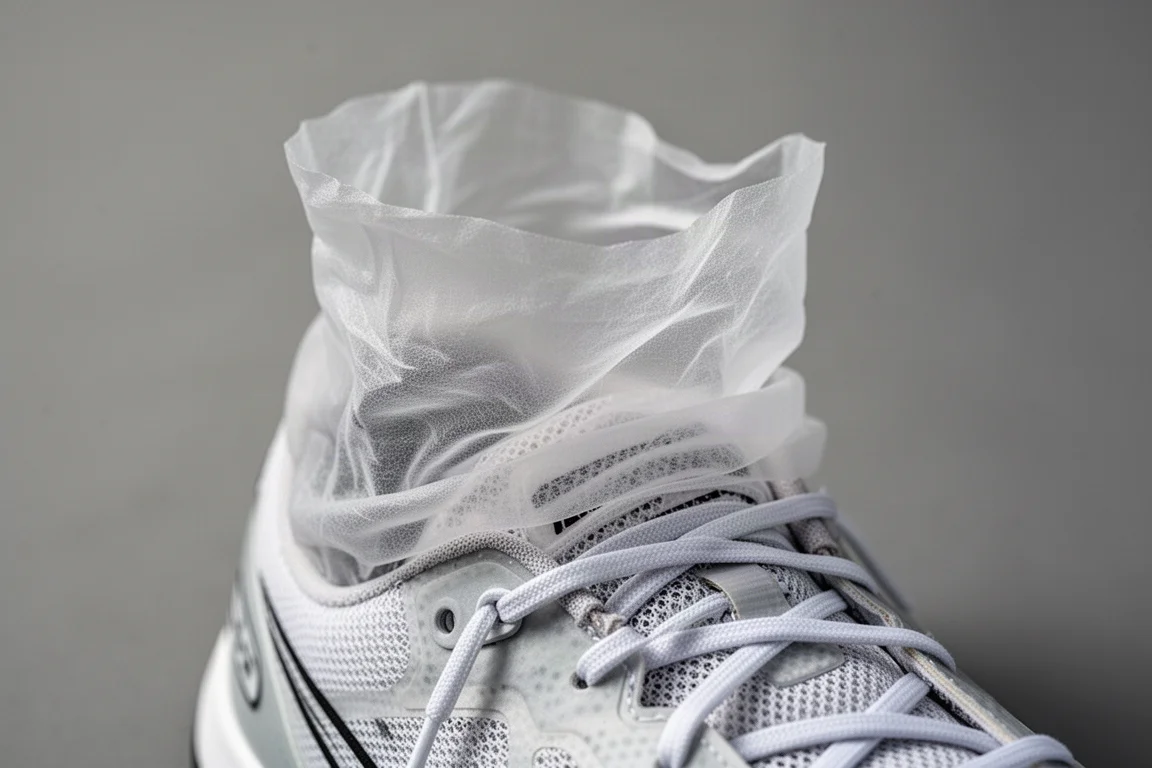
The upper is the defining feature, and the most divisive. A tissue-like material drapes across the top of the shoe, with traditional lacing hidden underneath, flopping over inside the collar. Getting your foot in is, honestly, a puzzle. It comes with instructions, which tells you something.
For one tester, it was easier to get on than the original On shoe with a similar high cuff, but it is still not a seamless entry. The high collar exists purely for aerodynamics, creating a smooth surface for airflow. It does not provide any fit benefit. In fact, it is looser than a sock, so you do not get that locked-in, midsole-hugging feel that makes cuff shoes appealing to some runners.
Adjusting the laces is genuinely difficult. With the cuff covering the throat, it is hard to cinch the shoe down properly, and the tongue can curl awkwardly around the foot. Both testers described getting the right fit as frustrating. Once locked in, though, the fit was genuinely nice, especially for wider feet, and the single-ply mesh across the rest of the shoe creates an interesting, minimal look.
Midsole and Ride Feel
Underfoot, Salomon uses OptiVibe Plus, a Peva-based foam that is much softer than the previous version of this shoe and feels exponentially better. The stack now comes in at 39 mm in the heel and 33 mm in the forefoot, a 6 mm drop, with a carbon fiber plate in the middle.

The ride rewards patience with your gait. At slower paces it felt really comfortable, and when picking up the pace the carbon plate delivered a nice propulsive feeling backed by very bouncy foam. One tester who lands naturally toward the heel found the ride great across a full range of paces.
The other tester, who tends mid-to-forefoot, found the wide platform and the way it comes down made the shoe feel flat through toe-off, with a sloppy, clunky sensation at faster efforts. When he deliberately shifted his landing further back in the shoe, the plate and foam suddenly came alive. The takeaway: this shoe was likely designed for runners landing a bit further back in their stride. If that is you, it sings.
Outsole and Grip
The outsole uses a minimal, very light layer of Contagrip rubber, split into two pieces across the shoe. Despite how little rubber there is, the grip works really well.
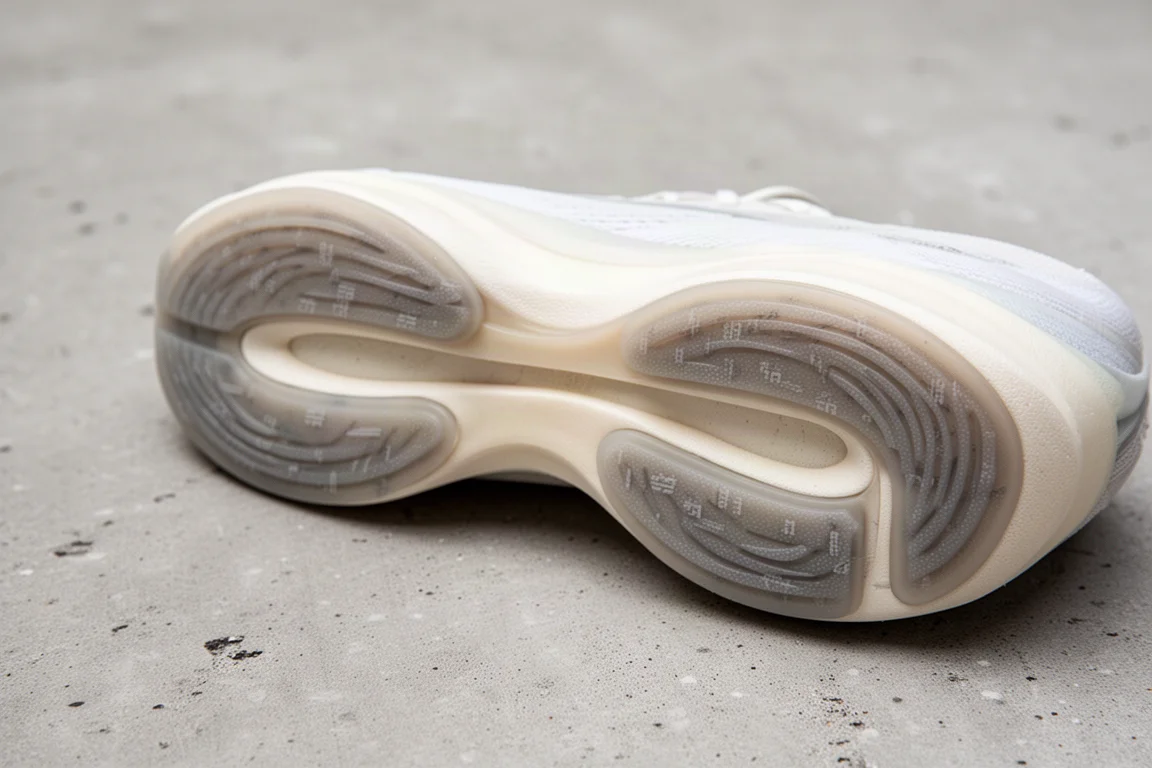
One detail worth noting: this rubber can be printed on, so Salomon applies graphics directly to it before attaching it to the shoe. It is a small touch, but expect to see this style of rubber showing up in a lot more shoes.
Weight
Weight is a clear strength. A women’s size 7.5 came in at 5.6 oz (158 g), right in line with other race day shoes. The men’s pair slid in just under 7 oz at 6.95 oz (197 g), which is a genuine sweet spot. Anything under seven ounces tends to sing on race day, and this shoe qualifies.
Things to Consider Before Buying
The main friction points are the entry process and lace adjustment. If you value being able to fine-tune tension across the whole throat of the shoe, this design will test your patience.
The geometry is the second consideration. Mid-to-forefoot strikers may feel a dampness and a lack of pop that heel-biased runners do not experience. It is a personal fit thing, but worth taking seriously at this price.
Finally, value is average rather than outstanding. At $280, it costs what most premium race day shoes cost. If you already train in a different brand’s line-up, switching brands just for race day is a leap, and Salomon’s road training shoes are not yet as widely available to try in stores.
Buying Advice
If you love Salomon or specifically want this aerodynamic concept, and you land toward the heel or midfoot, this shoe is a strong, genuinely improved pick. The foam upgrade alone makes it a big step forward over the previous iteration, and Salomon’s willingness to experiment is worth rewarding.
If you are a forefoot runner chasing an aggressive toe-off, or you are simply price-sensitive at $280, competing race day shoes in the same bracket may serve you better.
Conclusion
The Salomon S-Lab Phantasm 3 earns a solid B overall. It is a clear improvement on the previous model, with better foam, competitive weight, excellent grip, and an ambitious aerodynamic concept built with real wind tunnel testing. The upper execution and the foot-strike-dependent geometry keep it from being an easy recommendation for everyone, but for the right stride, this is a lively and comfortable race day companion. Salomon is headed in the right direction; this shoe is just not quite all the way there yet.
Product link
View more details for Salomon S-Lab Phantasm 3
This product is mentioned in the review. Check the specifications, options, and compatibility before buying.
View more details for Salomon S-Lab Phantasm 3Further reading
Related Reviews

Running Shoes
Best Road-to-Trail Running Shoes: Three Versatile Options for Mixed Terrain
A practical guide to three road-to-trail running shoes that handle both pavement and mild trails, with clear strengths and trade-offs for different runner types.

Running Shoes
Best Running Shoes for Achilles Tendonitis: Three Options Explained
Three running shoes with different heel drops and support features designed to help reduce Achilles tendon pain during walking and running.

Running Shoes
Best Running Shoes for Women: Five Top Choices Ranked
A ranked guide to five women's running shoes, from versatile daily trainers to high-performance racing options, with real strengths and trade-offs for each.