Snowboard Bindings
Salomon Rhythm Review: A Soft, Lively Binding for Beginners and Jib Riders
A soft-flexing entry-level snowboard binding with minimal straps and a lively, undamped ride, best suited to jib riders and price-conscious beginners.
Introduction
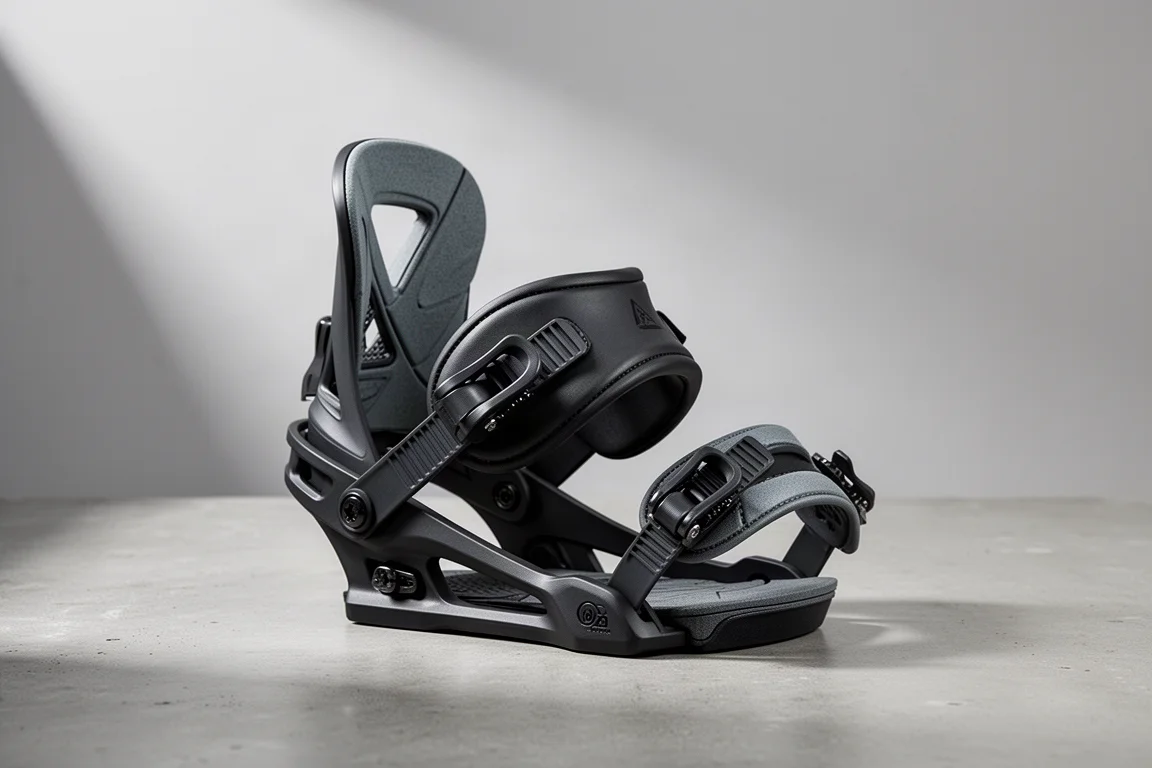
The Salomon Rhythm is a soft-flexing snowboard binding built around a minimal, no-frills design. It was ridden in mixed resort conditions on an overcast day with moderate to high winds, cooler temperatures, and a surface that shifted between chop, ice, chunder, and heavier snow. That range makes it a fair test of how a budget-oriented binding handles whatever the mountain serves up.
What stands out is how simple the Rhythm is. There are few adjustments, the straps are pared back, and the overall feel is lively rather than damp. For some riders that is exactly the point. For others, it will be the reason to look elsewhere. This breakdown covers who the binding suits, what it does well, and where it asks for compromises.
Who the Salomon Rhythm Is For
Two riders get the most from this binding: the jib-focused rider who wants a loose, playful feel underfoot, and the price-conscious beginner who wants something straightforward that holds a boot securely without a steep learning curve.
Beginners benefit from the lack of complexity. There is no deep menu of adjustments to work through, so setup stays quick and the riding experience is not buried under features that rarely get used. Jib riders get a soft, flexible platform that gives way easily underfoot, which suits playful riding more than high-speed charging.

Riders who want a stiff, powerful binding for aggressive carving or fast runs are better served elsewhere. The Rhythm is not built to drive a board hard, and it does not pretend to be.
Main Strengths
The Rhythm’s biggest strength is that it stays out of the way. The design is minimal, and in practical terms that means fewer parts that can fail. The ratchets climb and release smoothly, and the heel strap includes a one-finger quick release tab that makes getting out of the binding simple.
The highback is functional and has some give, yet it feels stiffer than its price point would suggest, which helps when you want a bit of support on edge. The forward lean adjustment is easy to operate and locks in place without fuss.
The binding also does the basic job well: it holds a boot down. For a first setup or a park-focused second setup, that reliability matters more than a long feature list.
Flex and Ride Feel
The flex is soft, and the straps contribute to that feeling with a noticeable amount of give in both the toe strap and the heel strap. The binding also has significant lateral give, so pushing into it in any direction does not translate into much power. Riders who like to drive a board edge to edge with authority will find it vague.
The ride is lively. There is essentially no dampening in the Rhythm, so every bit of chatter, ice, and chopped snow comes straight up through the binding. On a mixed day with windblown chop and firm patches, that translates into a very direct underfoot feel.

That characteristic cuts both ways. If you want to feel everything the board is doing beneath you, the Rhythm delivers it. If you have foot issues and need a binding that absorbs vibration and offers support, this is not the right choice.
Adjustability and Hardware Details
Adjustability is deliberately limited. Twist cams on the heel and toe straps let you lengthen or shorten them, and the highback offers a forward lean adjustment. Beyond that, there is nothing else to tune.
The forward lean works as expected: flip the lever up, twist it to the left to loosen, slide the highback up or down, twist right, then flip the lever back down to lock it in place.
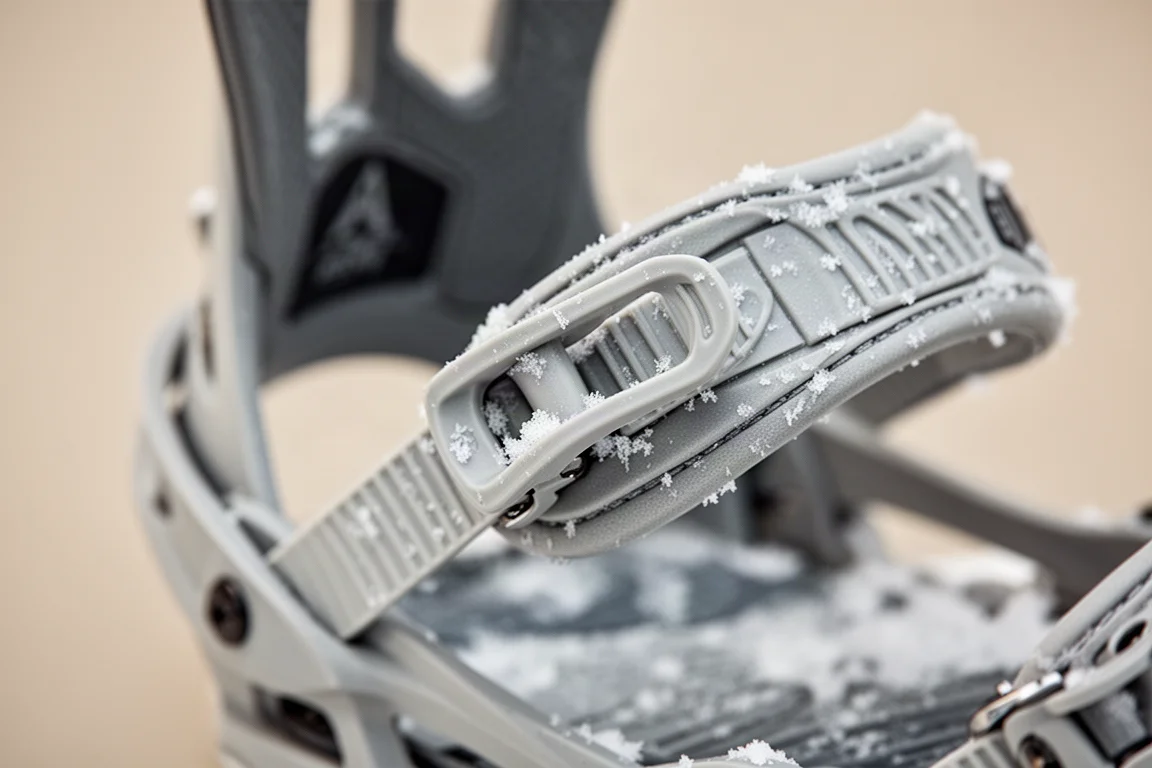
The straps are minimal in construction. The toe strap has a small cutout that grips a pointy-tipped boot well but holds a blunt-shaped boot less effectively. The heel strap is an injection molded piece with almost no padding of its own, so most of the cushioning comes from the boot itself. The ratchets are plastic and feel like a cost-conscious component, which raises a fair question about how they will hold up over multiple seasons.
One practical detail: the heel strap has a quick release tab, but the toe strap does not. Releasing the toe strap means pushing into it, which encourages over-cranking and could shorten the life of the ratchet.
Things to Consider Before Buying
The Rhythm’s limits are clear and worth weighing before purchase.
- Flex: very soft, with plenty of give in the straps and a lot of lateral movement.
- Dampening: effectively none, so rough snow is felt directly underfoot.
- Adjustability: minimal, limited to strap length cams and forward lean.
- Hardware: plastic ratchets raise long-term durability questions.
- Boot fit: the toe strap cutout works best with pointy-tipped boots.
- Power transfer: low, since the soft platform does not push much energy into the board.
If several of these points describe what you need from a binding, the Rhythm will feel like a compromise rather than a bargain.
Durability and Long-Term Value
The flip side of a minimal design is fewer failure points. With no elaborate adjustment hardware and a simple strap layout, there is less to go wrong, and the parts that matter most, the straps and the highback, are straightforward and functional.
The open question is the plastic ratchets. They climb and release well, but the material and finish suggest a component built to a price. Riders who ride hard, ride often, or crank their straps tight should keep an eye on them.
For a beginner setup or a low-cost park binding, that trade-off is reasonable. The Rhythm is a meat-and-potatoes binding that covers the essentials without asking much of the rider.
Buying Advice
The Rhythm sits in the price-point beginner category, alongside bindings such as the K2 Indy, Burton Mission, and Union Str. If you are shopping in that group, the Rhythm is a legitimate option rather than a compromise pick, provided its soft, lively character matches how you ride.
Choose it if you are starting out and want something simple that holds a boot securely, or if you ride park and prefer a loose, flexible feel underfoot. Look elsewhere if you want a stiffer binding with real power transfer, need dampening for foot comfort, or want a wide range of stance and strap adjustments.

The smartest approach is to compare it directly against the other bindings in its class and pick the flex profile that matches your riding, since flex is where the Rhythm differs most from its competitors.
Conclusion
The Salomon Rhythm is not a bad binding for what it is. It is a price-point beginner binding that works at that job: it holds you in, it keeps things simple, and it has fewer features that can break. The soft flex and lively, undamped ride will appeal to jib riders and beginners who want to feel the terrain, and frustrate anyone looking for support, power, or vibration damping. Match it to the right riding style and it does exactly what it promises.
Product link
View more details for Salomon Rhythm
This product is mentioned in the review. Check the specifications, options, and compatibility before buying.
View more details for Salomon RhythmFurther reading
Related Reviews

Snowboard Bindings
2024 Union Ultra Snowboard Bindings Review: A Cushy, Freestyle-Focused Favorite
Two seasons on the 2024 Union Ultra: a lightweight, tweakable freestyle binding with standout comfort, a damp molecular bushing, and thoughtful hardware fixes.

Snowboard Bindings
32 Team Phase Binding Review: A Fast Entry Binding Built for Freestyle Laps
The first binding from 32 uses the Phase chassis for quick step-in entry with a softer, freestyle-leaning flex. Here's how it performed on the snow.

Snowboard Bindings
Arbor Cypress Snowboard Binding Review: A Laid-Back Cruiser That Can Charge
A closer look at the Arbor Cypress binding's adjustability, strap feel, and that oddly tall highback before you decide to buy.