Hiking Boots
Salomon Quest Element GTX Review: A Reliable Hiking Boot for Serious Terrain
After 30+ kilometers of testing in varied conditions, the Salomon Quest Element GTX proves itself a capable, comfortable hiking boot with genuine waterproofing and solid long-term value.
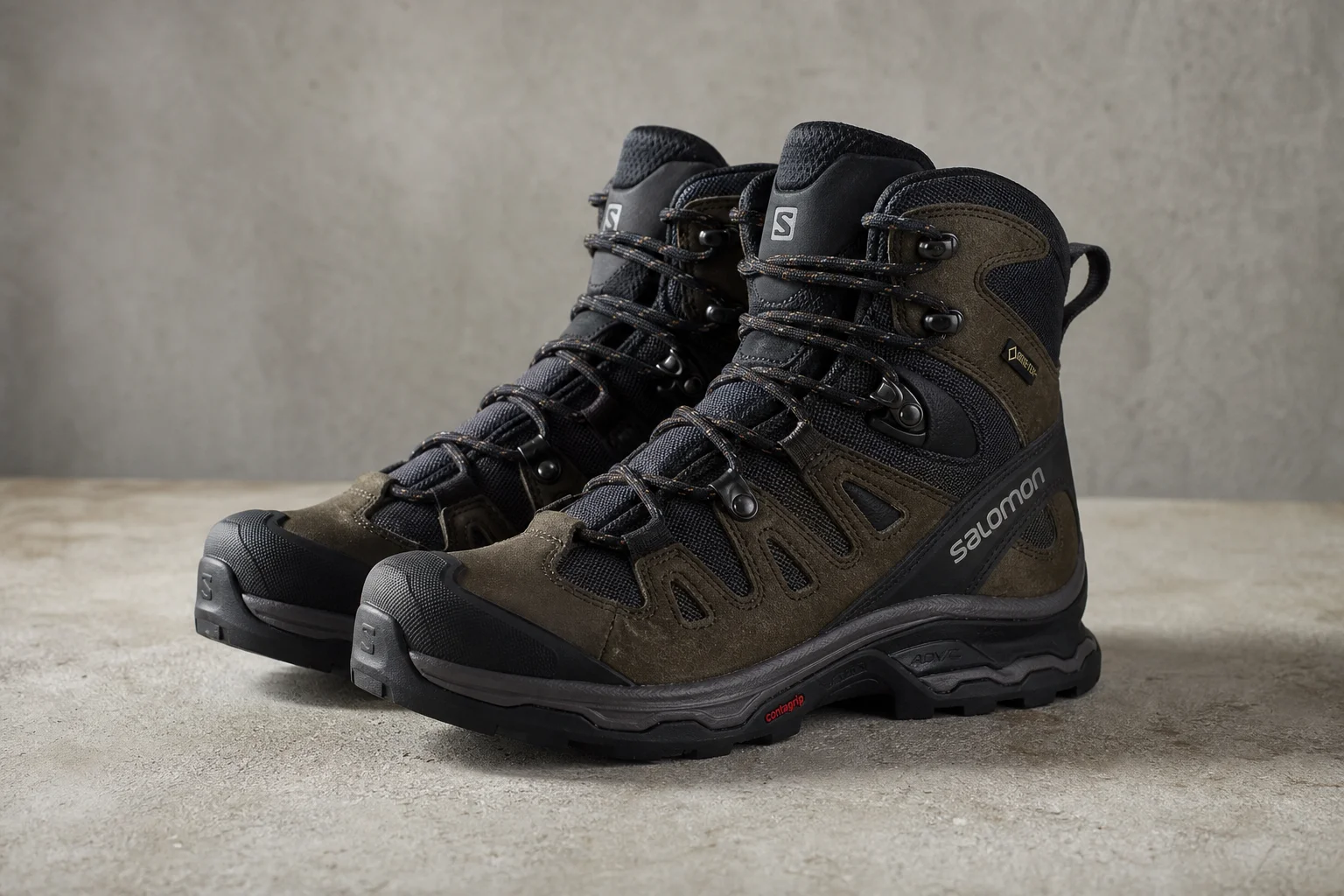
Introduction
Hiking boots are the foundation of any serious backcountry experience. The right pair can carry you through dozens of kilometers of challenging terrain with confidence and comfort. The Salomon Quest Element GTX is built for exactly that purpose: long days on uneven, rocky ground where reliability matters more than lightweight minimalism.
After testing these boots across more than 30 kilometers in varied conditions, including submersion tests and steep terrain, they demonstrate genuine capability and thoughtful engineering. This review covers what works, what to expect, and whether the investment makes sense for your hiking style.
Comfort and Fit
Straight out of the box, the Salomon Quest Element GTX strikes an impressive balance between aesthetics and function. The combination of suede and synthetic materials gives them a refined appearance without sacrificing durability.
The break-in period is remarkably short. After just a few kilometers of hiking, these boots feel as though you’ve been wearing them for months. This rapid adaptation is largely due to Salomon’s Sensifit™ technology, which wraps around your foot with a snug, supportive embrace that never feels restrictive.
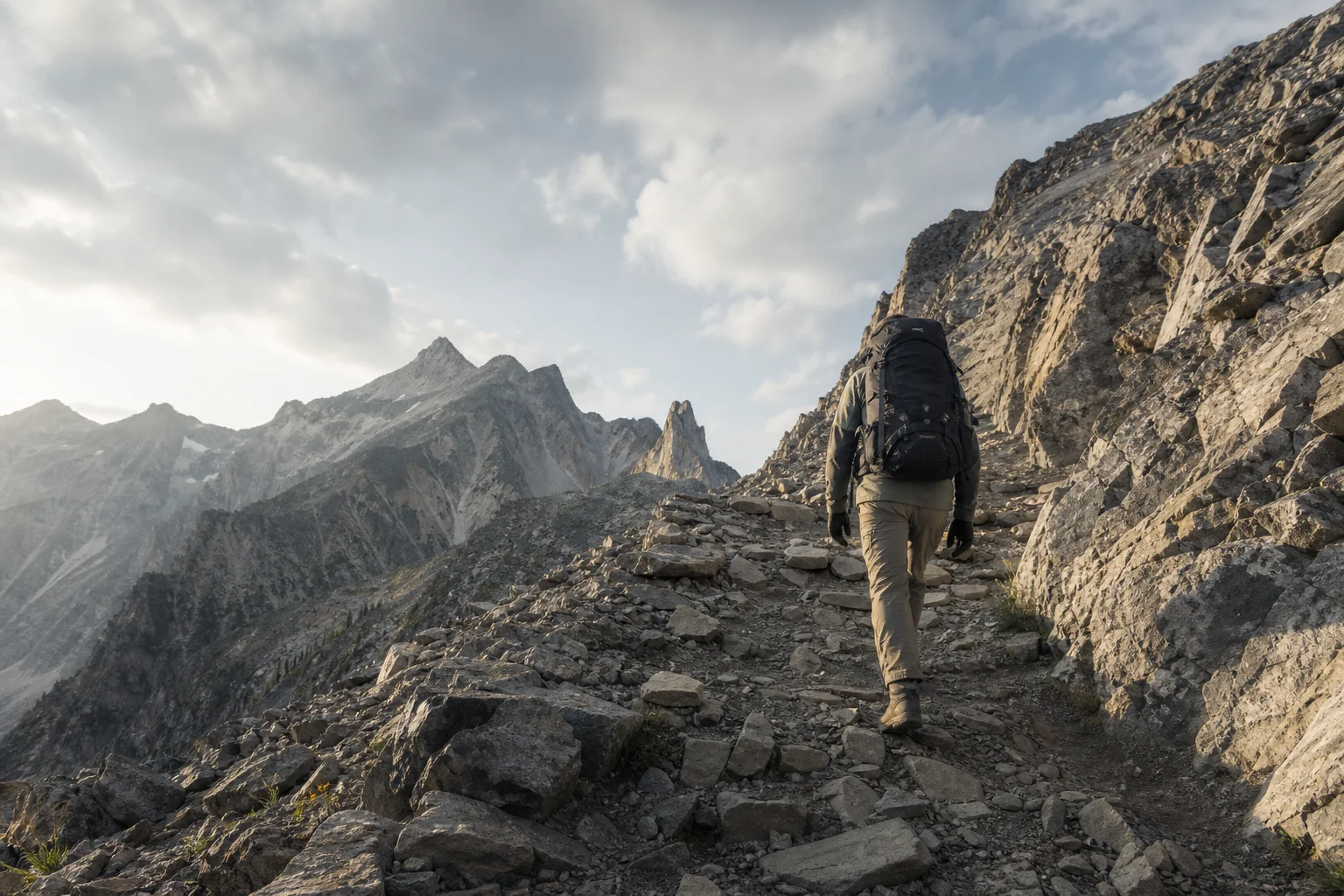
The fit is secure without being tight, providing a solid foundation for the long miles ahead. This matters because poor fit leads to blisters, hot spots, and the kind of discomfort that can turn a rewarding hike into a miserable slog. The Quest Element GTX avoids that trap through thoughtful design and materials that conform naturally to your foot shape.
Traction and Durability
These boots are engineered to handle the toughest conditions. The Contagrip® sole delivers excellent traction across wet rock, loose scree, and steep climbs. The rugged rubber construction can absorb the punishment of uneven, rocky terrain without degrading quickly.
The upper combines synthetic material with durable suede, striking a practical balance between toughness and flexibility. This matters on technical terrain where your boot needs to bend and adapt to irregular ground while still protecting your foot from sharp rocks and roots.
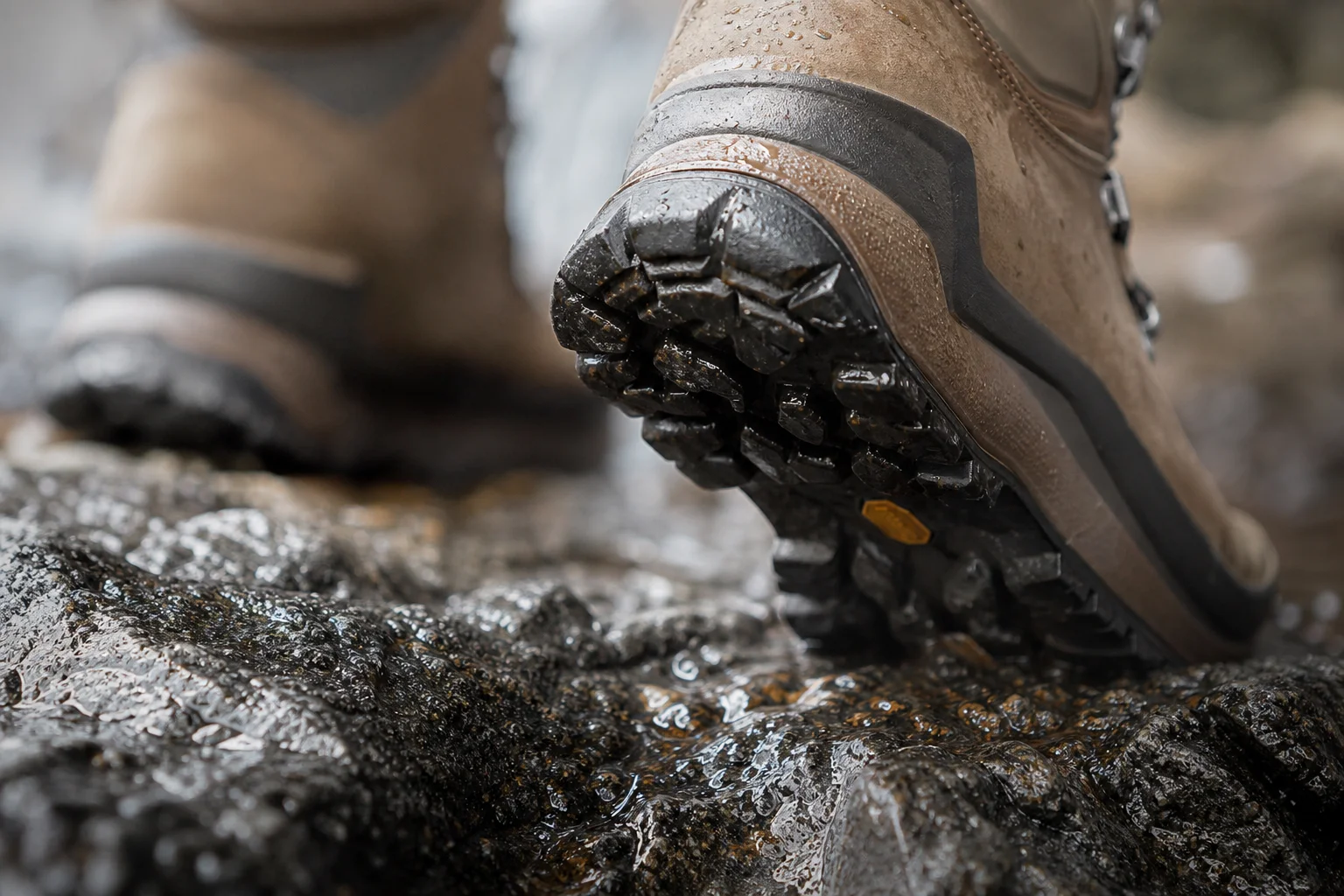
Advanced Chassis™ technology works in concert with the sole design to keep you steady on unstable ground. When you’re navigating a boulder field or a steep, loose descent, that stability translates directly into confidence and reduced fatigue.
Waterproofing and Weather Protection
GORE-TEX® waterproofing is a genuine asset in these boots. The membrane keeps water out while allowing moisture vapor to escape, so your feet stay dry without becoming a sauna during long days of exertion.
To verify the waterproofing claim, I submerged nearly the entire boot in water. Not a single drop leaked through. This is the kind of real-world test that matters when you’re crossing streams or hiking through sustained rain at elevation.
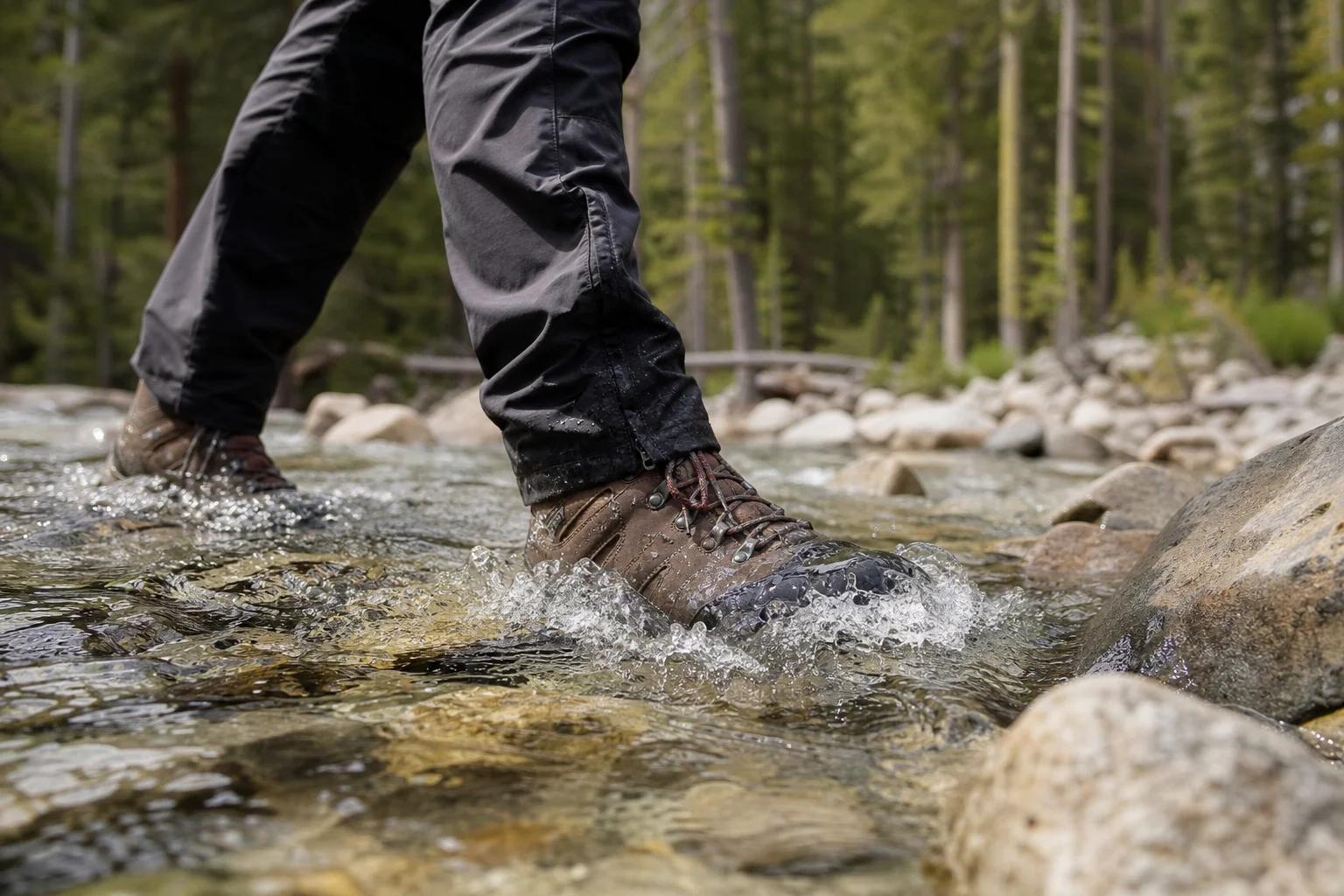
The EVA midsole provides appropriate cushioning to reduce fatigue during hours of trekking. It’s not so soft that it feels unstable, and not so firm that it transmits every rock and root directly into your feet. This calibration is harder to achieve than it sounds, and the Quest Element GTX gets it right.
Things to Consider Before Buying
The Salomon Quest Element GTX is not a lightweight shoe for short, well-maintained trails. It’s built for more challenging terrain and longer distances where support and protection matter more than shaving ounces off your pack weight. If you’re hiking easy day trails, a lighter shoe will serve you better.
The price of approximately 190 euros (about 210 dollars) is a genuine investment. For some hikers, this cost may be a barrier to entry. However, the two-year warranty and the durability of the construction suggest these boots will serve you reliably for years of regular use, making them a solid long-term value proposition.

These boots demand respect for what they are: serious hiking footwear for serious terrain. They’re not a compromise solution or a budget option. If your hiking involves steep ascents, rocky ground, and variable weather, they’re worth the investment.
Conclusion
The Salomon Quest Element GTX is a capable, well-engineered hiking boot that delivers on its promises. The combination of comfort, traction, waterproofing, and durability makes it a reliable companion for mountain hiking. If you’re looking for a boot that will support you both physically and mentally in the wilderness, this is a strong choice.
Product link
View more details for Salomon Quest Element GTX
This product is mentioned in the review. Check the specifications, options, and compatibility before buying.
View more details for Salomon Quest Element GTXFurther reading
Related Reviews
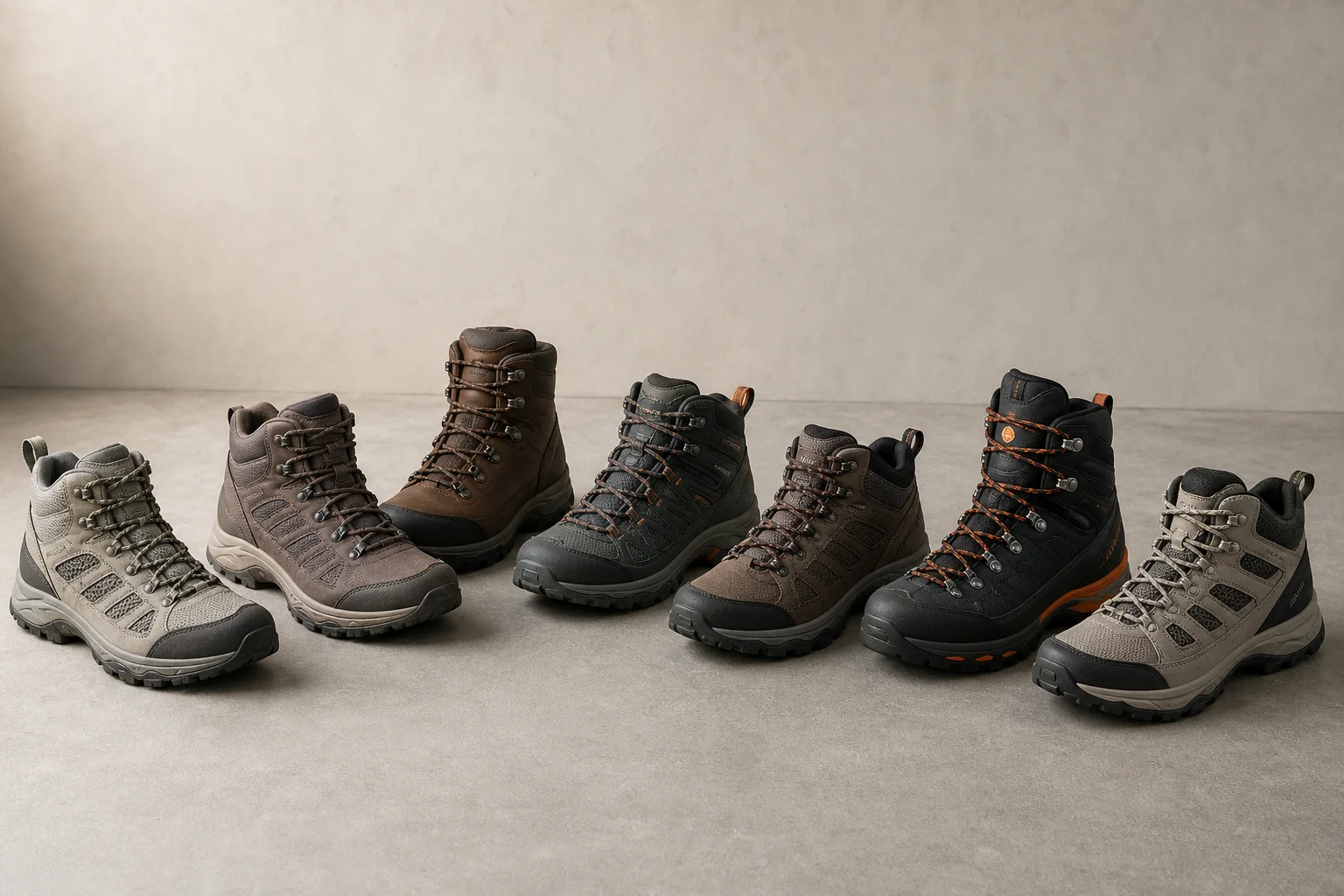
Hiking Boots
Best Hiking Boots 2025: Seven Options for Different Trail Needs
A practical guide to seven hiking boots spanning lightweight day hikes, comfort-focused designs, rugged terrain, budget options, and alpine performance.
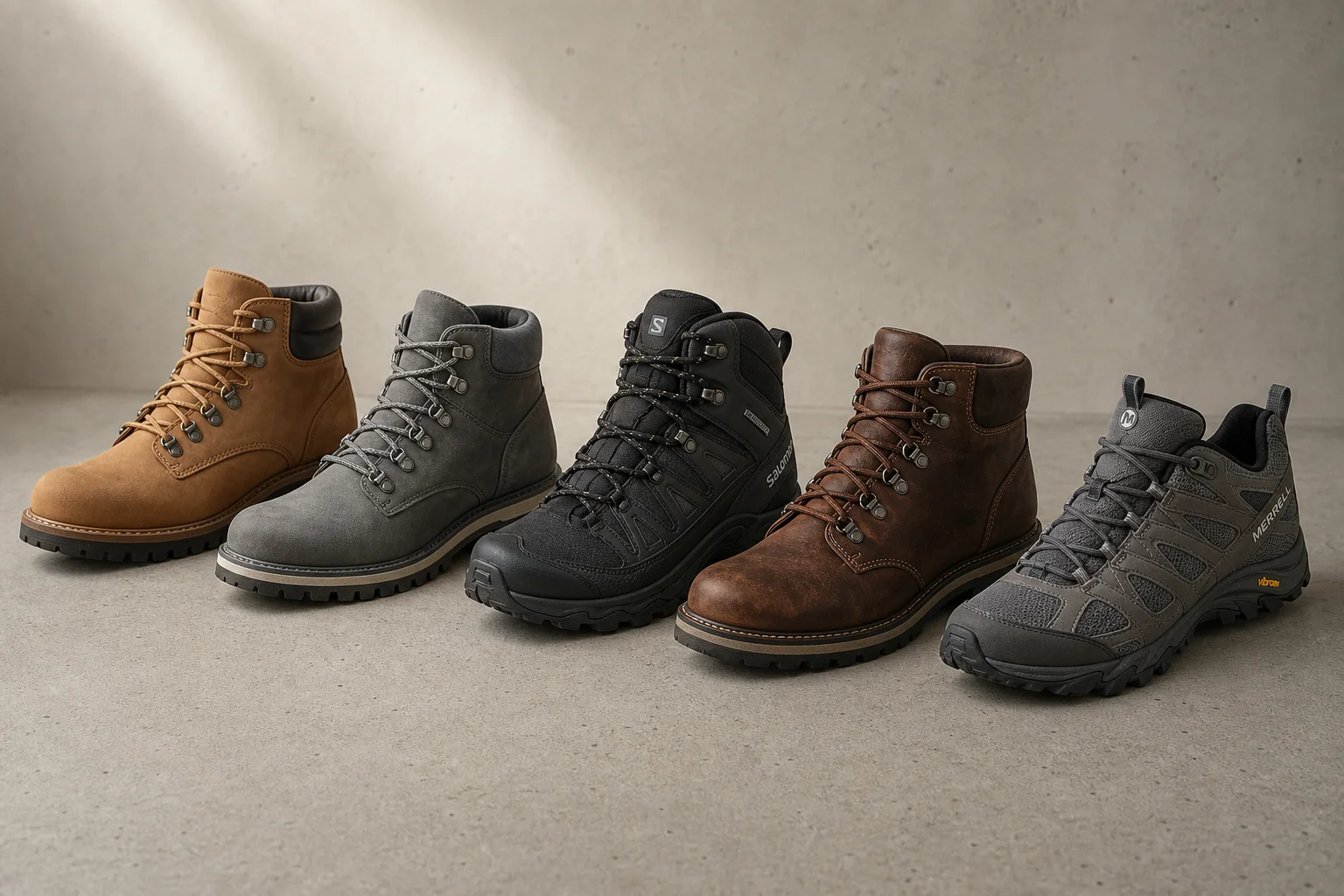
Hiking Boots
Best Hiking Boots 2026: Five Reliable Options for Different Trail Needs
Five hiking boots that balance waterproofing, comfort, and durability across casual day hikes and serious backpacking trips.
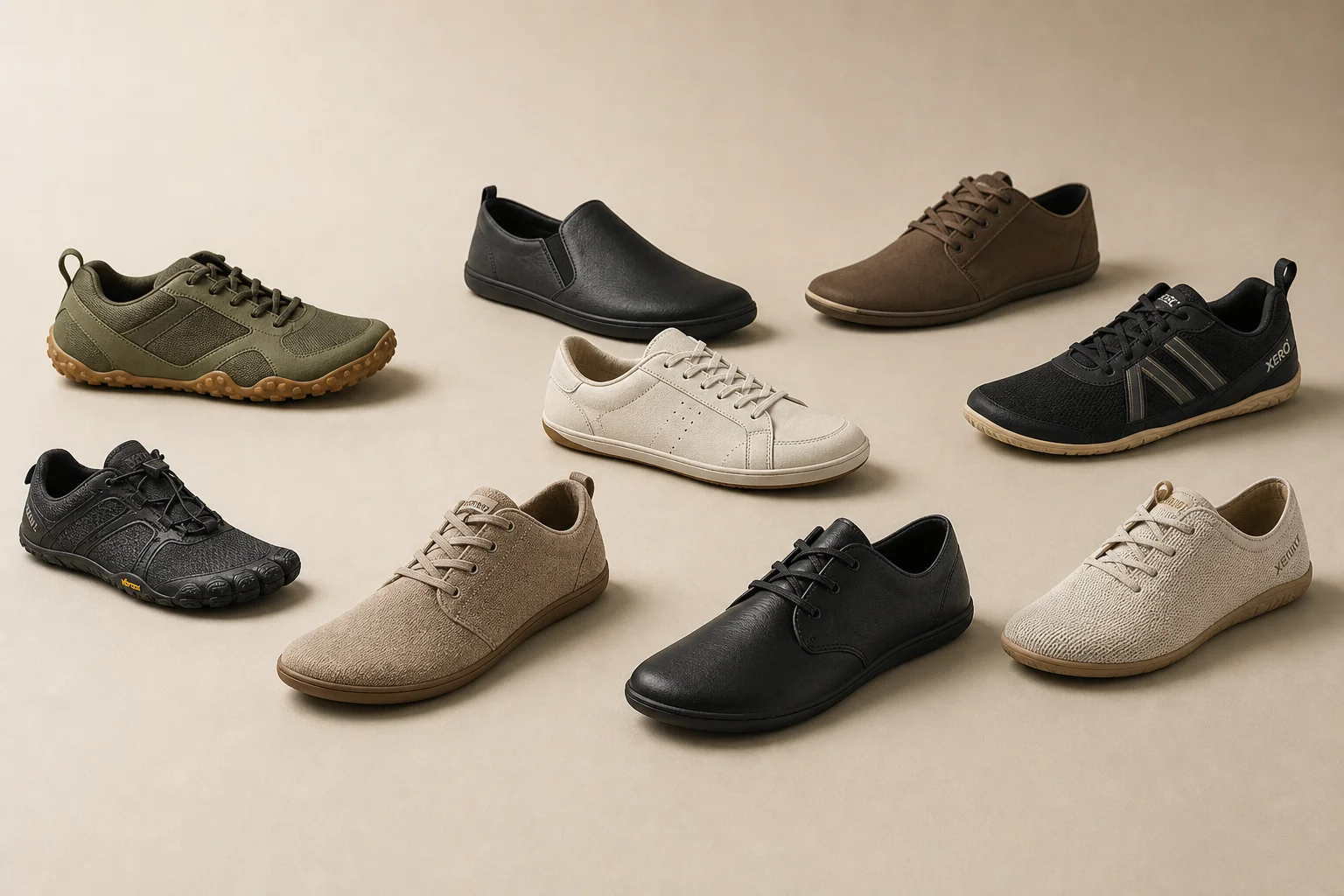
Footwear Reviews
Barefoot Shoes Guide: 40 Pairs Across 13 Brands Tested and Compared
A comprehensive review of barefoot footwear across 13 brands, from Vivobarefoot and Xero to Merrell and Wildling, with practical recommendations for different use cases.