Hiking Boots
Keen Ridge Flex Bellows Review: A Waterproof Hiking Boot That Flexes With Your Foot
The Keen Ridge Flex Bellows combines a waterproof build and dependable winter traction with a bellows flex zone that makes every step feel lighter. Here is what to know before buying.
Introduction
The traditional advice about hiking footwear is that a new pair needs weeks of short local walks before it earns a place on a real trail. That rule made sense when boots were stiff, overbuilt and heavy, and when the leather across the top of the foot had to be slowly softened by the wearer. Modern construction has changed the equation, and the Keen Ridge Flex Bellows is a clear example of why that old rule no longer applies to every boot.
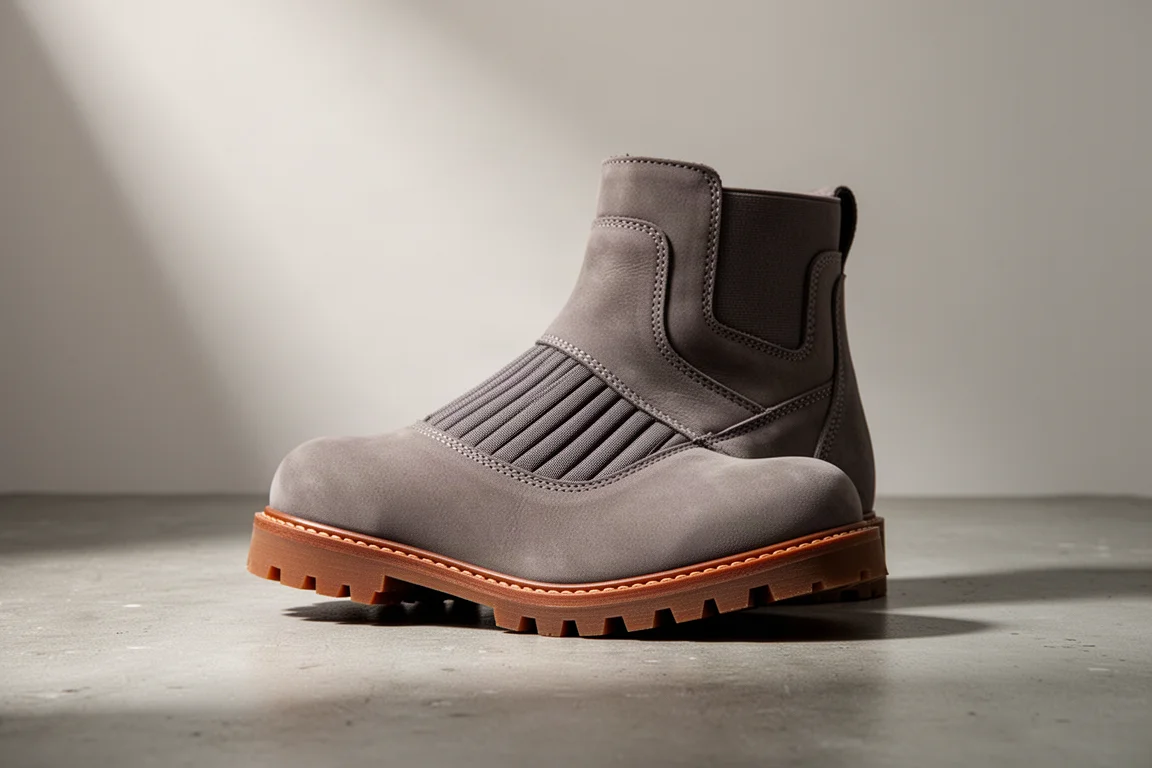
The Ridge Flex Bellows is a mid-height waterproof hiking boot built around a bellows panel positioned exactly where the foot bends. The concept is straightforward: removing resistance at the flex point means less effort to move the boot and less work for your foot on every step. On a first outing in fresh snow, that difference becomes obvious well within the first half mile.

This review looks at what the boot does well, where a mid-height boot still makes more sense than a trail runner, and the trade-offs worth understanding before you commit to a pair.
Who This Boot Is For
A mid-height boot is not the right answer for every trail, and Keen positions this one for the situations where support genuinely matters. The clearest case is load carrying. When a pack gets heavy, a boot with this much ankle coverage gives you a more secure feeling underfoot and helps you stay stable over long miles.
The second case is ankle history. Hikers who have rolled an ankle repeatedly, or who deal with ongoing ligament issues, tend to get real value from the additional protection a boot like this provides. That protection is not a substitute for careful foot placement, but it does add a layer of confidence on rough ground.
The third case is weather and terrain. This is a waterproof boot with an outsole that holds well on snow and ice, so it fits cold-weather day hikes, snowy approaches and shoulder-season trips where wet feet would otherwise end the day early.
Main Strengths
The bellows panel is the headline feature and it earns the attention. Sitting across the top and front of the boot, it flexes with the foot instead of fighting it. The result is a boot that takes noticeably less effort to move, which is a subtle benefit that becomes more valuable the longer you walk.
Weight is the second strength. Despite the mid-height silhouette, this does not feel like a heavy boot on the foot. It reads much more like a shoe, which is unusual for something with this much ankle coverage and this much warmth. Cold feet are a common failure point in winter hiking, and the Ridge Flex Bellows keeps feet warm without the clunky feel that usually comes with that.
Fit is the third. The boot runs a little wider than some competing models, which suits hikers who find standard boots too narrow across the forefoot.
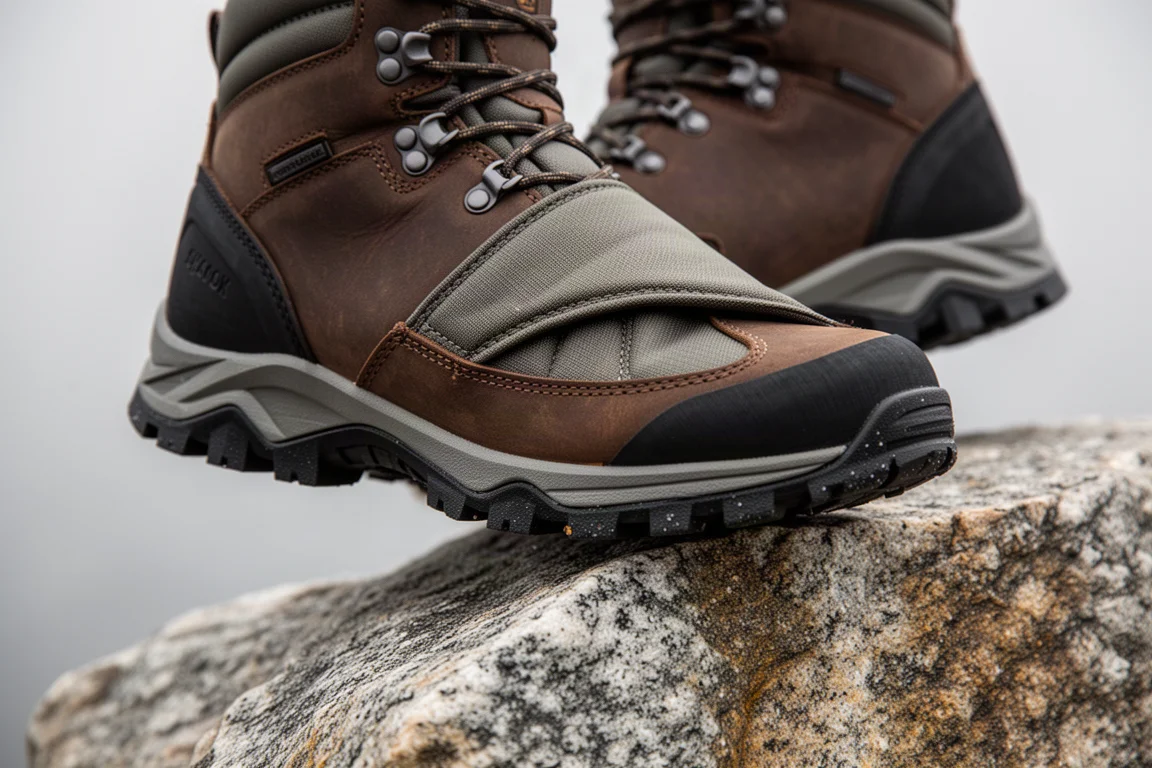
The flex panel also has a durability argument behind it. Because the boot bends at a purpose-built zone rather than creasing stiff material over and over, there is less of the wear that eventually breaks down the upper of a traditional leather boot. It also means far less leather has to soften across the top of the foot before the boot feels right.
Things to Consider Before Buying
A boot is not automatically the better choice, and it is worth being honest about the compromises. The most significant one is bulk. There is a lot of material around the toe, and that reduces the precise feedback you get from a trail runner. On technical terrain, boulders and awkward steps, that sensitivity matters, because knowing exactly where your foot is planted is part of feeling secure.
This boot can also be more than a hike requires. For quick day hikes close to home, or for warm-weather backpacking trips with a light load, a mid-height boot like this is overkill. The support and warmth that make it valuable in winter become unnecessary weight and heat in milder conditions.
Finally, the silhouette is distinctive. Keen’s rounded toe box has always been a divisive design choice, and the Ridge Flex Bellows carries that family look. It is a styling question rather than a performance one, but it is worth knowing if you prefer a more conventional shape.
Waterproofing and Winter Grip
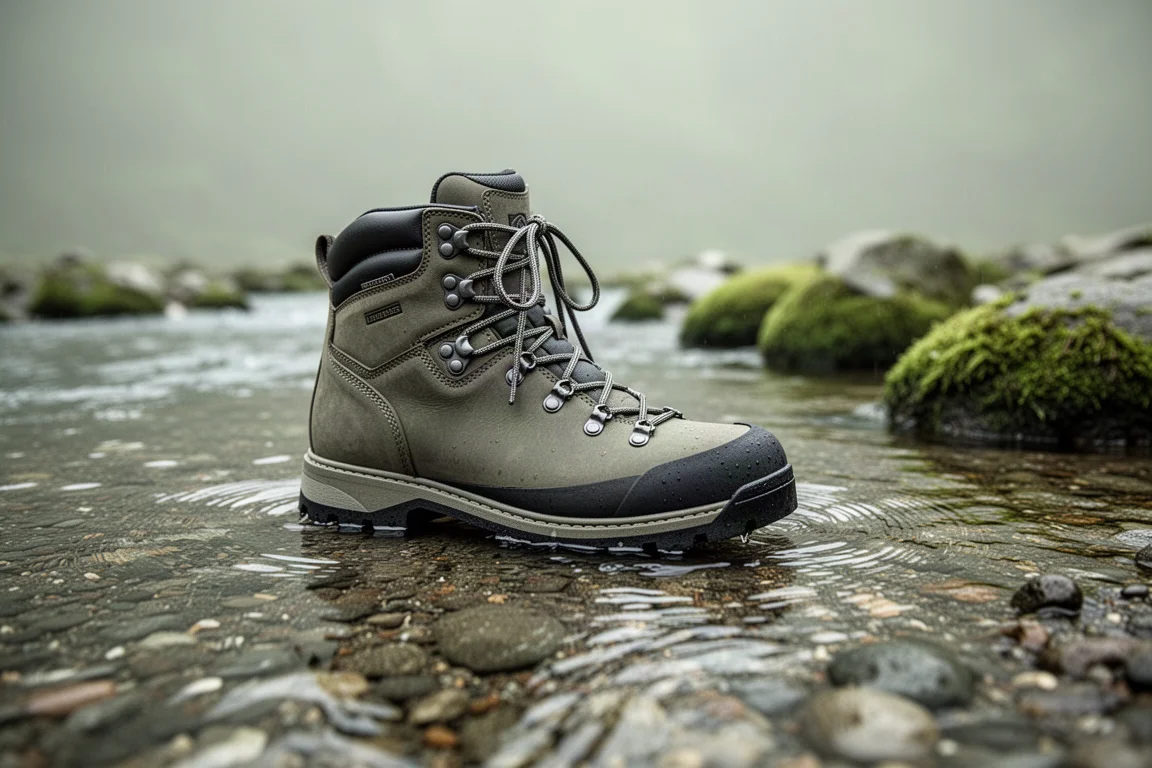
The waterproof construction holds up in practice. Standing the boot in a river during testing produced no leakage, which is the kind of reassurance that matters on wet, slushy trails where a soaked sock can end a hike early.
Traction on snow and ice is a genuine strength. The outsole design grips packed snow and slick surfaces without drama, and it does so while the boot continues to flex naturally underfoot. That combination is what separates a well-rounded winter boot from one that only performs in a straight line.
Warmth is the quieter benefit here. The boot keeps feet warm in cold conditions, and because it flexes so freely, you get that warmth without the sensation of wearing a rigid shell around your foot.
Sizing, Fit and Break-In
The fit runs slightly wider than several comparable boots, so hikers who normally size up to gain forefoot room may not need to here. If you are between sizes and prefer a snugger hold, it is worth trying both.
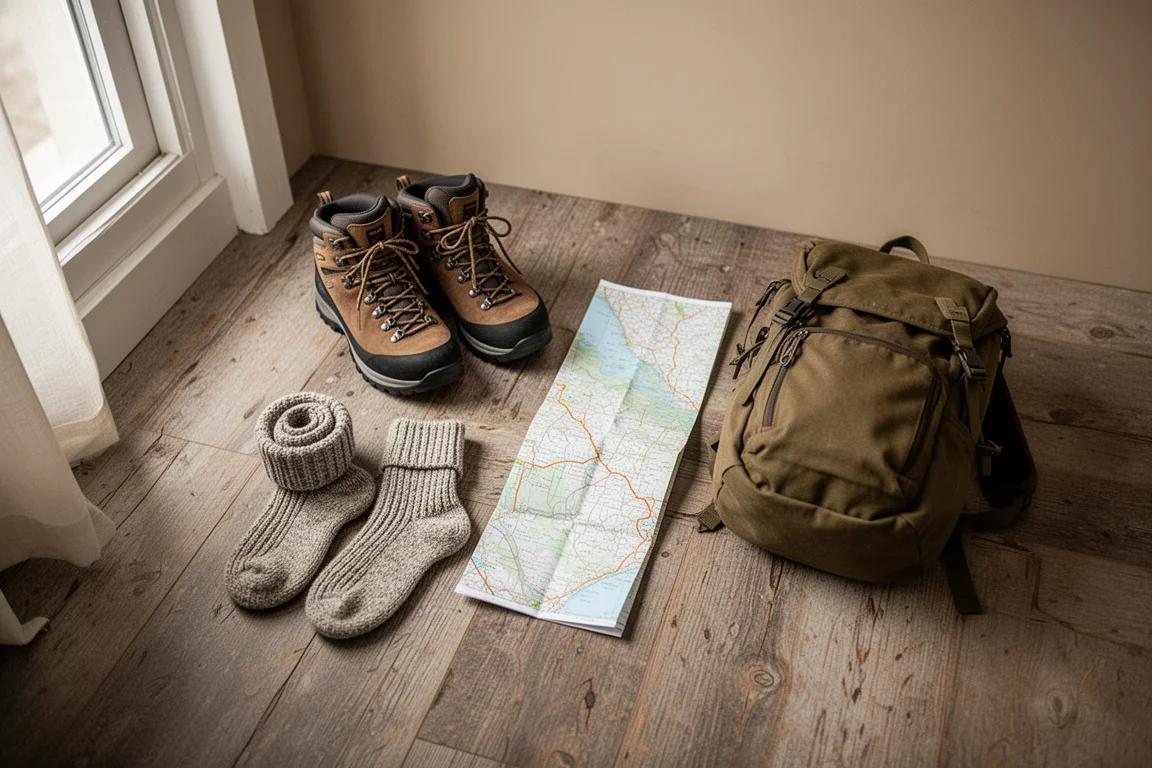
Break-in is the area where this boot departs most from tradition. The bellows panel means far less stiff leather has to soften across the top of the foot, and early trail impressions point to a short adjustment period rather than the weeks of conditioning older boots demanded. That said, a first outing on a long, loaded route is still a gamble with any new footwear, and a couple of shorter local walks remain a sensible way to confirm the fit before a big trip.
Buying Advice
Choose the Ridge Flex Bellows if you carry weight, want ankle support, hike in cold or wet conditions, or have a history of ankle trouble. The flex panel is a real functional improvement rather than a marketing flourish, and the waterproof build plus reliable snow and ice traction make it a practical winter companion.
Skip it, or look at a lighter trail shoe instead, if your hiking is mostly fast day trips in mild weather, or if you rely on precise ground feel for technical terrain. In those cases the extra bulk is a cost without a matching benefit.
If you are replacing an older pair of stiff leather boots and dreading another long break-in, this is one of the more convincing arguments for updating your footwear. The combination of a flexible forefoot, warm waterproof construction and mid-height support covers a wide range of three-season and cold-weather hiking without asking much of your feet in return.
Conclusion
The Keen Ridge Flex Bellows succeeds because it solves a specific, familiar problem: boots that resist the natural movement of the foot. By putting a flex zone exactly where the foot bends, Keen delivers a mid-height waterproof boot that feels closer to a shoe while still providing the ankle support and load-carrying stability that a boot is meant to offer. The trade-offs are real, including reduced ground sensitivity and more bulk than a trail runner, but for hikers who carry weight, hike in cold and wet conditions, or want extra ankle protection, those compromises are easy to accept.
Product link
View more details for Keen Ridge Flex Bellows
This product is mentioned in the review. Check the specifications, options, and compatibility before buying.
View more details for Keen Ridge Flex BellowsFurther reading
Related Reviews
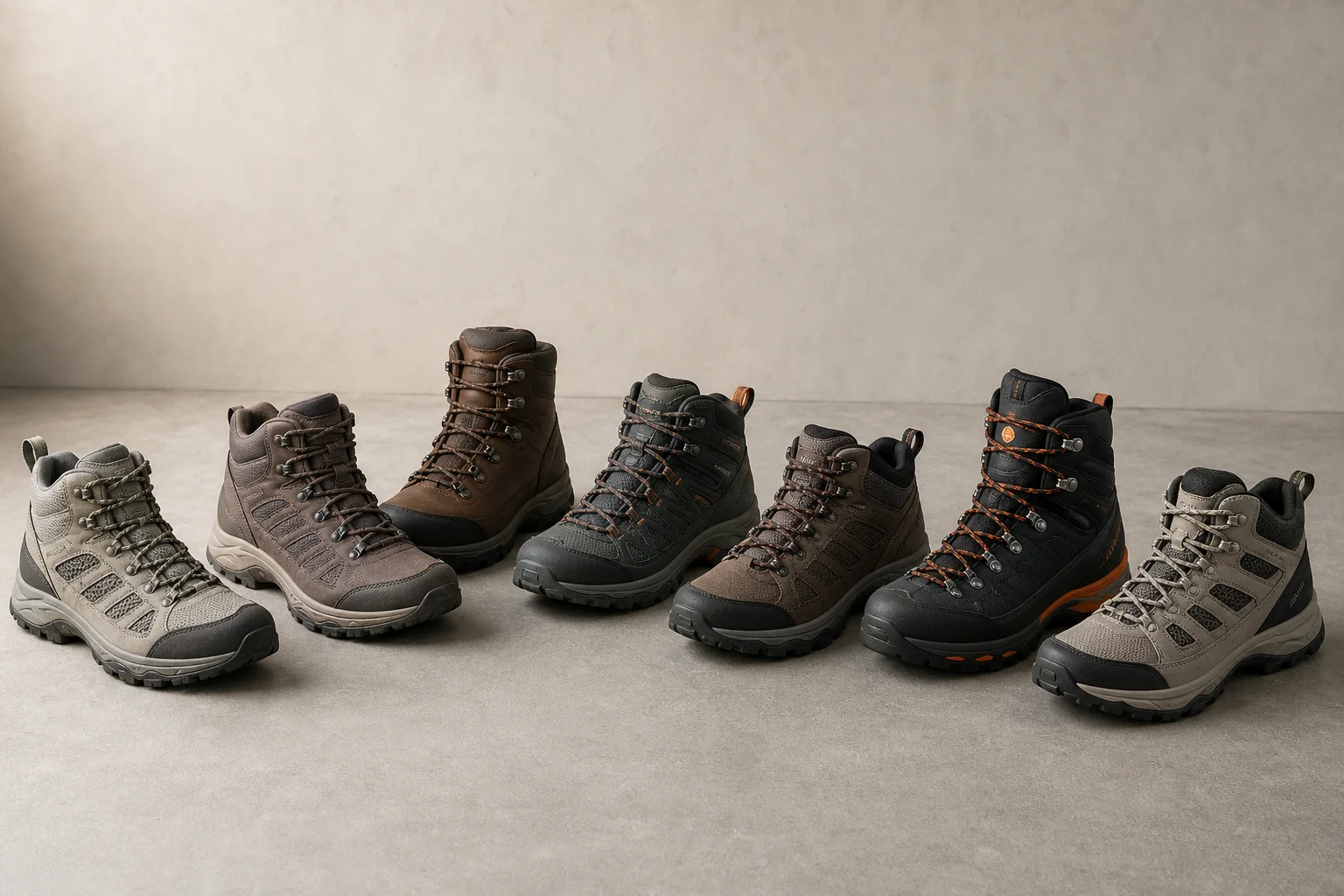
Hiking Boots
Best Hiking Boots 2025: Seven Options for Different Trail Needs
A practical guide to seven hiking boots spanning lightweight day hikes, comfort-focused designs, rugged terrain, budget options, and alpine performance.
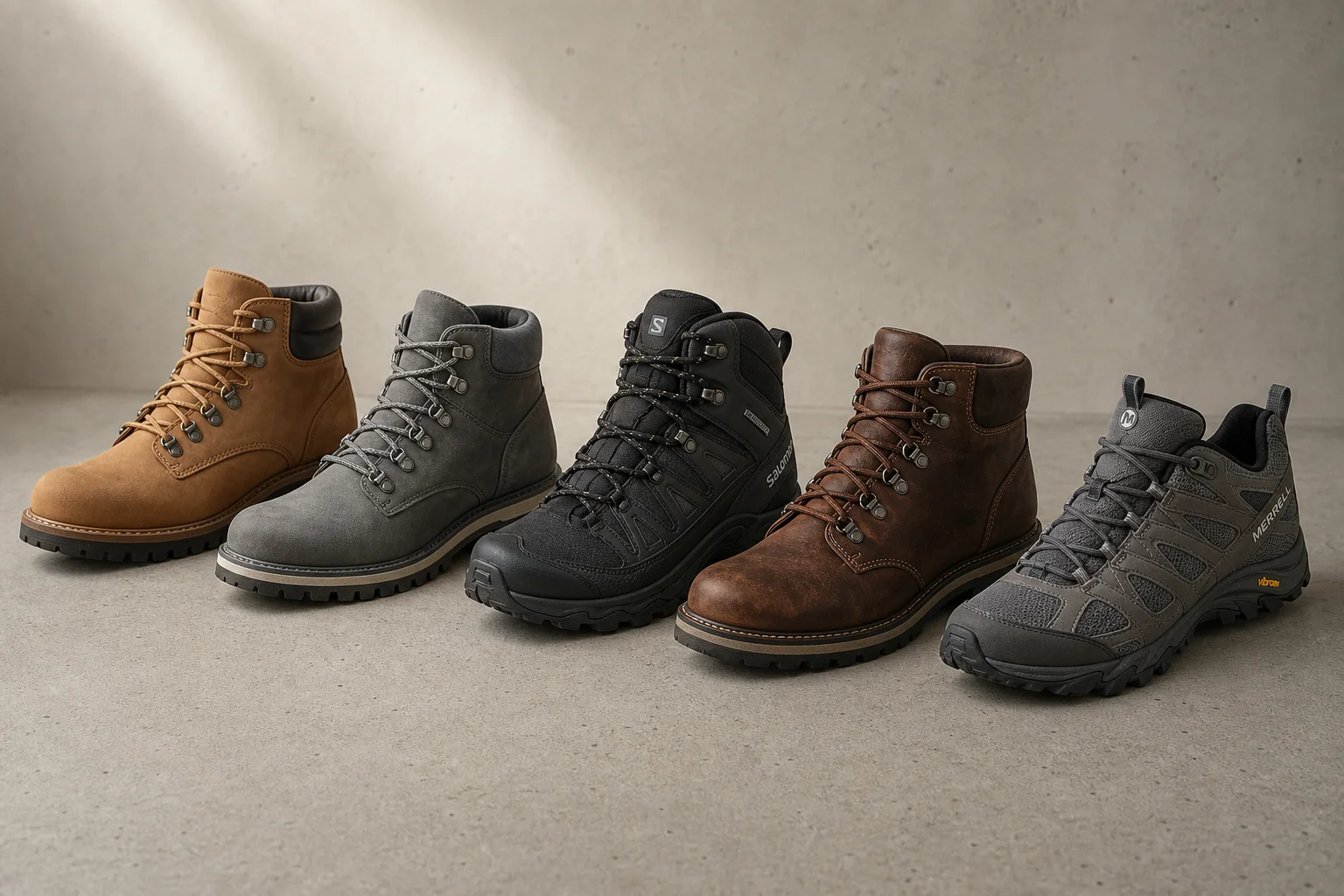
Hiking Boots
Best Hiking Boots 2026: Five Reliable Options for Different Trail Needs
Five hiking boots that balance waterproofing, comfort, and durability across casual day hikes and serious backpacking trips.
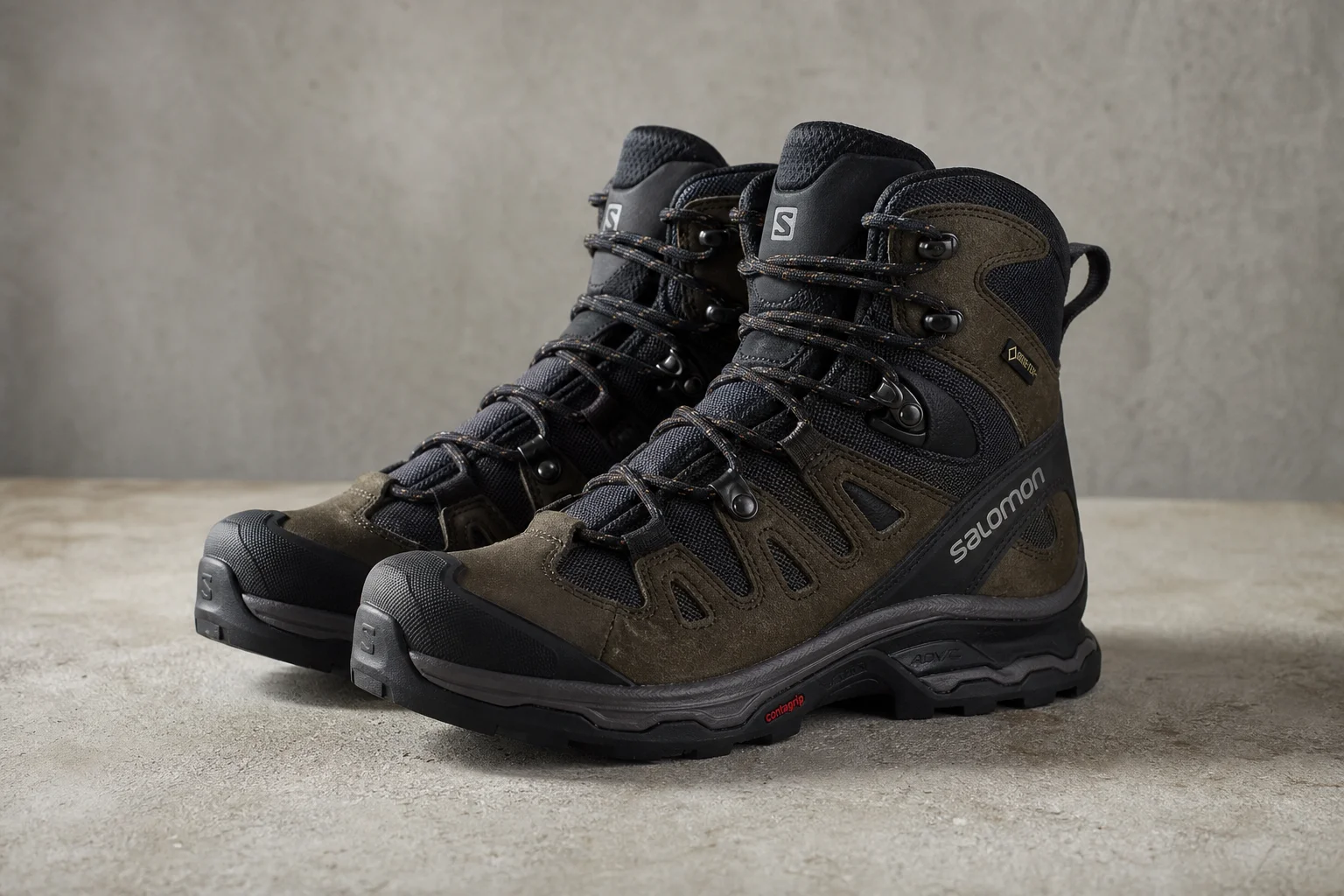
Hiking Boots
Salomon Quest Element GTX Review: A Reliable Hiking Boot for Serious Terrain
After 30+ kilometers of testing in varied conditions, the Salomon Quest Element GTX proves itself a capable, comfortable hiking boot with genuine waterproofing and solid long-term value.