Alpine Skis
Salomon QST GS 12 Review: A Race-Inspired GS Ski for Expert Skiers
A close look at the Salomon QST GS 12, a stiff, damp GS-style ski built with a full ash core, titanal layers, and cork-filled cutouts for lower swing weight.
Introduction
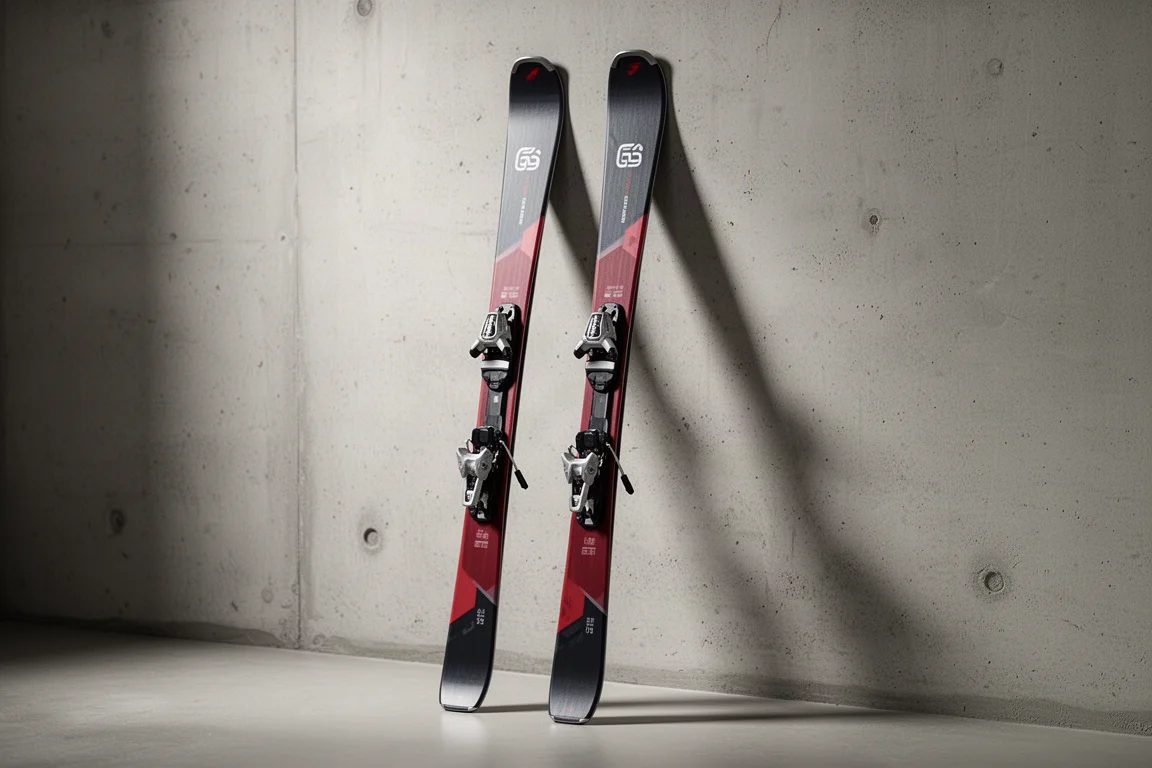
The Salomon QST GS 12 is a dense, powerful, and stable ski that behaves like a race-bred GS tool rather than an all-mountain cruiser. It is built for skiers who want a firm, planted platform underfoot and are willing to supply the input it asks for in return.
The construction backs that character up. A full ash wood core sits at the centre of the sandwich, with a full sheet of titanal positioned below the core, just above the base. The upper titanal layer follows a similar approach to the Stance line, with windows cut into the metal and filled with cork. That combination trims swing weight without giving up the dampness the ski needs at higher speeds. The sidewalls are another deliberate detail: they are angled at 7 degrees and measure 7 mm thick, wider than most sidewalls, which helps drive power to the edges and supports higher edge angles without the ski feeling catchy or losing purchase.
In the 175 cm length the ski carries a 17 m radius and a measured weight of 3,371 g with bindings mounted. That is a substantial number, and for this category it is exactly the point.
Who This Ski Is For
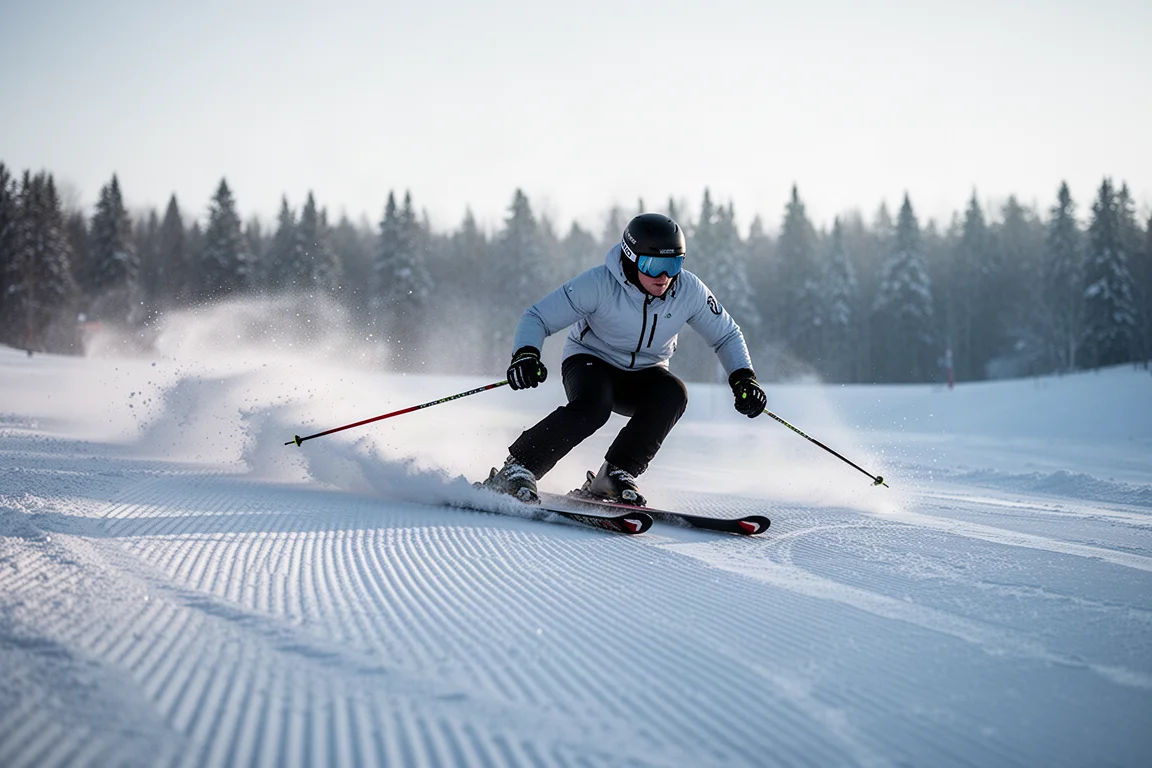
This is a specialist ski aimed at full-blown expert skiers. It is narrow, carries little to no float, and needs an extremely firm surface to work the way it was designed to. Put it on hard, fast, groomed terrain and it feels locked in. Put it in soft snow and it will not carry you.
The flex is stiff and consistent from tip to tail, so the ski responds best once you are already in a rhythm and a turn shape. Getting it to bend takes real effort, and it rewards assertive technique with precision rather than forgiveness. Skiers who like a ski that keeps them honest and demands their full attention will find a lot to like here.
If you prefer a relaxed, low-input ride or you split your time between groomers and soft snow, this is not the tool for that job. Riders who spend their days on hardpack and want a race-adjacent feel are the right audience.
Main Strengths
Built for Speed and Stability
Stability at speed is the defining trait. The ash core, the two titanal layers, and the cork-filled cutouts work together to produce a damp, rock-solid platform that holds its composure when you push it on firm snow. The heft is deliberate: it is what gives you the confidence to commit at higher speeds instead of backing off.
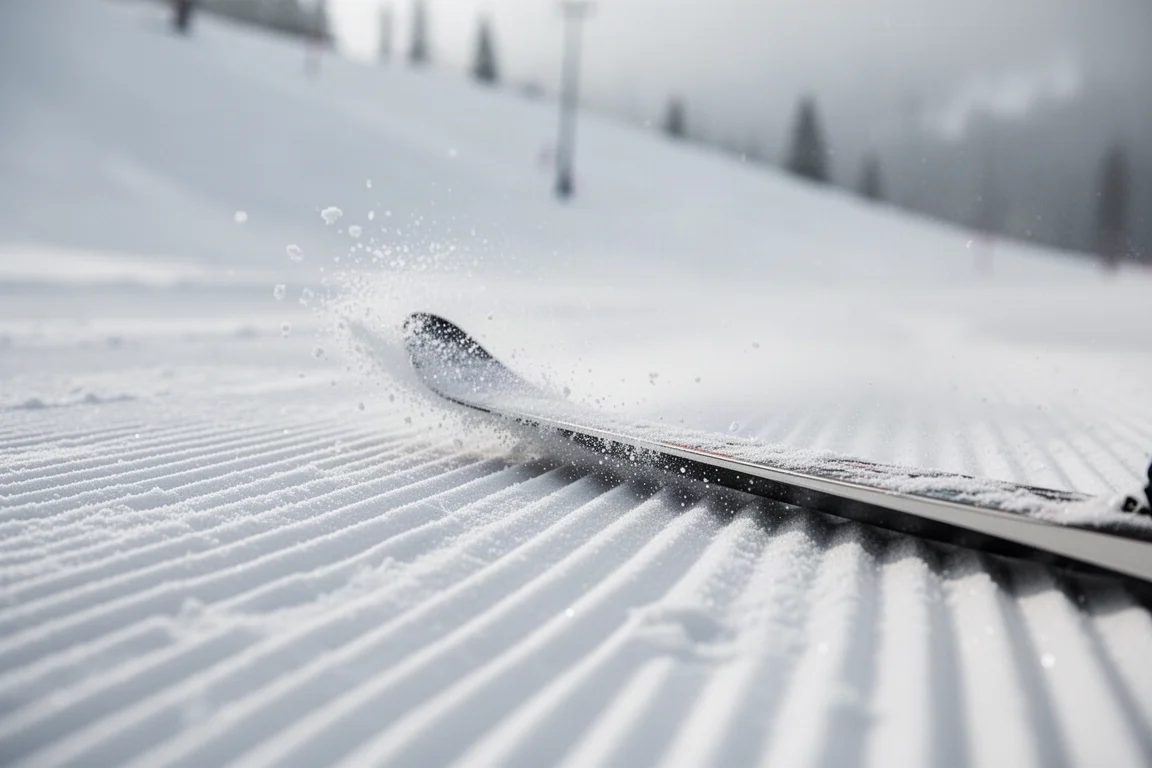
That same build also makes the ski feel remarkably smooth for how much power it delivers. The cork in the upper metal layer keeps the swing weight in check so the ski still feels manageable in transition, while the dampness stays intact where it matters most.
Precision Through the Turn
The tip engages early and pulls hard. As edge angle increases, the ski initiates more aggressively and tracks with a level of accuracy that feels surgical. There is almost no taper in the sidecut, and that near-continuous profile means even a small amount of edge angle sends the ski ripping across the fall line. Despite the 17 m radius, it turns quickly and eagerly.
The tail is equally engaged. Very little taper there produces a locked-in, fast finish to the turn with no loss of purchase at the end. Test feedback from an experienced ski instructor described the ski as well-balanced, powerful, and very reactive through all turn shapes and speeds, adding that its versatility and smoothness stood out. A separate test note called it incredibly stiff and powerful, with surgical precision that requires delicate but assertive technique.
Rocker Profile That Rewards Edge Angle
There is more tip rocker here than you might expect from a GS-shaped ski, and it is long and low before sweeping up aggressively. The result is a lot of initiation from the tip at higher edge angles, plus a useful amount of slower-speed manoeuvrability. That low, extended rocker zone is what keeps the ski from feeling like a one-speed instrument when you are not charging flat out.
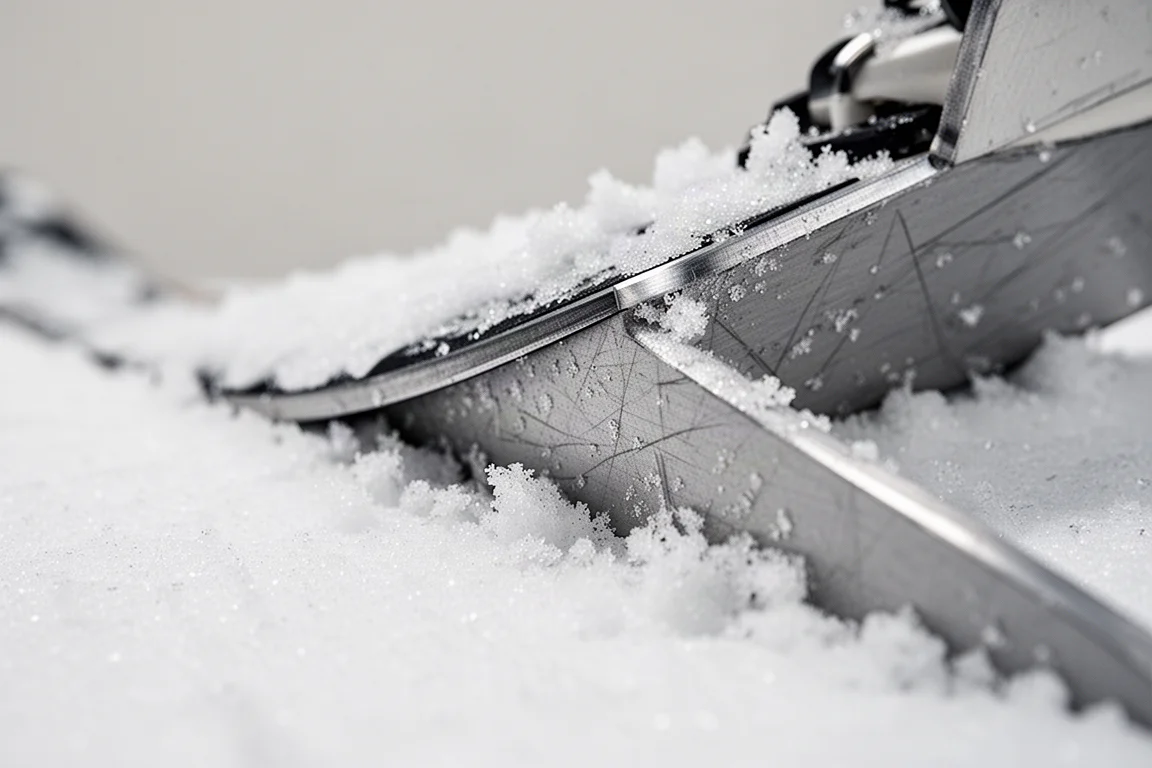
The tail rocker is more restrained and keeps the finish of the turn seriously engaged. Combined with the minimal taper, it produces a fast, locked-in exit rather than a washout, which is exactly what you want when the surface is firm and your speed is high.
Things to Consider Before Buying
The stiff flex is the first thing to plan around. This ski does not flex easily, and it will not generate its best turns without deliberate, committed input. Skiers coming from softer all-mountain shapes should expect an adjustment period.
Weight is the second consideration. At 3,371 g in the 175 cm length with bindings mounted, it is up there, and that heft is intentional for stability on firm snow. It is not a ski you choose for light swing weight or quick pivoting in tight, soft terrain.
Finally, the narrow shape and minimal float mean the ski needs an extremely firm surface. On soft or deep snow it will not perform the way it does on hardpack, and the design makes no attempt to hide that.
Buying Advice
Choose the QST GS 12 if your skiing is built around firm, fast groomed terrain and you want a platform that responds to precise, assertive technique with exceptional grip and stability. It suits skiers who already have strong fundamentals and enjoy a ski that requires focus on every turn.
If your days are split across varied conditions, or you want a ski that flatters tired legs late in the day, a more forgiving shape will serve you better. This one is best treated as a specialised tool for hard snow and high speeds, where its density, dampness, and edge hold make the most sense.
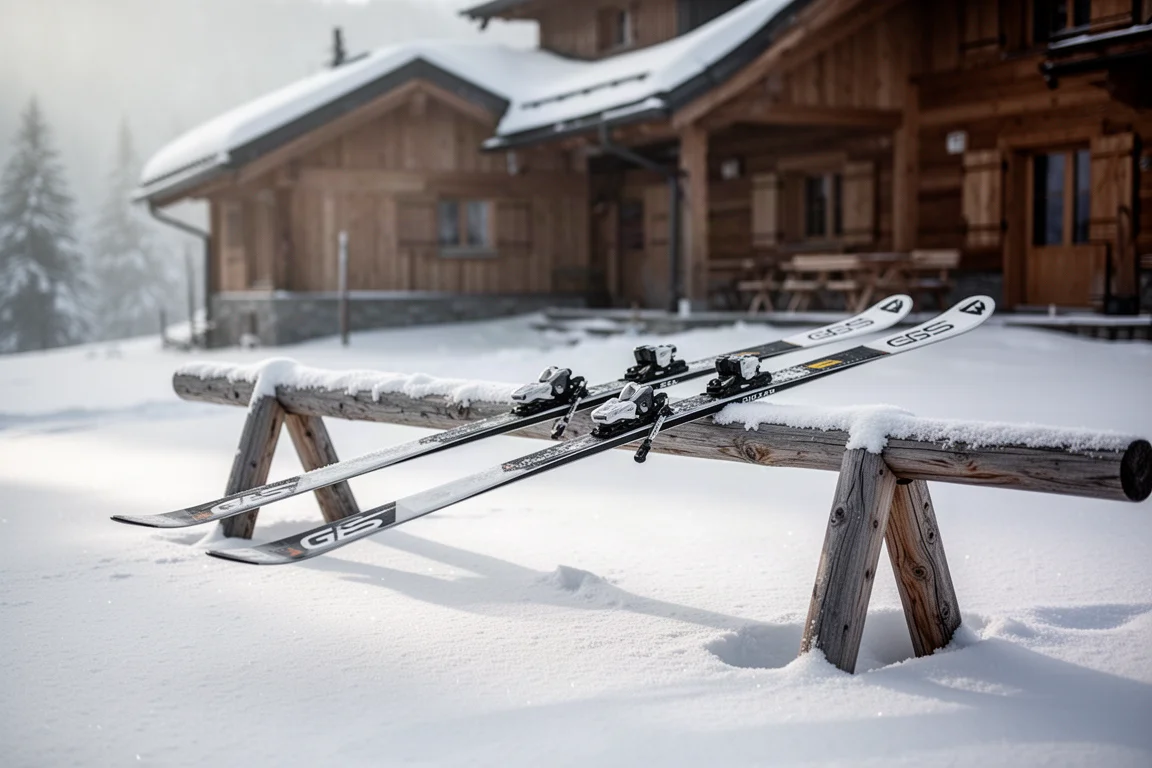
Sizing deserves attention as well. The 175 cm length pairs a 17 m radius with the substantial weight noted above, so the length you pick should match the turn shapes and speeds you actually ski rather than the terrain you hope to ski.
Conclusion
The Salomon QST GS 12 is a demanding, race-inspired ski with a full ash core, two titanal layers, and cork-filled metal cutouts that cut swing weight without sacrificing dampness. It is stiff, stable, and precise, with a tip and tail that stay engaged through the whole turn.
It is not for everyone, and it does not pretend to be. For expert skiers who spend their time on firm, fast groomers and want a ski that keeps them honest, it delivers a level of power and precision that is hard to match.
Product link
View more details for Salomon QST GS 12
This product is mentioned in the review. Check the specifications, options, and compatibility before buying.
View more details for Salomon QST GS 12Further reading
Related Reviews
Alpine Skis
Atomic Redster X9 Review: An Ultra-Precise Carving Ski for Firm Snow
A close look at the Atomic Redster X9, a 65.5 mm carving ski built for firm groomed snow, covering its construction, strengths, limits, and who should buy it.
Alpine Skis
Atomic Redster X9 S Review: A Precision Carving Ski for Firm Snow
The Atomic Redster X9 S pairs a 65.5 mm waist with race-derived construction and steel damping, delivering knife-like precision on firm groomers.
Alpine Skis
Blizzard Thunderbird R15 WB Review: A 76 mm Frontside Carver Compared With the Firebird HRC
A practical look at the Blizzard Thunderbird R15 WB, its TrueBlend core and Active Carbon Armor, and how it differs from the race-oriented Firebird HRC.