Ski Gear
Salomon QST Blank vs QST X 116 vs QST 106: Which Ski Fits Your Day?
A practical look at three Salomon QST skis, from the versatile 106 to the playful Blank and the surfy X 116, and the skier each one suits.
Introduction
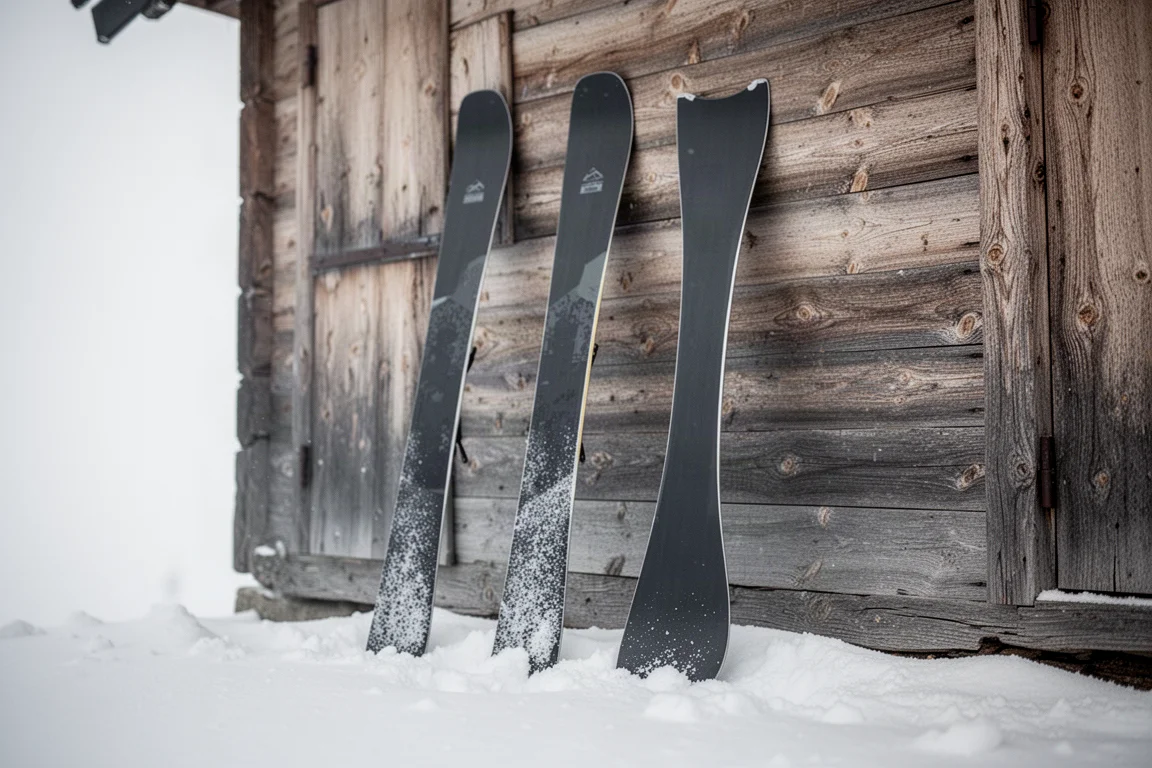
Three skis from one family, separated by only a few millimetres of waist width, yet each one asks for something different from the person standing on it. Across two days of steady snowfall at Alta, the Salomon QST 106, the QST Blank and the QST X 116 were passed back and forth between skiers of different sizes and styles, including Salomon’s alpine product manager for skis and bindings.
The result was a clean split: one ski that works almost anywhere, one that charges and pops, and one that surfs. This guide covers what each ski does well, where it gives something up, and the type of skier it suits.
The Salomon QST Line at a Glance
The QST range is built around a simple idea: the same family feel, offered in a progressive spread of widths. The QST 106 sits in the middle at 106 mm underfoot, the QST Blank steps up in width, and the QST X 116 is the widest of the three at 116 mm, just 4 mm wider than the Blank underfoot. Narrower widths in the line, such as the 92 and 98, give skiers in lower-snow regions a comparable daily driver.
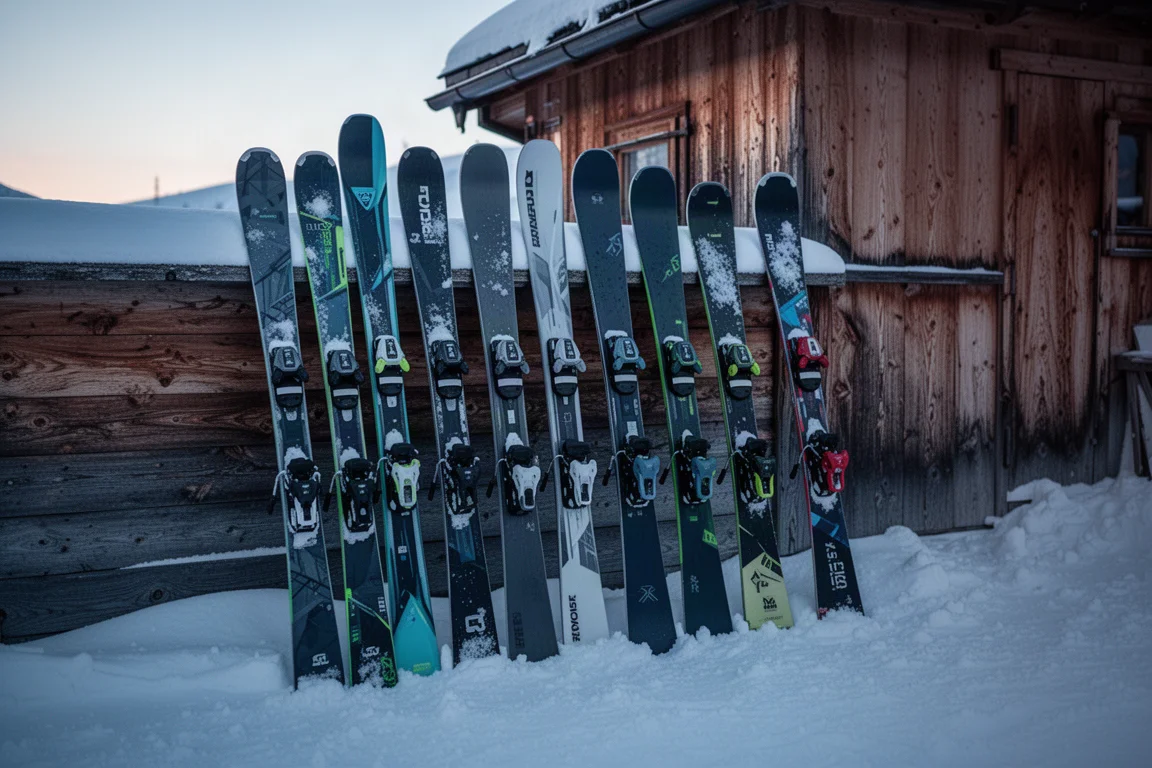
That shared character is the point. Skiers who spend most of their season on firm or variable snow can stay on a narrower QST and still recognise the same handling when they travel, while skiers in deep-snow regions can move up the range as conditions demand. The three skis compared here cover the upper end of that spread, and the differences between them are more about intent than about numbers.
Salomon QST 106: The Everyday Driver
At 106 mm underfoot, the QST 106 is the most versatile ski in this group. It handles powder, firm snow and icy slopes without complaint, which is why it was named as the favourite in the line by someone who knows the range better than most. Skied in a 181 cm length with a Shift 2 binding, it also doubles as a setup that can tour.
The practical framing is regional. In a low-snow home resort, the QST 106 functions as a powder ski. Out west, in a season with regular storms, it is the safe everyday choice when you do not know what the day will bring. Only in the deepest snow does it start to feel like work, and that is the point at which the wider options take over.
Its limits show up in the same place as its strengths. In bottomless conditions, a 181 cm QST 106 asked for more effort and attention than the wider skis, which is a fair trade for a ski that is otherwise content on groomers, chop and wind-affected snow.
Salomon QST Blank: The Playful, Utilitarian Powder Ski
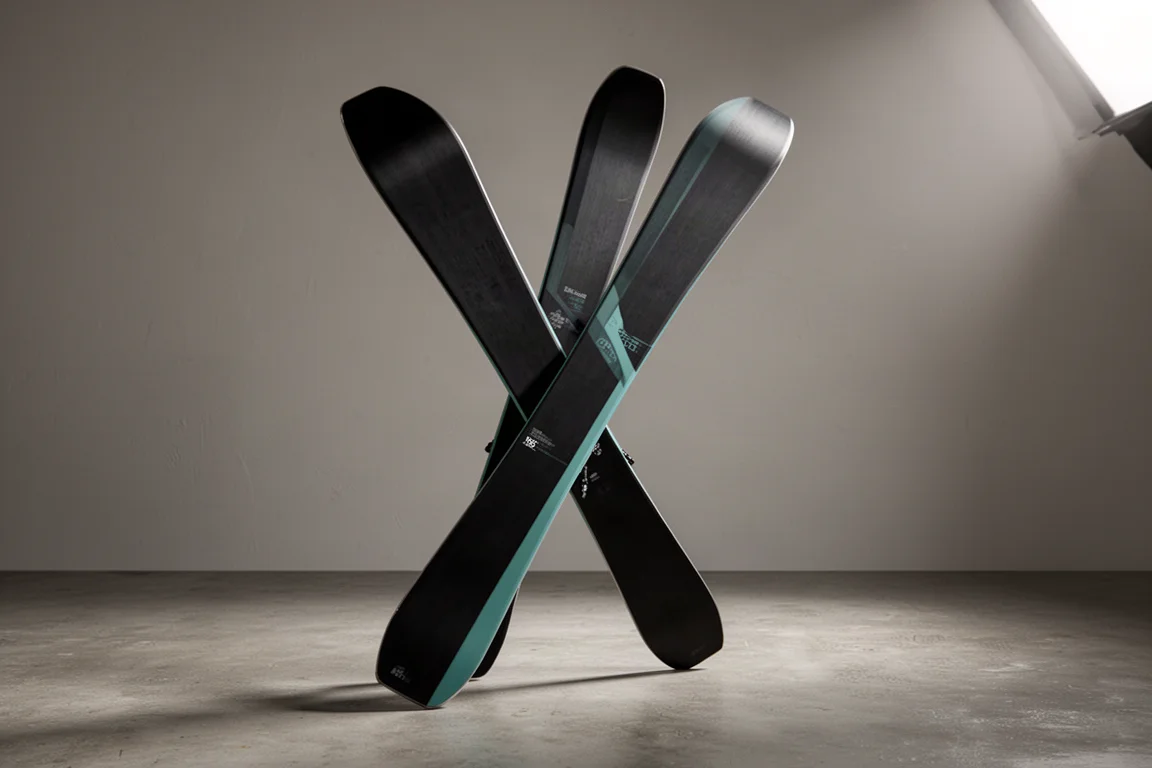
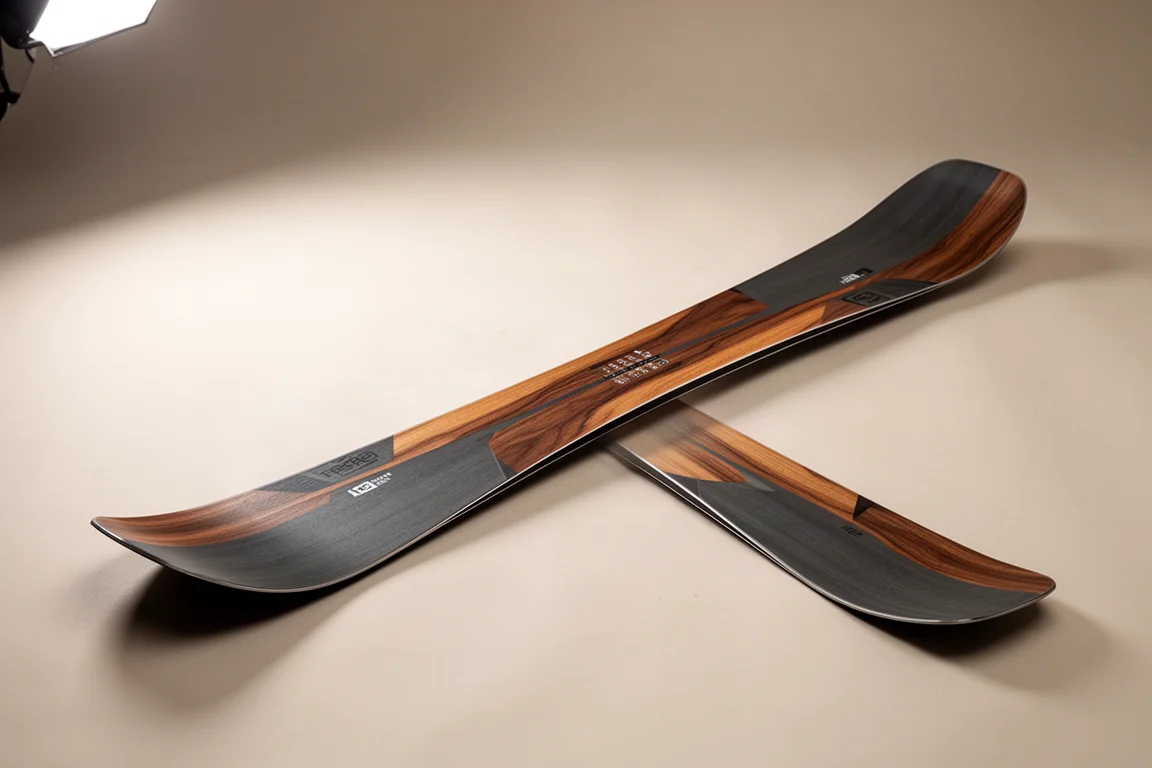
The QST Blank is the more utilitarian resort powder ski of the two wider options. A lighter, shorter skier on a 186 cm length found it easy to flick around, which is worth noting for anyone who assumes that a wider ski automatically means more work. The turn radius helps here, keeping the ski manageable in tight terrain without giving up float.
The character is playful rather than passive. It wants to bounce, pop off small features and get into the next turn, yet it stays stable underfoot and solid on landings. It moves cleanly between wide-open bowls and tree runs, and it was still fun on groomers at the end of a long day.
Where the Blank wins is utility. It behaves like a regular resort powder ski, which makes it the better pick when you want one ski to cover a whole trip rather than one specific kind of day.
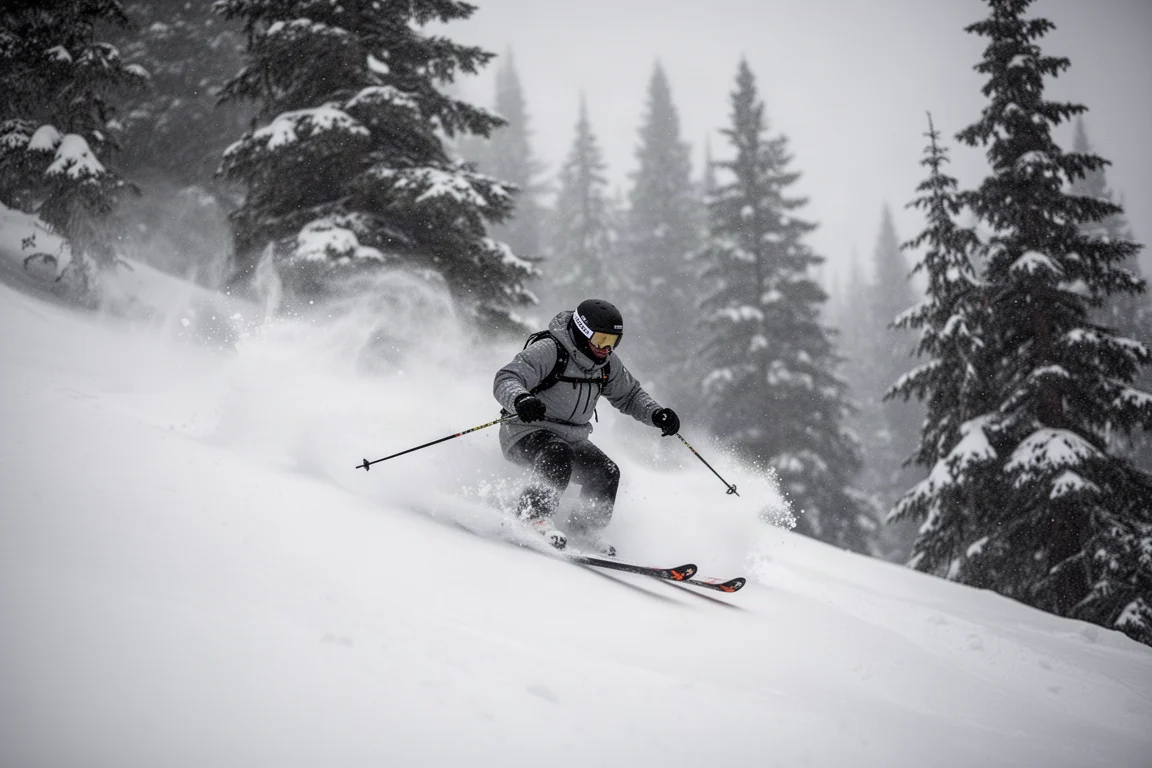
For skiers who like a charging, all-conditions ski that can be pushed hard and jumped off natural features, the Blank is the natural choice in this group. It rewards a skier who wants to load the ski and drive it rather than drift through the turn.
Salomon QST X 116: The Surfy Specialty Ski
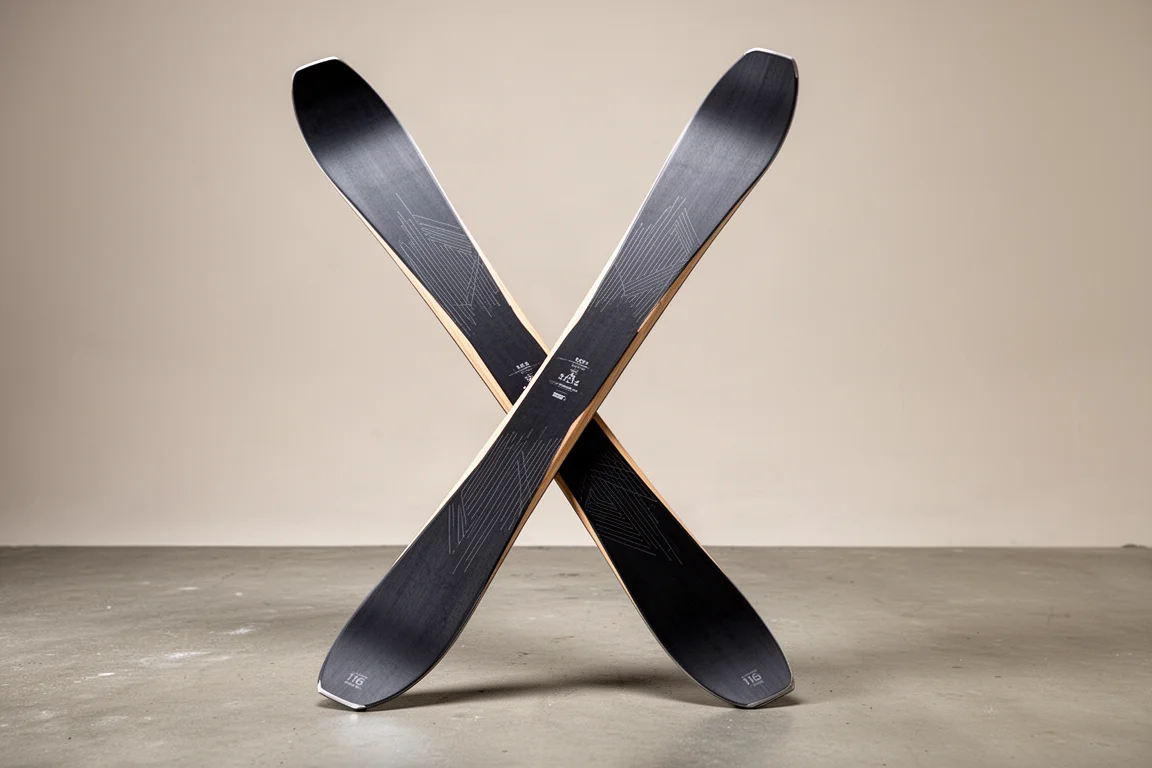
The QST X 116 is 4 mm wider than the Blank underfoot, but the shape matters more than the number. Its tip is narrower and flares outward later, a taper that makes the ski easier to swing around and smear. It also feels slightly lighter. On the first run, that difference is immediately obvious to a skier who has spent the morning on the Blank.
That shaping pushes the X 116 toward a surfy, smeary feel. It prefers a turn that flows and drifts rather than one that loads and rebounds, which is why it was described as a specialty tool next to the more utilitarian Blank. Skiers who like to slide the tail and let the ski run sideways will feel at home. Skiers who want to drive the front of the ski will find less to work with in firmer conditions.
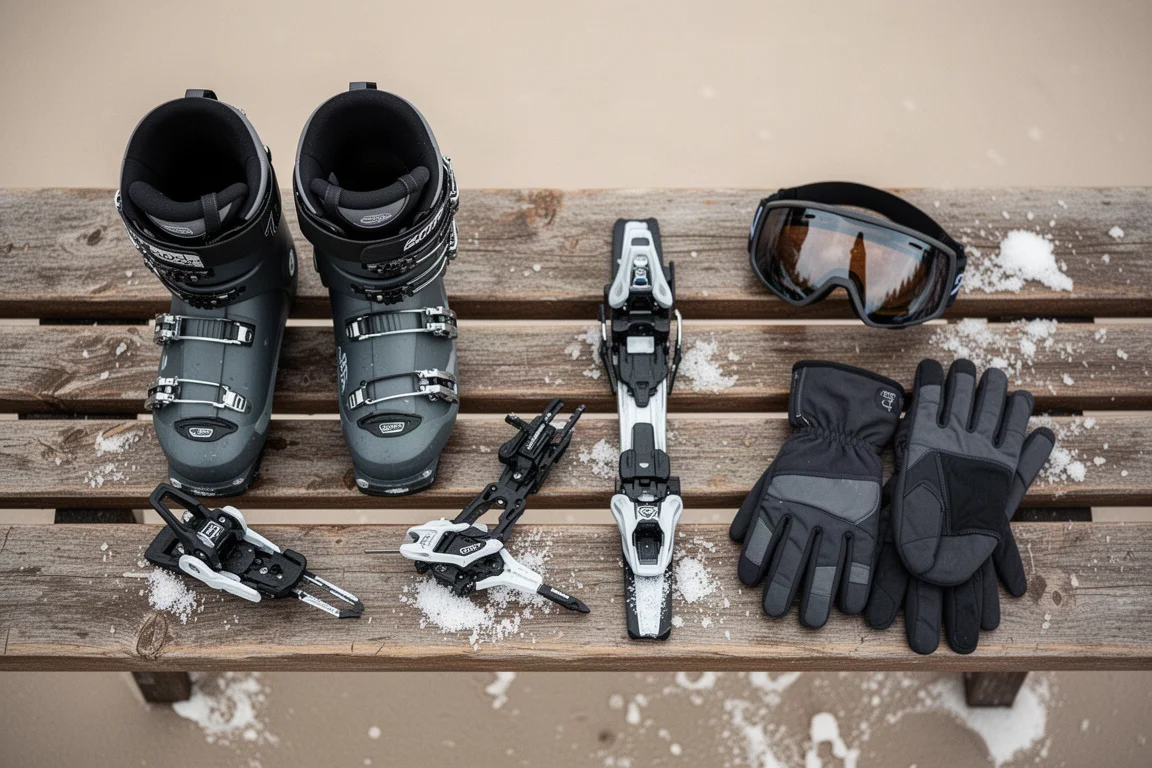
Bindings reinforce the intent. The X 116 was skied with a Shift 2 and with a lighter MTN binding, and it is a natural match for pin bindings and lighter touring setups. That versatility in setup is part of why it works as a dedicated soft-snow ski for a playful skier.
Who Should Buy Which Ski
Deep, consistent snowfall changes the answer. On a day with nonstop snow at Alta, the QST X 116 was the pick for the skier who wanted maximum surf and float. When the snow is less constant and the day mixes powder, chop and groomed runs, the QST Blank becomes the more useful ski.
For most skiers who travel and want a single pair, the QST 106 is the least risky choice. It covers the widest range of conditions, and it is the ski that the broadest range of skiers will get along with immediately, from a lighter skier on a shorter length to a heavier skier who wants a stable platform.
The QST Blank suits a skier who charges, jumps and wants a powder-oriented ski that still behaves on a groomer. The QST X 116 suits a playful skier who prioritises float, smearing and a lighter touring-capable setup, and who accepts that firmer snow is not where it shines.
Buying Advice: Matching the Ski to the Day
Start with the snow you actually ski. If your season is mostly firm, variable or machine-groomed with occasional storms, a 106 mm ski in this family covers almost everything, and the narrower widths in the line make even more sense. If you get regular deep days and want a ski that stays fun when the snow is chopped up, the Blank is the more versatile of the two wider options.
If you chase powder, prefer a loose, surfy turn and want the option of a light touring binding, the QST X 116 is the specialist here. Its shape gives up some performance in firmer snow, and that trade is only worth making if deep, soft days make up a large part of your season.
Consider length as well as width. A lighter skier on a longer Blank still found it easy to manage, while a mid-length 106 was enough ski to feel like work in the deepest snow. Match the length to your weight, your terrain and how hard you intend to push, and the width decision becomes much simpler.
Conclusion
The QST 106, QST Blank and QST X 116 are not three competing answers to the same question. They are three points on a spectrum. The 106 is the everyday ski that handles whatever the mountain offers, the Blank is the playful powder ski that still works as a resort daily driver, and the X 116 is the surf-focused specialist for deep, soft days and lighter setups.
Pick the one that matches the snow you ski most often, and the other two become easy decisions later.
Further reading
Related Reviews

Ski Gear
2023 Blizzard Hustle vs Rustler: Six Freeride Skis Compared
Blizzard's 2023 Hustle collection rebuilds the Rustler shape with a lighter core and no metal. Here is how all six skis differ, and which one suits your riding.

Ski Gear
2023 Skis of the Year: Atomic Maverick 88 TI, Salomon QST 106, and Look SPX 12 Pro
Three standout ski picks for all-mountain carving, powder days, and reliable binding performance, with practical buying notes for 2023 models.

Ski Gear
2025 Nordica Enforcer 104 Review: A Directional Charger Replaces the 104 Free
The 2025 Nordica Enforcer 104 drops the Free name and the twin-tip personality, gaining weight, stiffness and composure in rough snow. Here is what changed and who it suits.