All-Mountain Skis
Salomon QST 98 vs Atomic Maverick 100 TI: Two 100mm All-Mountain Skis Compared
A closer look at the Salomon QST 98 and the Atomic Maverick 100 TI, two 100 mm all-mountain skis with very different ideas about float, turn shape, and carving feel.
Introduction
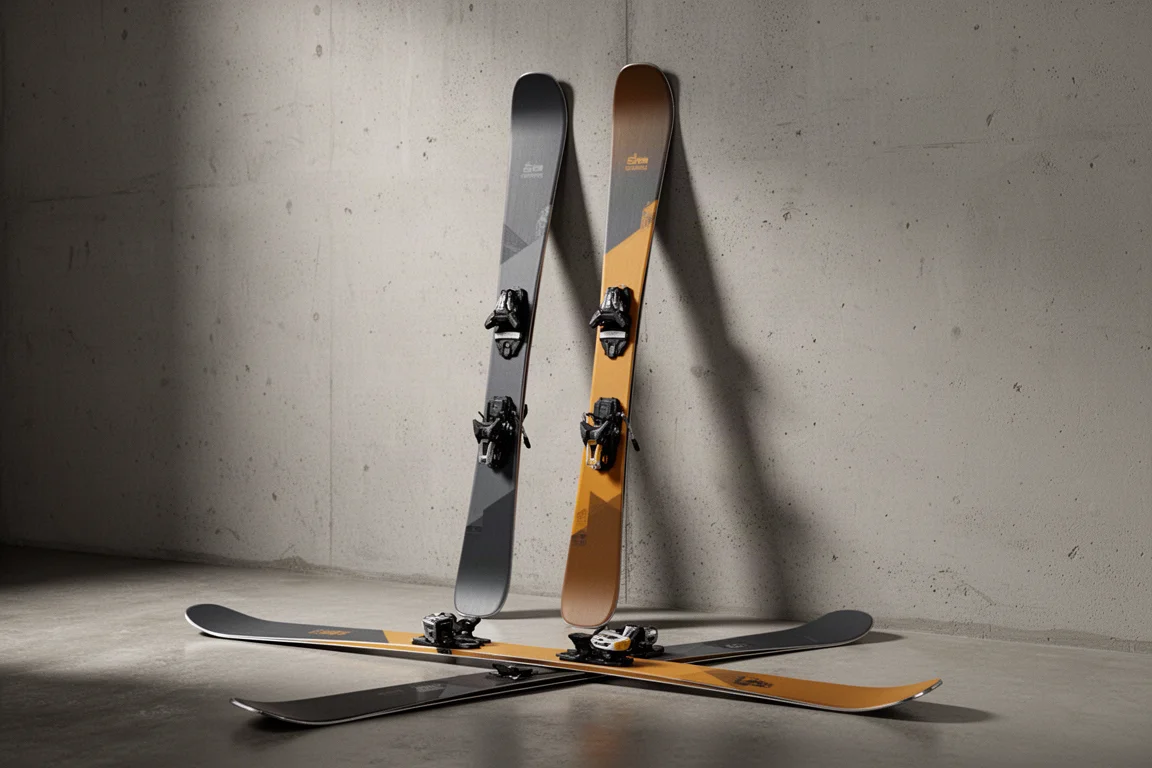
A 100 mm waist occupies a useful middle ground in an all-mountain quiver. It is wide enough to float in soft snow and narrow enough to keep a genuine carving feel, which makes it a common answer for riders who want one pair of skis to cover most days. The trade-off is honest: edge to edge transitions take a little longer than on an 88 or 90 mm ski, and tight slalom turns ask for more effort.
Two skis show how differently that brief can be read. The Salomon QST 98 leans toward soft-snow buoyancy while keeping a firm, grippy midsection. The Atomic Maverick 100 TI gives up some of the quickness found in its narrower siblings in exchange for extra flotation and a longer, more open turn shape.
This guide covers what each ski does well, where each one asks for patience, and which rider is likely to get the most out of either.
What a 100mm Waist Gives You
The case for this width is straightforward. If carving matters to you but your priorities lean toward powder rather than a 90 mm or 88 mm ski, a 100 mm waist is a reasonable compromise. You give up some responsiveness, and you give up the snappiness that makes short, tight turns easy. In return you get noticeably more flotation, and for many riders that trade is worth making.
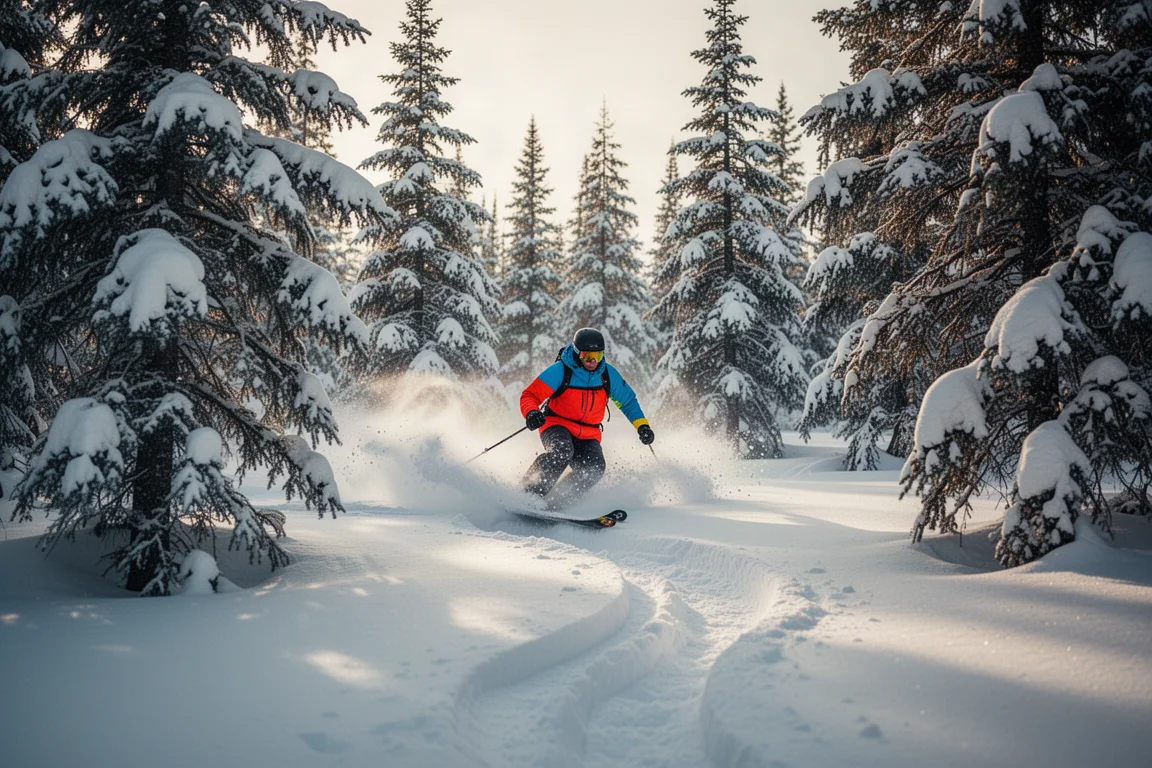
It is also worth being clear about what this category is not. If your days are mostly groomers with light powder, a narrower ski will feel more rewarding. And if you are shopping specifically for a powder and park ski, going all the way to a dedicated model makes more sense than stopping halfway. The interesting space belongs to skis that carve well and float well at the same time, and the range of options in this width is broader than it has been.
Salomon QST 98: Buoyant in Soft Snow, Confident on Edge
The QST 98 measures 98 mm underfoot, and its soft-snow performance is the headline. What stands out is how it manages that without a heavy, metal-dense build. There is no titanal in the construction, yet the ski floats well and still holds an edge cleanly through the turn.
A poplar wood core sits at the centre of the build, paired with a CFX material and dampeners in the tips and tails. Underfoot, a double sidewall construction adds the stiffness the shape needs. Without those elements, the pronounced shape alone would be agile but little else. The construction is what supplies the pop, the power, and the stability.
Weight lands at 1970 g, which is middle of the road: not ultralight, not heavy. The profile is dramatic, with substantial tip rocker, plenty of early taper, and a large amount of tail rocker. On firm snow, the effective edge is roughly half the length of the ski. The turn radius is 17 m, which keeps it from feeling excessively turny, so trees, moguls, and powder all remain on the table alongside groomers.
That combination usually suggests a ski that washes out easily, but the QST 98 stays stiff through the middle. That stiffness matters for two reasons: torsional grip while the ski is loaded, and the energy return you feel as the turn releases. The result is a ski that feels comfortable at the apex of the turn, which is exactly where a versatile ski needs to feel trustworthy.
The same shape makes it friendly in the air and in switch. There is enough rise in the tail to ski backwards comfortably, and the raised tips stay out of the way during spins, which helps riders working on 180s and entry-level park tricks. The one genuine caveat is that the ski does not enjoy having a turn abandoned halfway through. If you start a turn and need to change your mind, whether because of unexpected snow or a change in plan, it resists. It wants the apex completed.
Atomic Maverick 100 TI: Longer Turns, More Float
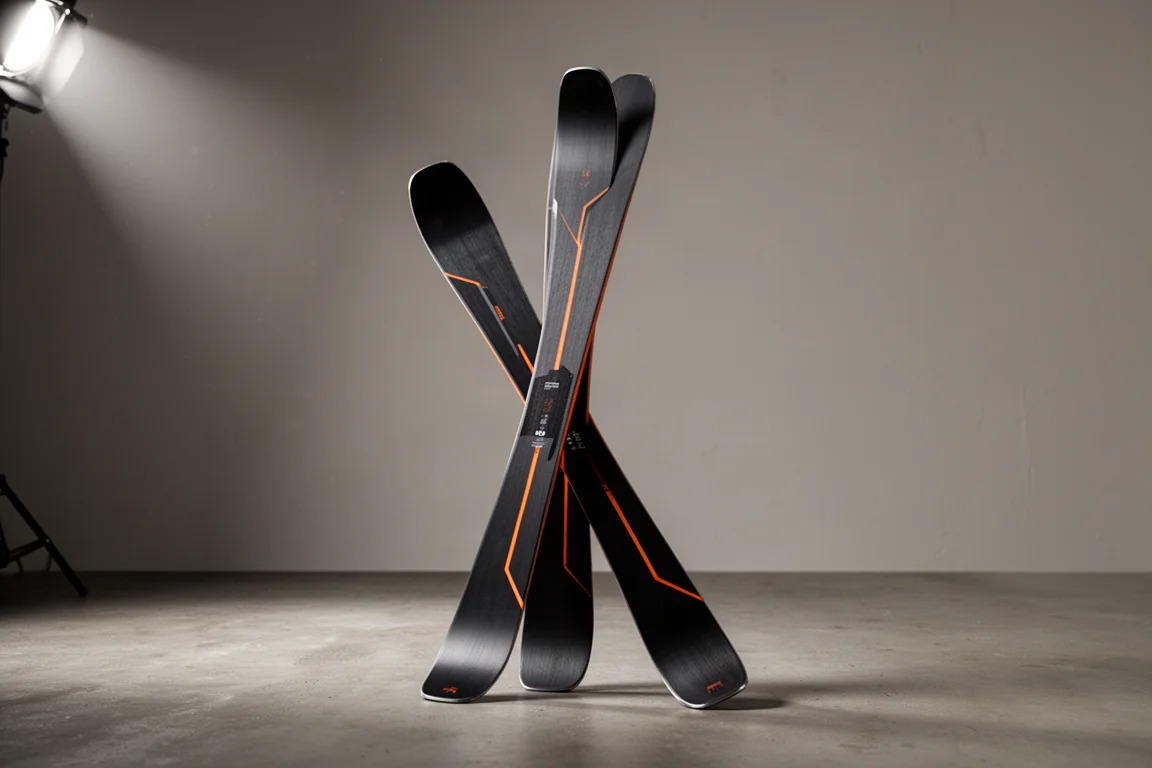
The Maverick 100 TI sits at the wide end of a series that also includes 88 mm and 95 mm versions. Riding the three back to back makes the differences clear. The 88 TI is the most responsive and snappy of the group. The 100 TI is noticeably less so, and making short, slalom-style turns takes more work.
What you gain in return is flotation, and it is a meaningful gain. The 100 TI prefers longer, more open turns in the style of a GS course, which suits its extra width. For a rider who values float in soft snow and is happy to let turns run long, that character is a feature rather than a limitation.
It is also worth knowing where this ski sits in its own family. The Maverick line shares space with the brand’s Bent and Backland series, so it does not always get the spotlight that the dedicated carving line receives. That does not change how it skis, but it does mean the Maverick models can be overlooked by shoppers who browse a brand’s best known names first.
The practical takeaway is simple. If you want the quickest, most responsive option in this family, look at the narrower version. If you want more float underfoot and you enjoy a longer turn shape, the 100 TI is the version that delivers it.
Weight, Buoyancy, and Rocker Explained
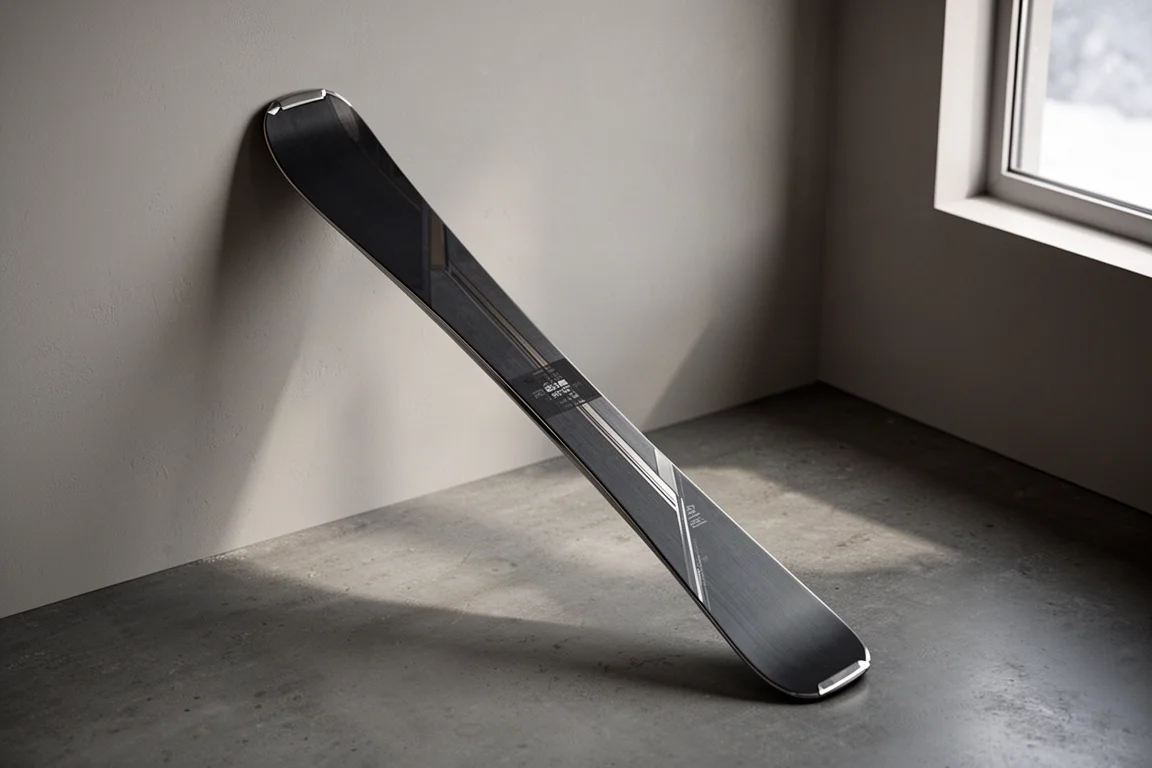
Weight and buoyancy get used interchangeably, but they are not the same thing. A light ski can still be dense enough to sink in soft snow, and a mid-weight ski can stay on top of it. The QST 98 is a good illustration: at 1970 g it is not a featherweight, yet it floats well because of how much surface area and taper the shape provides. Buoyancy comes from the design, not from the number on the scale.
Rocker and taper do most of that work. Generous tip rocker and early taper shorten the effective edge on firm snow, which makes edge release quick and pivoting in trees almost effortless. The same geometry that makes a ski loose in soft snow would make it vague on a groomer if nothing compensated for it. That is where a stiff midsection earns its place, letting you load the ski through the turn and get the energy back as it releases.
A 17 m radius keeps the QST 98 from feeling overly turny despite its short effective edge, so it can handle a range of turn shapes. The wider Maverick 100 TI follows similar principles in a broader package, which is why it leans toward longer arcs. Understanding that relationship makes the two skis easier to choose between.
Who Should Choose the Salomon QST 98
This is the ski to look at if you are an intermediate or advanced rider who wants to start spending more time in trees and soft snow without giving up the ability to carve. It is approachable enough that learning the mechanics of off-piste skiing on it will not feel like a fight, and it will not hold you back once you are comfortable on edge.
It also suits riders who want to ski switch, throw the occasional 180, or explore entry-level park tricks alongside their all-mountain days. The tail rocker and raised tips make that easier than a flatter, more traditional shape would.

Where it asks for patience is in turn changes. If your style involves constantly adjusting turn shape and feathering out of turns midway, the QST 98 will feel like it is working against you. Riders who commit to a turn and ride it through the apex will get far more out of it.
Who Should Choose the Atomic Maverick 100 TI
The Maverick 100 TI makes sense for riders who like to let a turn run. If your natural rhythm is longer and more open, the extra width and the GS-leaning character will feel settled rather than sluggish.
It is also a sensible pick if you have been skiing something narrower in the same family and want more float without stepping into a dedicated powder ski. Just be realistic about the trade: it will not snap into short turns the way the 88 mm version does, and it asks for a bit more input when you want to change direction quickly.
Buying Advice
Start with the snow you actually ski and the turn shape you actually enjoy, not with the width number. If most of your days are groomers with light powder, a narrower ski will feel more rewarding and more responsive. If you want one pair of skis for soft snow, trees, and groomers, the 100 mm range is where that compromise lives.

Between these two, the decision comes down to character. The QST 98 is the more playful and buoyant option, with quick edge release in soft snow and a firm, grippy midsection that makes carving genuinely enjoyable. Ride it centred and balanced rather than driving the shovel into firm snow, and its sidecut is easy to access. The Maverick 100 TI is the calmer option, happiest in longer turns, with extra flotation as the payoff for its slower edge to edge feel.
Whichever you choose, the goal is the same: match the ski to the turns you actually like to make, and the width compromise stops feeling like one.
Conclusion
A 100 mm waist is a compromise, but a well judged one. The Salomon QST 98 shows how much float and carving grip can be built into a shape without a metal-heavy construction, at the cost of some willingness to change turns midway. The Atomic Maverick 100 TI takes the other path, trading quickness for flotation and a longer, more open feel. Match either one to your terrain and your turn shape, and it will serve you well across most of the season.
Further reading
Related Reviews
All-Mountain Skis
100mm All-Mountain Skis Compared: 23 Versatile Models Worth Knowing
A practical walkthrough of 23 all-mountain skis around 100mm underfoot, covering weight, rocker, metal construction, and the rider each model suits best.
All-Mountain Skis
2026 Black Crows Camox Review: A More Stable, More Versatile All-Mountain Twin Tip
The 2026 Black Crows Camox adds an ash layer underfoot, wider tips and tails, and a revised rocker profile. Here is what those changes mean on snow.
All-Mountain Skis
Armada Antimatter 88 Review: A Light, Lively All-Mountain Ski That Rewards Any Style
The Antimatter 88 pairs a poplar core with carbon stringers for a surprisingly energetic ride that suits intermediates and experts alike.