Ski Gear
Salomon QST 2026 Line: QST 94, QST 100, QST 106, and Blank Compared
A practical look at Salomon's fourth-generation QST freeride line, covering the new QST 94, QST 100, QST 106, and QST Blank and who each one suits.
Introduction
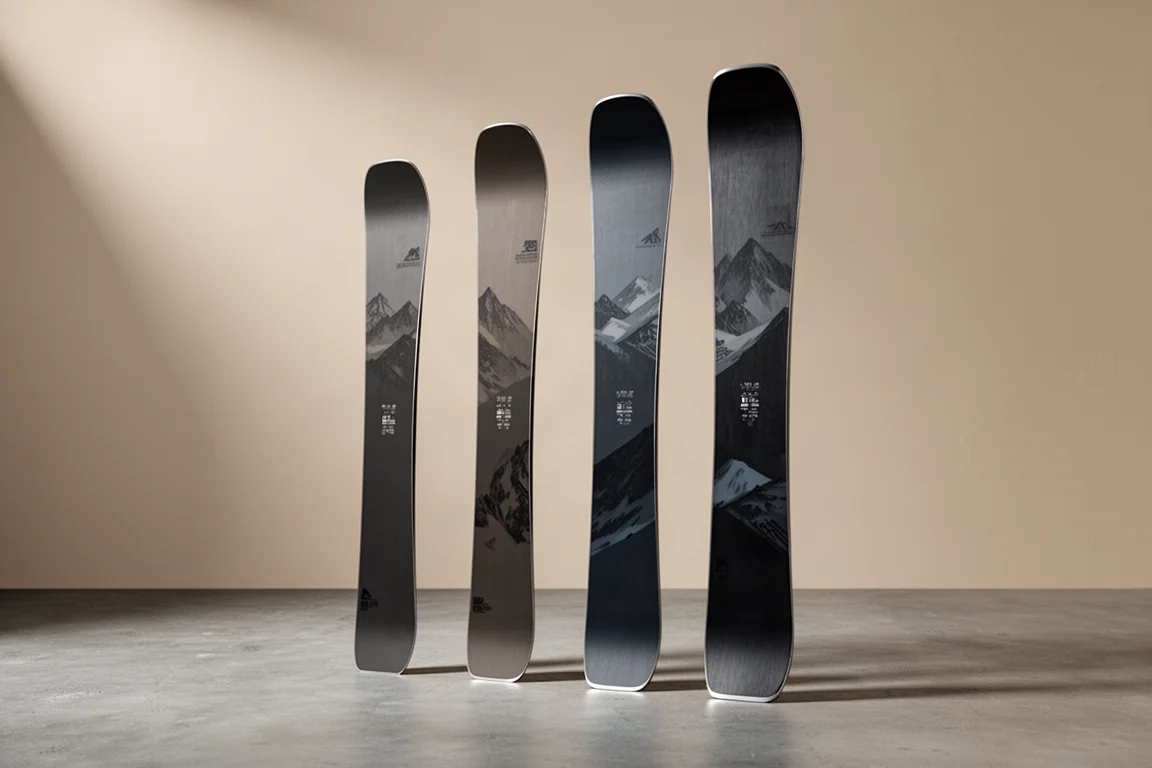
Salomon’s 2026 QST collection is the fourth generation of the freeride line, and it introduces four new models: the QST 94, QST 100, QST 106, and QST Blank. The QST X and QST Echo carry over structurally, with the Echo receiving new graphics. The QST 100 and the QST Blank are available early, so riders can order those two ahead of the wider launch.
The important detail is not simply that there are four skis. It is that all four now share one construction recipe while keeping their own individual shapes. That combination is what makes the line easier to understand and, in practice, easier to choose from.
What Changed Across the 2026 QST Line
Every new ski in the line uses the same construction approach. The core is a full-length wood core, pre-shaped in the factory so it carries the tip and tail rise rather than relying on the topsheet profile to create it. Running from tip to tail is a new backbone built from basalt and fiberglass, with a high basalt content. That replaces the previous generation’s blended backbone.
The other headline change is the damper. Cork has been used in QST skis for years, but the new build injects cork and TPU together in the tip and tail, creating a thicker, more substantial piece than before. It runs from the very tip and tail up to the rocker zone, which is exactly where a ski tends to chatter. That makes the effect most noticeable on firm, fast snow.
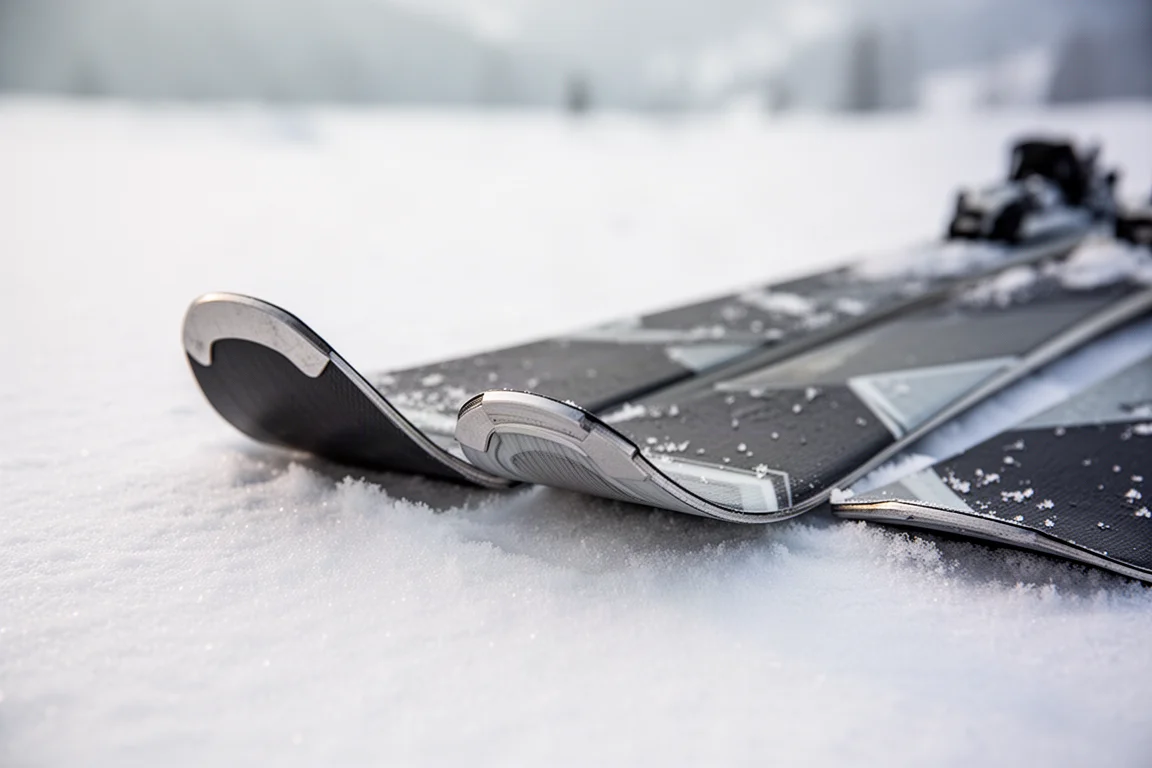
What makes this more than a single shared part is the tuning. Each model, and each size within each model, gets its own damper shaped for that specific ski. Core thickness curve, fiberglass placement, and overall shape stay independent, so the construction is consistent while the personality of each ski is not. The stated goal is a more homogeneous flex from tip to tail, and the practical result is a line where you can step onto any of the four and feel settled within a couple of runs rather than needing days to adjust.
Salomon QST 94
The QST 94 is a genuinely new width for Salomon, and it takes the freeride template in a narrower direction. Up front there is a generous shovel with a long tip rocker, which keeps the ski fluid and easy to steer in soft snow. The tail is the real story: it is fairly squared with a long tail rocker, and it is noticeably more supportive than the previous QST 92.
That support changes the character of the ski. Ride it flat and it stays loose, agile, and easy to pivot, so it never becomes a handful. Push it onto edge and the tail loads up and releases with real energy, giving a snappy finish to the turn and a shorter radius than the waist width suggests. It is offered in a 188cm length, and it comes in two colorways.
The 94 makes sense for riders who want a narrower ski that still carries freeride DNA. On firm, fast, or mixed conditions it has enough grip and stability to be pushed hard, while remaining approachable for skiers stepping up from a narrower all-mountain ski.
Salomon QST 100
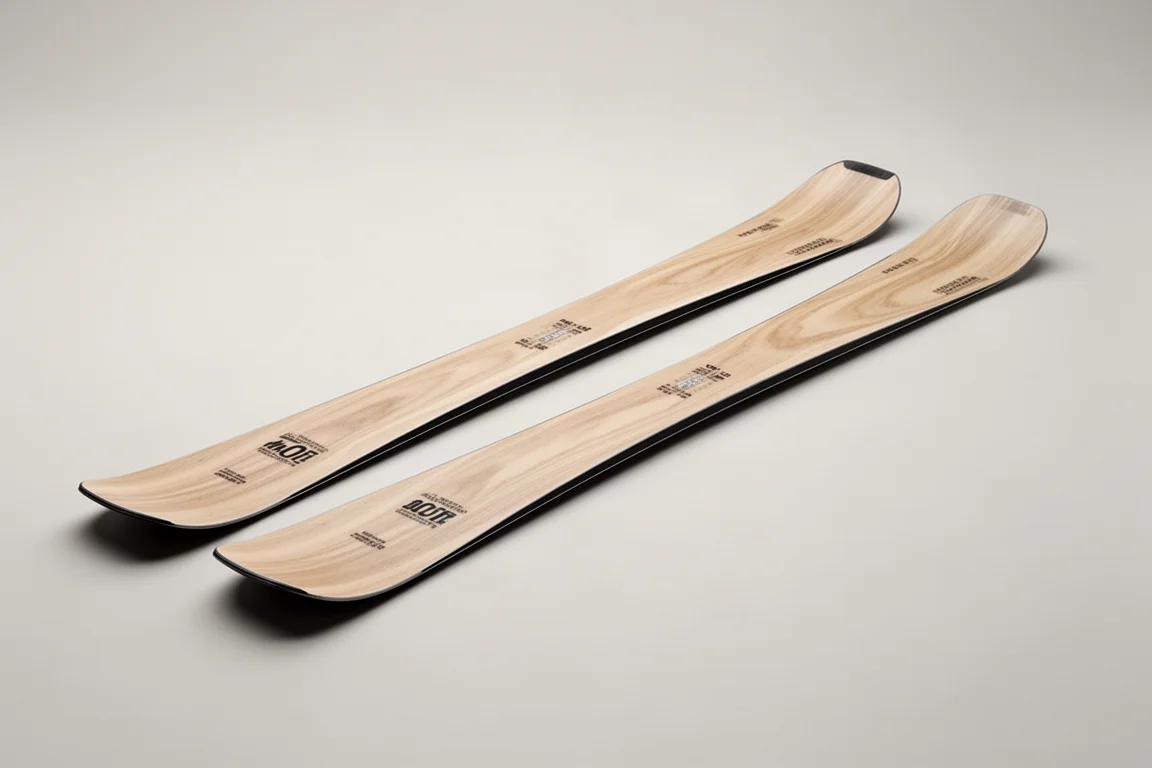
The QST 100 replaces the QST 98 and moves the waist to 100mm. It keeps generous rocker in both the tip and the tail, and it has the shortest effective contact platform in the entire QST collection. In practice that means it pivots easily and stays playful when you are not driving it hard, which is the quality that made the 98 such an easy ski to like.
The tip has been reworked as well. The contact points sit slightly higher and further from the centre of the ski than on the 98, which adds stability without sacrificing the loose, maneuverable feel. Turn engagement is crisper at the start, and the ski still holds its playful attitude through the middle and finish of the turn. It is available in two colorways.
For a lot of riders this will be the most useful ski in the range. It is the natural one-ski quiver option, comfortable across a wide spread of conditions and terrain, and it retains enough float and pivot to stay fun when the snow softens.
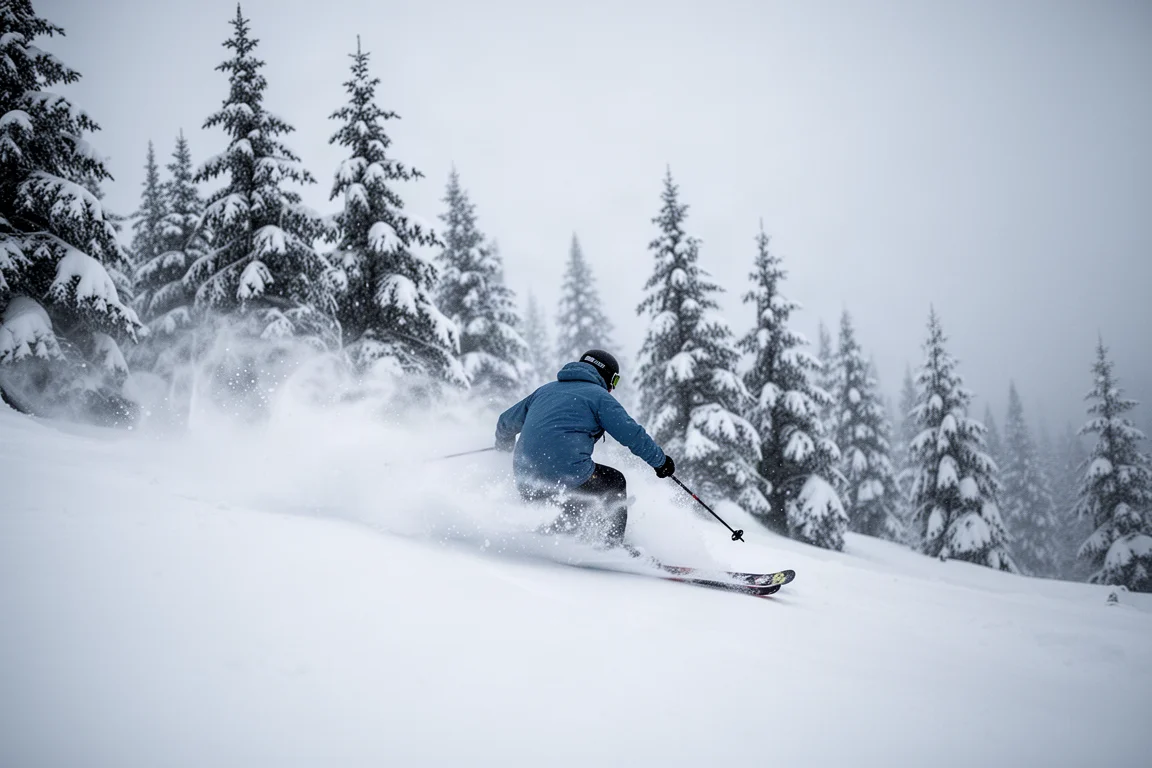
Because it is the shortest-contact ski in the line, it rewards a more active style. Riders who like to work the ski, hop between turns, and change rhythm constantly will get the most out of it. Those who prefer a longer, more locked-in arc will likely find more of what they want further up the line.
Salomon QST 106
The QST 106 is an evolution rather than a revolution, and that is deliberate. The shape has been reworked at the tip, where the contact points now sit slightly higher than on the previous generation, adding stability at high speed in challenging terrain. Combined with the new cork and TPU damper in the tip, the result is a ski that stays quieter and more composed when the snow is rough and fast.
The tail is the other meaningful change. It is more supportive than before, which brings more power to the finish of the turn and more support when you are landing. The ski still behaves like a one-ski quiver for a wide range of riders, but it now carries more of a charging character for those who ski fast and go big.
Salomon QST Blank
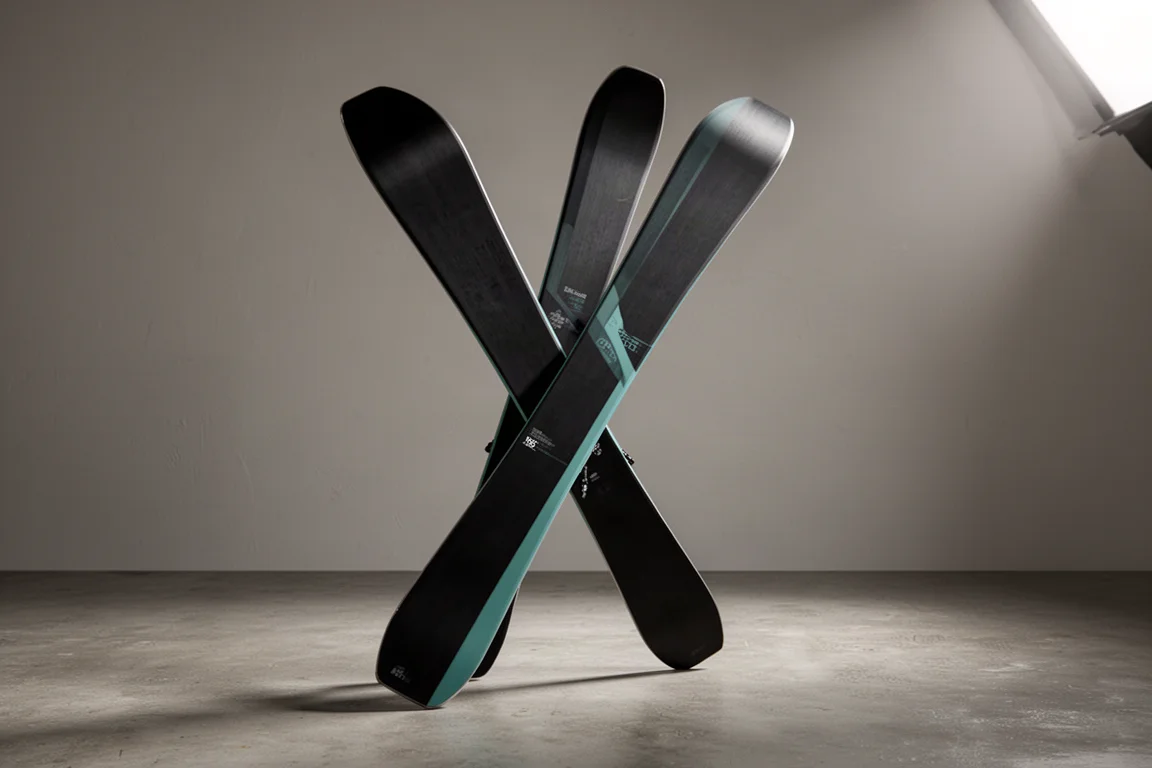
The QST Blank is now in its second generation, and it changes more than the 106. It keeps a very long rocker in the tail and a long rocker in the tip, and the tail itself has been substantially reworked: more support and a squarer shape, similar in approach to the 94 but taken further. The intent is to give strong skiers enough tail to land big airs without the ski folding or washing out.
The waist sits at 112mm, and the theoretical radius moves from 17m to 19m. On snow, the feeling stays quick. It remains remarkably maneuverable for its width, pivots easily, and moves edge to edge fast enough that short turns are genuinely on the table in soft conditions.
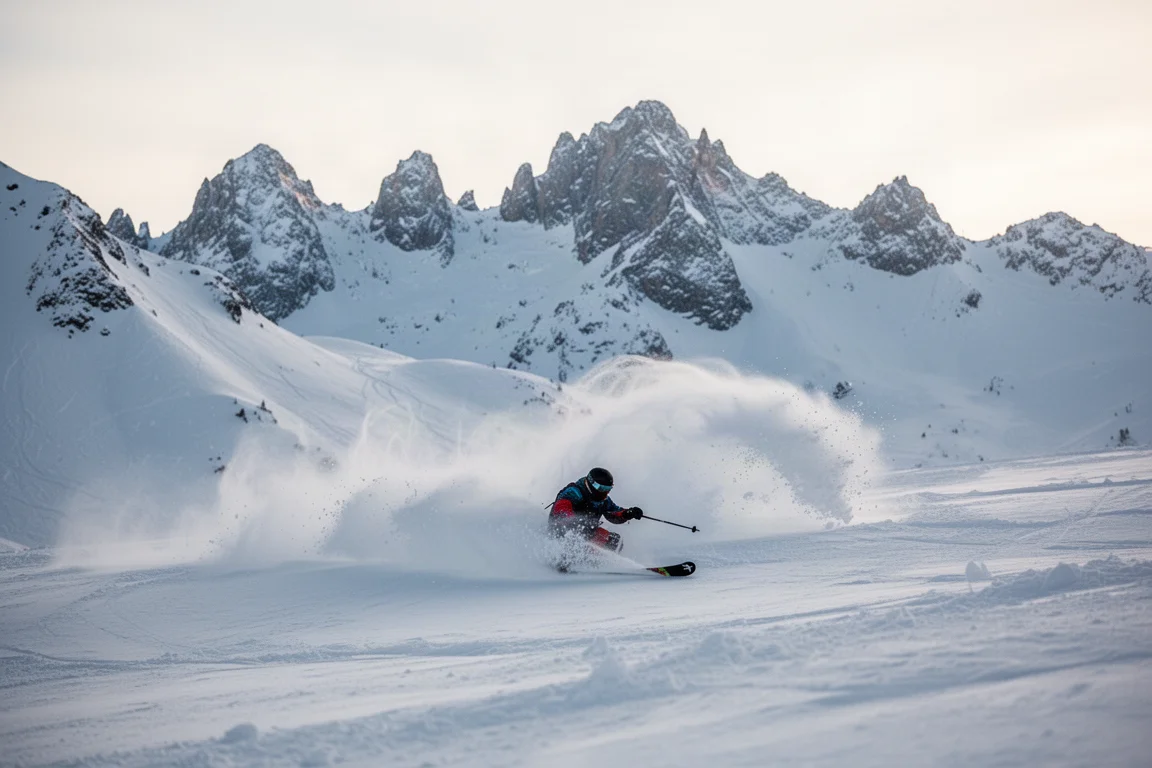
It is also now clearly separated from the QST X. The X is the playful, surfy, drifty option in the line, while the Blank is the hard-charging freeride ski. That distinction matters when you are choosing between them. The Blank is not a ski for everyone, and it is at its best with a strong skier on big terrain and deep snow.
Matching a QST to Your Terrain and Style
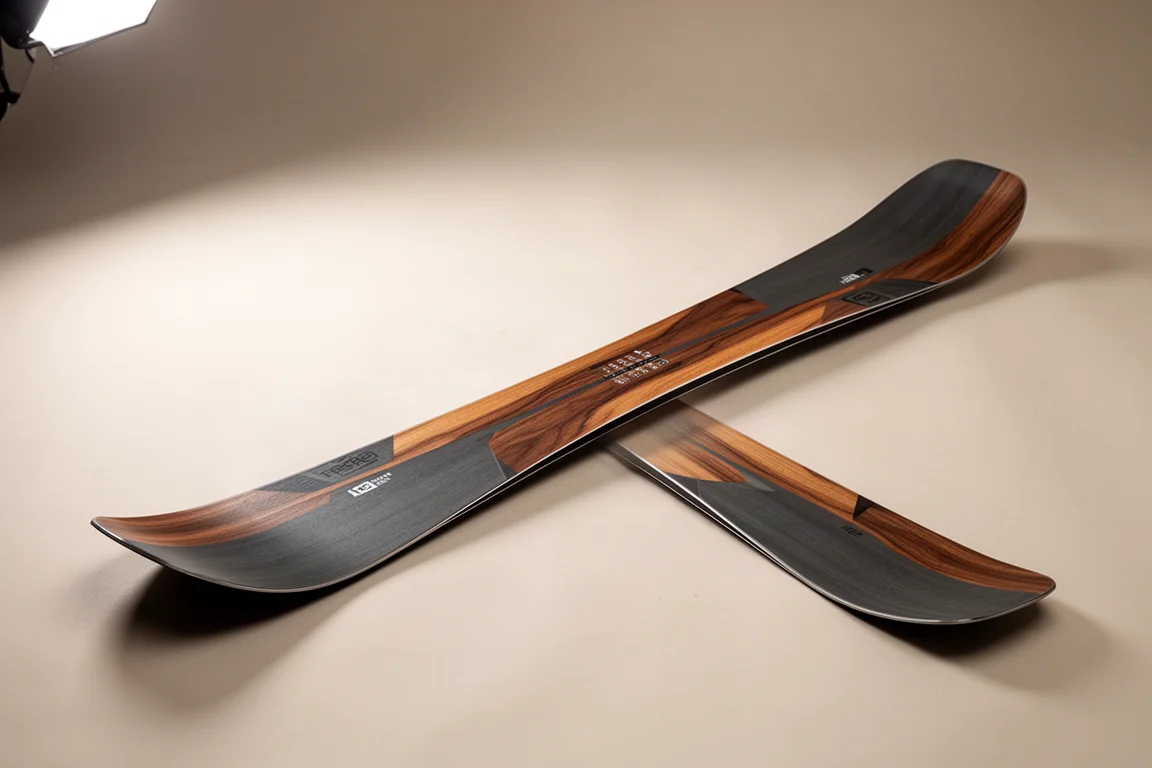
The cleanest way to choose within the line is to start from the snow you actually ski most often rather than the snow you hope to ski.
The QST 94 is the pick for firm, fast, and mixed conditions, for lower-snow regions, and for riders who value agility and a quick edge-to-edge feel over float. It is the ski in this group that will feel most at home on a hard groomer.
The QST 100 is the middle ground and the safest single-ski choice. It covers groomed terrain, soft snow, and everything in between, and it is the most playful ski in the collection.
The QST 106 is the step up for riders who spend more time in soft snow and want more stability at speed, with a tail that supports aggressive skiing and landings without turning the ski into work.
The QST Blank is the specialist. It is the deepest-snow and biggest-terrain option here, and it asks for a strong skier to get the most from it.
Buying Advice: Sizes, Availability, and What to Expect
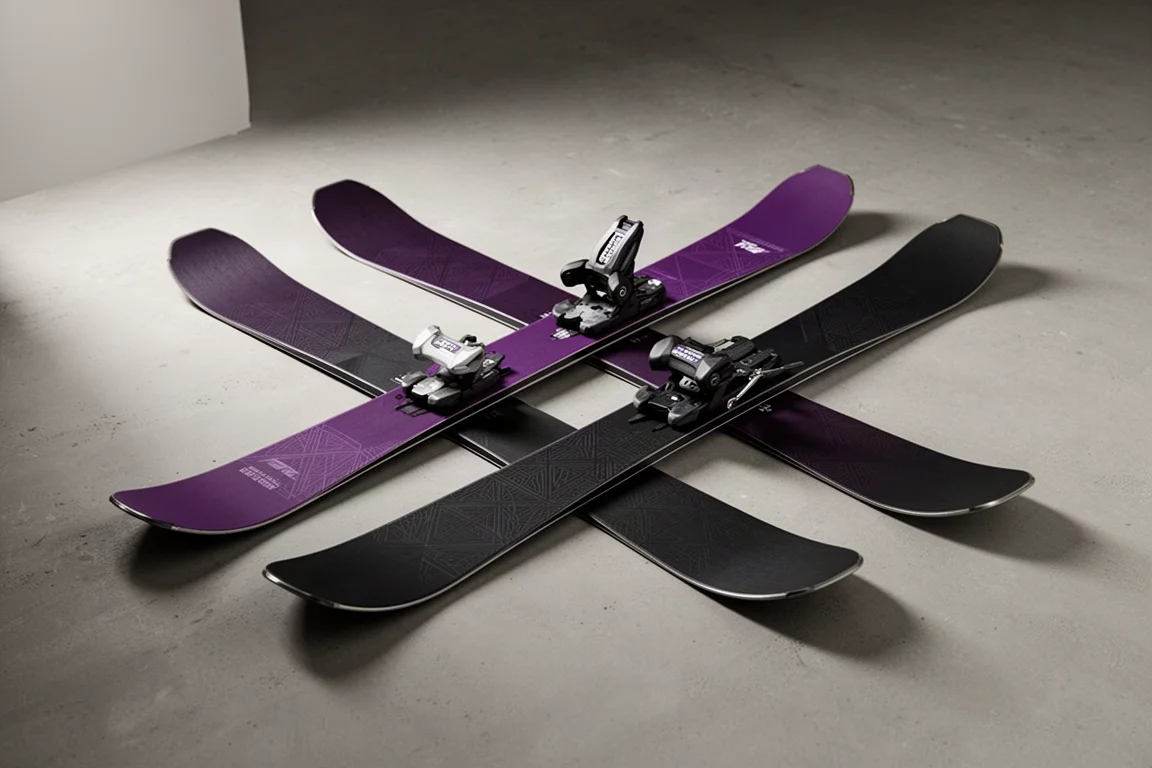
Availability is worth planning around. The QST 100 and the QST Blank are available early, which means they can be ordered now rather than waiting for the rest of the launch. The QST 94, the QST 100, and the QST 106 each come in two colorways, so there is a choice on the graphic side for three of the four models.
On sizing, the shared construction is the reason the line feels consistent underfoot. Because each model and each size gets its own damper and its own core profile, stepping from one width to another does not feel like stepping into a different brand. That makes it more reasonable than usual to pick the width that matches your conditions and trust that the feel will translate.
If you are replacing an older QST, the biggest adjustment will come from the tail. The 94 and the Blank have moved toward more supportive, squarer tails, and the 106 has gained support as well. Riders who liked a looser, more neutral tail will notice the difference most on firm snow, where the new skis feel more planted and more willing to be driven. Riders who always wanted more power out of the turn are the ones most likely to feel at home immediately.
Finally, be honest about the width. A 94 is not a deep-snow ski, and a 112mm Blank is not a daily driver for most people. The line is deliberately spread out, and the right answer is the narrowest ski that still handles the days you care about most.
Conclusion
The 2026 QST line is a coordinated update rather than four unrelated skis. A single construction recipe, with basalt and fiberglass running tip to tail and a cork and TPU damper tuned per model and per size, gives the range a consistent flex and a calmer ride in rough snow. On top of that, each ski keeps its own shape and personality.
The QST 94 is the agile, firm-snow option. The QST 100 is the versatile, playful all-rounder that will suit the largest number of riders. The QST 106 is the refined freeride choice for those who ski fast and want more support in the tail. The QST Blank is the dedicated big-terrain and deep-snow ski for strong skiers. Pick the width that matches your real conditions, and the rest of the line’s consistency will do the work for you.
Further reading
Related Reviews

Ski Gear
2023 Blizzard Hustle vs Rustler: Six Freeride Skis Compared
Blizzard's 2023 Hustle collection rebuilds the Rustler shape with a lighter core and no metal. Here is how all six skis differ, and which one suits your riding.

Ski Gear
2023 Skis of the Year: Atomic Maverick 88 TI, Salomon QST 106, and Look SPX 12 Pro
Three standout ski picks for all-mountain carving, powder days, and reliable binding performance, with practical buying notes for 2023 models.

Ski Gear
2025 Nordica Enforcer 104 Review: A Directional Charger Replaces the 104 Free
The 2025 Nordica Enforcer 104 drops the Free name and the twin-tip personality, gaining weight, stiffness and composure in rough snow. Here is what changed and who it suits.