Trail Running Shoes
Salomon Pulsar Trail Pro x CLN Athletics: First Run Impressions
Salomon's first plated trail shoe, in a limited CLN Athletics edition, put through a demanding 15.5-mile mixed-terrain relay leg straight out of the box.
Introduction
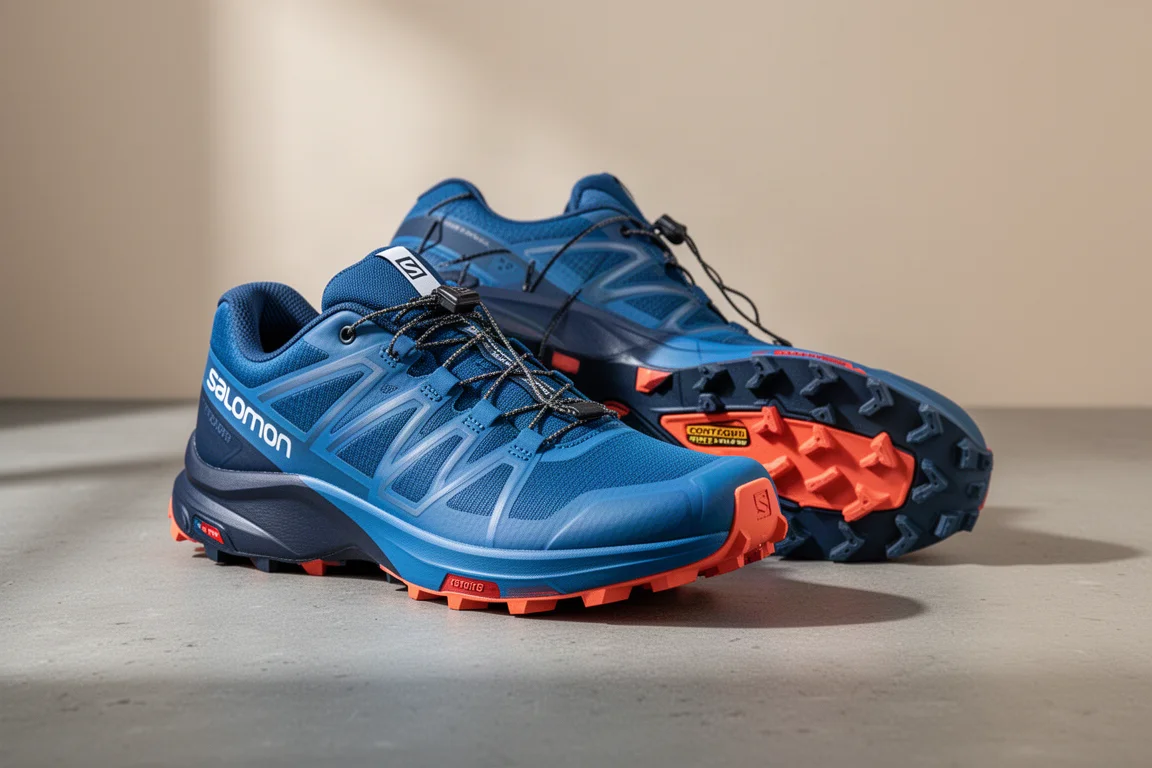
Some shoes arrive quietly. Others generate real anticipation before you have even laced them up. The Salomon Pulsar Trail Pro, in its limited edition collaboration with CLN Athletics, falls firmly into the second camp. This is not the standard version of the shoe: it is a bold, colorful collaboration that splits opinion with its look, including two slightly different colored toe bumpers across the pair. The standard version arrived later in the UK at the end of July, while this limited edition hit shelves earlier. At £160 in the UK, it sits at the premium end of the trail running market, and it appears to be Salomon’s first attempt at a plated trail shoe. That alone made it one of the most anticipated trail releases of the year, and after running it hard out of the box, there is plenty to like alongside a couple of early concerns.
First Run: A 15.5-Mile Relay Test
Rather than a gentle shakeout jog, this shoe’s debut came in race conditions: the final 15.5-mile leg of the South West Traverse, run as a three-person relay. That section packs roughly four miles of tarmac before switching to a super overgrown, technical coast path, making it a demanding introduction for any shoe straight out of the box. By the halfway point the geometry already felt efficient at a steady ultra-style tempo, and the cushioning soaked up the road section comfortably. For a brand-new shoe to handle that kind of distance on that kind of terrain is a genuinely tough ask, and the Pulsar Trail Pro coped impressively well.

Spec Overview
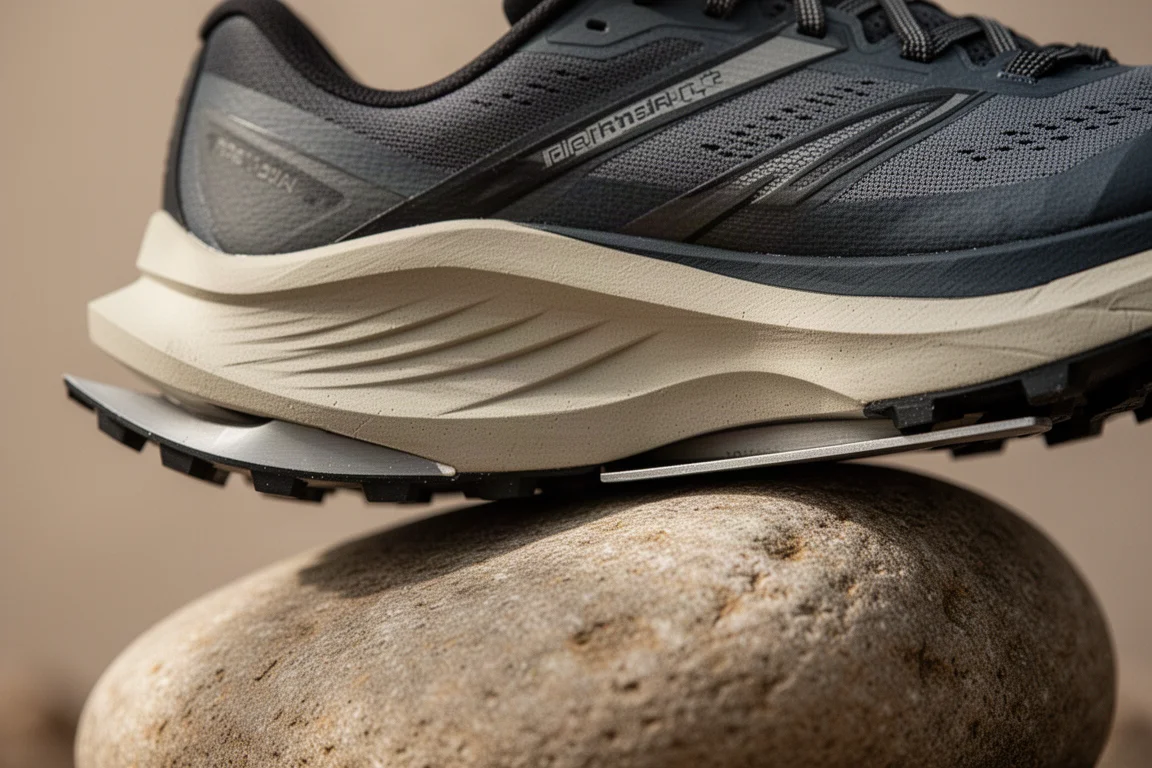
At 270 grams in a men’s UK 10, with a 6mm heel offset (33mm heel, 27mm forefoot), the numbers place it firmly in the performance trail category. Salomon has chosen a TPU plate rather than the carbon plates many brands now favor, a decision that makes sense on technical ground where too much rigidity can work against you. The full Energy Surge midsole, a blend of EVA and olefin, pairs with an aggressive rocker geometry, and the Energy Blade sits low in the construction, primarily for propulsion and running economy but also contributing underfoot protection. Grip comes from the All Terrain Contagrip outsole with around 4mm lugs, and the upper uses a bootie construction with Salomon’s Quicklace system stowed in a tongue pocket that is noticeably better designed than the one on the Ultra Glide.
Standout Strengths
The midsole performance was the clear highlight. On the opening road miles, the Energy Surge compound felt slightly firmer than the version used in the Ultra Glide, but firmer in a good way: more bounce feedback, more energy return, and less squish, while still feeling comfortable underfoot. Combined with the rocker geometry, it made steady running feel remarkably efficient, to the point where holding that tempo all day seemed plausible. The Energy Blade itself was not obvious in the ride, but it appeared to offer good protection on rocky sections without adding stiffness or rigidity.
The sock-like upper also earned its keep. It held the midfoot and heel securely and, being lightweight and breathable, stayed comfortable in seriously hot conditions. The toe bumper deserves special mention: on the traverse’s technical rocky sections, repeated toe stubs would likely have meant a black toenail without it, and it saved the day more than once. For anyone who prizes forefoot protection in trail shoes, this is exactly the kind of feature that matters.
Things to Consider Before Buying
Two issues surfaced during the race. The first was likely self-inflicted: after yanking the Quicklace down very tight in transition, a hot spot developed around mile five that only settled once the lace tension was eased. On closer inspection, the stitching around the eyelets is quite raised and rough, with no padding in that section, so it is worth watching whether it softens with more miles.
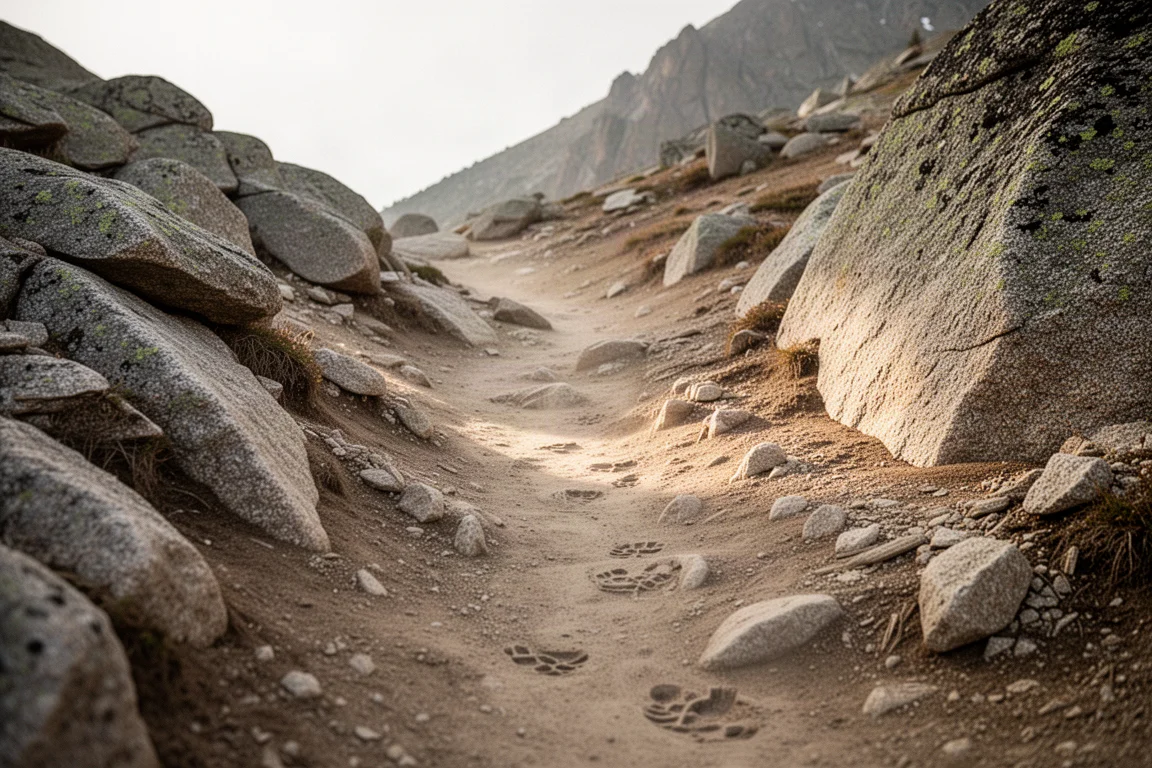
The second concern is traction. The Contagrip rubber handled tarmac, wet rock, boggy mud, and rocky ground without problems, but on steep, dusty, loose descents in dry conditions, confidence in the lugs dipped. It never slipped outright, but the pace had to be checked. Runners in dry, rocky regions should factor this in, while UK winter mud may also stretch the 4mm lugs.
Buying Advice
This is a premium trail shoe at £160 in the UK, and it behaves like one on most terrain. It suits runners who want a plated trail shoe with genuine cushioning and propulsion for long days out, who favor a TPU plate’s moderate stiffness over carbon’s rigidity, and who value a protective toe bumper on technical routes. sizing runs snug in true Salomon fashion: going up half a size proved to be the right call here. Anyone who mostly runs steep, dry, loose descents may want to wait for a longer-term verdict on traction before committing, and the eyelet stitching is worth monitoring in the early miles.
Conclusion
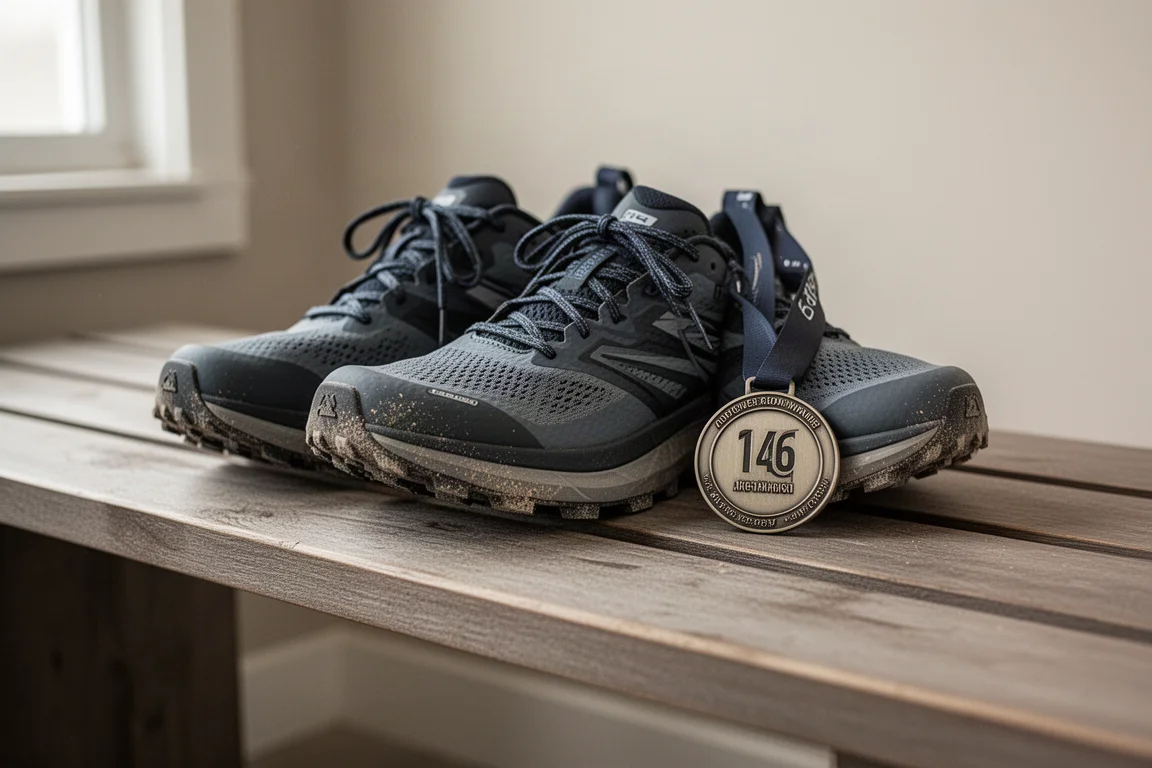
For a first attempt at a plated trail shoe, Salomon has largely nailed it. The midsole and rocker combination delivered an efficient, well-cushioned ride across road, rock, and mud, the upper locked the foot in comfortably through hot race conditions, and the toe bumper proved its worth repeatedly. The rough eyelet stitching and the tentative traction on loose descents are the caveats, and only more miles will reveal whether they settle down. As a first impression, though, the Pulsar Trail Pro ran every bit as good as it looks.
Product link
View more details for Salomon Pulsar Trail Pro x CLN Athletics
This product is mentioned in the review. Check the specifications, options, and compatibility before buying.
View more details for Salomon Pulsar Trail Pro x CLN AthleticsFurther reading
Related Reviews
Trail Running Shoes
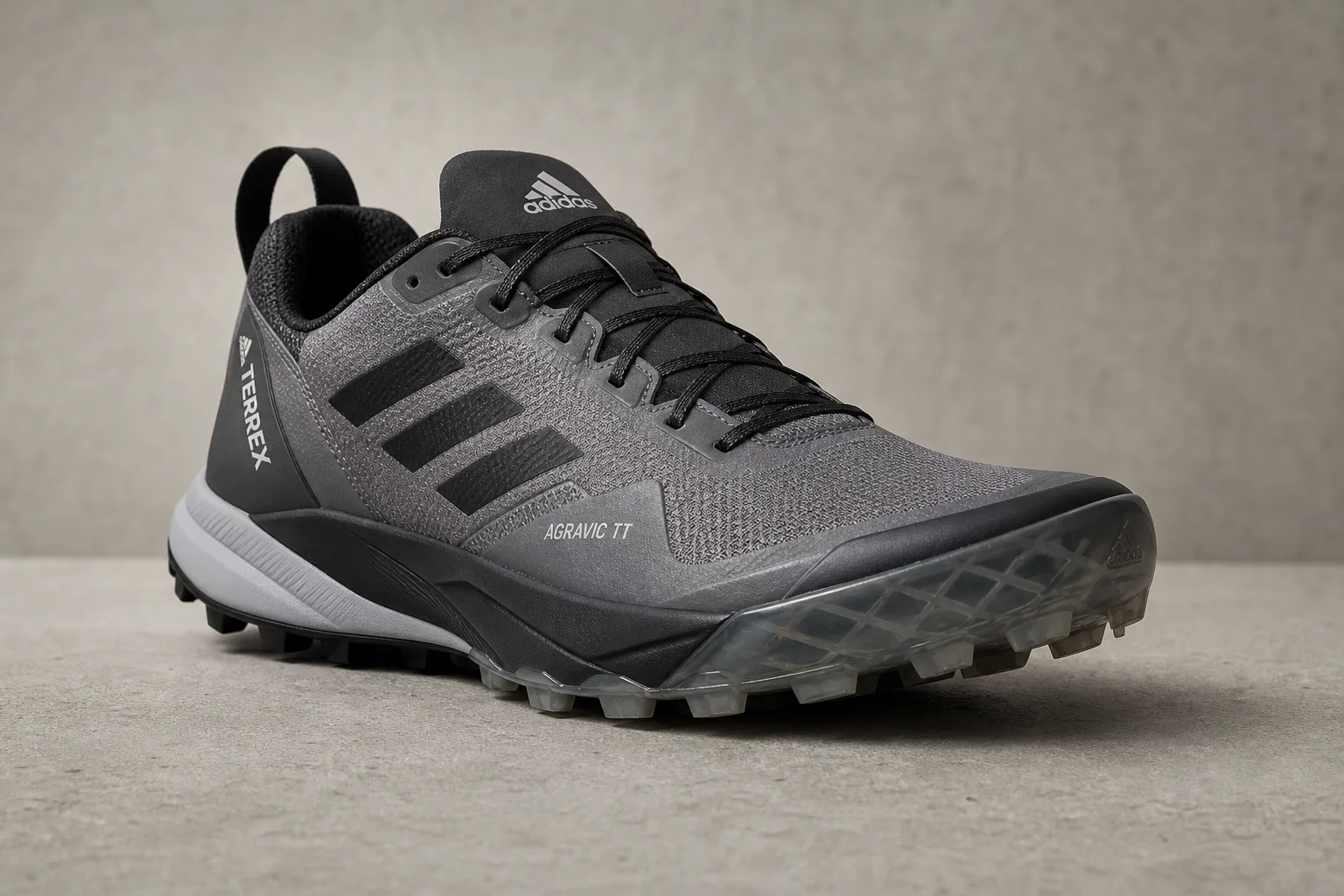
Adidas Terrex Agravic TT Review: A Technical Trail Shoe Built for Rocky Terrain
The Adidas Terrex Agravic TT combines a full-coverage rock plate with a firmer midsole to deliver protection and stability on technical, rocky trails. A capable choice for runners who prioritize underfoot defense over lightweight cushioning.
Trail Running Shoes
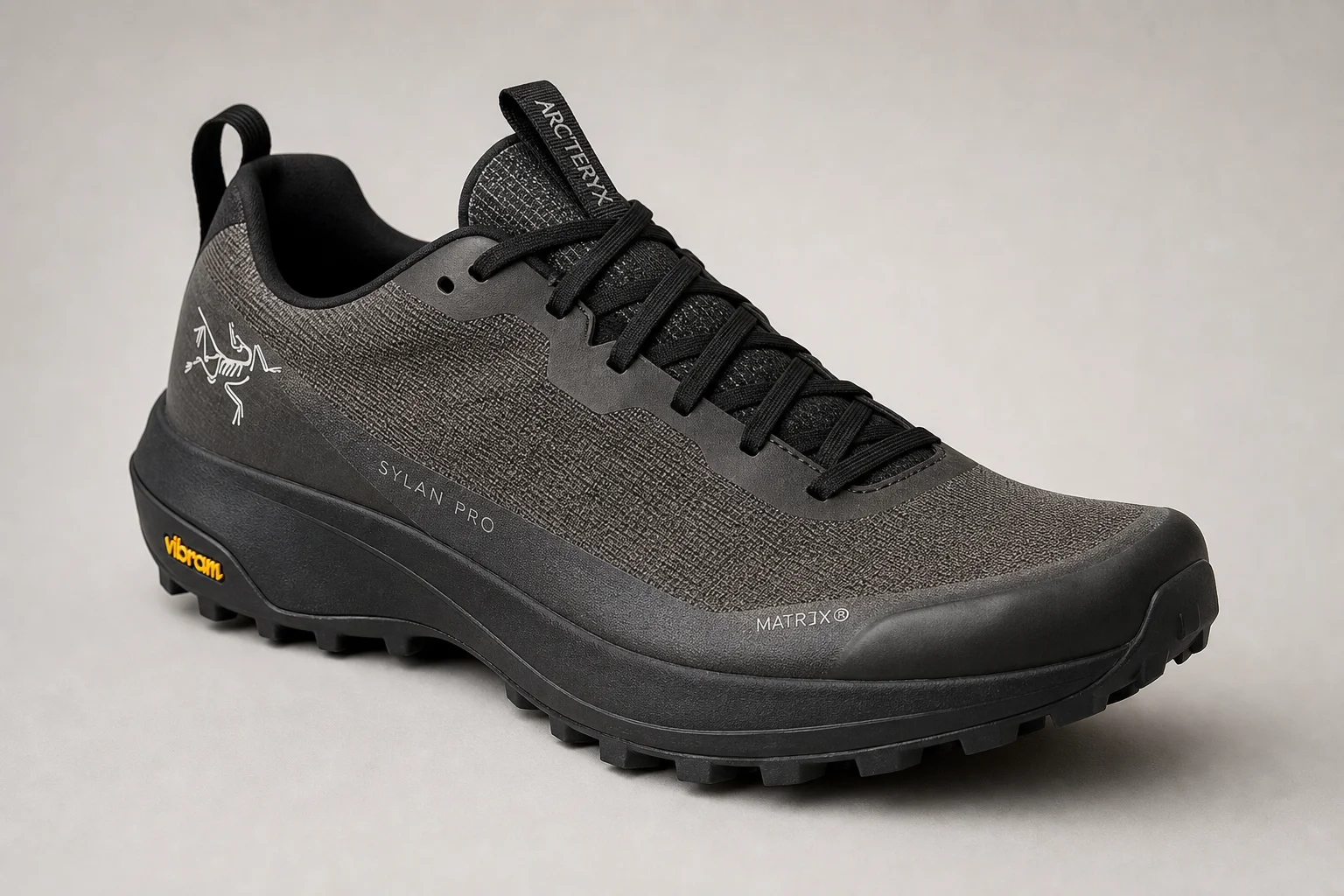
Arc'teryx Sylan Pro Review: A Rocker-Focused Mountain Running Shoe Tested on 20 Miles
The Arc'teryx Sylan Pro brings a pronounced rocker geometry and secure fit to mountain terrain. We tested it on a 20-mile Sawtooth loop to evaluate its climbing efficiency, protection, and handling of technical descents.
Trail Running Shoes
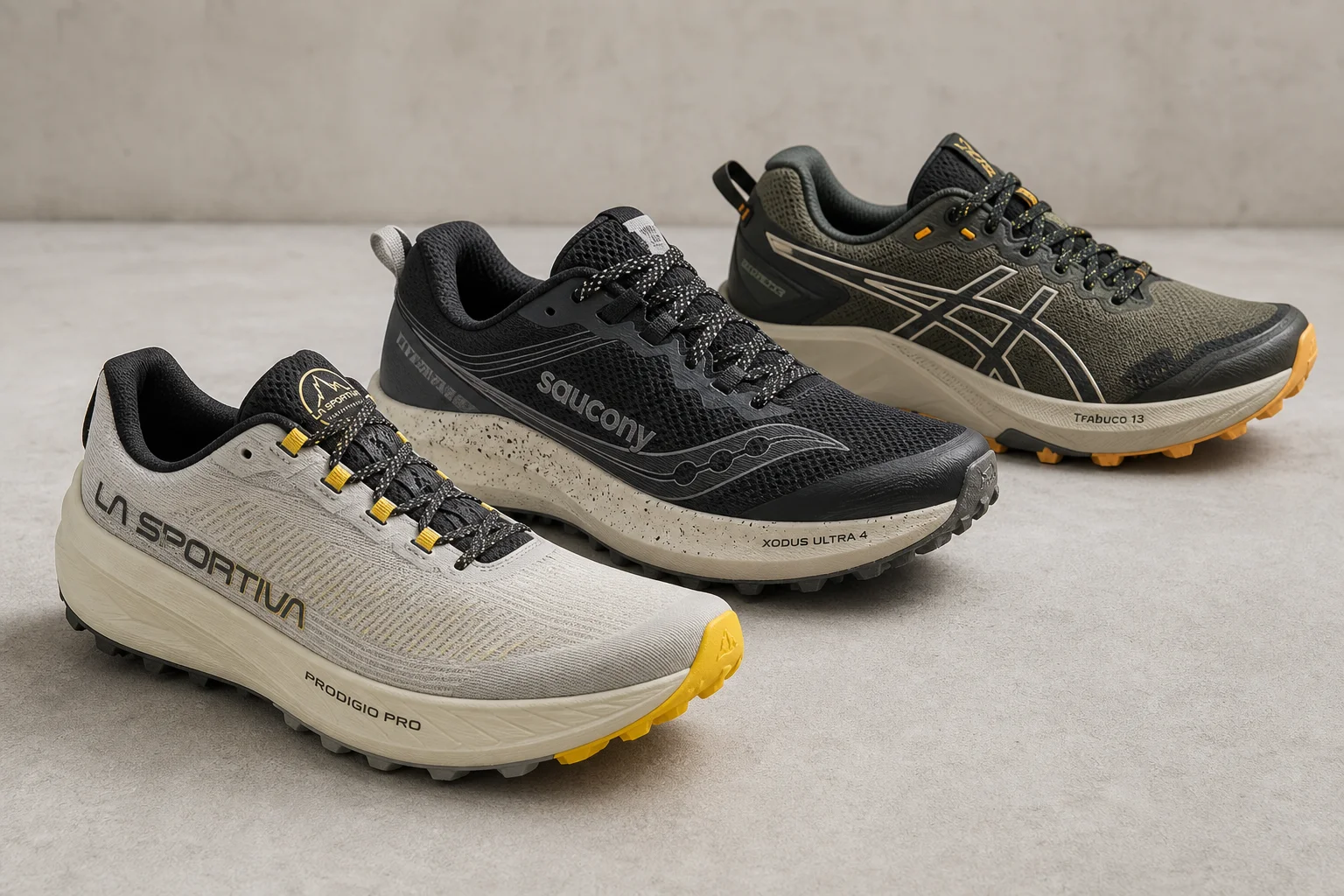
Best All-Mountain Trail Running Shoes: Three Versatile Options for Any Trail
A focused roundup of three all-mountain trail running shoes that handle technical terrain, long distances, and variable conditions with real strengths and practical trade-offs.