Trail Running Shoes
Salomon Pulsar 4 vs Pulsar 3: Which Trail Racer Should You Buy?
The Pulsar 4 gains weight and stability for longer ultra days, while the Pulsar 3 stays the lighter mountain racing pick. Here is how to choose.
Introduction
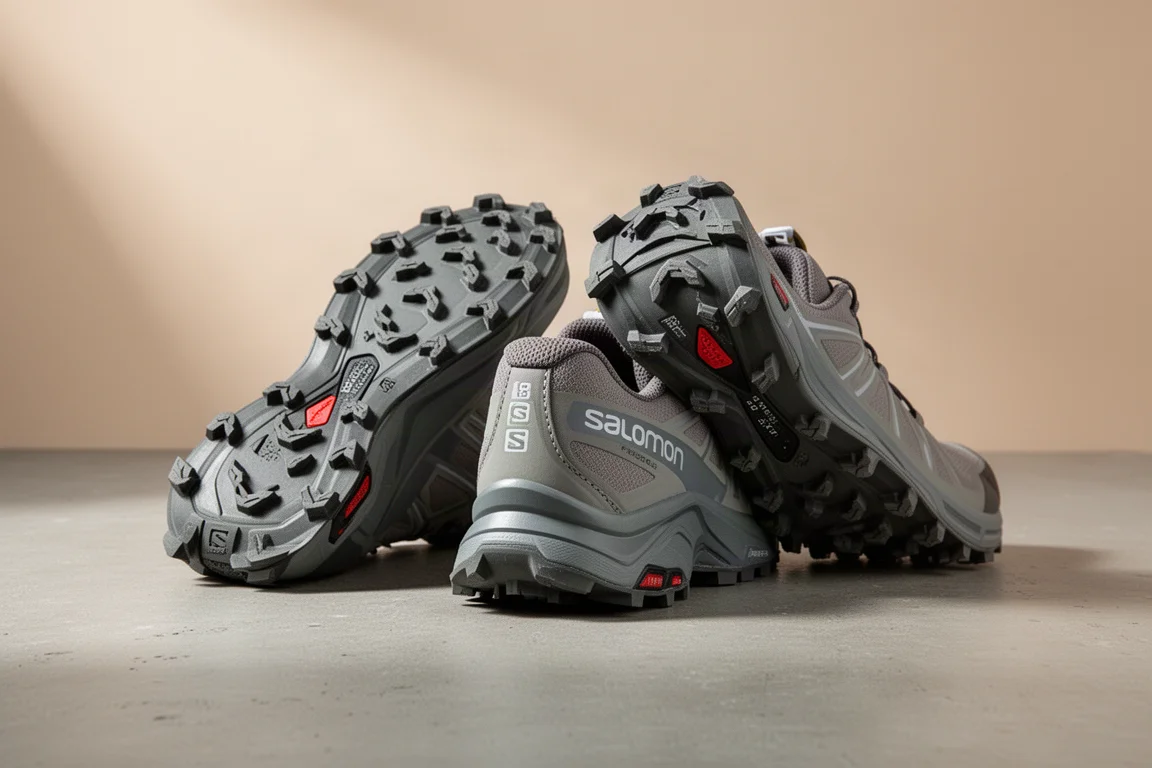
Salomon’s Pulsar line has quietly become a favorite among mountain racers, and the arrival of the Pulsar 4 raises a familiar question: is the new version the better buy, or does the older model still hold the crown? We weighed both shoes, compared their build quality, and looked at who each one actually serves. The short version: the Pulsar 4 is a buy for most runners, but the Pulsar 3 remains the right call for a specific kind of racer.
Salomon Pulsar 4: Built for the Long Haul
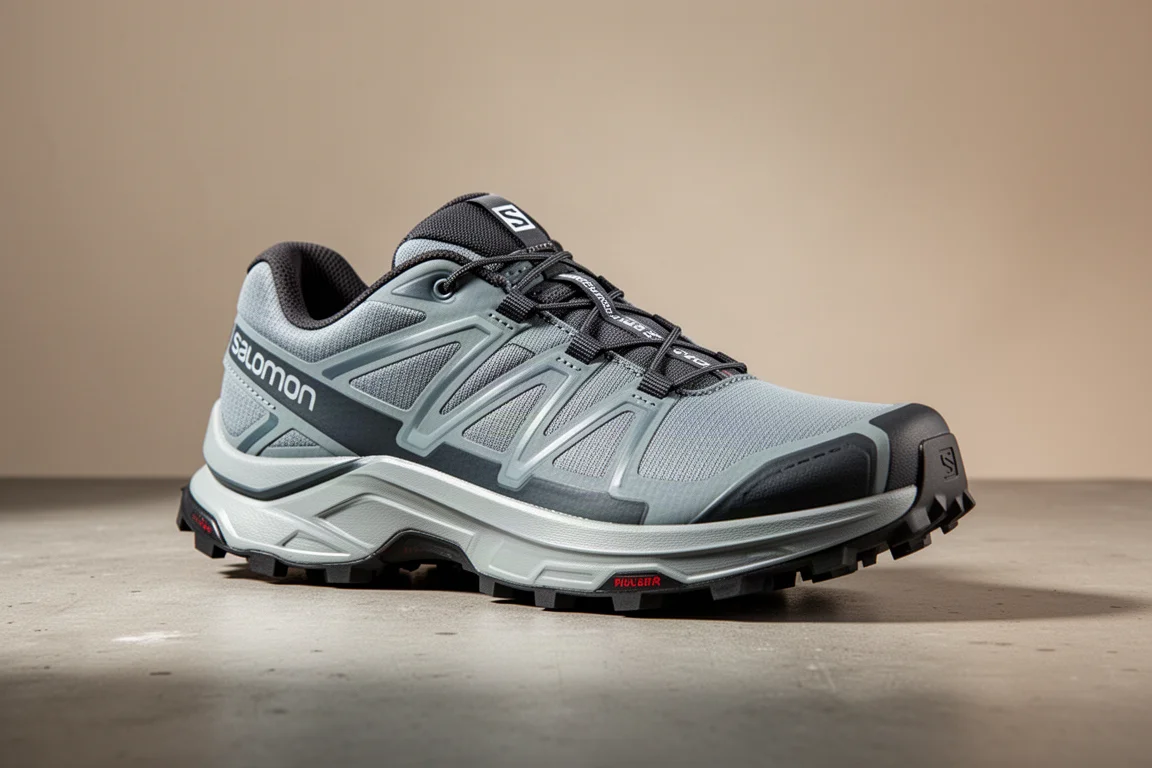
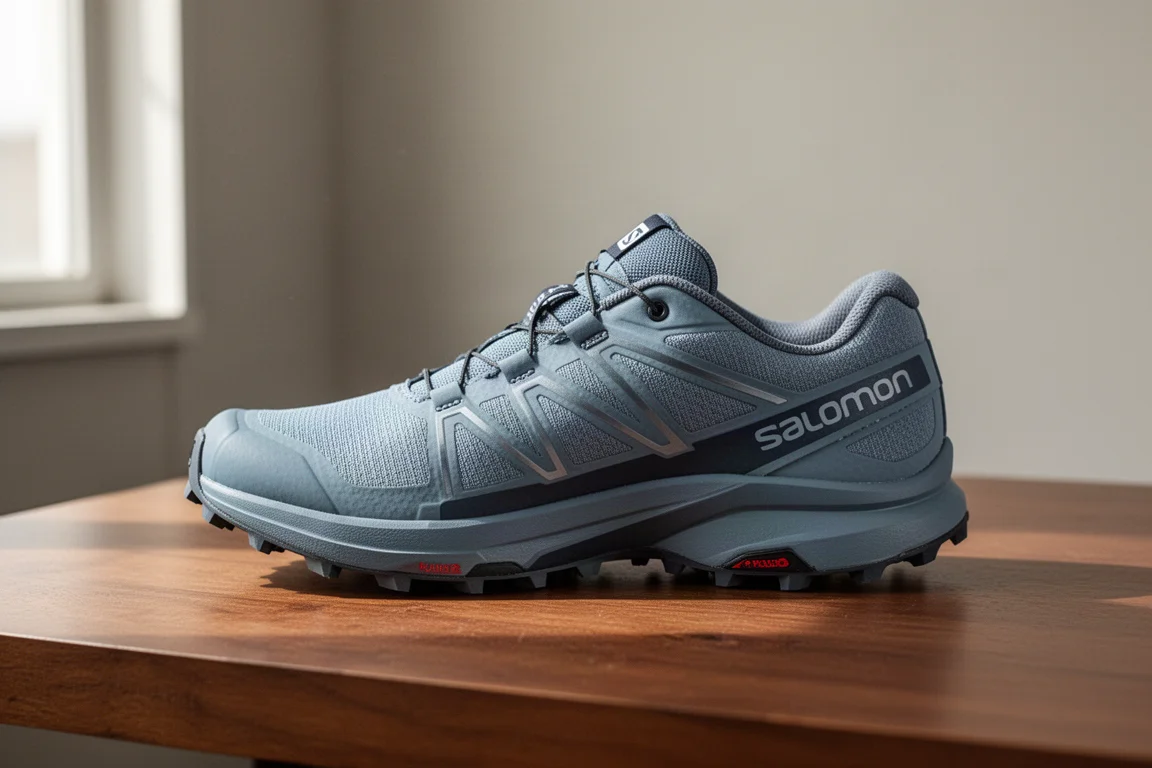
The Pulsar 4 lands at 8 oz even, roughly 1.7 oz more than the Pulsar 3. That is a meaningful gain in a racing shoe, but it comes with a purpose. The stack height is 35mm in the heel and 29mm in the forefoot, giving a 6mm drop, and the midsole uses a dual-density construction with Energy Foam Plus on the upper layer. The dual-density setup along the medial and lateral sides almost acts as a mild stability element, helping keep the ankle more secure over rocks and roots.
Salomon has also opened this shoe up to the broader running world, and that makes sense with how it is built. It is a stout, energetic, durable platform that feels aimed at distance. The full gusseted tongue and the Matrix upper give it a well-constructed feel, and the upper in particular looks like it will outlast the Pulsar 3’s. This is a shoe you could realistically get a couple of seasons of racing out of.
Outsole and Lug Changes
Both shoes carry a 4mm lug depth, but the lug pattern changed from the Pulsar 3 to the Pulsar 4, and the outsole is noticeably wider with the Contra Grip rubber. Whether that change is an improvement depends entirely on your running style. The wider platform reduces that sharp ankle-flexion bite when you dig hard into a mountain climb, which some runners will appreciate and others will miss.
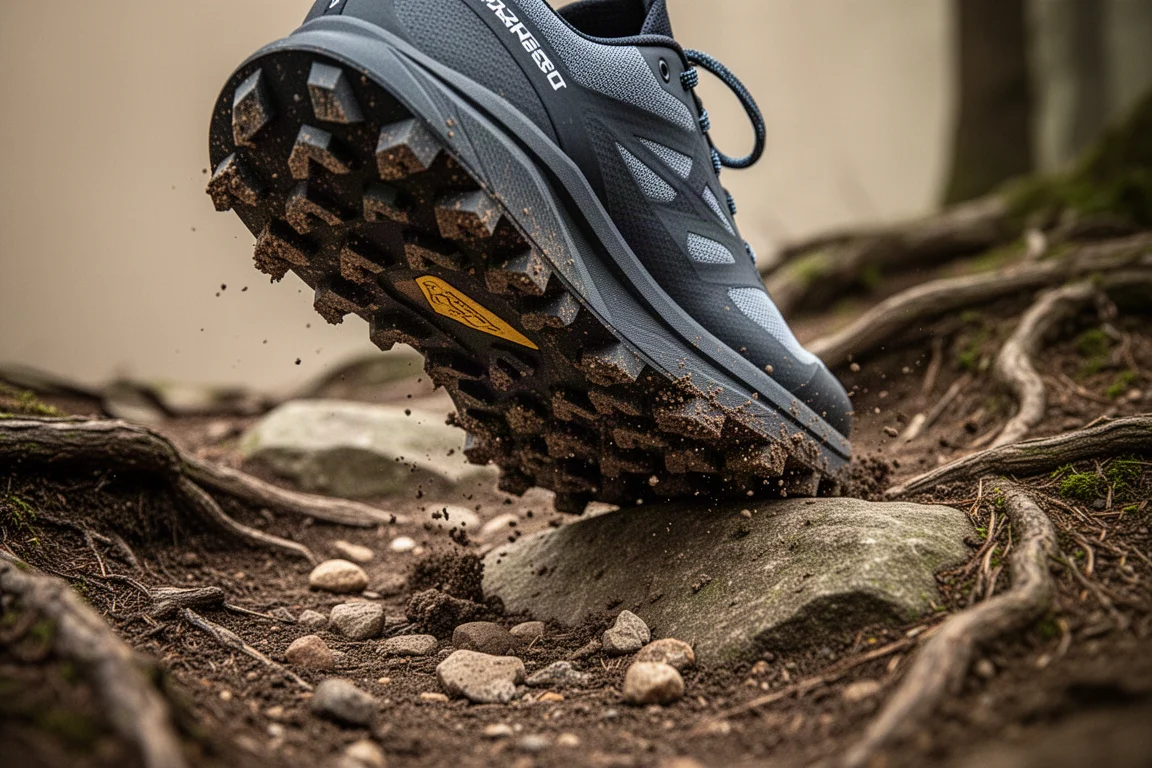
For runners who heel strike, or who simply want a more planted, forgiving ride on technical ground, the new outsole geometry works in their favor. For runners who like to dig in and drive off the forefoot on steep gradients, it is a different story.
Salomon Pulsar 3: The Lightweight Mountain Racer
The Pulsar 3 weighs in at 6.3 oz, and that difference is exactly why it keeps a loyal following. It is the shoe that has logged FKTs, a Pikes Peak Marathon, and a Pikes Peak Ascent, and it remains the pick for short, steep mountain races where every ounce and every degree of ankle flexion counts. If your race is 13 miles of climbing rather than an 8-hour day out, the lighter, narrower platform still bites the mountain better.

It is also worth noting that the Pulsar 3 is currently available at a significant discount, roughly $100 less than the Pulsar 4, which makes it an even easier recommendation for mountain racers on a budget.
Which One Should You Buy?
If you race short and steep, you value a close-to-the-ground feel, and you have strong, conditioned ankles from years of trail running, the Pulsar 3 is still the tool for the job. If you are heading out for 50Ks or long days of four to eight hours on the trails, the Pulsar 4’s added cushioning, stability features, and durable upper make it the smarter, safer choice.
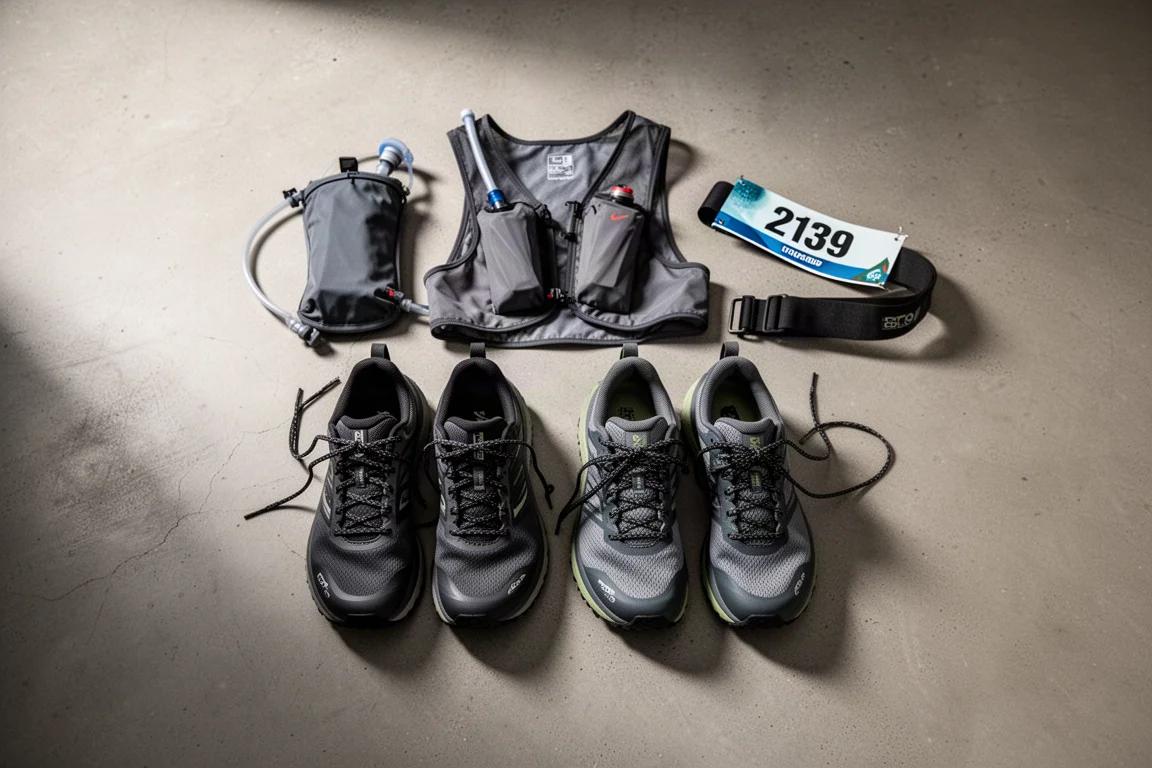
One more data point from the line’s history: the original Pulsar weighed just 5.3 oz, so the family has steadily gained weight with each generation. That trajectory tells you exactly where Salomon is heading, toward broader appeal and longer distances. If you love the Pulsar 4’s concept but want to train more than you race in it, it also works well as a dedicated training shoe while you race in something lighter.
Conclusion
The Pulsar 4 is a well-built, thoughtfully engineered update that deserves its place in the ultra and long-distance trail category, and for most runners it is the right buy. For racers chasing fast, short mountain efforts, the lighter Pulsar 3, especially at its current discount, remains hard to beat. Match the shoe to the distance you actually race, and you will not regret either choice.
Further reading
Related Reviews
Trail Running Shoes
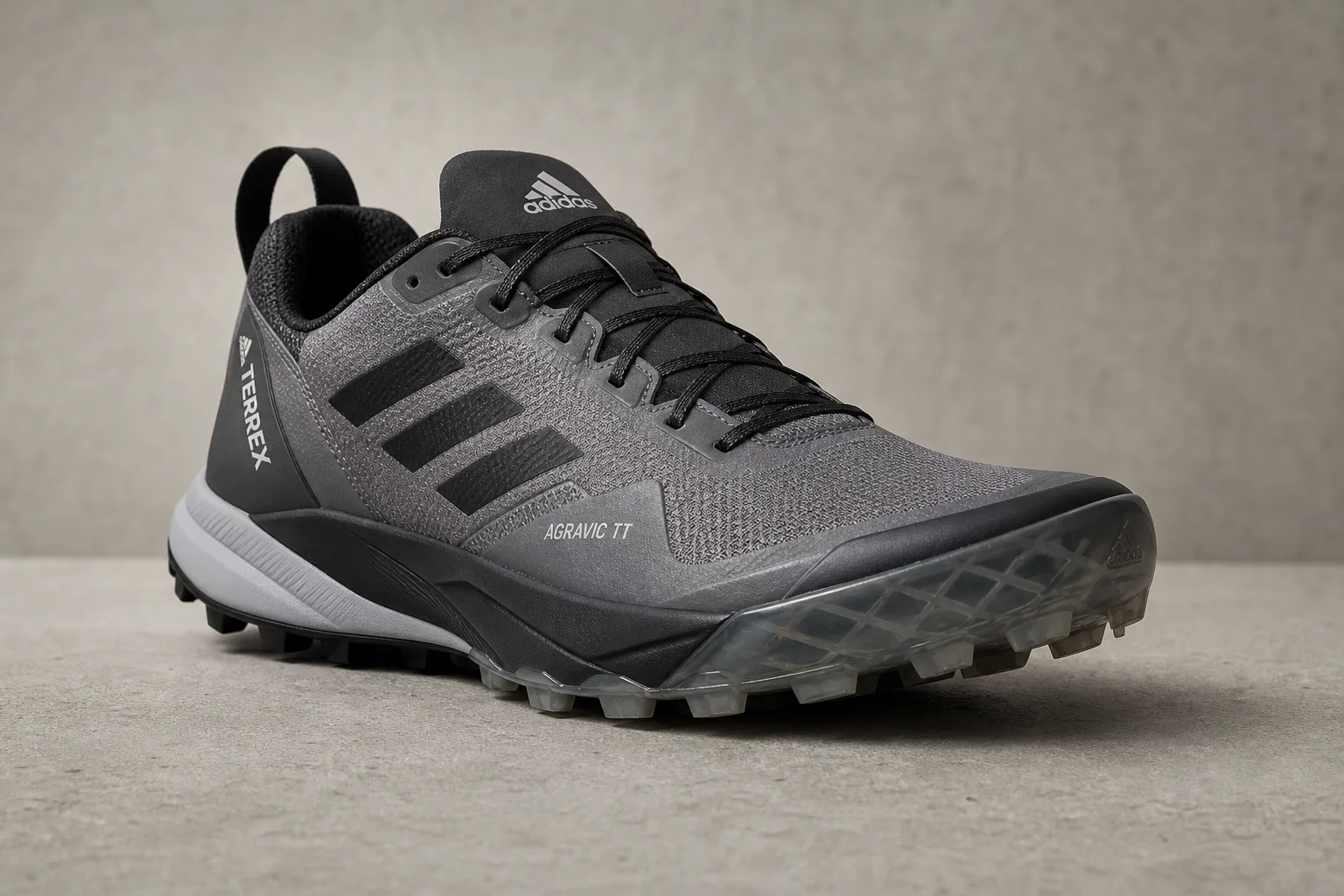
Adidas Terrex Agravic TT Review: A Technical Trail Shoe Built for Rocky Terrain
The Adidas Terrex Agravic TT combines a full-coverage rock plate with a firmer midsole to deliver protection and stability on technical, rocky trails. A capable choice for runners who prioritize underfoot defense over lightweight cushioning.
Trail Running Shoes
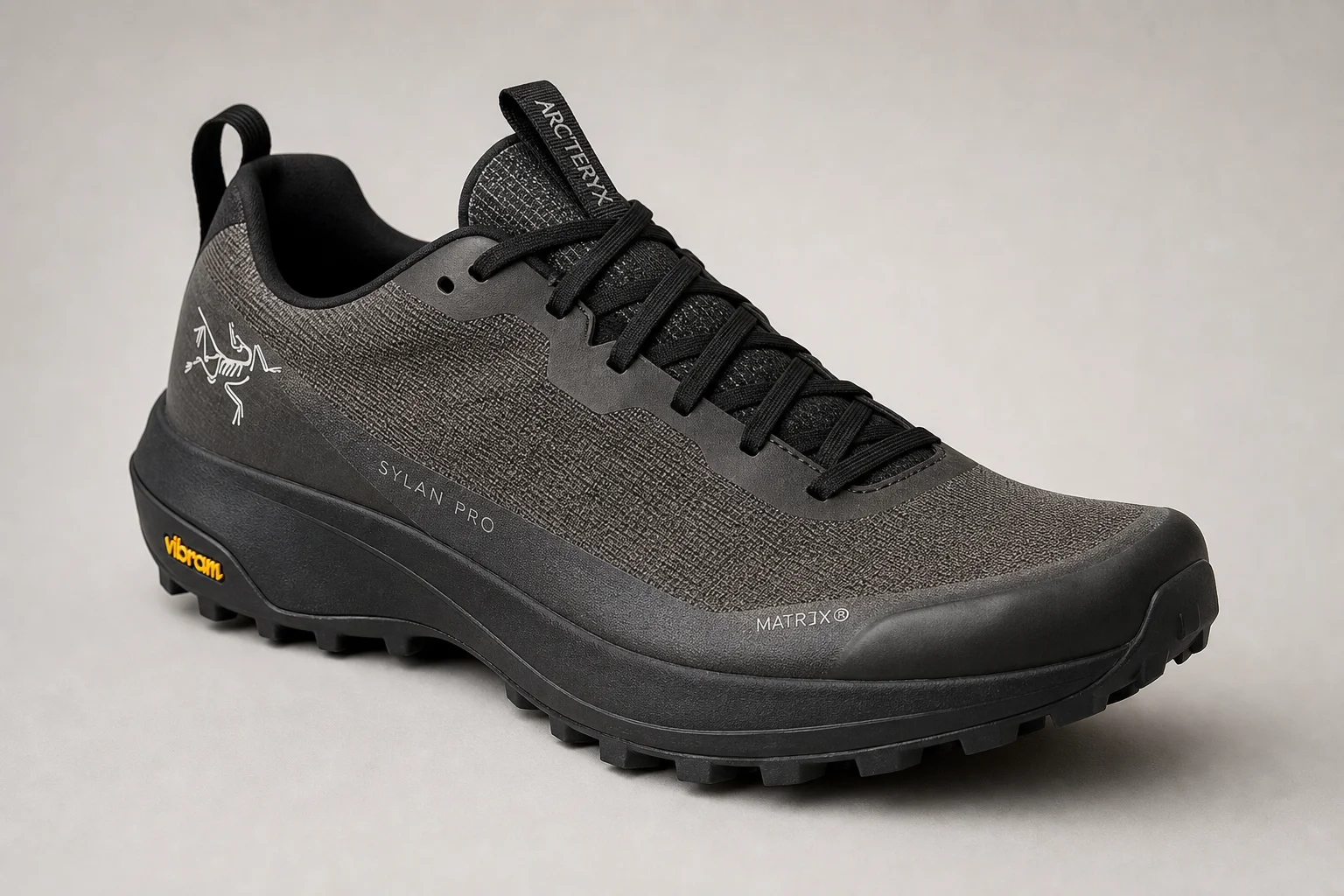
Arc'teryx Sylan Pro Review: A Rocker-Focused Mountain Running Shoe Tested on 20 Miles
The Arc'teryx Sylan Pro brings a pronounced rocker geometry and secure fit to mountain terrain. We tested it on a 20-mile Sawtooth loop to evaluate its climbing efficiency, protection, and handling of technical descents.
Trail Running Shoes
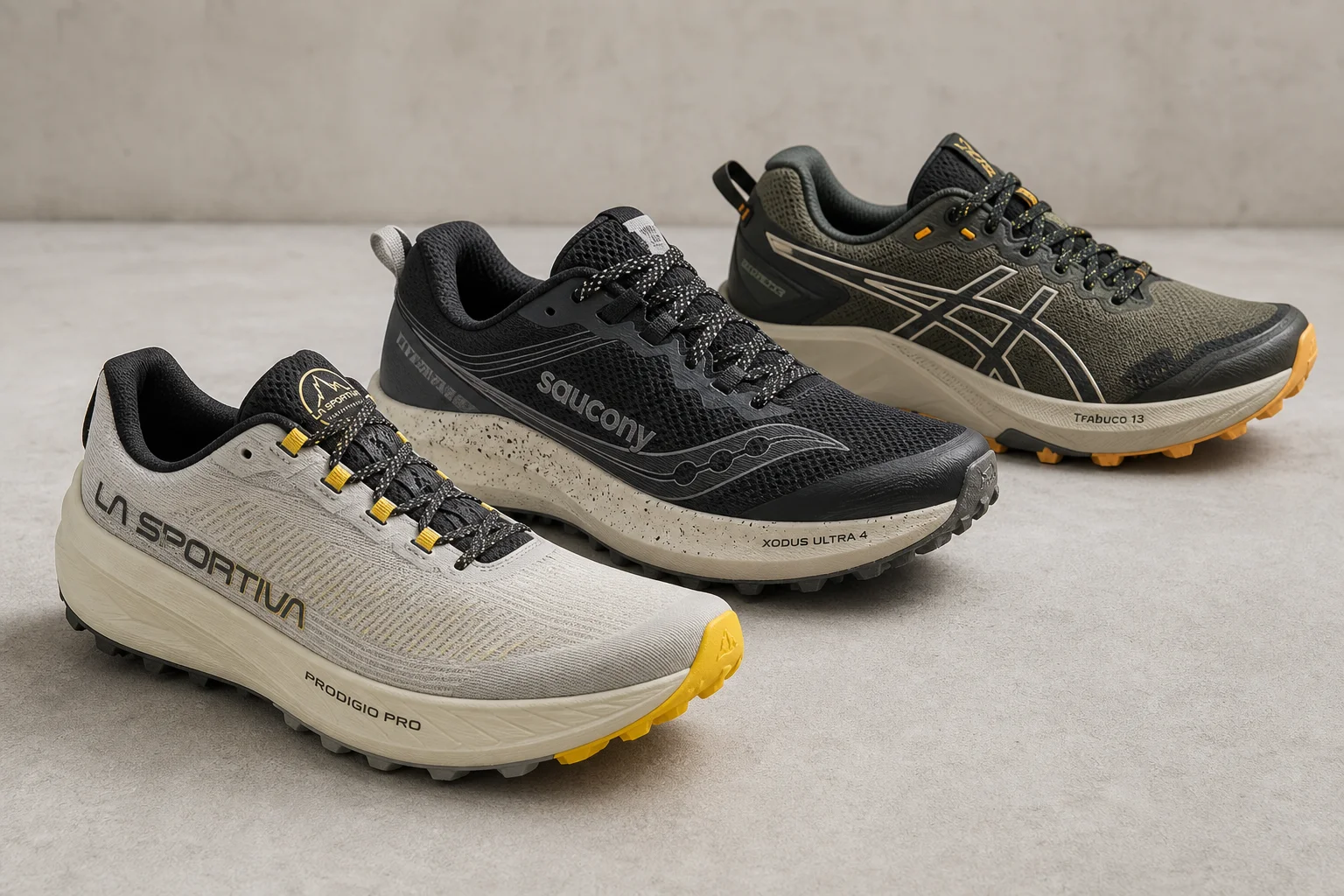
Best All-Mountain Trail Running Shoes: Three Versatile Options for Any Trail
A focused roundup of three all-mountain trail running shoes that handle technical terrain, long distances, and variable conditions with real strengths and practical trade-offs.