Trail Running Shoes
Salomon Peregrine 16 Review: A Balanced Trail Shoe Tested in Deep Mud
Ran a muddy trail half marathon out of the box in the Salomon Peregrine 16. Here is how it handled wet ground, rocky sections, fields, and a stretch of road.
Introduction
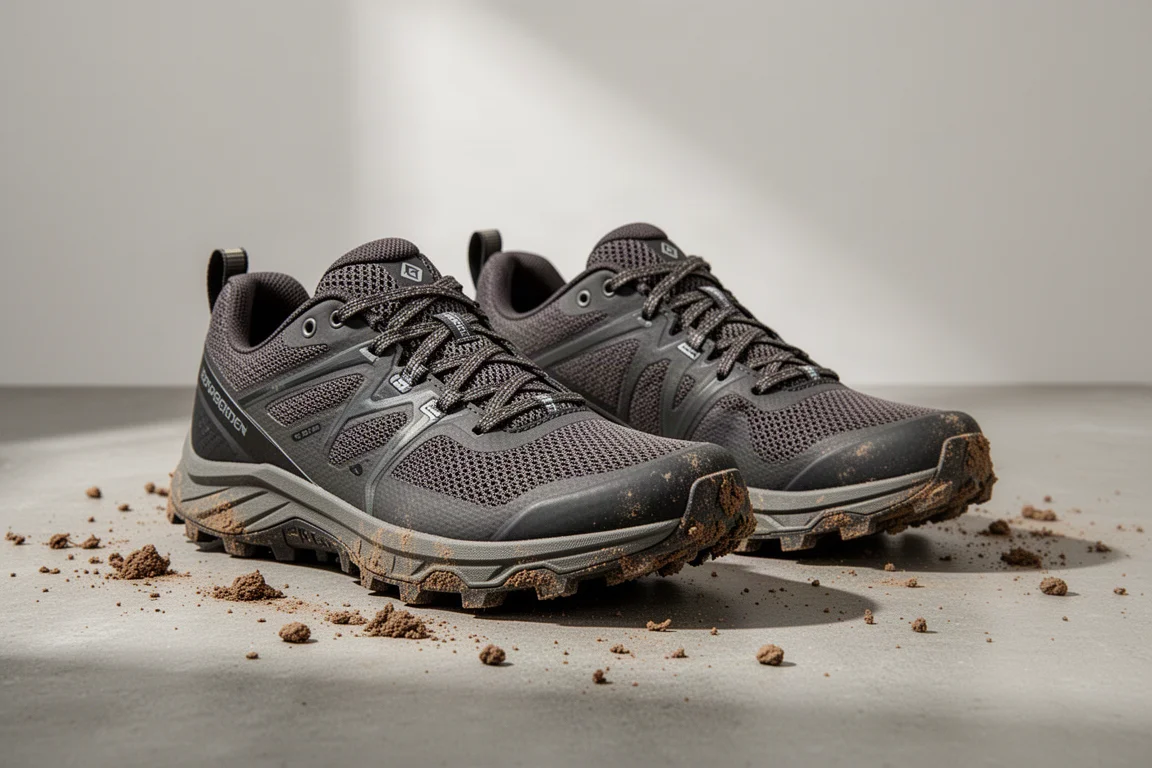
The Salomon Peregrine line has long been a dependable pick for runners who want one trail shoe that can handle most of what they throw at it. The Peregrine 16 continues that formula, and a 21K test run through some of the muddiest conditions imaginable offered a good first look at where it excels and where it falls short.
First Run: A Muddy Trail Half Marathon, Straight Out of the Box
This was the first time wearing the Peregrine 16, with no break-in period and no spec-sheet homework beforehand. The course started in a small village at a racecourse, climbed to the top of the downs, and then rolled up and down with plenty of long, slow inclines. The first and final 3K were pure slippy mud, and a lot of runners were struggling to stay upright.

The shoe felt comfortable for the entire 21K distance out of the box. That is no small thing for a first wear, and it matches the long-standing reputation of this line as a shoe you can pick up and just run in.
Grip: Strong on Most Trails, Outmatched in Deep Bog
The Peregrine 16 is a balanced shoe rather than an extreme one. Across fields, on compact muddy trails, and on rocky sections, it held up well. The firmer midsole and rubber compound help here, because you are not stacking soft foam on soft ground, so control stays solid when the surface gets loose.
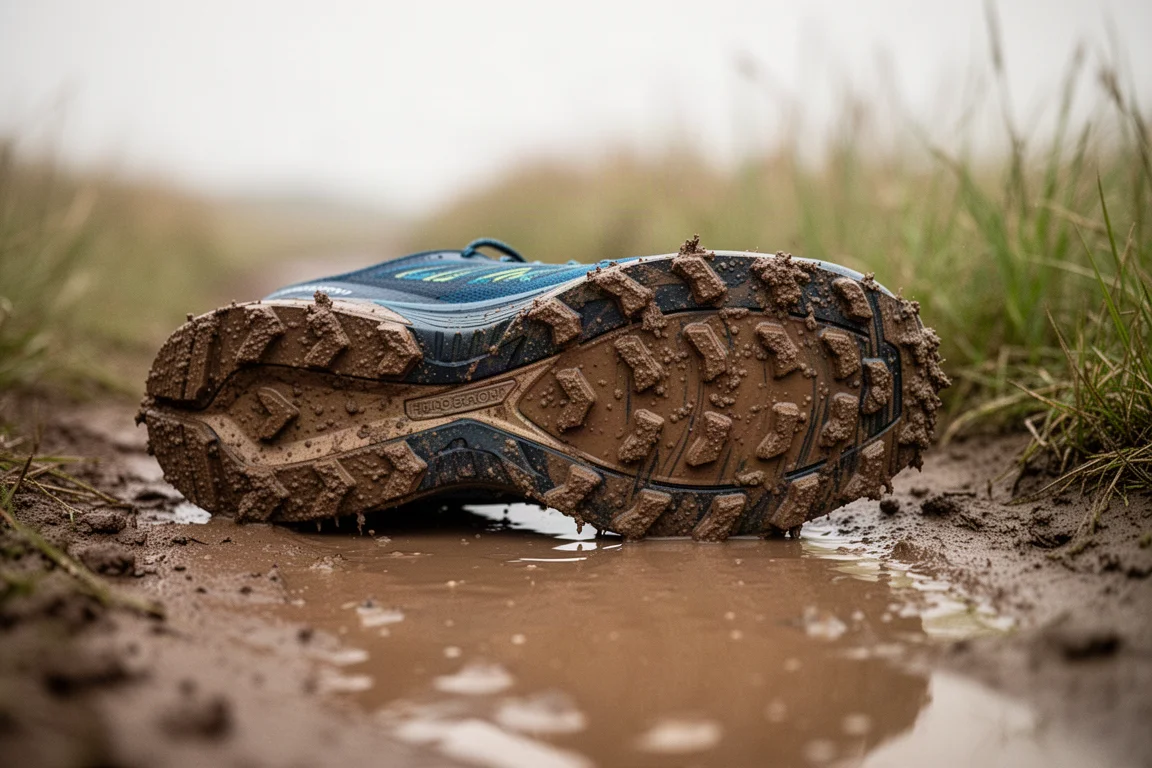
Where it falls short is the really wet, sludgy stuff. The lugs simply are not big enough for deep bog, and there was some slipping in the worst sections. For those conditions, something more aggressive like a shoe built for extreme mud is the better tool. That is a niche case, though. Everything else on this course was handled just fine.
Versatility: Fields, Compact Trails, and Road Sections
The midsole is well balanced but not soft enough for long stretches on hard road. Road-to-trail for about 3 to 5K is workable, but beyond that the firmer rubber starts to feel uncomfortable. On the trails proper, that same firmness becomes a strength: it does not feel like a slow shoe, and it handled fast descents confidently.
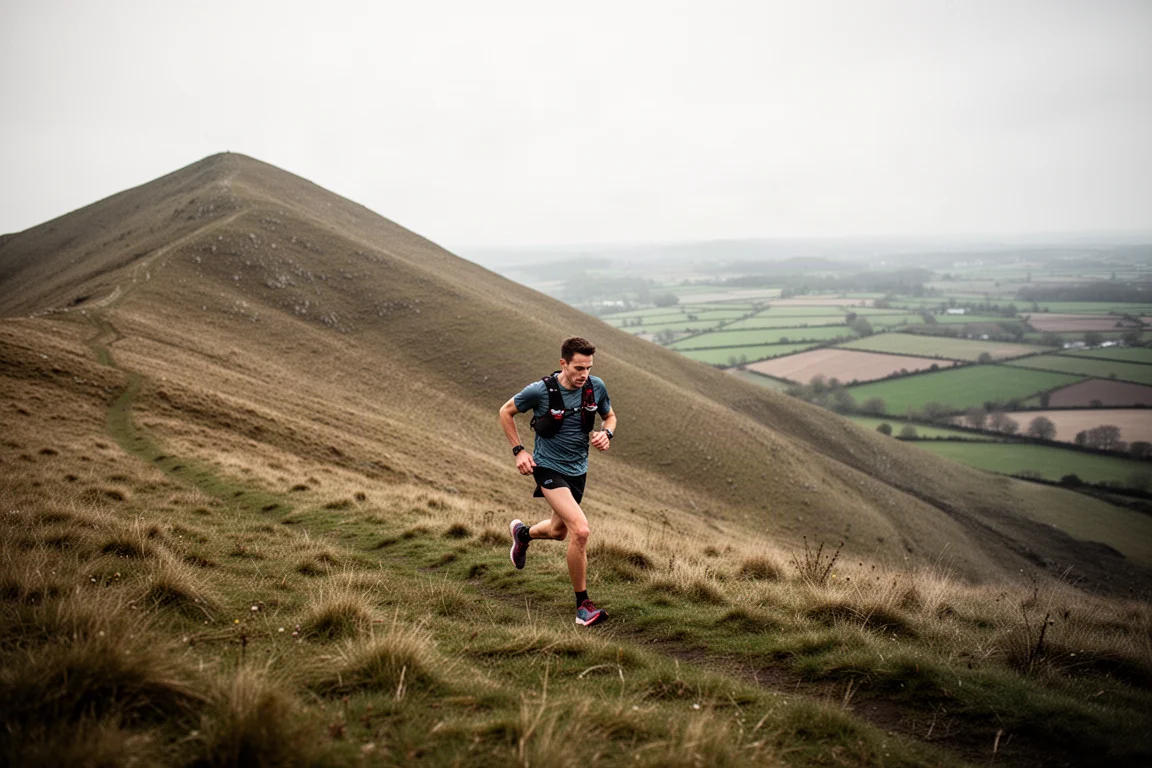
This is a shoe that sits in the middle of the trail shoe spectrum almost perfectly. It works for beginners who want one shoe for everything, and it works as a rotation shoe or workhorse for faster trail sessions. It is not the shoe for a very wet and boggy Lake District outing, but for most everyday trail running it ticks a lot of boxes.
Who the Peregrine 16 Is Best For
If you are new to trail running and want a single shoe that covers most surfaces, the Peregrine 16 is an easy recommendation. It is equally sensible for experienced runners who want a comfortable, versatile shoe in their rotation for moderate conditions, mixed terrain, and faster efforts on softer ground.
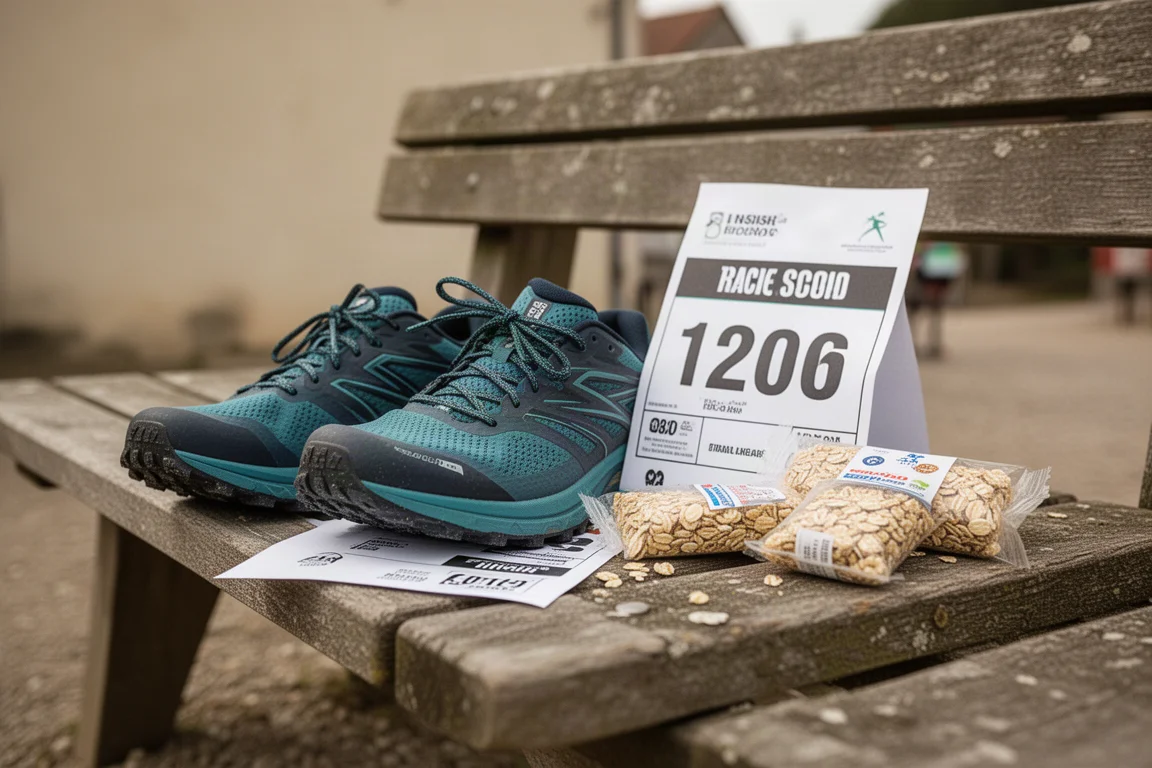
If your regular routes involve deep bog or sustained road miles, look elsewhere for those specific jobs. For everything in between, it delivers.
Buying Advice
Think of the Peregrine 16 as the sensible default rather than a specialist. Buy it if your trails are a mix of compact mud, fields, and some rocks, and if you occasionally run road to reach them. Skip it if your main terrain is extreme mud or if you need plush cushioning for long road runs.
Conclusion
The Salomon Peregrine 16 is a really solid, comfortable all-rounder that handles nearly every trail condition short of deep bog. First impressions after 21K of muddy racing are genuinely positive, and it should suit most runners looking for one dependable trail shoe.
Product link
View more details for Salomon Peregrine 16
This product is mentioned in the review. Check the specifications, options, and compatibility before buying.
View more details for Salomon Peregrine 16Further reading
Related Reviews
Trail Running Shoes
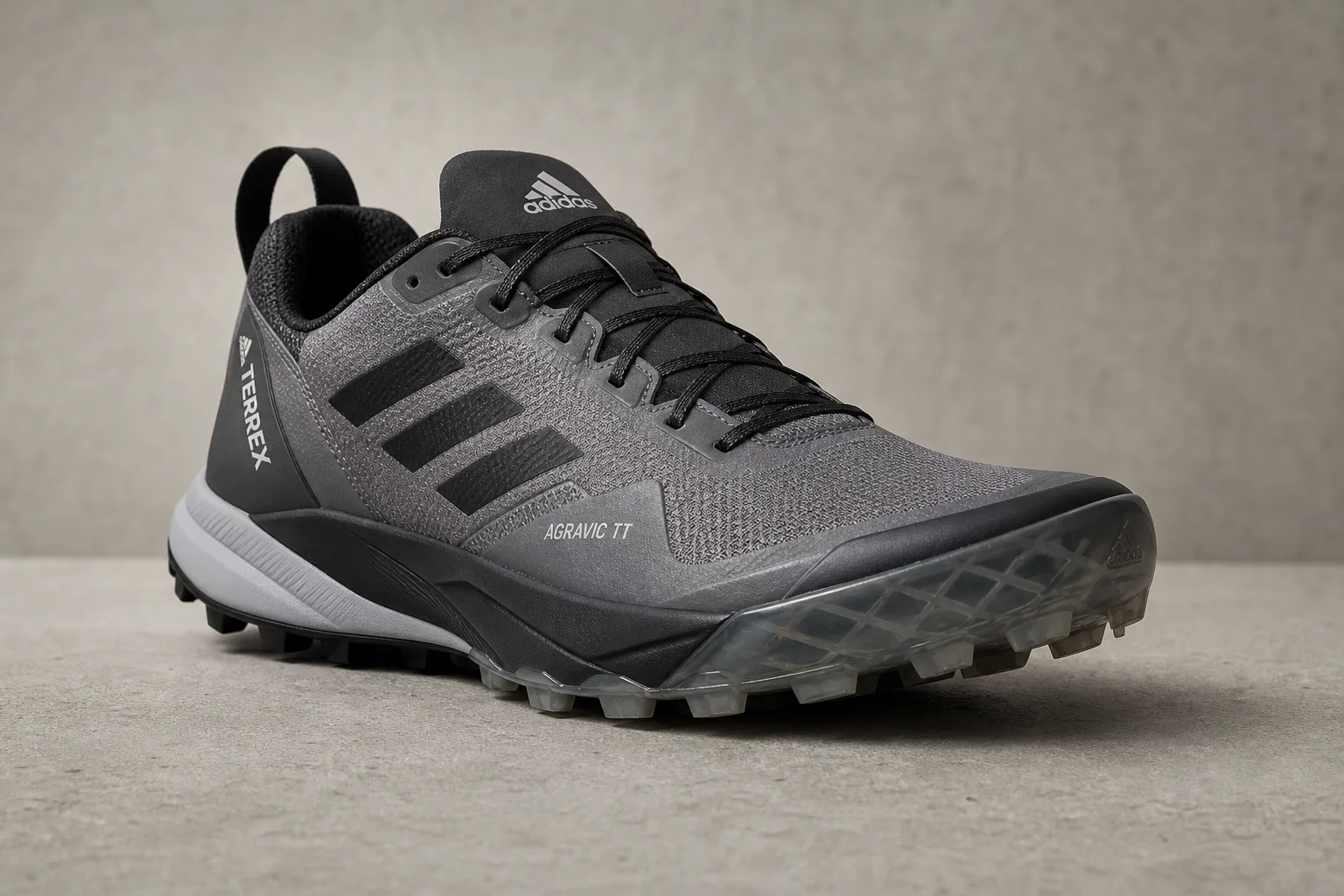
Adidas Terrex Agravic TT Review: A Technical Trail Shoe Built for Rocky Terrain
The Adidas Terrex Agravic TT combines a full-coverage rock plate with a firmer midsole to deliver protection and stability on technical, rocky trails. A capable choice for runners who prioritize underfoot defense over lightweight cushioning.
Trail Running Shoes
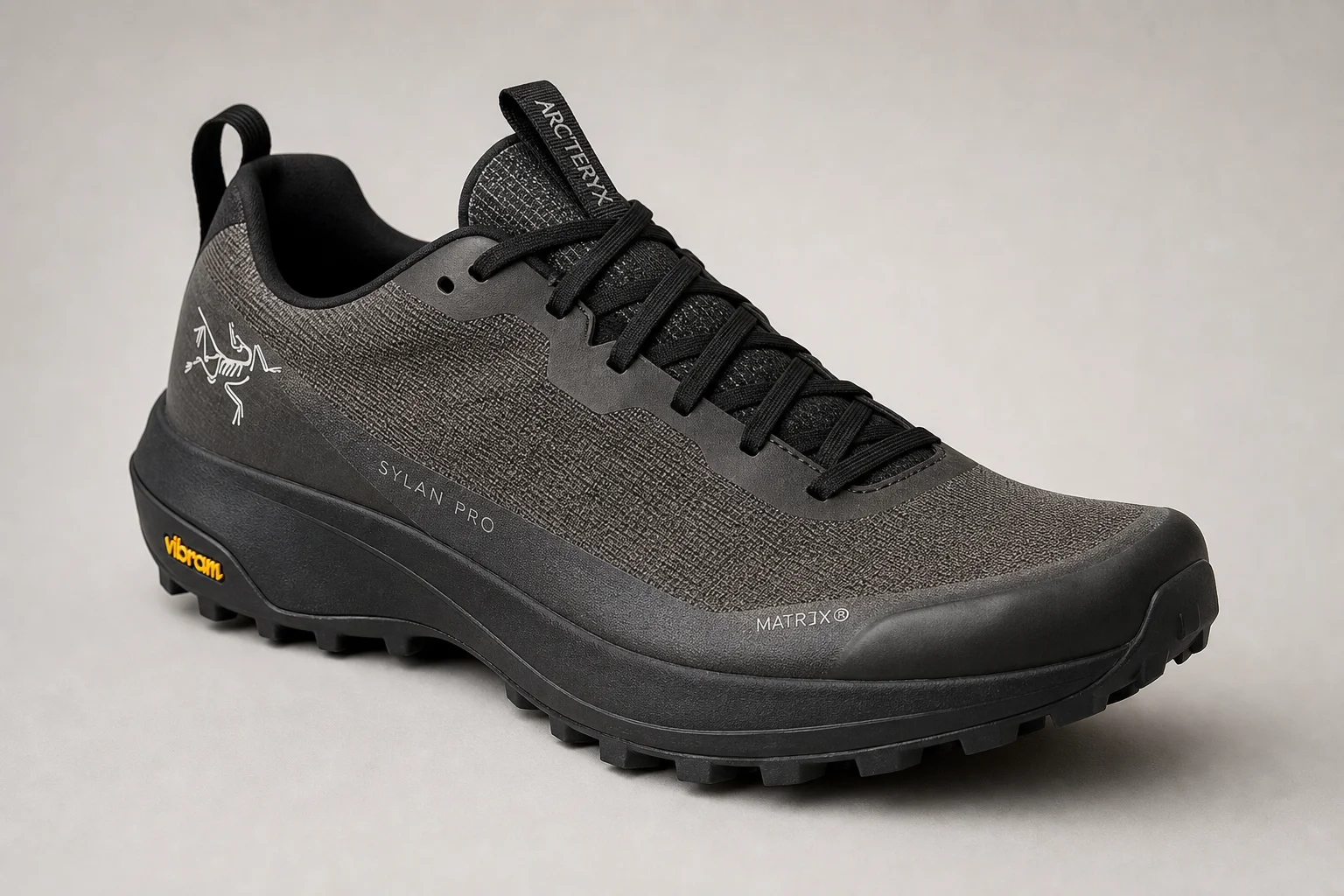
Arc'teryx Sylan Pro Review: A Rocker-Focused Mountain Running Shoe Tested on 20 Miles
The Arc'teryx Sylan Pro brings a pronounced rocker geometry and secure fit to mountain terrain. We tested it on a 20-mile Sawtooth loop to evaluate its climbing efficiency, protection, and handling of technical descents.
Trail Running Shoes
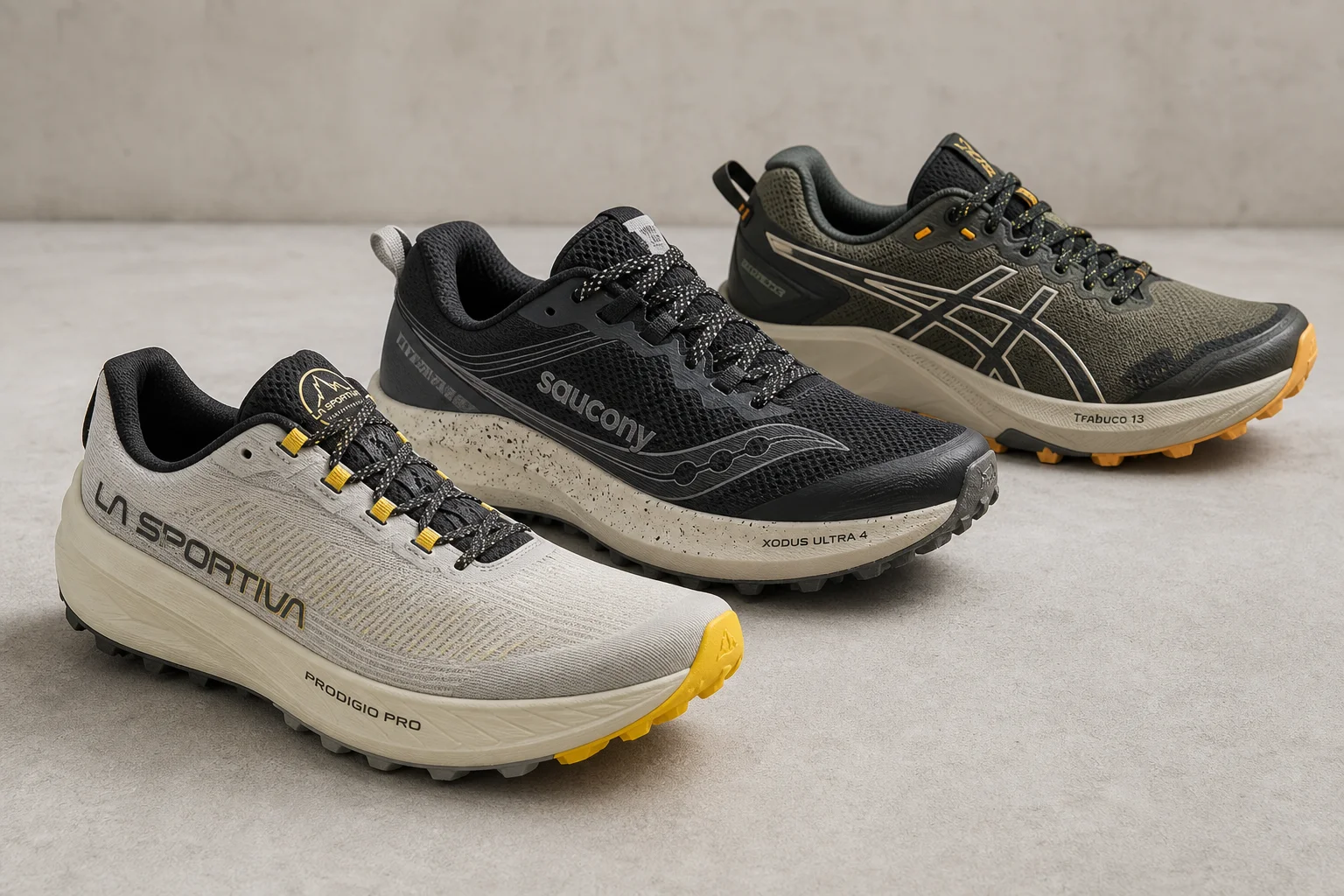
Best All-Mountain Trail Running Shoes: Three Versatile Options for Any Trail
A focused roundup of three all-mountain trail running shoes that handle technical terrain, long distances, and variable conditions with real strengths and practical trade-offs.